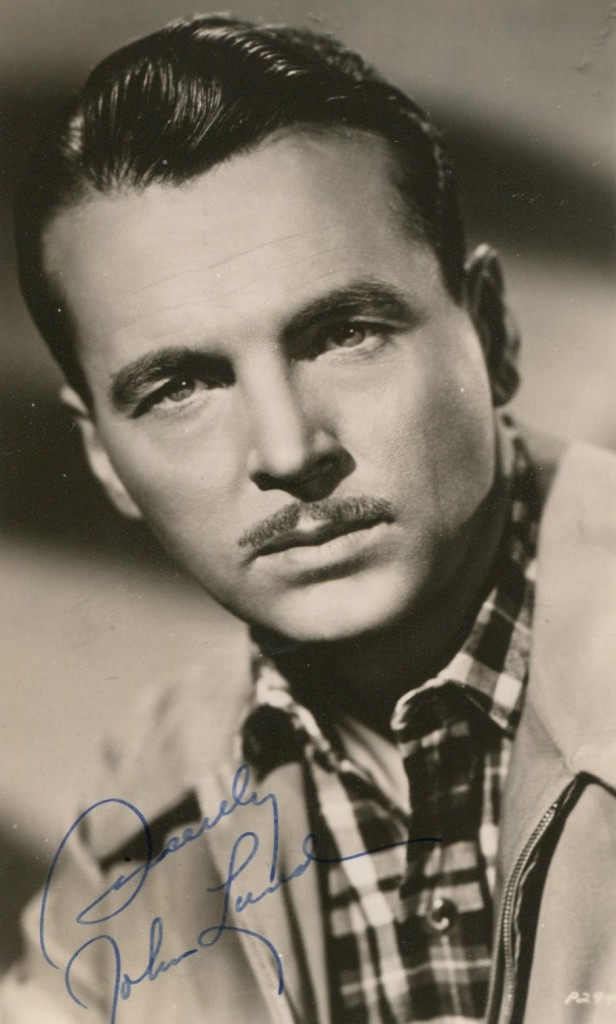
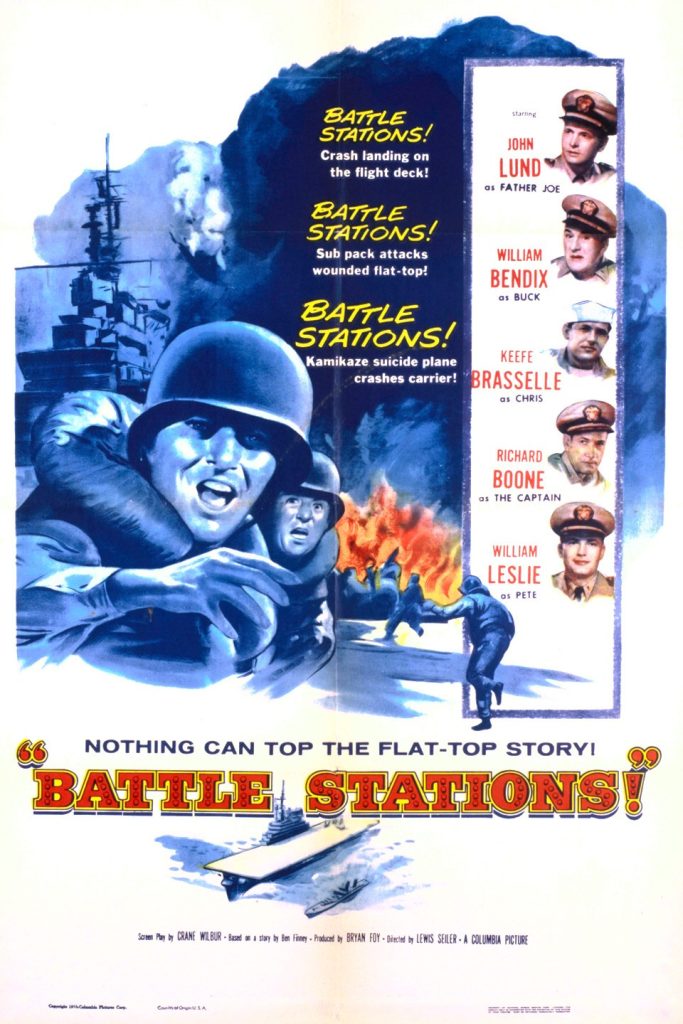
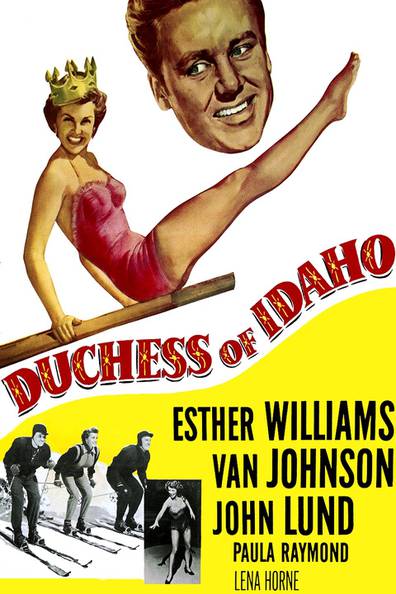
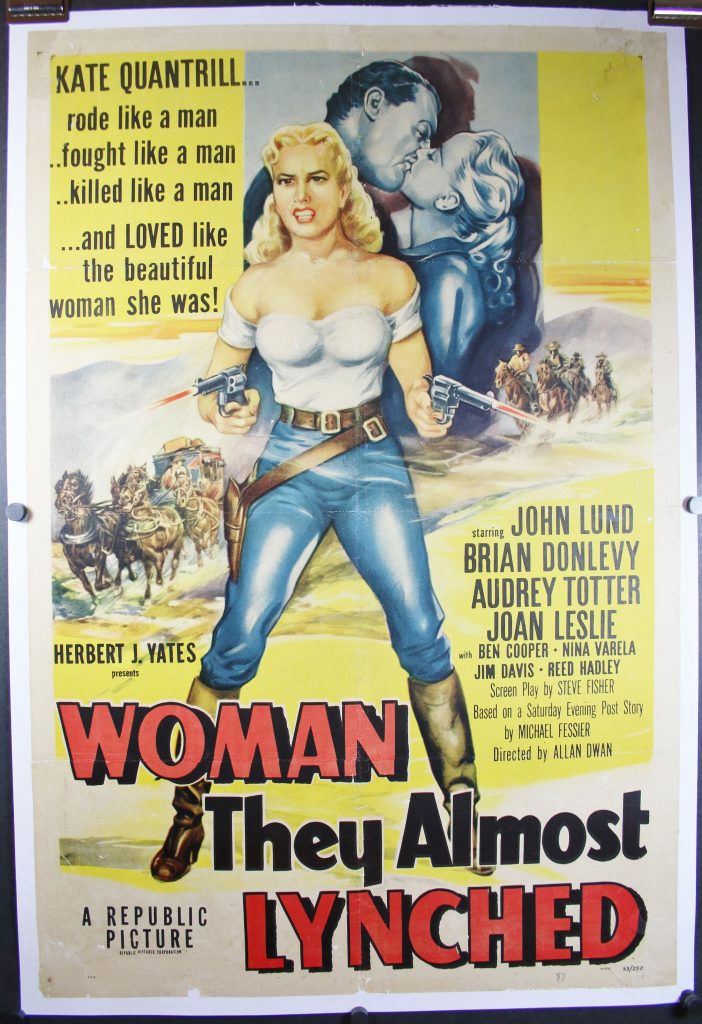
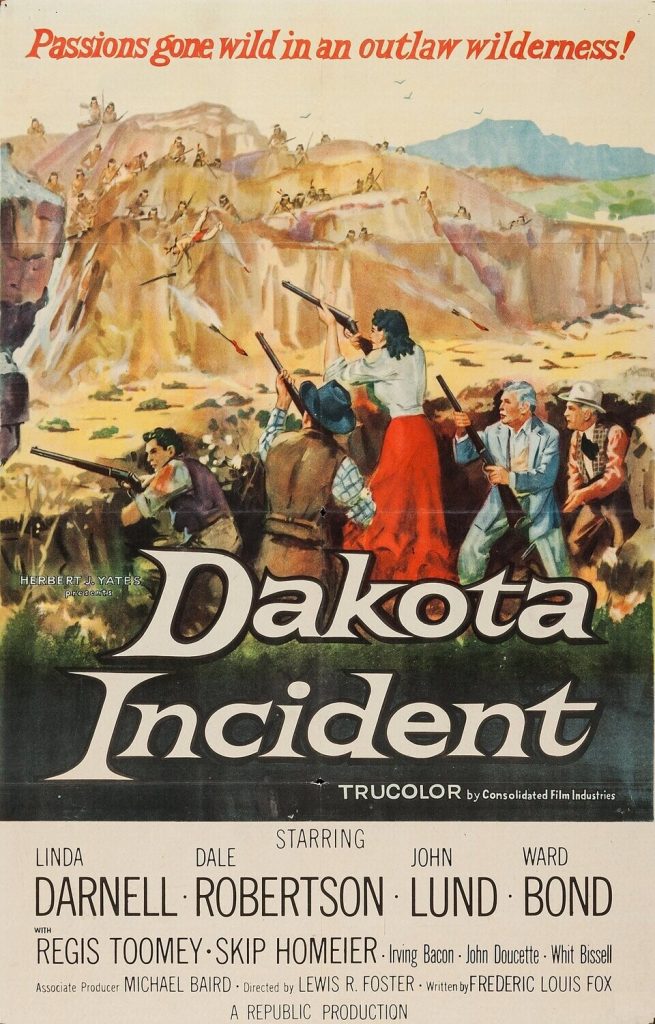
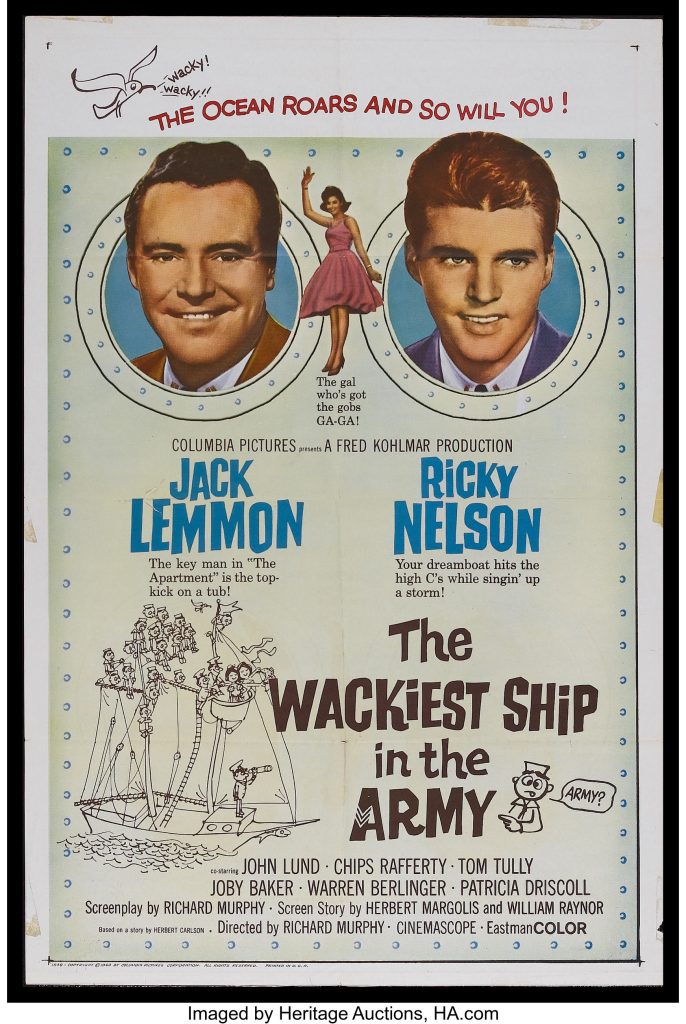
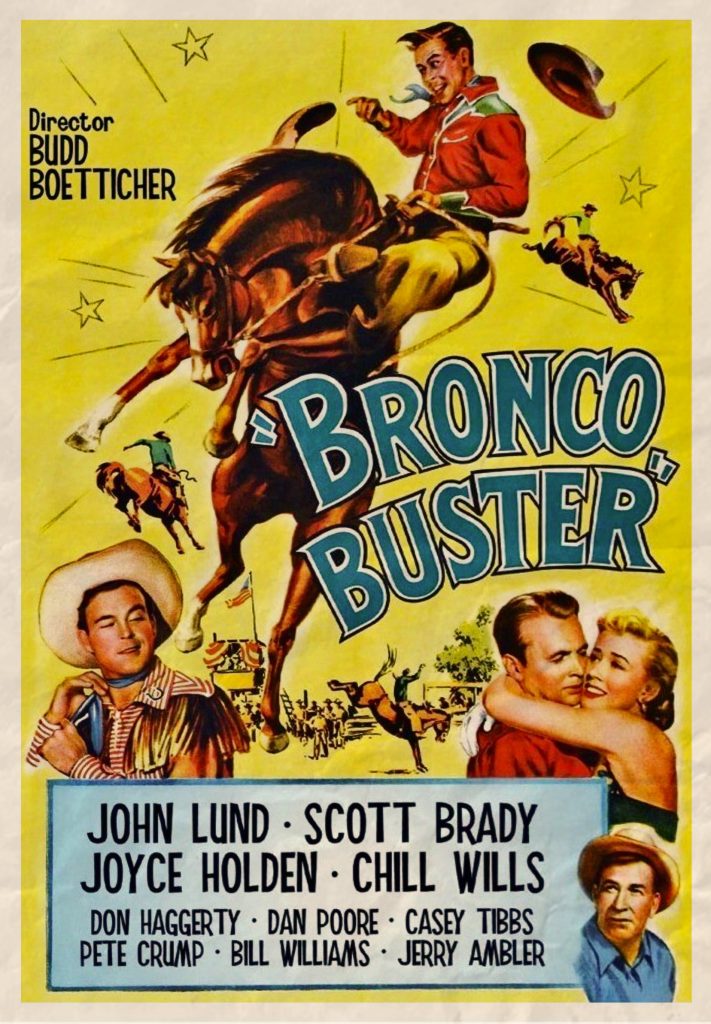
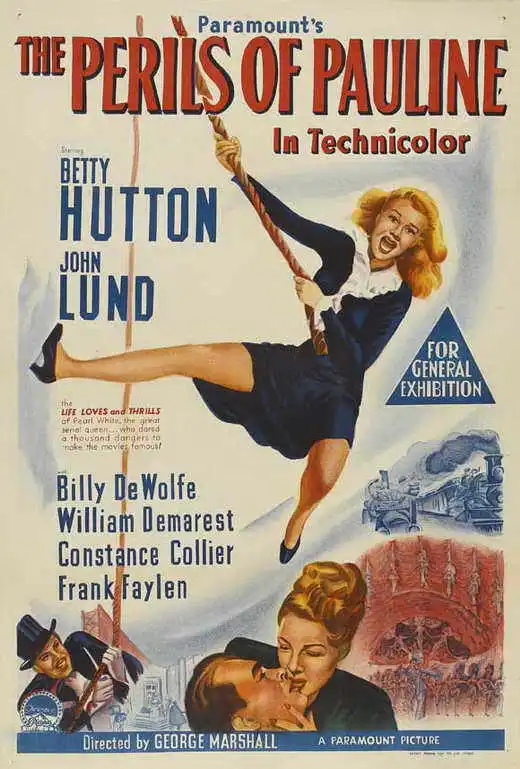
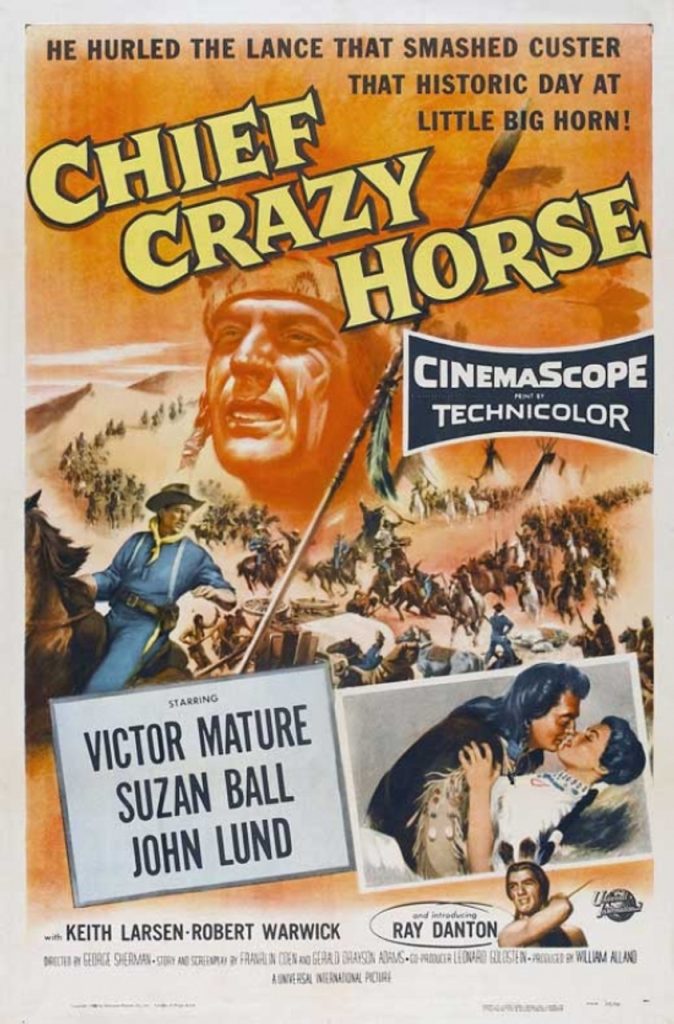
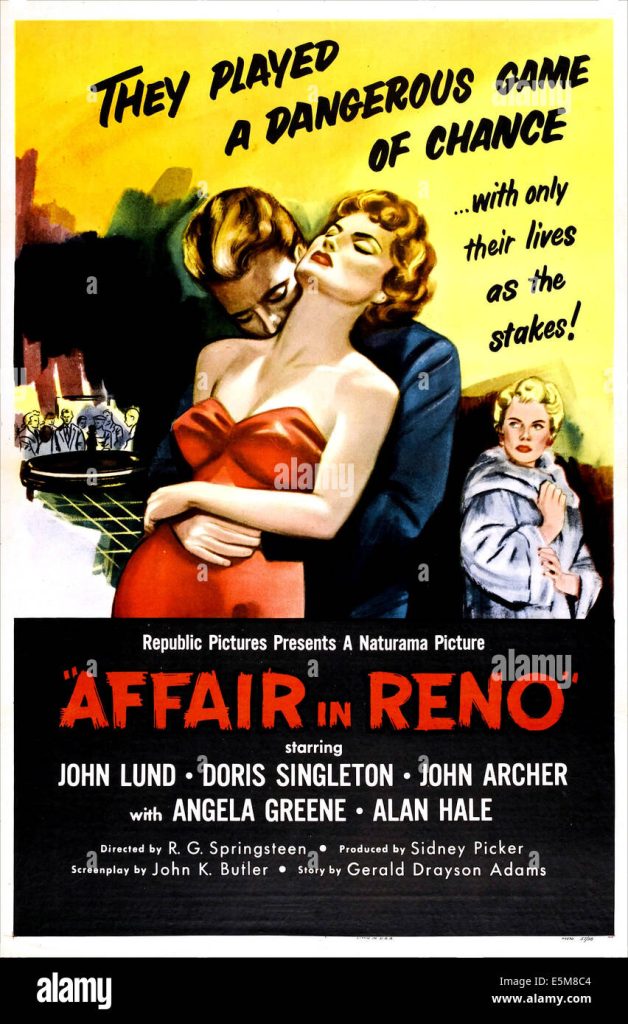
John Lund (February 6, 1911 – May 10, 1992) was an American stage, radio, and film actor whose career spanned roughly two and a half decades (late 1930s–early 1960s). Best remembered today for a handful of well‑made Hollywood films in the late 1940s and early 1950s, Lund’s work represents the trajectory of a handsome leading man who never quite attained star status despite consistent work and a gifted screen presence.
1. Early Life and Theater Beginnings
Lund was born in Rochester, New York, into a working‑class family; his father was a Norwegian immigrant and glassblower. He left high school early and tried a variety of jobs before being drawn to acting through summer stock and amateur theatre.
Stage Training and Broadway
Unlike many Hollywood actors who began directly in film, Lund honed his craft on the stage. Notable theatre credits include:
- As You Like It (1941)
- New Faces of 1943 (1942–43) (for which he wrote the book and lyrics)
- Early to Bed (1943)
- The Hasty Heart (1945) — a drama that drew critical notice and led to Hollywood interest.
Critical Perspective:
Lund’s theatrical grounding — particularly with Shakespeare, musical revue, and serious drama — gave him a solid basis in diction, timing, and emotional restraint. His stage work suggested potential for versatility and depth if such opportunities were fully realised on screen.
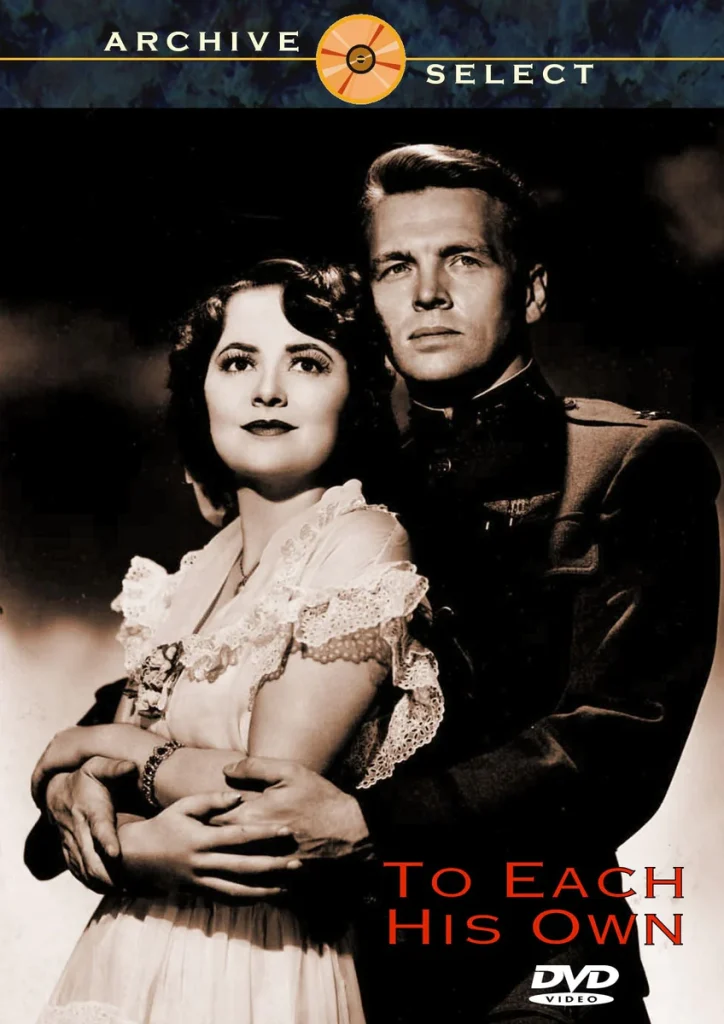
2. Hollywood Breakthrough: To Each His Own (1946)
Lund’s first major film role came in To Each His Own, in which he played a dual role as both the father and the grown‑up son. The film, featuring Olivia de Havilland, was both critically and commercially successful.
Critical Analysis:
- Dual Performance: Handling two generations of the same character required subtle shifts in voice, expression, and demeanour — a challenge that Lund met with adeptness and emotional nuance.
- Psychological Resonance: The film tackled themes of illegitimacy and personal sacrifice at a time when Hollywood generally avoided such subject matter, and Lund’s performance helped anchor the story’s emotional core.
- Presence vs. Magnetism: Critics noted Lund’s steady, understated presence but also that he lacked the irresistible charisma of contemporaries, which may have limited his broader star appeal.
3. Establishing as a Leading Man (Late 1940s)
Following his breakthrough, Lund was cast in a string of high‑profile studio pictures:
Romantic and Dramatic Roles
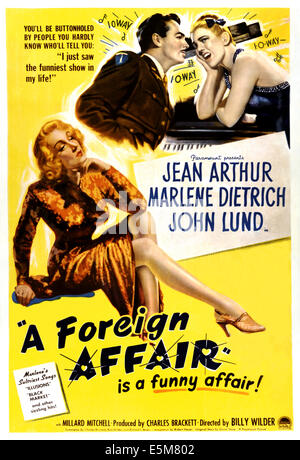
- A Foreign Affair — Lund played a romantic lead opposite Marlene Dietrich and Jean Arthur in Billy Wilder’s politically savvy comedy‑drama, showcasing his ability to negotiate wit, timing, and light romance.
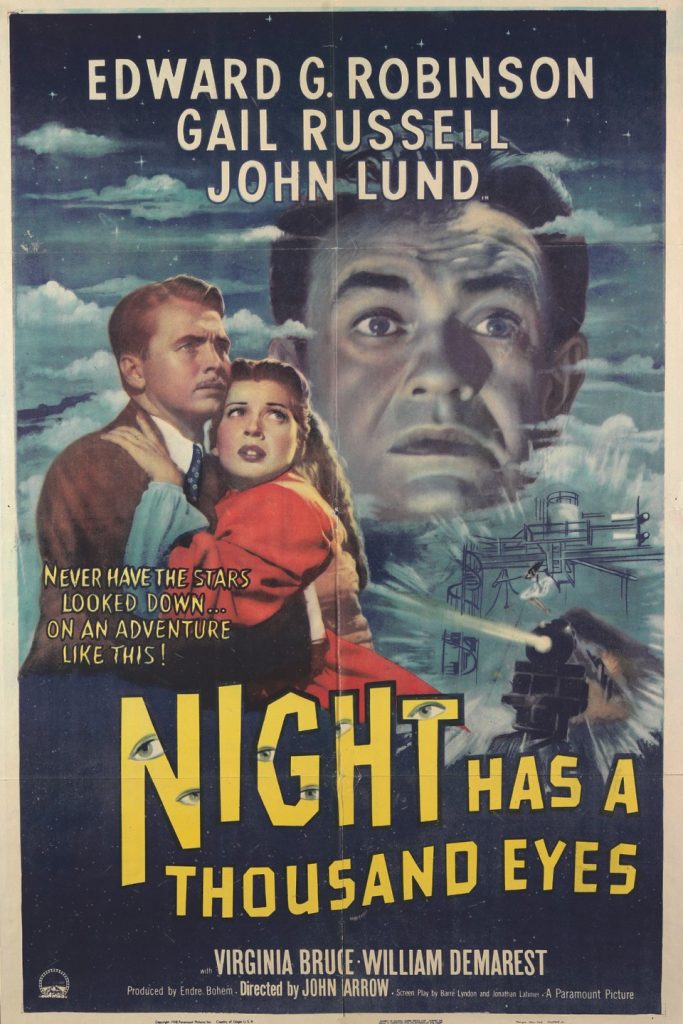
- Night Has a Thousand Eyes — a noirish thriller in which Lund brought measured sincerity to a role that balanced scepticism with emotional sensitivity.
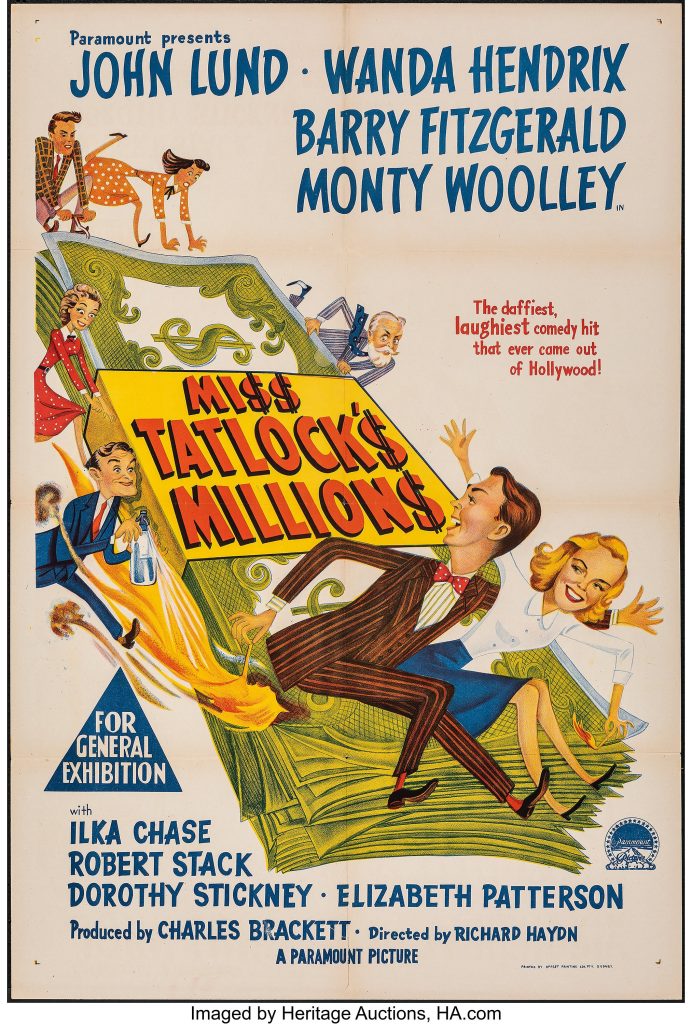
- Miss Tatlock’s Millions — Lund displayed comedic aptitude in this studio comedy.
Secondary Leading Roles
He followed this with roles in a variety of genres:
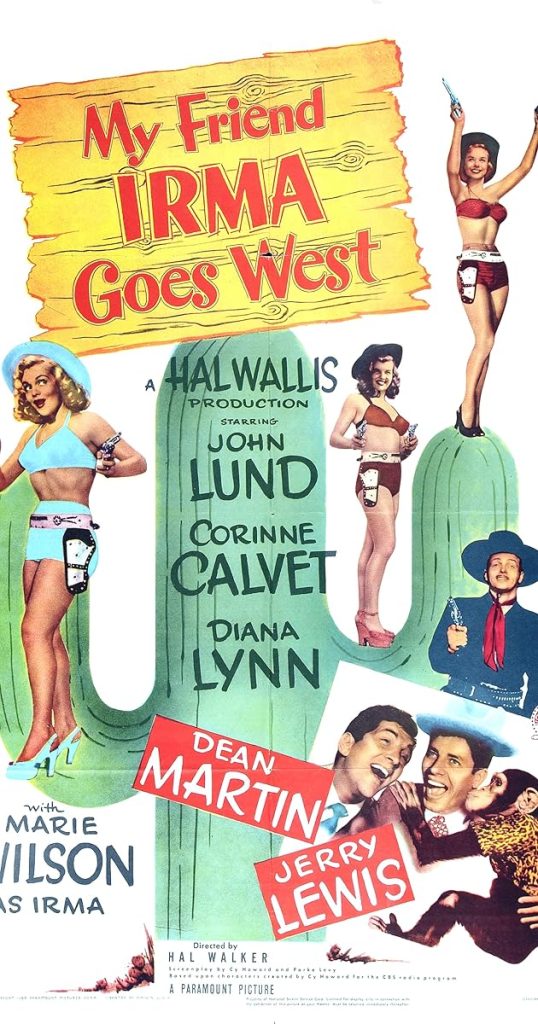
- My Friend Irma — light comedy that also introduced Martin and Lewis, with Lund as a straight man balancing manic comic energy.
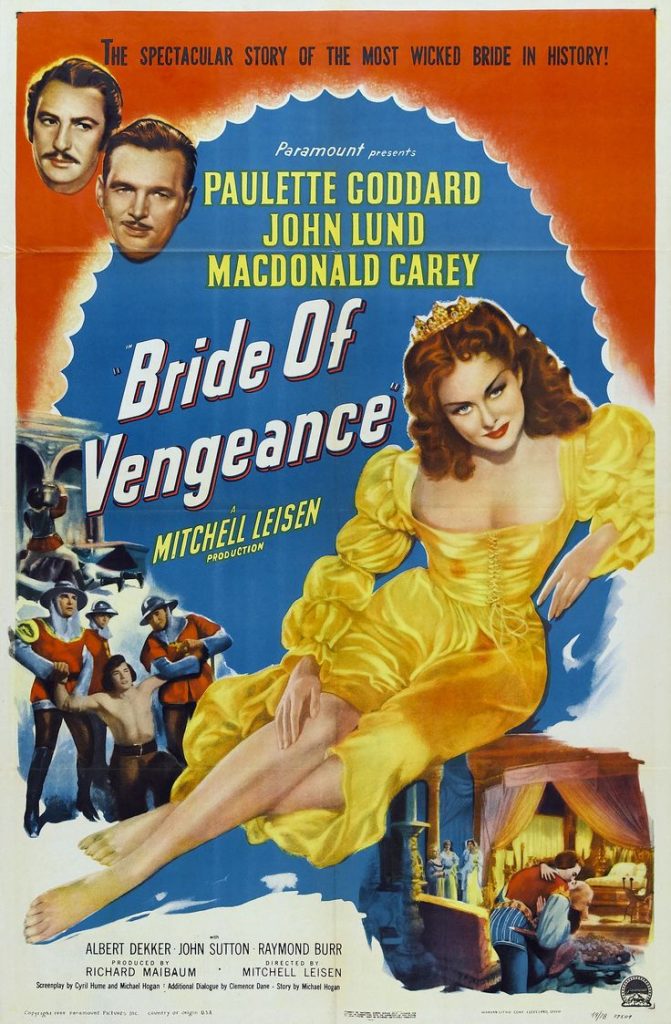
- Bride of Vengeance — in this historical drama he attempted a more classical, heroic style with mixed critical reception.
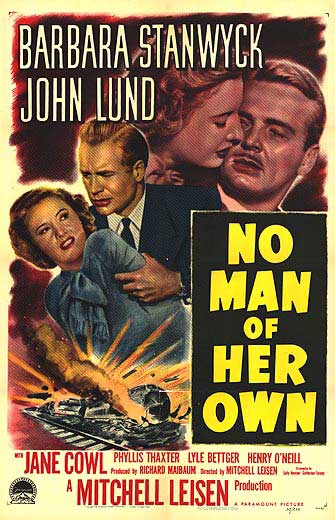
- No Man of Her Own — romantic melodrama alongside Barbara Stanwyck, reflecting his recurring casting as the competent but less fiery romantic lead.
Critical Assessment:
Lund’s versatility across drama, rom‑com, and noir demonstrated a talent for adjusting tone and genre, but industry observers noted he often lacked the spark or dynamism necessary to elevate his characters above competent supporting leads or “boyish” romantic interests. This limited his traction as a true marquee name in a studio system increasingly focused on star magnetism.
4. Diversification and Supporting Work (1950s)
As the 1950s progressed, Lund’s career shifted toward a mix of mainstream and genre pieces, particularly westerns and action films:
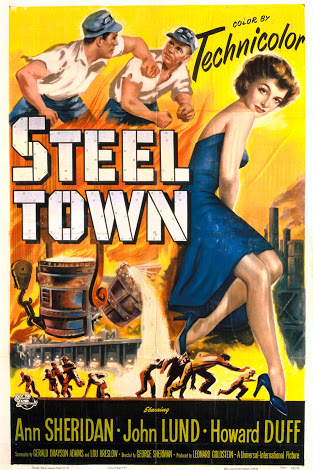
- Steel Town — industrial drama
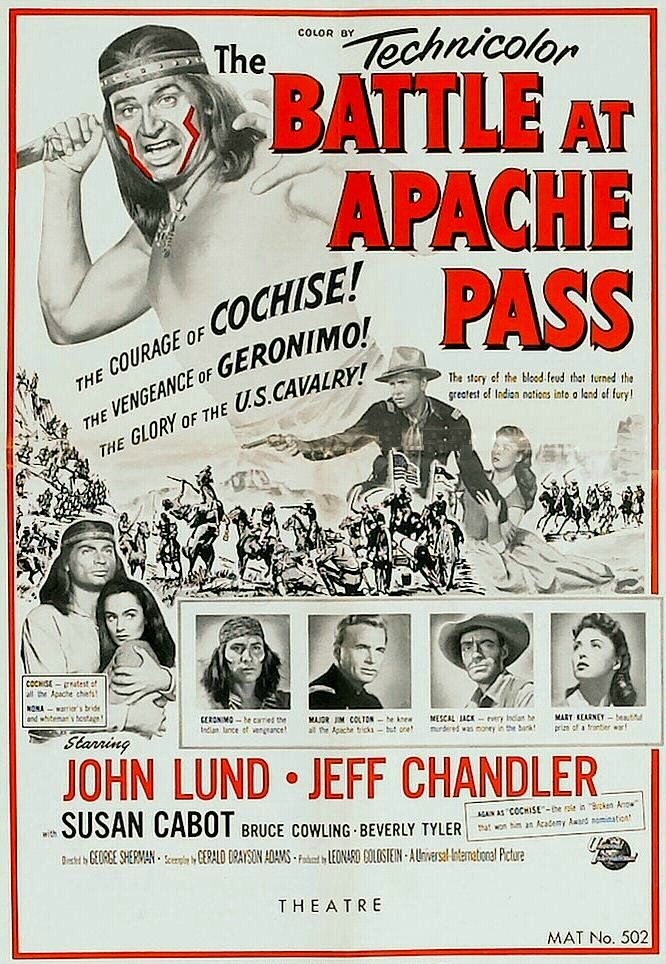
- The Battle at Apache Pass — Western
- Bronco Buster — rodeo‑themed narrative
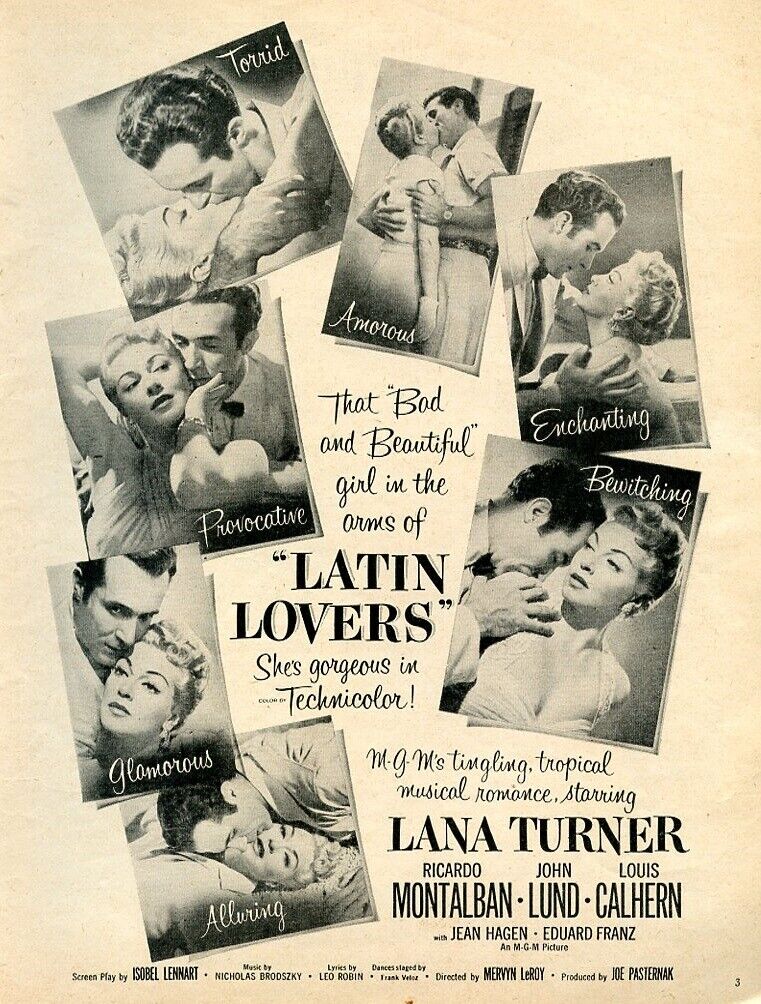
- Latin Lovers — romantic ensemble
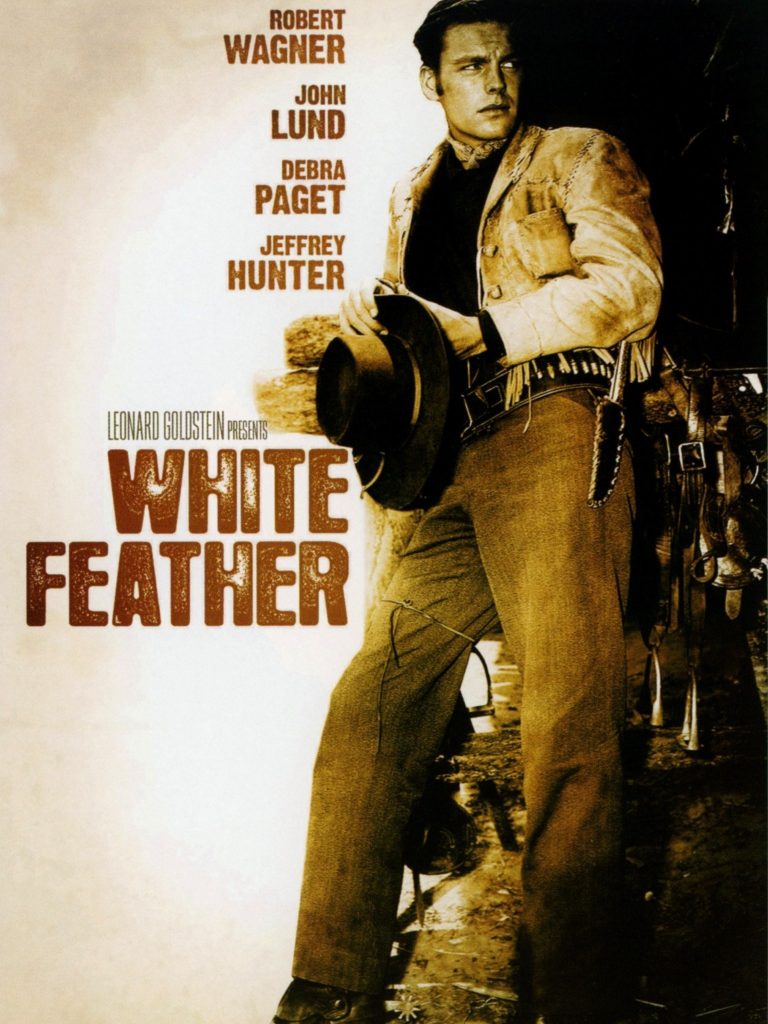
- White Feather — frontier adventure
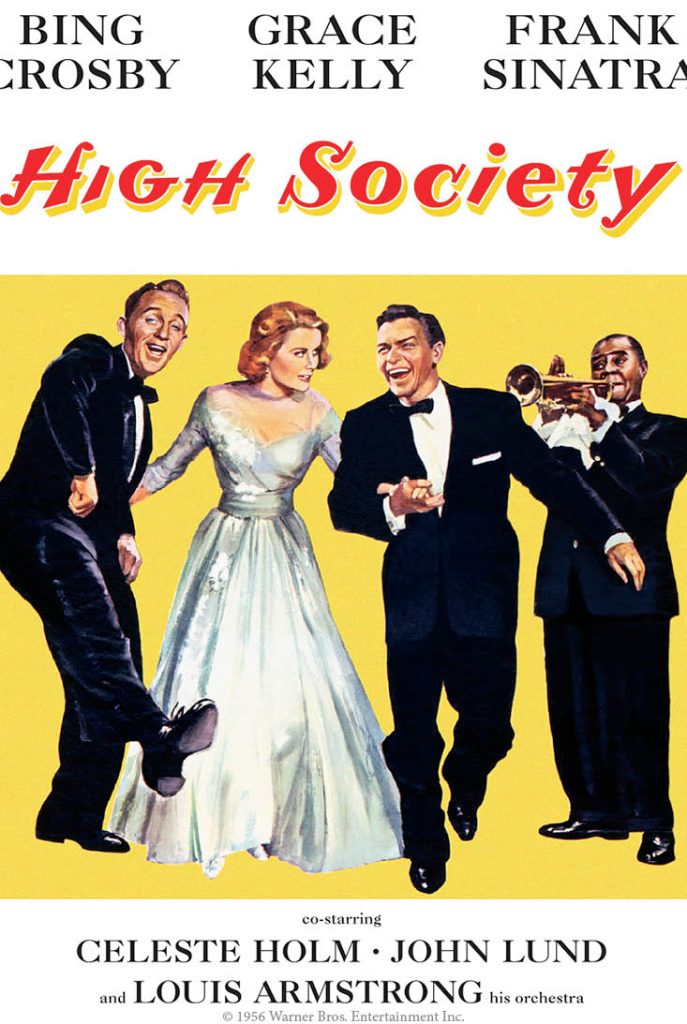
- High Society — romantic musical cameo opposite **Grace Kelly, where he again played a steady but unheroic beau.
Critical Perspective:
- Genre Adaptability: Lund’s steady screen manner enabled him to fit comfortably into Westerns and light musicals, showing reliability and professionalism across genres.
- Limitations of Typecasting: However, as many critics observed, he increasingly found himself as the steady but overshadowed romantic lead rather than a central, dynamic protagonist — for example losing the leading lady to more charismatic co‑stars in movies like High Society.
5. Radio Work and Guild Involvement
Parallel to his film work, Lund had a substantial radio career, including the title role in Chaplain Jim and, notably, taking over the lead in the detective series Yours Truly, Johnny Dollar from 1952–1954.
He also served as vice‑president of the Screen Actors Guild from 1950 to 1959, indicating his engagement with performers’ professional interests beyond acting.
6. Style and Screen Persona
Understated Leading Man
Lund’s screen presence was characterized by:
- Quiet charm and poise rather than brash or theatrical energy.
- Measured emotional range, which worked well in romantic dramas and comedies.
- Naturalism and restraint, contrasting with more flamboyant contemporaries.
This style made him appealing as a supportive leading man, but by mid‑century Hollywood standards it was often perceived as too subtle for marquee stardom — prioritising intelligence over physical magnetism.
7. Decline and Retirement
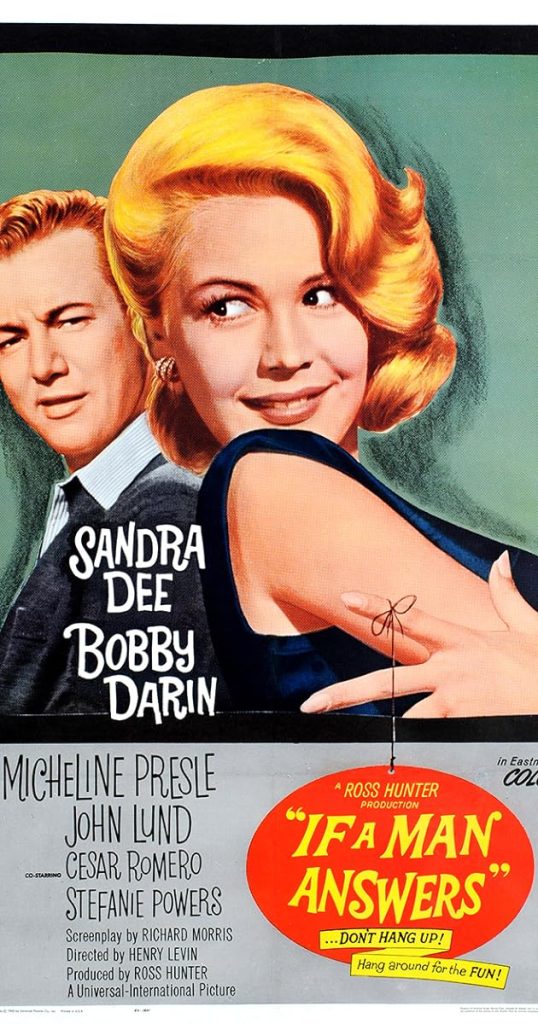
By the late 1950s and early 1960s, Lund’s film roles became less central and less frequent, reflecting both the transformation of the Hollywood system and his own shift toward television and radio work. His final screen appearance was in If a Man Answers, a romance that capped a career increasingly in supporting roles.
Lund retired from acting in 1962 (or 1963) and largely withdrew from public life, living in Coldwater Canyon until his death in 1992.
8. Legacy and Critical Conclusion
Strengths
- A reliable and versatile performer comfortable across drama, comedy, noir, and Western genres.
- Naturalistic, understated style that gave his characters plausibility and sincerity.
- Contributions to radio and industry governance through SAG leadership.
Limitations
- Often typecast as the steady romantic lead, limiting dramatic complexity.
- Never developed the magnetic star persona needed to achieve long‑lasting headline fame.
- By the mid‑1950s, roles diminished as Hollywood shifted toward newer genres and archetypes.
Overall Critical Assessment
John Lund’s career illustrates the arc of a mid‑century Hollywood actor who bridged stage, radio, and film, thriving through quiet competence and adaptability rather than flamboyant charisma. His best work — notably in To Each His Own and A Foreign Affair — reveals an actor capable of nuanced emotional expression, but his public persona was consistently moulded by studio expectations that emphasised steadiness over edge. As a result, Lund remains a respected character presence of Golden Age cinema rather than one of its most celebrated stars.