

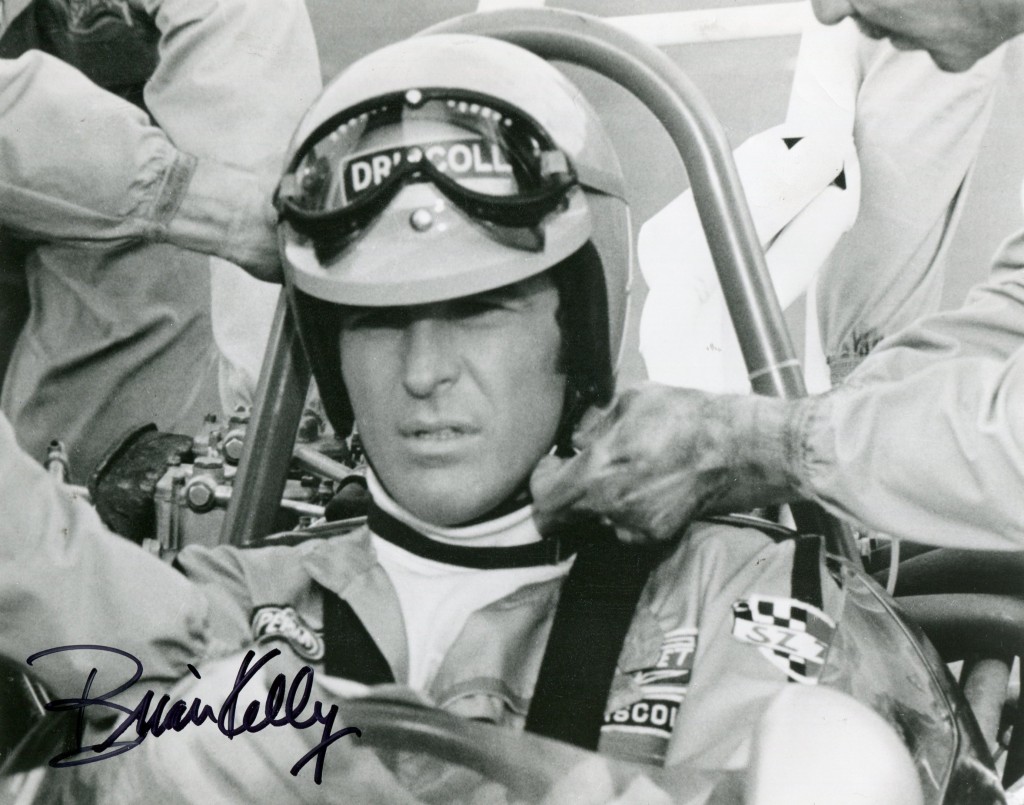
2005 “Independent” obituary:
Flipper brought Brian Kelly’s face into millions of homes around the world, along with a tame dolphin whose wile and skills helped to keep trouble at bay over 88 episodes. As Porter Ricks, the ran
Brian Kelly, actor and producer: born Detroit, Michigan 14 February 1931; married 1966 Laura Devon (one son; marriage dissolved), 1972 Valerie Ann Romero (one daughter; marriage dissolved); died Voorhees, New Jersey 12 February 2005.
The 1960s children’s television series Flipper brought Brian Kelly’s face into millions of homes around the world, along with a tame dolphin whose wile and skills helped to keep trouble at bay over 88 episodes. As Porter Ricks, the ranger at Coral Key Park’s marine reserve in Florida, Kelly played the widowed father of two young boys, Sandy and Bud, in a programme that oozed wholesome family values.
At worst schmaltzy, at best providing exciting action and adventures on screen for young viewers, Flipper (1964-67) was renowned for the quality of its underwater photography. The series was filmed in Miami and the Bahamas, and was made by the Hungarian-American Ivan Tors’s production company, which continued its speciality in wildlife shows with Daktari, about a vet in a remote African game reserve. Suzy, the dolphin picked to take the limelight in Flipper, was transported from location to location in a crate filled with foam and water.
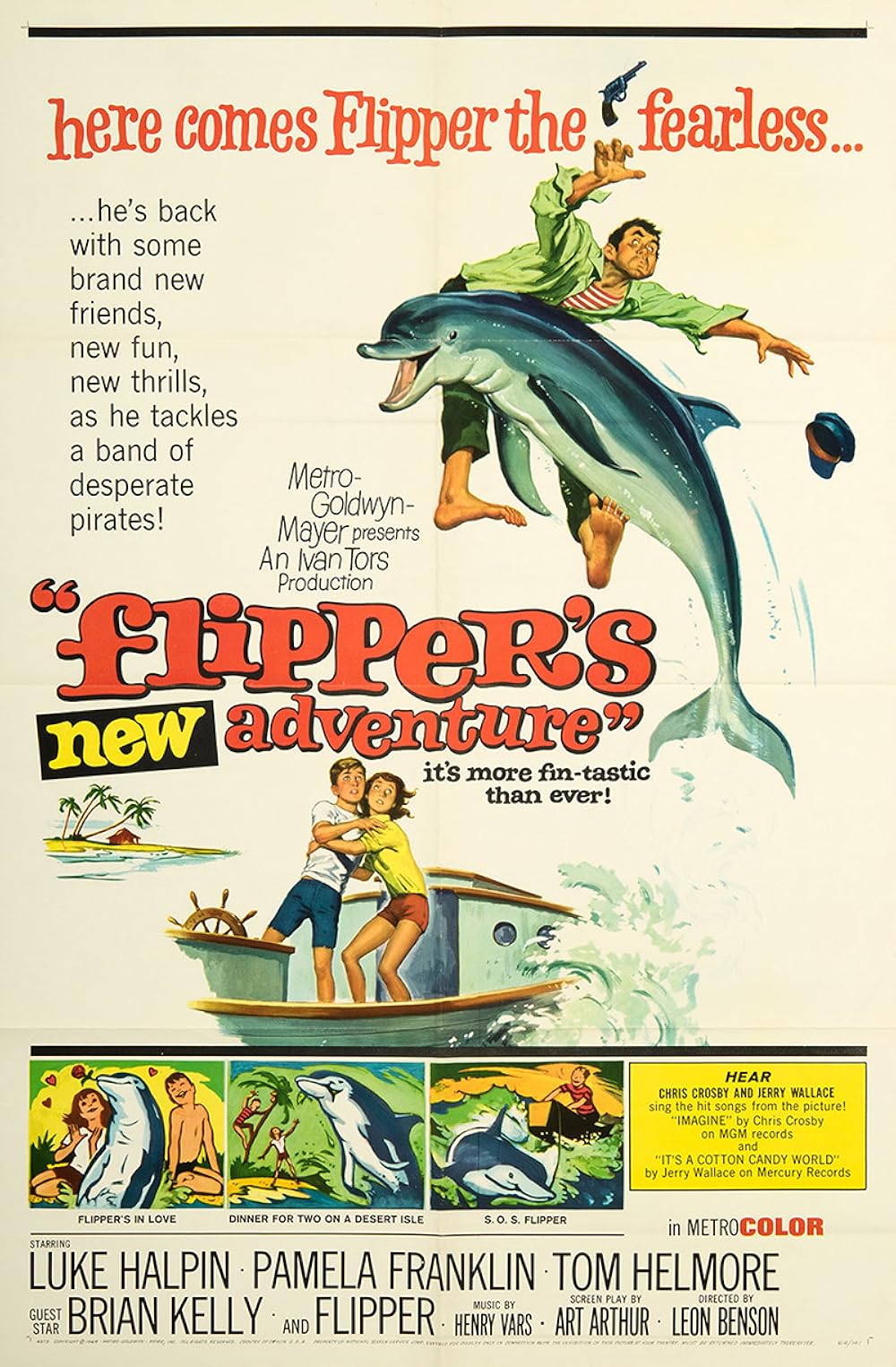
Kelly himself first played Ricks in the 1964 feature film Flipper’s New Adventure, a sequel to the previous year’s Flipper. He took over the role from Chuck Connors, who was best known for playing villains on screen, and gave the character a milder side in the family-friendly adventure.
Born in Detroit, Michigan in 1931, the son of Harry F. Kelly, who later served as the state’s governor, Kelly joined the Marine Corps during the Korean War, before studying law at the University of Michigan. But, after acting at school and university and finding a summer job as a male model, he left his studies to make radio and television commercials in Detroit, where he was spotted by a Hollywood talent scout.
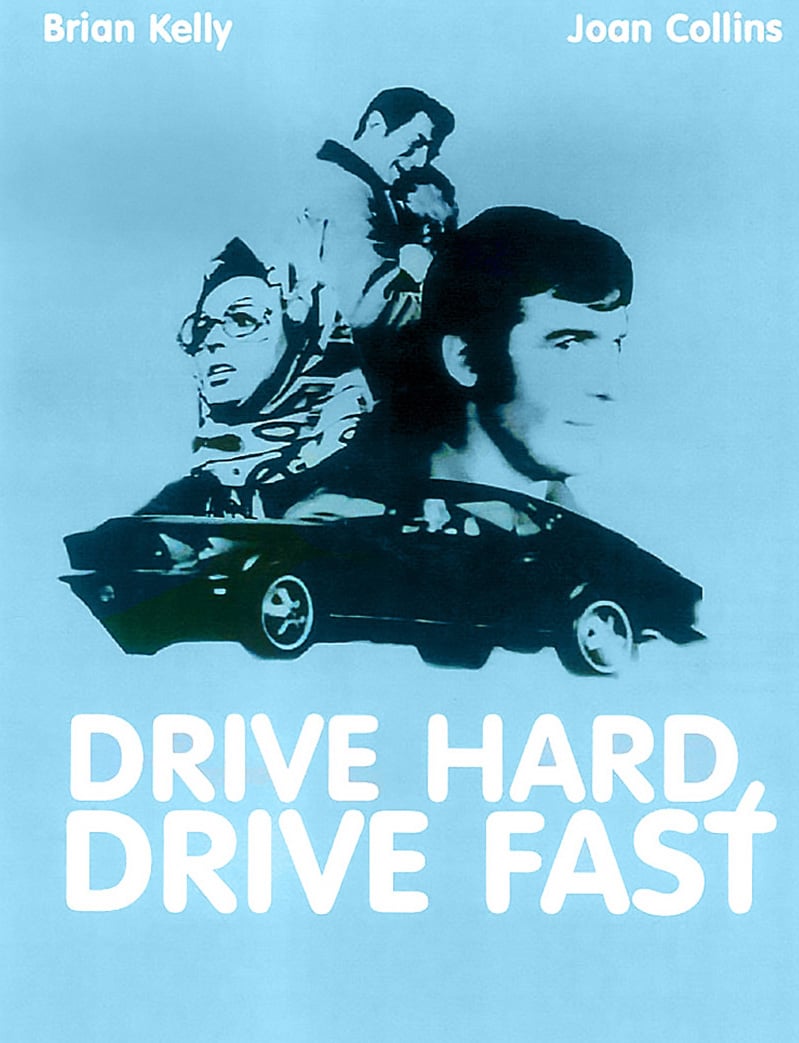
His breakthrough came with a regular role, as Brian, in the police drama 21 Beacon Street (1959) and he followed it by playing Scott Ross, the racing car designer who owns a garage in partnership with a mechanic, in the adventure seriesStraightaway (1961-62).
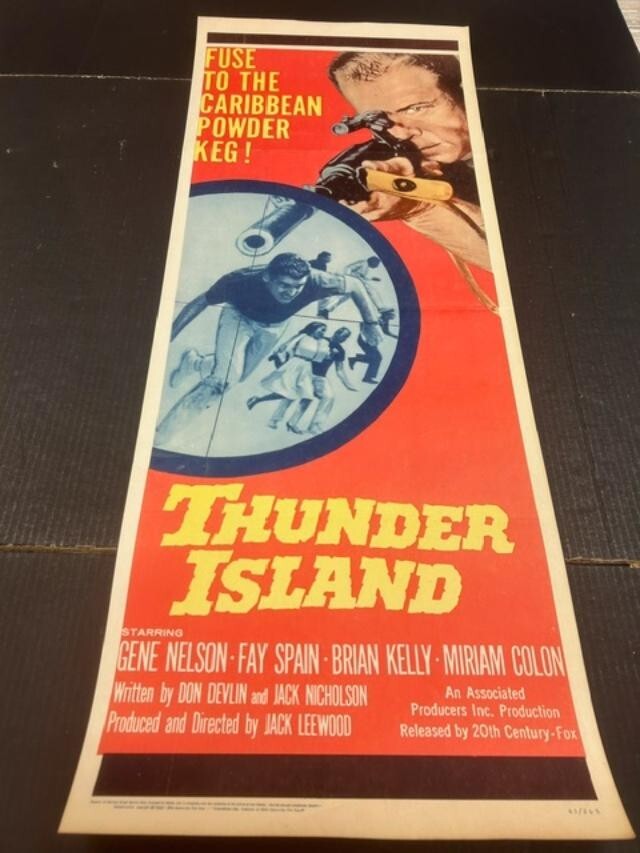
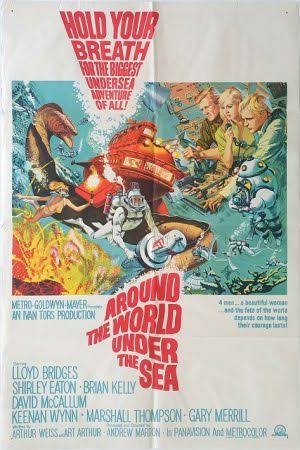
Kelly made his feature film début in Thunder Island (1963), a hit-man drama co-written by the actor Jack Nicholson, beforeFlipper beckoned. He was back in the water for Around the World Under the Sea (1966), as one of a team of six scientists in an experimental submarine. It was a drama made by Ivan Tors Films in the wake of Voyage to the Bottom of the Sea and similar films.
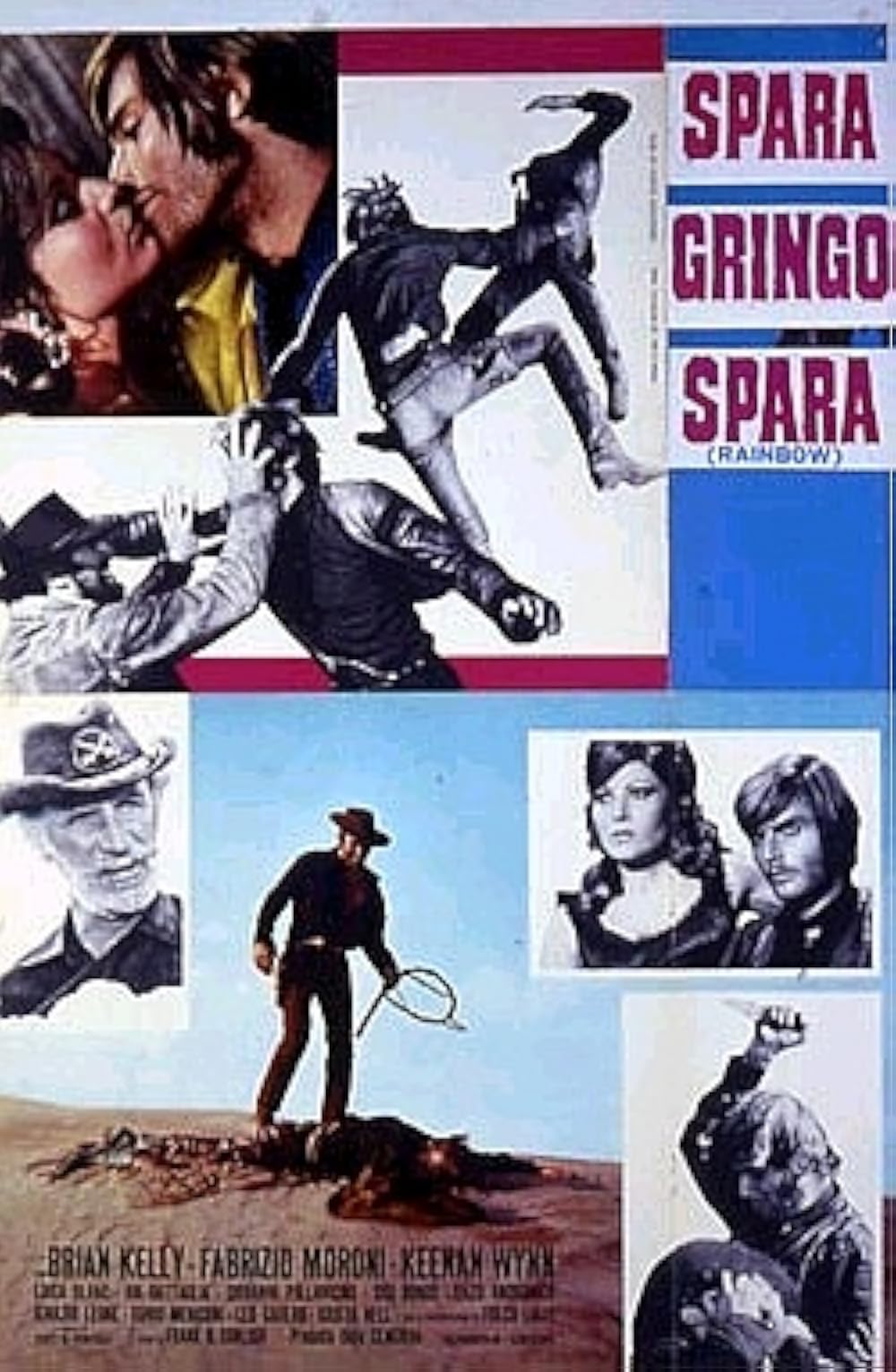
He later starred in an Italian-French spaghetti western, Spara, Gringo, Spara ( Shoot, Grinto, Shoot, 1968). Then, three days into shooting the romantic drama The Love Machine, Kelly was seriously injured in a motorcycle accident, which left his right arm and leg paralysed.
After winning $750,000 in a legal settlement, he used the money to build houses, aiming to produce films with the profits from their sale. His great success was in buying the rights to Philip K. Dick’s 1968 science-fiction novel Do Androids Dream of Electric Sheep? and giving the film option to the actor Hampton Fancher, who turned it into a screenplay. Many drafts later, it becameBlade Runner (1982), directed by Ridley Scott, with Kelly credited as executive producer.
Anthony Hayward
The above “Independent” onituary can also be accessed online here.




Comments
margaret steinke
Read your story about Brian Kelly of Flipper. He did not have any children by his first marriage to Laura Devon. His children are both from his second marriage to Valerie Romano. oh by the way do you know where he met Valerie Romano
Margaret
margaret steinke
I see you don’t know the answer to my question.