

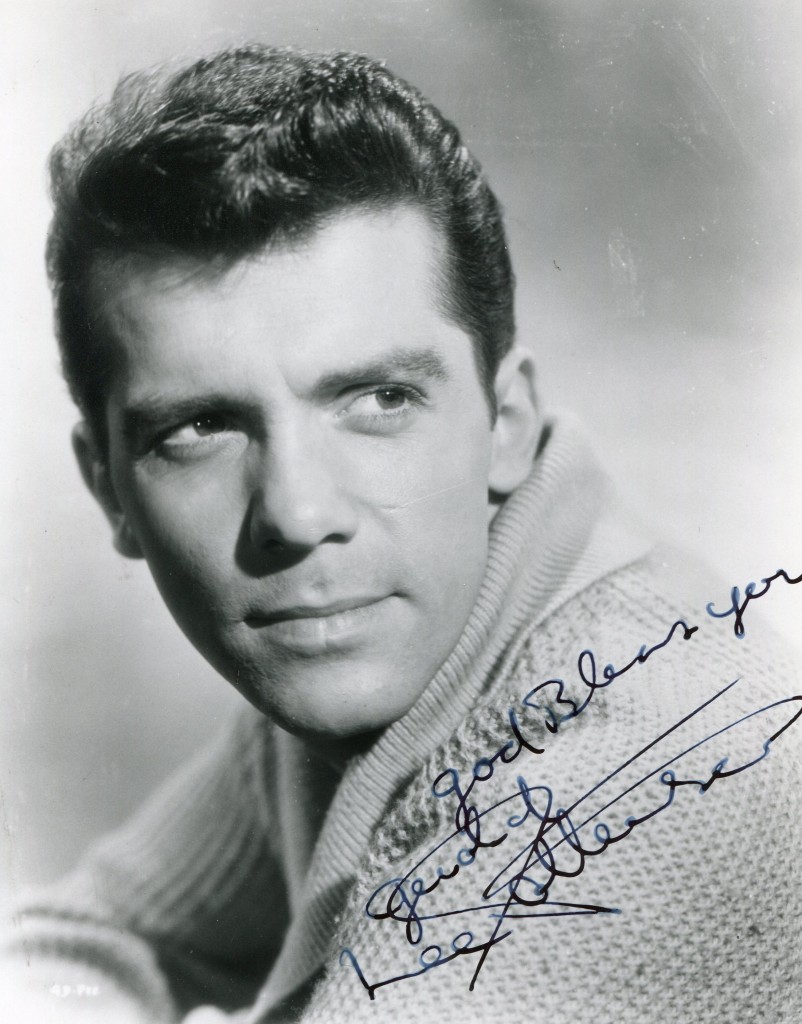
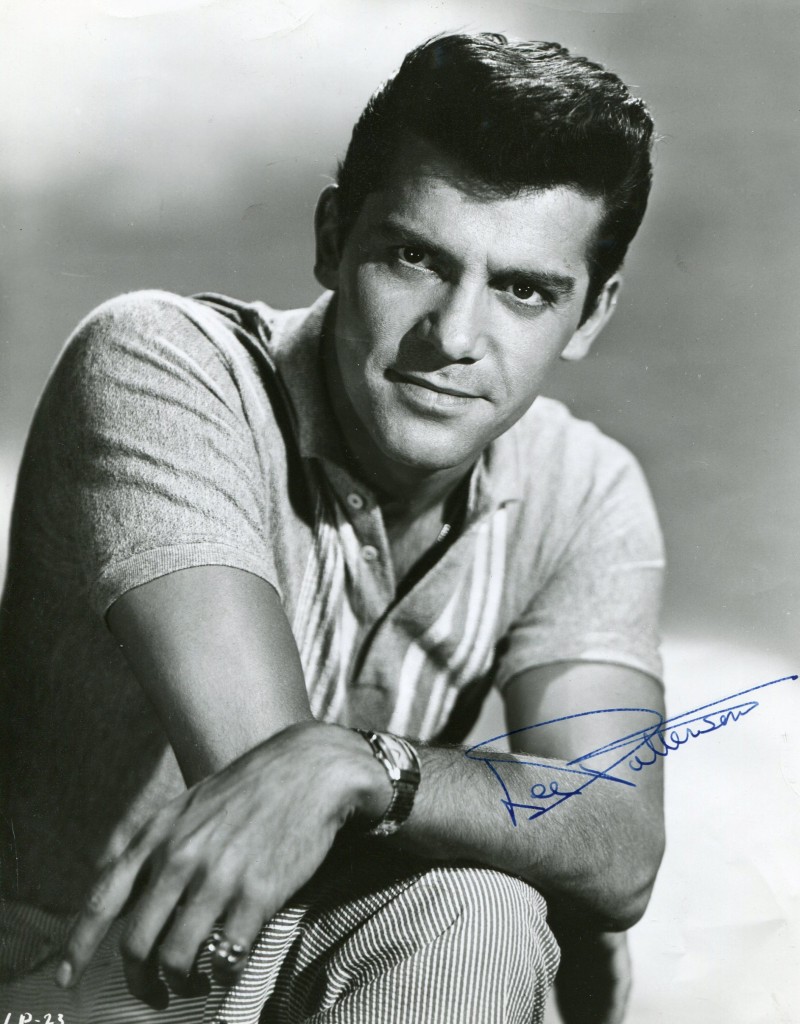
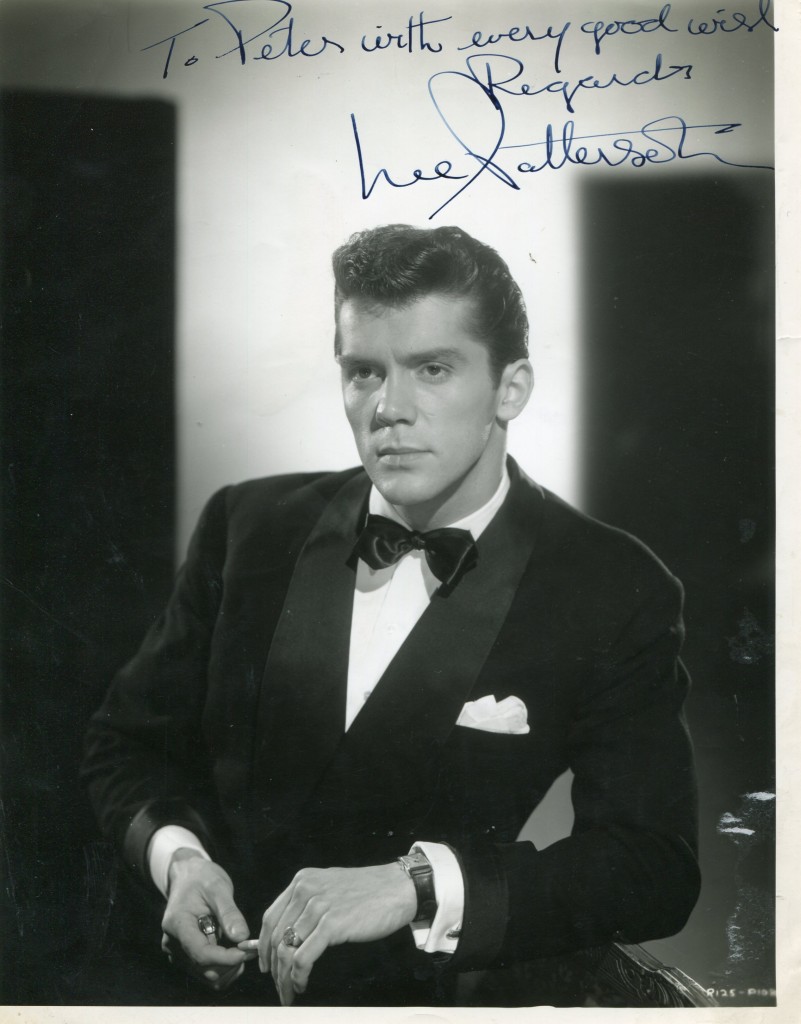
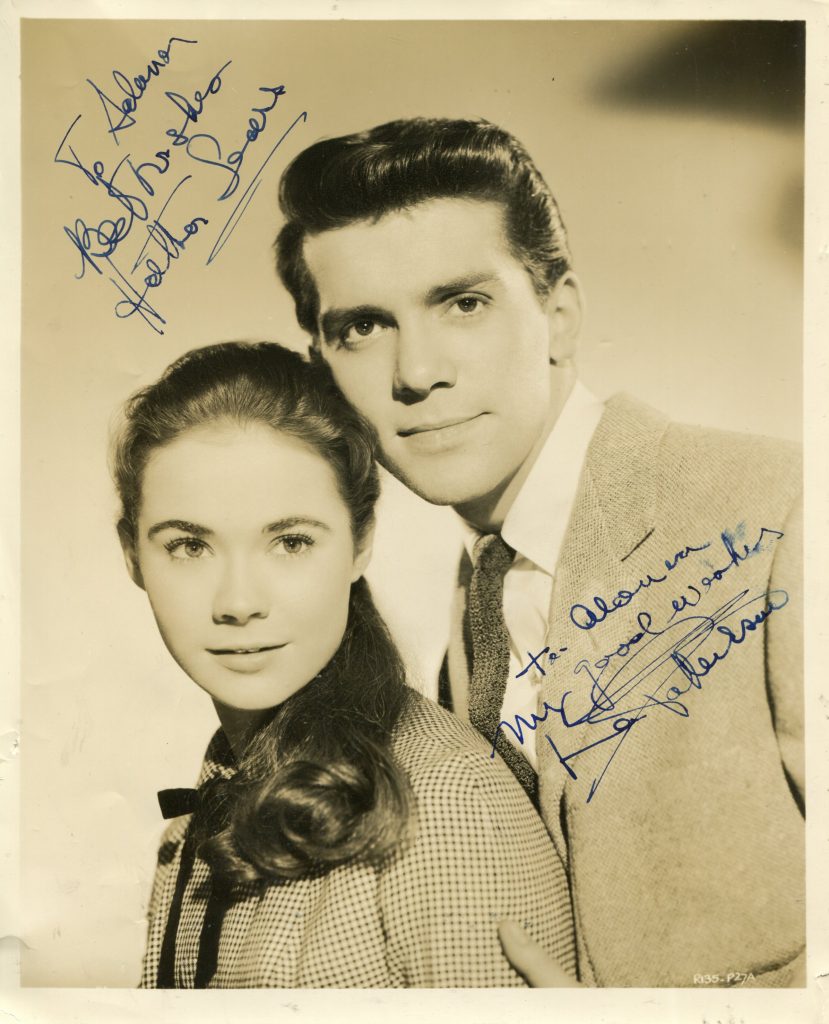
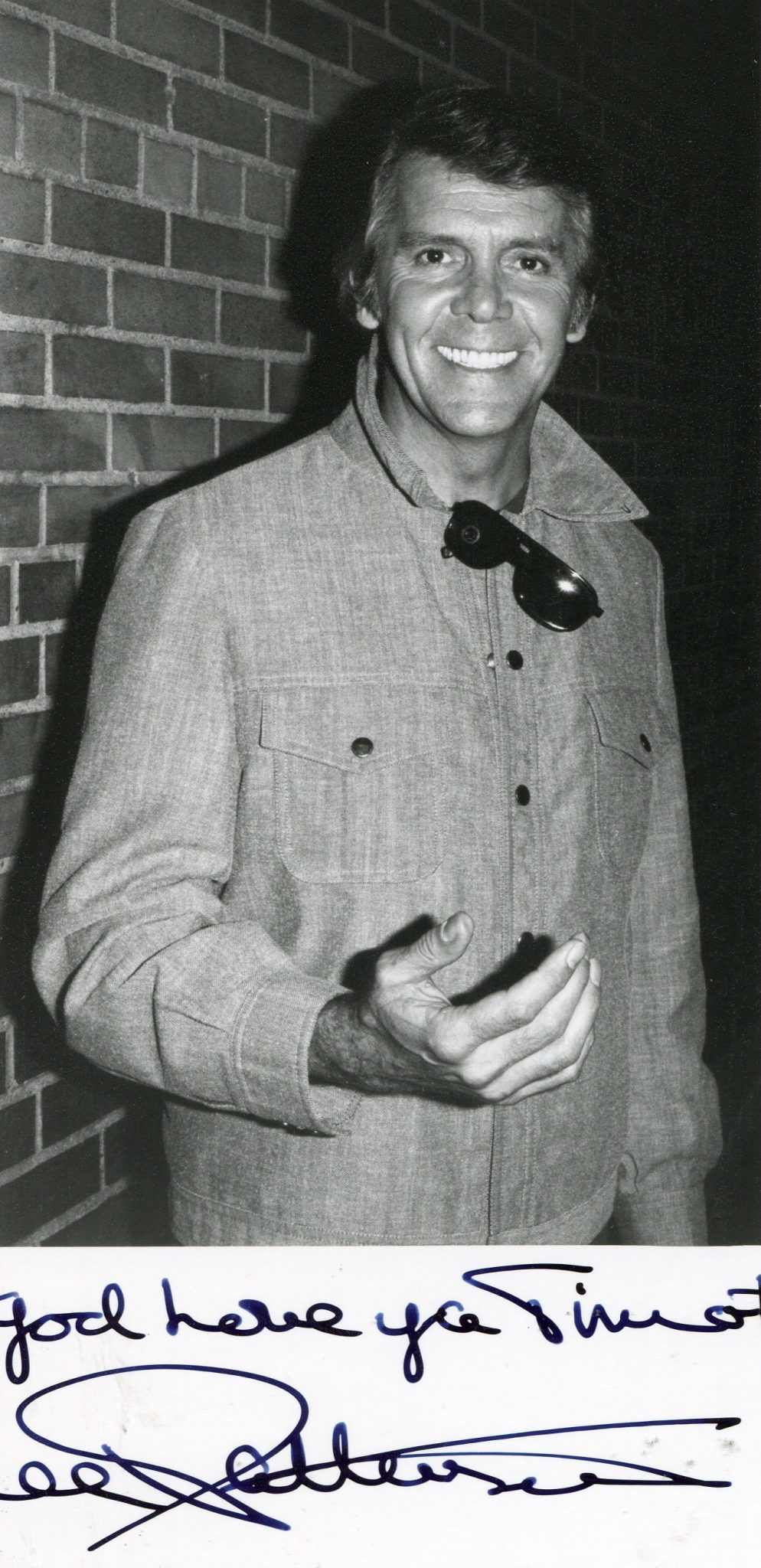
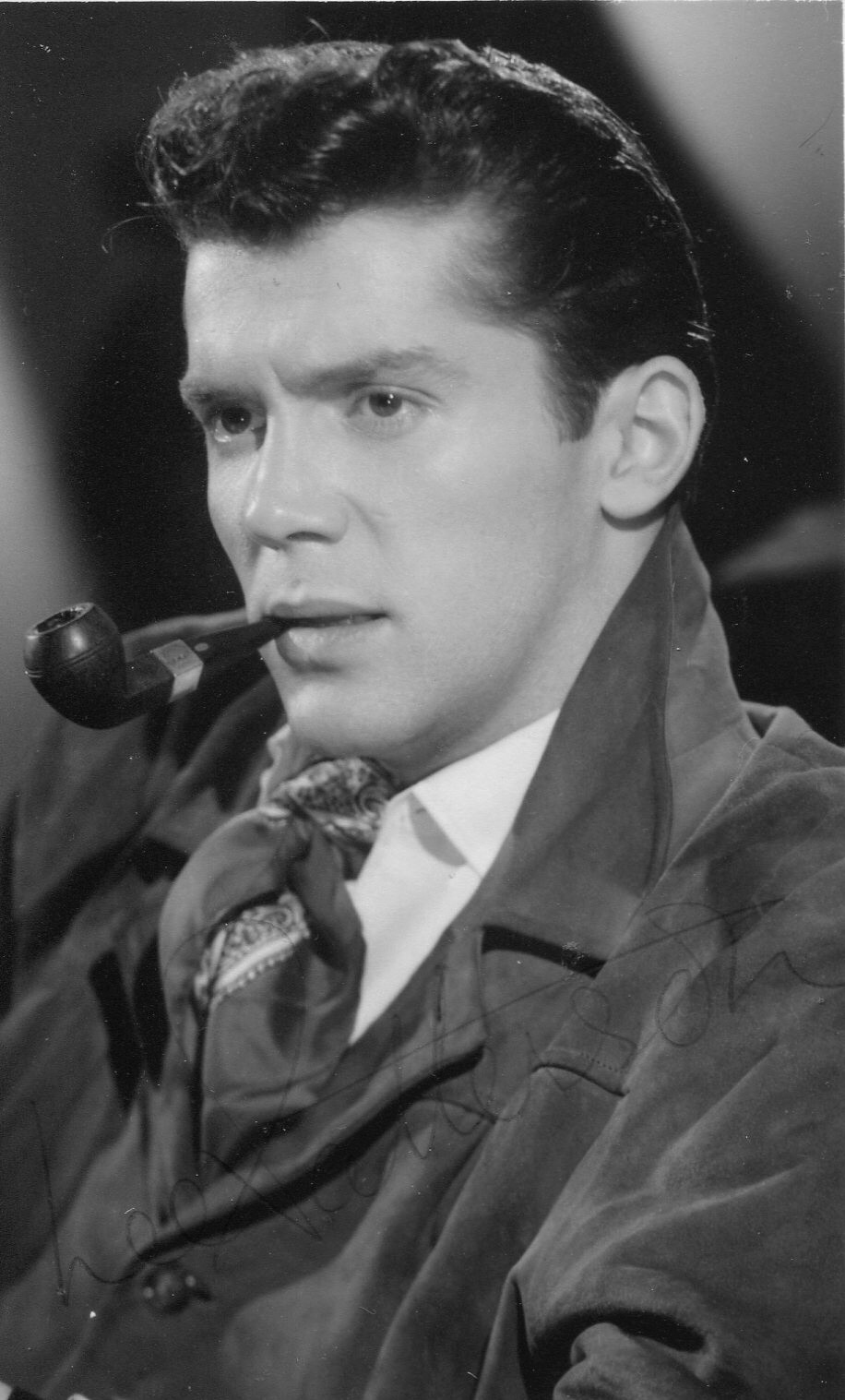
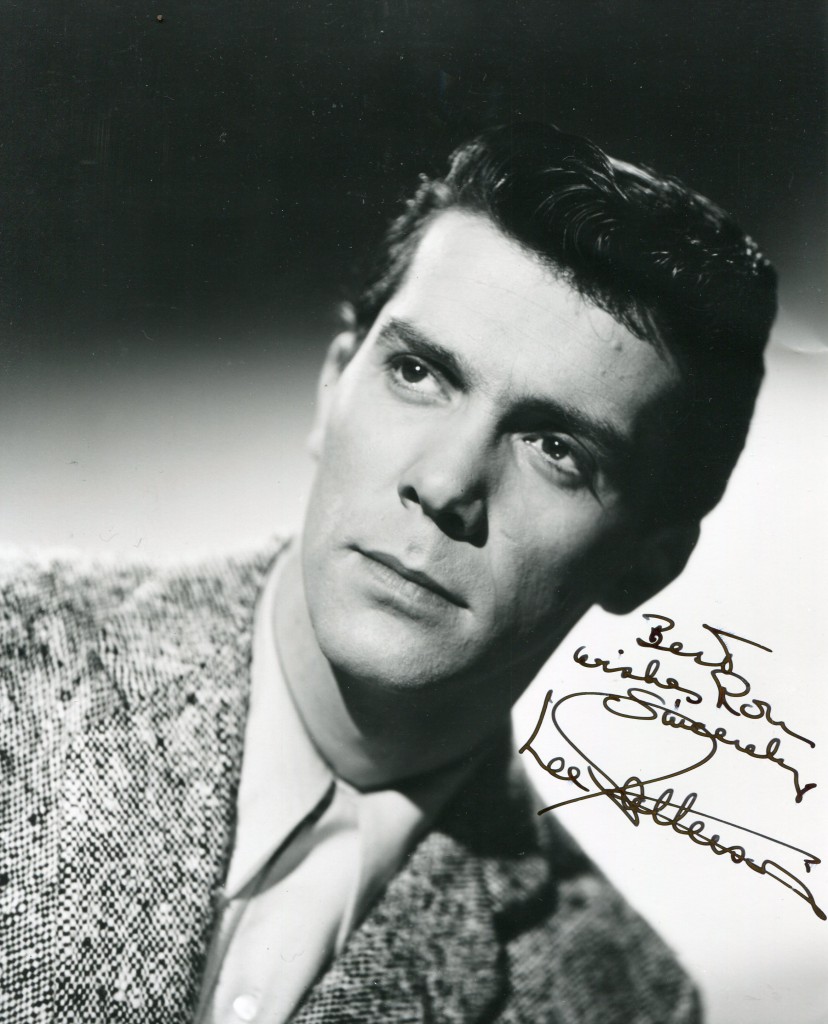
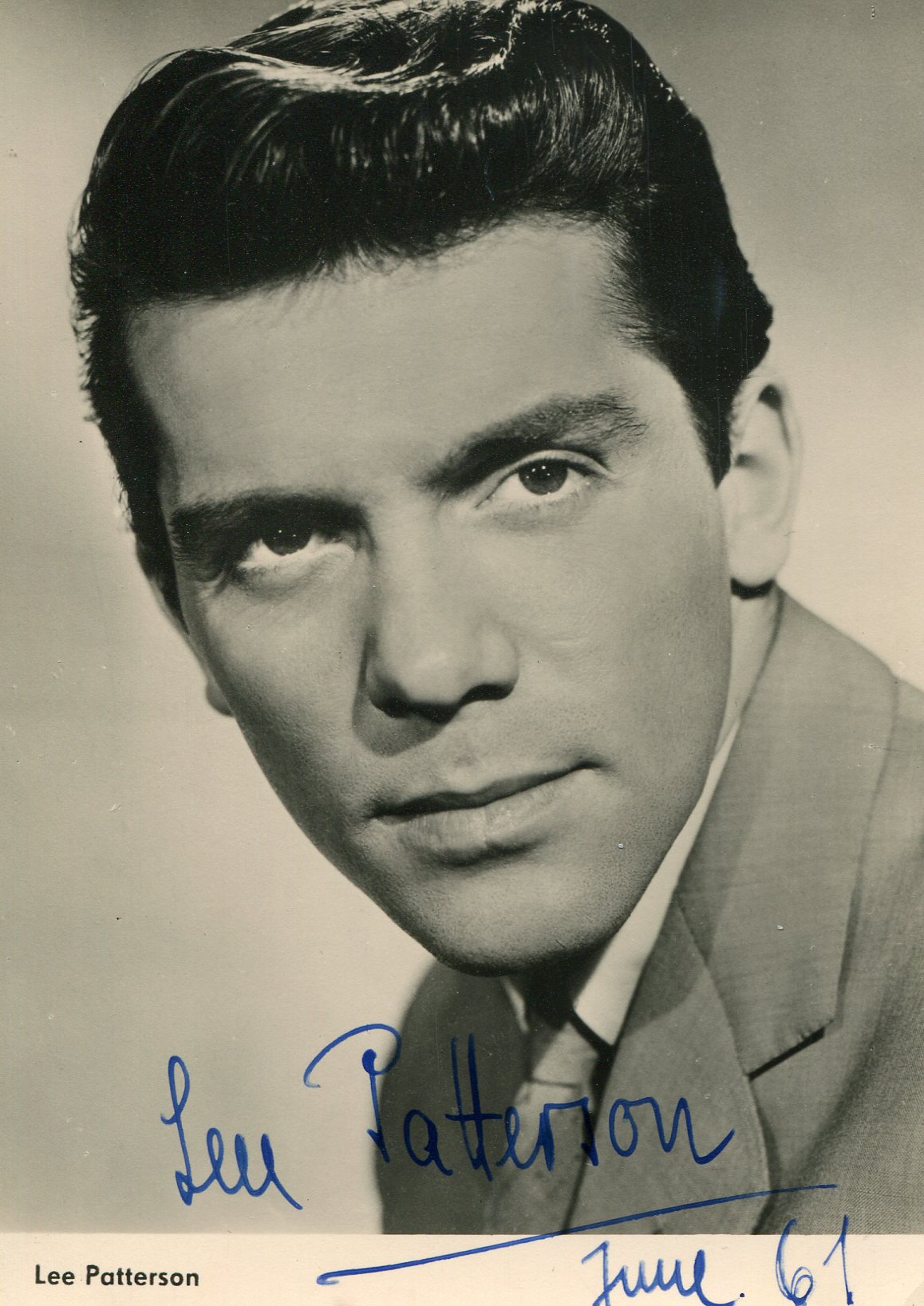
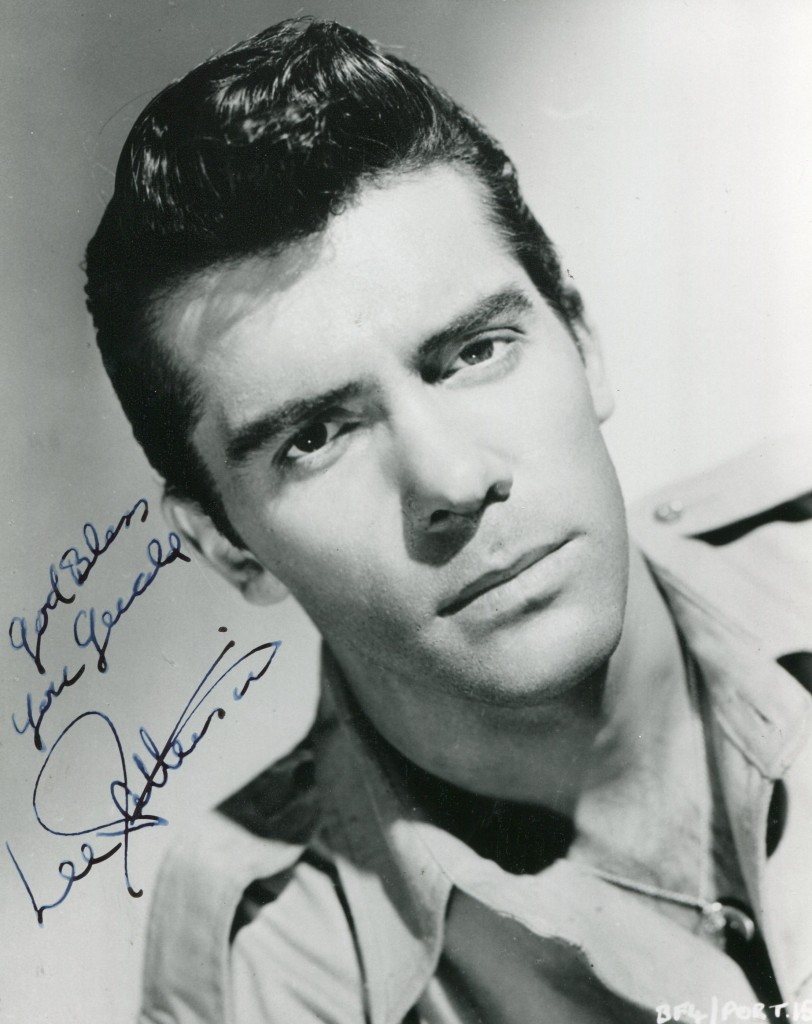
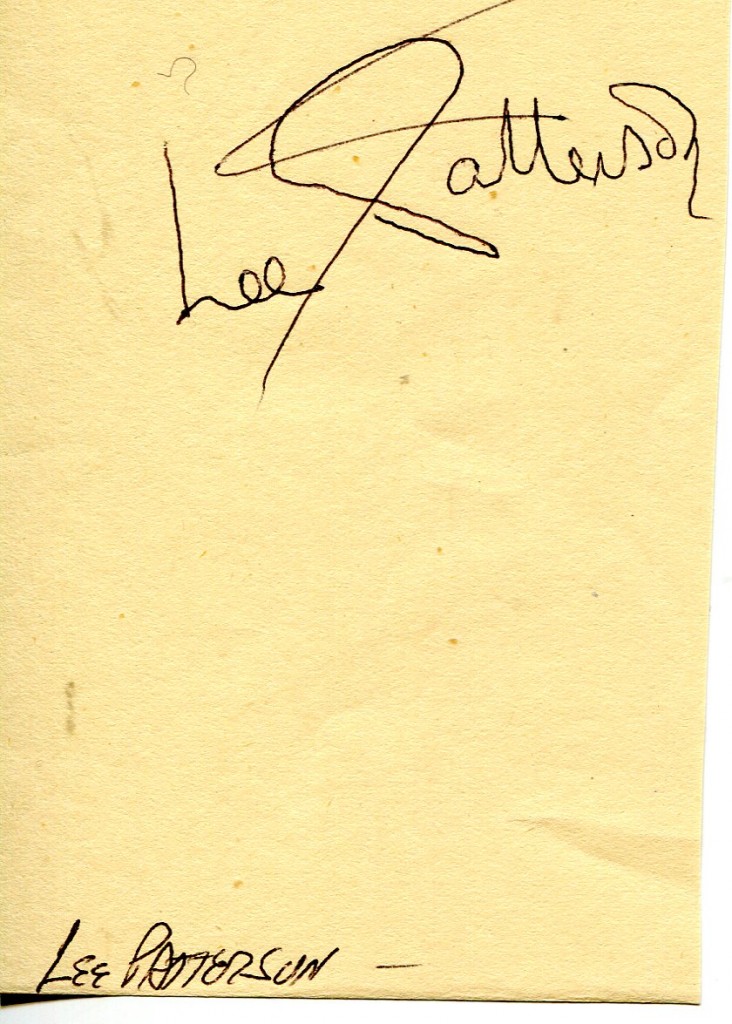
Lee Patterson was born in Vancouver, Canada in 1929. He came to Britain and in the 1950’s was featured in many B movies usually as an American gangster,
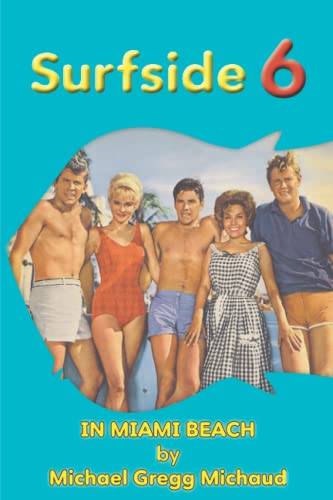
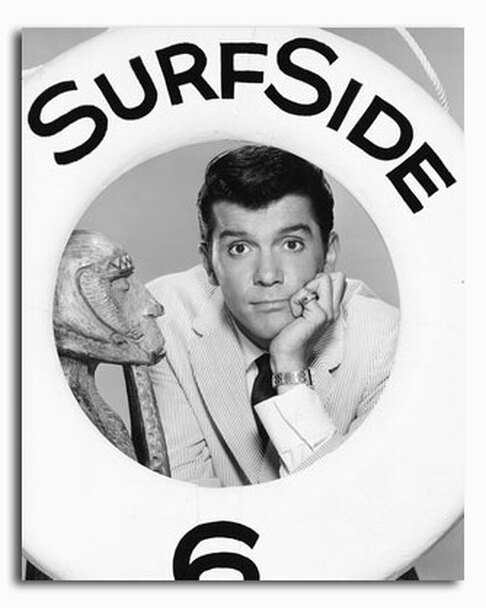
Towards the end of the decade he went to Hollywood and he was featured in the television series “Surfside Six” with Troy Donahue and Van Williams.
He was also a guest on other television shows such as “Magnum PI”. He died in 2007.
Gary Brumburgh’s entry:
Manly actor Lee Patterson will always be remembered by American audiences as the hunky detective alongside equally hunky detectives Van Williams and Troy Donahue onSurfside 6 (1960) from the early 1960s. But, prior to that, he had a solid second-string career in British films playing Americanized parts.
Born in British Columbia, he went to a college in Ontario before crossing the ocean and settling in England.

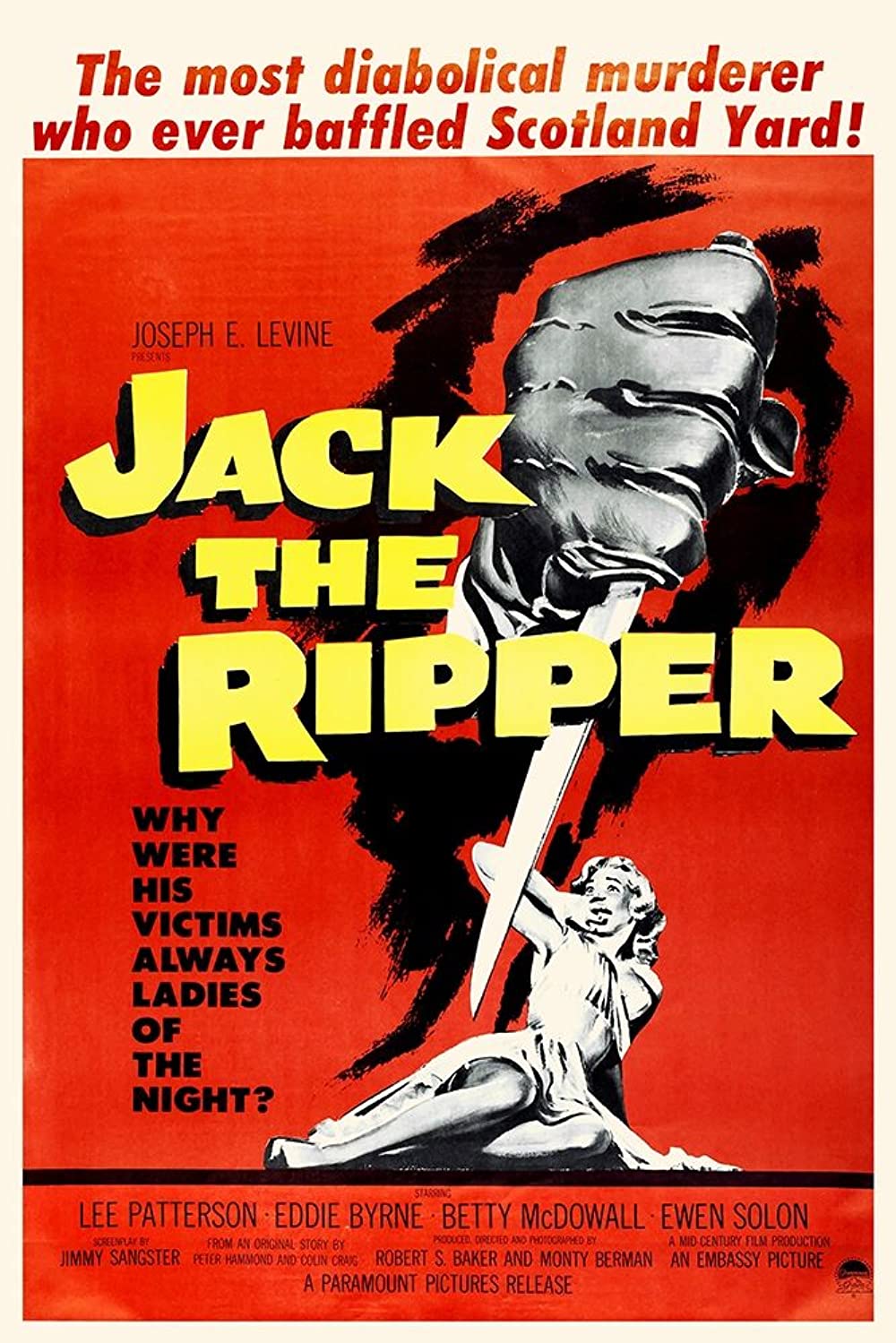
A former stage manager and theatre publicist in his salad days, he was a rock-solid presence in such “B” films as Terror Street (1953) (aka Terror Street),The Good Die Young (1954), Reach for the Sky (1956), The Mailbag Robbery (1957) (aka The Mailbag Robbery) and Jack the Ripper (1959)
. The monumental success of the private eye series 77 Sunset Strip (1958) and the hair-combing Edd Byrnes “Kookie” craze instigated a number of imitations with Surfside 6 (1960) being just one of them.
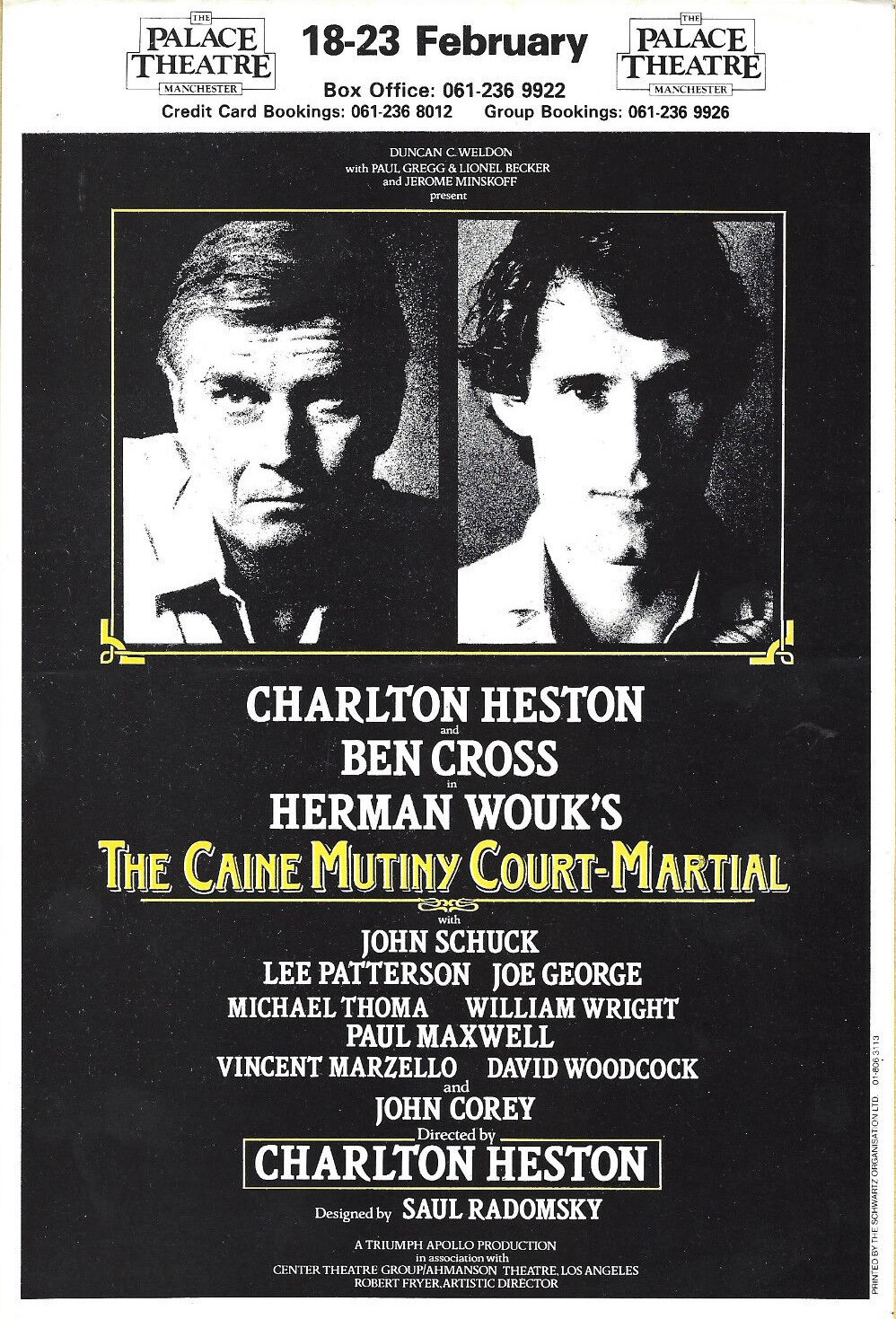
It lasted a rather short two seasons but it did establish Lee here in America. As good looking as the exotic locales behind him on the show, his own good looks carried him much further, going on to star in a number of guest spots and earning a slew of soap opera roles along the way, most notably on One Life to Live (1968) as Erika Slezak‘s one-time husband. He grew into a reliable character actor and was also seen on the stage in later years.
Out of the limelight for quite some time, Lee remained quite private, and his death on Valentine’s Day in 2007 at a Galveston Island, Texas hospital of congestive heart failure (complicated by lung cancer and emphysema) was not reported until nearly a year later.
A sizable portion of his estate went to charitable organizations such as the St. Jude Children’s Research Hospital, which was founded by his good friend Danny Thomas.
– IMDb Mini Biography By: Gary Brumburgh / gr-home@pacbell.net
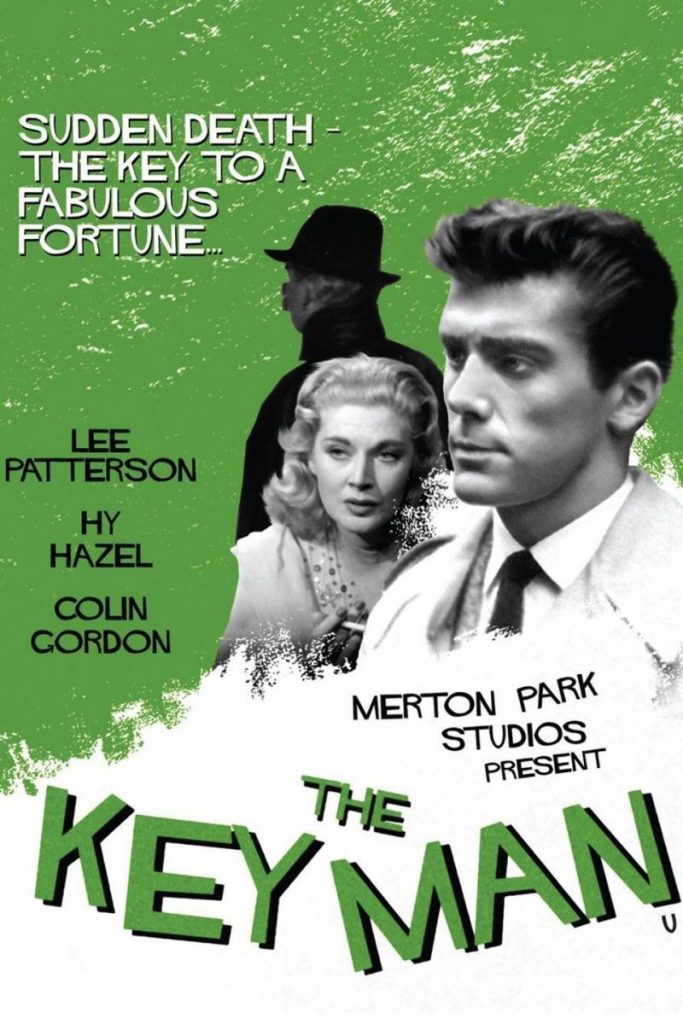
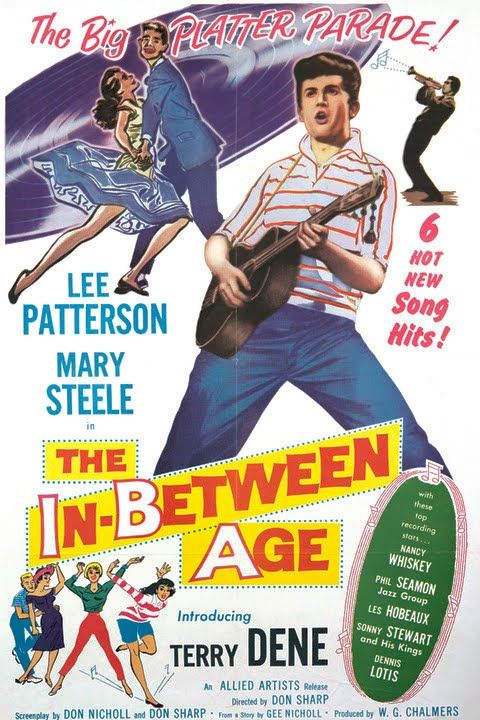
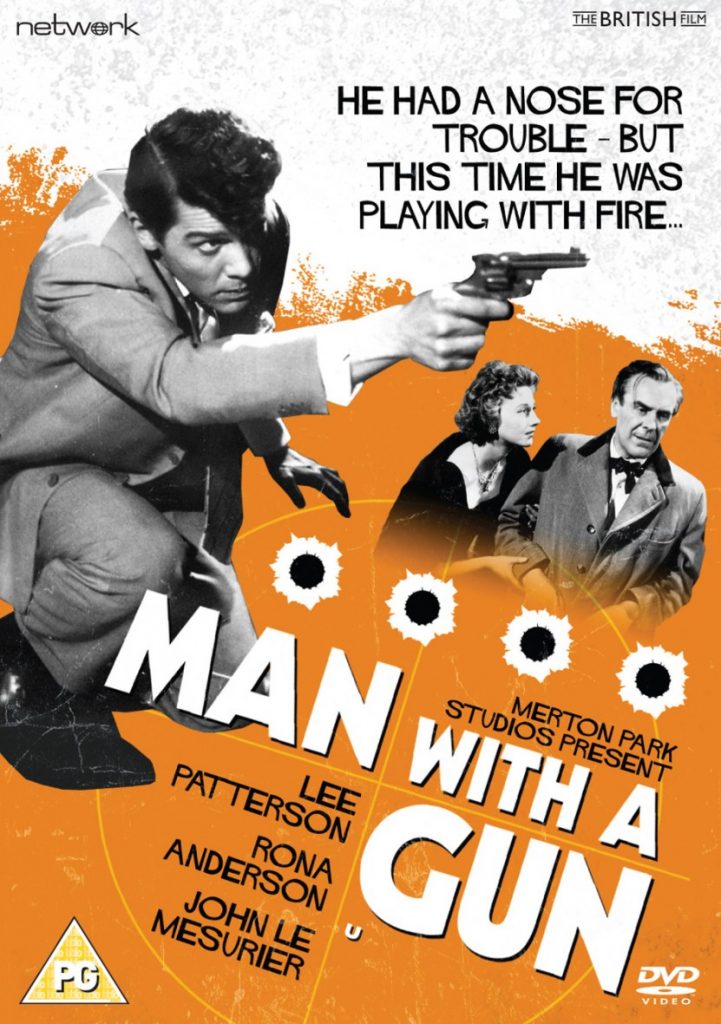

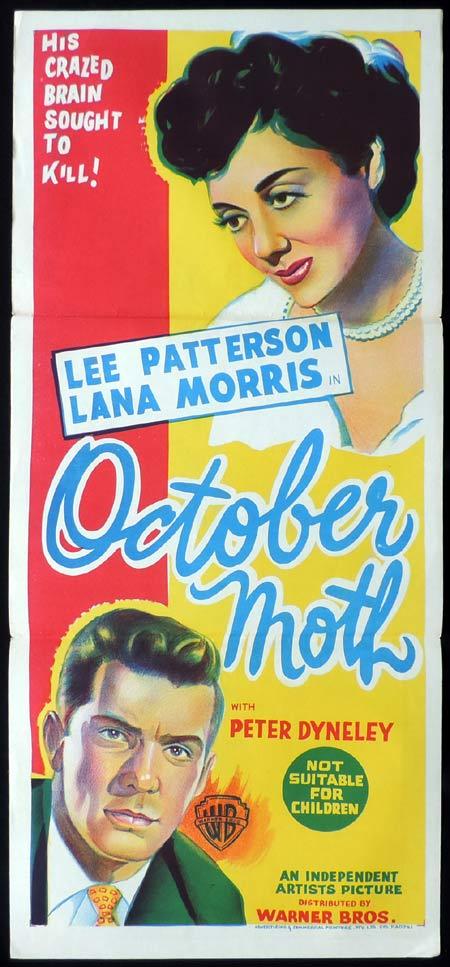
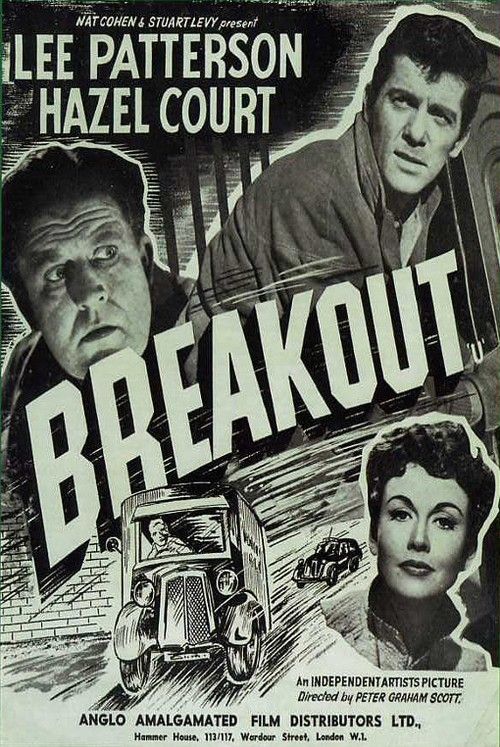
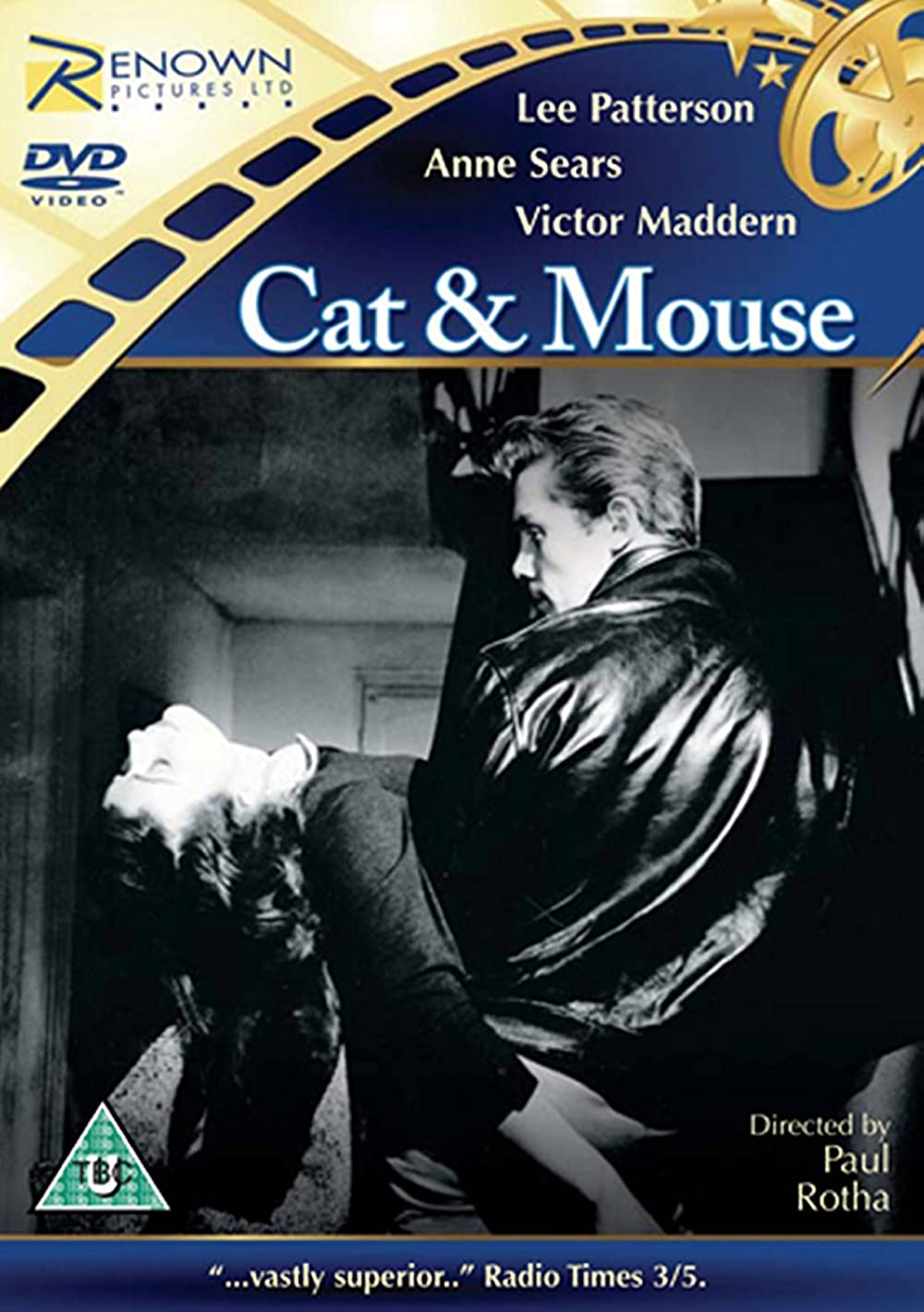
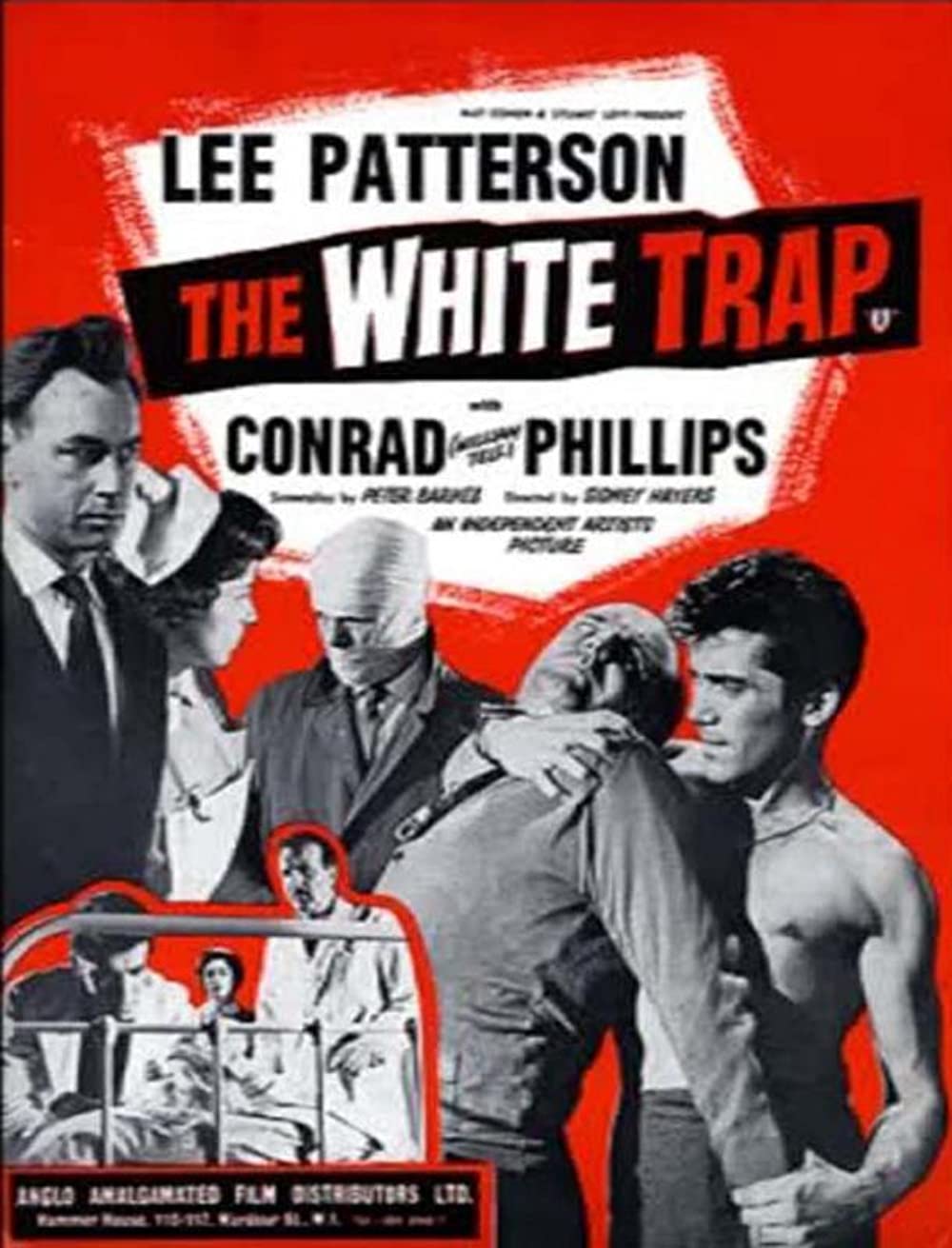
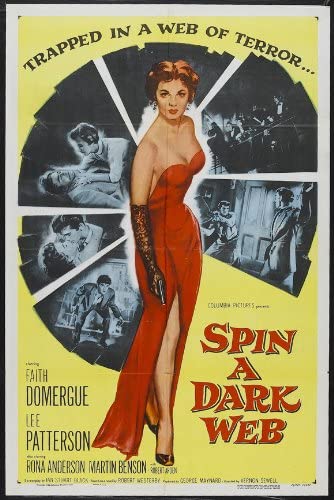
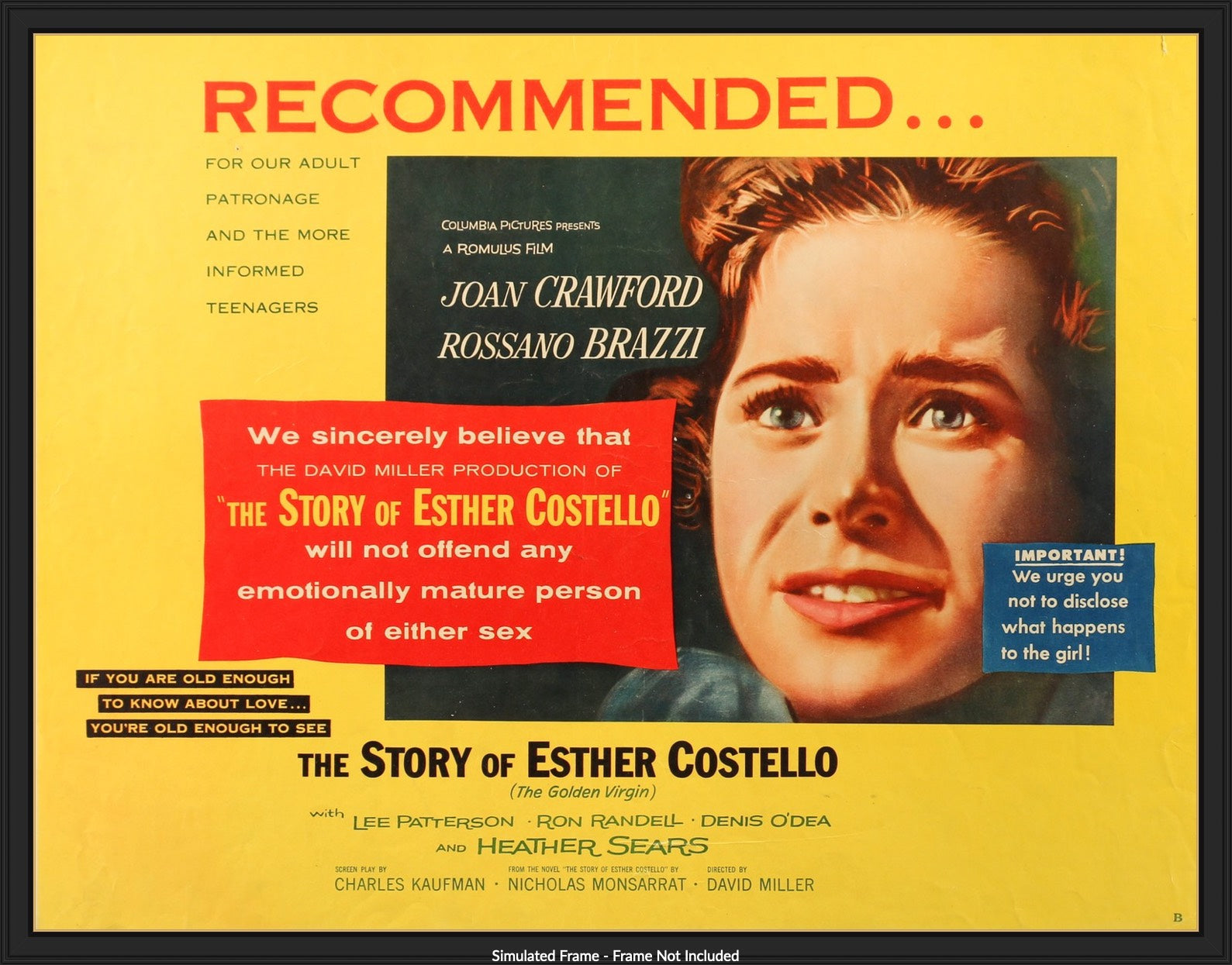
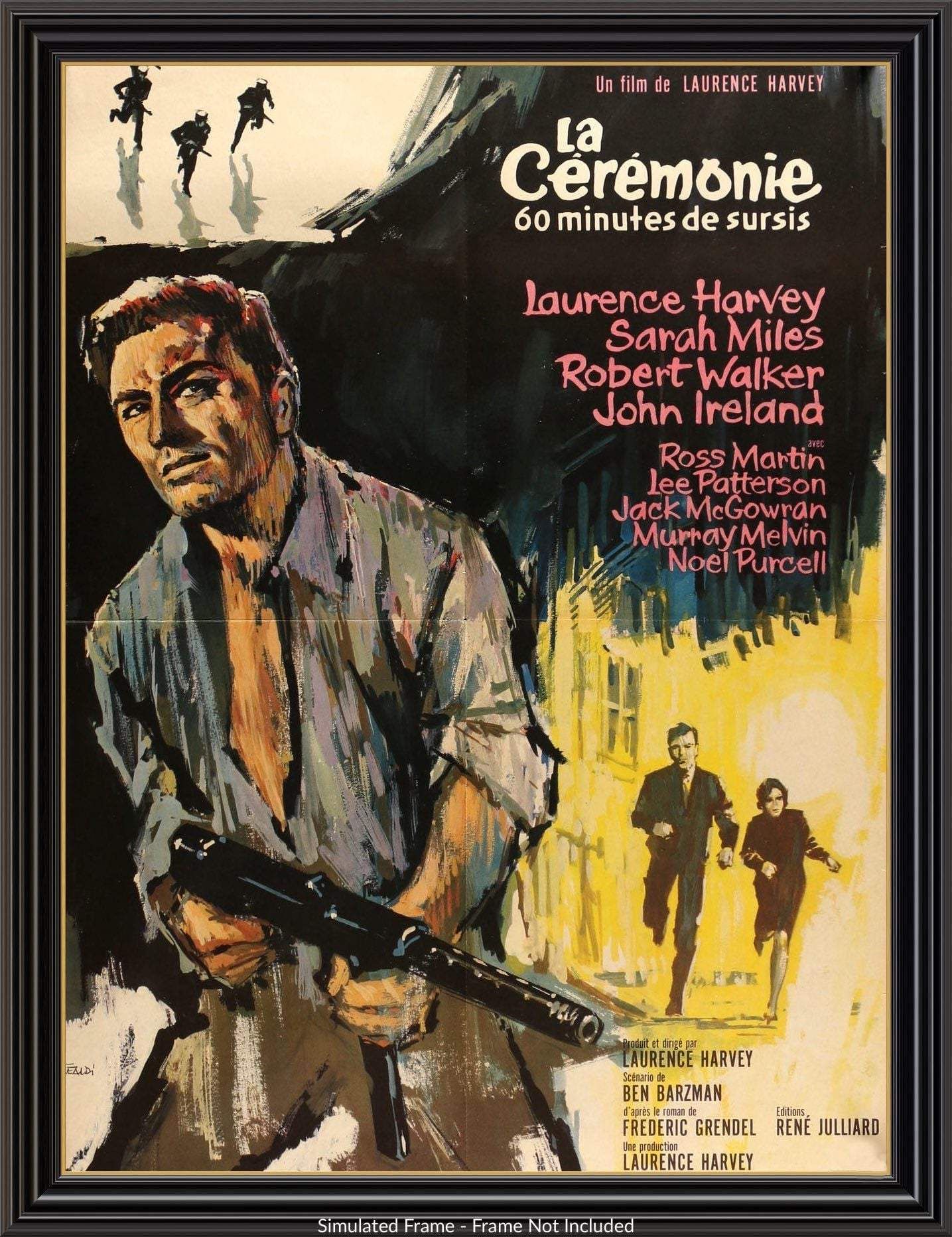
Lee Patterson (1929–2007) was a Canadian actor who achieved the rare distinction of becoming a quintessential “American” leading man in British cinema before returning to North America to become a cornerstone of the television era. His career is characterized by a “transatlantic” versatility—transitioning from gritty British noir to sun-drenched Hollywood detective series and, finally, to daytime soap opera royalty.
Career Overview: The Transatlantic Leading Man
1. The British “B” Noir Specialist (1950s)
After studying art in Ontario, Patterson moved to the UK in the early 1950s. He quickly carved out a niche playing “virile American types” in British crime thrillers.
The Breakthrough: The Good Die Young (1954). Starring alongside Laurence Harvey and Joan Collins, Patterson’s grounded performance in this heist noir marked him as a rising talent.
The Noir Run: He became a staple of British B-movies, often playing the tough, slightly mysterious American in films like Spin a Dark Web (1956) and The Counterfeit Plan (1957).
The Jack the Ripper Connection: He headlined the 1959 mystery Jack the Ripper, a film that utilized his ability to play a focused, modern investigator in a period setting.
2. The Hollywood Heartthrob (1960–1962)
In 1960, Warner Bros. signed Patterson and cast him as Dave Thorne in the ABC detective series Surfside 6.
Set in Miami Beach, the show positioned Patterson as part of a trio of “cool” investigators (alongside Troy Donahue and Van Williams). This period was his peak as a conventional TV star, embodying the polished, post-war optimism of the early 60s.
3. The Soap Opera Icon (1968–1980s)
After Surfside 6 ended, Patterson found a permanent home in daytime television.
One Life to Live: He originated the role of Joe Riley in 1968. His portrayal of the rugged, romantic hero became the show’s emotional anchor for over a decade. He was so popular that after his character was “killed off” in 1970, public outcry led the writers to bring him back (revealed as having survived with amnesia) in 1972.
Legacy Roles: He later appeared in Another World and its spin-off Texas as Dr. Kevin Cooke, further cementing his status as a “patriarch” of the daytime medium.
Detailed Critical Analysis
1. The “Authentic American” in British Cinema
Critically, Patterson’s 1950s British work is fascinating because he was a Canadian playing a specific idea of an American.
The Cultural Bridge: At the time, British “B” movies often imported or used North American actors to make their films more sellable to the US market. Patterson was more successful than most because he lacked the “stiffness” of some imported stars; he brought a naturalistic, conversational style to British noir that made the films feel more modern and high-stakes.
The “Man of Action”: Critics noted his physical presence. Whether in the submarine drama Above Us the Waves or the thriller Time Lock, Patterson excelled at playing men defined by their competence and composure under pressure.
2. The Architecture of the TV Detective
In Surfside 6, Patterson represented a shift in the “private eye” archetype.
From Grit to Glamour: Unlike the cynical, hard-boiled detectives of the 40s, Patterson’s Dave Thorne was affluent, well-dressed, and part of a “lifestyle” (living on a houseboat). Critically, Patterson managed to keep the character from becoming a shallow caricature by maintaining a “working-class” reliability beneath the Miami tan.
3. The Master of the “Daytime Resurrection”
Patterson’s work on One Life to Live is a masterclass in sustained character development.
Emotional Connectivity: Soap opera acting requires a unique ability to make heightened melodrama feel grounded. Patterson’s Joe Riley wasn’t just a “hunk”; he was a character built on a sense of decency and vulnerability.
The “Amnesia” Performance: When he returned as the amnesiac Joe Riley, critics praised his ability to play the “hollowed-out” version of a character the audience already knew. He successfully navigated one of the most difficult tropes in television without losing the audience’s empathy.
Iconic Role Comparison
| Character | Work | Medium | Key Critical Note |
| Tod Maslin | The Good Die Young | Film Noir | Proved he could hold his own with Hollywood A-listers. |
| Sam Lowry | Jack the Ripper | Thriller | Displayed his “modern investigator” persona. |
| Dave Thorne | Surfside 6 | TV Series | Defined the “Cool 60s Detective” archetype. |
| Joe Riley | One Life to Live | Soap Opera | Became a generational icon of daytime romance |