

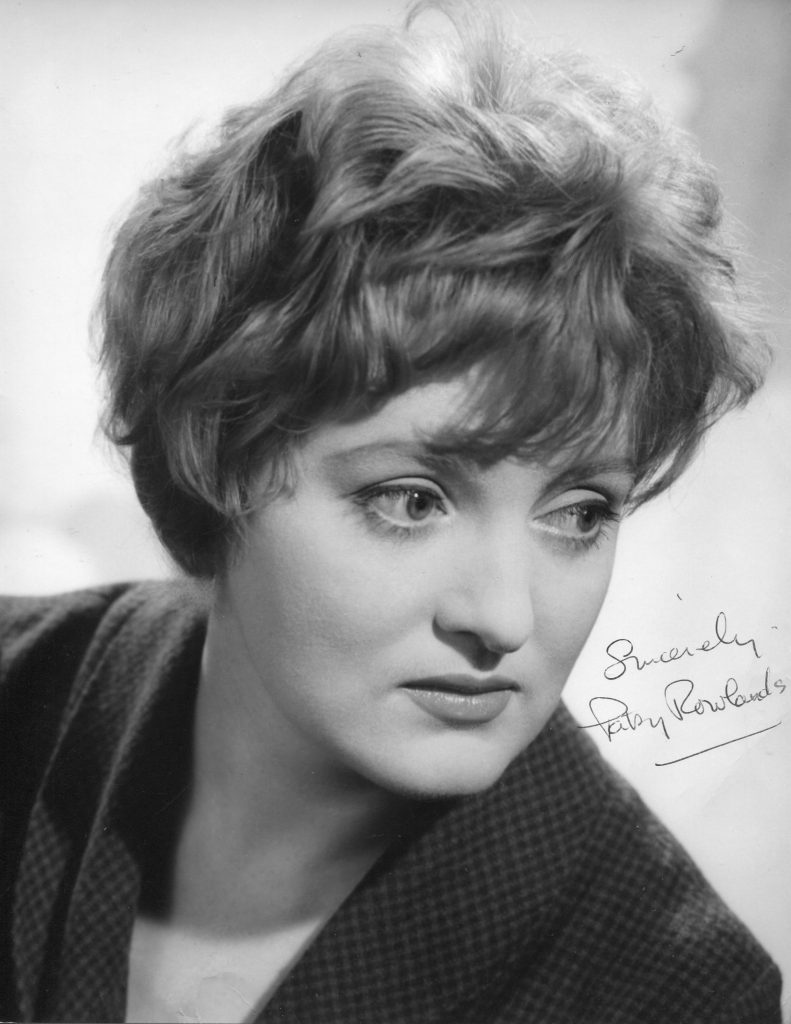
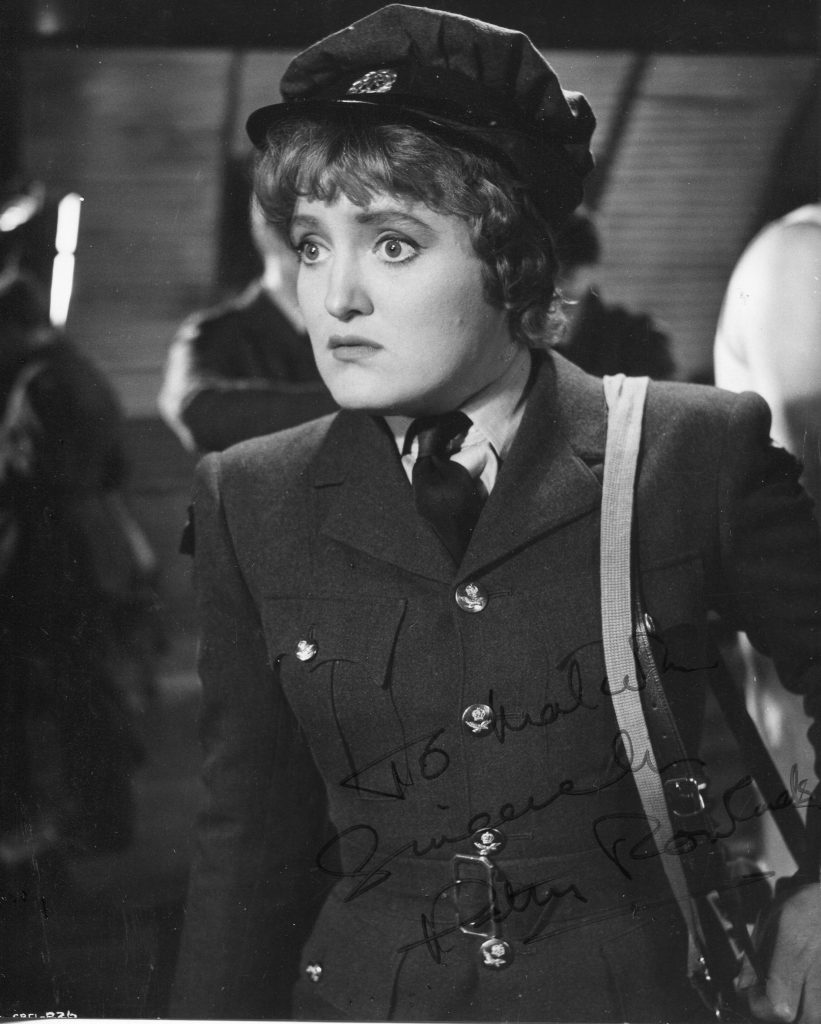
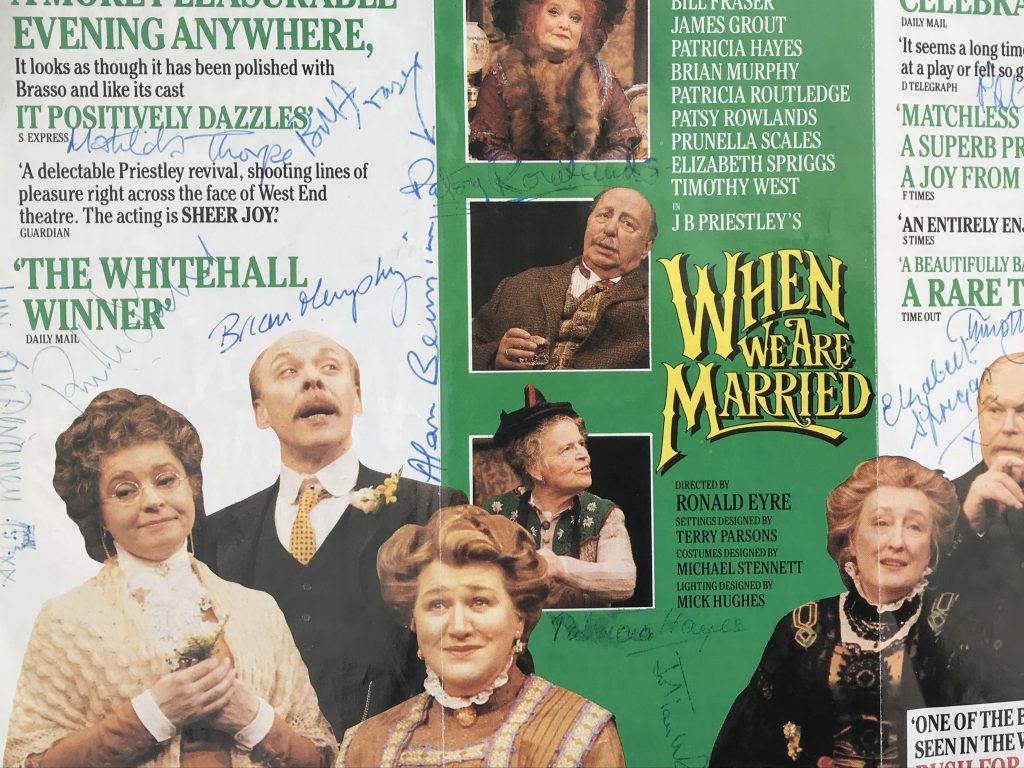
The times obituary in 2005.
PATSY ROWLANDS was an ex- convent schoolgirl who embraced the powder and paint of the acting profession and worked repeatedly with the director Tony Richardson as British drama reinvented itself in the Sixties. But it was her work on the big screen with another quintessential director of the period, Gerald Thomas, with which the red-haired actress established herself as one of English cinema’s most familiar faces.
Between 1969 and 1975 Rowlands appeared in nine of the Carry On films, usually as the dowdy, put-upon wife — wives do not come much more put-upon than her queen who gets her head chopped off in Carry on Henry (1970) to make way for the King’s (Sid James) latest wife. Or she would be the timid housekeeper oremployee quietly lusting after a gloriously insensitive Kenneth Williams, just waiting for the right moment to throw off her drab cocoon and emerge in her true plumage. Rowlands also appeared in several TV sitcoms, most notably Bless This House, in which she played Sid James’s neighbour.
Born in London in 1934, Patricia Rowlands was sent for elocution lessons because her parents thought it would improve her employment prospects. The teacher steered her towards acting, and she won a scholarship to the Guildhall School of Music and Drama in London. She made her West End debut in 1958-59 as Doris Hare’s granddaughter in Valmouth, Sandy Wilson’s controversial musical about a spa town, where the aged residents enjoy a prolonged sex life — a sign perhaps of things to come on screen for Rowlands a decade later.
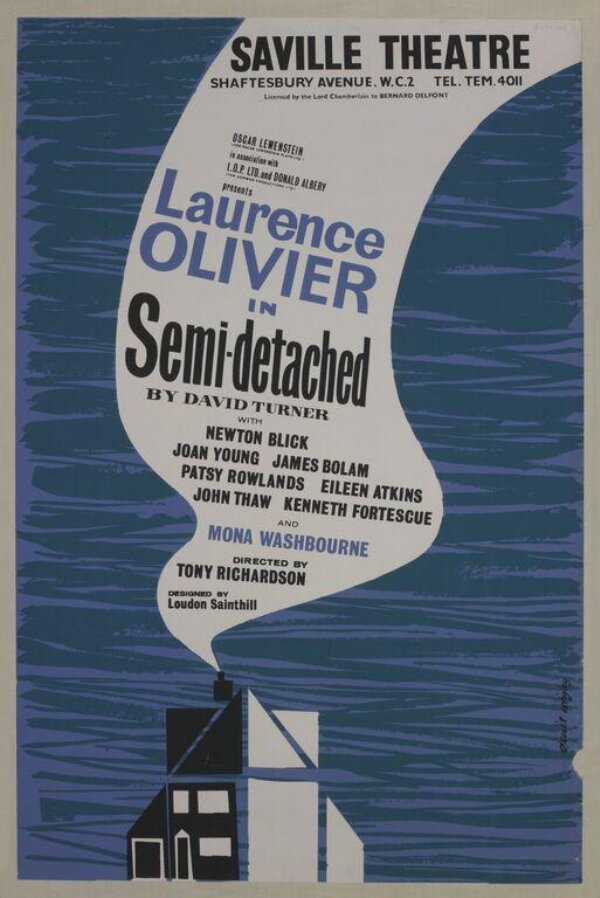
The scope of her work was impressive from the outset. She had a long association with the Players’ Theatre in London, which preserved the tradition of music hall and fostered the careers of Carry On actresses Hattie Jacques and Joan Sims, but she also appeared with Laurence Olivier in David Turner’s Semi-Detached, at the Saville Theatre in London in 1961, under the direction of Tony Richardson.
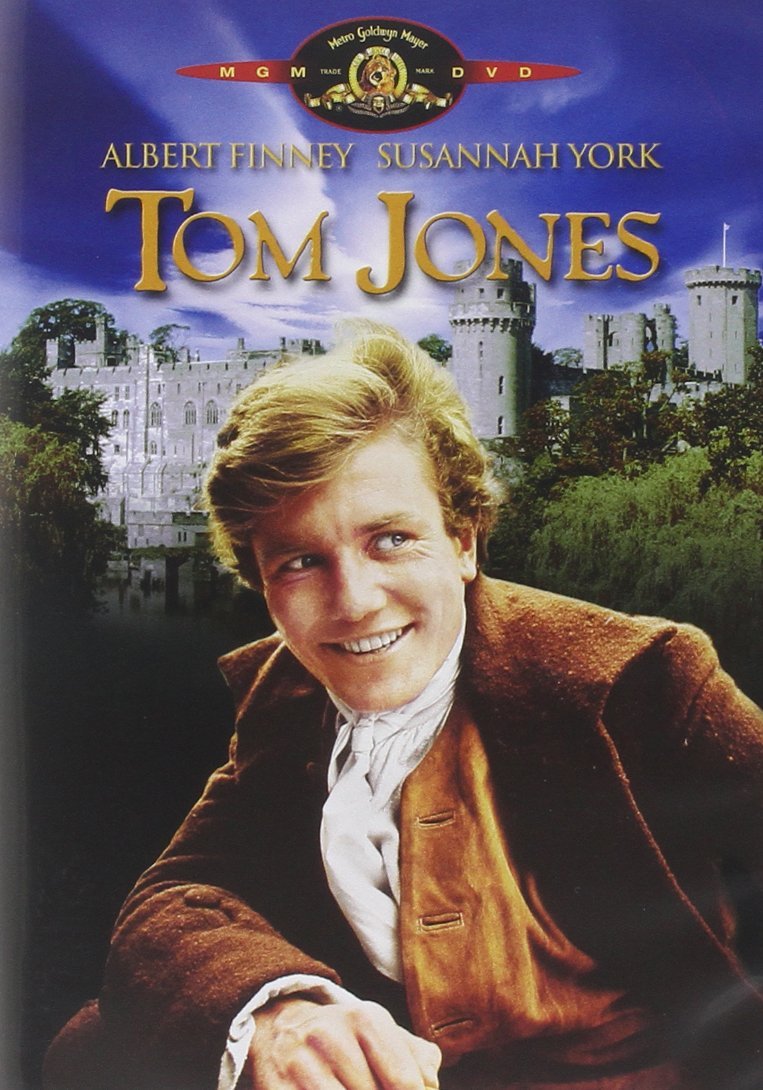
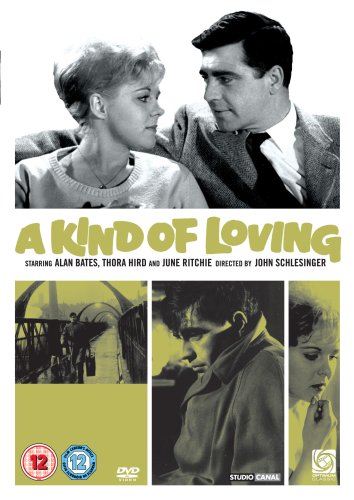
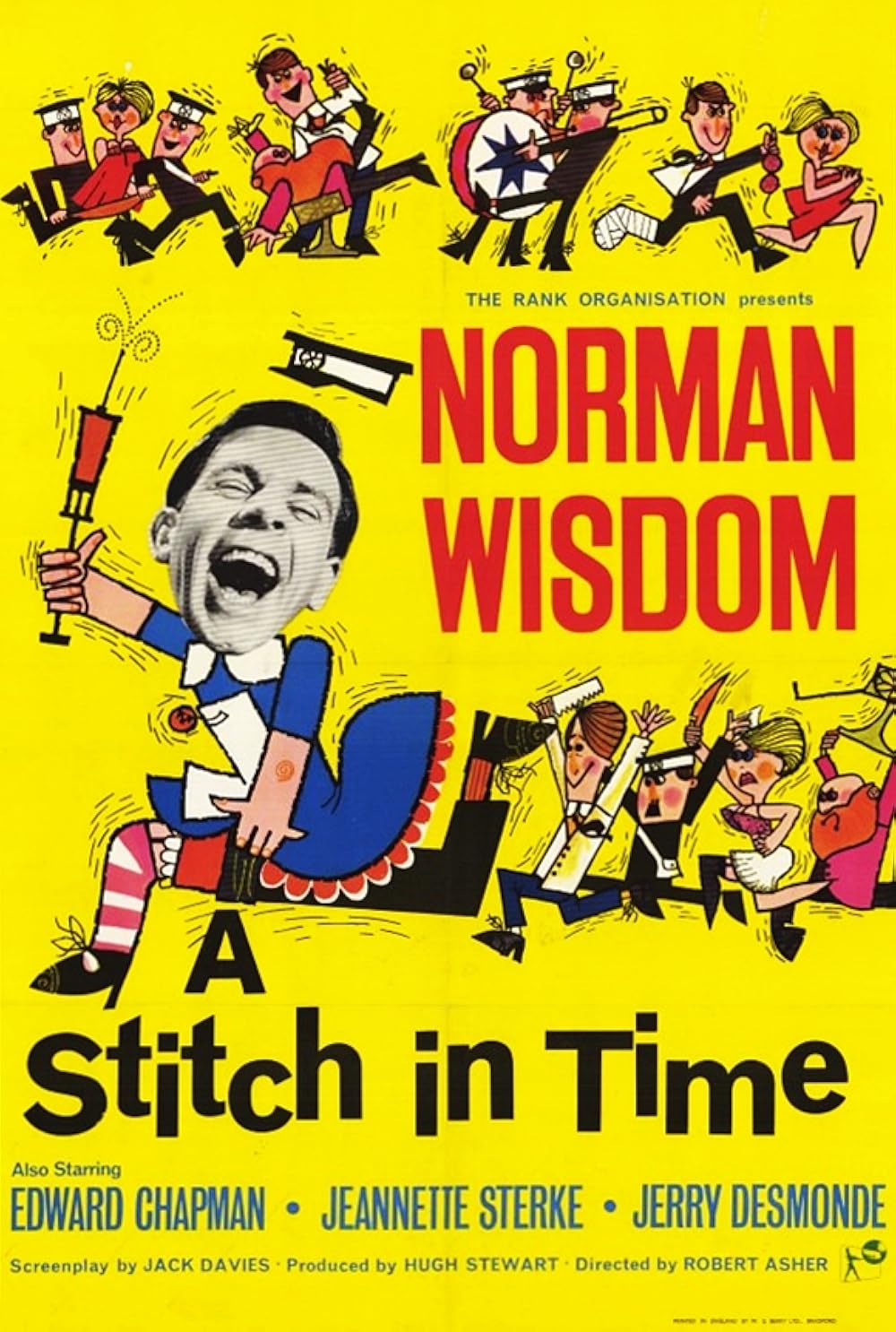
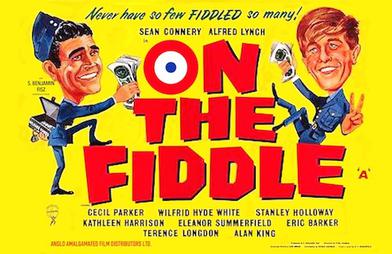
Around this time she also began to act in films, with small roles in the military comedy On the Fiddle (1961), with a young Sean Connery; John Schlesinger’s provincial drama A Kind of Loving (1962), with Alan Bates; Richardson’s Oscar-winning Fielding romp, Tom Jones (1963), with Albert Finney; and the Norman Wisdom comedy A Stitch in Time (1963). There were also regular opportunities on TV, where she appeared in Danger Man, The Avengers and a BBC production of the Vaclav Havel play The Memorandum (1967), with Hattie Jacques..
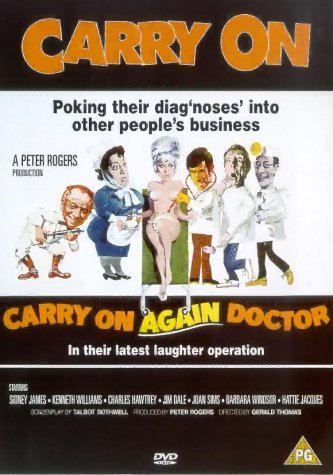
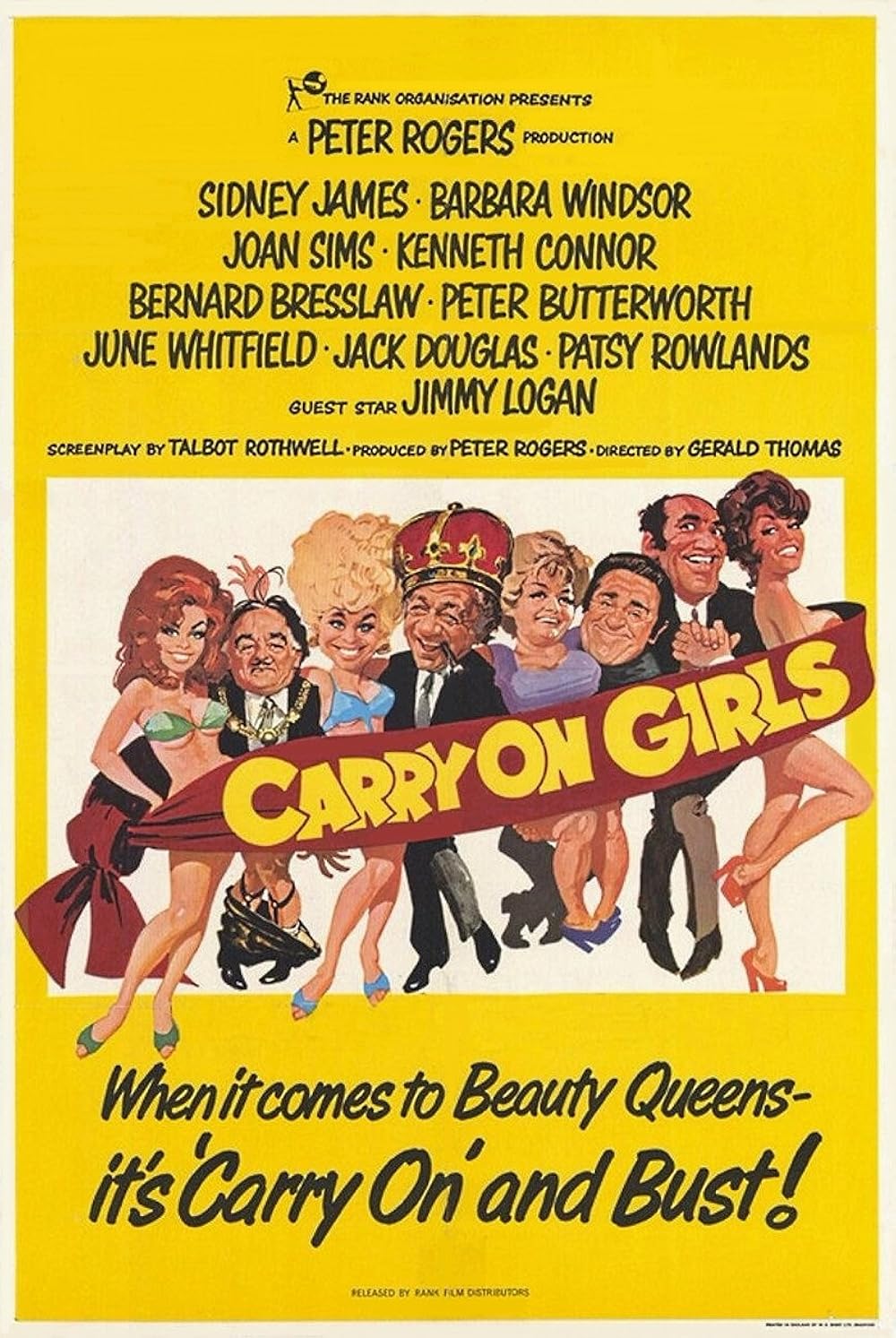
The Carry On series was already a national institution when Rowlands made her first appearance in Carry on Again Doctor in 1969, subsequently becoming a permanent member of the troupe. She tested the merchandise at Boggs Sanitary Ware in Carry on at Your Convenience (1971), complaining: “I’ve given my whole life to Boggs,” and she was the worm that finally turns in Carry on Girls (1973), as the wife of the boring, self-important mayor (Kenneth Connor). She sabotages his beauty contest by burning her bra and joining Women’s Lib.
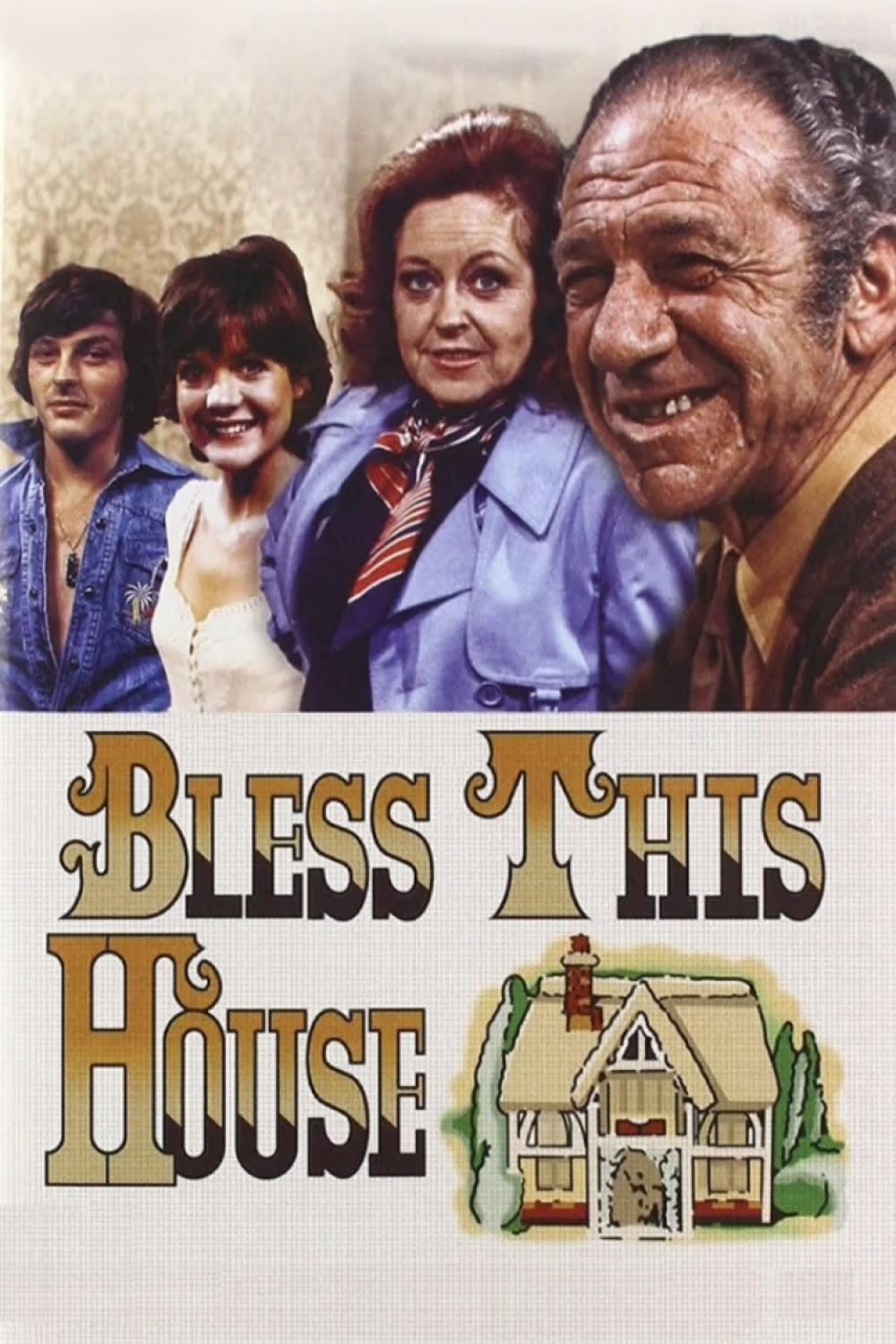
The role of Betty, Sid James’s feckless neighbour in Bless This House (1971-76), consolidated her success as a major comic screen actress. James and Diana Coupland played parents with two teenage children and the show spawned a film version in 1972. Bless This House was followed by another hit sitcom The Squirrels (1975-77), set in the offices of a television rental company.
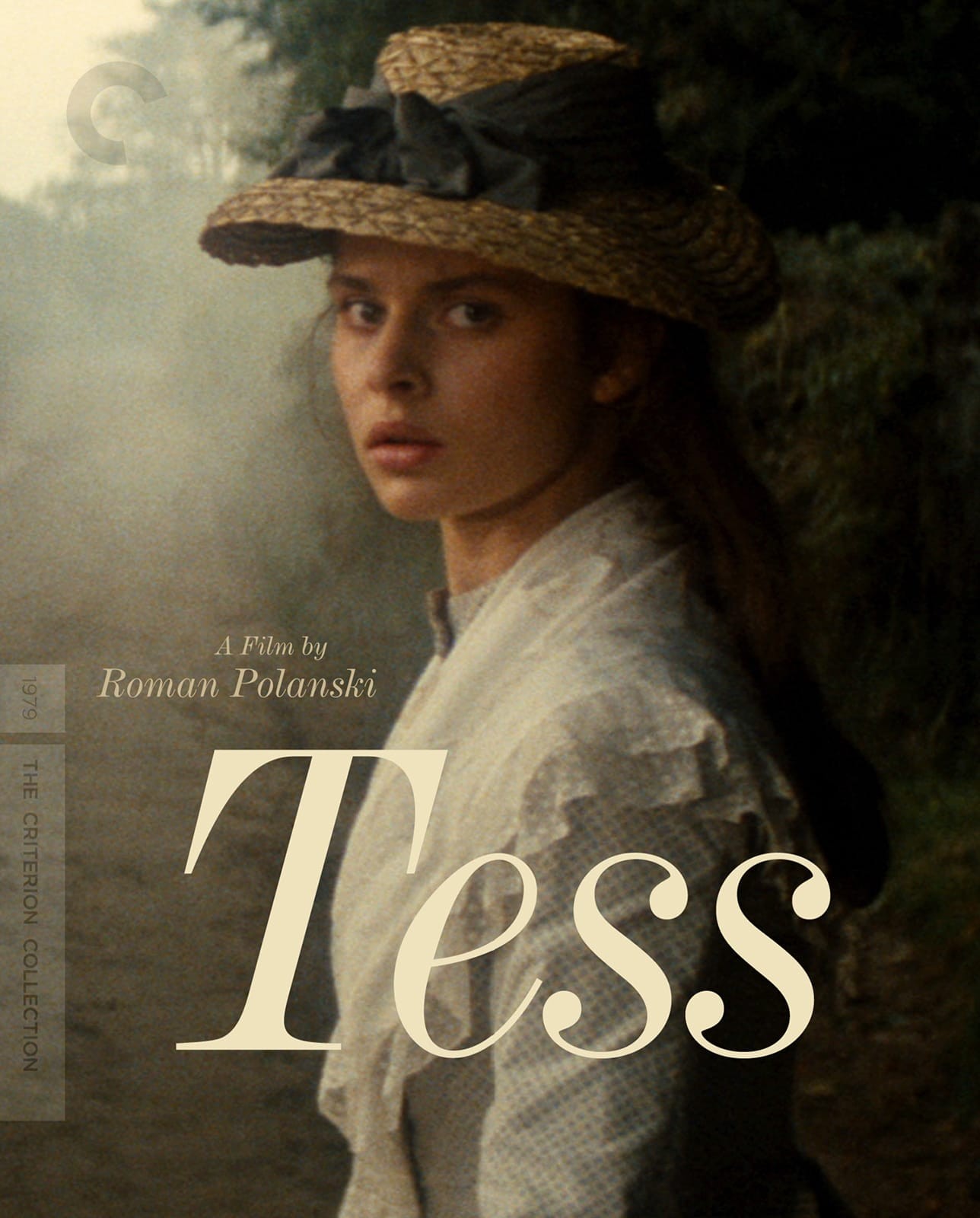
In the 1970s Rowlands continued to act in films, including Please Sir! (1971), the movie spin-off from the TV sitcom; Alice’s Adventures in Wonderland (1972); and as the landlady in Roman Polanski’s Tess (1979). The Carry On series limped towards its end-credits without Rowlands in the second half of the decade, but by that time she was well-established in television sitcom. She starred in Nigel Kneale’s cult sci-fi comedy Kinvig (1981) and teamed up with Thora Hird in Hallelujah! (1983-84). They played an aunt and niece in the Salvation Army.
Eventually the run of sitcoms came to an end, but Rowlands continued to work in television in smaller roles, playing Mrs Tinker in the acclaimed Andrew Davies adaptation of Vanity Fair (1998). She also enjoyed a return to West End musicals, in Sam Mendes’s production of Oliver! and Sir Cameron Mackintosh’s revival of My Fair Lady.
Her other theatrical credits included Shut Your Eyes and Think of England, with Donald Sinden; The Seagull and The March on Russia, both directed by Lindsay Anderson; The Wind in the Willows, directed by Nicholas Hytner; and the musicals Into the Woods and Me and My Girl.
Patsy Rowlands is survived by her son.
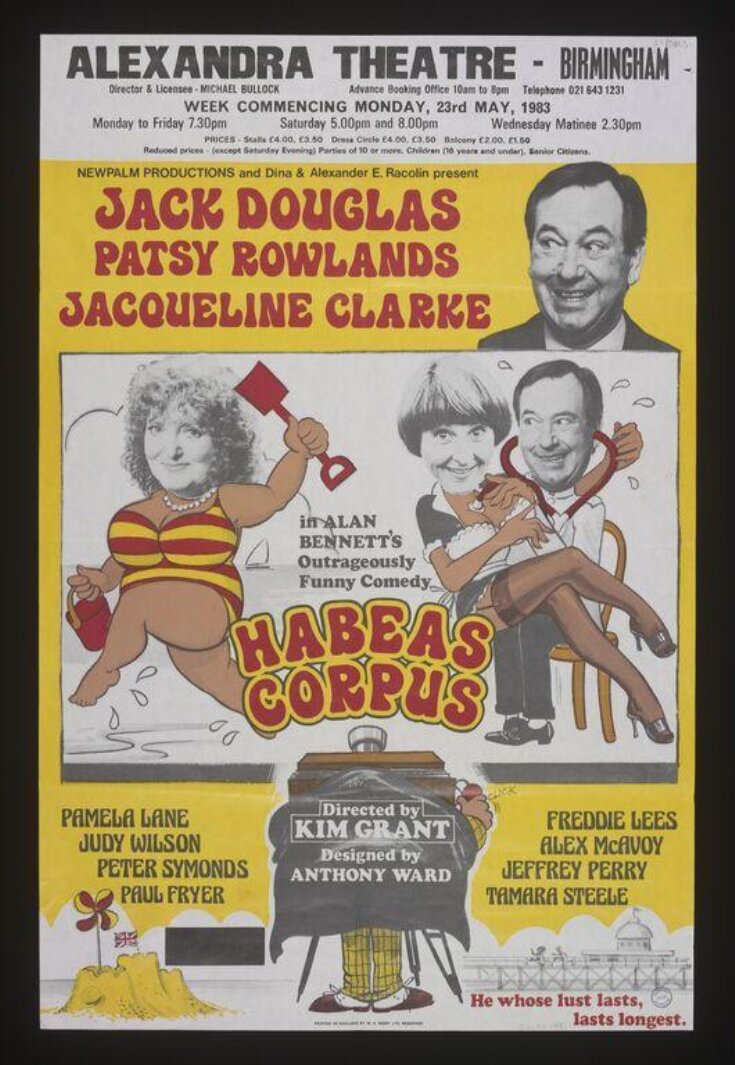
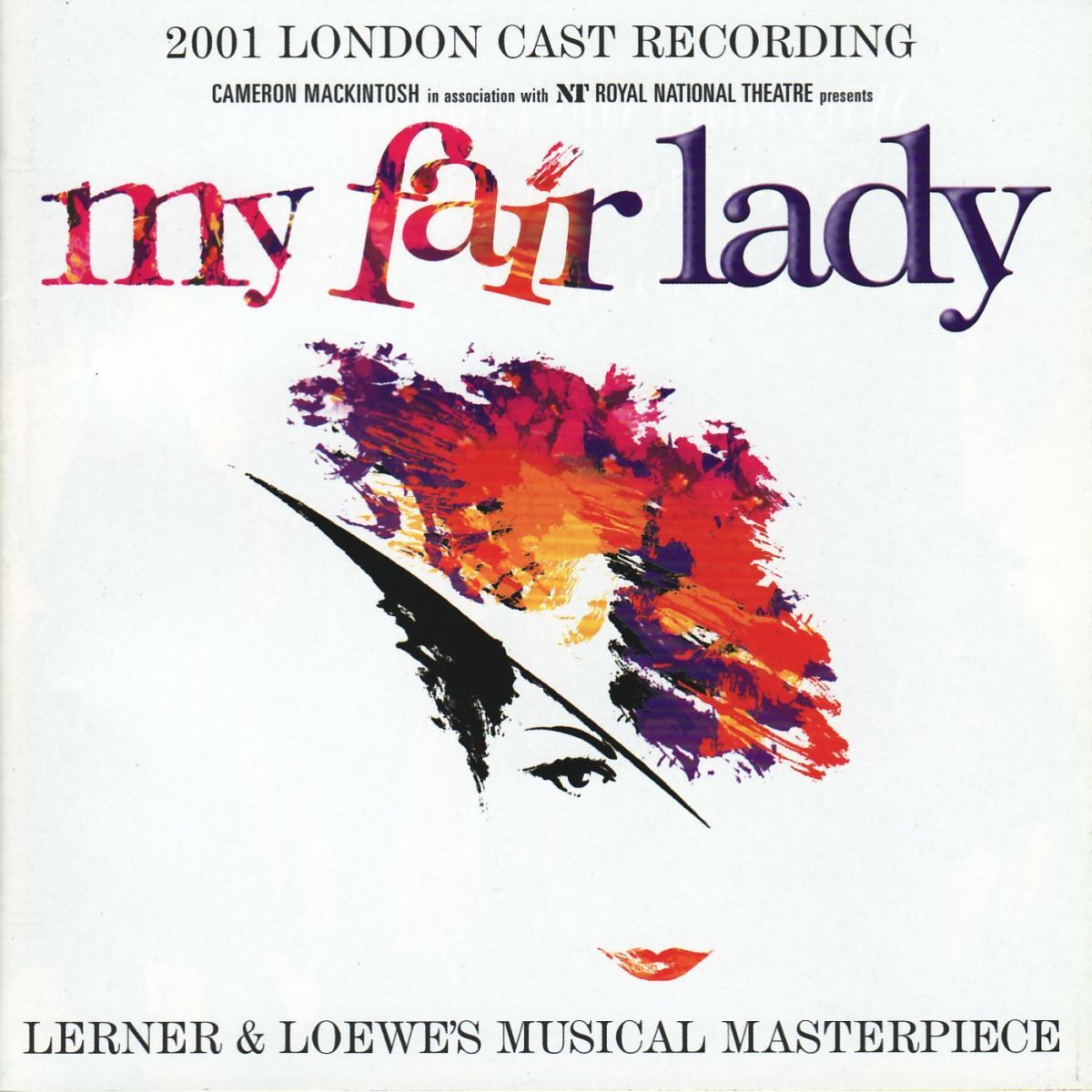
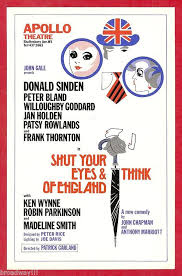
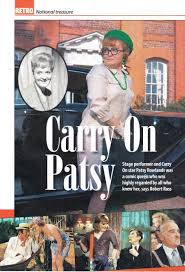
Patsy Rowlands (1931–2005) was the “Mistress of the Flustered.” While the Carry On franchise made her a household name in Britain, a critical analysis of her work reveals an actress of immense theatrical discipline and a unique ability to play the sublimated desperation of the British middle class.
Often cast as the “mousy” wife or the overlooked secretary, Rowlands turned the archetype of the “neglected woman” into a comedic art form, utilizing a high-pitched, fluttering vocal delivery and a “startled bird” physicality that made her one of the most sympathetic figures in British farce.
1. Career Arc: From the Saville Theatre to Pinewood
The Musical and Classical Start (1950s): Rowlands began her career as a singer and dancer, winning a scholarship to the Guildhall School of Music and Drama. She was a notable presence in the West End, appearing in original productions like Valmouth, which established her as a performer with a gift for “eccentric” characterization.
The “Carry On” Staple (1969–1975): She joined the Carry On ensemble during its transition into more domestic, television-influenced humor. Across nine films, she became the definitive “long-suffering wife,” usually paired with the wandering-eyed Sid James or Kenneth Williams.
The Television Character Icon (1980s–2000s): Rowlands found a second wind in “high-end” sitcoms and dramas. Her role as Betty in Bless This House and her later work in Bottom and The Catherine Tate Show showcased her ability to adapt her comedy to the more cynical, aggressive styles of later decades.
2. Critical Analysis of Key Performances
Carry On Loving (1970) & Carry On Girls (1973) – The Archetype of Neglect
In the Carry On series, Rowlands rarely played the “glamour” roles; she was the foil to them.
Analysis: Rowlands utilized a reactive acting style. While the male leads performed broad, physical gags, Rowlands’ comedy came from her facial expressions—the slow realization of betrayal, the tightening of the lips, and the “pained smile.”
Critique: Critics note that Rowlands provided the human soul to the increasingly ribald Carry On films. She didn’t play her characters as hags or shrews; she played them as women who genuinely cared for their undeserving husbands. This “sincerity” made the comedy sharper, as it grounded the absurdity in a recognizable domestic reality.
Alice’s Adventures in Wonderland (1972) – The Surrealist Stylist
As The Cook.
Analysis: In this star-studded musical adaptation, Rowlands leaned into the grotesque and the chaotic.
Critique: Working alongside Peter Sellers and Dudley Moore, Rowlands held her own by embracing a more aggressive, manic energy. Critically, this performance is cited as evidence of her range beyond the “mousy” wife. She proved she could handle the “logic-less” demands of Lewis Carroll’s world, using her vocal flexibility to create a character that was genuinely unsettling yet hilarious.
Bless This House (1971–1976) – The Comedy of Observation
As Betty, the neighbor and best friend to Jean Abbot (Diana Coupland).
Analysis: This was Rowlands at her most understated. As the “second lead,” she functioned as the audience’s surrogate—the observer of the central family’s chaos.
Critique: Critics praised her comedic rhythm. Rowlands was a master of the “one-liner” delivered while doing something mundane (like knitting or drinking tea). She mastered the art of the “British sigh,” a sound that conveyed years of domestic resignation. It was a performance that relied on “vibe” over volume.
3. Style and Legacy: The “Ordinary” Virtuoso
Patsy Rowlands’ style was defined by technical precision disguised as clumsiness.
| Attribute | Critical Impact |
| Vocal “Flutter” | She could push her voice into a high, breathy register that suggested a woman on the verge of a nervous breakdown, which was her primary tool for generating empathy. |
| Physicality of the “Fidget” | Rowlands never stood perfectly still; she was always adjusting a hat, a bag, or her glasses. This “busy-ness” characterized her roles as perpetually anxious. |
| Under-the-Radar Pathos | Her greatest strength was the ability to make the audience feel sorry for her character even while they were laughing at her. |
The “Carry On” Paradox
Critically, Rowlands is often grouped with the “Carry On” stars, but modern reassessment suggests she was underutilized by the cinema. Her RADA-level discipline meant she was capable of much darker, more dramatic work (as seen in her stage appearances). She was the “glue” of the ensemble—the reliable professional who made the stars look better by providing a perfect, grounded reaction.
Critical Note: Patsy Rowlands was the “Poet of the Plain Woman.” In an industry obsessed with the spectacular, she championed the mundane. Her legacy is the validation of the “unnoticed” person; she showed that there is high comedy and deep dignity in the life of the woman who is simply trying to get the tea on the table while the world falls apart around her