

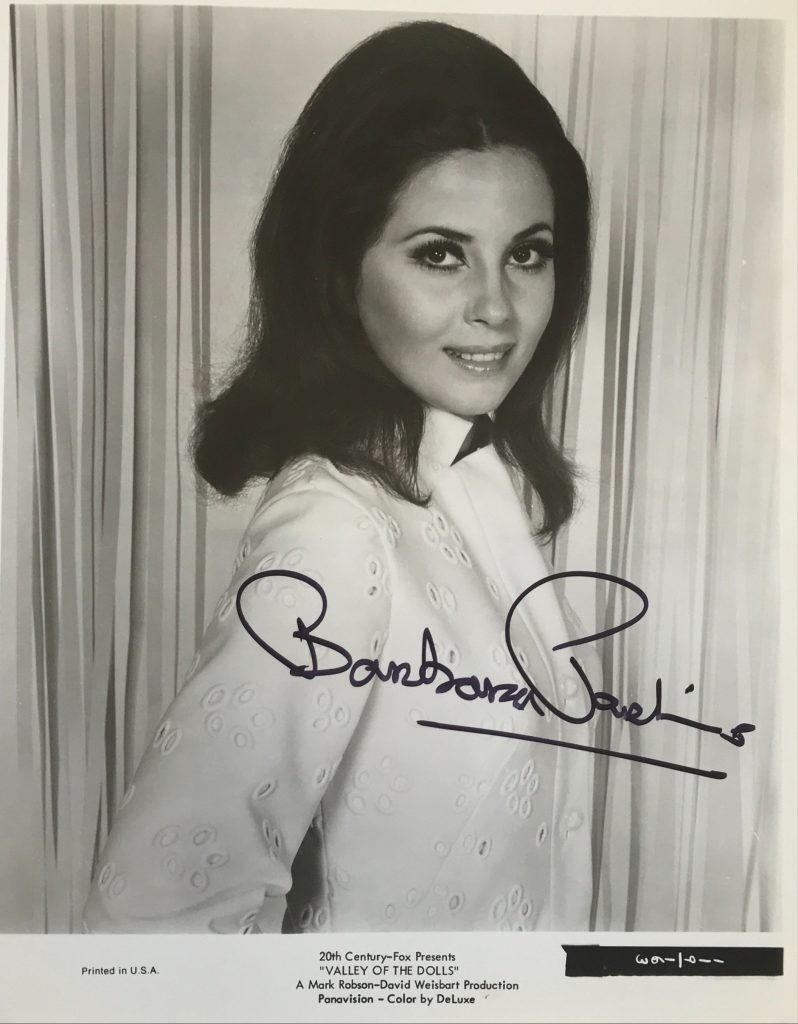
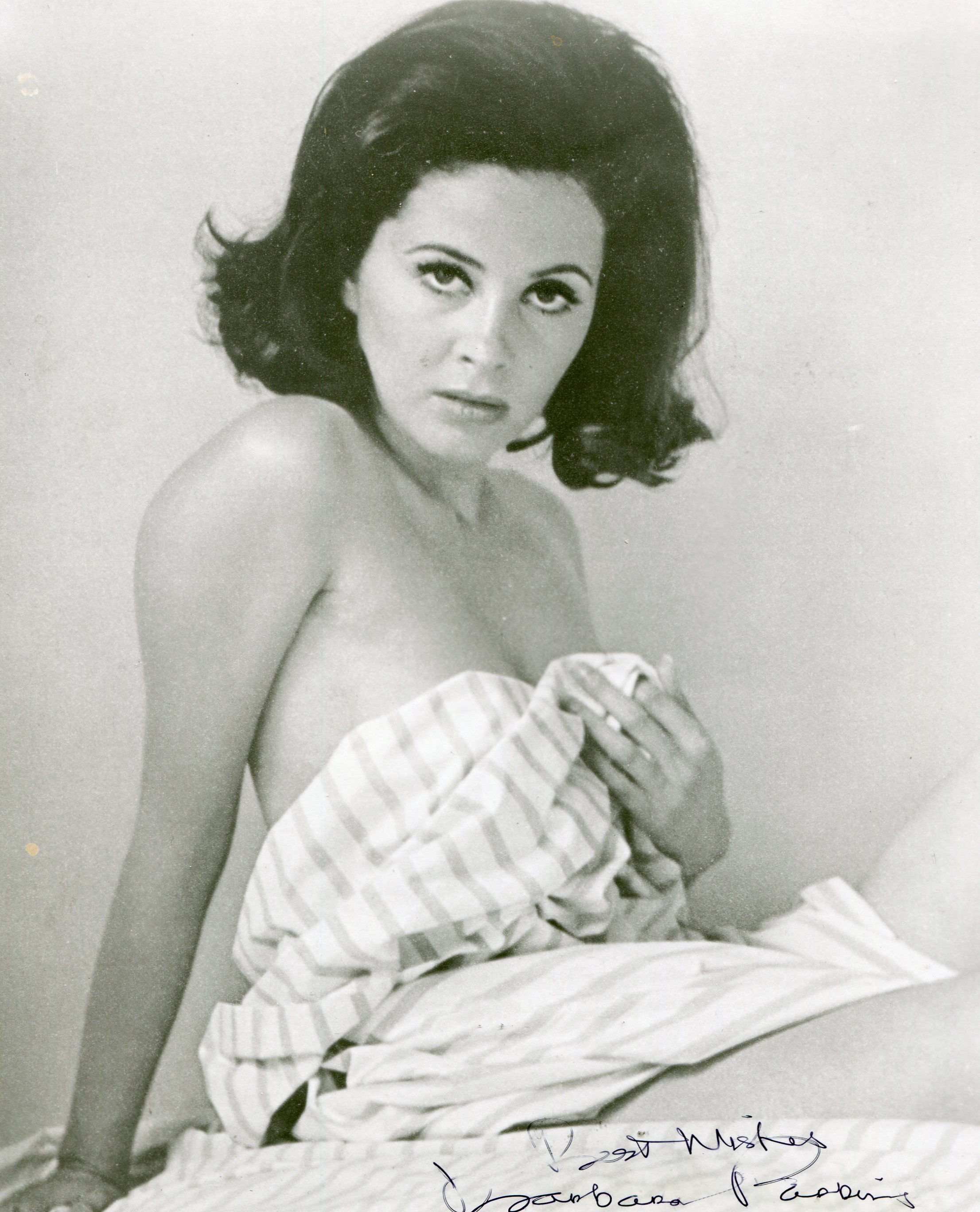
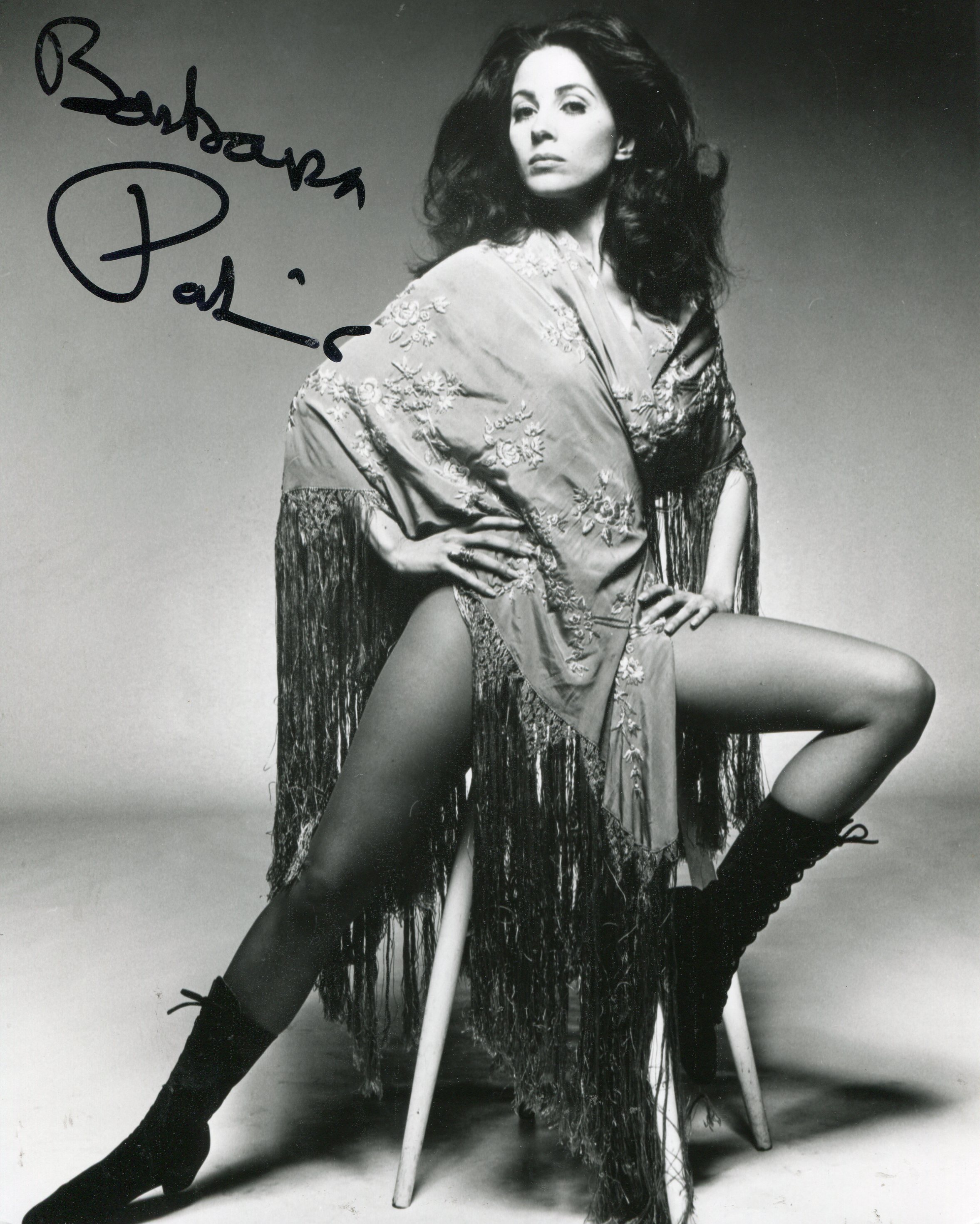
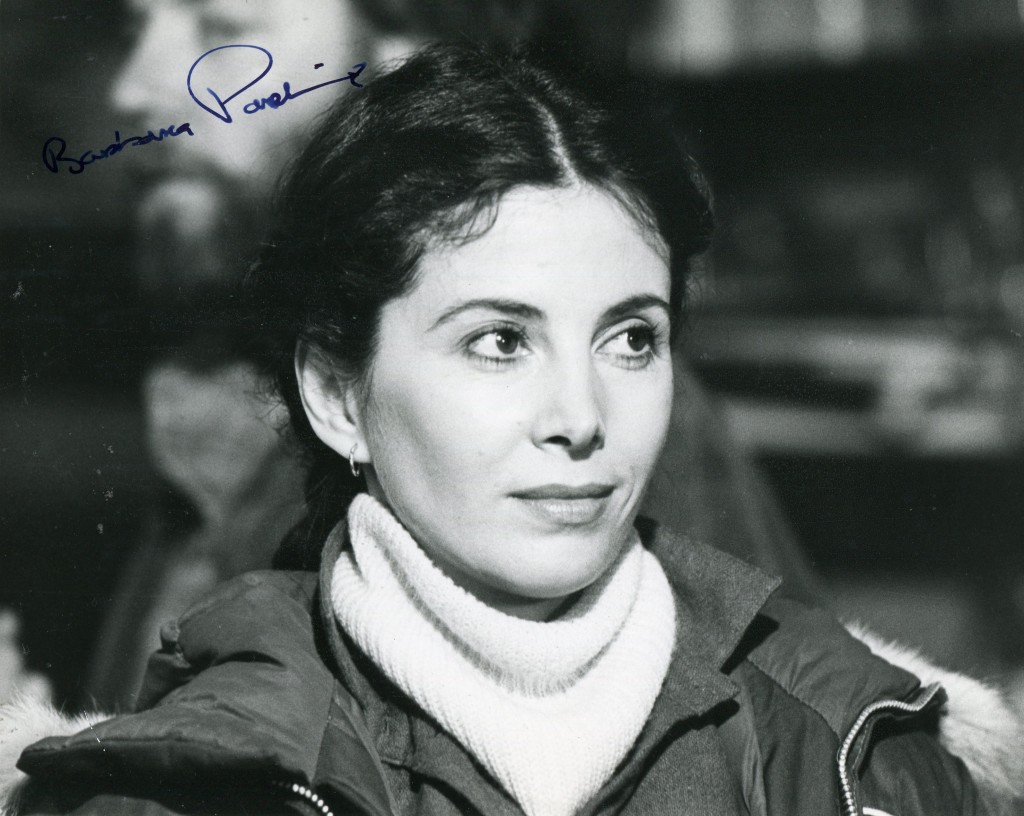
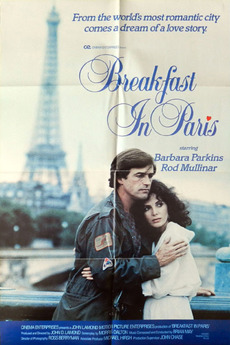
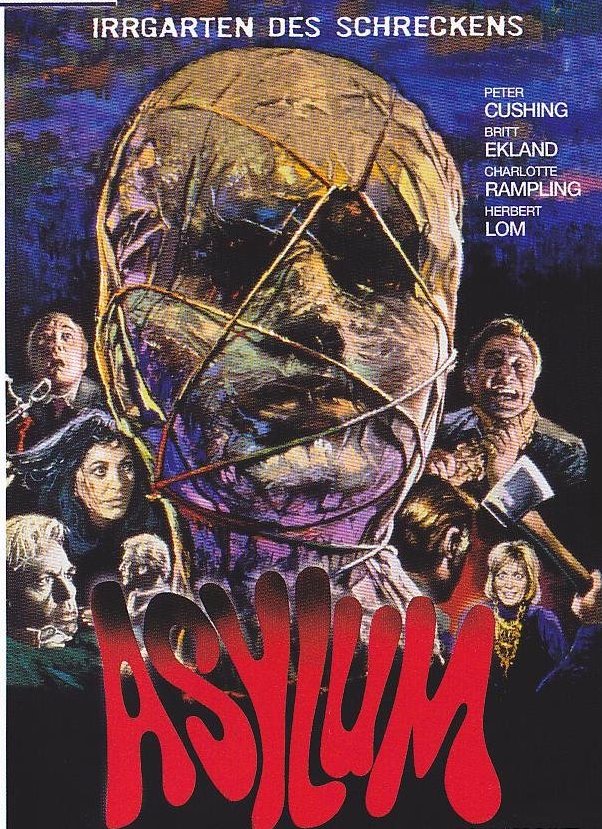
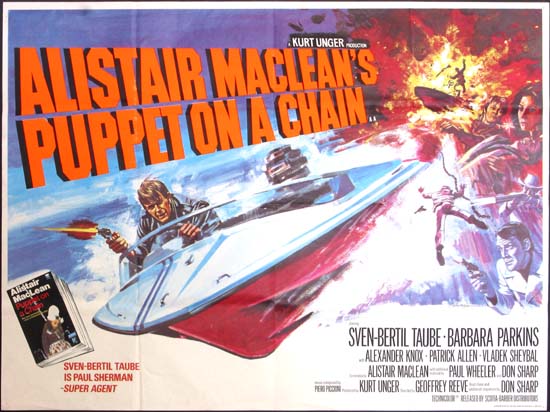
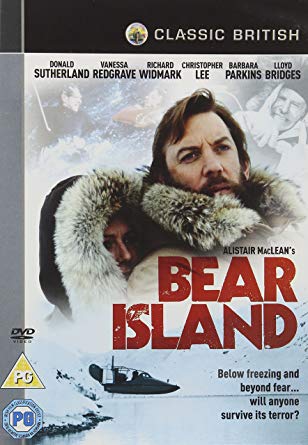
Barbara Parkins is best remembered as an icon of the Sixties who had starring roles in two of the era’s more notorious productions, Peyton Place (1964) and Valley of the Dolls (1967). After arriving in Hollywood as a teenager, Parkins soon began appearing on episodic television programs such as Wagon Train (1957) and Perry Mason (1957). She also appeared with George Burns as a dancer in his nightclub act. She was soon offered the pivotal role of “Betty Anderson” in what would become television’s first prime-time soap opera, Peyton Place (1964). The show was an immediate success and turned Parkins, along with costars Ryan O’Neal and Mia Farrow into household names. Parkins was nominated for an Emmy Award as Best Actress and stayed with the series for its entire 5 year run. Her popularity was further solidified when, in 1967, she starred in the motion picture Valley of the Dolls (1967), which became a huge box office hit. She became close friends with her “Dolls” costar, Sharon Tate and traveled to London to be her bridesmaid when Tate married director Roman Polanski in 1968. Parkins fell in love with England, UK. After Tate’s murder in 1969, Parkins decided to leave Hollywood and took up residence in London. There, she appeared on the BBC and starred in such international productions as Puppet on a Chain (1971), Christina (1974) and Shout at the Devil (1976). Her career, however, was no longer the prime focus of her life. She married in the late 1970’s and lived in France for awhile. When her marriage ended, Parkins returned to the United States and gave Hollywood another try. She appeared in popular TV shows of the day, such as The Love Boat (1977), Fantasy Island (1977), and Hotel (1983). She also filmed Bear Island (1979) with Donald Sutherland and Vanessa Redgrave and Breakfast in Paris (1982). Parkins joined other original cast members for a Peyton Place reunion movie, Peyton Place: The Next Generation (1985), in 1985. Her career, however, was once again put on hold when her daughter, Christina Parkins, was born. Parkins has made infrequent appearances since the late 1980’s although she did return to weekly television for a brief stint in the CBS-TV series Scene of the Crime (1991) which was filmed in the city she was born, Vancouver. In 1997, Parkins was the guest of honor at a 30th anniversary screening of Valley of the Dolls (1967) in San Francisco. During a question-and-answer segment with columnist Ted Casablanca, she announced to the sold-out audience that she planned to retire. The following year, however, she appeared in Scandalous Me: The Jacqueline Susann Story (1998), based on the life of Valley of the Dolls’ controversial author. Whether Parkins will resume her career full- time or really retire is unknown at this time. IMDb.

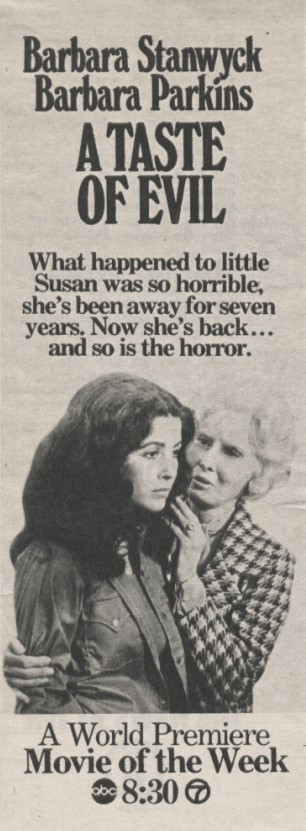
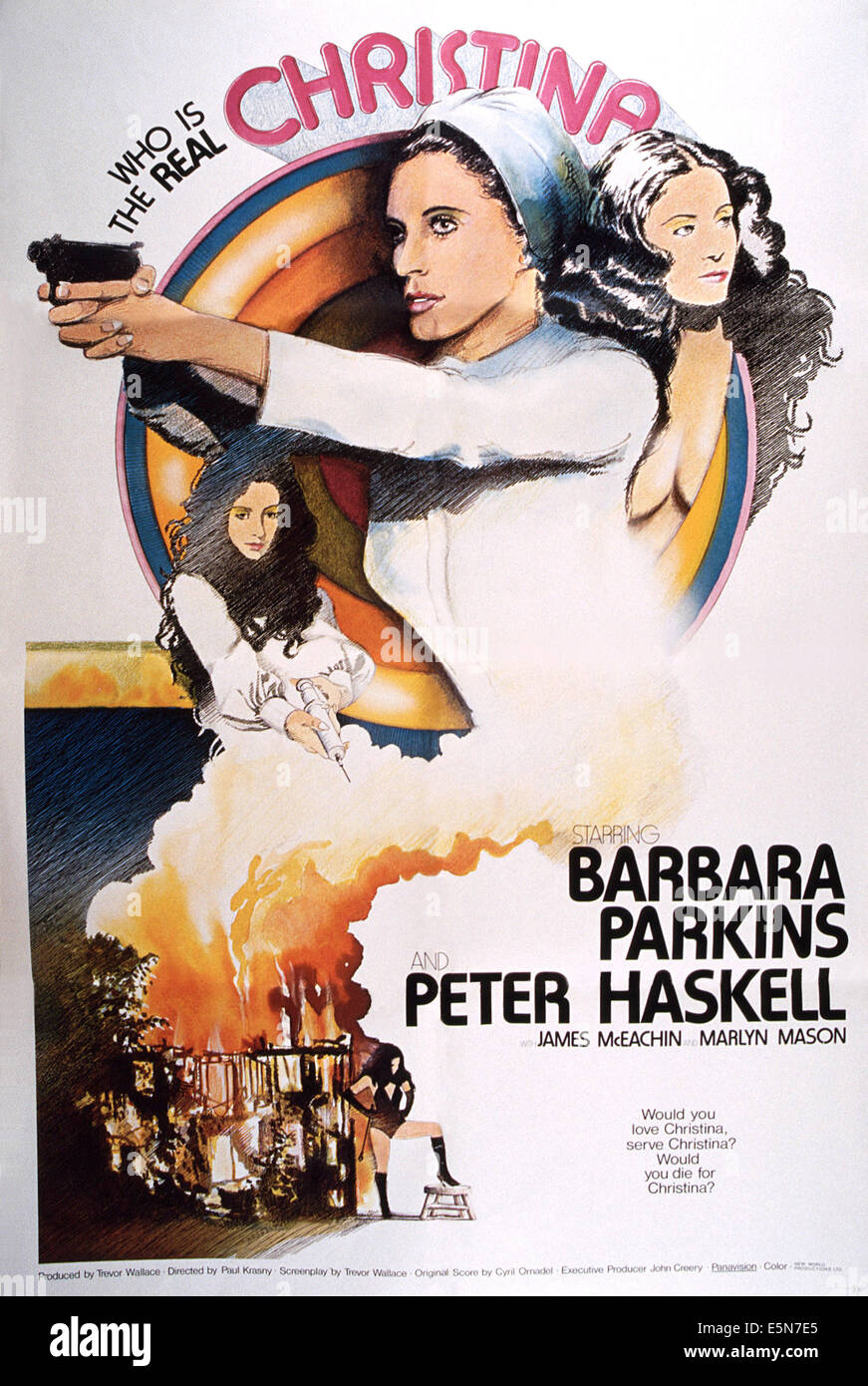
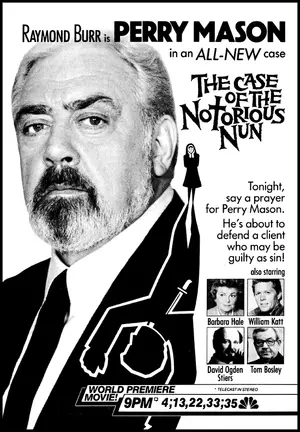
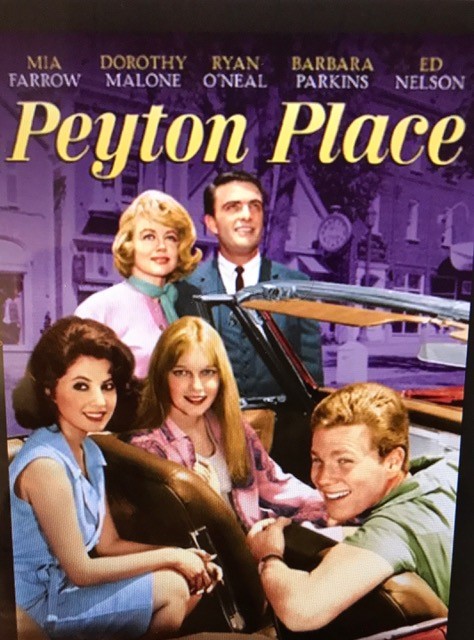
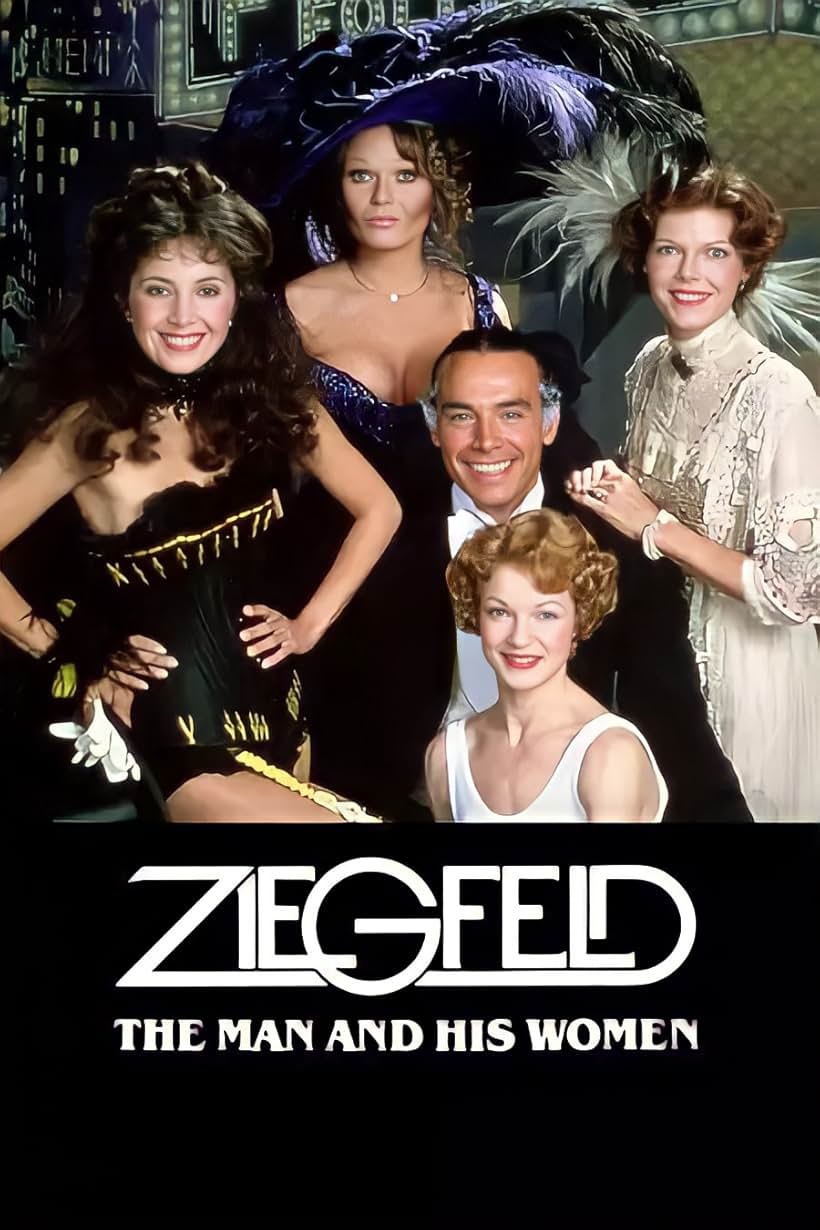
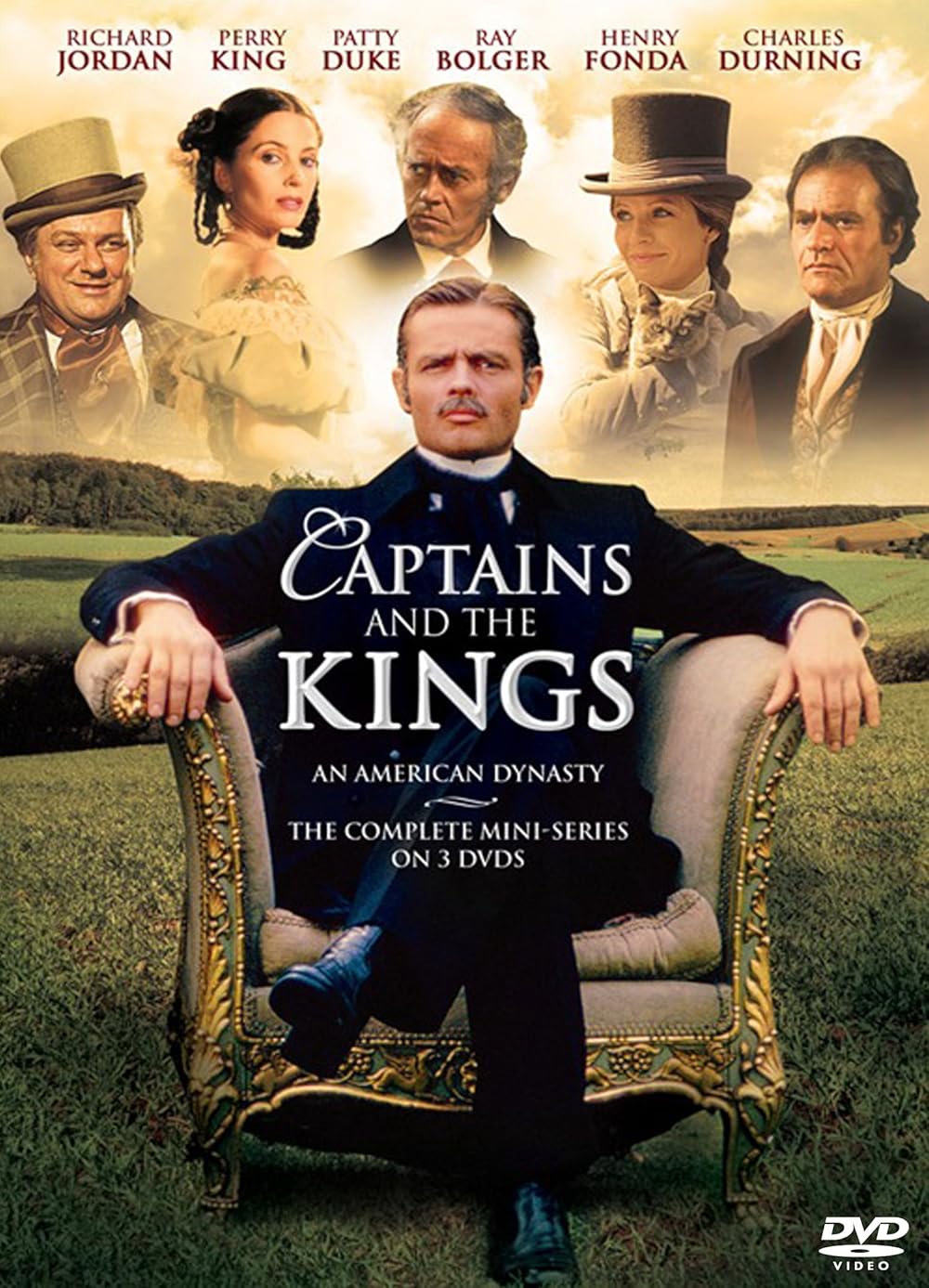
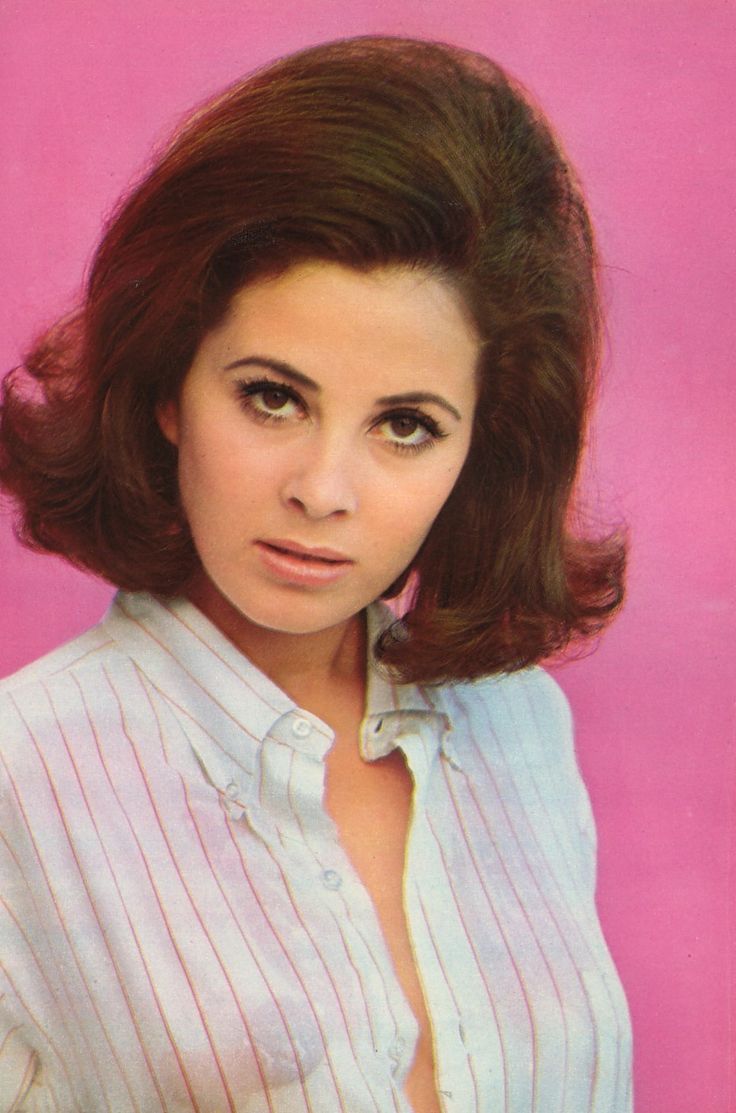
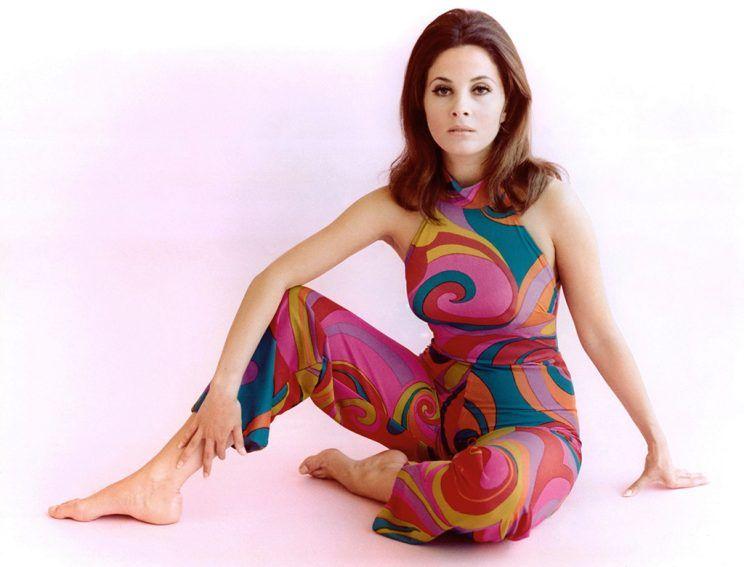
Barbara Parkins (born 1942) While she possessed the classic, dark-haired beauty of a traditional leading lady, her career was defined by a specific, high-fashion melancholy. She was an actress of intense, internalised focus, often playing women who were sophisticated on the surface but simmering with a quiet, tragic desperation beneath.
She is the bridge between the melodramatic “Suds” of 1960s television and the gritty, international thrillers of the 1970s.
Career Overview: From Peyton Place to International Noir
1. The Television Blueprint: Peyton Place (1964–1969)
Parkins became a household name as Betty Anderson in the seminal prime-time soap Peyton Place. While Mia Farrow played the “waif,” Parkins played the “bad girl” with a soul. She was the only lead actor to stay with the show for its entire five-year run, earning an Emmy nomination and establishing herself as a master of serialized drama.
2. The Cinematic Peak: Valley of the Dolls (1967)
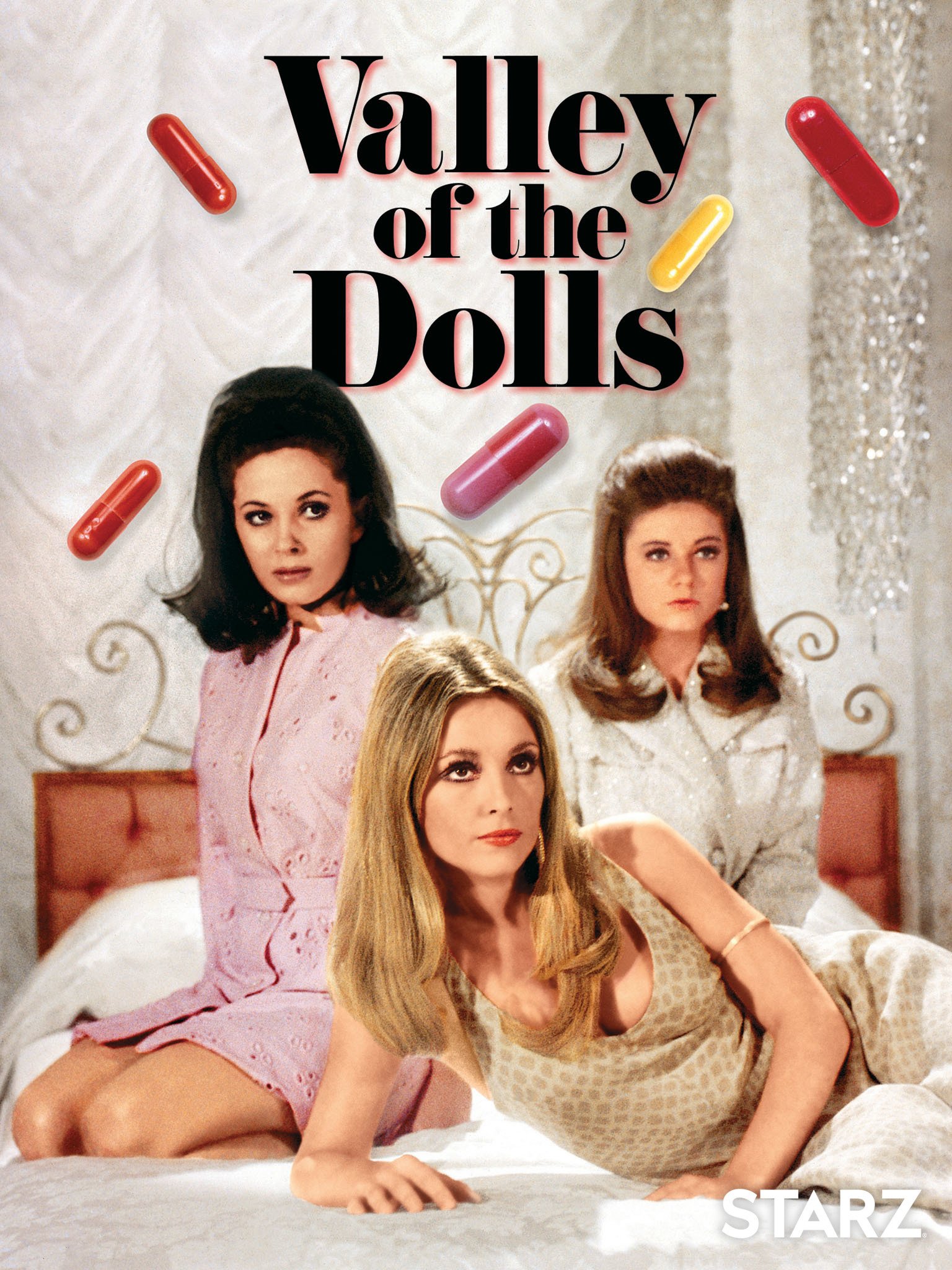
Parkins achieved cinematic immortality as Anne Welles in the cult classic Valley of the Dolls. As the “sensible” member of the trio, she provided the audience’s point of entry into a world of pills, fame, and heartbreak. Her face became synonymous with the “60s Mod” aesthetic—heavy eyeliner, pale lips, and a look of permanent, fashionable fatigue.
3. The European Thriller Phase (1970s)
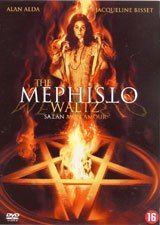
Following her Hollywood success, Parkins moved into international productions, often working in the UK and Europe. She delivered a chillingly effective performance in the psychological thriller “The Mephisto Waltz”(1971) and starred in the action-adventure Shout at the Devil (1976) opposite Roger Moore.
4. The Transition to Character TV
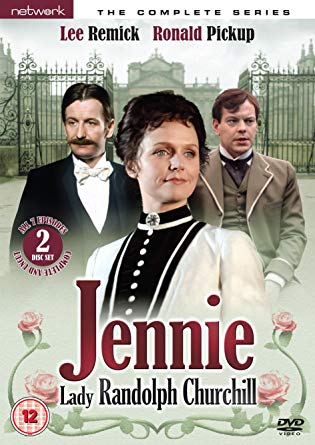
In the 1980s and 90s, Parkins became a prestige guest star, appearing in projects like Jennie: Lady Randolph Churchill and The Romanovs. She eventually stepped away from the industry to pursue a successful second career in professional photography.
Detailed Critical Analysis: The “Cool” Interiority
1. The “Betty Anderson” Paradox
In Peyton Place, Parkins transformed what could have been a “vamp” role into a tragic figure.
Analysis: Critics noted that Parkins played Betty with a defensive intelligence. She didn’t just “act” rebellious; she showed the social cost of that rebellion. She mastered the “long-game” of television acting, allowing her character to age and harden over hundreds of episodes. She brought a cinematic gravity to a medium that was still considered “low art.”
2. The “Anchor” in Valley of the Dolls
In a film known for its high-camp performances (Patty Duke and Sharon Tate), Parkins’s performance as Anne Welles is the most naturalistic.
Critical Insight: Parkins understood that for the “Dolls” to be tragic, one character had to remain relatively grounded. She played Anne with a wistful detachment. Critics have since re-evaluated her performance, noting that her “blankness” was actually a sophisticated choice to portray a woman who is slowly being numbed by her environment. She was the “Still Center” of the storm.
3. The Mastery of “High-Fashion Horror”
In The Mephisto Waltz, Parkins showcased her ability to handle supernatural tension.
Technical Analysis: Parkins possessed an “architectural” face—sharp cheekbones and large, expressive eyes—that directors used to suggest an intellectual haunting. She excelled at the “silent reaction shot,” conveying a sense of dawning horror without ever resorting to a scream. Critics praised her for her “European” style—a preference for subtlety and mood over overt histrionics.
4. The “Stately” Presence
Throughout the 1970s, Parkins was often cast as the “Woman of Mystery.”
Critical View: She had a way of wearing costumes (whether 1940s period garb or 1970s chic) that felt like an extension of her character’s defense mechanism. She moved with a “calculated grace,” suggesting a woman who was always aware of how she was being perceived. This “curated” screen presence made her the perfect foil for more explosive actors like Lee Marvin or Roger Moore.
Key Credits & Critical Milestones
| Year | Title | Role | Significance |
| 1964–69 | Peyton Place | Betty Anderson | Emmy Nominee; defined the “TV Lead” archetype. |
| 1967 | Valley of the Dolls | Anne Welles | Her most iconic and visually definitive film role. |
| 1970 | The Puppet on a Chain | Maggie | Showcased her “Action-Noir” capabilities. |
| 1971 | The Mephisto Waltz | Elyse Clarkson | A peak of her psychological-horror era. |
| 1976 | Shout at the Devil | Rosa O’Flynn | Proved her range in large-scale international adventure. |