

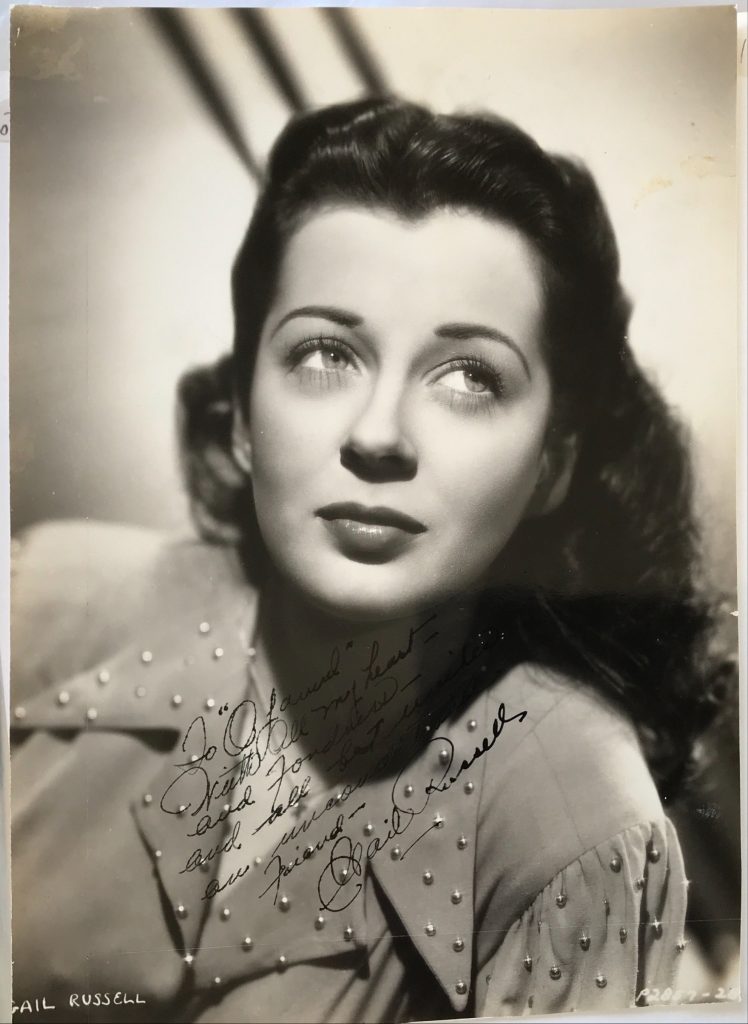
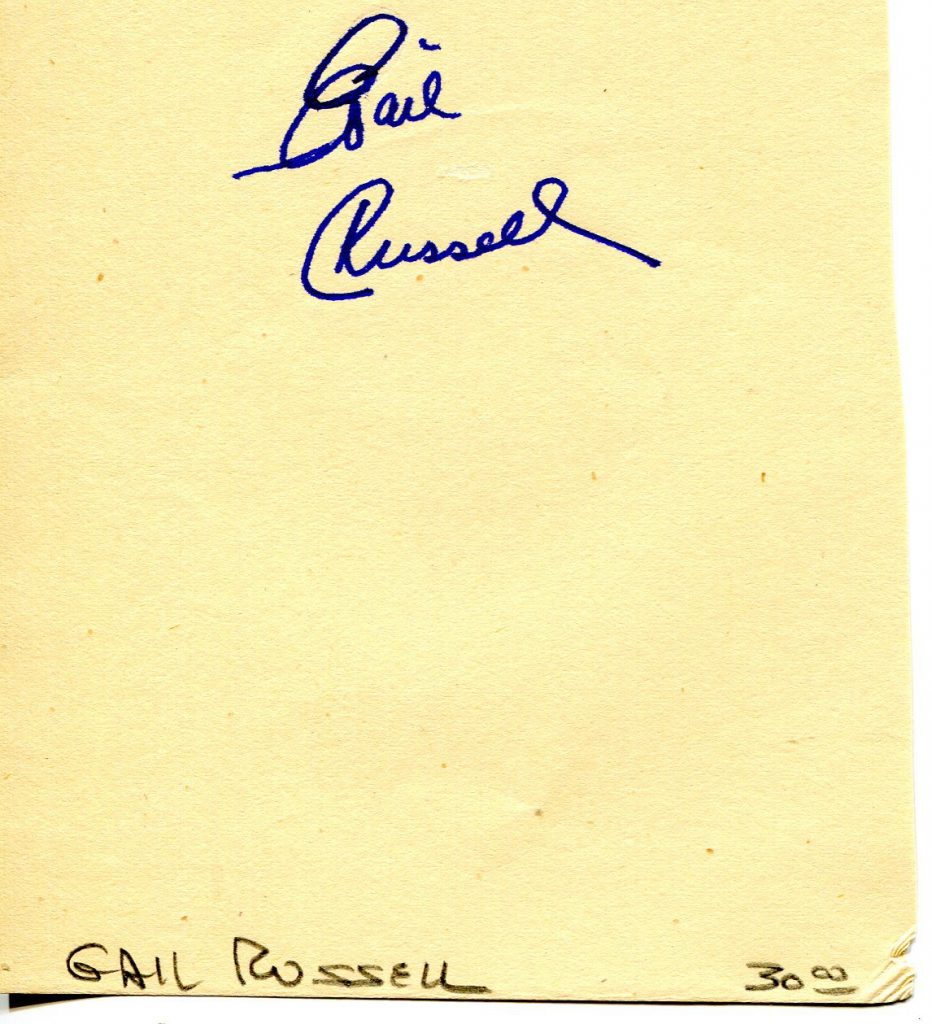
Gail Russell was born in Chicago, Illinois, on September 21, 1924. She remained in the Windy City, going to school until her parents moved to California when she was 14. She was an above-average student in school and upon graduation from Santa Monica High School was signed by Paramount Studios.
Because of her ethereal beauty, Gail was to be groomed to be one of Paramount’s top stars. She was very shy and had virtually no acting experience to speak of, but her beauty was so striking that the studio figured it could work with her on her acting with a studio acting coach
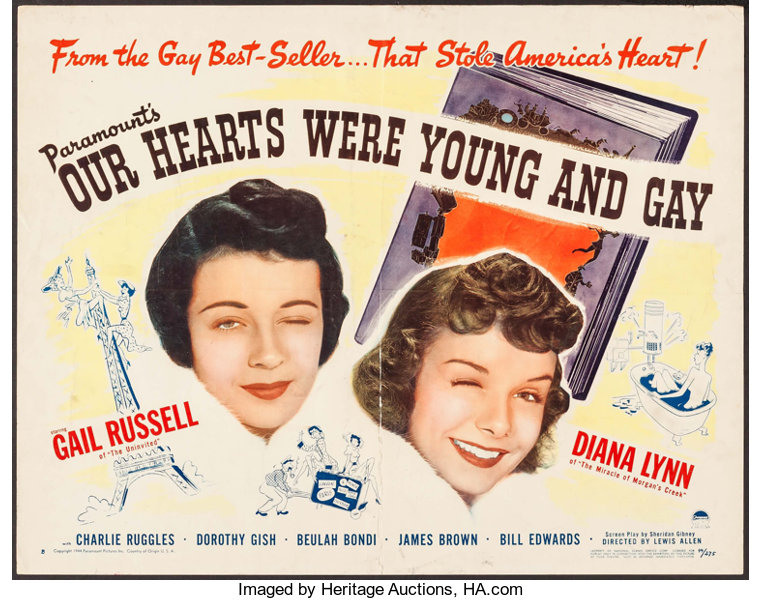
. Gail’s first film came when she was 19 years old with a small role as “Virginia Lowry” in Henry Aldrich Gets Glamour (1943) in 1943. It was her only role that year, but it was a start. The following year she appeared in another film, The Uninvited (1944) with Ray Milland (it was also the first time Gail used alcohol to steady her nerves on the set, a habit that would come back to haunt her). It was a very well done and atmospheric horror story that turned out to be a profitable one for the studio. Gail’s third film was the charm, as she co-starred with Diana Lynn in Our Hearts Were Young and Gay (1944) that same year. The film was based on the popular book of the time and the film was even more popular.
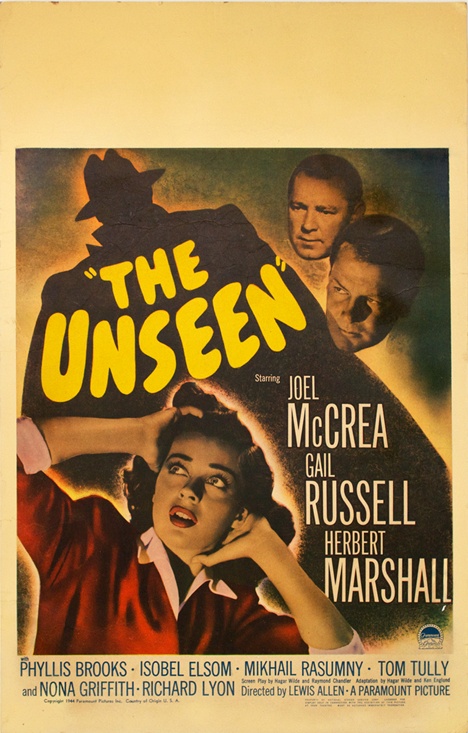
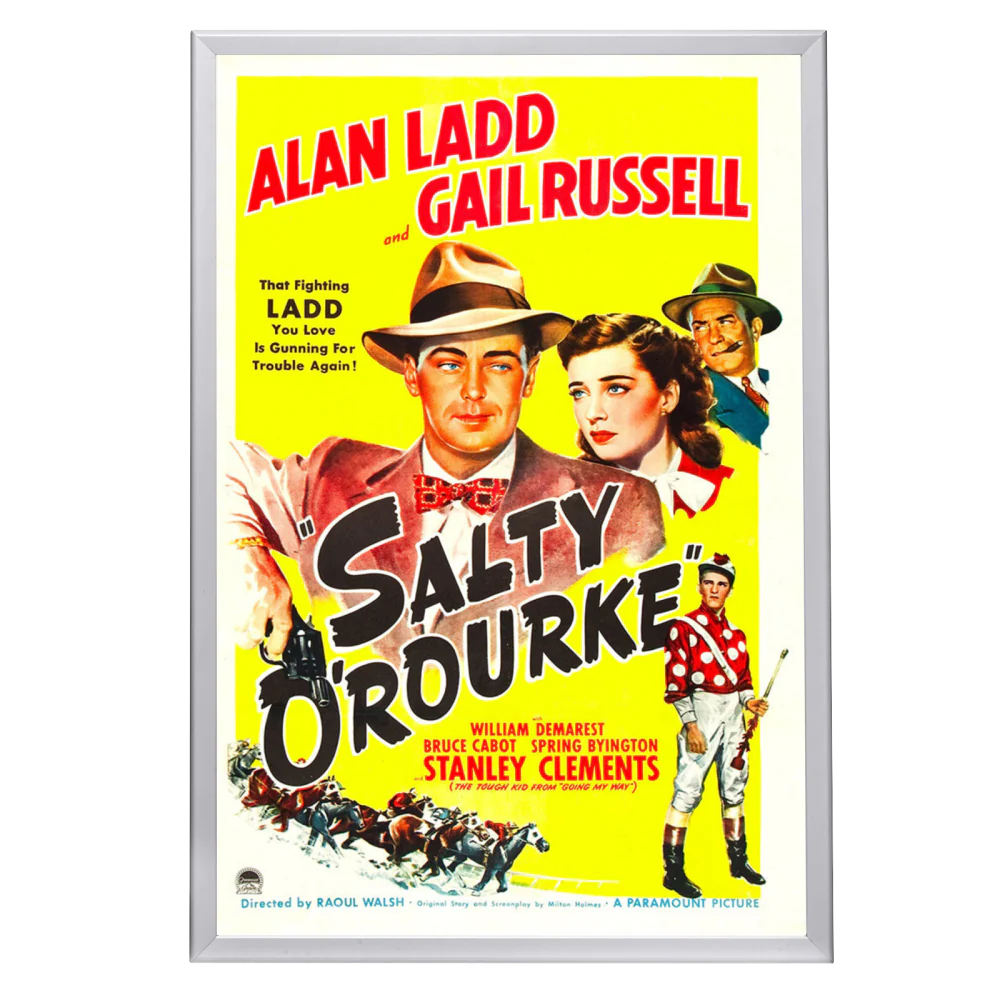
In 1945 Gail appeared in Salty O’Rourke (1945), a story about crooked gamblers involved in horse racing. Although she wasn’t a standout in the film, she acquitted herself well as part of the supporting cast. Later that year she appeared in The Unseen (1945), a story about a haunted house, starring Joel McCrea. Gail played Elizabeth Howard, a governess of the house in question. The film turned a profit but was not the hit that Paramount executives hoped for.
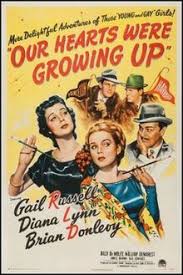
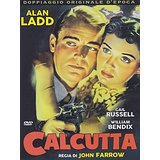
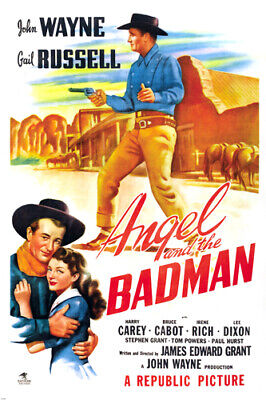
In 1946 Gail was again teamed with Diana Lynn for a sequel to “Our Hearts Were Young and Gay”–Our Hearts Were Growing Up (1946). The plot centered around two young college girls getting involved with bootleggers. Unfortunately, it was not anywhere the caliber of the first film and it failed at the box-office. With Calcutta (1946) in 1947, however, Gail bounced back with a more popular film, this time starring Alan Ladd. Unfortunately, many critics felt that Gail was miscast in this epic drama. That same year she was cast with John Wayne and Harry Carey in the western Angel and the Badman (1947). It was a hit with the public and Gail shone in the role of Penelope Worth, a feisty Quaker girl who tries to tame gunfighter Wayne. Still later Gail appeared in Paramount’s all-star musical, Variety Girl (1947). The critics roasted the film, but the public turned out in droves to ensure its success at the box-office. After the releases of Song of India (1949), El Paso (1949), and Captain China (1950), Gail married matinée idol Guy Madison, one of the up-and-coming actors in Hollywood.
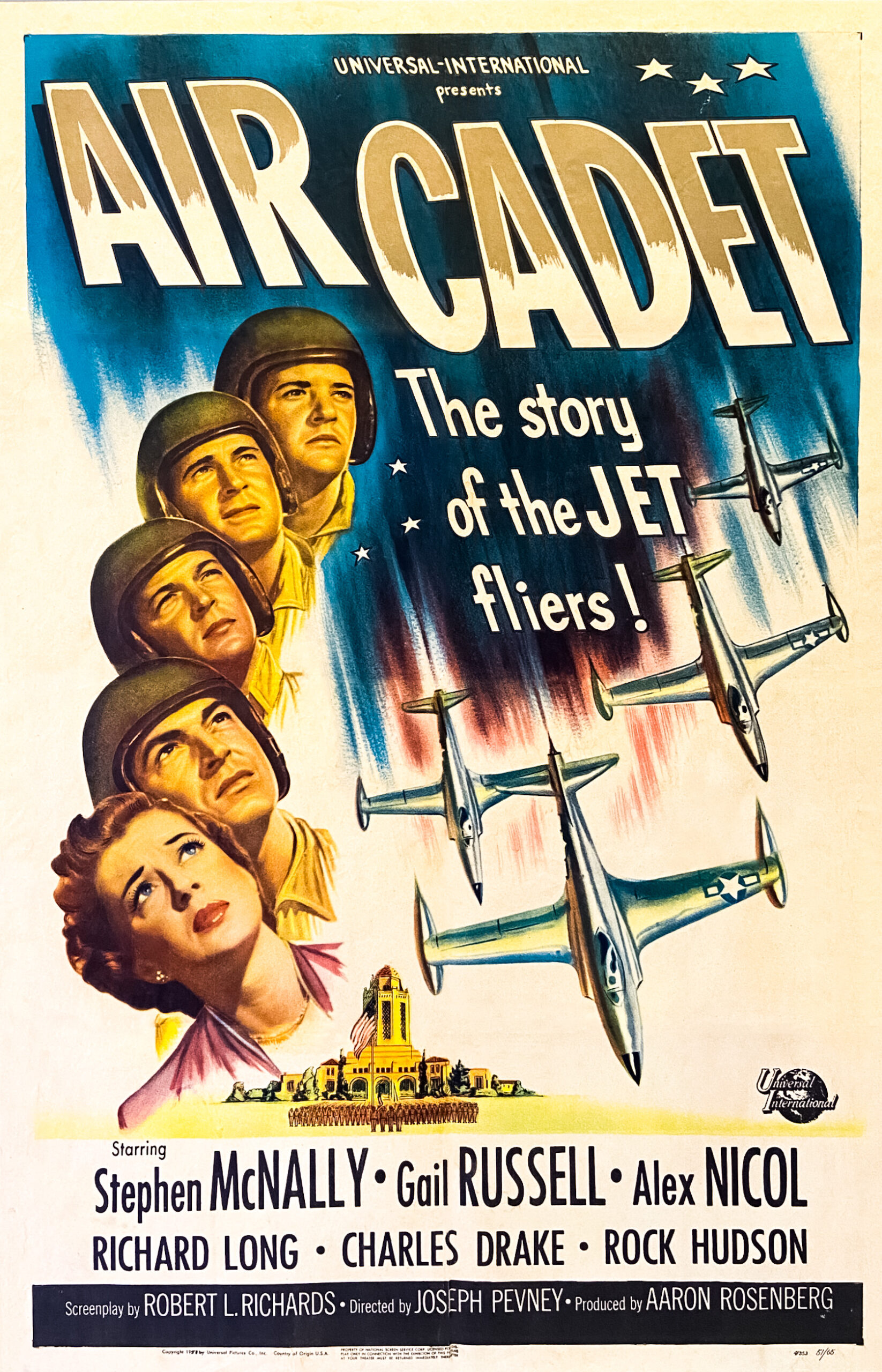
After The Lawless (1950) in 1950 Paramount decided against renewing her contract, mainly because of Gail’s worsening drinking problem. She had been convicted of operating a motor vehicle while under the influence of alcohol, and the studio didn’t want its name attached to someone who couldn’t control her drinking. Being dumped by Paramount damaged her career, and film roles were coming in much more slowly. After Air Cadet (1951) in 1951, her only film that year, she disappeared from the screen for the next five years while she attempted to get control of her life. She divorced Madison in 1954.
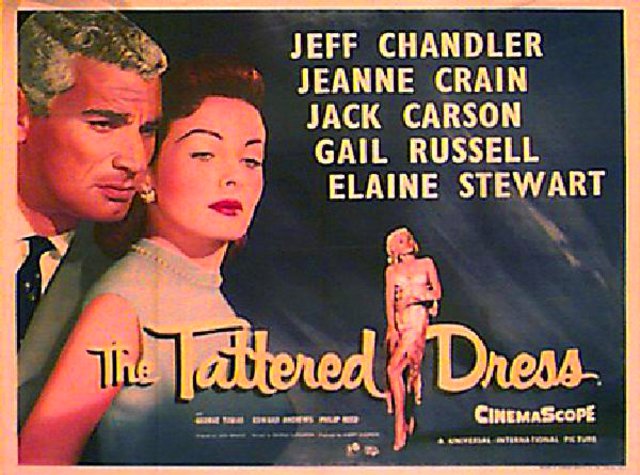
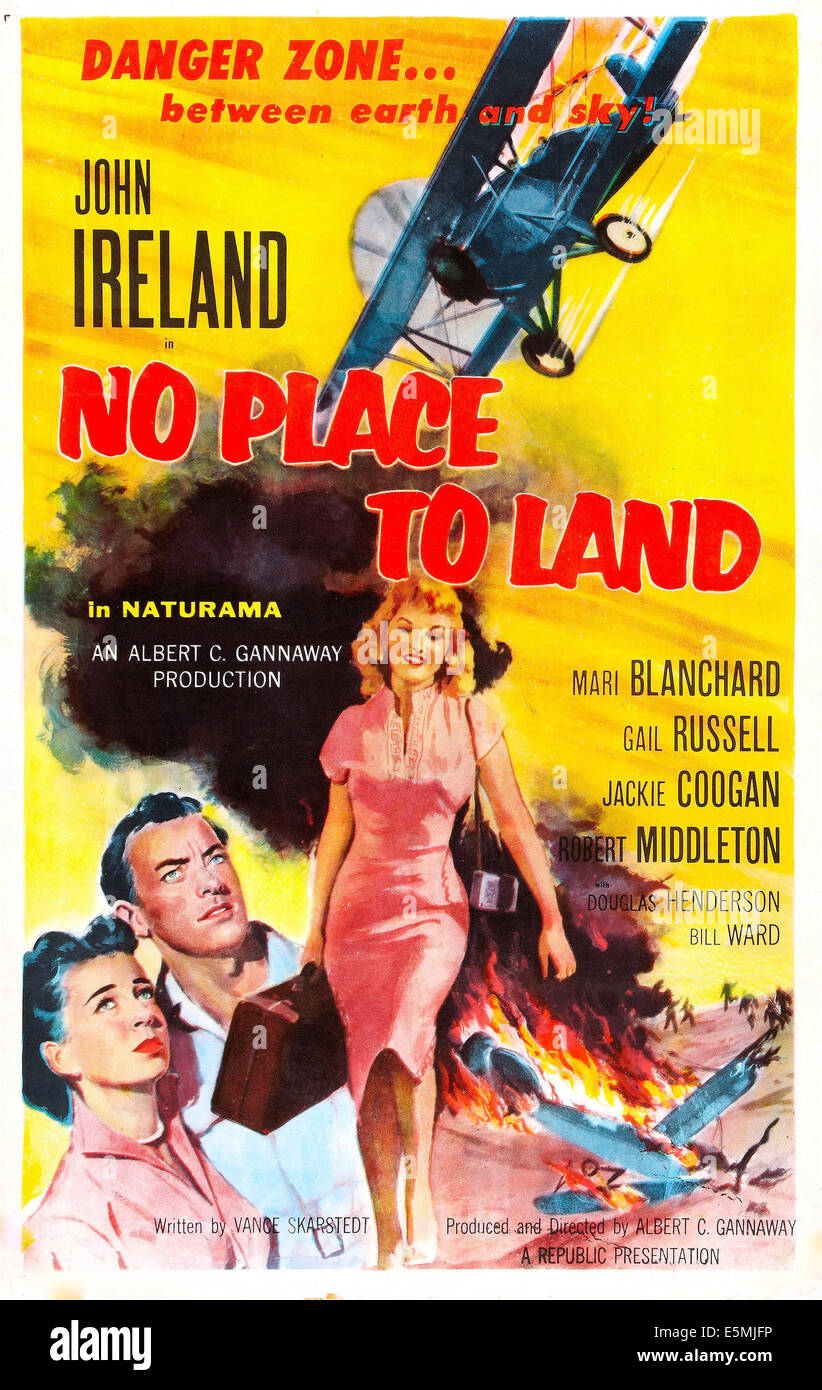
In 1956 Gail returned in 7 Men from Now (1956). It was a western with Gail in the minor role of Annie Greer. The next year she was fourth-billed in The Tattered Dress (1957), a film that also starred Jeanne Crain and Jeff Chandler. The following year she had a reduced part in No Place to Land (1958), a low-budget offering from “B” studio Republic Pictures.
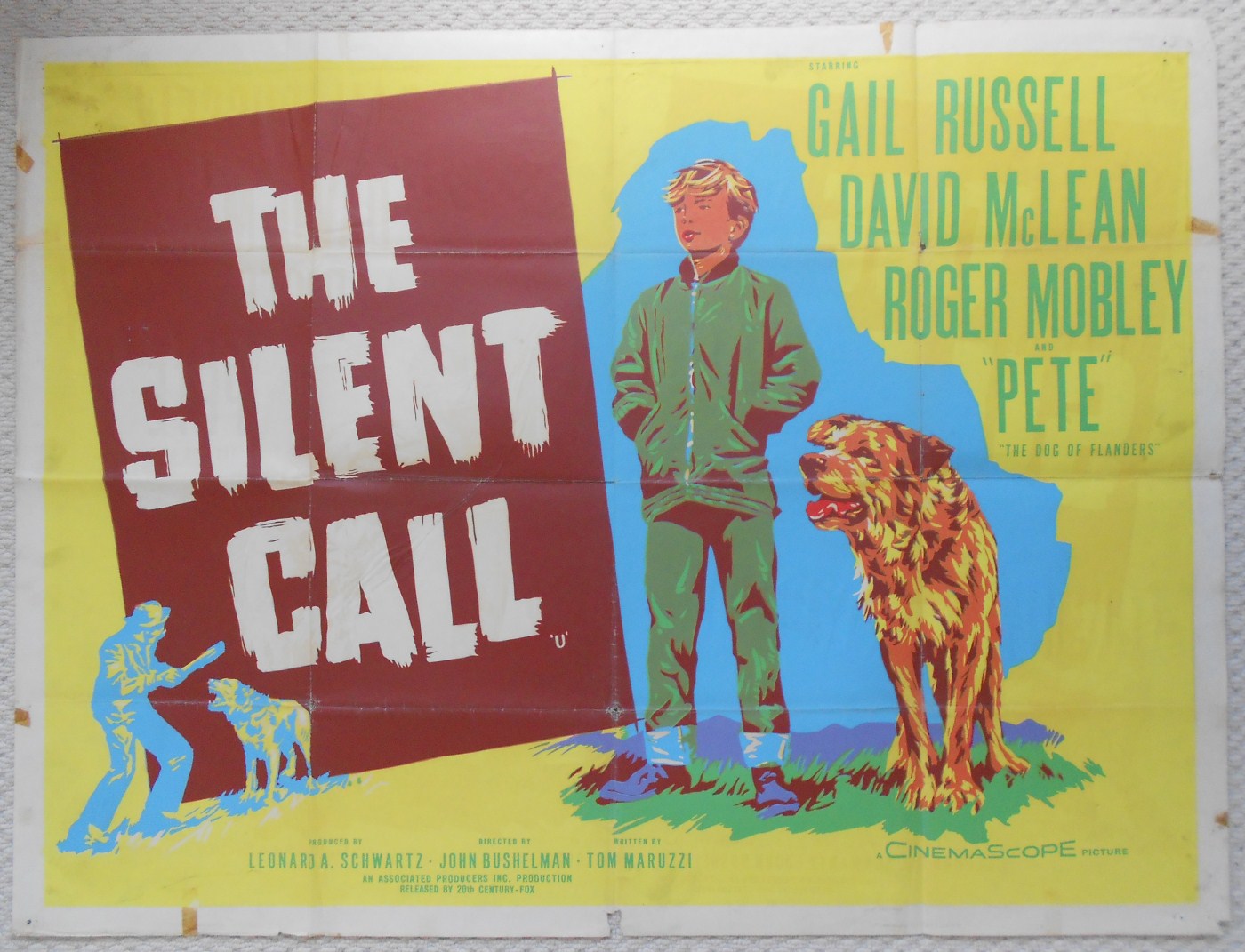
By now the demons of alcohol had her in its grasp. She was again absent from the screen until 1961’s The Silent Call (1961) (looking much older than her 36 years). It was to be her last film. On August 26, 1961, Gail was found dead in her small studio apartment in Los Angeles, California. IMDB

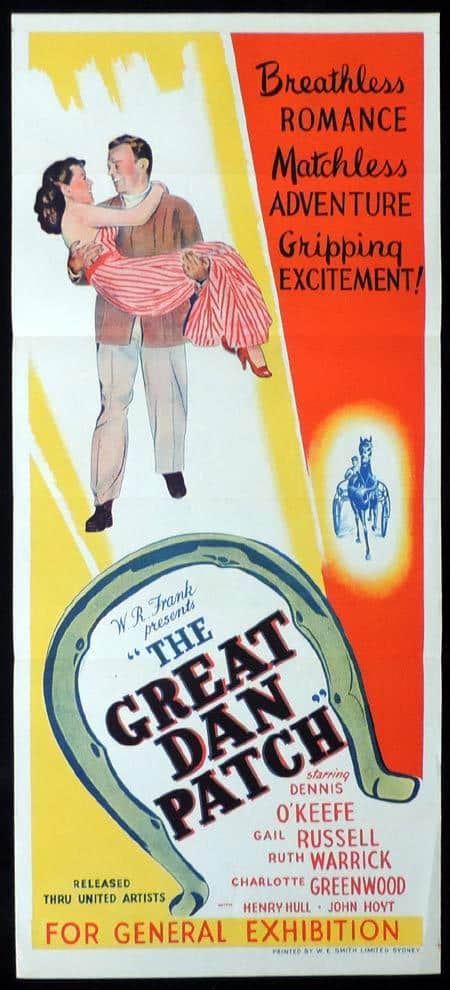
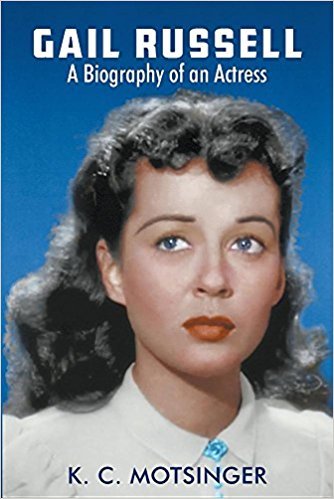
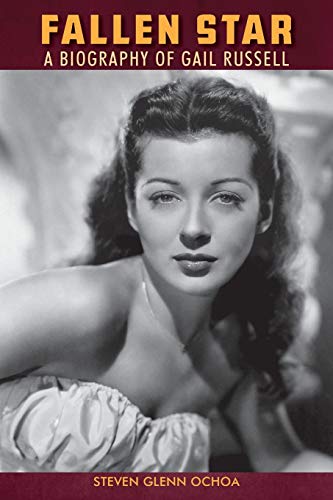
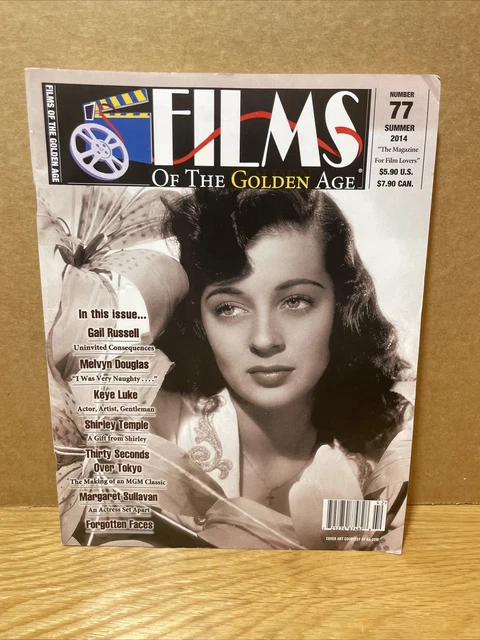
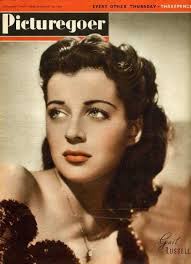
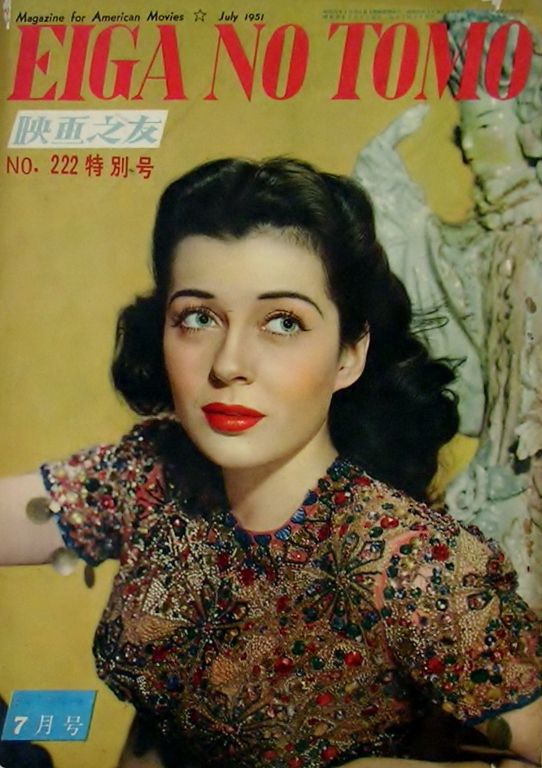
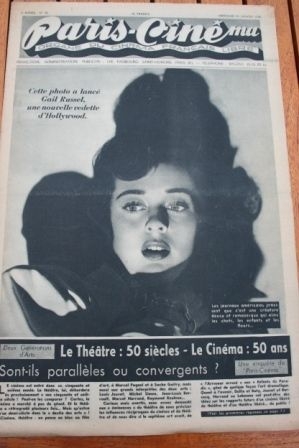
Career overview of Gail Russell
Gail Russell (1924–1961) is one of Hollywood’s most poignant “fragile star” figures: an actress of striking, almost ethereal screen presence whose career was shaped—and ultimately undone—by the collision between studio-era star manufacturing, personal vulnerability, and the psychological demands of Hollywood performance culture.
Her legacy rests less on a large body of work than on a handful of films in which her quiet, luminous presence created a distinct screen identity: delicate, inward, and emotionally exposed.
Discovery and studio grooming (early 1940s)
Russell was discovered as a teenager and quickly signed by Paramount Pictures, which positioned her as a potential successor to the “innocent beauty” archetype.
Early notable film:
- The Uninvited
Critical analysis: the “ethereal ingénue” construction
From the outset, Paramount shaped Russell into:
- A refined, almost otherworldly romantic presence
- A quiet alternative to more assertive wartime heroines
Performance traits:
- Soft vocal delivery
- Minimal gestural expression
- Strong reliance on stillness and facial subtlety
Key insight:
Russell’s screen identity was built around absence of force rather than presence of dominance—a rarity in Hollywood’s more assertive female archetypes.
Breakthrough: The Uninvited and psychological suggestion (1944)
In The Uninvited, Russell plays Stella Meredith.
Critical analysis of performance
- The film blends romance with supernatural suspense
- Russell’s role requires emotional ambiguity and gradual psychological unfolding
Her performance is defined by:
- Quiet emotional transitions
- A sense of fragility that feels internal rather than performed
- An emphasis on vulnerability without melodrama
Key insight:
She becomes effective not through dramatic projection, but through emotional suggestion and restraint, which aligns unusually well with the film’s Gothic tone.
Career development: typecasting and limited expansion (late 1940s–1950s)
Russell’s subsequent career included roles in westerns and romantic dramas:
- Our Hearts Were Growing Up
- Angel and the Badman (with John Wayne)
Critical analysis: the “soft presence” typecast
Russell was frequently cast as:
- Gentle romantic interest
- Civilizing emotional influence in masculine narratives
- Symbol of domestic or moral softness
In Angel and the Badman:
- She functions as a moral counterweight to Wayne’s violent outlaw figure
- Her performance is deliberately understated, almost devotional in tone
Insight:
Her acting style becomes defined by emotional absorption rather than projection, which limits her range in more dynamic narrative environments.
Decline and withdrawal from Hollywood (1950s)
By the early 1950s, Russell’s career declined significantly. She made fewer films and struggled with the pressures of studio life.
Contextual factors:
- Typecasting in passive roles
- Difficulty adapting to postwar shifts toward more psychologically complex female characters
- Personal struggles affecting professional consistency
Critical analysis: structural vulnerability of the “fragile star”
Russell’s career highlights a broader Hollywood pattern:
actresses built on delicacy or innocence were often least protected when industry expectations shifted toward emotional realism and narrative assertiveness
Unlike more adaptable contemporaries, she was not repositioned into new archetypes.
Acting style and screen persona
Gail Russell’s acting is defined by:
- Extreme emotional subtlety
- Minimal physical movement
- Soft vocal tone and controlled expressiveness
- A consistent aura of vulnerability
Her screen persona includes:
- Innocence
- Emotional openness
- Psychological fragility
- Romantic idealisation
Critical analysis of her career
1. Fragility as aesthetic principle
Russell’s uniqueness lies in how her fragility is not incidental but central:
her performances are built on the perception of emotional permeability
Strength:
- Creates a powerful sense of intimacy on screen
Limitation:
- Restricts ability to play assertive or complexly contradictory roles
2. Misalignment with Hollywood’s evolving female archetypes
As Hollywood moved toward actresses with:
- Stronger psychological agency
- More dynamic dialogue roles
- Greater narrative centrality
Russell’s screen identity became harder to sustain.
3. Comparison with contemporaries
Compared to actresses like:
- Dorothy Malone
- Teresa Wright
Russell differs in that:
- Malone evolves into assertive glamour and complexity
- Wright maintains grounded emotional realism
- Russell remains anchored in delicate, almost translucent emotional expression
4. The limits of the ingénue system
Her career illustrates a structural Hollywood issue:
- The ingénue archetype is often non-transportable across age or industry change
- Without reinvention, it tends toward obsolescence
5. Performance as emotional transparency
Russell’s acting is best understood as:
- Low-intensity expression
- High emotional readability through minimal gesture
Key insight:
She does not perform emotion as much as she permits it to appear through restraint.
Overall evaluation
Strengths:
- Exceptional screen presence in atmospheric and romantic roles
- Highly effective subtle emotional communication
- Strong fit for Gothic and melodramatic narratives
- Unique “ethereal realism” in performance style
Limitations:
- Limited range beyond fragile ingénue roles
- Difficulty adapting to more assertive or psychologically complex characters
- Career hindered by typecasting and industry transition pressures
Conclusion
Gail Russell’s career is one of Hollywood’s most quietly tragic arcs, defined by aesthetic power that could not easily evolve into sustained industrial adaptability.
- She excelled in roles requiring emotional delicacy and atmospheric presence
- She became emblematic of a studio ideal of feminine fragility
- But she struggled to transition as Hollywood demanded greater psychological and narrative agency from its actresses
Ultimately:
Russell represents the extreme end of Hollywood’s “ethereal ingénue” tradition—a performer whose greatest strength, emotional transparency, also became the constraint that limited her career longevity.