

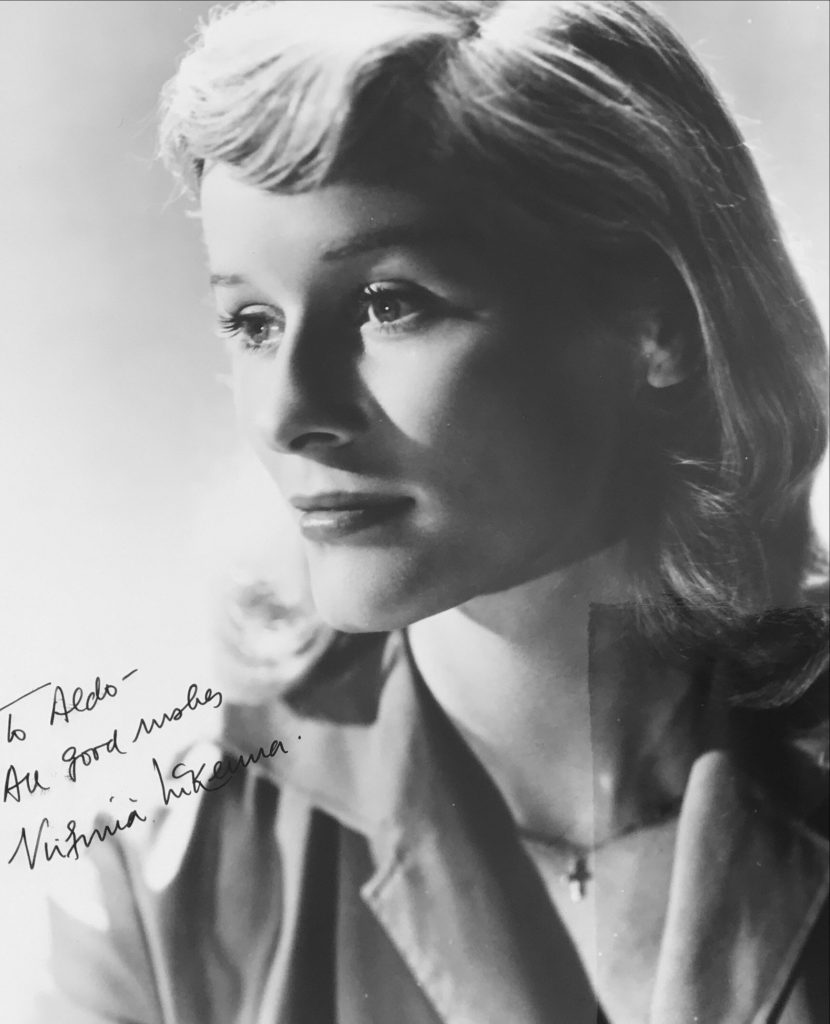
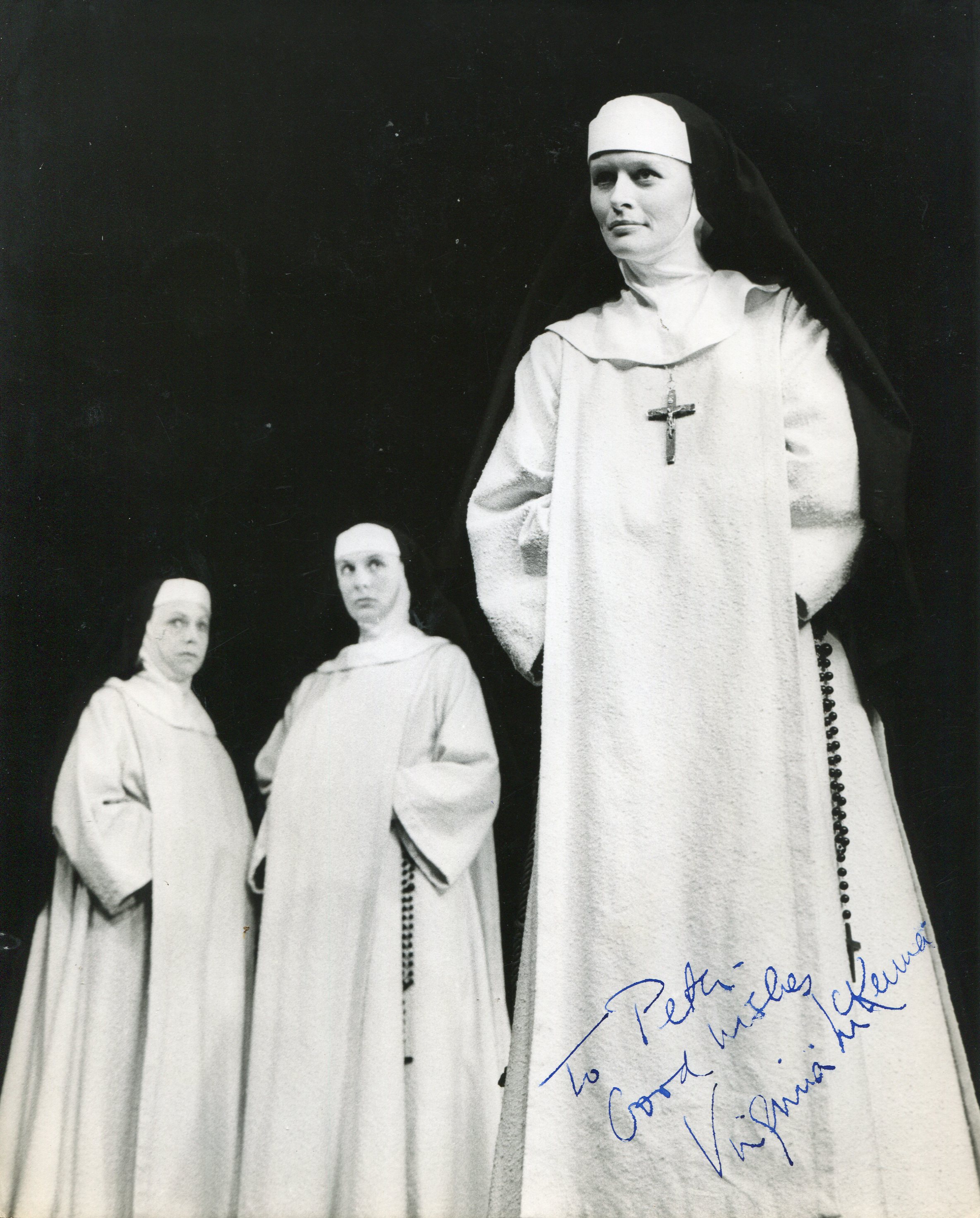
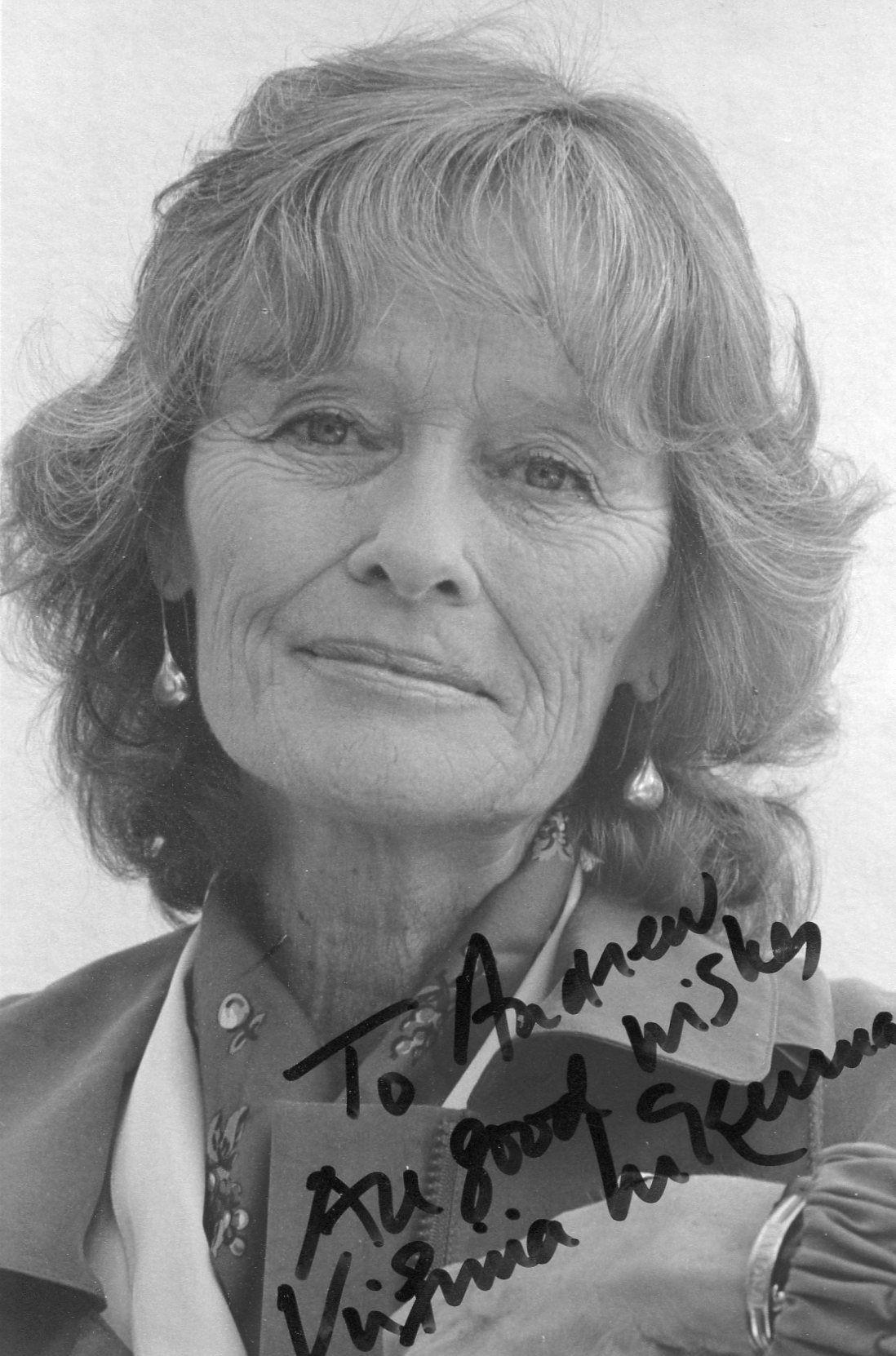

Talented flaxen-blonde British star combined her deep loves for acting and for wildlife throughout most her adult life. Born in London, England on June 7, 1931, her family possessed a sturdy theatrical background. Mother Anne was a jazz pianist, composer and cabaret performer while father Terry, an auctioneer, had relatives in the arts including actress Fay Compton and author Compton MacKenzie.
Virginia’s boarding house education was interrupted by the London Blitz. She and her mother (her parents were divorced by this time) evacuated from England to Cape Town, South Africa, a move that lasted six years. Upon her return to England, she acted in a few school plays. Her interest stuck and she auditioned and was accepted into the London School of Central Speech and Drama. Two years later she became a six-month member of Scotland’s renowned Dundee Repertory. Spotted by a talent scout playing Estella in a production of “Great Expectations,” Virginia was invited in 1951 to return to London to portray Dorcas in “A Penny for a Song” with a stellar cast that included Ronald Squire, Alan Webb, Marie Lohr and leading man Ronald Howard, the son of “Gone With the Wind” star Leslie Howard. This quickly led to TV and film offers.
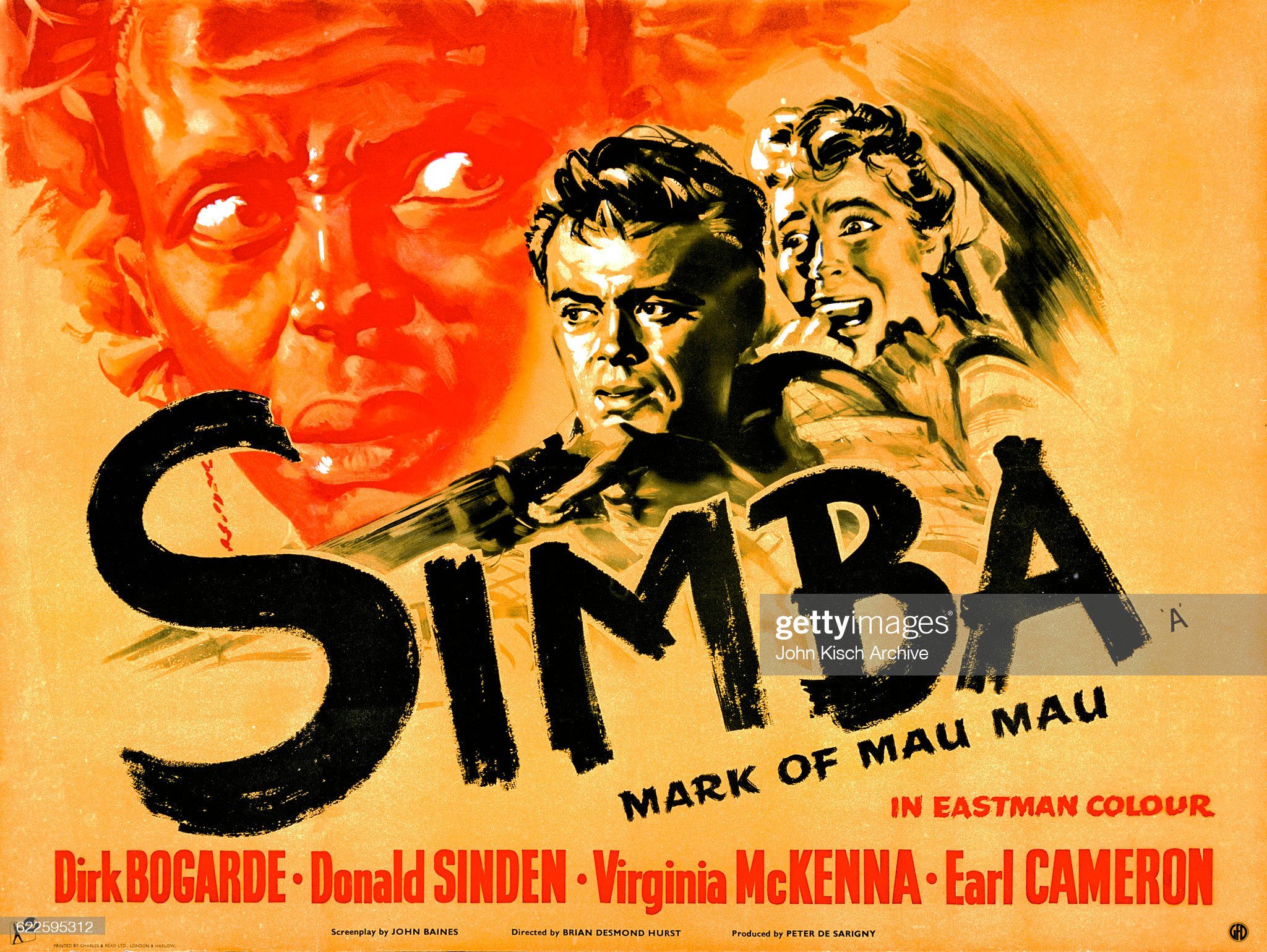
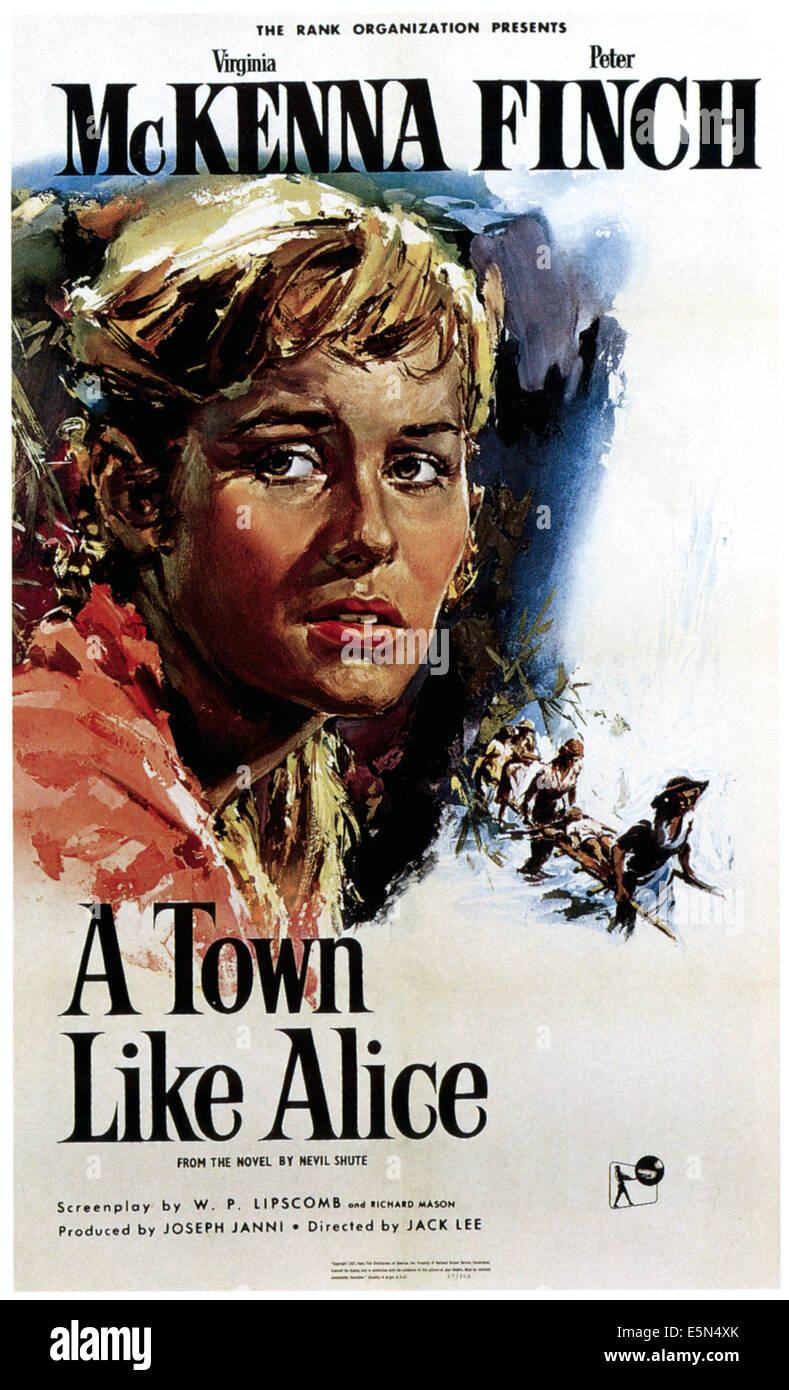
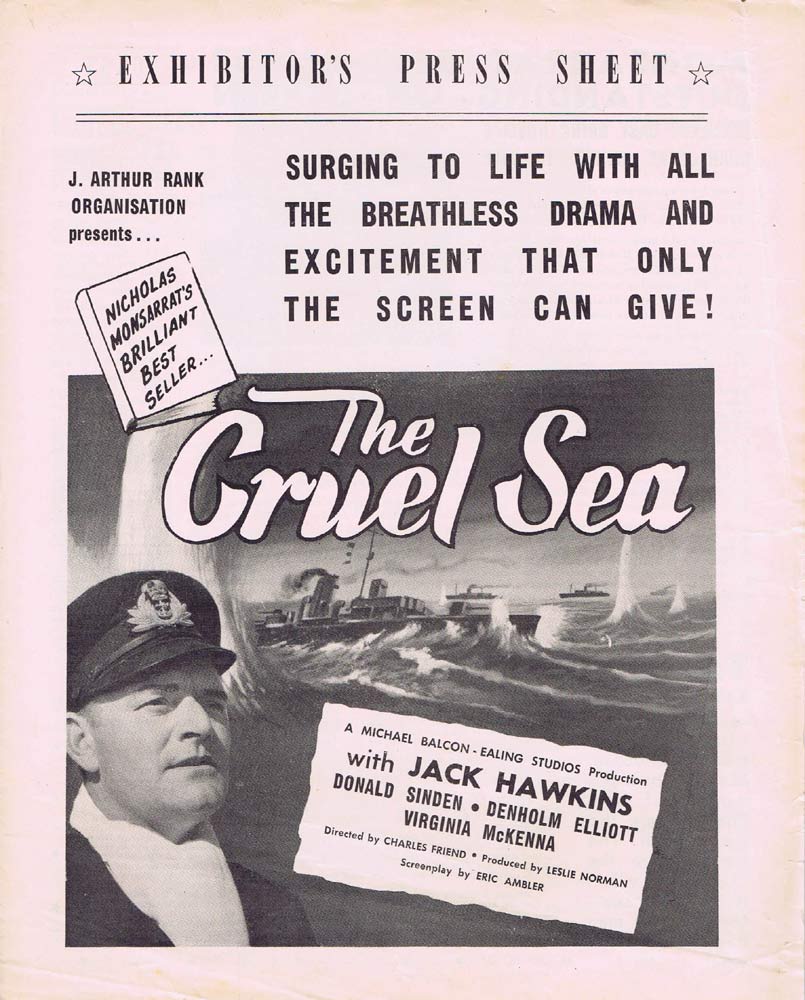
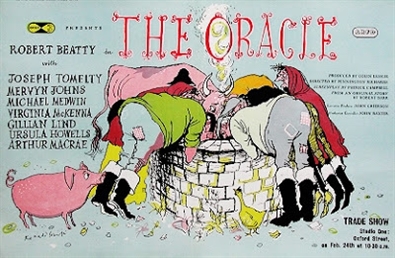
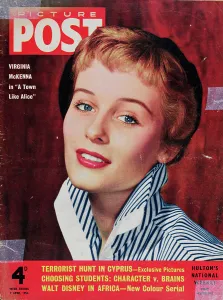
Virginia made her cinematic debut with a prominent role in The Second Mrs. Tanqueray (1952) starring Hugh Sinclair and Pamela Brown, then played Richard Attenborough’s sister-in-law in Father’s Doing Fine (1952). Two more films arrived the following year with The Oracle (1953) starring Robert Beatty and the Oscar-nominated WWII drama The Cruel Sea (1953) with Jack Hawkins, Donald Sinden, Stanley Baker and Denholm Elliott, the last mentioned to whom she later married in 1954. Following classical stage parts in “Richard II,” “Love’s Labour’s Lost,” “Henry IV” and “As You Like It” at the Old Vic during its 1954-1955 season and her acclaimed BAFTA-winning role as Juliet opposite Tony Britton’s Romeo in a BBC-TV version of “Romeo and Juliet,” Virginia returned to filming with Simba (1955) starring Dirk Bogarde and The Ship That Died of Shame (1955), another WWII drama that reunited her with Richard Attenborough. Film stardom came with her crop-haired role as WWII Japanese captive Jean Paget in A Town Like Alice (1956) opposite Peter Finch. Both actors won BAFTA film awards for their roles. As such Virginia grew in box-office status.
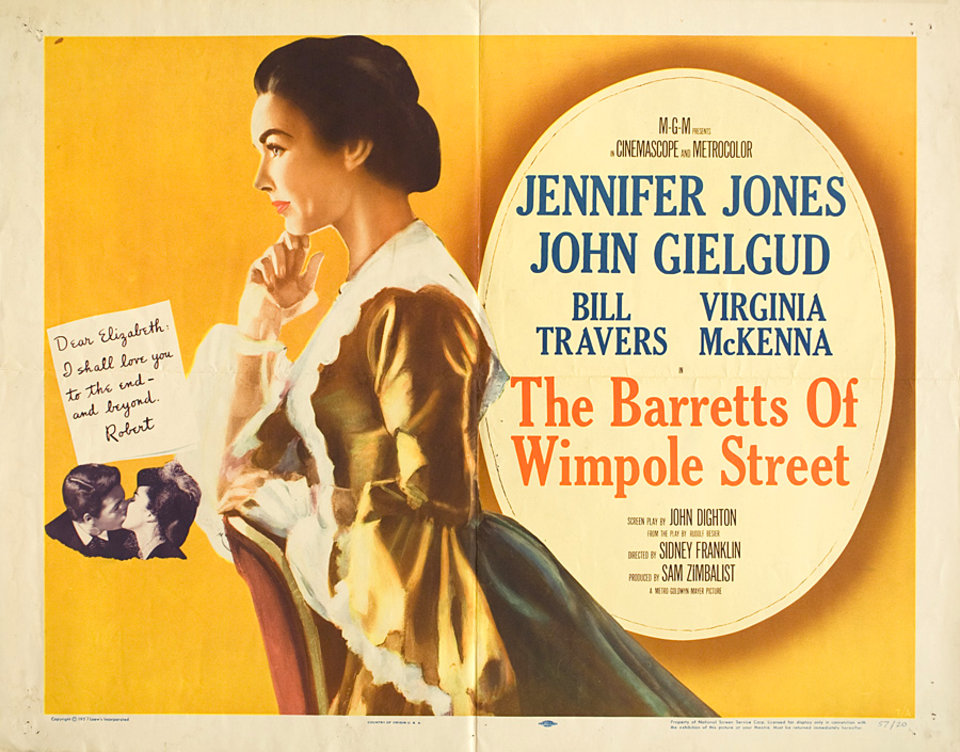
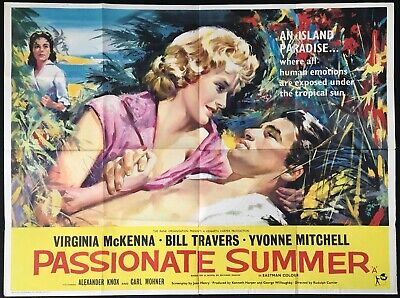
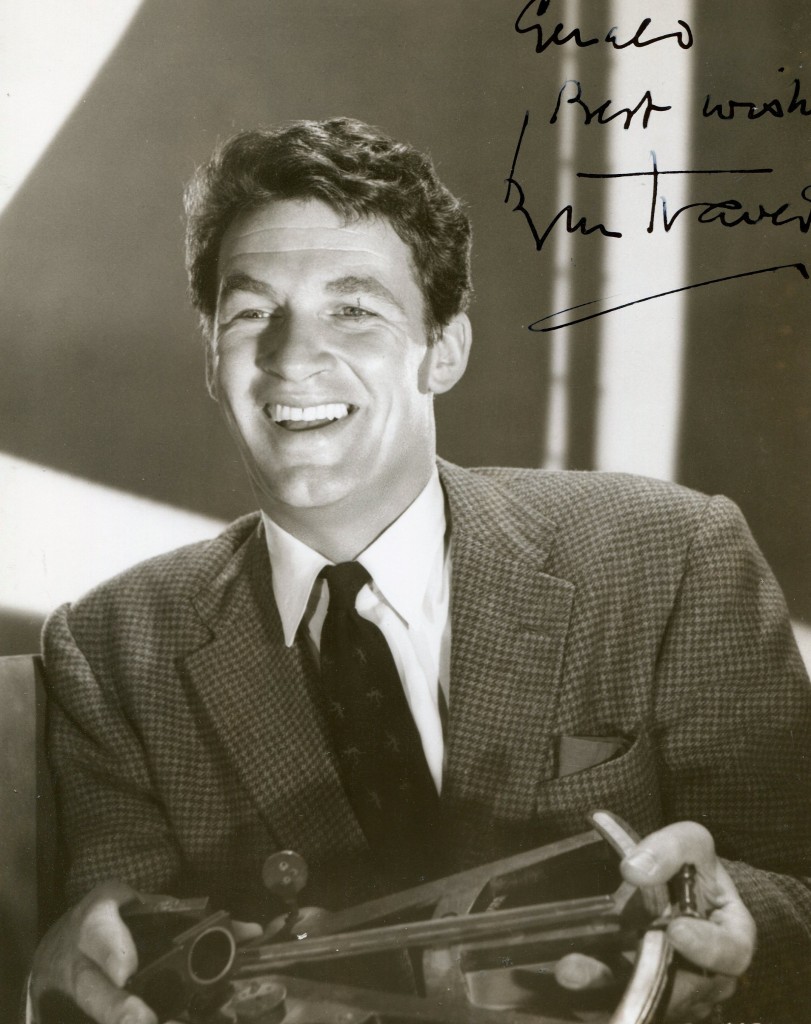
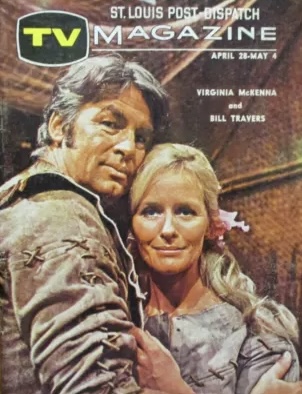
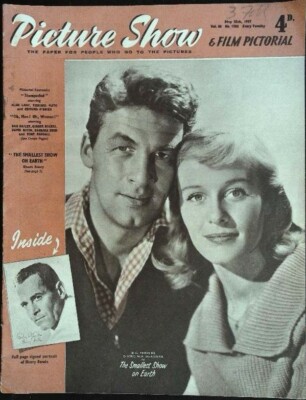
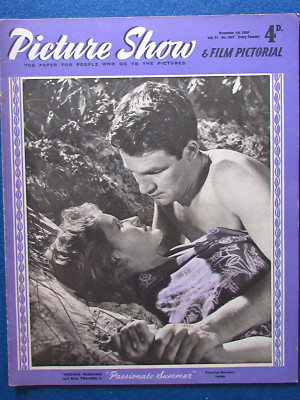
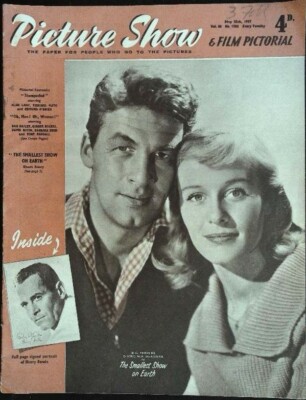
Virginia met second husband, Bill Travers when they appeared together in the play “I Capture the Castle” in London in 1954. Both were married at the time. They met again, however, after her two-year breakup with Denholm Elliott and this time they connected and married in 1957. Virginia and Bill appeared together on film for the first time in one of her highly rare comedy films The Smallest Show on Earth (1957). They went on to do six other movies together. In the second film, Bill and Jennifer Jones starred as Robert and Elizabeth Barrett Browning in The Barretts of Wimpole Street (1957) with Virginia and John Gielgud in strong support. The couple then appeared in Passionate Summer (1958).
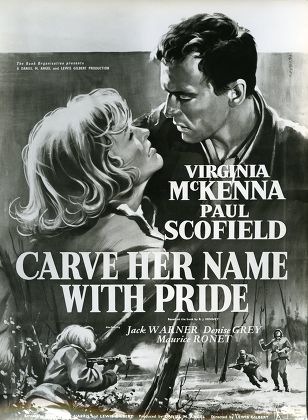
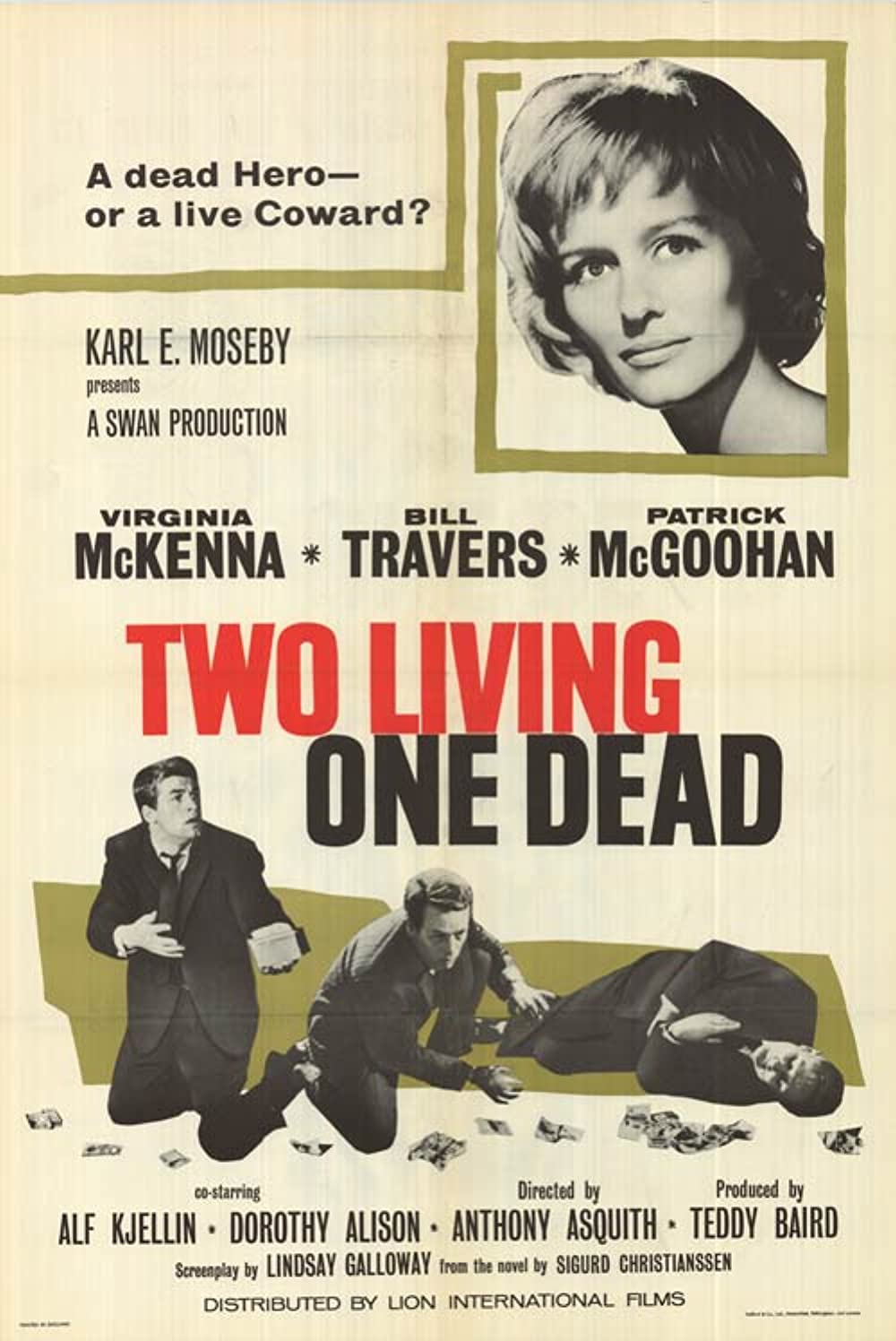
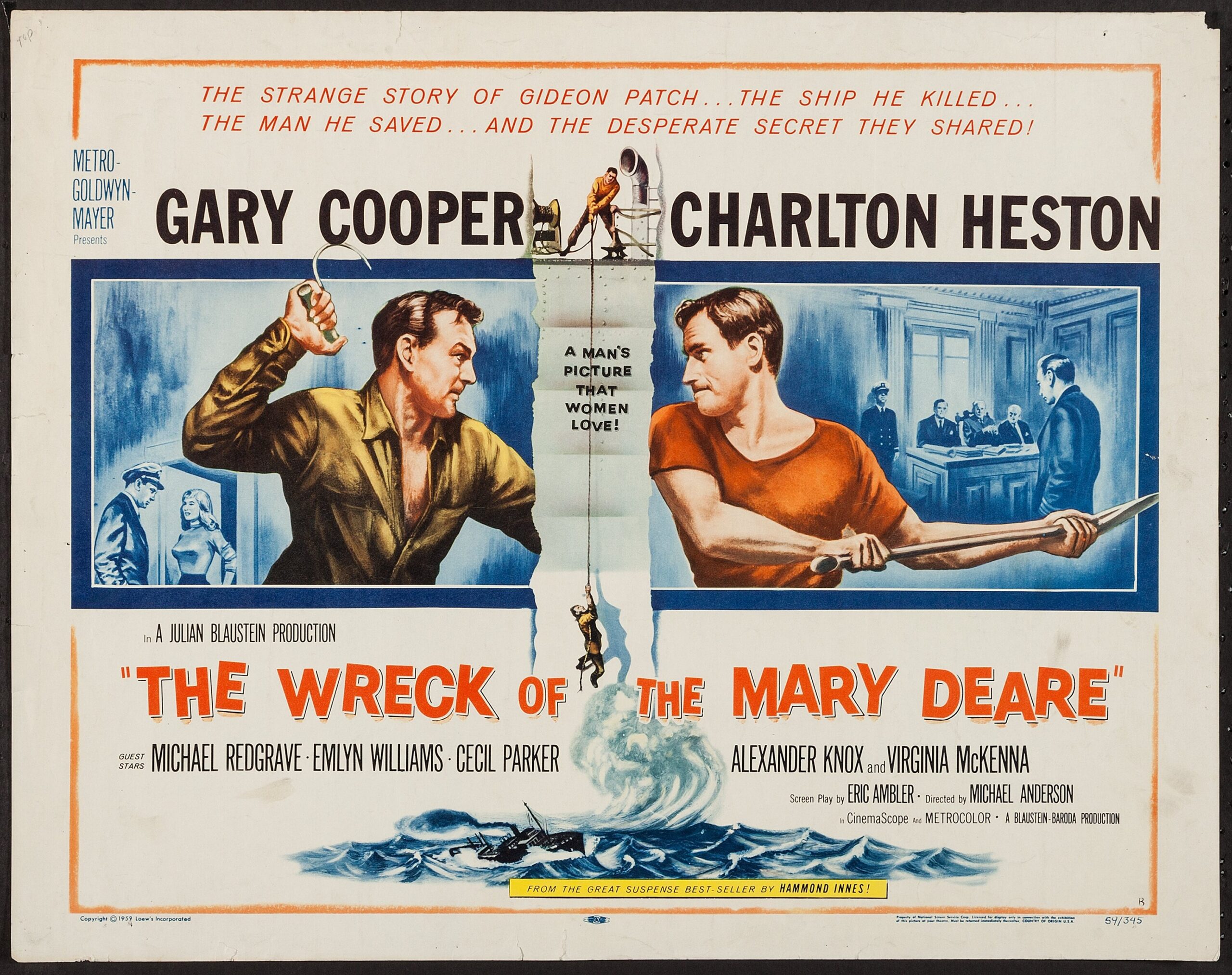
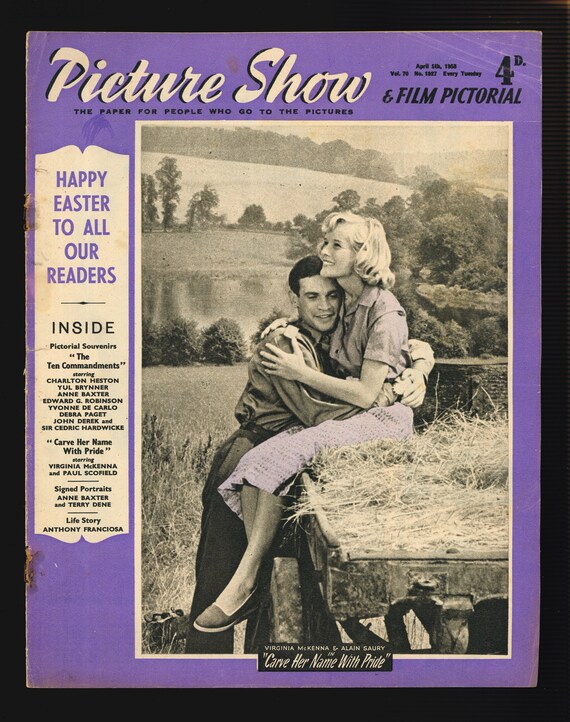
Acclaim (and a BAFTA nomination) for Virginia came again with her movie role alongside Paul Scofield in Carve Her Name with Pride (1958) portraying Special Operations Executive agent Violette Szabo who, after her husband was killed during WWII, undertook dangerous missions as an undercover agent for British intelligence until caught and executed by the Nazis in 1944. The role had a strong impact on Virginia. In 2000 she performed the opening ceremony of the Violette Szabo Museum in Herefordshire. The actress then appeared opposite American actors Gary Cooper and Charlton Heston in the adventure yarn The Wreck of the Mary Deare (1959). Back on stage for a few years in potent roles as Sister Jeanne in “The Devils” and Lucy in “The Beggar’s Opera,” she and Bill were invited to appear together in the film Two Living, One Dead (1961), a Post Office robbery crime drama.
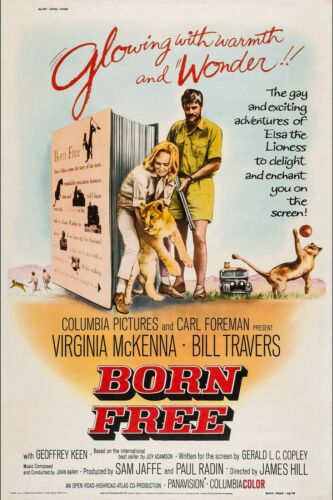
The couple’s next film together would alter the course of both their personal and professional destinies when they signed up to play Joy and George Adamson, noted wildlife welfare preservationists, in a landmark film version of the best-selling novel Born Free (1966). The movie was a massive, international box office smash. The shooting, with the real George Adamson serving as tech advisor, deeply affected the couple so much that for the rest of their lives/careers they dedicated themselves to wildlife causes with many of their subsequent pictures having related themes. The couple went on to form a documentary film company and served as writers/producers to create wildlife films. One of the best known of their many documentaries is The Lion at World’s End (1971).
Despite appearing in roles from the 1980s on, which included playing Gertrude alongside Roger Rees in 1984’s “Hamlet,” a role in the plush mini-series The Camomile Lawn (1992) and a recent support role in the film Love/Loss (2010), Virginia was more committed to her wild animals activism. Very much involved with the global influence of the Born Free Foundation and its Zoo Check project, Virginia earned an OBE for her services to wildlife conservation and animal welfare.
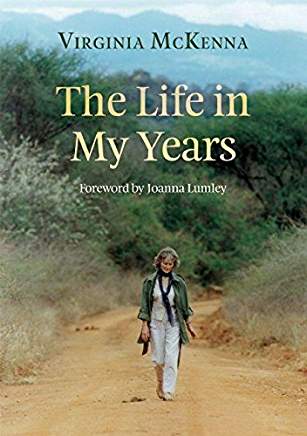
Bill died in 1994 but their son Bill Travers Jr. has embodied their enthusiasm towards wildlife, becoming the CEO of the Born Free Foundation. Virginia is the author of several wildlife books and her autobiography “The Life in My Years” was published in 2009. One of her more recent outings was a 2011 appearance in the long-running, award-winning BBC documentary series Natural World (1983).
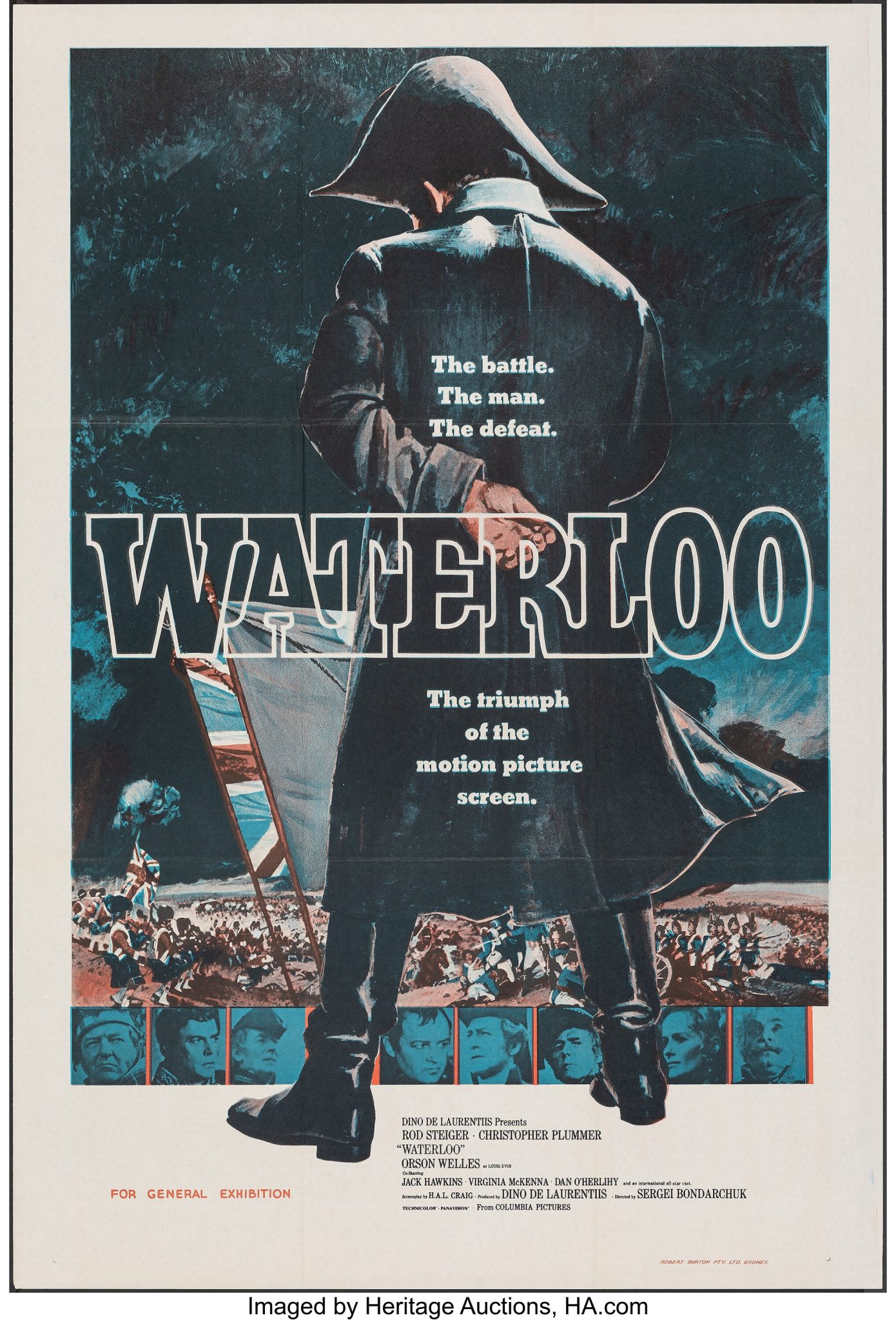


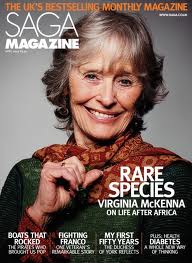
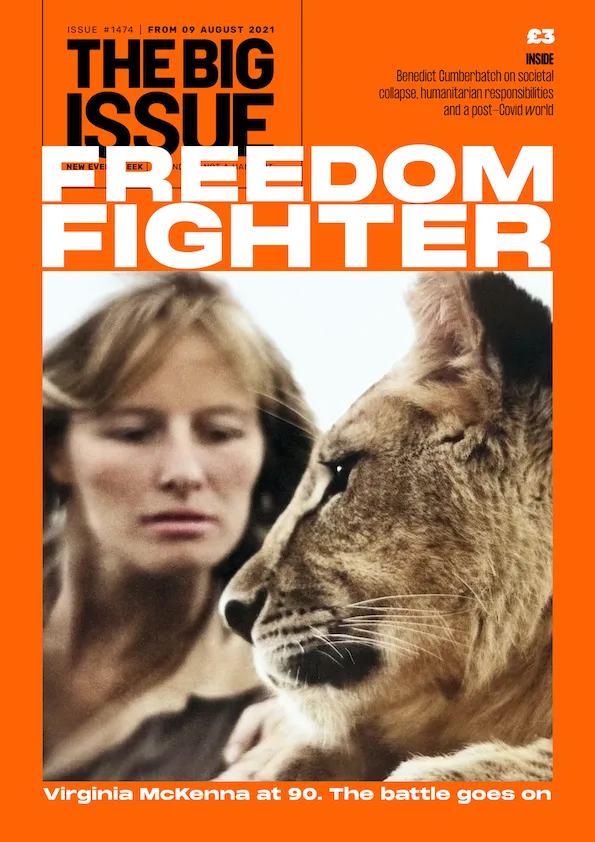
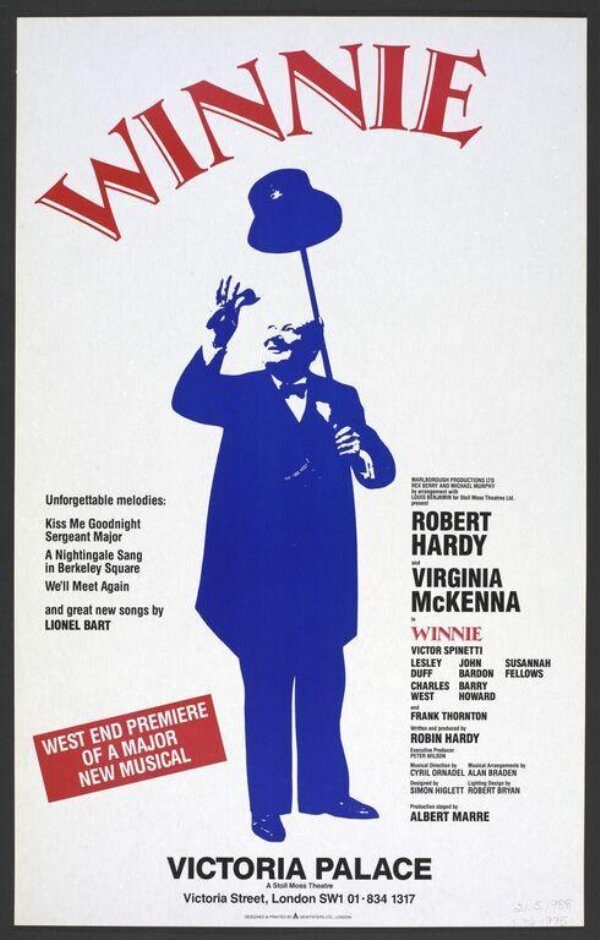
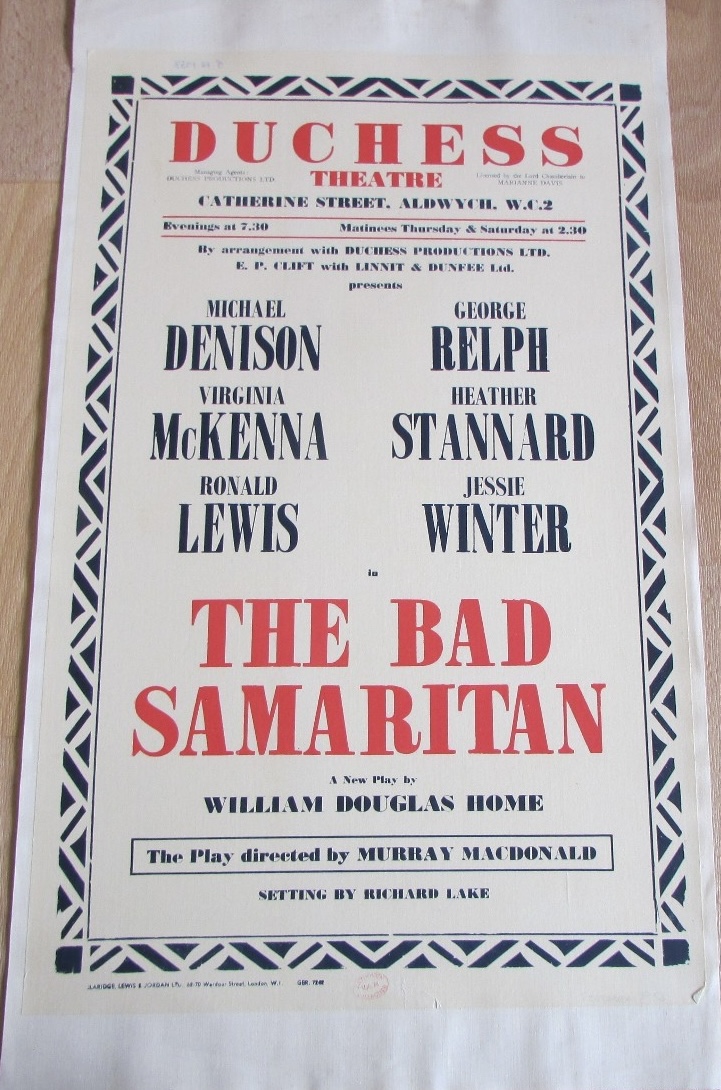
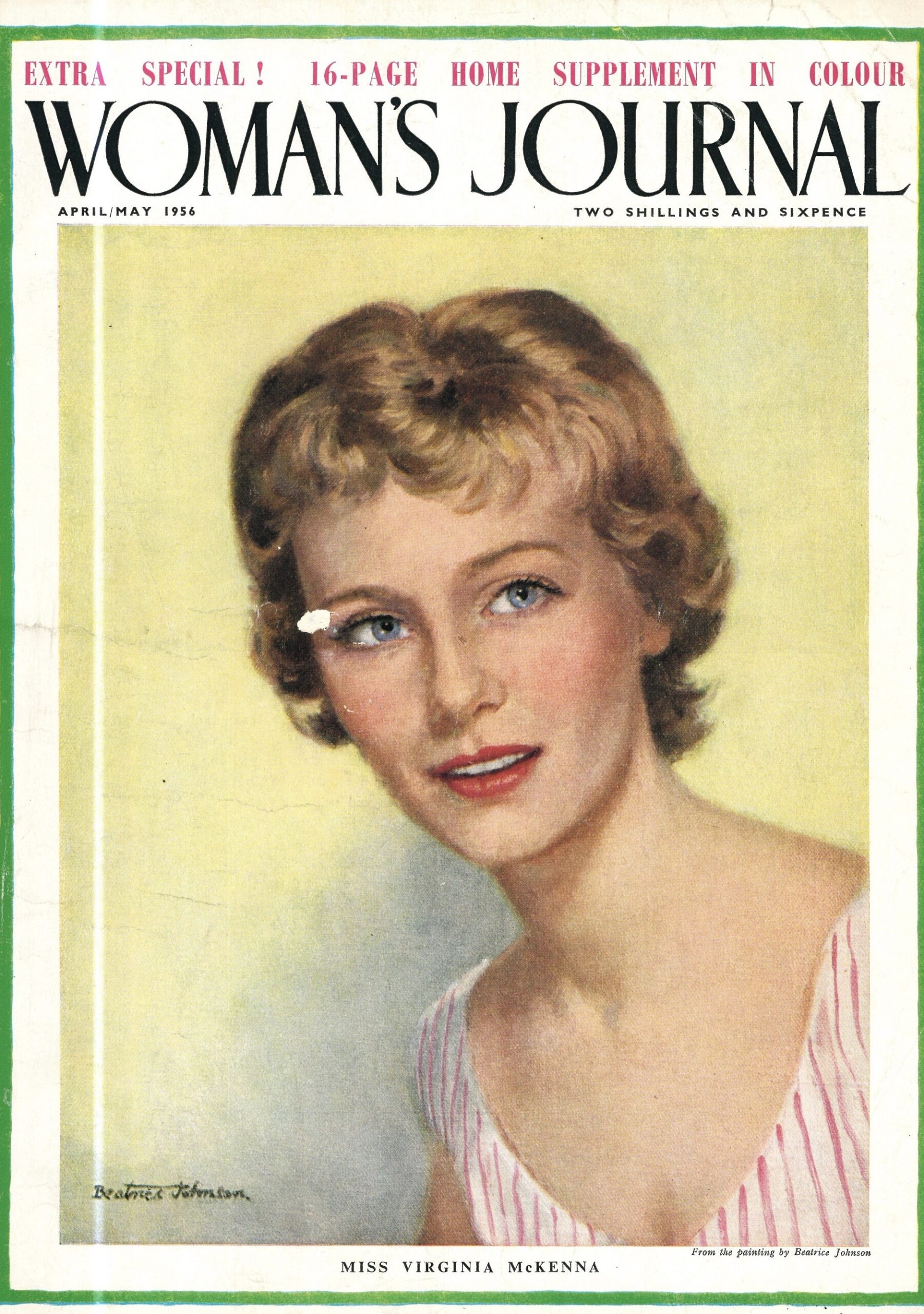
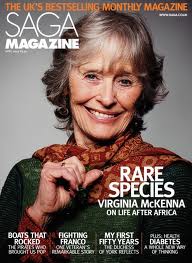
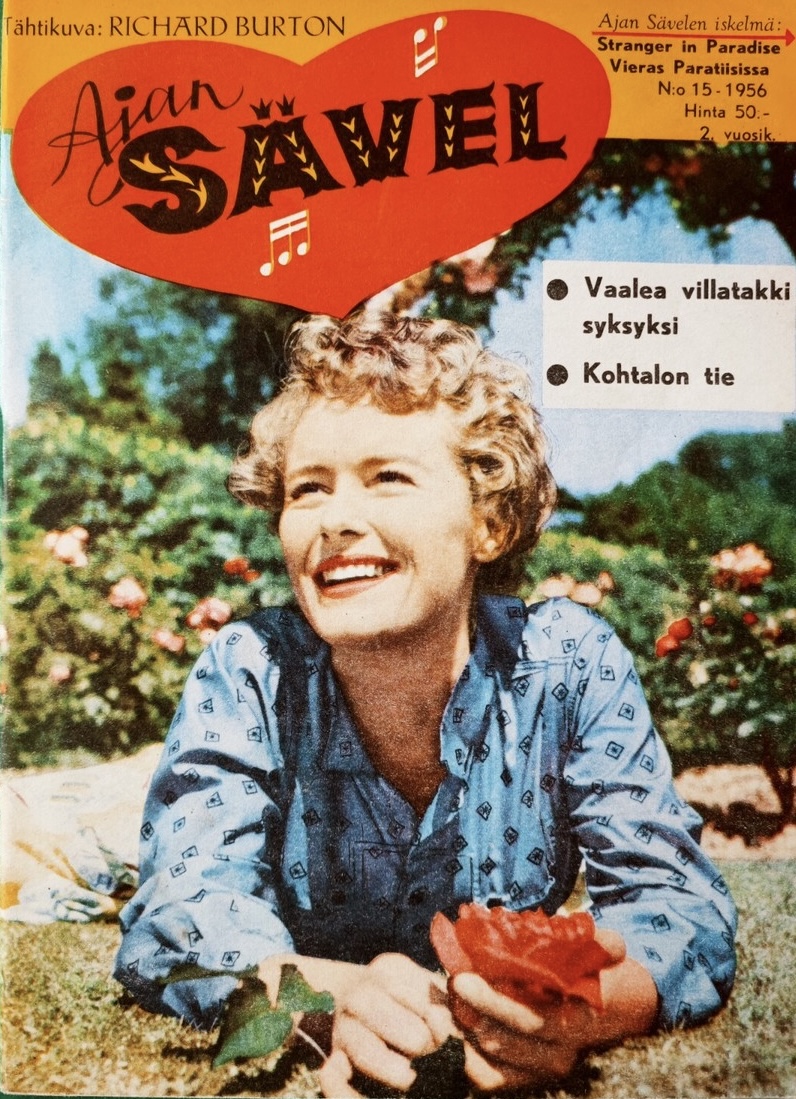
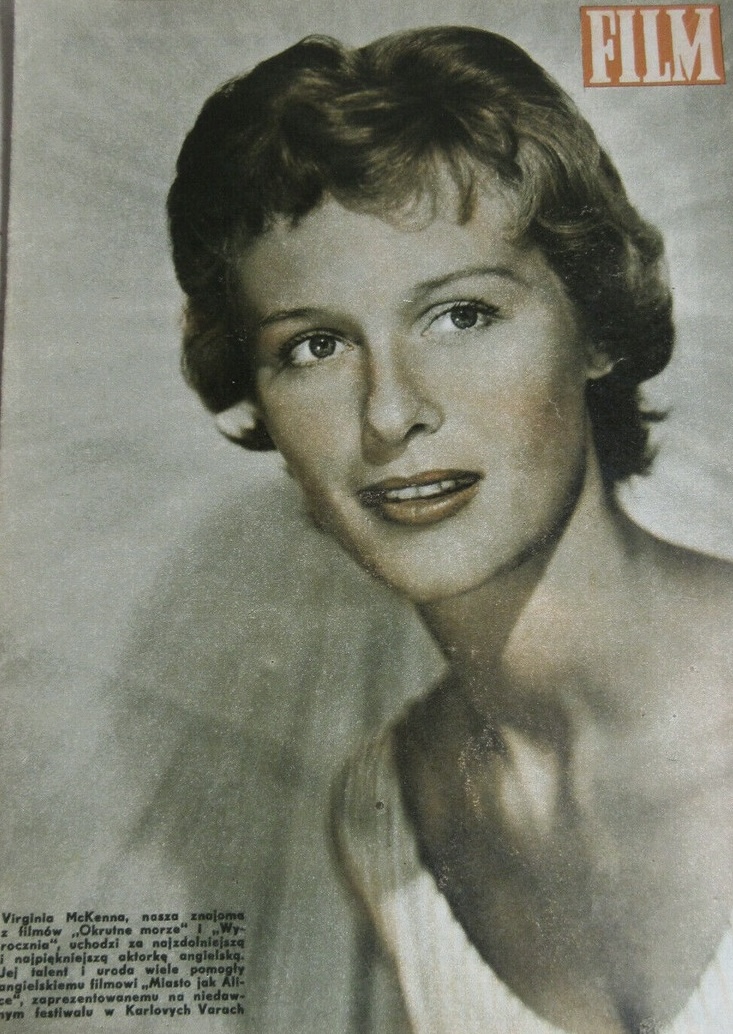
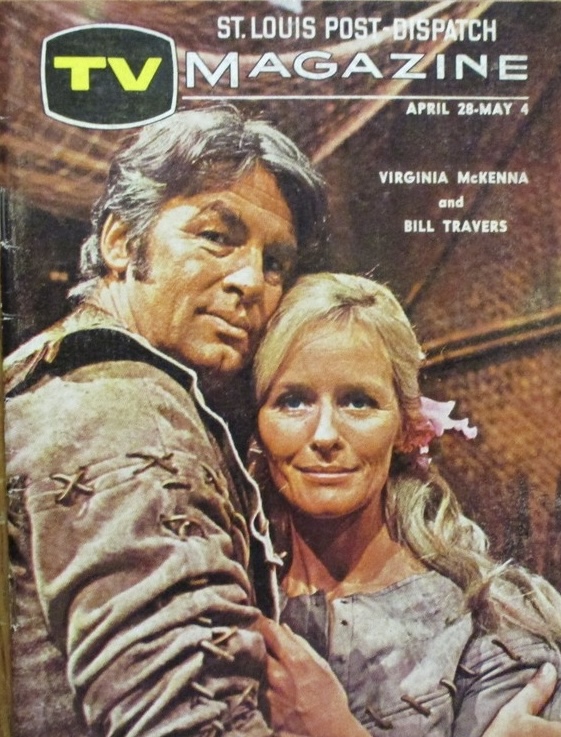
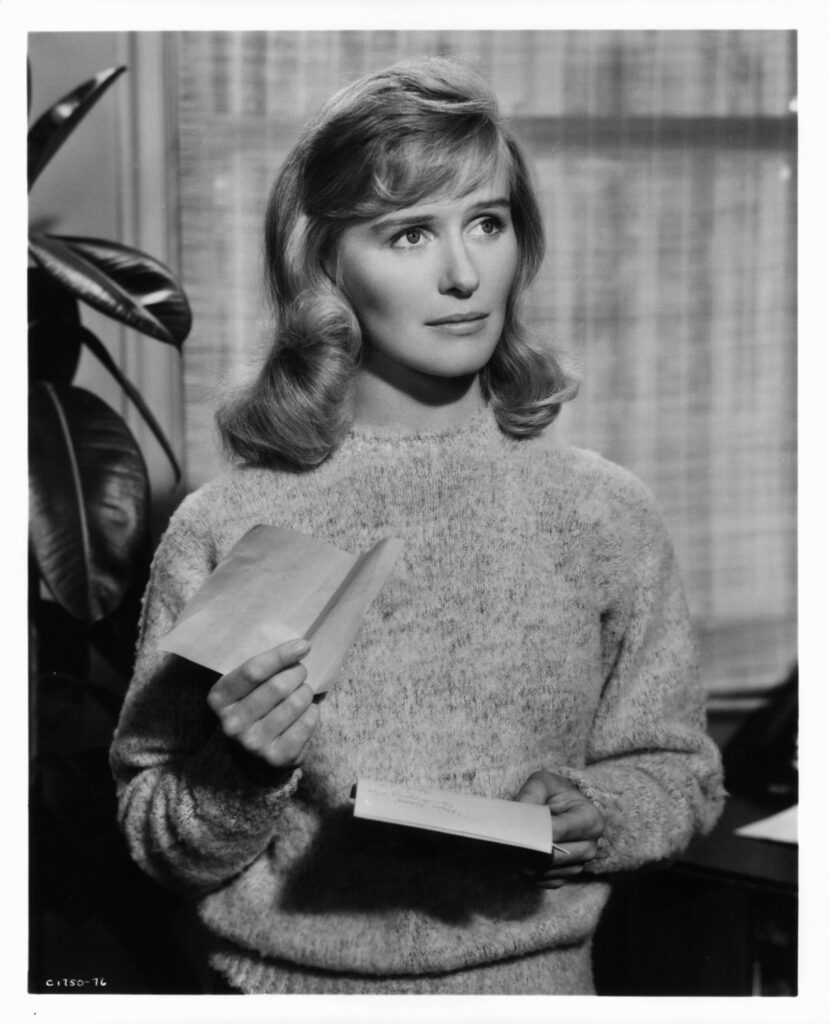
Virginia McKenna (born 1931) is an actress of luminous moral clarity. In a career that spans the peak of British post-war cinema to a lifetime of global activism, she has come to represent the “Soul of the Empire”—a performer who replaced the stiff-upper-lip artifice of the 1940s with a “warm-blooded” resilience and a deep, empathetic naturalism.
Critical analysis of her work reveals a performer who mastered the “Heroine of Conscience,” often playing women thrust into extreme physical or emotional landscapes who remain unshakeable in their humanity.
I. Career Overview: The Rank Starlet to the Global Icon
1. The Classical Apprenticeship (1950–1955)
McKenna’s career began with a refined, theatrical poise. After training at the Central School of Speech and Drama, she became a standout at the Old Vic.
The “English Rose” Transition: Her early film roles, such as in The Cruel Sea (1953), utilized her as the “Symmetric Contrast” to the rugged masculinity of the naval officers. Critically, she was praised for her “Stillness,” proving that an actress could be a “Security Blanket” of emotional support while maintaining a sharp, independent intellect.
2. The “War and Wilderness” Peak (1956–1966)
McKenna hit a streak of performances that defined the “British Ideal” of the late 50s and 60s.
A Town Like Alice (1956): As Jean Paget, a prisoner of war in Malaya, she delivered a masterclass in “Passive Resistance.” She won a BAFTA for the role, with critics noting her ability to portray suffering without losing a shred of dignity—a hallmark of Kitchen Sink Dignity.
Carve Her Name with Pride (1958): Playing the SOE agent Violette Szabo, she brought a “Noir-tinged” fatalism to the war biopic.
Born Free (1966): As Joy Adamson, she achieved global immortality. This role marked the intersection of her professional craft and her personal destiny, leading to the creation of the Born Free Foundation.
3. The Grand Matriarch (1970s–Present)
McKenna transitioned gracefully into theater and “Prestige” television.
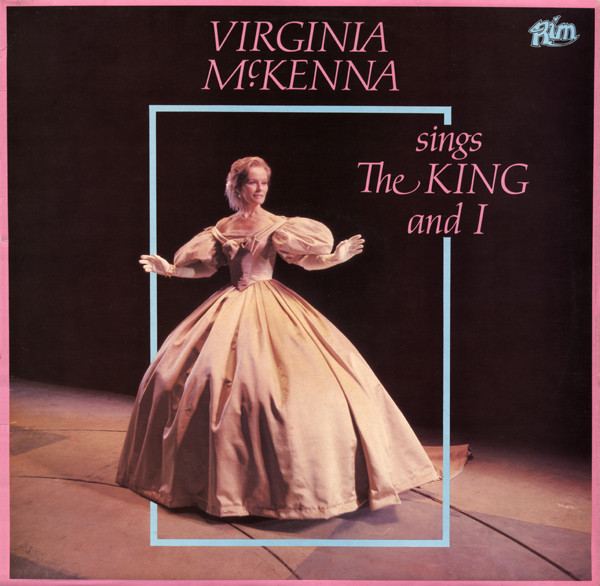
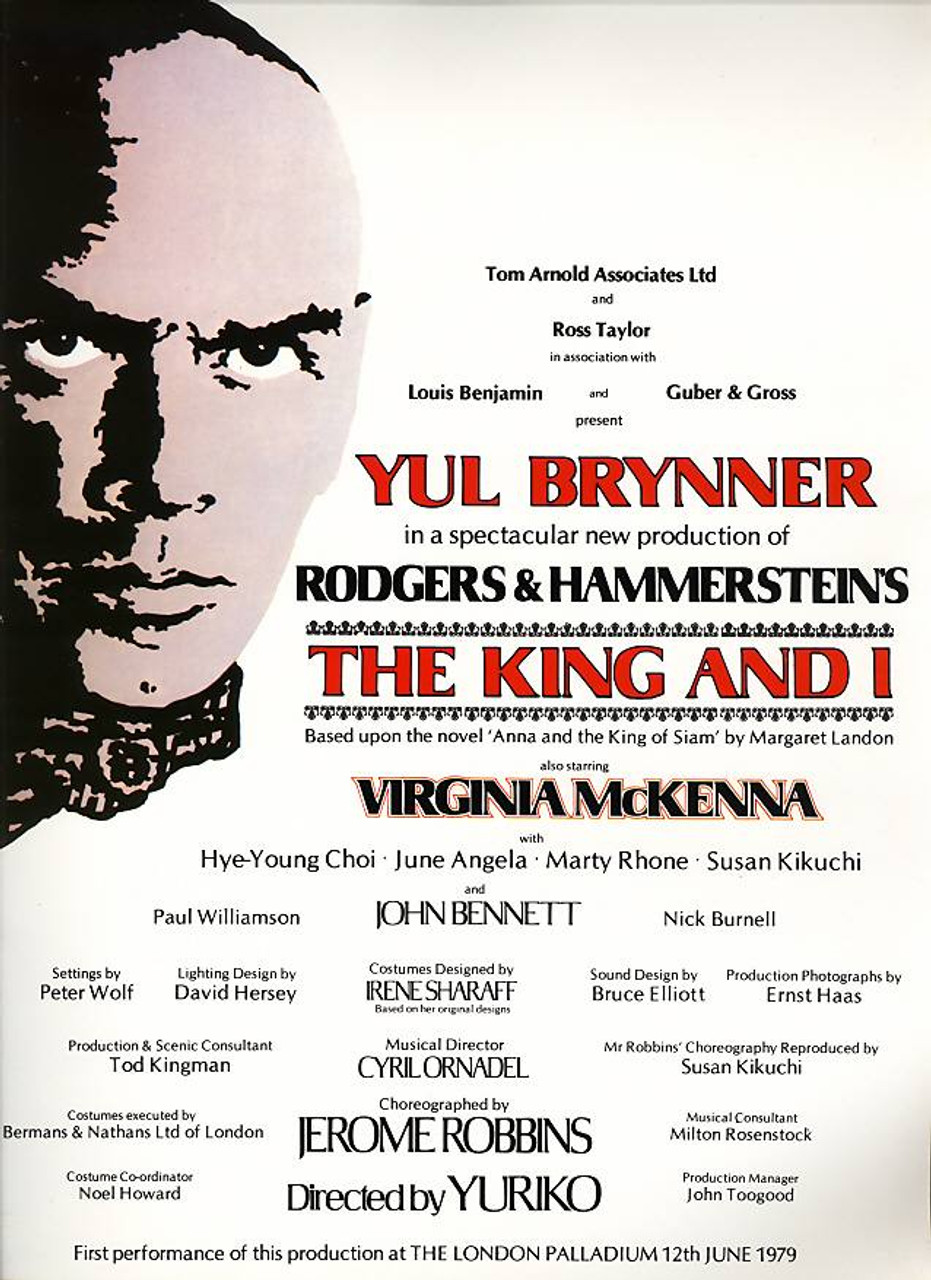
The Stage Return: Her performance as Gertrude in Hamlet and her work in The King and I opposite Yul Brynner showcased a “Classical Authority” that had only deepened with age. Like Diane Baker, she became a “Fixed Point” of quality in the British arts.
II. Detailed Critical Analysis
1. The “Architecture” of Quiet Courage
Critically, McKenna is analyzed for her Vocal and Facial Restraint.
The Subtext of the Gaze: In her war films, she rarely shouts or engages in histrionics. Instead, she uses her eyes to convey “The Long View.” Analysts note that she represented the “Moral Anchor”—the person who reminds the soldiers (and the audience) why the fight is being fought. This aligns with the Major Dundee sense of duty: the mission is paramount, but the humanity of the troops is the true prize.
2. The “Naturalist” in the Wild
Unlike many of her contemporaries who treated nature as a “backdrop,” McKenna treated the landscape as a co-star.
The Visceral Connection: In Born Free and Ring of Bright Water (1969), critics marveled at her lack of vanity. She was often “un-made up,” sweaty, and physically engaged with the animals. This brought a “Documentary-like Grit” to mainstream cinema, stripping away the Hollywood “Gloss” in favor of a “Savoury” Reality.
3. The “Method” of Empathy
While she didn’t practice the “Method” in the style of Eli Wallach, McKenna practiced a deep “Identification acting.”
The Seamless Persona: There is a blurred line between McKenna the actress and McKenna the activist. Critics point out that this gives her performances a “Transcendental Integrity.” You don’t just watch her play a character; you watch her “witness” a life. She is the “Security Blanket” of Truth—an actress who makes you believe in the inherent goodness of the world, despite the “Noir” shadows.
Iconic Performance Highlights
| Work | Role | Year | Critical Achievement |
| A Town Like Alice | Jean Paget | 1956 | Won BAFTA; defined the “Resilient Civilian.” |
| Carve Her Name… | Violette Szabo | 1958 | A “Haunting and Poetic” portrait of sacrifice. |
| Born Free | Joy Adamson | 1966 | Revolutionized the “Nature Drama” with raw empathy. |
| Sliding Doors | Mrs. James | 1998 | A late-career “Cameo of Grace” and wisdom. |