

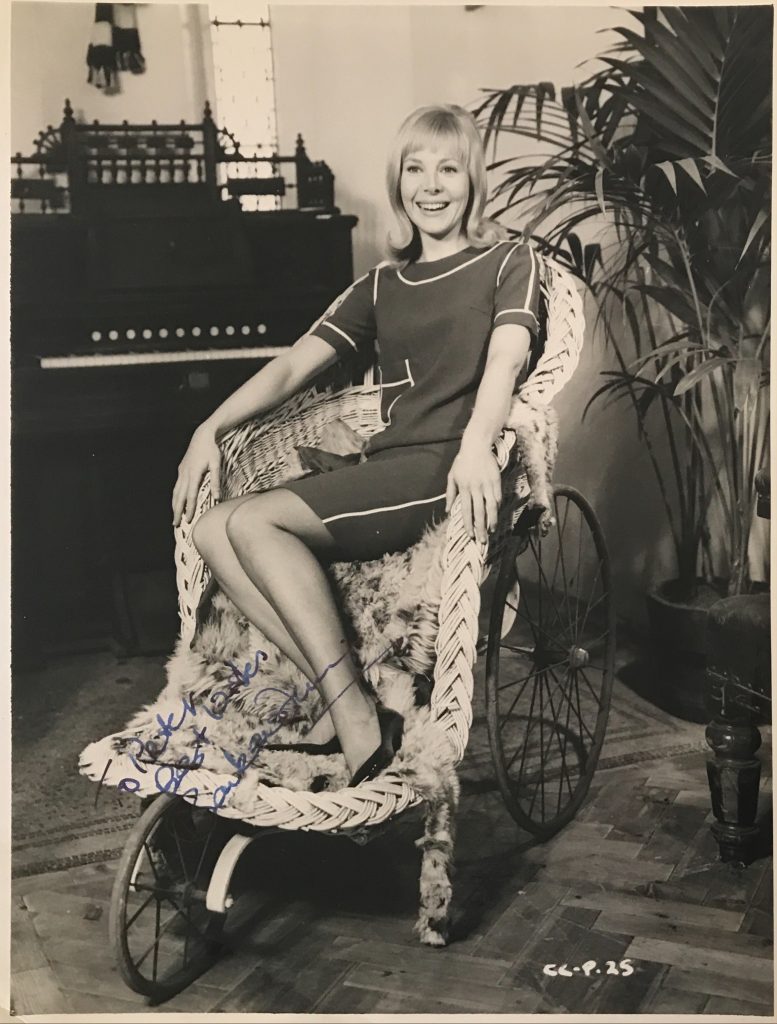
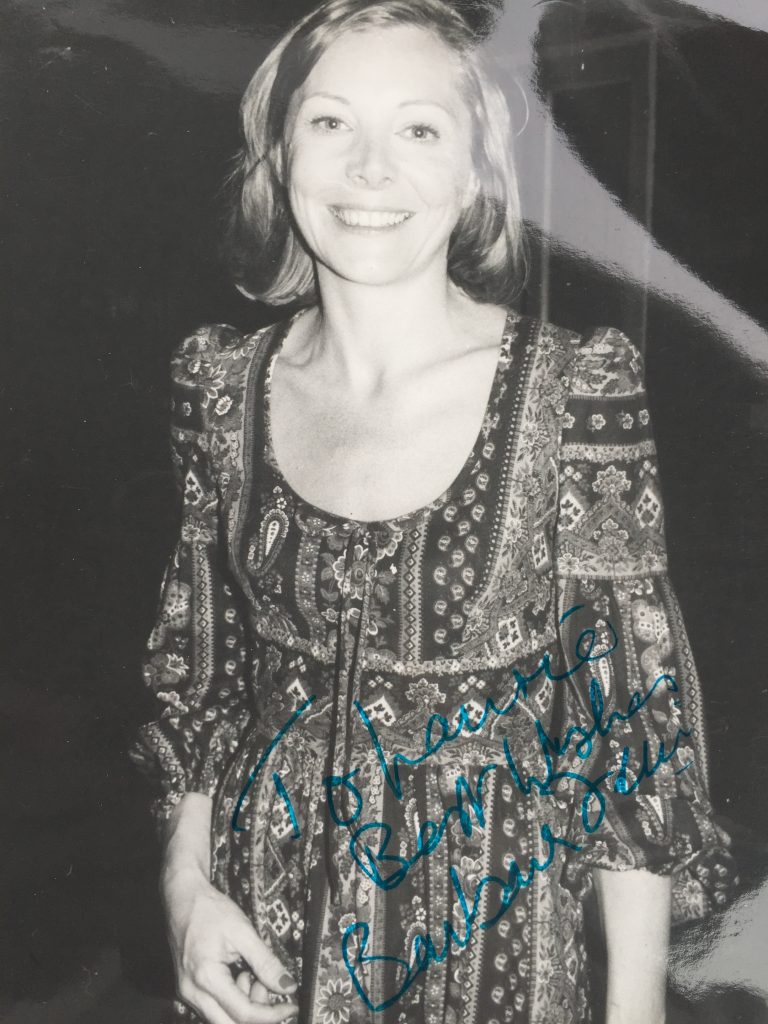
The Guardian obituary in june 2025.
It was once said of the actor Barbara Ferris, who has died aged 88, that she was the only one of Joan Littlewood’s girls at the Theatre Royal, Stratford East, in London, who started out working-class and ended up middle-class.
Her father had a milk round in Soho after the second world war. Barbara progressed from training at the Italia Conti stage school, to fashion modelling and dancing – in Cole Porter’s Can-Can and The Pajama Game, Bob Fosse’s first show as a choreographer – at the London Coliseum in 1954-55, to important roles in plays by Edward Bond and David Hare at the Royal Court. In 1966, she was in a starring role opposite Donald Sinden in Terence Frisby’s West End long-runner There’s a Girl in My Soup (her role in the subsequent film was taken by Goldie Hawn).
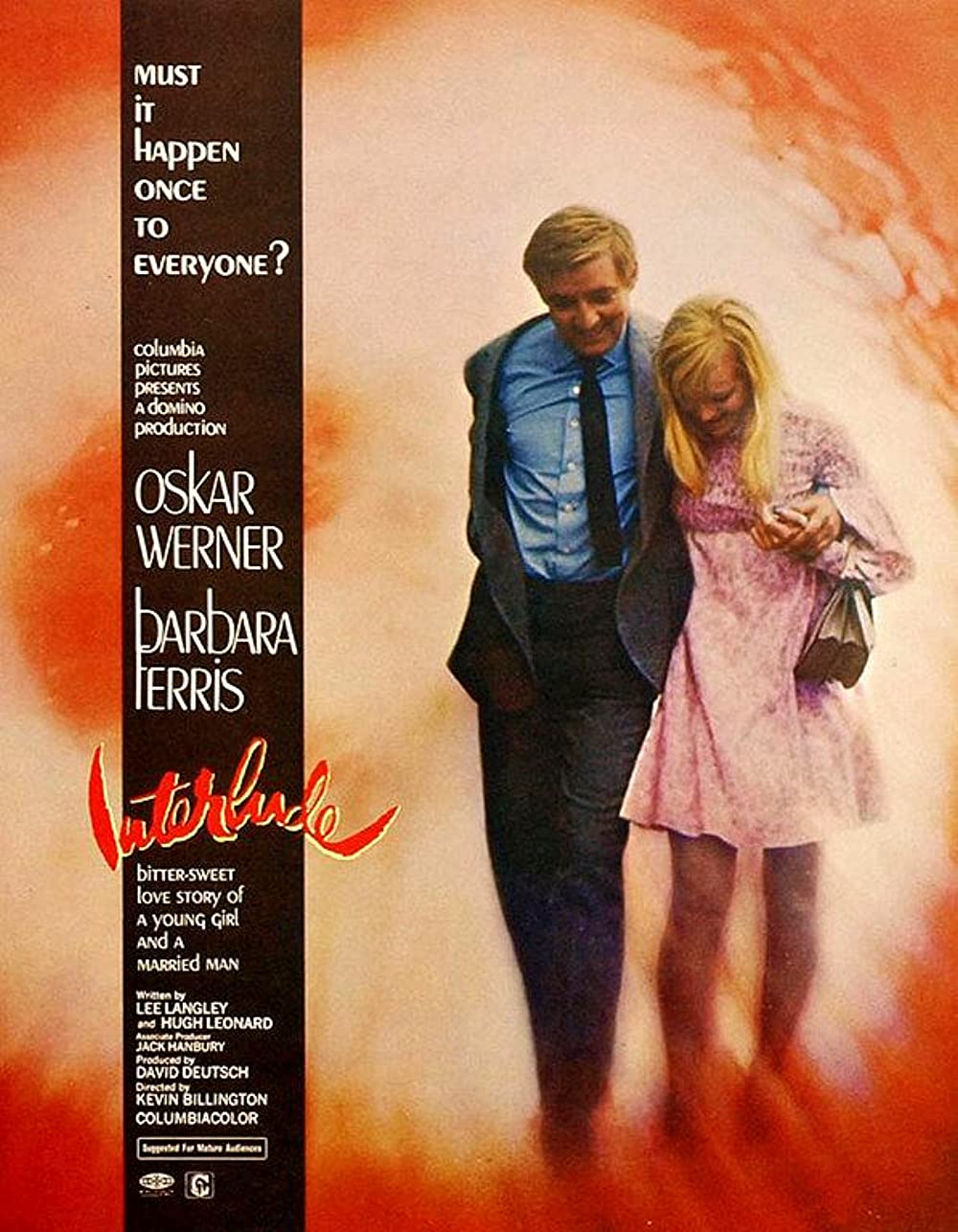
Along the way, she transformed herself from a blond, beehive hair-styled cockney “dolly bird” to an actor of real emotional and technical command, notably in John Boorman’s first feature film, Catch Us If You Can (1965) with the Dave Clark Five, a much-underrated movie, and in Interlude (1968), Kevin Billington’s remake of a US Douglas Sirk film, in which, as an arts reporter, she conducted a disruptive affair with a married maestro played by Oskar Werner
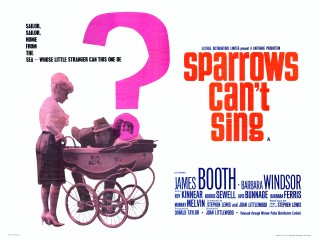
The social mobility tag was applied when she married, in 1960, the film director and producer, John Quested, while appearing in cabaret at Winston’s Club, Mayfair. Her honeymoon was just one night in the Dorchester hotel, as she was about to make her professional stage debut with Littlewood in Stephen Lewis’s Sparrers Can’t Sing. The show transferred to the West End. She was up and running
By the early 90s, Quested was both the owner and chairman of Goldcrest Films. Ferris’s career did not dry up exactly, but she retired by choice, to raise the couple’s family, and travel extensively with her husband’s work. They had houses in Ireland and Zurich and, in London, a Chelsea apartment.
The second of four children, Barbara was born in London, to Dorothy (nee Roth) and Roy Ferris. While at Italia Conti, she was already working as a teenager in TV commercials and pantomime, supplementing Roy’s income. Her younger sister, Liz, became a springboard diving champion, who won a bronze medal at the 1960 Rome Olympics, before going on to be a doctor.
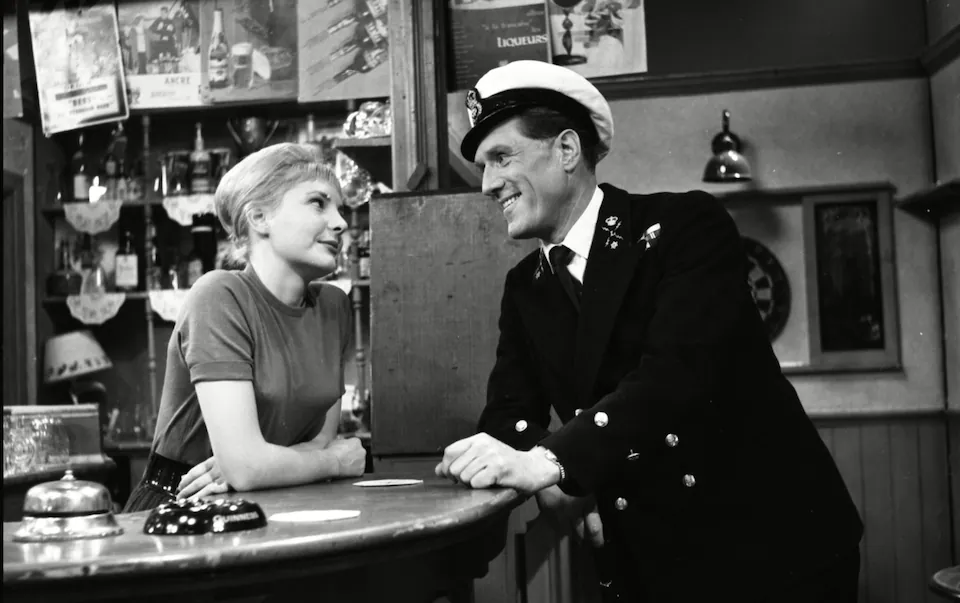
Barbara’s early television work included the groundbreaking pop music show Cool for Cats (1956), alongside Amanda Barrie and Una Stubbs, and a cockney barmaid, Nona Willis, at the Rovers Return in Coronation Street (1961); Nona left the Street after 10 episodes, because she didn’t understand the Lancastrian accents
There was nothing cosy about her performance as Pam in Bond’s Saved (given under club conditions in 1965 – the Lord Chamberlain had censored it): an unaffectionate mother, glued to the television, of the baby stoned to death in a notorious scene; nor as the effervescent, spirited Moll, defying an “arranged marriage” in the teeming Jacobean comedy, A Chaste Maid in Cheapside, in 1966. Both plays were at the Royal Court and directed by William Gaskill.
After There’s a Girl in My Soup, in which she managed a sort of beady frivolity, she was one of three liberated female teachers – the others were Anna Massey and Lynn Redgrave – in Hare’s first major success, Slag (1971); Mrs Elvsted in John Osborne’s adaptation of Hedda Gabler (with Jill Bennett and Brian Cox); and the hilarious spirit of a “new broom” in a chaotic pre-internet library in Michael Frayn’s Alphabetical Order (1975), playing opposite Billie Whitelaw’s humane confusion as a much-loved resident librarian
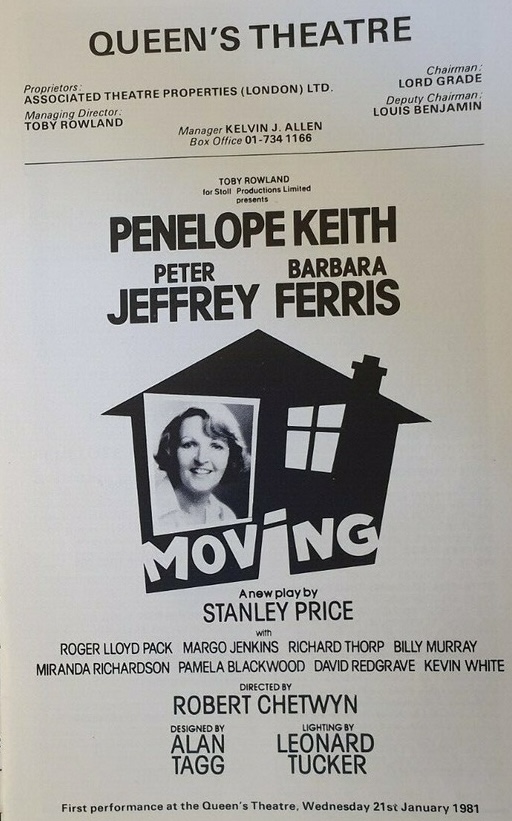
The director of the Frayn play, Michael Rudman, took her into his Lyttelton-based National Theatre company for revivals of Somerset Maugham and JB Priestley before she returned to the West End as the boozy actor sister of Penelope Keith in Stanley Price’s Moving (1981); and as a sexually treacherous sister in Alan Ayckbourn’s Season’s Greetings (1982) – having sex with said sister’s obtuse novelist husband (Nigel Havers) under a Christmas tree laden with presents and thereby setting off a gift-wrapped, loudly drumming teddy bear.
Her last major London appearances were as Mavis, a dance teacher, in Richard Harris’s suburban Chorus Line-type hit, Stepping Out (1984), in which she skilfully projected an uneasy blend of personal insecurity and dull professional competence, and in Neil Simon’s Broadway Bound at the Greenwich Theatre in 1991, a rueful family comedy
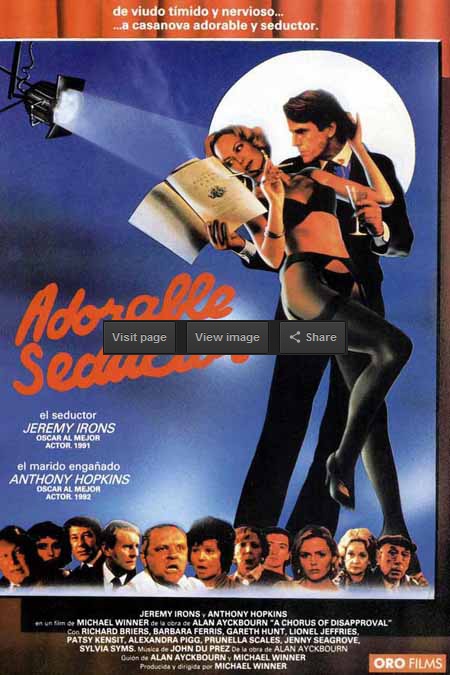
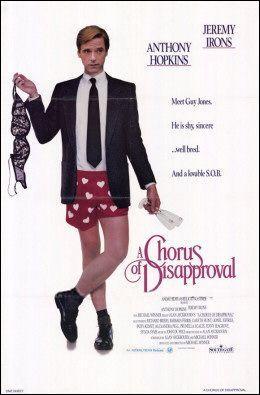
She was twice married to Richard Briers on screen: as a vicar’s wife in 18 episodes of the 1985 television sitcom All in Good Faith, and as Enid Washbrook in Michael Winner’s so-so movie based on Ayckbourn’s wonderful am-dram comedy, A Chorus of Disapproval (1989), featuring before-they-were-movie-stars super-suave Jeremy Irons and a sweaty, obsessive Anthony Hopkins.
Her last film, which she did because her old friend from Littlewood days, Victor Spinetti, was in it, was Peter Medak’s The Krays (1990). And she dabbled in fringe theatre, producing and financing two glorious little compilation shows at the King’s Head in Islington in 2002: Call Me Mermanand Dorothy Fields Forever, paying tribute to the great Ethel and the unjustly forgotten lyricist Dorothy, both magically recreated by her friend Angela Richards.
Ferris, who loved playing golf, is survived by her husband and their children, Nicholas, Christopher and Catherine.
Barbara Gillian Ferris, actor, born 3 October 1936; died 23 May 2025
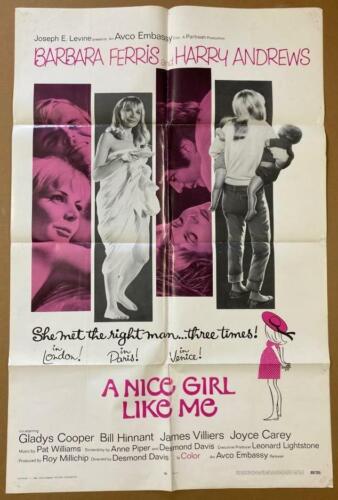

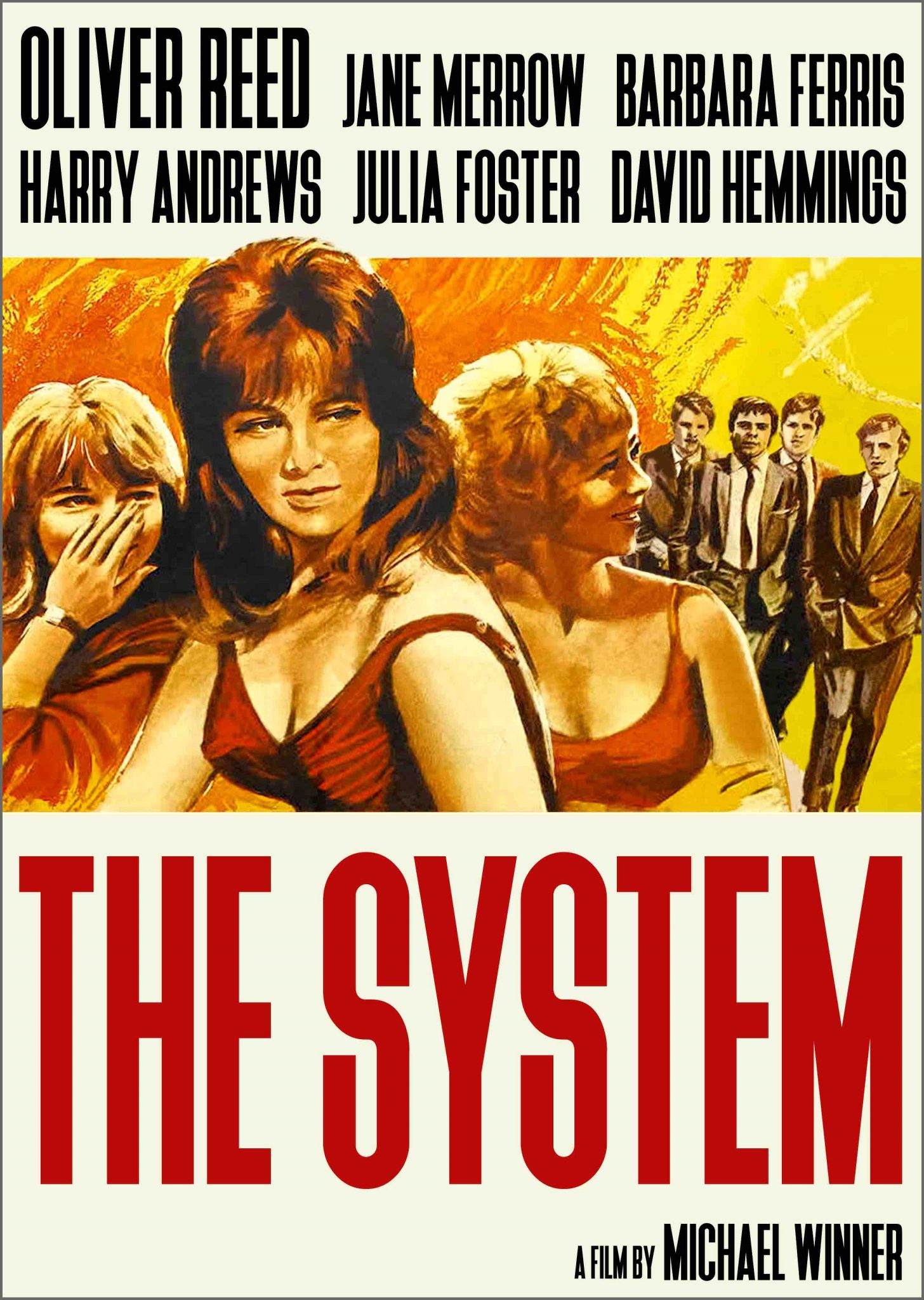
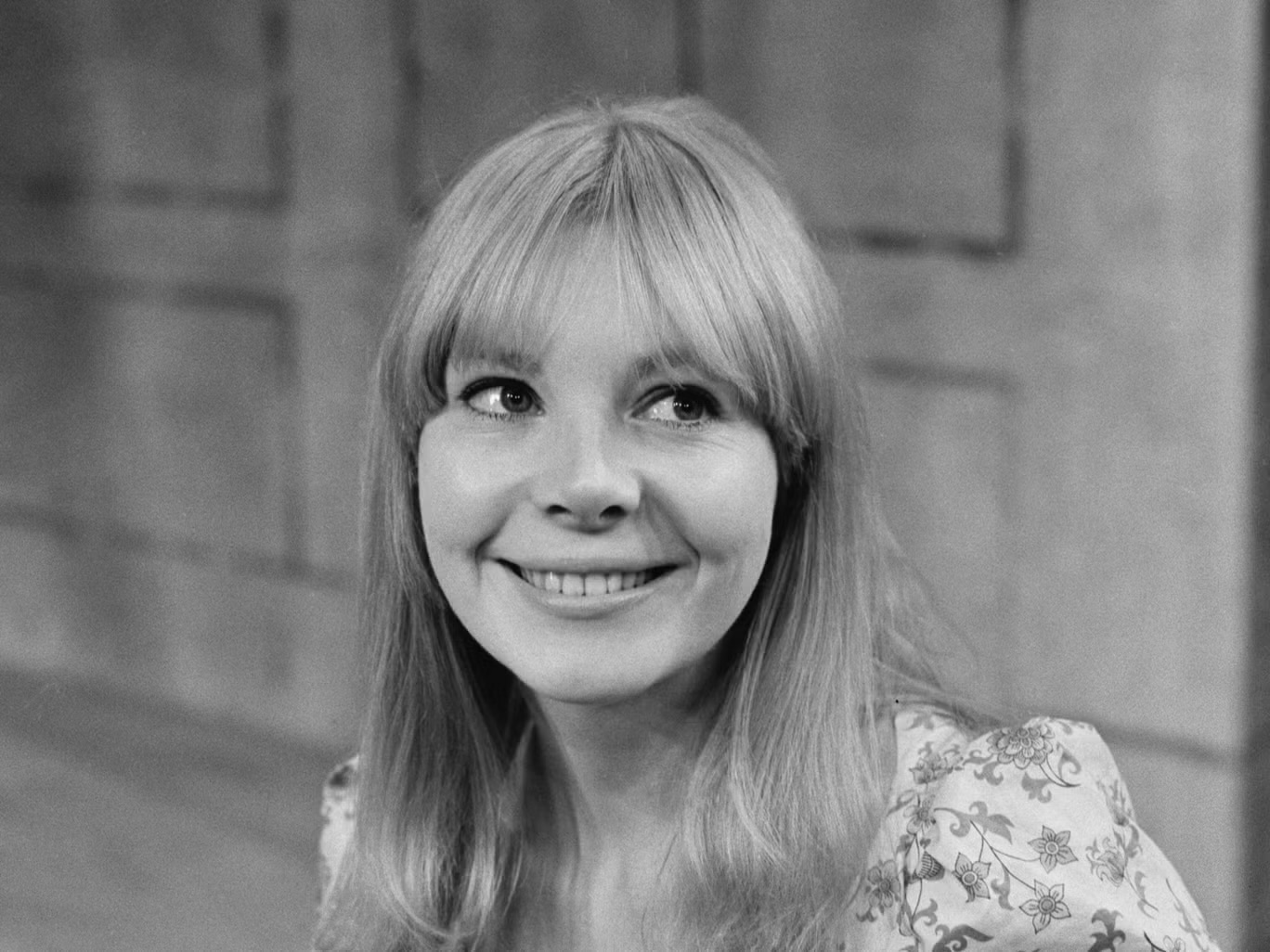
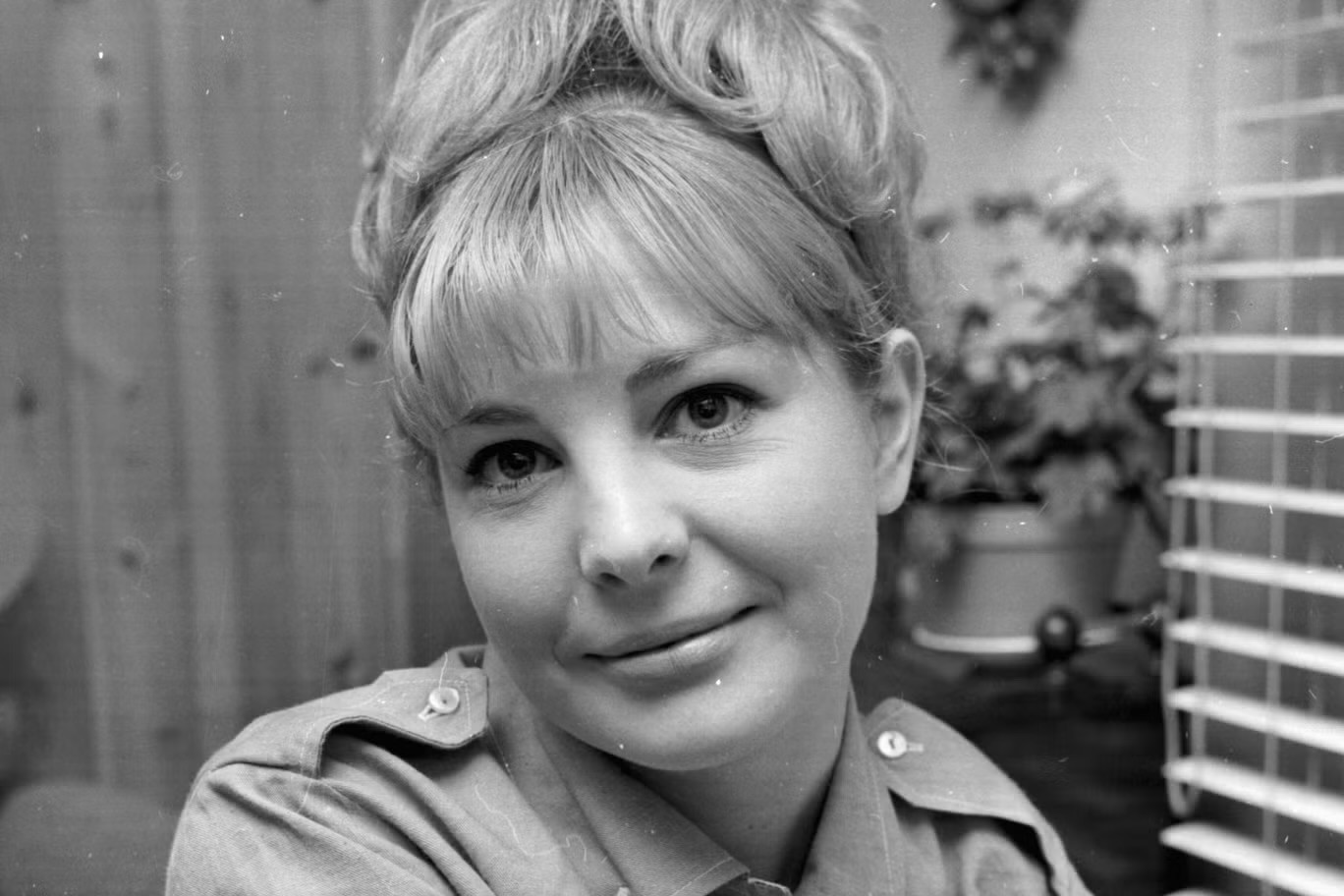
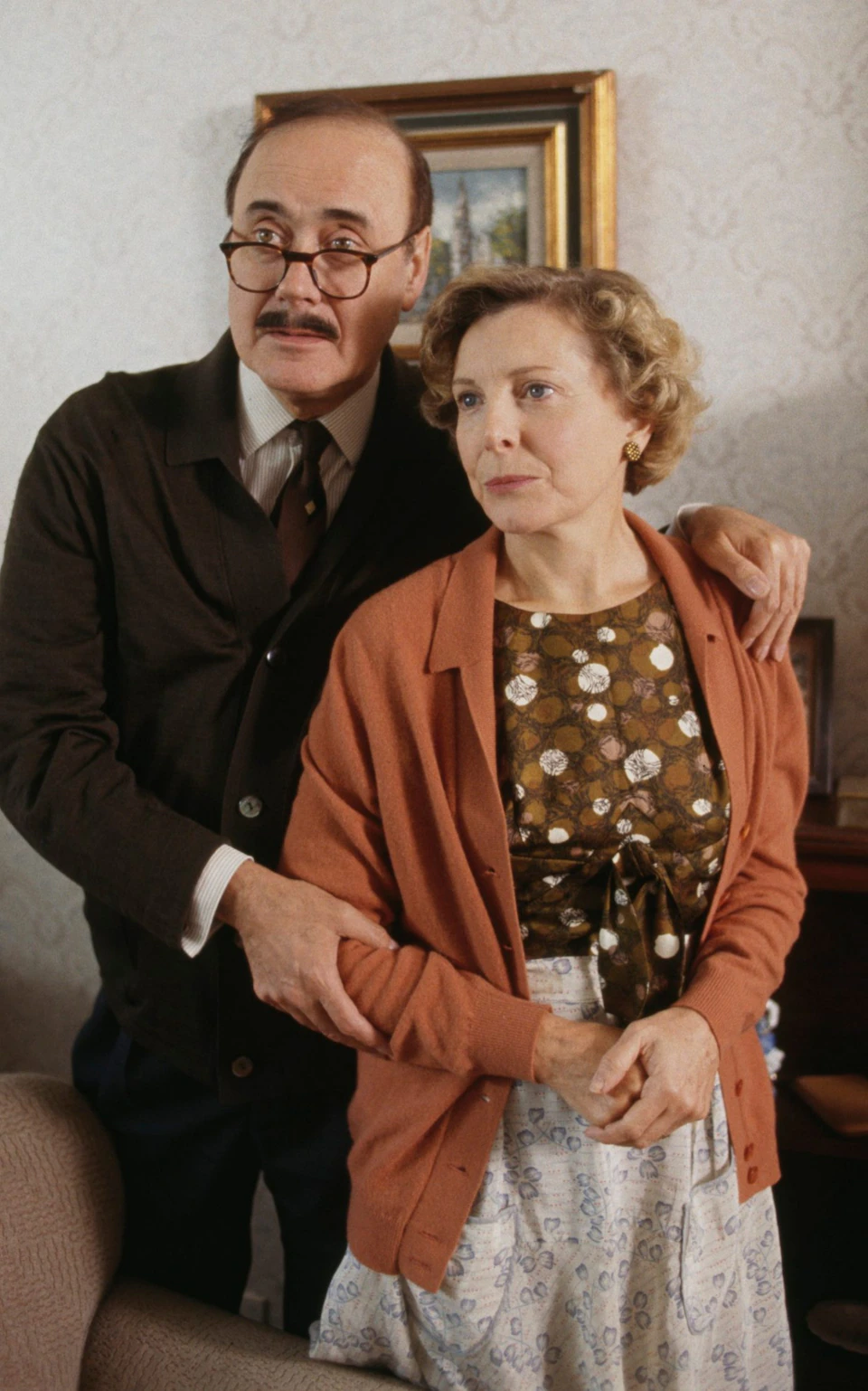
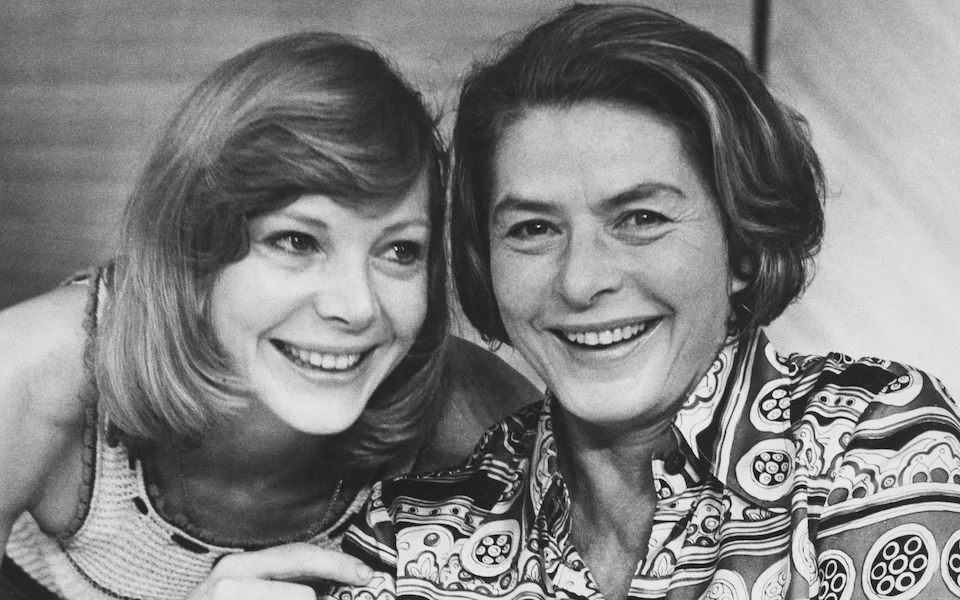
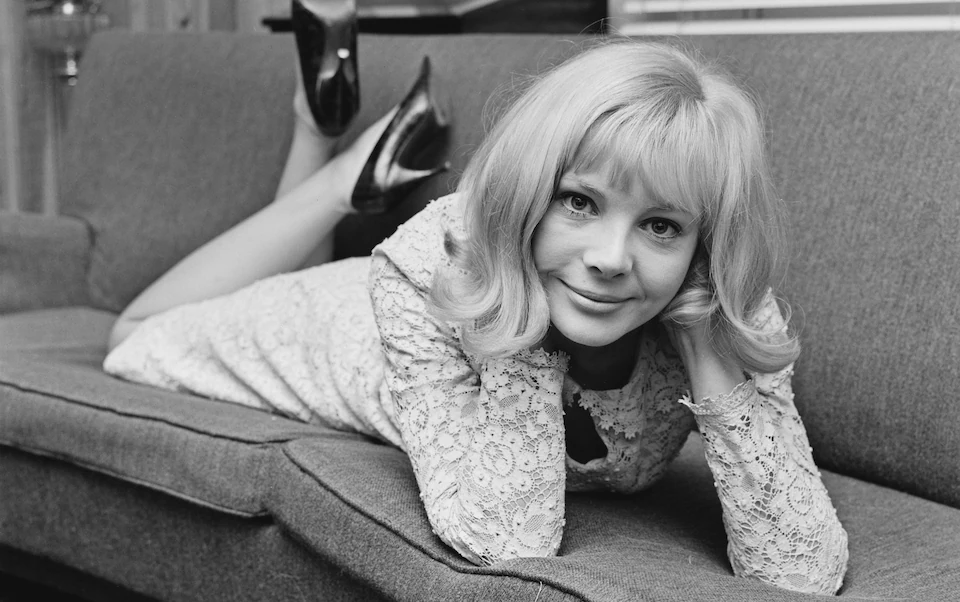
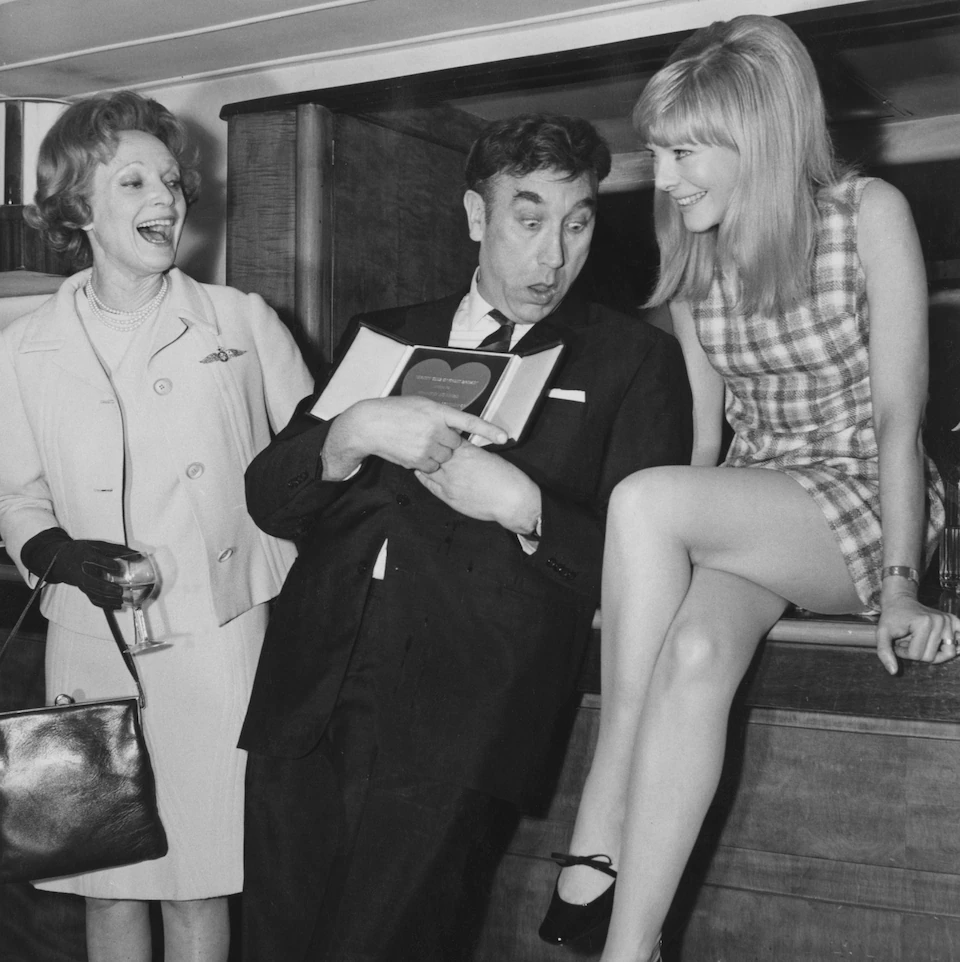
The career of Barbara Ferris (1936–2025) is a remarkable study in the evolution of the British “Dolly Bird.” While she possessed the quintessential blonde, beehive-haired look of the Swinging Sixties, her work was defined by a grit and technical command that far outstripped the “starlet” label. She was one of the few actresses to successfully bridge the gap between the populist “Kitchen Sink” movement and the avant-garde provocations of the Royal Court Theatre.
Career Overview: From Soho to Shangri-La
Ferris was the daughter of a Soho milkman, a background that grounded her performance in a lived-in working-class reality.
The Early Break (1961): She first caught the public eye as Nona Willis, a cockney barmaid in Coronation Street. Legendarily, she left after only ten episodes because she claimed she couldn’t understand the Lancastrian accents of her co-stars—a move that signaled her ambition for the London stage and international film.
The “Dave Clark” Phenomenon (1965): She became a face of the decade starring as Dinah in John Boorman’s directorial debut, “Catch Us If You Can” (released in the US as Having a Wild Weekend). As the weary “face” of an advertising campaign who elopes with a stuntman, she received a BAFTA nomination for Most Promising Newcomer.
The Royal Court Radical (1965–1971): Ferris became a muse for the most controversial playwrights of the era. She played Pam in Edward Bond’s “Saved” (famous for the scene involving a baby in a pram), a performance that shocked London and challenged the Lord Chamberlain’s censorship laws.
The West End & Retirement: After starring in the long-running hit There’s a Girl in My Soup and David Hare’s Slag, she largely stepped away from the spotlight in the late 70s to raise a family, returning only for select roles in the 80s and 90s, including a memorable turn in the gangster epic The Krays (1990).
Detailed Critical Analysis: The “Innocence of Experience”
1. The Subversion of the “Dolly Bird”
In the mid-60s, actresses with Ferris’s look (blonde, wide-eyed, youthful) were often relegated to decorative roles. Ferris, however, brought a “beady frivolity” to her characters.
Analysis: Critics noted that while she looked like an ingenue, she played “innocence as if it were an allegory of experience.” She had a sharpness—a way of calculating her surroundings behind a winsome smile—that made her characters feel like survivors rather than victims.
2. The Master of “Emotional Command”
Her performance in Edward Bond’s Saved remains a landmark of 20th-century acting. Playing a mother who is utterly indifferent to the violence surrounding her, she had to navigate a character that was essentially “emotionally dead.”
Critical Insight: Critics of the time described her as a “young virago with a screech that afflicts the ear-drums.” This was high praise in the context of the play’s brutal realism; she successfully captured the hollowed-out, desensitized nature of a generation alienated by poverty and television.
3. The “Anti-Star” Aesthetic
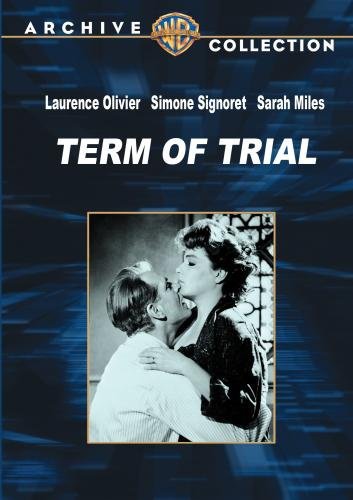
Despite her BAFTA nomination and leading roles opposite icons like Laurence Olivier (Term of Trial), Ferris never sought “superstardom.”
Analysis: She shared a trajectory with Carol White and Julie Christie, but she lacked their desire for Hollywood’s glamor. Her acting style was built on economic precision—she never over-acted the “cockney” element, instead using a naturalistic flow that made her feel like a person you might actually meet on a London street corner.
4. The Return to the Roots: The Krays
In 1990, she returned to play Mrs. Lawson in The Krays.
Critical View: This performance acted as a bookend to her career. Coming from a Soho background herself, she brought an effortless authenticity to the East End setting. It was a quieter, more technical performance that showed how she had matured from the “Dolly Bird” of the 60s into a formidable character actress.