
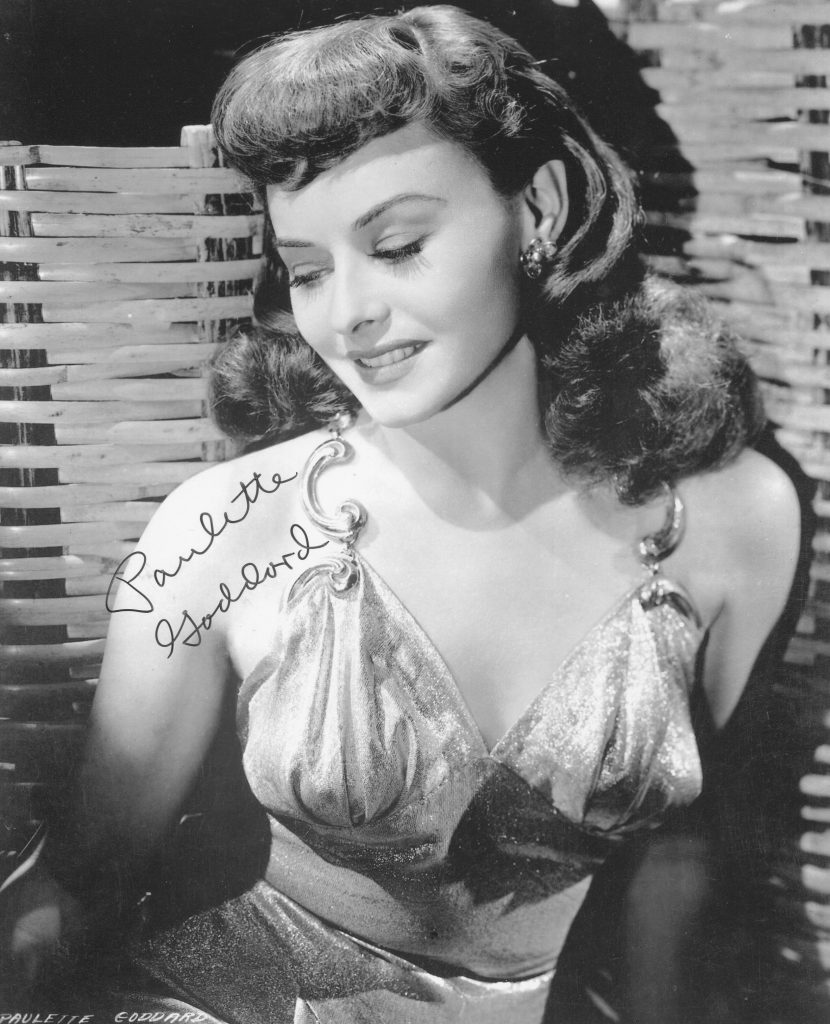
“New York Times” obituary :
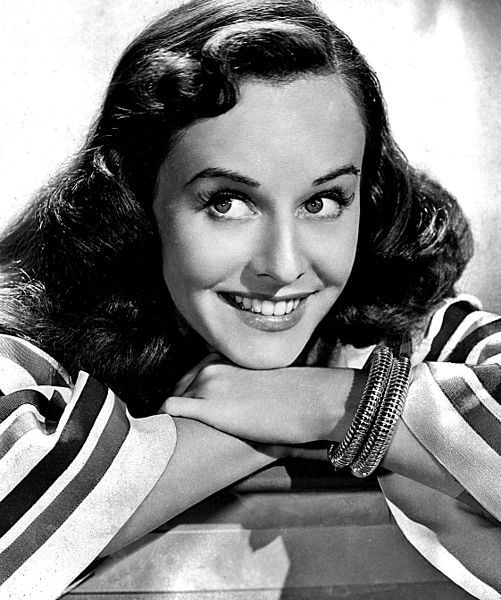
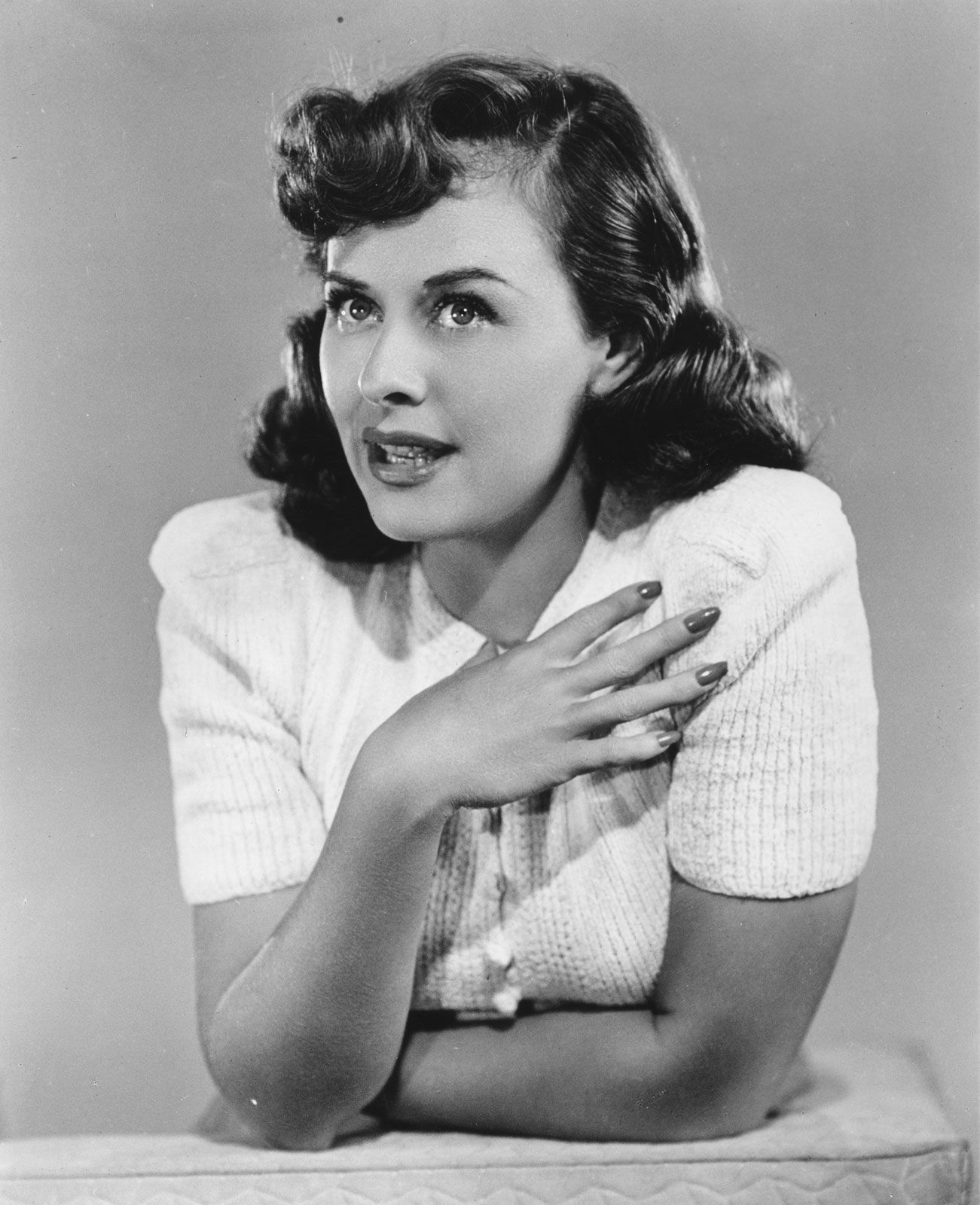
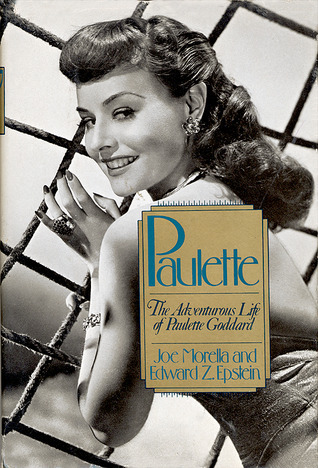
Paulette Goddard, a vivacious film actress adept at playing both sophisticated comedy and sultry melodrama, died of heart failure yesterday at her home outside the Swiss resort of Ronco overlooking Lake Maggiore. Her age was usually listed as 78.
Miss Goddard, a Hollywood star of the 1930’s, 40’s and 50’s, was also publicized for her friendships with many notable figures; her marriages to Charles Chaplin, Burgess Meredith and Erich Maria Remarque, and her glamorous life style.
The actress, a former fashion model and showgirl, made her first major screen appearance in 1936 as a waterfront waif befriended by a forsaken assembly-line worker (played by Chaplin) in ”Modern Times,” the last silent comedy feature.
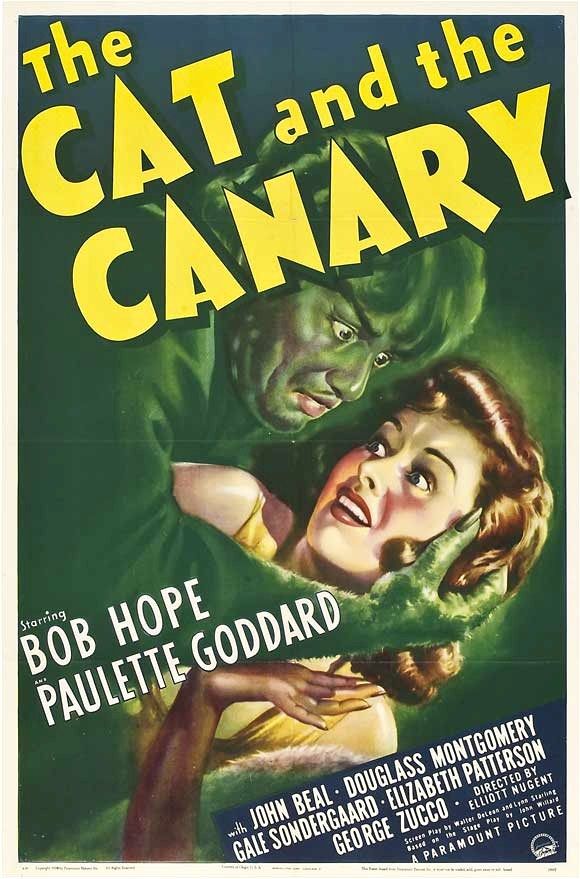
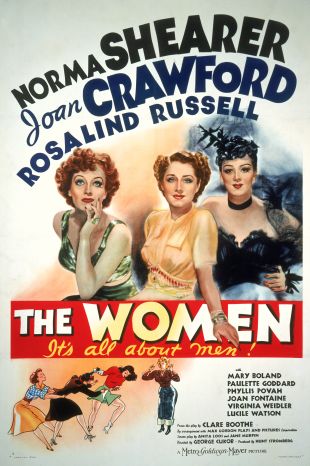
Hollywood quickly took notice, and Miss Goddard earned leading comedy roles as an adventuress in ”The Young in Heart,” as a battling wife seeking a Reno divorce in ”The Women,” and as Bob Hope’s pert romantic foil in ”The Cat and the Canary” and ”The Ghost Breakers.”
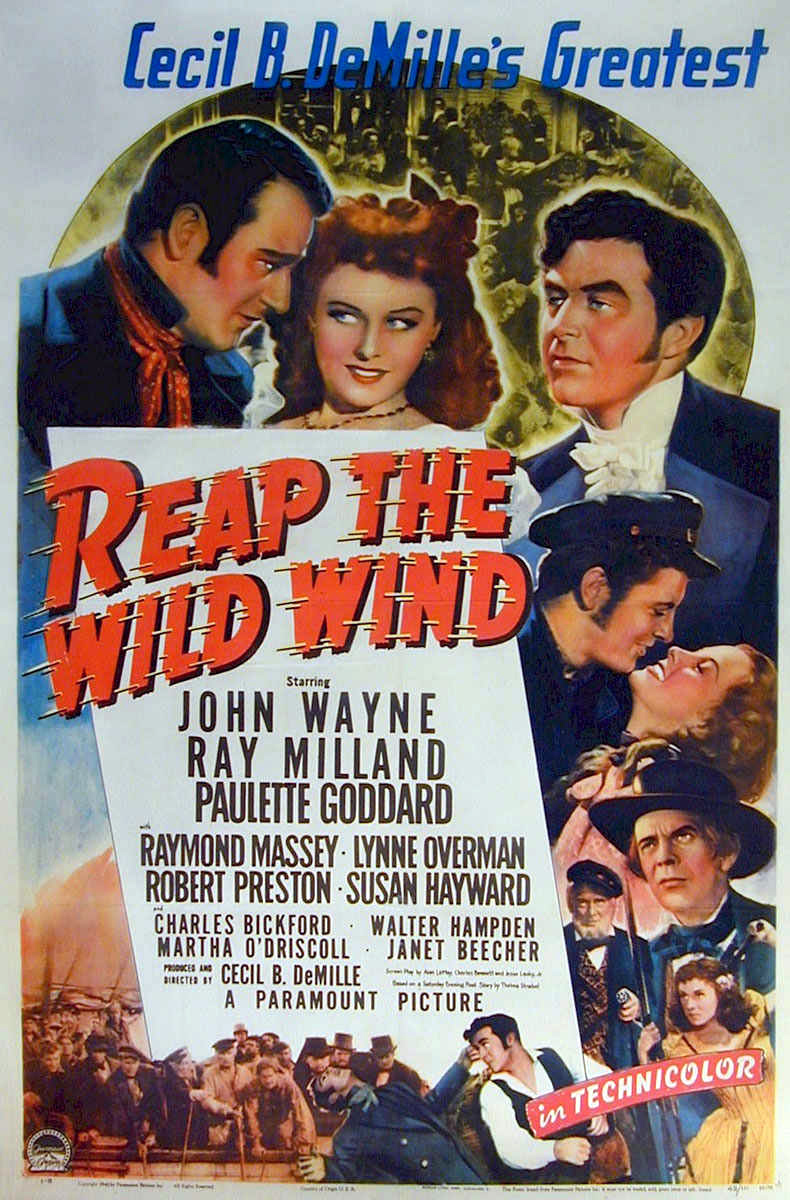
Other early roles included a put-upon laundress in Mr. Chaplin’s ”Great Dictator” (1940); Fred Astaire’s partner in ”Second Chorus” (1941), in which she gamely struggled to keep up with him in the dance ”I Ain’t Hep to That Step, But I’ll Dig It,” and a lusty Southern belle singing a suggestive sea chanty to a party of prudes in the 1942 adventure ”Reap the Wild Wind.”
The last of these roles was a consolation prize for the major disappointment of her acting career: losing the coveted part of Scarlett O’Hara to Vivien Leigh in the final round of the ”Gone With the Wind” competition. At the time Miss Goddard said she ”cried her eyes out,” but years later she said she recalled the episode as only ”like a game.”
Miss Goddard, an energetic and articulate woman, was a close friend of a wide range of artists, including the composer George Gershwin, the Mexican muralist Diego Rivera and the artist Andy Warhol. She was wealthy, both from her Hollywood salaries and her husbands, but in later years she sold many costly artworks at auction, including her collection of Impressionist art, which was sold in 1979 for $2.9 million.
At the time, she said her reason for selling was no secret. ”It’s because I don’t want the responsibility any longer for this movable feast,” she said, explaining that she was tired of carting the art from Switzerland to California and New York when she changed residences. Coincidentally, more than 20 items in her extensive jewelry collection are being sold today as part of an auction at Sotheby’s in New York.
The actress was known for her philanthropies as well as her art and gems. In the last 12 years, she awarded more than $3 million in scholarships to 300 theater and film students at New York University’s Tisch School of the Arts. She had previously given the university the diaries, manuscripts and personal library of Remarque, who died in 1970. In a statement yesterday, John Brademas, the university’s president, hailed the ”vision and continued generosity” of ”this remarkable actress.”
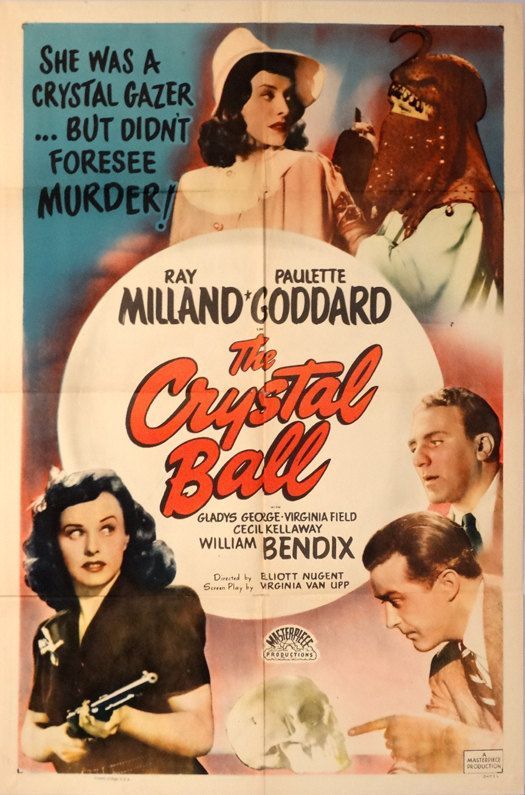
Miss Goddard’s acting also inspired tributes. The writer Robert Benchley praised her as ”a woman who could charm a rock,” and Ray Milland, a frequent co-star, hailed her as ”the most honest actress I ever knew; she gave it all she had.”
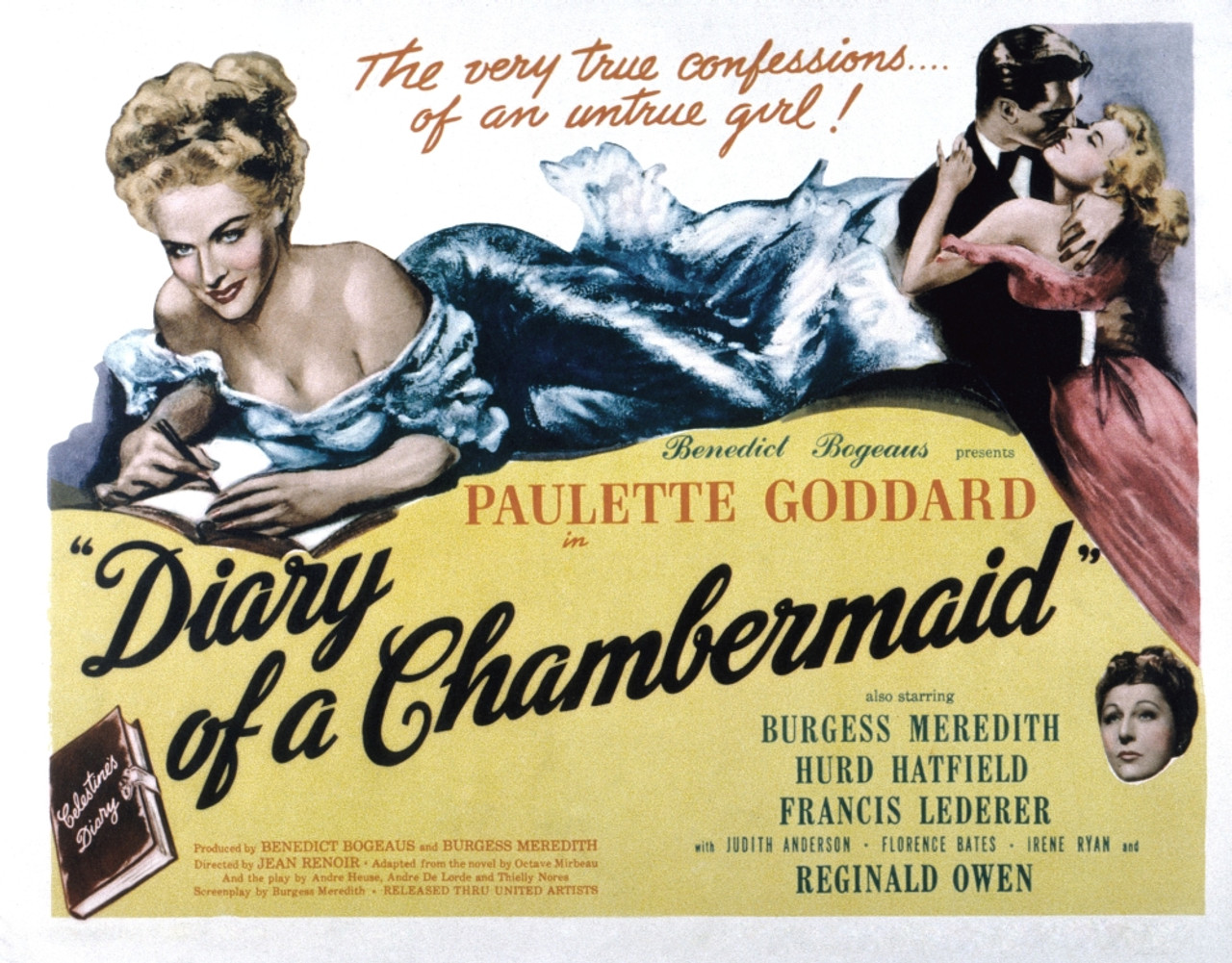
A celebrated Goddard role was a witty social-climber in ”The Diary of a Chambermaid,” directed in 1946 by Jean Renoir. She said she preferred such roles to ”sweet, boring” parts and that moviegoers also favored ”adventuruous characters because 90 percent of the public is good.” When an interviewer called her glamorous, she defined glamour as ”a spell of charm,” adding: ”I don’t want to be a phony. I want to be real.”
The actress could also be blunt. When several of her friends were accused of being Communists by members of Congress in 1947, she remarked, ”If anyone accuses me of being a Communist, I’ll hit them with my diamond bracelets.”
Paulette Goddard was born Marion Levy in Great Neck, L.I., on June 3, 1911, according to major film refererence works. However, news agencies yesterday quoted municipal employees in Ronco as giving her birth year of record as 1905. Her parents separated in her childhood, and she later chose her mother’s maiden name, Goddard.
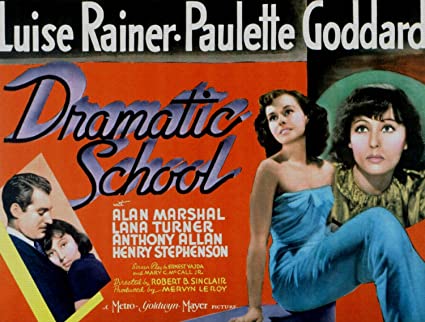
She left school early and became a Powers model and then a Ziegfeld Girl. She was briefly married to Edgar W. James, a lumber industrialist, and soon sought fame in Hollywood. She played a series of chorus and other bit parts, joined the Hal Roach stock company and met Mr. Chaplin, from whom she became inseparable.
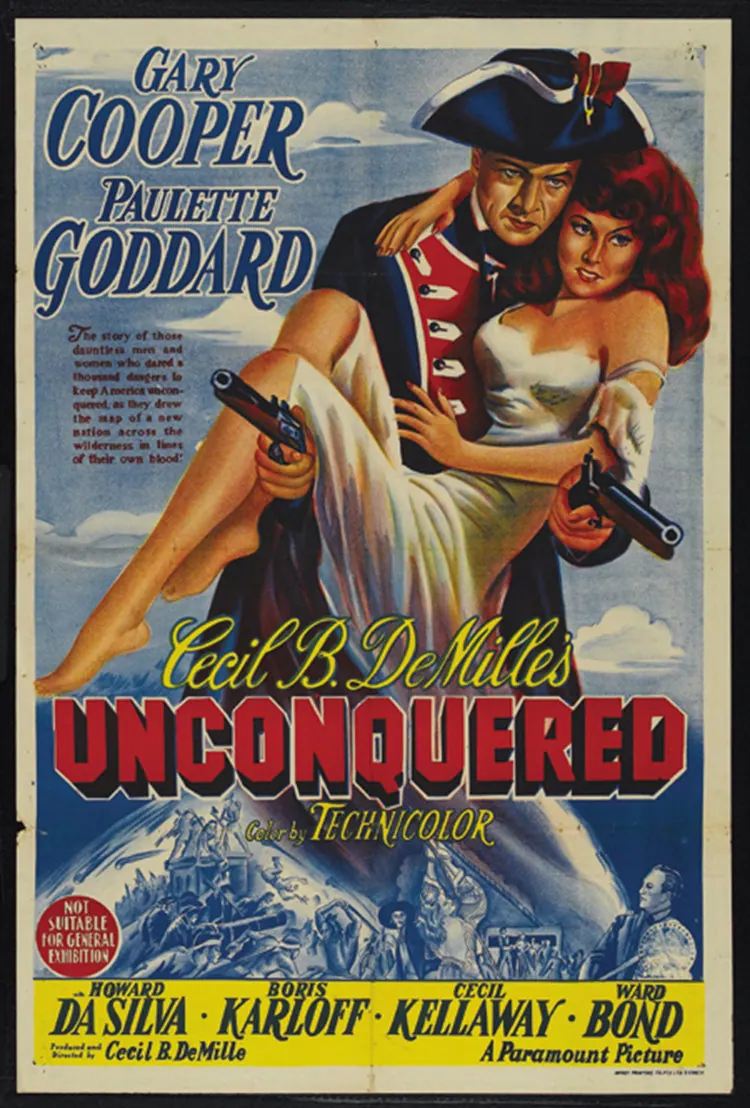
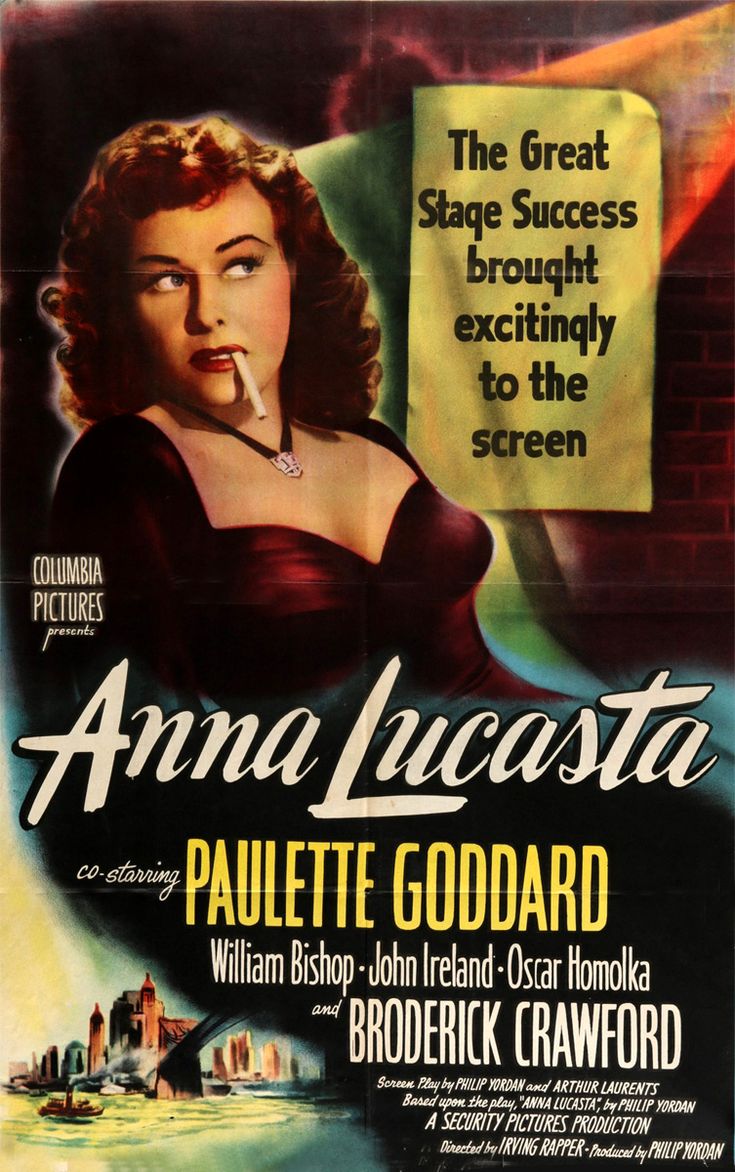
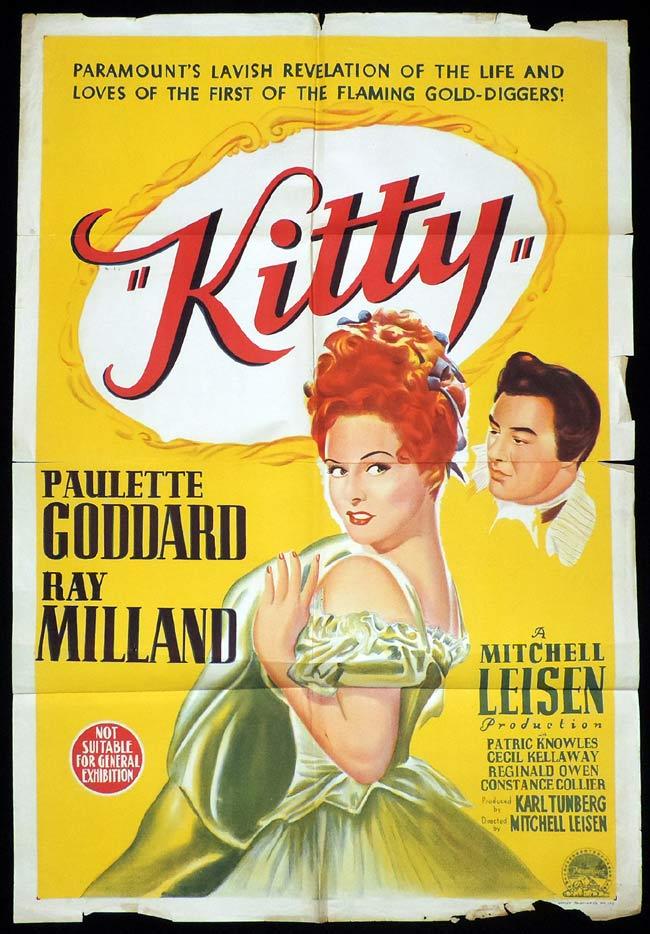
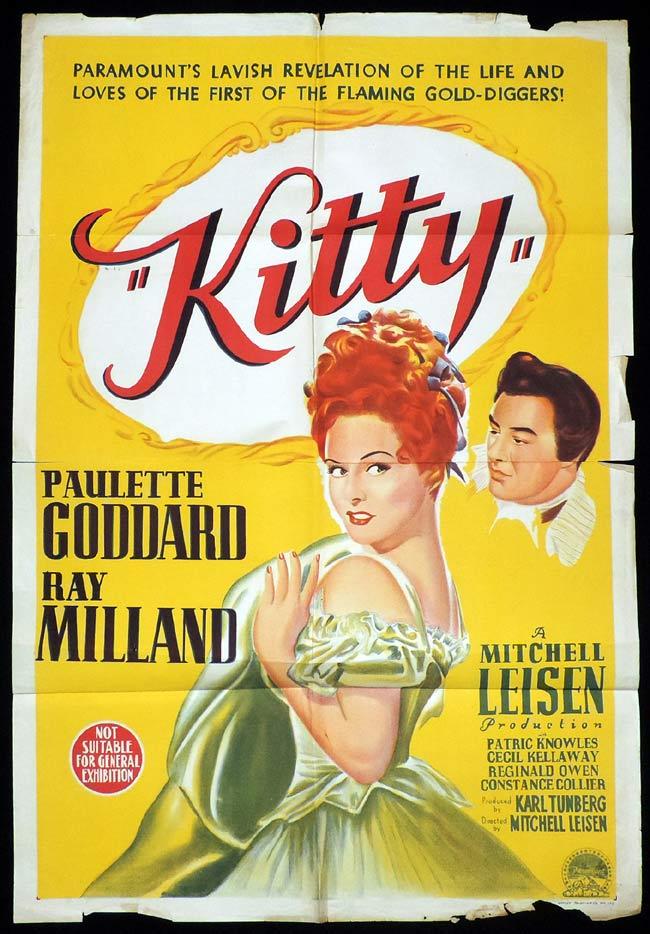
Miss Goddard’s later film roles included ”North West Mounted Police” (1940), ”Nothing But the Truth” (1941), ”So Proudly We Hail” (1943), ”Kitty” (1946), ”Unconquered” (1947) and ”Anna Lucasta” (1949).
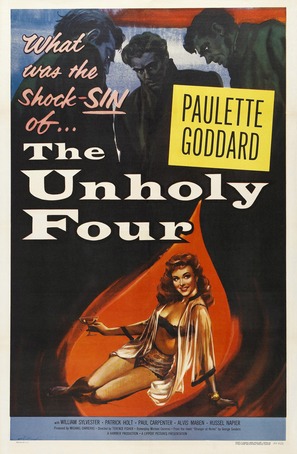
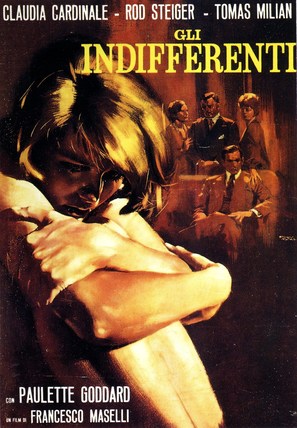
Her roles in the 1950’s were disappointing, and, except for a 1964 Italian film, ”Time of Indifference,” she lived in retirement with Mr. Remarque from the time of her marriage to the novelist in 1958 until his death. Her other marriges ended in divorce.
There are no immediate survivors.
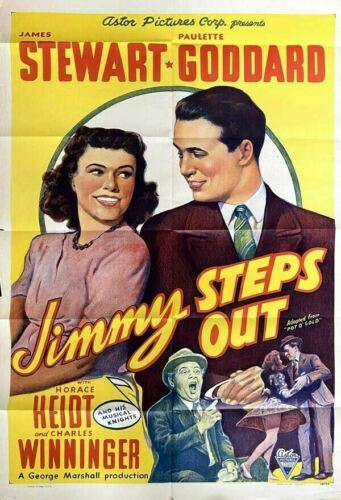
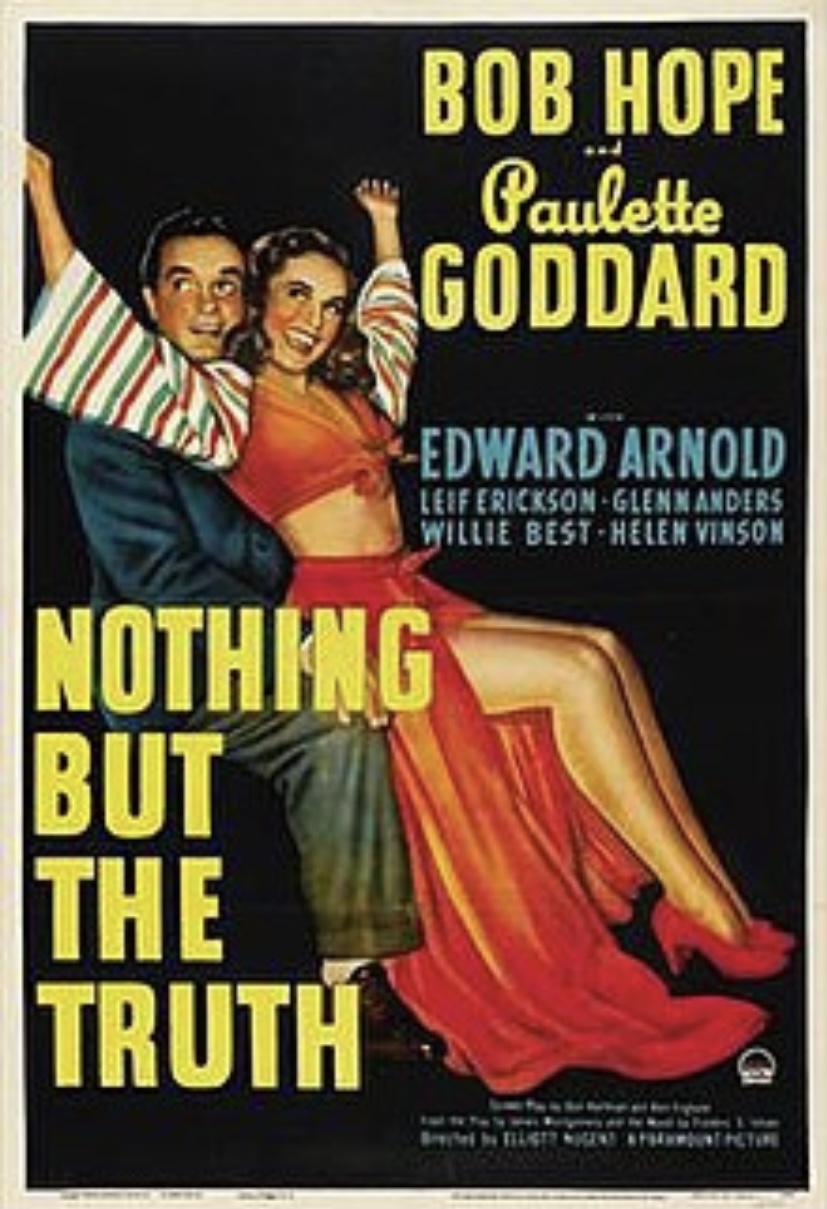
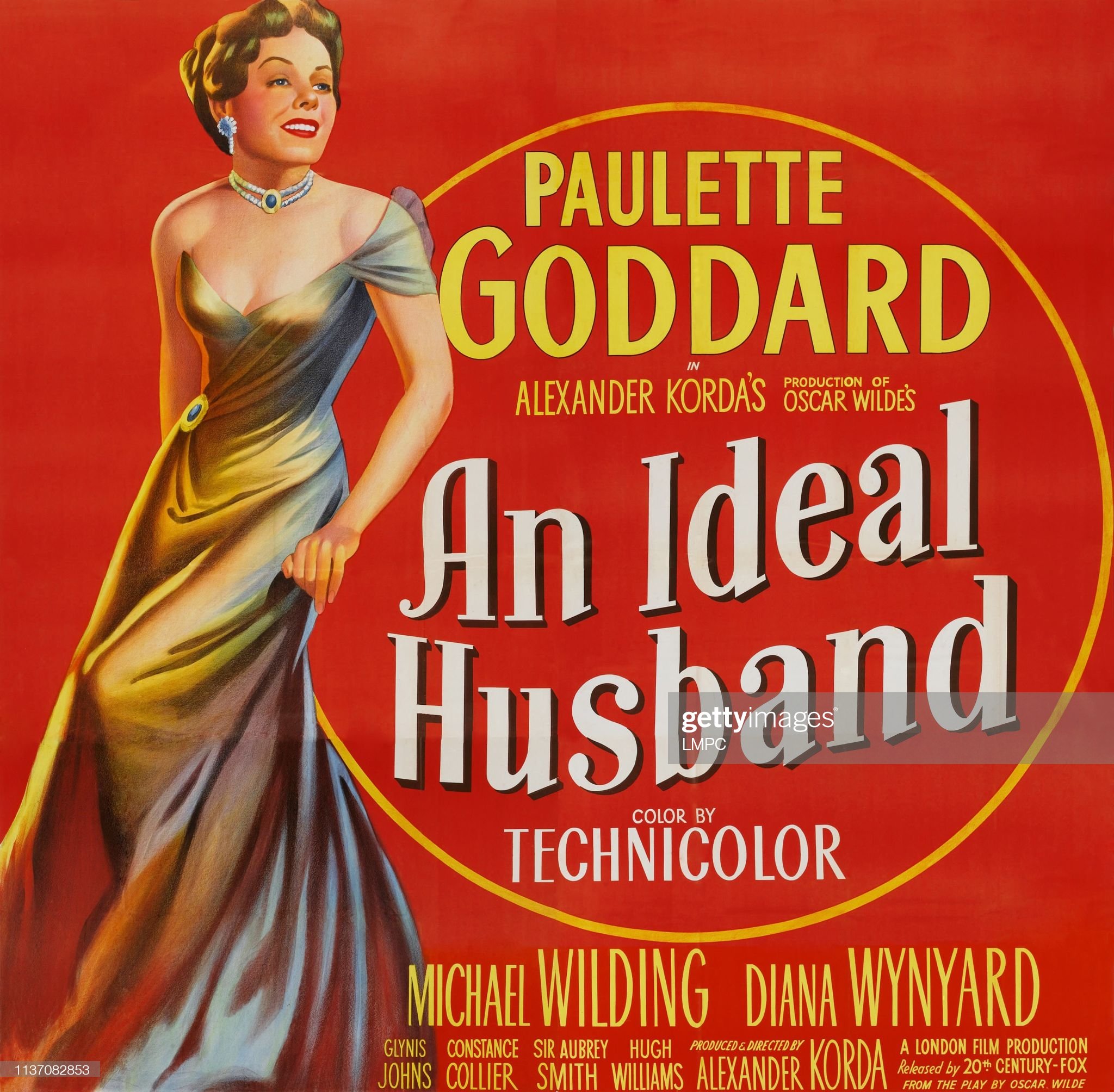
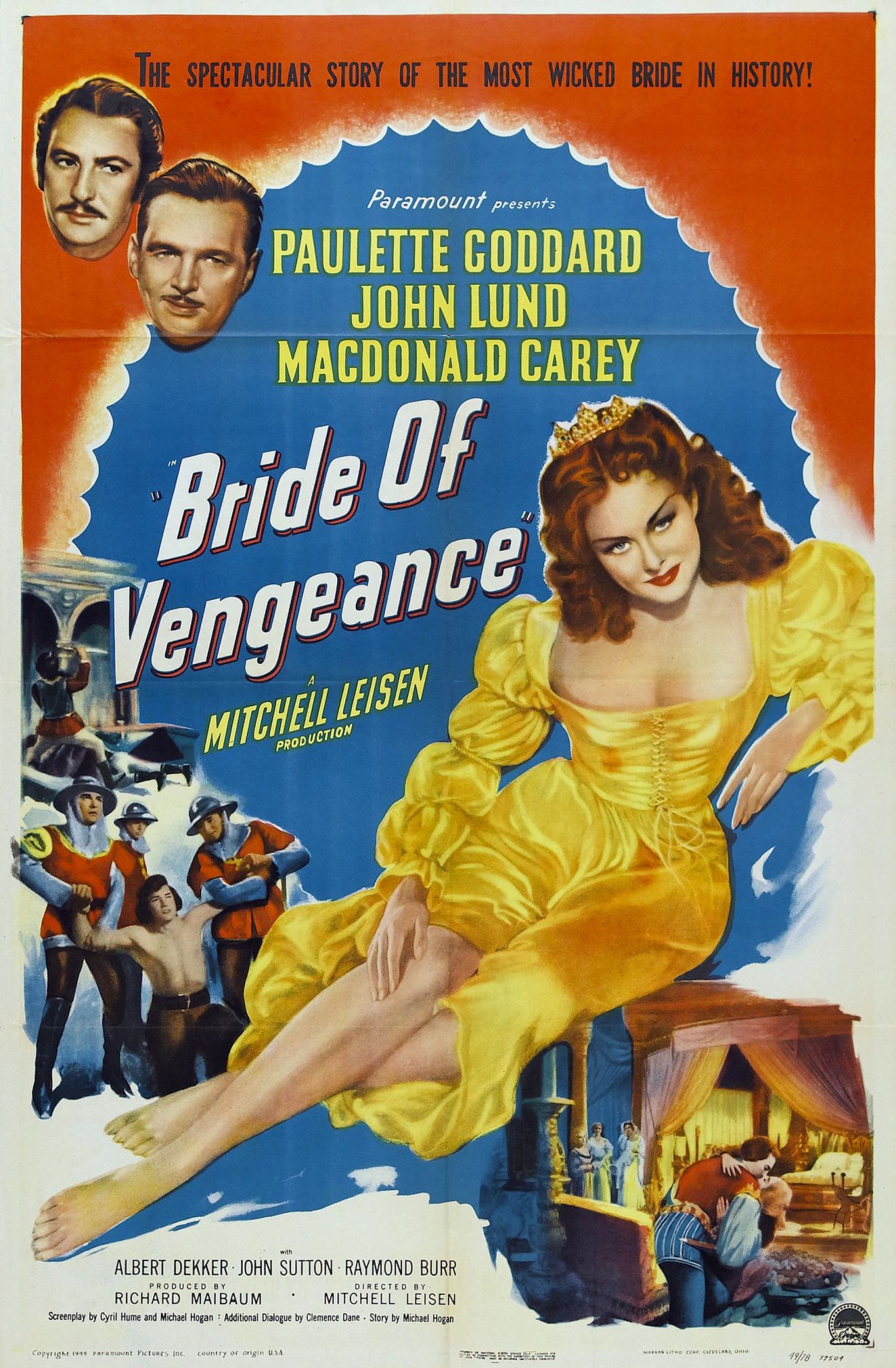
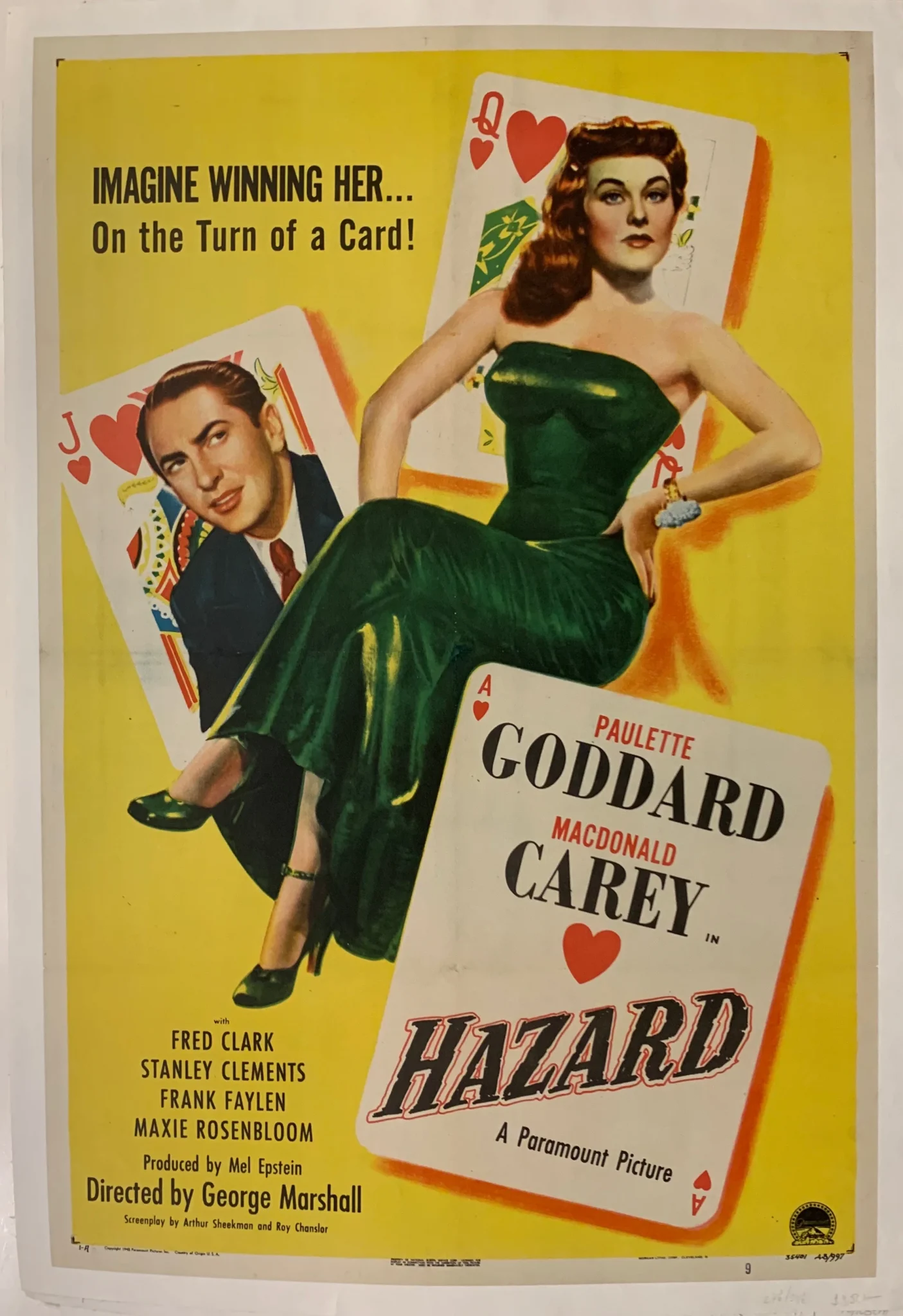
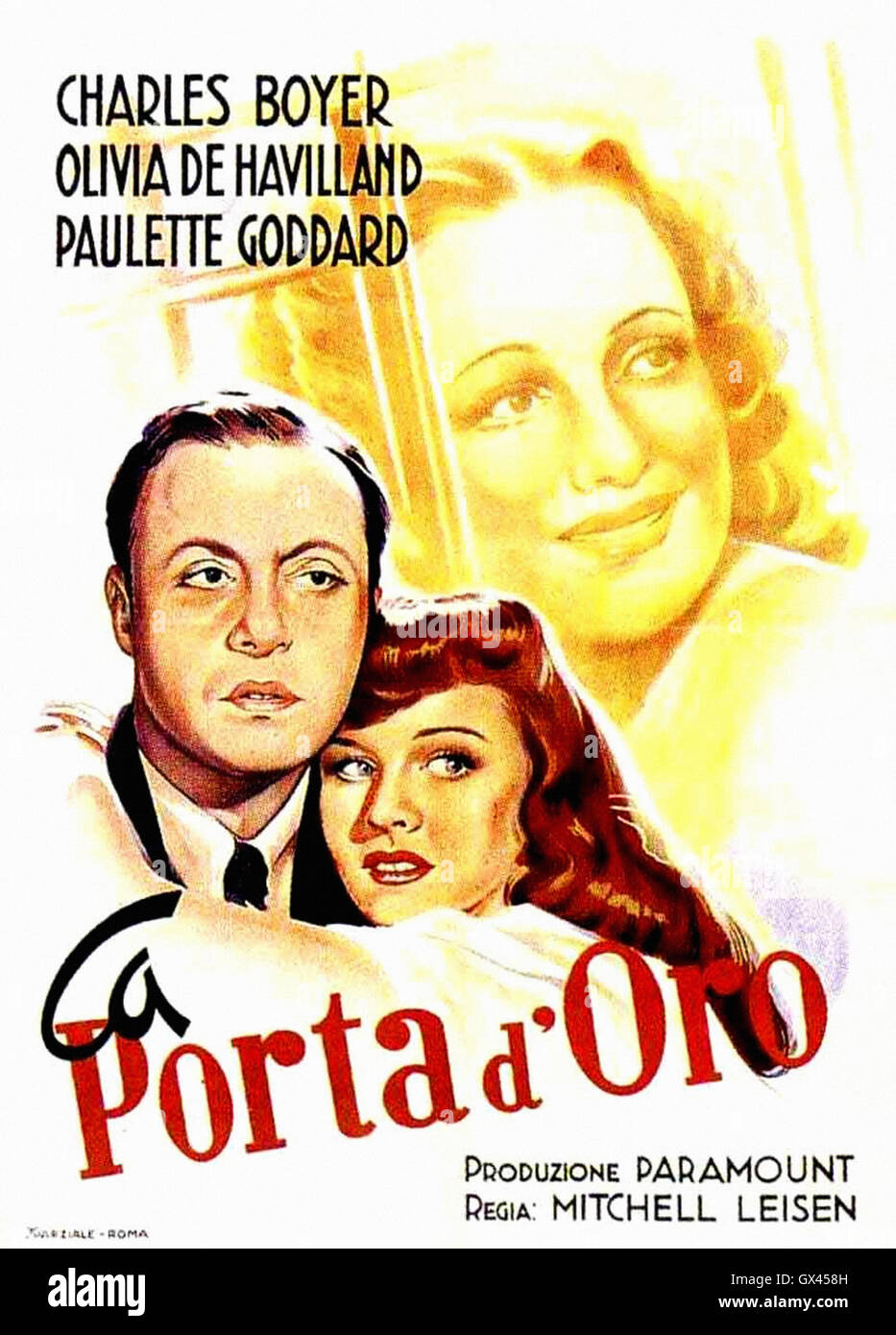
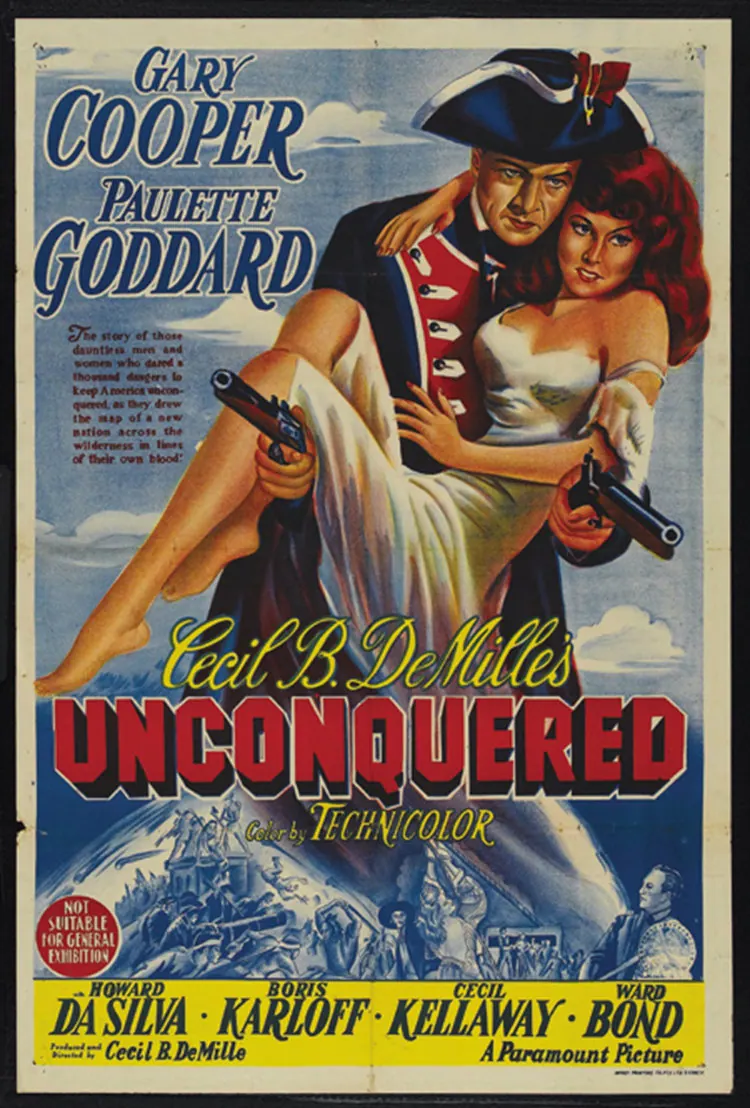
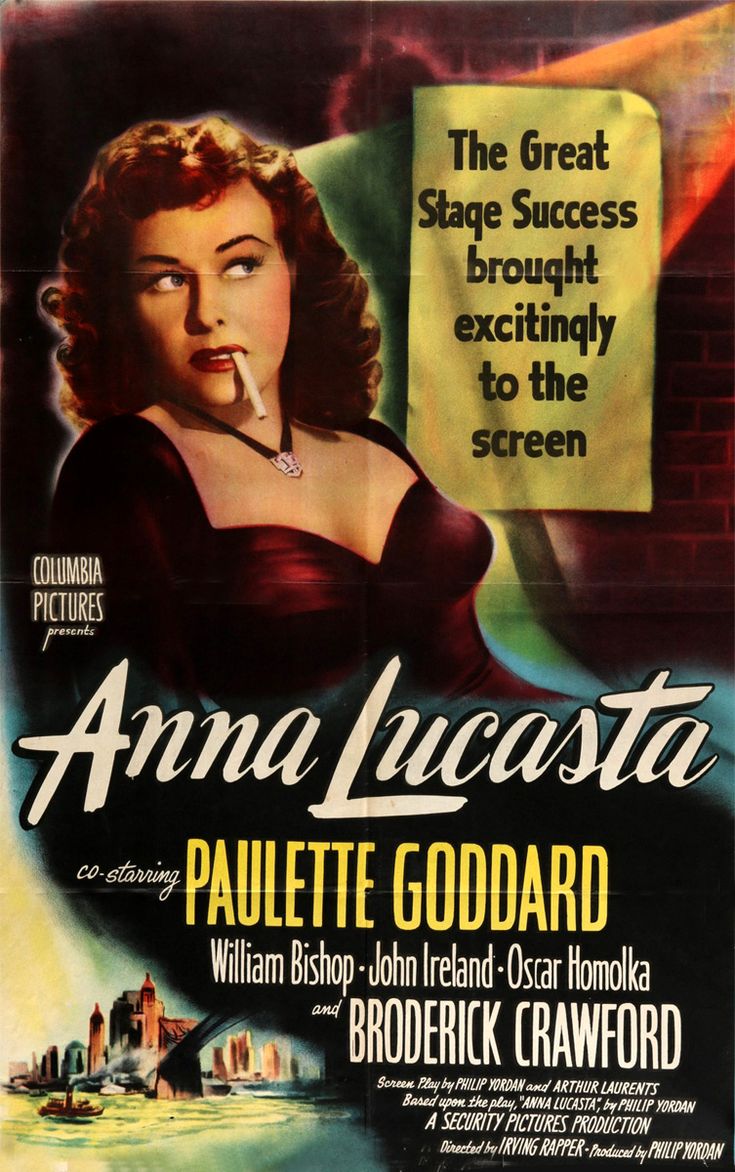
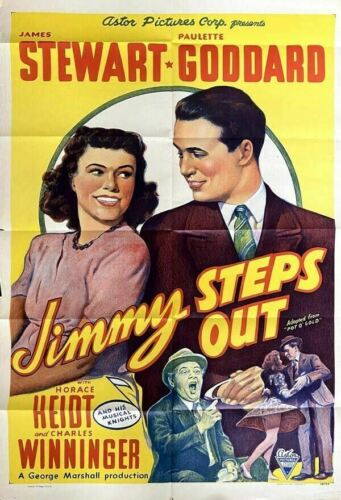

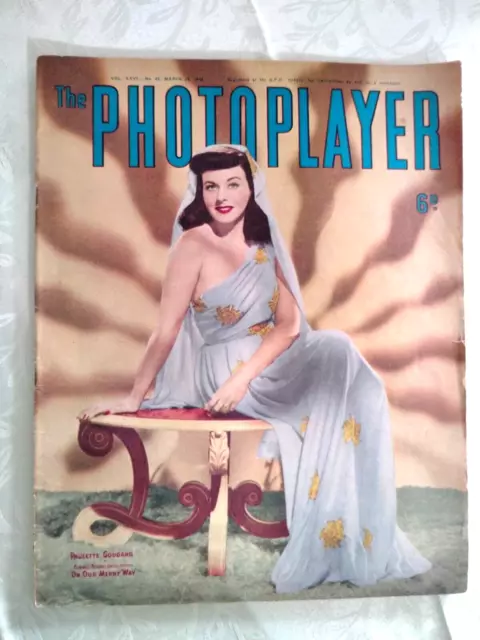
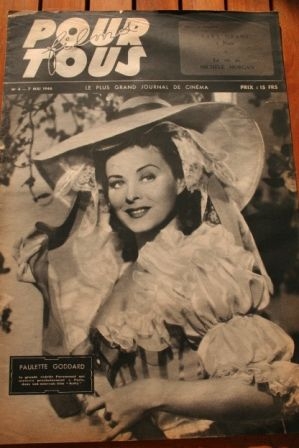
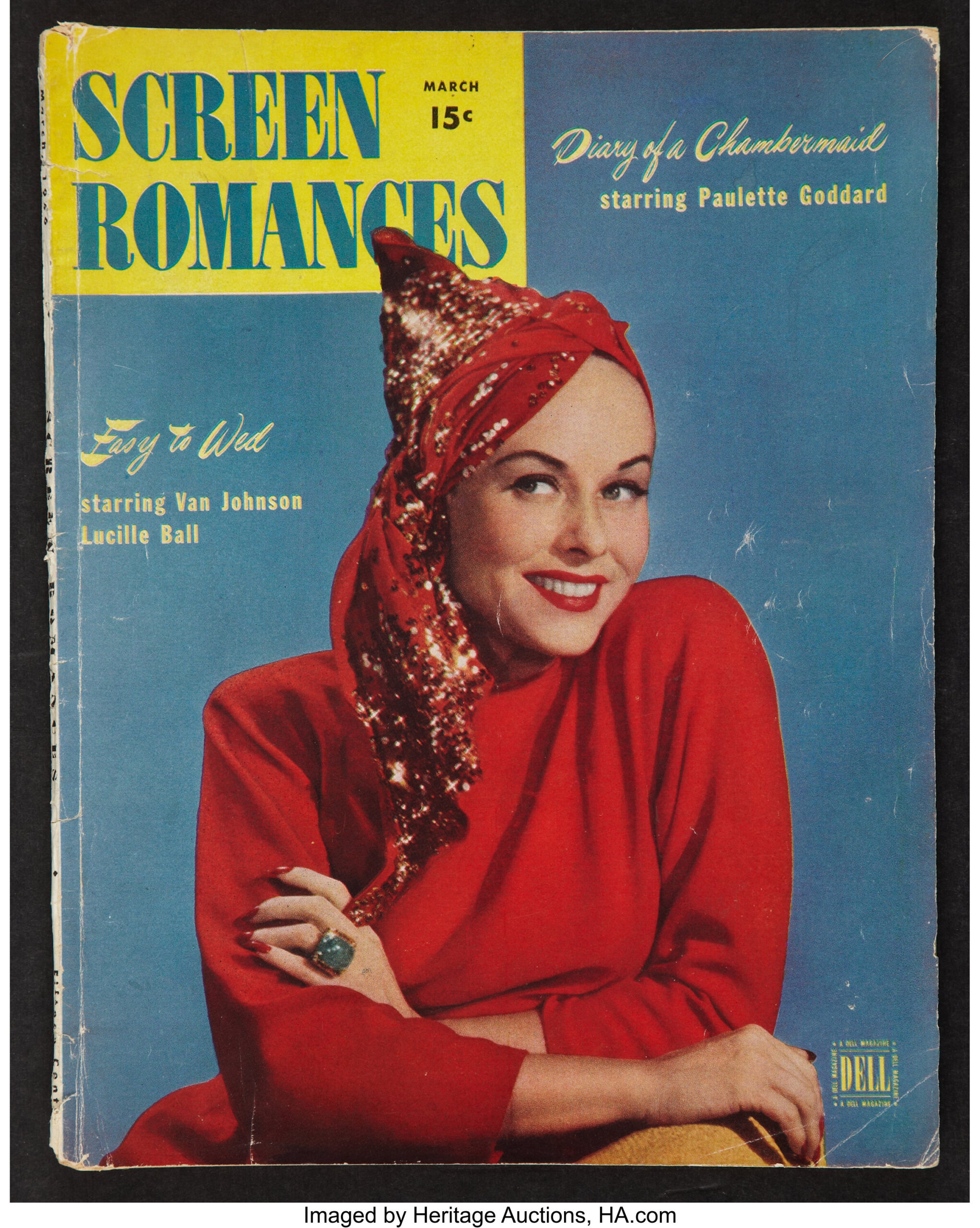
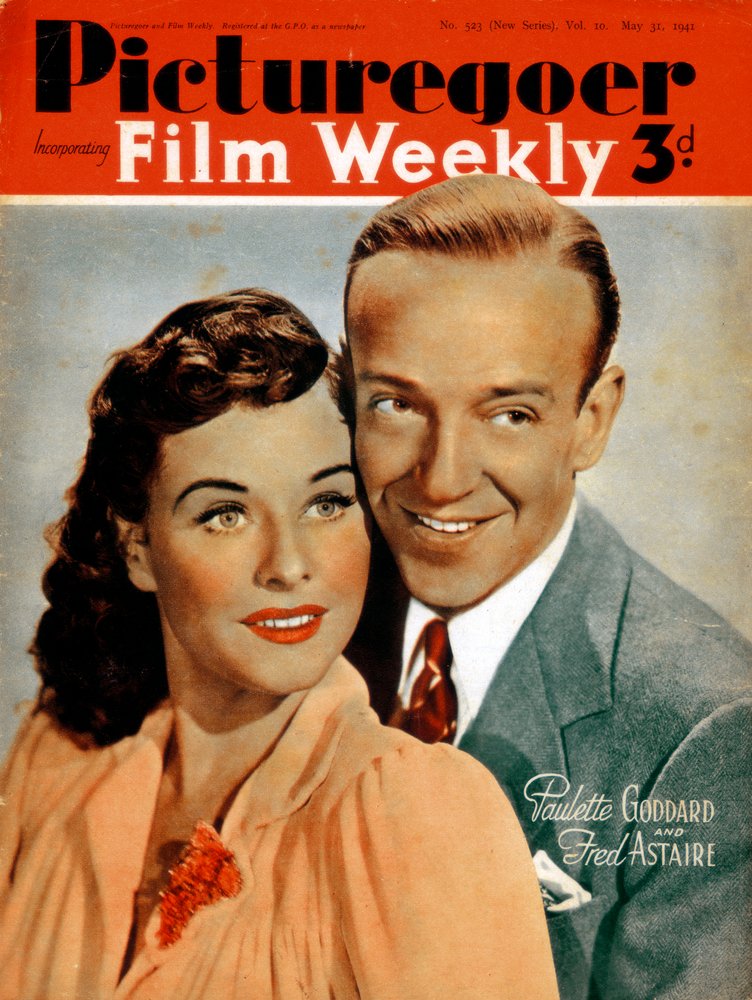
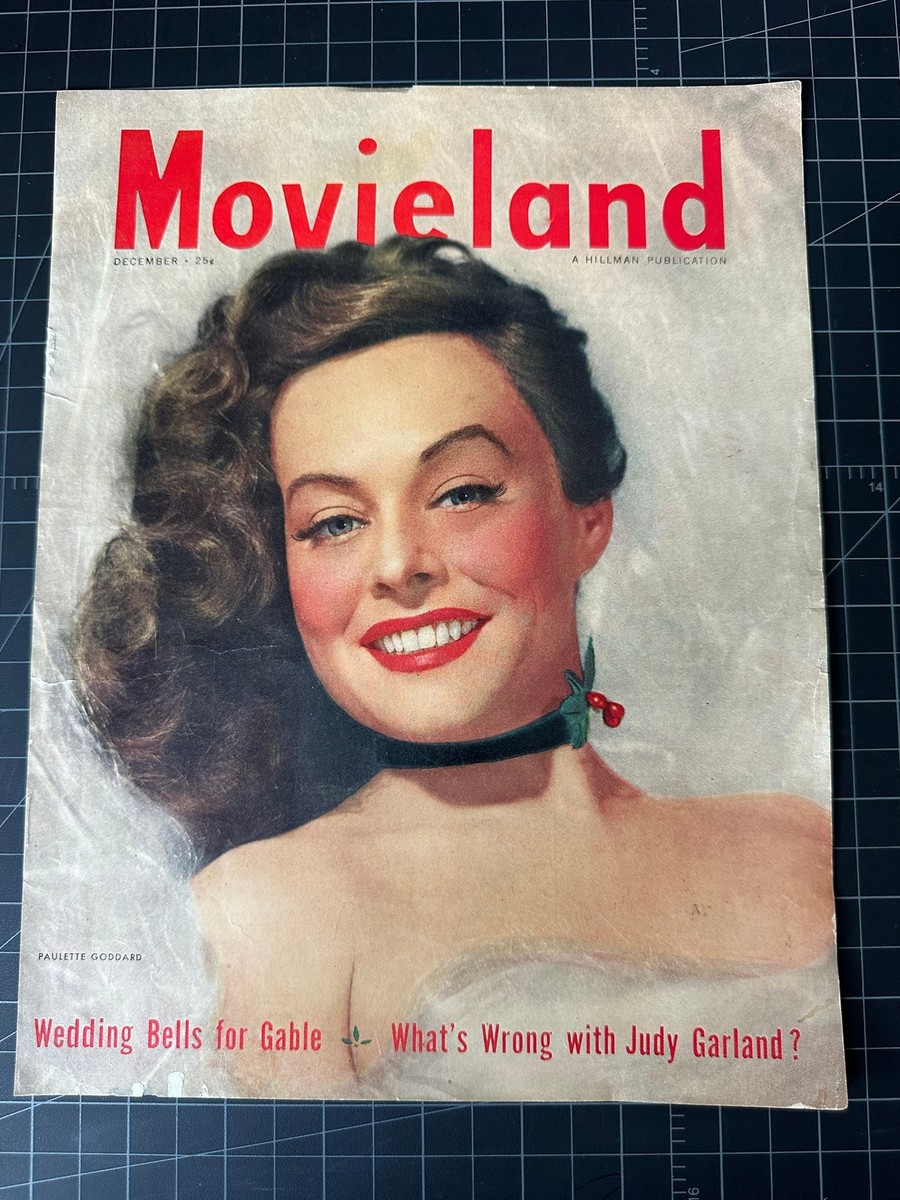
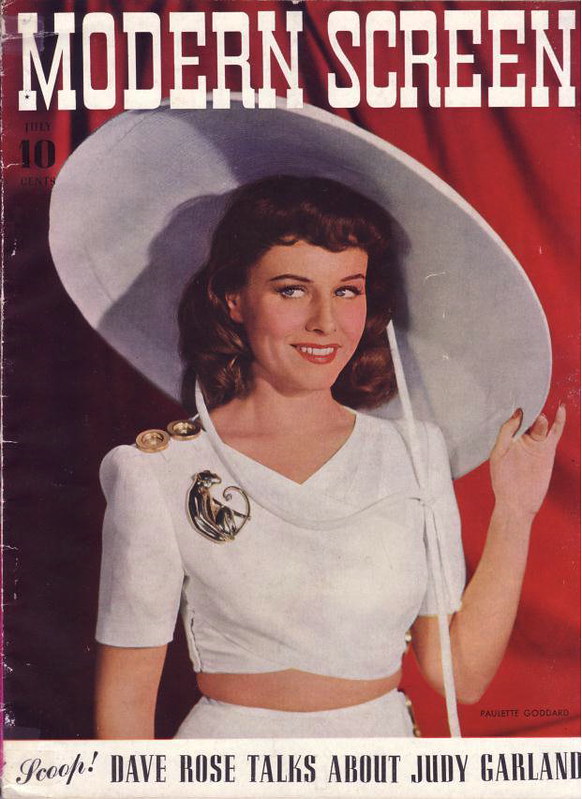
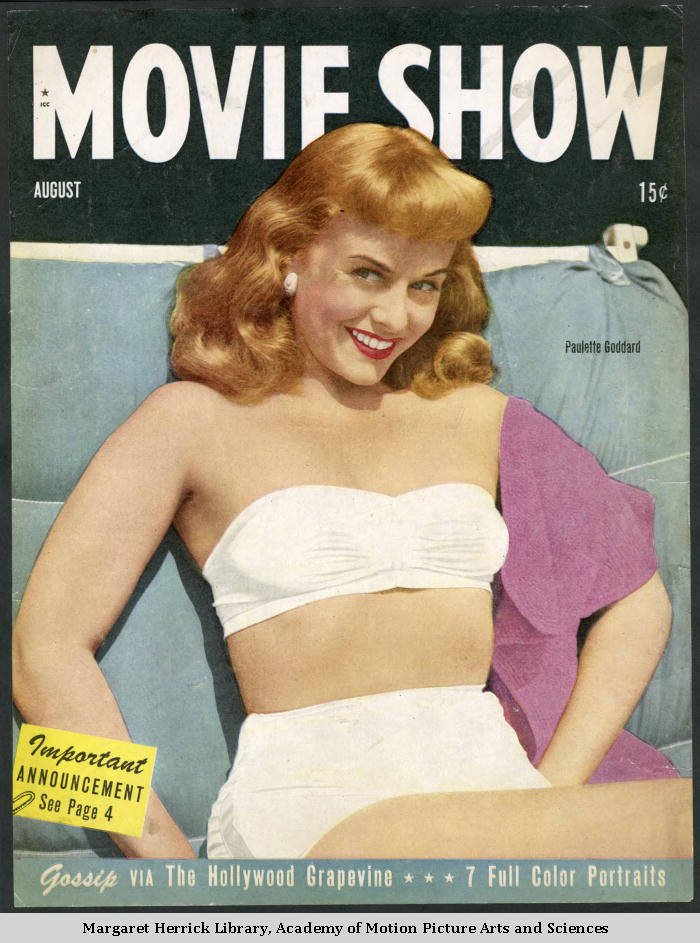
Paulette Goddard (1910–1990) was an American actress and style icon whose career spans the 1930s Golden Age of Hollywood, the RKO romantic adventure cycle, and later more modest films and television. She began as a showgirl, married a millionaire, and then built an independent film career as a fiercely independent, modern‑looking “working‑girl” and gamine, before becoming one of the first major star‑produced leading ladies of the studio era.
Early career and relationship with Chaplin
Goddard started in the New York stage and the Ziegfeld Follies, then moved to Hollywood in the early 1930s, where she appeared in small roles before catching the eye of Charlie Chaplin. She became his companion and later (disputed) third wife, a relationship that shaped her early career and public image. Chaplin cast her in his two most pivotal transitional films:
Modern Times (1936), his last “silent” feature, in which she plays the Gamin, a street‑wise, impoverished orphan who forms a fragile, almost fairy‑tale‑like bond with the Tramp.
The Great Dictator (1940), his first proper sound feature, where she plays Hannah, the Jewish barmaid who embodies both hope and quiet resilience in the film’s anti‑fascist allegory.
Critics often describe her performances in these films as perfectly calibrated to Chaplin’s style: spirited, physically articulate, and emotionally open, yet never over‑the‑top. As the Gamin, she is at once plucky and vulnerable, and her chemistry with Chaplin’s Tramp adds a rare sense of romantic possibility to his work. In The Great Dictator, she anchors the film’s emotional core, giving a relatively restricted, morally upright role enough warmth and conviction to keep the satire grounded.
1939–40s stardom at Paramount
In 1939 Goddard signed with Paramount and became one of the studio’s top stars, working in a wide range of genres. Her pairing with Bob Hope in The Cat and the Canary (1939) and its follow‑up The Ghost Breakers (1940) helped define the horror‑comedy formula that Hope would later perfect, and her poised, game‑for‑anything persona made her an ideal foil for his comic panic. She also appeared in the all‑female ensemble The Women (1939), where she plays the ruthless, glamorous Miriam Aarons; Pauline Kael later called her “a stand‑out” in the film, praising her energy and comic timing.
Other major 1940s roles include:
Reap the Wild Wind (1942), Cecil B. DeMille’s Technicolor sea‑adventure, in which she plays the Scarlett‑like “man‑mad” socialite, a showy, flamboyant part that leans on her confidence and comic brashness.
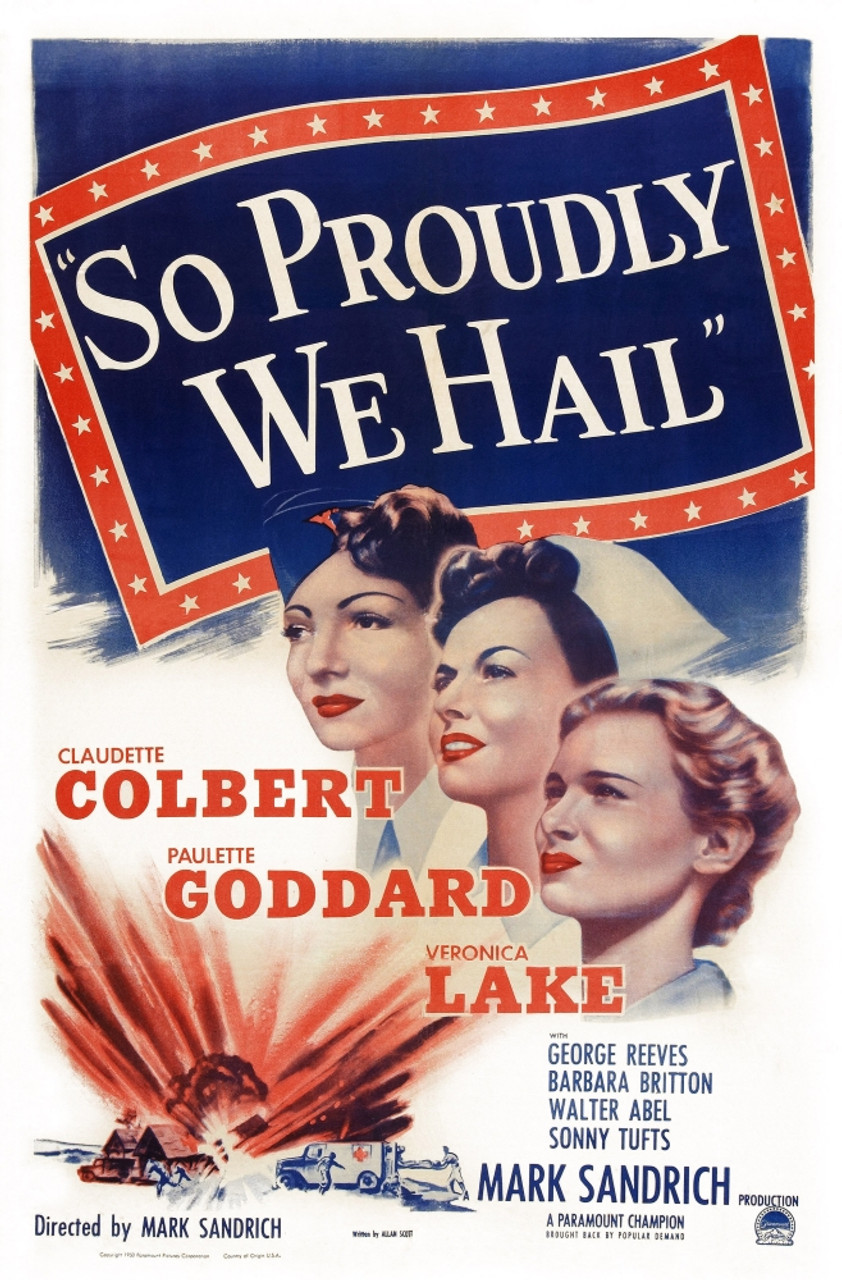
So Proudly We Hail! (1943), a patriotic World War II drama, where she plays Lt. Joan O’Doul, a nurse who gradually becomes emotionally hardened by combat conditions; this performance earned her an Academy Award nomination for Best Supporting Actress and is often cited as her most serious, naturalistic work.
Critics reading this phase of her career tend to see her as a rare leading lady who could move easily from screwball and horror‑comedy to war‑drama grit without losing her distinctive spark. Her modern, slightly “New York‑tough” affect—smart, self‑possessed, and willing to be funny—marked a shift away from the more ornamental or purely decorative types of 1930s star, and she became a prototype of the independent, working‑class‑adjacent screen woman of the 1940s.
Later films and self‑production
Goddard’s later work includes a mix of comedies, adventures, and period pieces, and from the mid‑1940s onward she began producing her own films, a rare move for a major actress at the time. She produced and starred in:
The Diary of a Chambermaid (1946), a psychological drama based on the Octave Mirbeau novel, where she plays the seductive, manipulative Célestine; critics note that the film showcases her ability to handle morally ambiguous, adult material, even if the film’s tone is uneven.
Anna Lucasta (1949), a controversial drama centered on a “fallen woman” in a waterfront setting, where she plays the promiscuous title character in a film that many later reviewers see as overheated and exploitative, despite her committed performance.
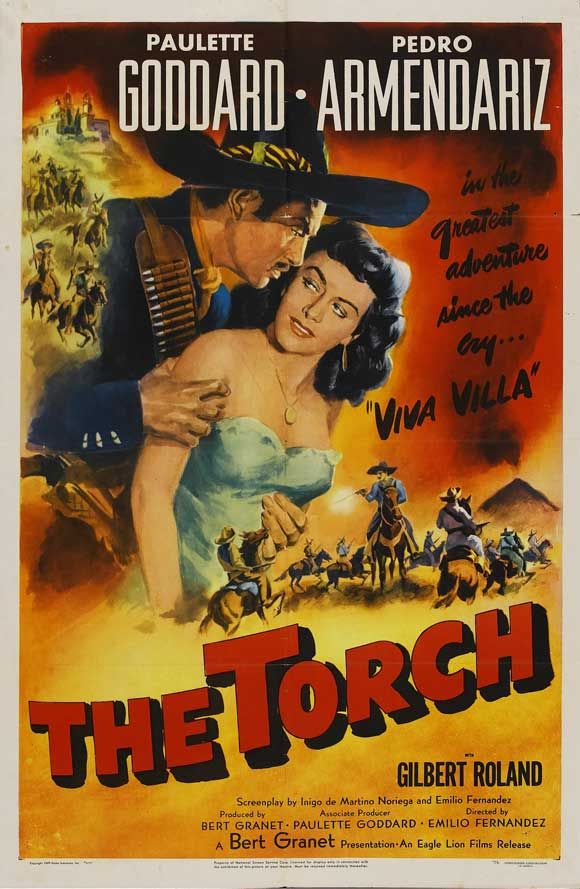
She also appeared in the lavish Technicolor epic Unconquered (1947) with Gary Cooper, and in smaller‑scaled pictures such as The Torch (1950) and The Lady Has Plans (1942). Her 1949 pairing in Bride of Vengeance (as a heavily stylized Lucrezia Borgia) was widely panned, with critics and admirers alike complaining that the role turned her into a bizarre, over‑made‑up costume‑mania figure, a “vanity project” that undercut her earlier gravitas.
Critical reputation and performance style
Goddard is remembered as a versatile, modern‑looking gamine who could be tough, sexy, and heartbreakingly vulnerable in the same performance. Her acting style is marked by:
A bright, open‑faced expressiveness and a strong physical presence, rooted in her stage and show‑girl background.
An ability to blend comedy and drama, often conveying a character’s resilience and pragmatism with a wry smile or a quick, sceptical look.
Critically, she is often read as a woman who took advantage of the changing roles for women in the 1930s and 1940s: she starts as Chaplin’s spirited Gamin and ends as a producer‑star experimenting with morally complex material, even if some of those experiments did not land artistically. Her career never fully consolidated into a single “auteur‑defined” persona à la Katherine Hepburn or Bette Davis, but she remains a key figure in how the “independent, modern woman” was staged in Golden Age Hollywood.
In sum, Paulette Goddard’s career is best understood as that of a shrewd, stylish actress who evolved from a show‑girl glamour figure into a serious, self‑made star, leaving behind a varied body of work that mixes smart comedy, patriotic drama, and ambitious, sometimes flawed, dramatic projects—all held together by a consistently modern, self‑possessed screen personality