


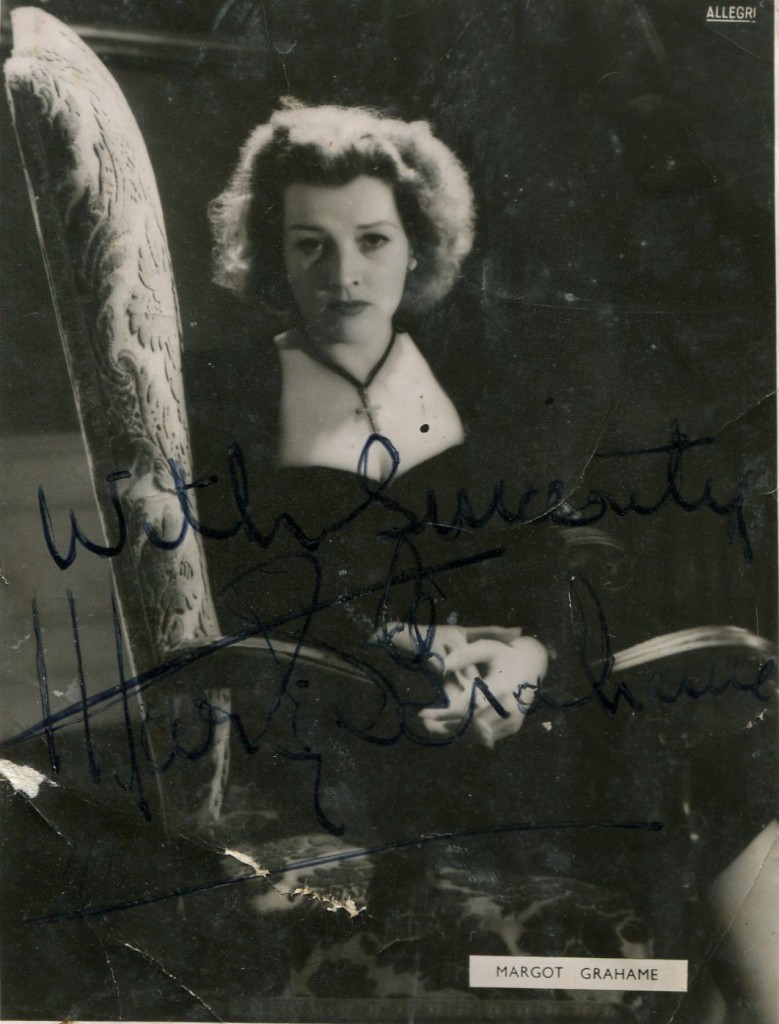
Margot Grahame ( 1911 – 1982) was an English actress most noted for starring in The Informer (1935) and The Three Musketeers(1935). She started acting in 1930 and made her last screen appearance in 1958.
Her family went to South Africa when she was three years old, which led to her being educated there. She began her stage career in Pretoria, with Dennis Neilson-Terry, a few weeks after leaving school at the age of 14. She made her London stage debut in 1927 as understudy to Mary Glynne in The Terror. Her screen debut was in the 1930 film Rookery Nook.
During the early 1930s, Grahame was gradually becoming a popular actress in Britain. Hollywood producers were impressed that, in only three years, she had appeared in 42 major roles in British films. After she went to America, she was signed to a long-term contract with RKO and performed in a number of movies from the mid-1930s to the late 1950s
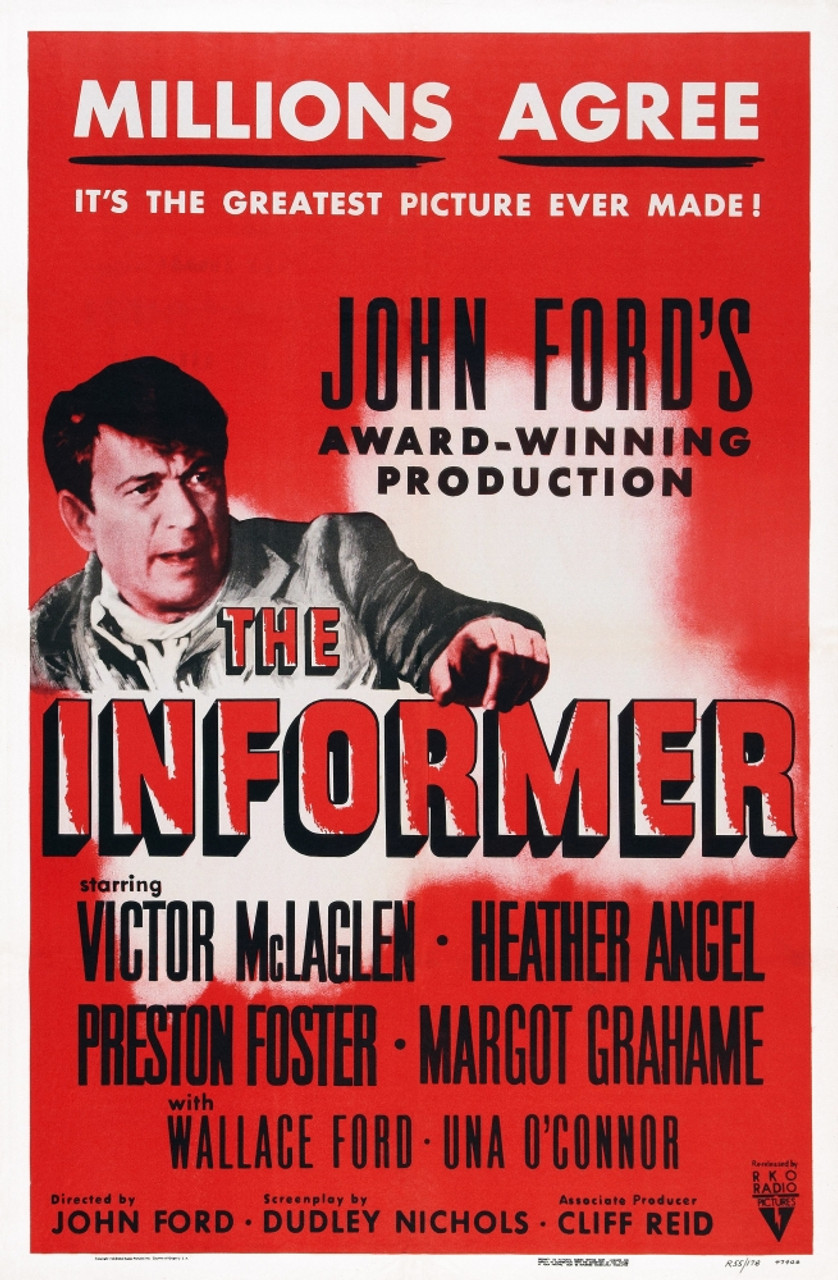
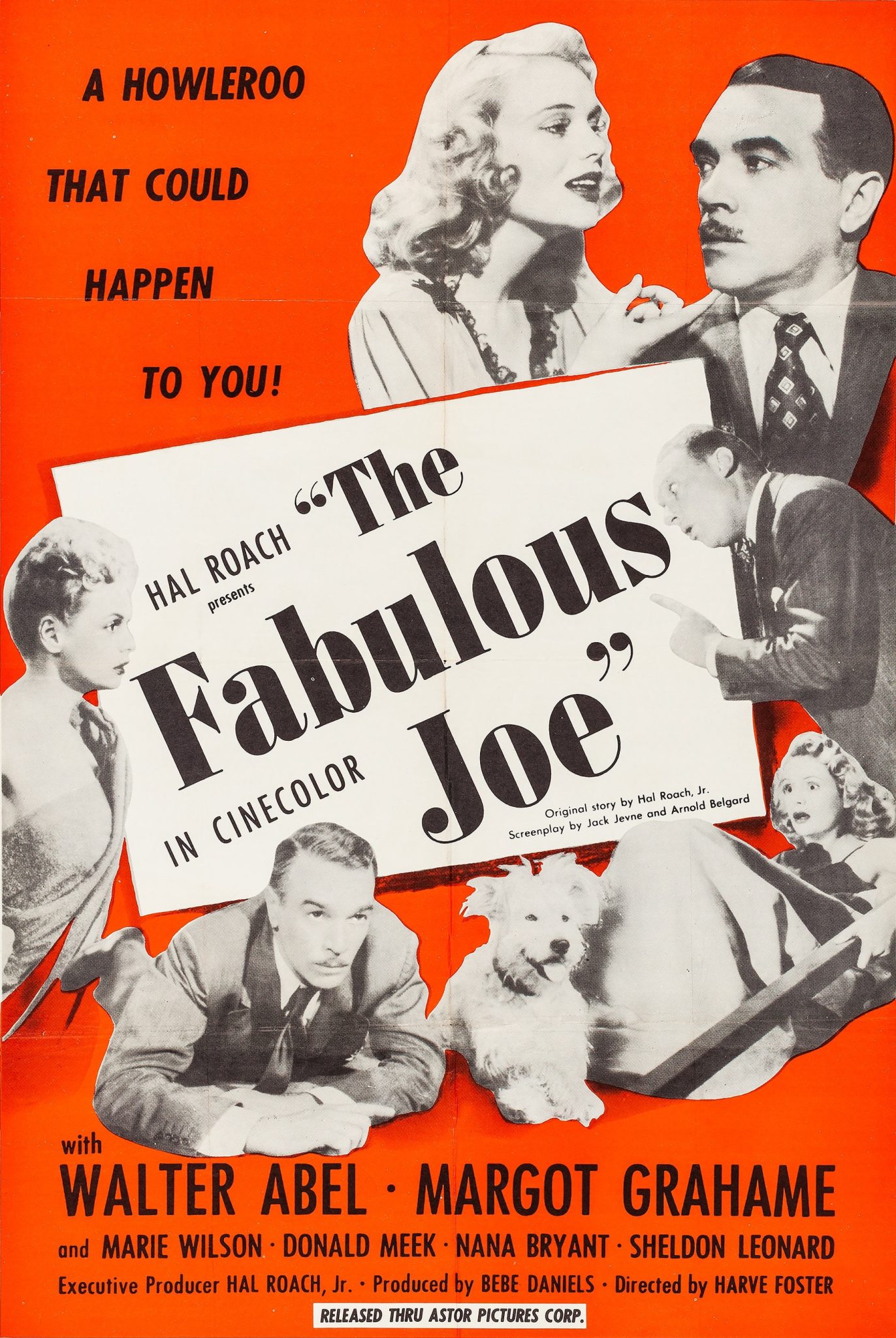
She appeared as the prostitute girlfriend of Gypo Nolan in John Ford‘s The Informer(1935). She followed this performance with a role as Milady de Winter in The Three Musketeers (1935). She was reunited with Walter Abel, her leading man in The Three Musketeers, a dozen years later in The Fabulous Joe (1947), which was produced by Bebe Daniels. As the character Emily Terkle Grahame was appearing in her first film since The Buccaneer (1938). Starring opposite Fredric March, Grahame faced the challenge of playing the love interest rather than a siren. She appeared in The Romantic Age in 1949.
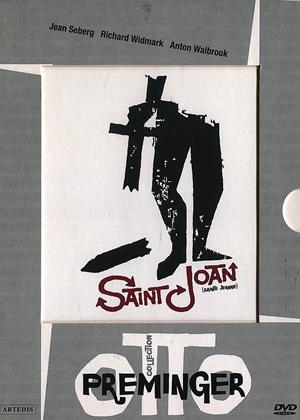
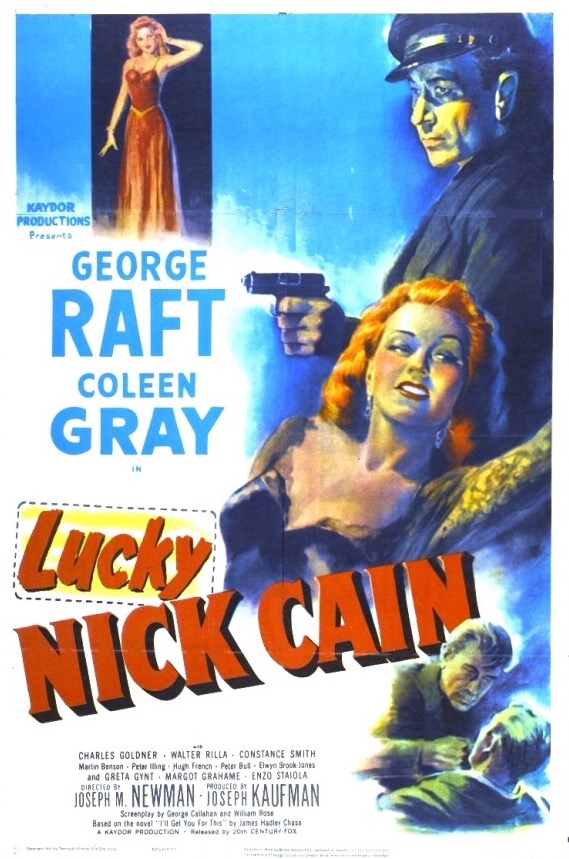
Her last films were made in the 1950s and included I’ll Get You for This (1951) starring George Raft and Coleen Gray, The Crimson Pirate (1952) starring Burt Lancaster, The Beggar’s Opera (1953), Orders Are Orders (1954) and Saint Joan(1957) with Jean Seberg in the titular role. She also appeared in “The Sweater” (1958), an episode of The New Adventures of Charlie Chan (1958).
Margot Grahame died in London on New Year’s Day of 1982, aged 70, from chronic bronchitis
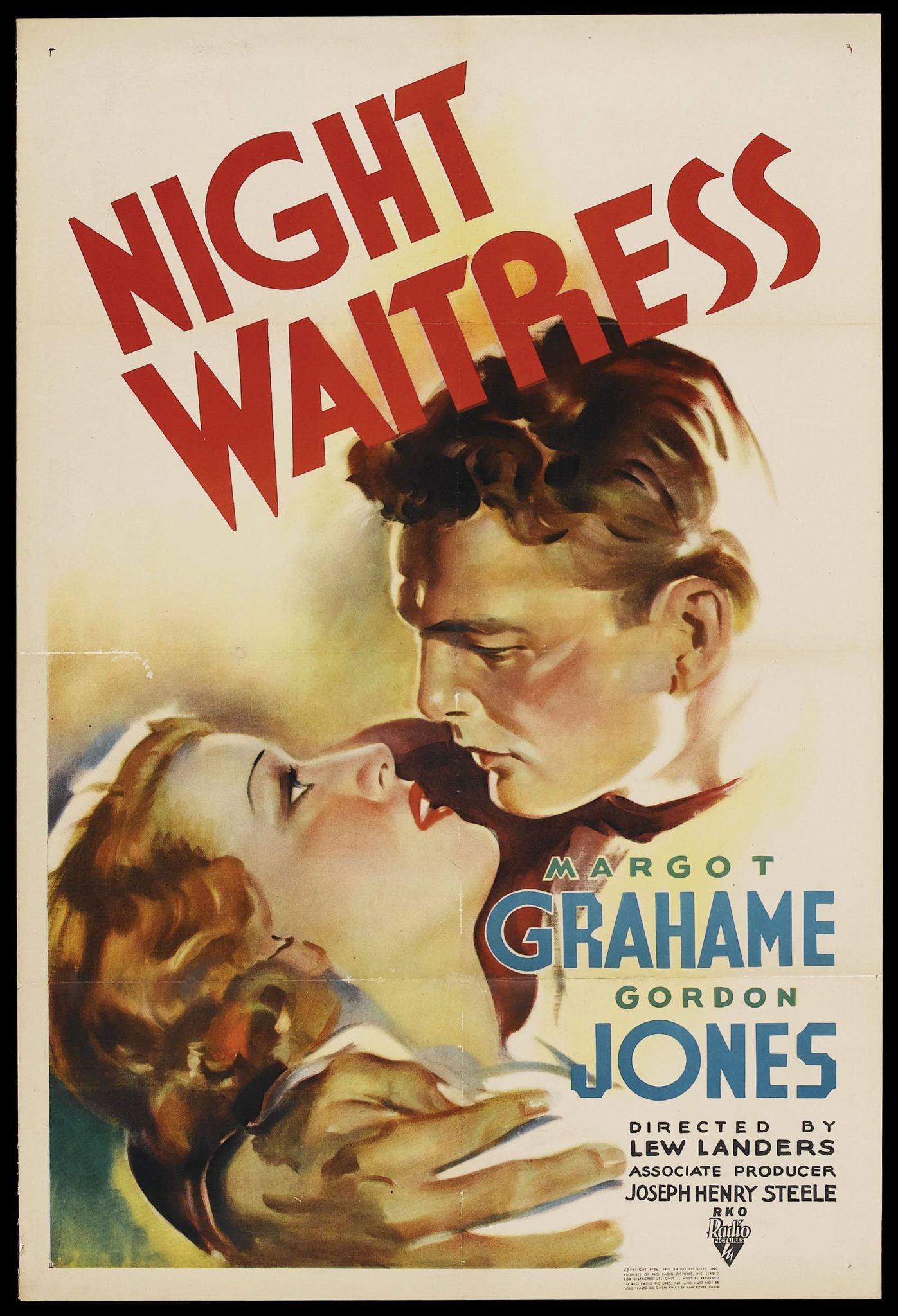
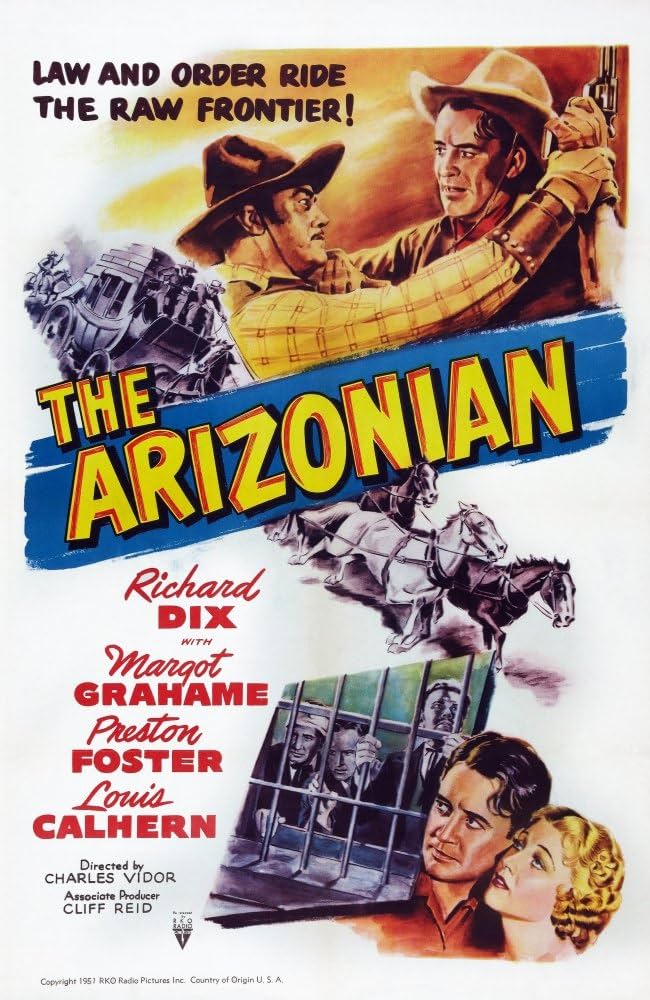
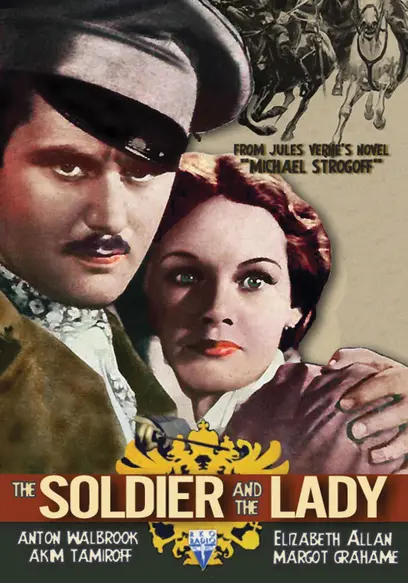
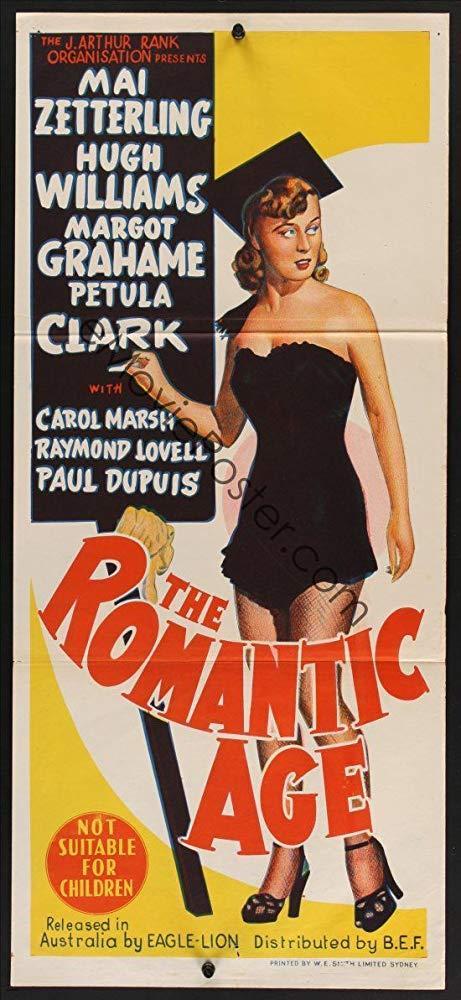


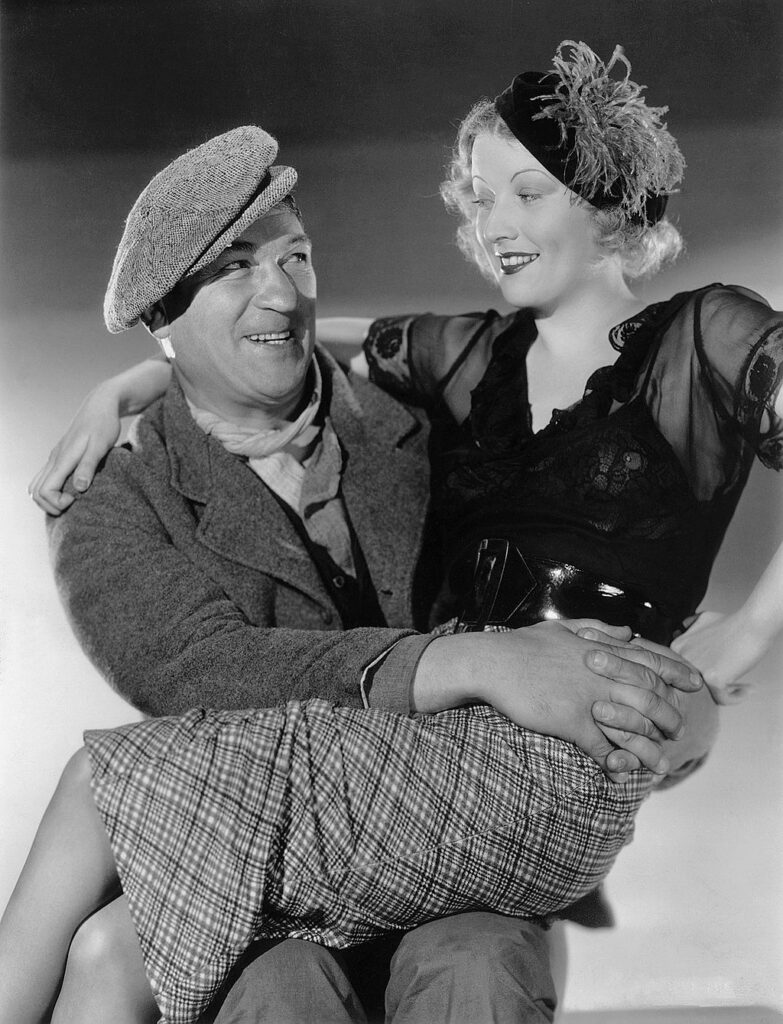
Margot Grahame (1911–1982) was a high-profile English actress whose career serves as a fascinating case study of the transatlantic transition during the “Golden Age” of cinema. Known as the highest-paid actress in Britain during the early 1930s, she was eventually marketed as a “statuesque blonde” in Hollywood, where she excelled in roles ranging from tragic streetwalkers to cold-blooded aristocrats.
I. Career Overview
1. The British “Workhorse” Era (1930–1934)
Grahame’s ascent was meteoric. After an education in South Africa and a stage debut in Pretoria at age 14, she returned to London and made her screen debut in the 1930 comedy Rookery Nook.
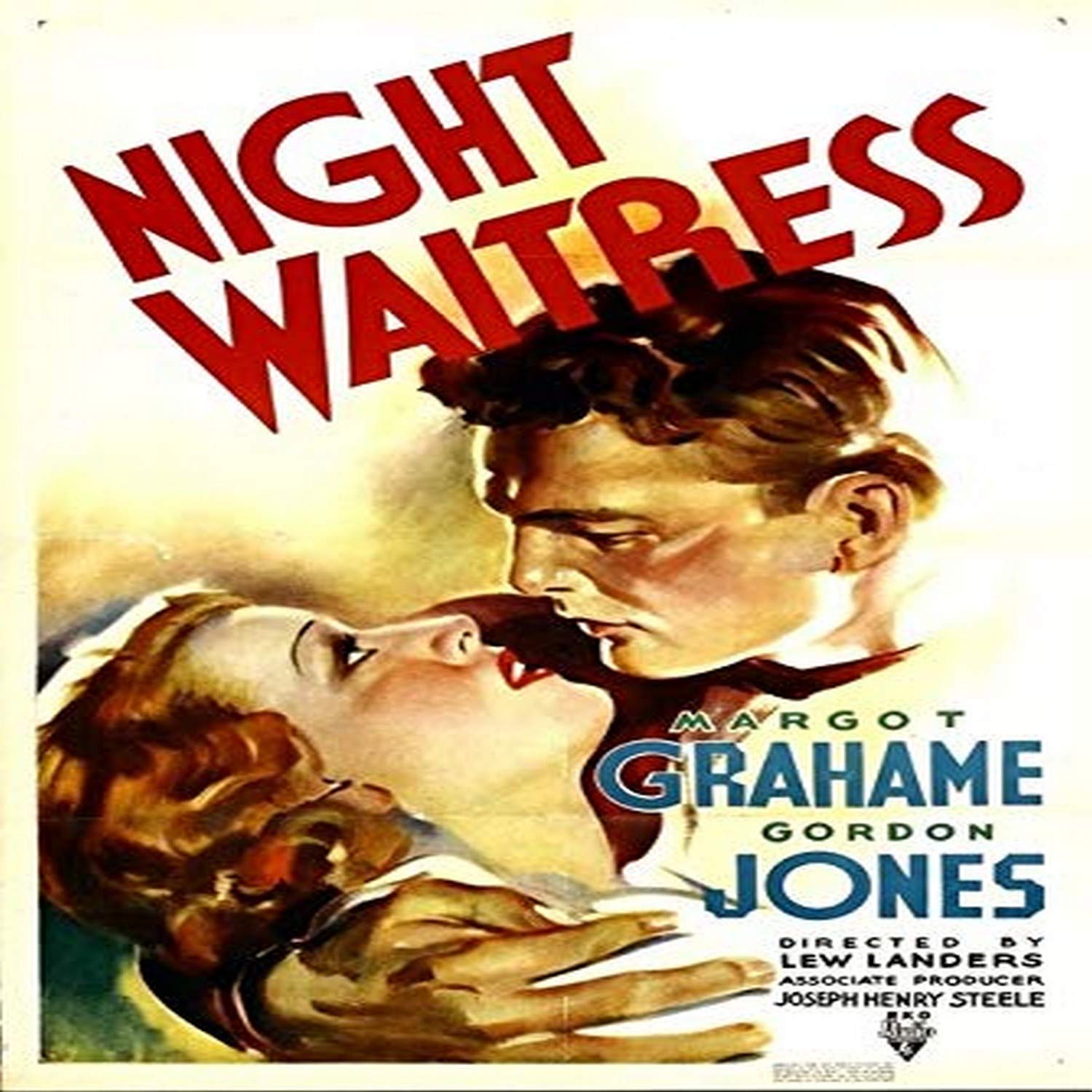
The Productivity Record: Hollywood producers were stunned to find that in just three years, Grahame had appeared in 42 major roles in British films. She was the quintessential reliable leading lady, moving effortlessly between light drawing-room comedies and early British thrillers like Stamboul (1932).
2. The Hollywood “Prestige” Era (1935–1938)
Signed to a long-term contract with RKO, Grahame’s transition to America was marked by immediate critical success in high-concept productions.
The John Ford Masterpiece: Her portrayal of Katie Madden in The Informer (1935) remains her most critically acclaimed performance. Playing the prostitute girlfriend of Gypo Nolan (Victor McLaglen), she brought a gritty, empathetic realism to John Ford’s expressionist drama.
The Villainous Pivot: That same year, she played Milady de Winter in The Three Musketeers. This performance defined her as an actress capable of playing “the siren” with a dangerous, intellectual edge.
3. Later Career and Return to Britain (1940s–1950s)
After a decade as a Hollywood fixture—including a role in Cecil B. DeMille’s The Buccaneer (1938)—Grahame’s career became more selective. She returned to Europe, appearing in period epics like Black Magic (1949) with Orson Welles and the Burt Lancaster swashbuckler The Crimson Pirate (1952). Her final film appearance was in Otto Preminger’s Saint Joan (1957).
II. Detailed Critical Analysis
1. The Paradox of “Stage Fright”
Critically, Grahame’s performances are more impressive when considering her well-documented chronic stage fright.
The “Cool” Exterior: Analysts have noted that this internal anxiety often translated to a “guardedness” on screen that directors utilized to great effect. She rarely gave “broad” performances; instead, she possessed a stillness that suggested a deep, hidden interiority. This was especially effective in The Informer, where her character’s desperation is conveyed through subtle exhaustion rather than histrionics.
2. Subverting the “Statuesque Blonde” Trope
Grahame was 5’7″ (tall for the era) and possessed a striking, classical beauty. While studios initially tried to market her as another Jean Harlow or Carole Lombard, Grahame’s screen presence was fundamentally heavier and more dramatic.
The Aristocratic Menace: In roles like Milady de Winter, Grahame utilized her physicality to project authority. Critics praised her for not being “just a pretty face”; she brought a theatrical weight to her movements that made her believable as a political conspirator. She was one of the few actresses who could match the physical presence of leading men like Victor McLaglen or Douglas Fairbanks Jr.
3. The Naturalist in a Stylized World
Grahame’s acting style was remarkably modern for the 1930s.
The Fordian Naturalist: Working under John Ford, she excelled in his preferred style of “economy of expression.” While other actresses of the period were still using silent-film-era hand gestures, Grahame’s work in The Informer feels almost like modern method acting. She portrayed poverty and shame not as a costume, but as a physical weight that altered her posture and speech.
Iconic Performance Comparison
| Character | Work | Year | Critical Legacy |
| Katie Madden | The Informer | 1935 | A masterpiece of “understated tragedy” in early sound cinema. |
| Milady de Winter | The Three Musketeers | 1935 | Set the standard for the sophisticated 1930s “femme fatale.” |
| Annette de Remy | The Buccaneer | 1938 | Showcased her ability to anchor large-scale DeMille spectacles. |
| Bianca | The Crimson Pirate | 1952 | Displayed a matured, seasoned command of the “period epic” generally |