

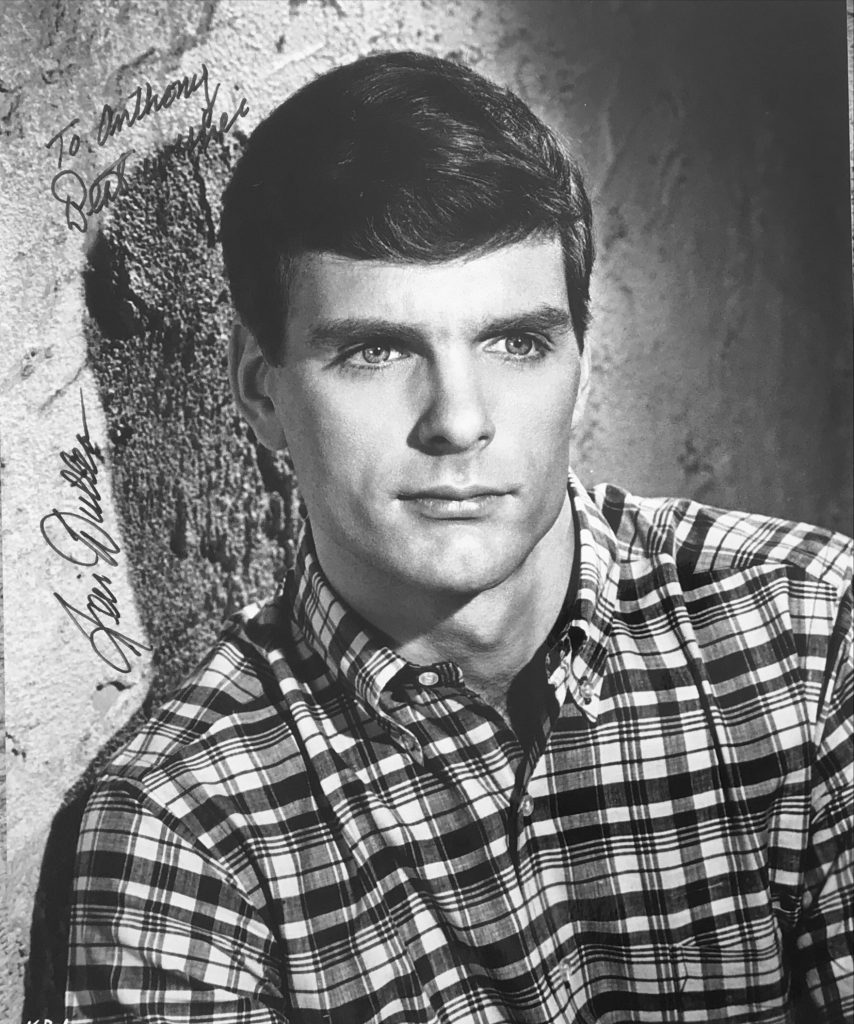
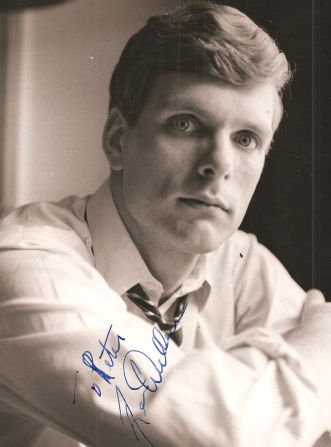
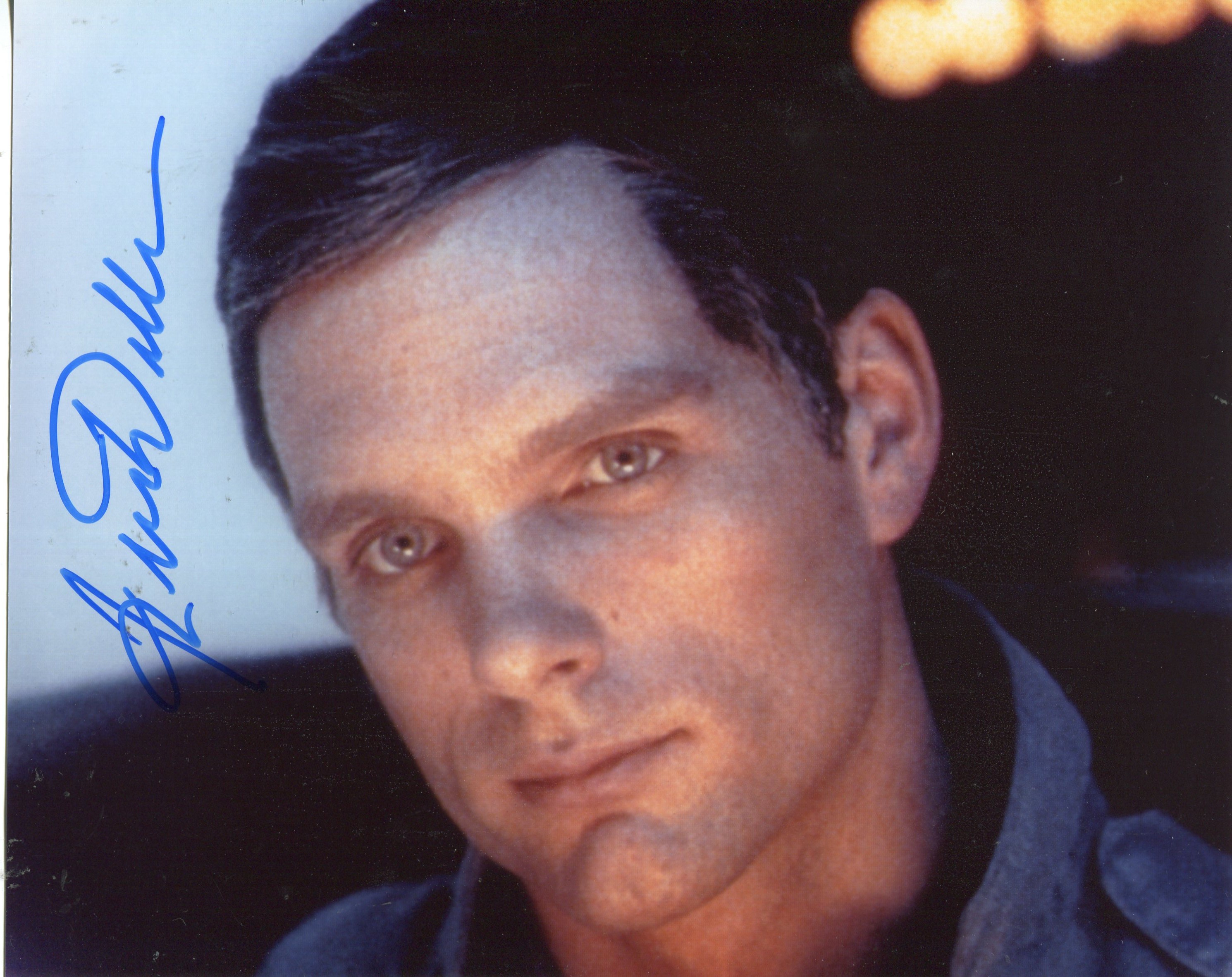
Tall, slim, remote and boyishly handsome was born in 1936, one of Keir Dullea’s most arresting features is his pale blue eyes, which featured in a number of watershed films of the 1960s. His major breakthrough (providing him legendary status) was the starring role as astronaut Dave Bowman in Stanley Kubrick’s 2001: A Space Odyssey. After that, he persevered quite well on T.V. and (especially) the stage in a career now surpassing five decades.
Dullea, who was born in Cleveland, Ohio, is the son of two book-store owners, and he was raised in New York’s Greenwich Village section. He graduated from George School in Pennsylvania and attended both Rutgers and San Francisco State before deciding to pursue summer stock and regional theatre. Attending the Neighborhood Playhouse, he made his New York City acting debut in a production of “Sticks and Bones” in 1956. His first big break came with the pilot program of the Route 66 (1960) series, and he proceeded to find other TV roles in Naked City (1958), Checkmate (1960) and various dramatic programs.
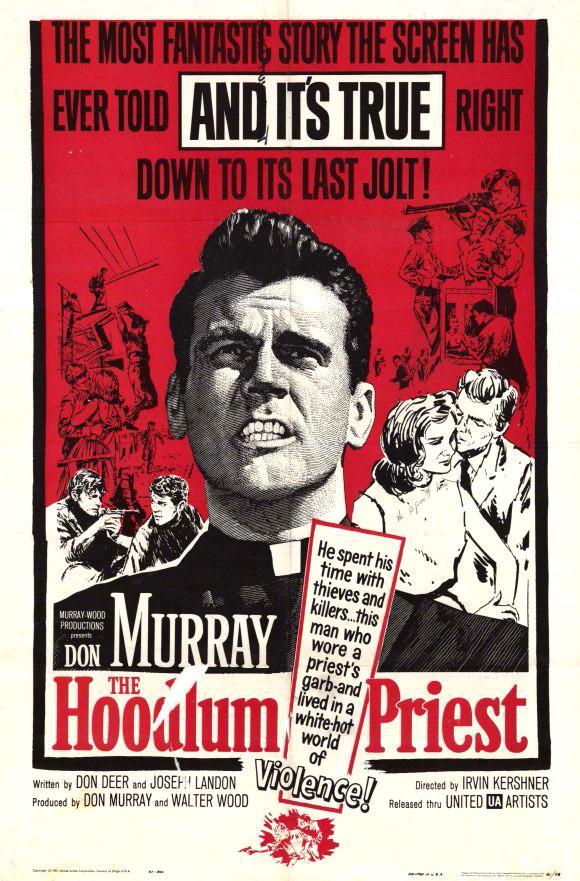
Following stage work in “Season of Choice” (1959) and “A Short Happy Life” (1961), Dullea made an auspicious film debut in a leading role with The Hoodlum Priest (1961), playing a troubled street gang member who crosses paths with Don Murray’s determined minister. The young actor’s characters from then on seemed to walk a dangerous tight-rope of emotions, and his apparent versatility at such a young age led him to a number of other psychologically scarred portrayals. Tending to play men younger than he really was, none were more disturbed than his haphephobic adolescent David (Dullea was twenty-six at the time) in the deeply felt love story David and Lisa (1962). Paired beautifully with Janet Margolin’s schizophrenic Lisa, Dullea won the Golden Globe Award for “Most Promising Male Newcomer.”
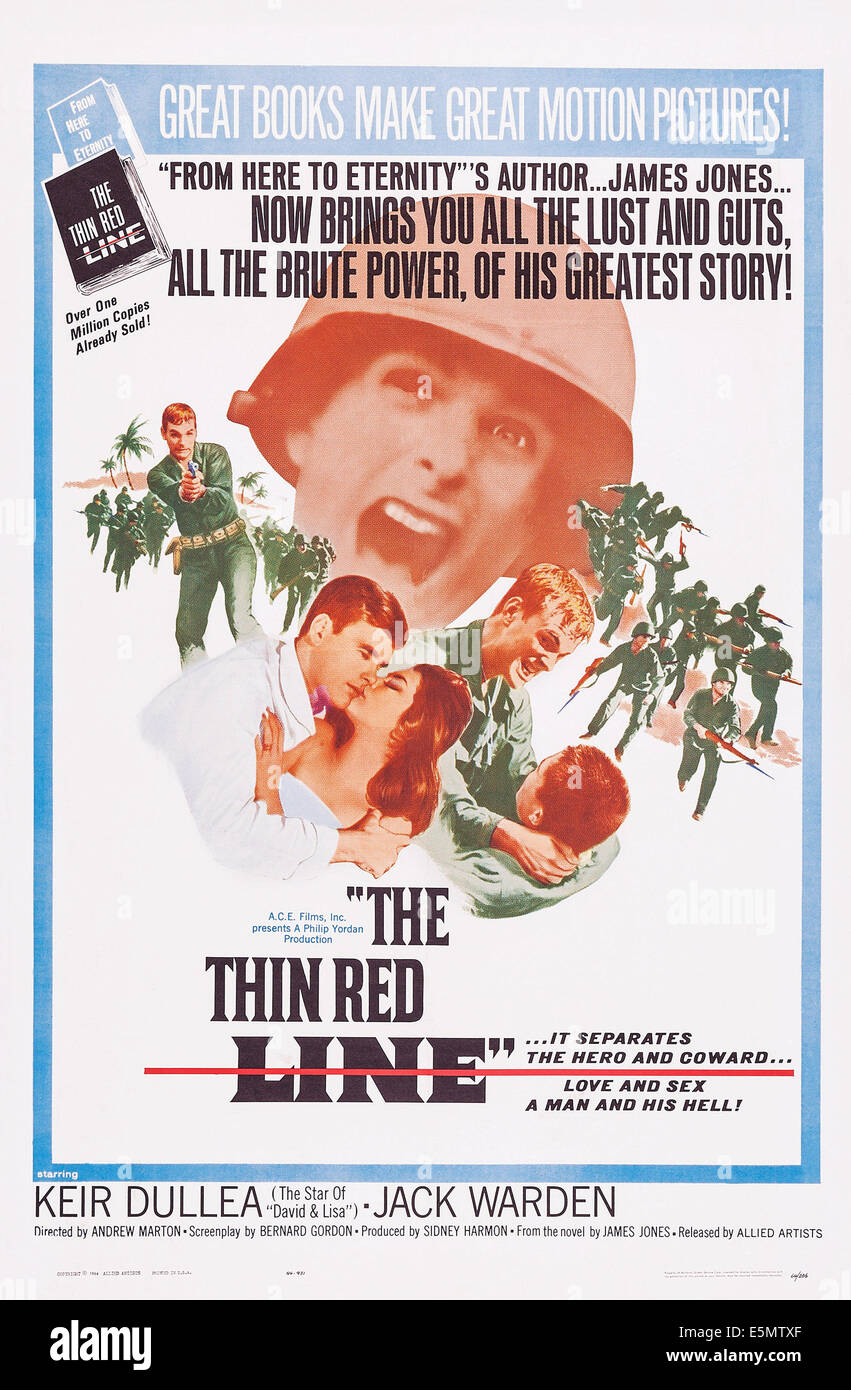
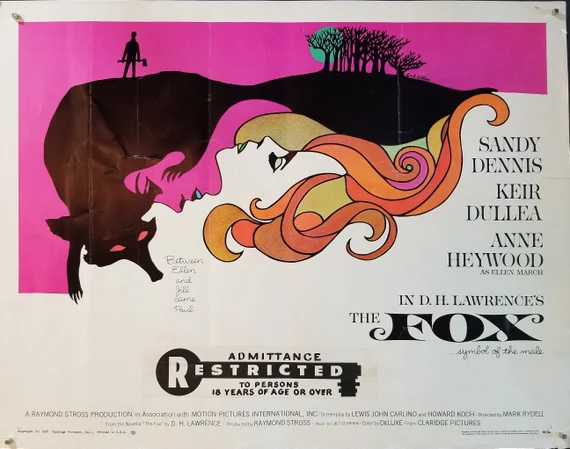
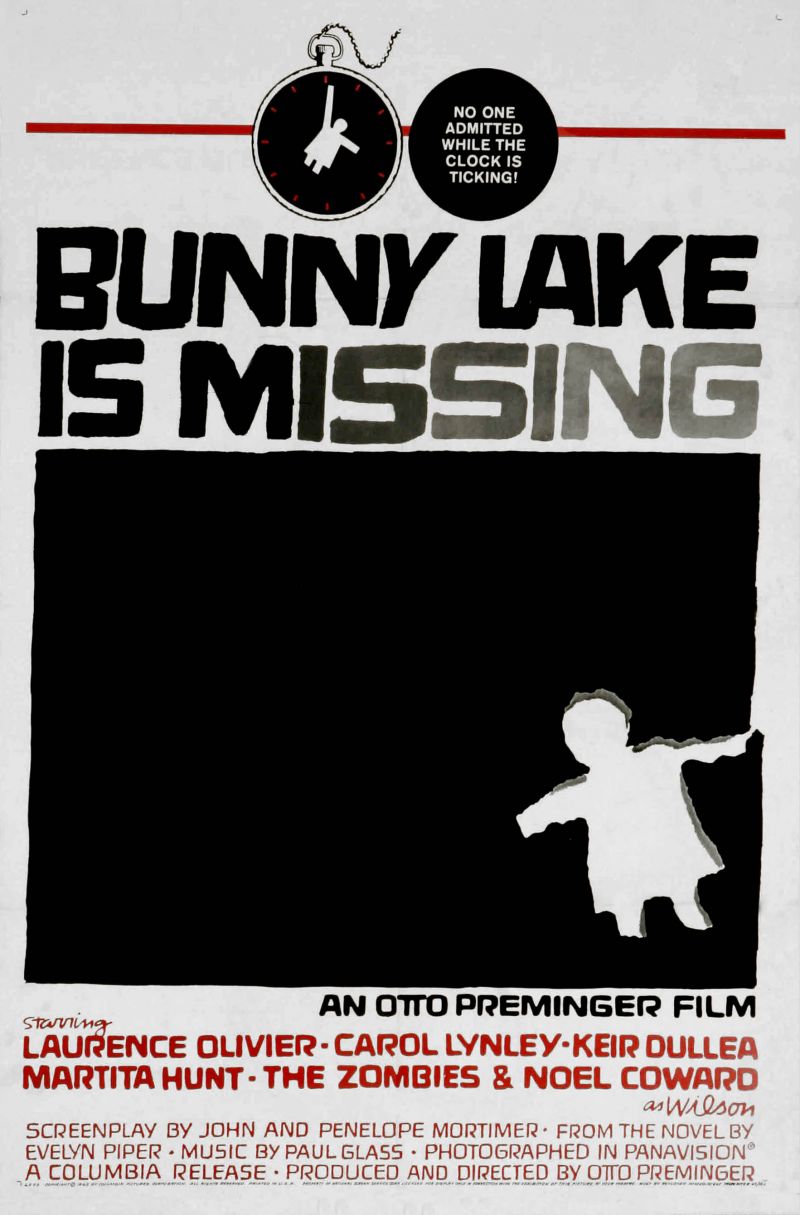
In the World War II military drama The Thin Red Line (1964)he played an edgy, nervous-eyed private who is pushed to his murderous brink by a brutal sergeant on Guadacanal. In Bunny Lake Is Missing (1965) Dullea portrayed the incestuous brother of Carol Lynley, who may or may not figure into the disappearance of Lynley’s child. Keir also costarred as the mysterious intruder who inserts an emotional wedge between gay lovers Anne Heywood and Sandy Dennis in the ground-breaking film about homosexuals, The Fox (1967).
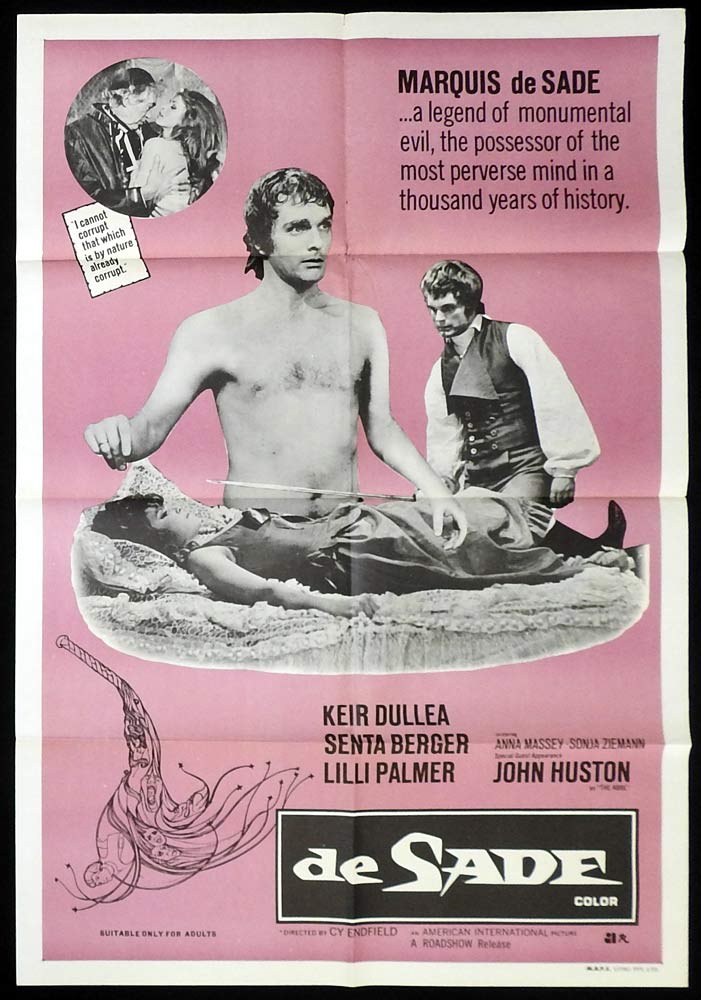
Topping that off, Dullea played the salacious Marquis De Sade himself in a relatively tame, internationally flavored production of De Sade (1969). The apex of his film career, however, came with his lead role in Stanley Kubrick’s epic science-fiction film, 2001: A Space Odyssey (1968), as the astronaut Dr. David Bowman.
In the realm of stage acting, Keir made his debut on Broadway in 1967 with “Dr. Cook’s Garden” costarring Burl Ives, and Dullea won some “flower power” stardom two years later as a sensitive young blind man who attempted to wriggle free of his protective, overbearing mother. His character also pursues love with a free-spirited girl, played by Blythe Danner, in the play “Butterflies Are Free.” By the time the movie of this story was released in 1972 both stars had been replaced by Goldie Hawn and Edward Albert.
Dullea next went abroad to seek film work in England and in Canada, but with lukewarm results. He continued to show his odd-man-out appeal on the Broadway stage as “Brick” in 1970, and in the Broadway revival of “Cat on a Hot Tin Roof” in 1974, acting along with Elizabeth Ashley as “Maggie,” and in the black comedy “P.S. Your Cat Is Dead!” one year later.
In the years since then, Dullea has acted steadily on the stage in New York City, and in U.S. regional theatres, in productions of “Sweet Prince,” “The Seagull” and “The Little Foxes,”among others. His cinematic roles since 1970 have included another “mysterious stranger” in The Next One (1984), and he also reprised his “David Bowman” role in 2010 (1984), the sequel to “2001: A Space Odyssey.” Dullea has had four wives: his first was actress Margot Bennett, and he and his third wife, Susie Fuller (whom he met during the British performances of “Butterflies are Free” in London), cofounded the Theater Artists Workshop of Westport in 1983. Dullea, Fuller and her two children resided in London for quite a while. After Fuller’s death in 1998, Dullea married for the fourth time in 1999 to actress Mia Dillon, who is best known for portraying the character “Babe” in in the play, “Crimes of the Heart” in New York City. Just a few weeks later they appeared together in the play “Deathtrap.”
Into the millennium, Keir has been featured on film, including the sci-fi adventure Alien Hunter (2003); the senator in The Good Shepherd (2006), along with Matt Damon and Angelina Jolie, which was directed by Robert De Niro; the romantic comedy The Accidental Husband (2008) starring Uma Thurman; the touching Mark Ruffalo social drama Infinitely Polar Bear (2014); and a prime role in the romantic mystery April Flowers (2017). On TV he was seen in such popular programs as “Law & Order,” “Castle” and “Damages.” and was seen in the recurring role of a religious cult leader in the fascinating series The Path (2016).
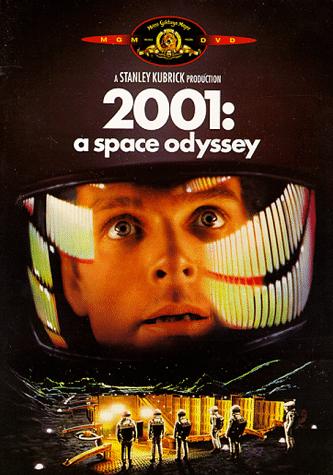

Keir Dullea is an American actor best known for 2001: A Space Odyssey and for a career built on youthful vulnerability, psychological fragility, and understated intensity. He worked across film, television, and stage for more than six decades, often in roles that depended on his quiet, introspective presence rather than overt charisma.
Career Overview
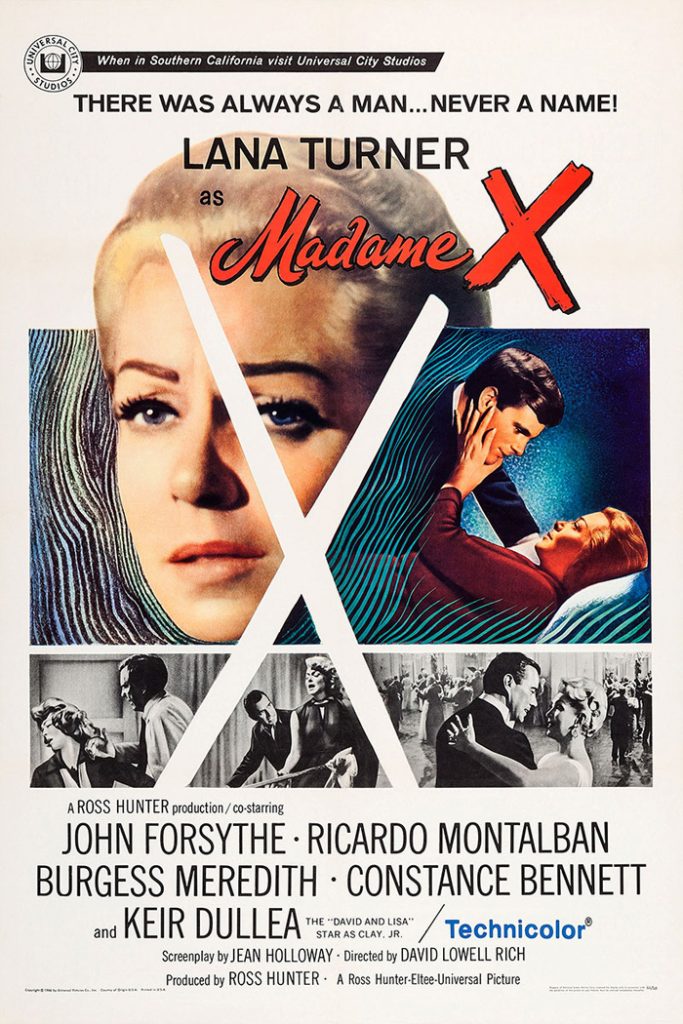
Dullea first gained notice on television in the early 1960s, then made his film breakthrough in The Hoodlum Priest (1961) and especially David and Lisa (1962), which brought him major critical attention for playing a troubled young man with unusual sensitivity. He followed with a string of 1960s films that cemented his image as an intelligent, emotionally guarded leading man, including The Thin Red Line (1964), Bunny Lake Is Missing (1965), Madame X(1966), The Fox (1967), and Stanley Kubrick’s 2001: A Space Odyssey (1968). Later, he worked frequently in stage productions and in television, while returning to the Bowman role in 2010: The Year We Make Contact (1984) and continuing to appear in genre film and TV into the 21st century.
Defining Performances
David and Lisa (1962): Dullea’s early breakthrough came from a performance built on restraint, nervous energy, and palpable emotional isolation, making the character feel painfully human rather than theatrically “ill.”
2001: A Space Odyssey (1968): As Dave Bowman, he gave Kubrick a controlled, blankly focused center for a film that is deliberately interior and cerebral; the performance works because it avoids overstatement.
Bunny Lake Is Missing (1965): He plays a man whose sincerity and unease can both be read as suspicious, and that ambiguity is crucial to the film’s tension.
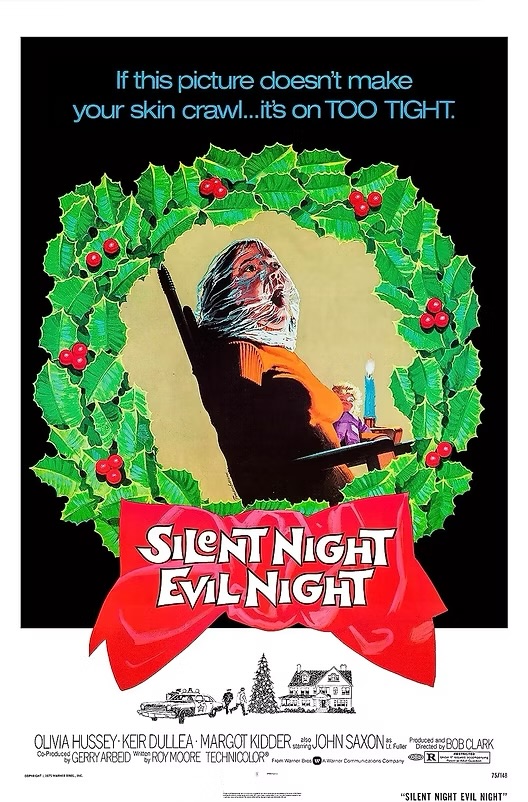
Black Christmas (1974): In a smaller but memorable role, he brought polished normalcy that makes the film’s domestic horror more unsettling.
Critical Analysis
Dullea’s strongest quality is his ability to suggest conflict beneath a composed exterior. His best work often hinges on emotional opacity: he looks controlled, even remote, but the tension in his face and voice makes viewers feel the character thinking and resisting at the same time. That made him especially effective in psychologically charged material like David and Lisa and Bunny Lake Is Missing, where uncertainty is part of the drama.
His screen persona was also shaped by unusual physical presence: tall, slim, pale-eyed, and strikingly reserved, he fit the era’s fascination with alienated young men. In lesser hands, that same quality could read as flatness, and some of his films depended heavily on the audience accepting silence, stillness, and repression as expressive tools. But when the material matched his strengths, he could make emotional withdrawal feel deeply dramatic rather than inert.
Range and Limits
Dullea was not a broad stylist, and he was rarely cast as a flamboyant performer or a comic presence. Instead, his career shows a recurring pattern: he was most compelling when playing damaged, introspective, or ethically uncertain men, and less memorable when the script asked for conventional leading-man warmth. That may have limited his mainstream stardom after the 1960s, but it also gave him a coherent artistic identity.
Legacy
His reputation rests on the combination of one iconic role and several respected performances that prefigure later interest in psychologically interior acting. 2001 made him immortal in film history, but David and Lisa and Bunny Lake Is Missing are what show his actual range and finesse. He remains a significant example of an actor whose career was defined less by celebrity than by a distinctive emotional temperature and a lasting fit with serious, ambiguous cinema