

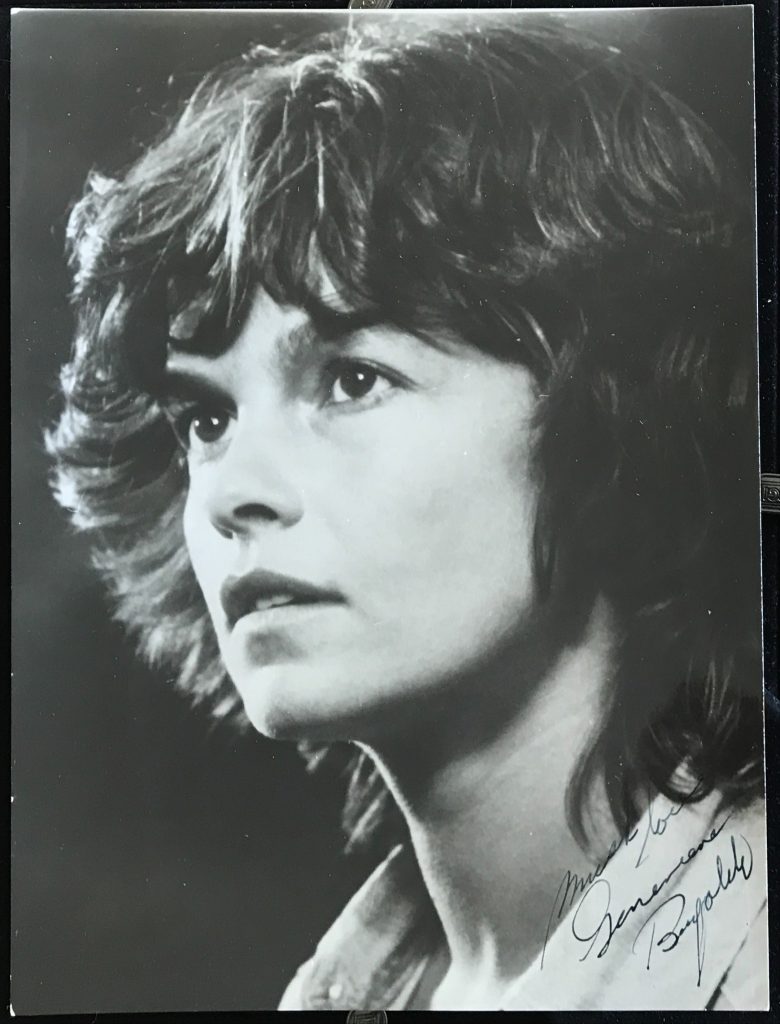
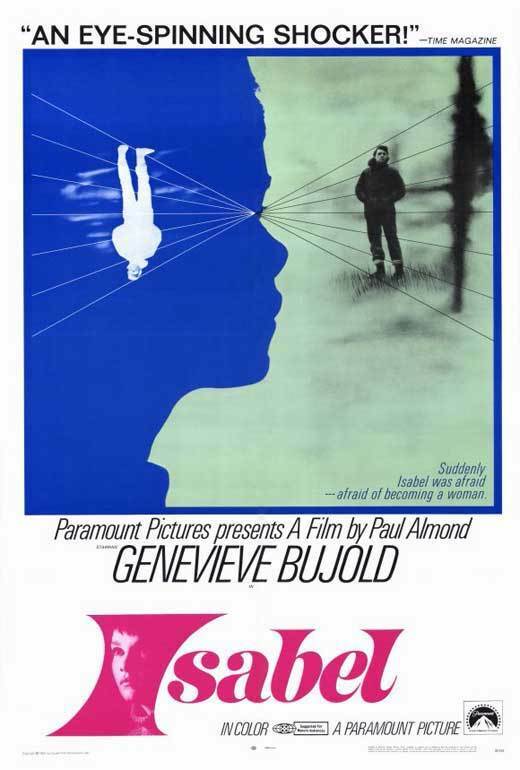
Genevieve Bujold spent her first twelve school years in Montreal’s oppressive Hochelaga Convent, where opportunities for self-expression were limited to making welcoming speeches for visiting clerics. As a child she felt “as if I were in a long dark tunnel trying to convince myself that if I could ever get out there was light ahead.” Caught reading a forbidden novel, she was handed her ticket out of the convent and she then enrolled in Montreal’s free Conservatoire d’Art Dramatique.
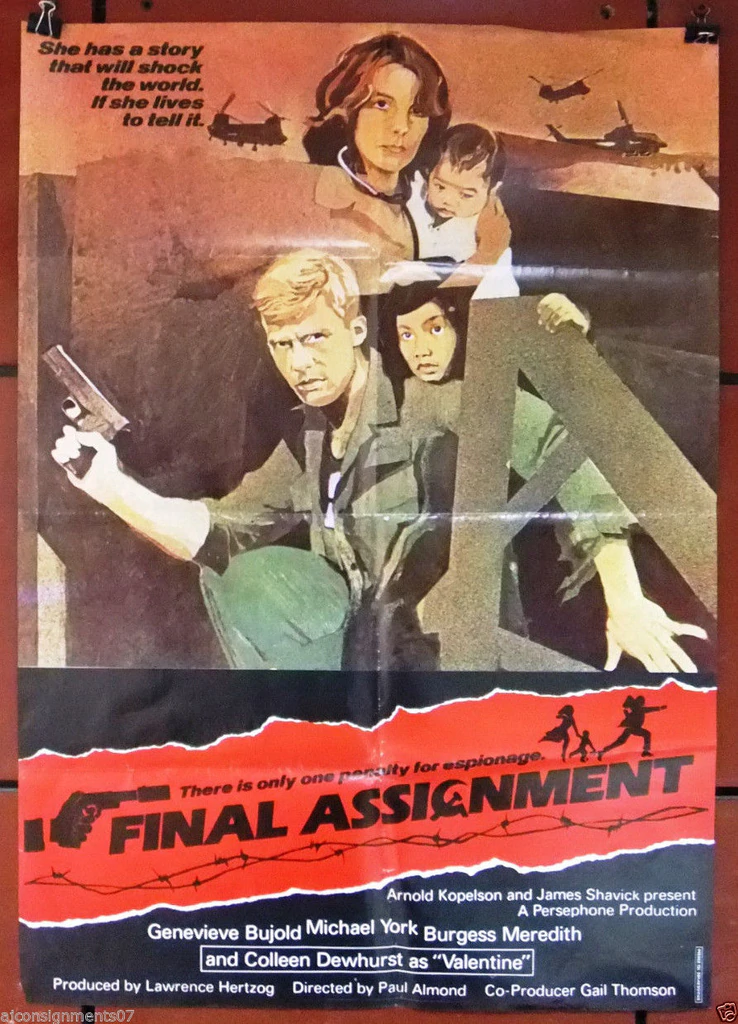
There she was trained in classical French drama and shortly before graduation was offered a part in a professional production of Beaumarchais’ “The Barber of Seville.” In 1965 while on a theatrical tour of Paris with another Montreal company, Rideau Vert, Bujold was recommended to director Alain Resnais (by his mother) who cast her opposite Yves Montand in La guerre est finie (1966). She then made two other French films in quick succession, the Philippe de Broca cult classic Le roi de coeur (1966) and Louis Malle’s Le voleur (1967). She was also very active during this time in Canadian television where she met and married director Paul Almond in 1967. They had one child and divorced in 1974.
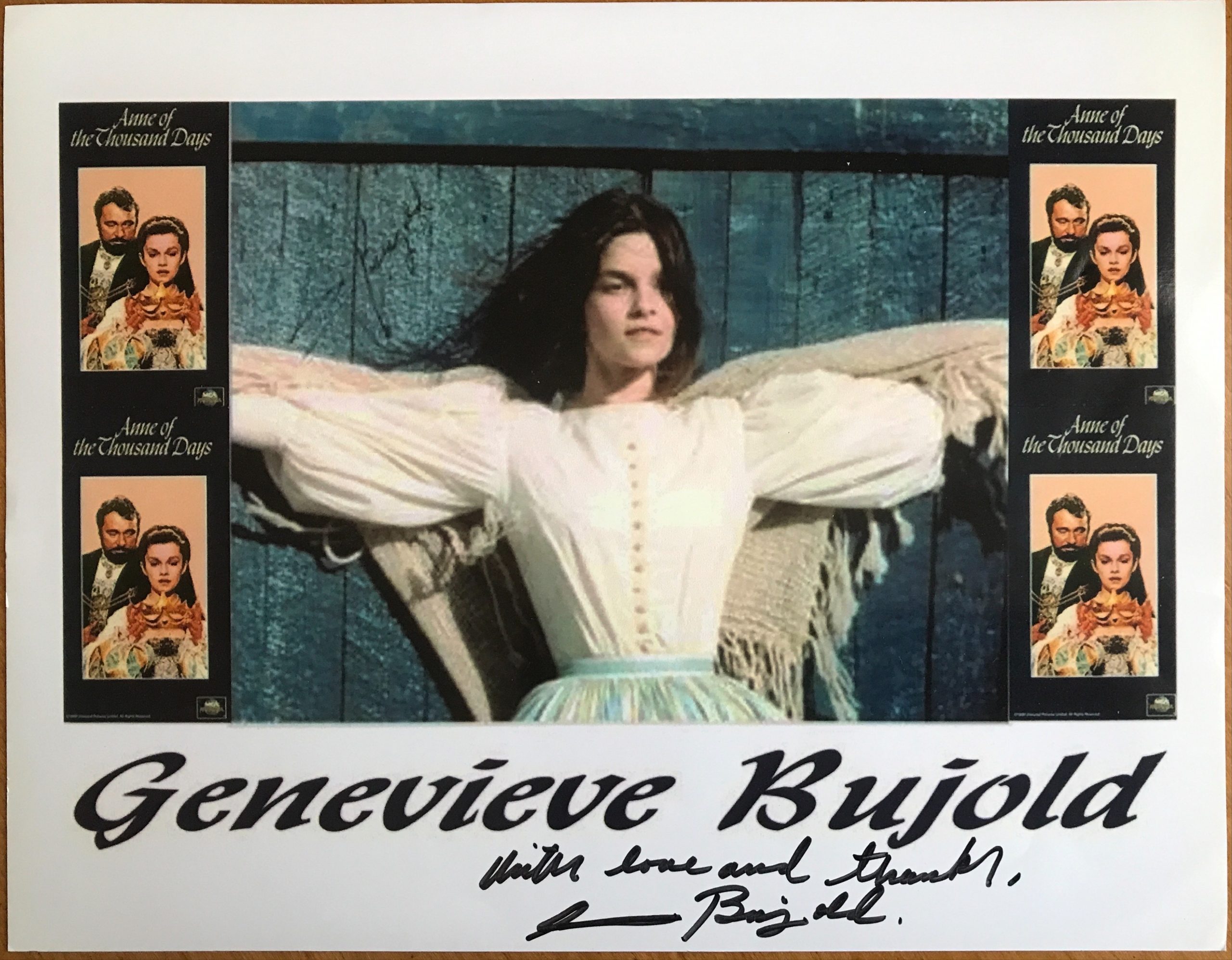
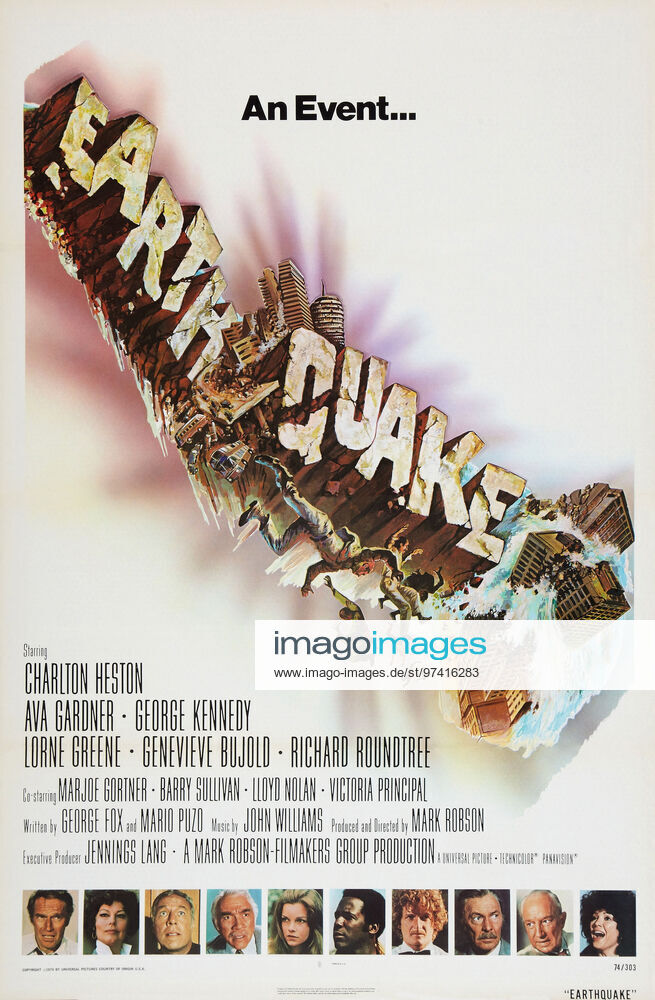
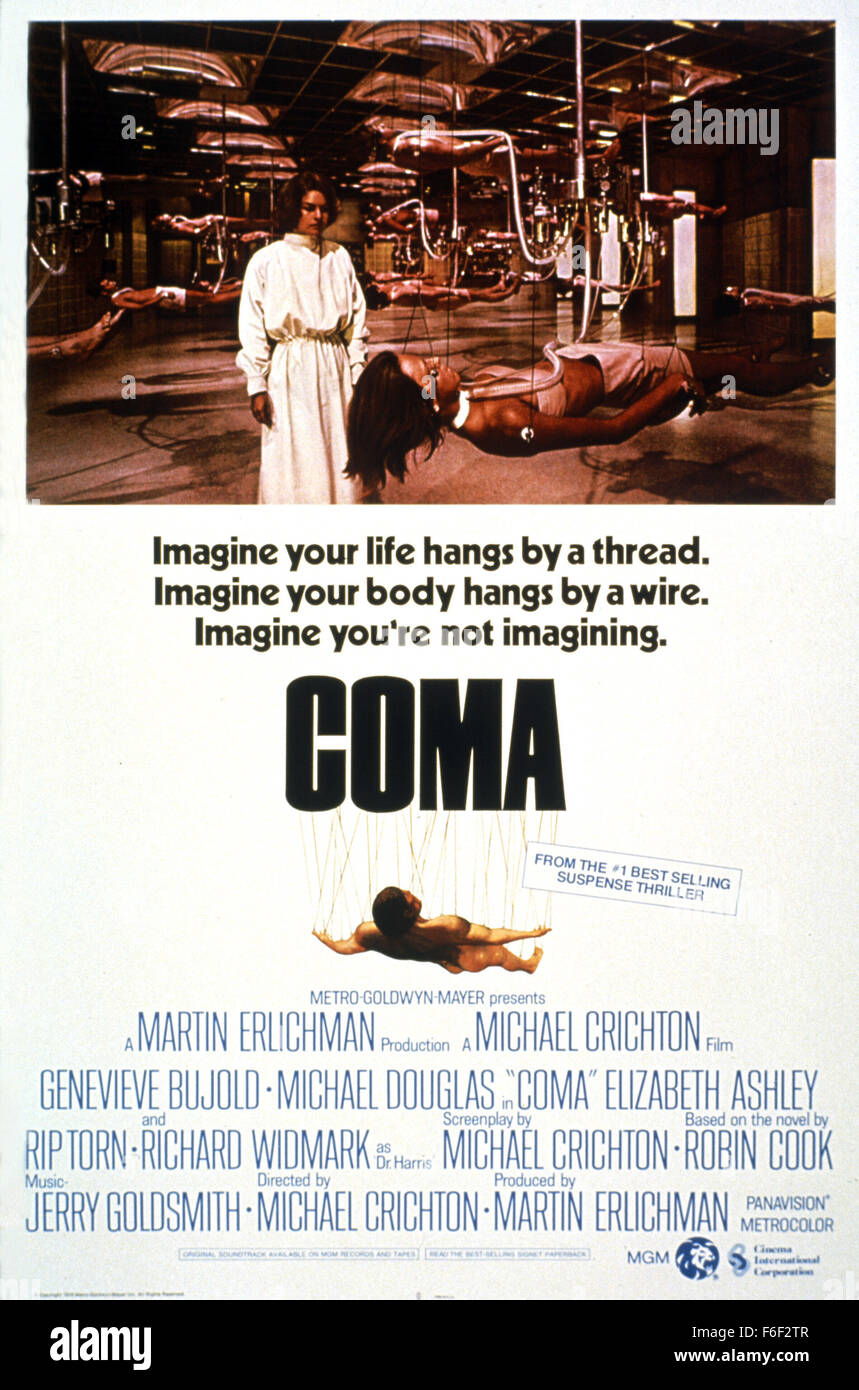
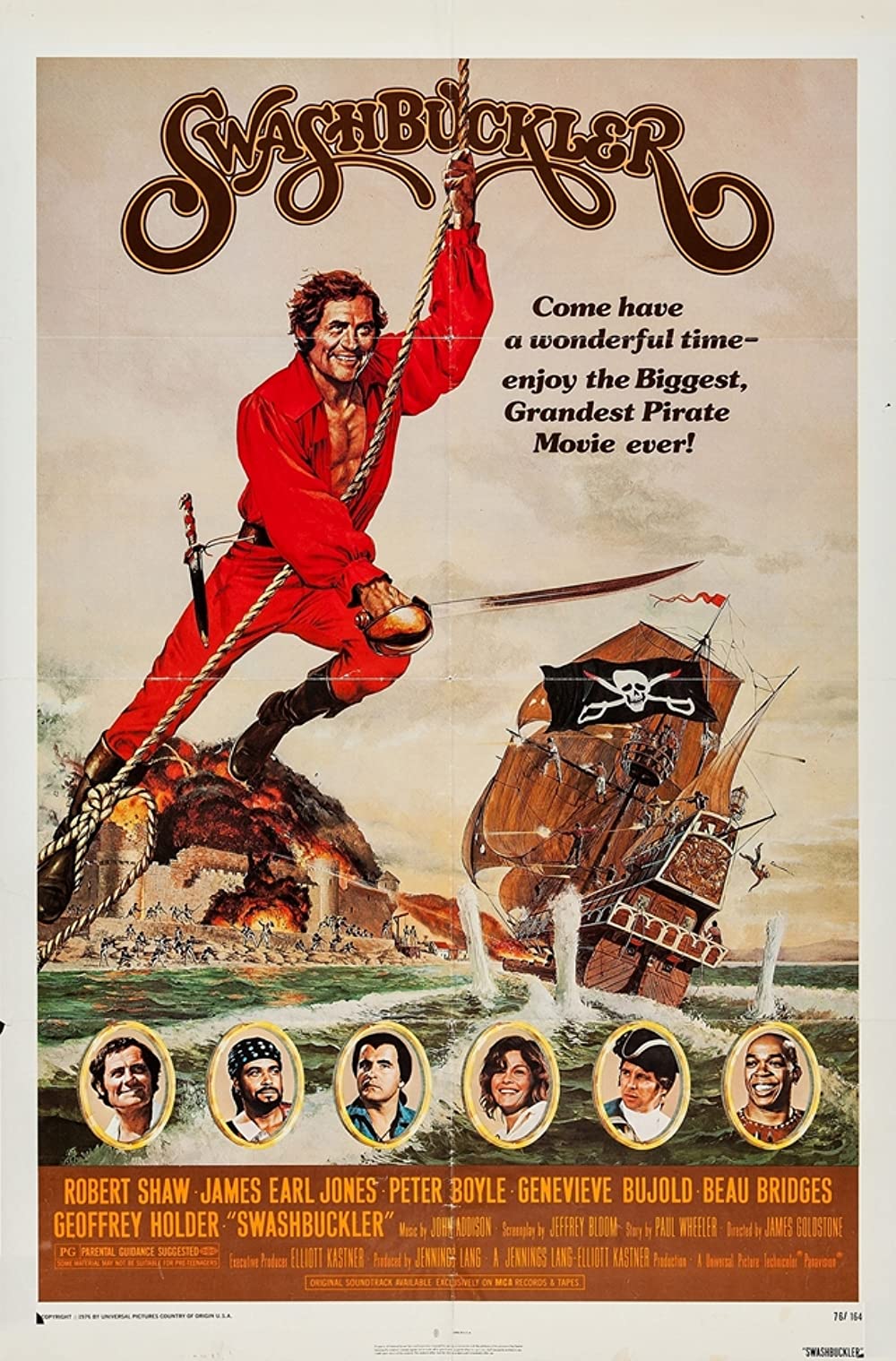
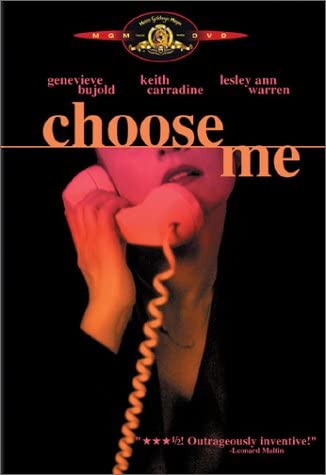
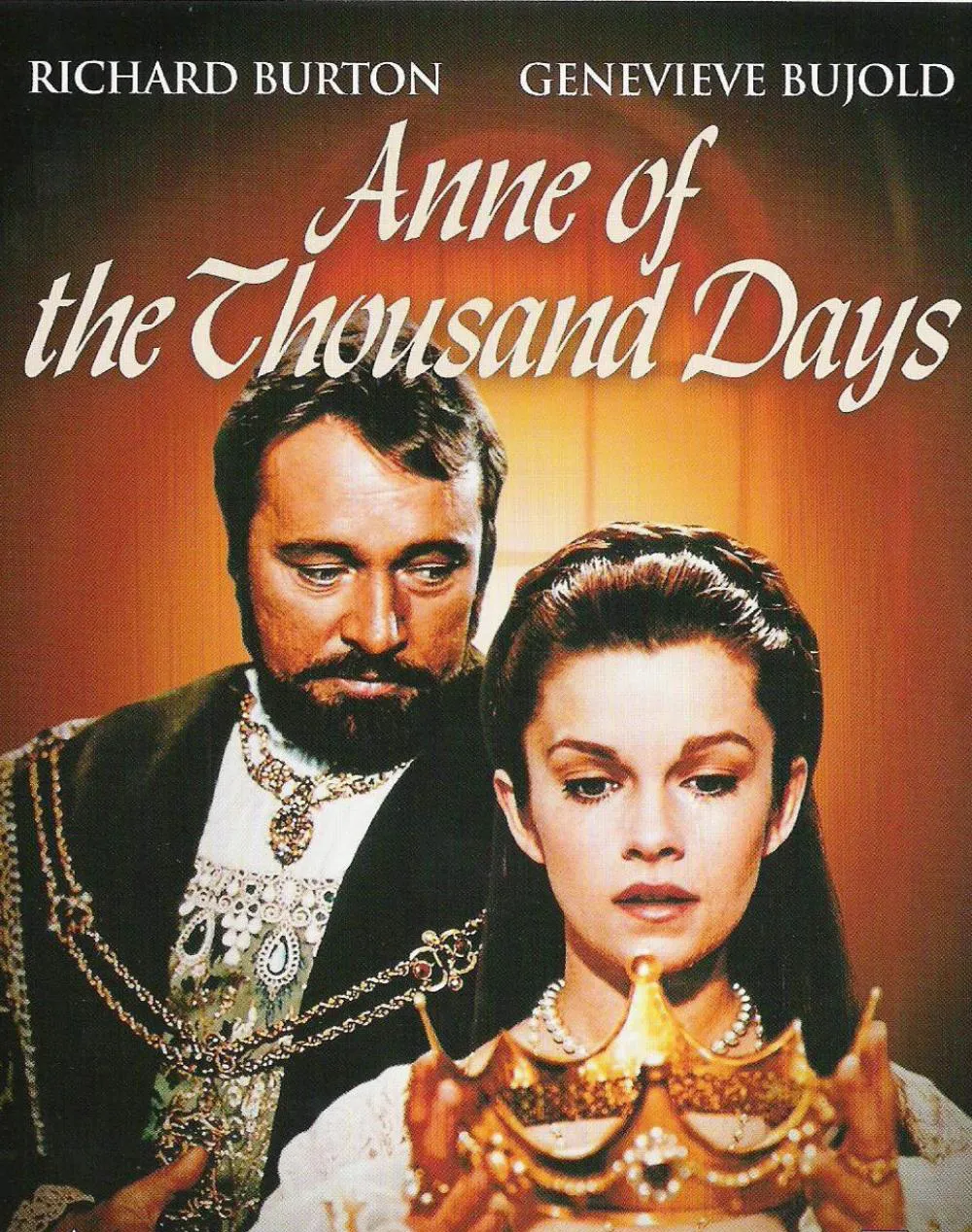
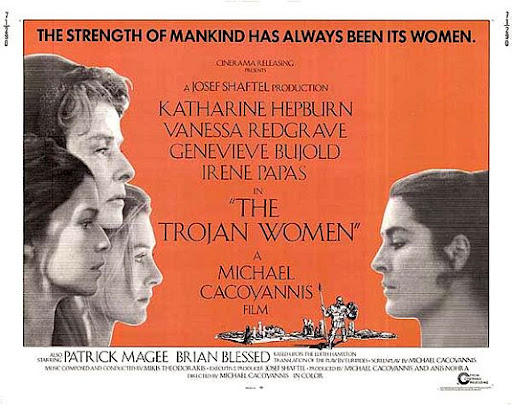
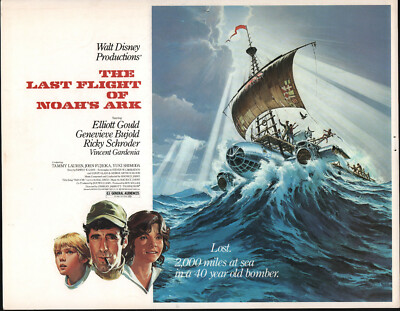
Two remarkable appearances – first as the titular Saint Joan (1967) on television, then as Anne Boleyn in her Hollywood debut Anne of the Thousand Days (1969), co-starring Richard Burton – introduced Bujold to American audiences and yielded Emmy and Oscar nominations respectively. Immediately after “Anne,” while under contract with Universal, she opted out of a planned Mary, Queen of Scots (1971) (“it would be the same producer, the same director, the same costumes, the same me”) prompting the studio to sue her for $750,000. Rather than pay, she went to Greece to film The Trojan Women (1971) with Katharine Hepburn. Her virtuoso performance as the mad seer Cassandra led critic Pauline Kael to prophesy “prodigies ahead” but to assuage Universal, Bujold eventually returned to Hollywood to make Earthquake (1974), co-starring Charlton Heston, which was a box office hit. A host of other films of varying quality followed, most notably Obsession (1976), Coma (1978), The Last Flight of Noah’s Ark (1980), and Tightrope (1984), but she managed nevertheless to transcend the material and deliver performances with her trademark combination of ferocious intensity and childlike vulnerability. In the 1980s she found her way to director Alan Rudolph’s nether world and joined his film family for three movies including the memorable Choose Me (1984).
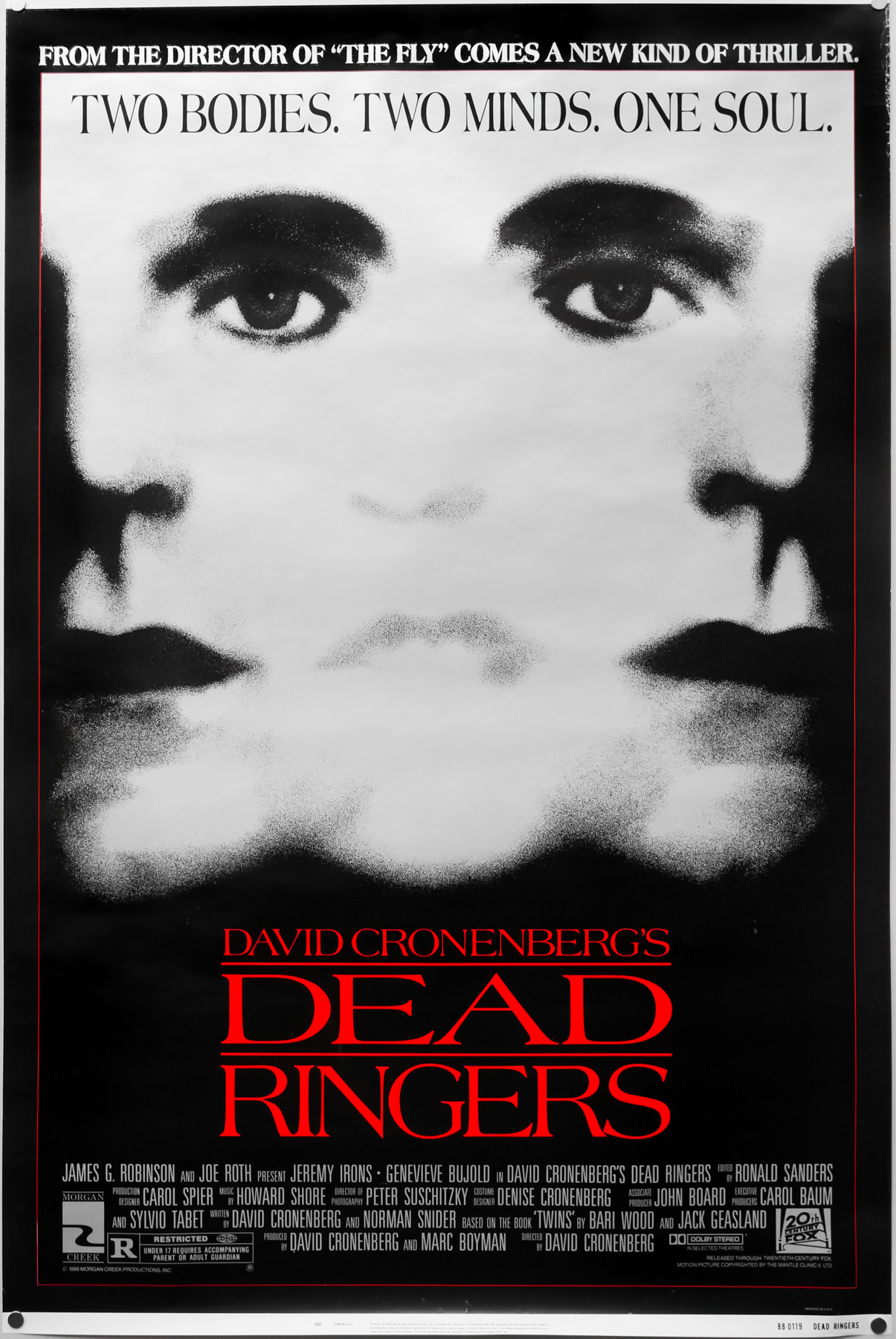
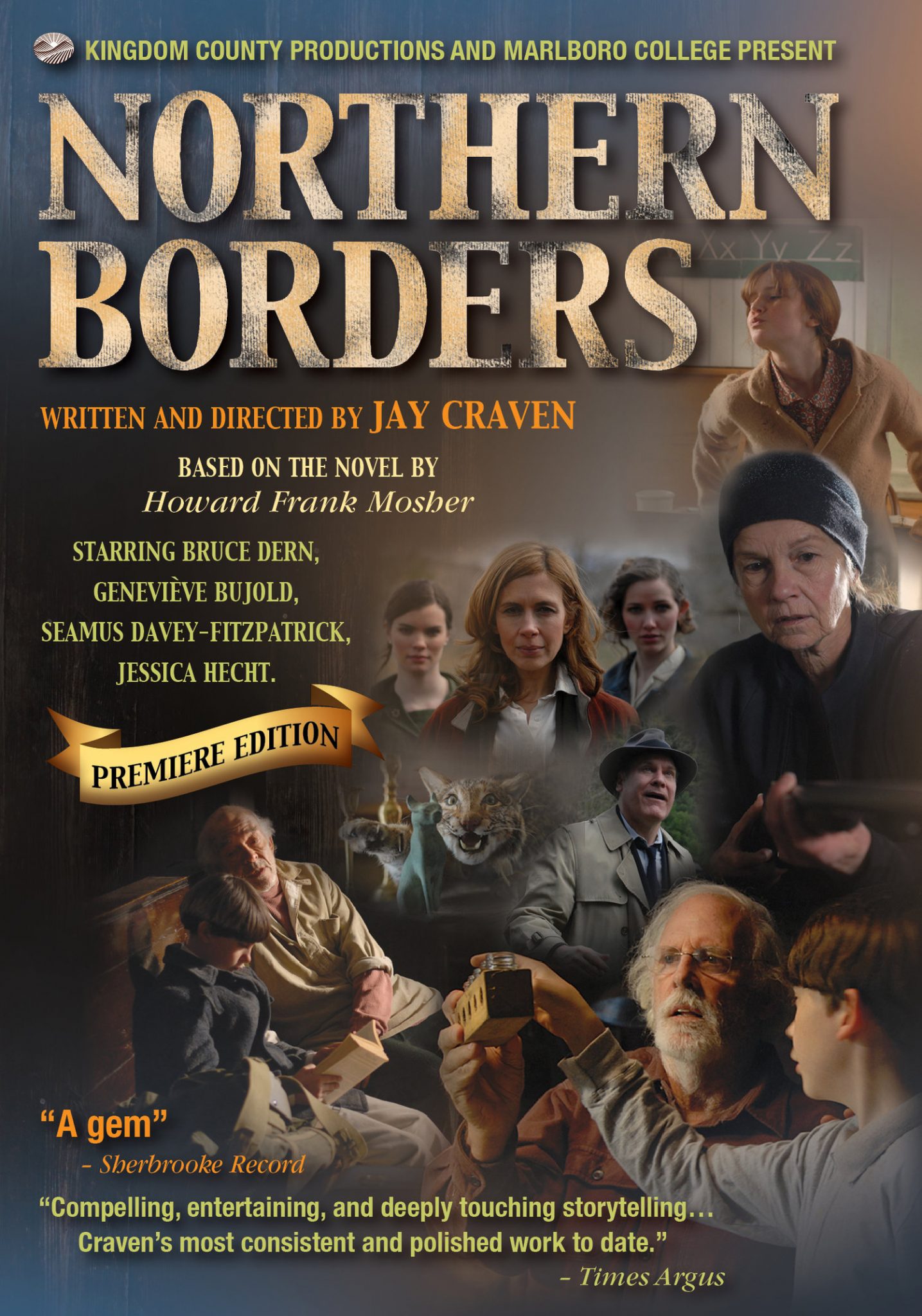
Highlights of recent work are her brave performance in the David Cronenberg film Dead Ringers (1988) and a lovely turn in the autumnal romance Les noces de papier (1990)..
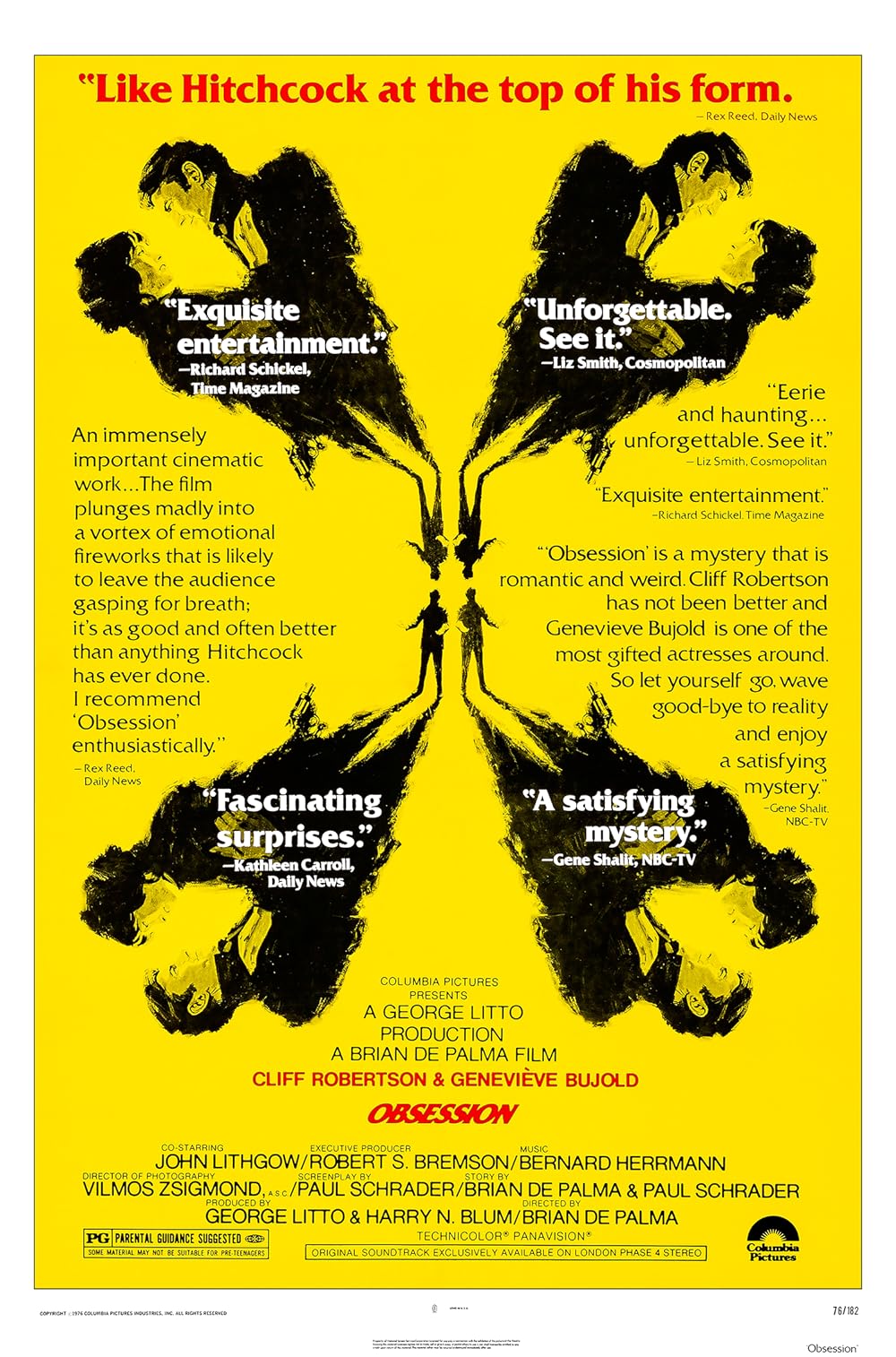

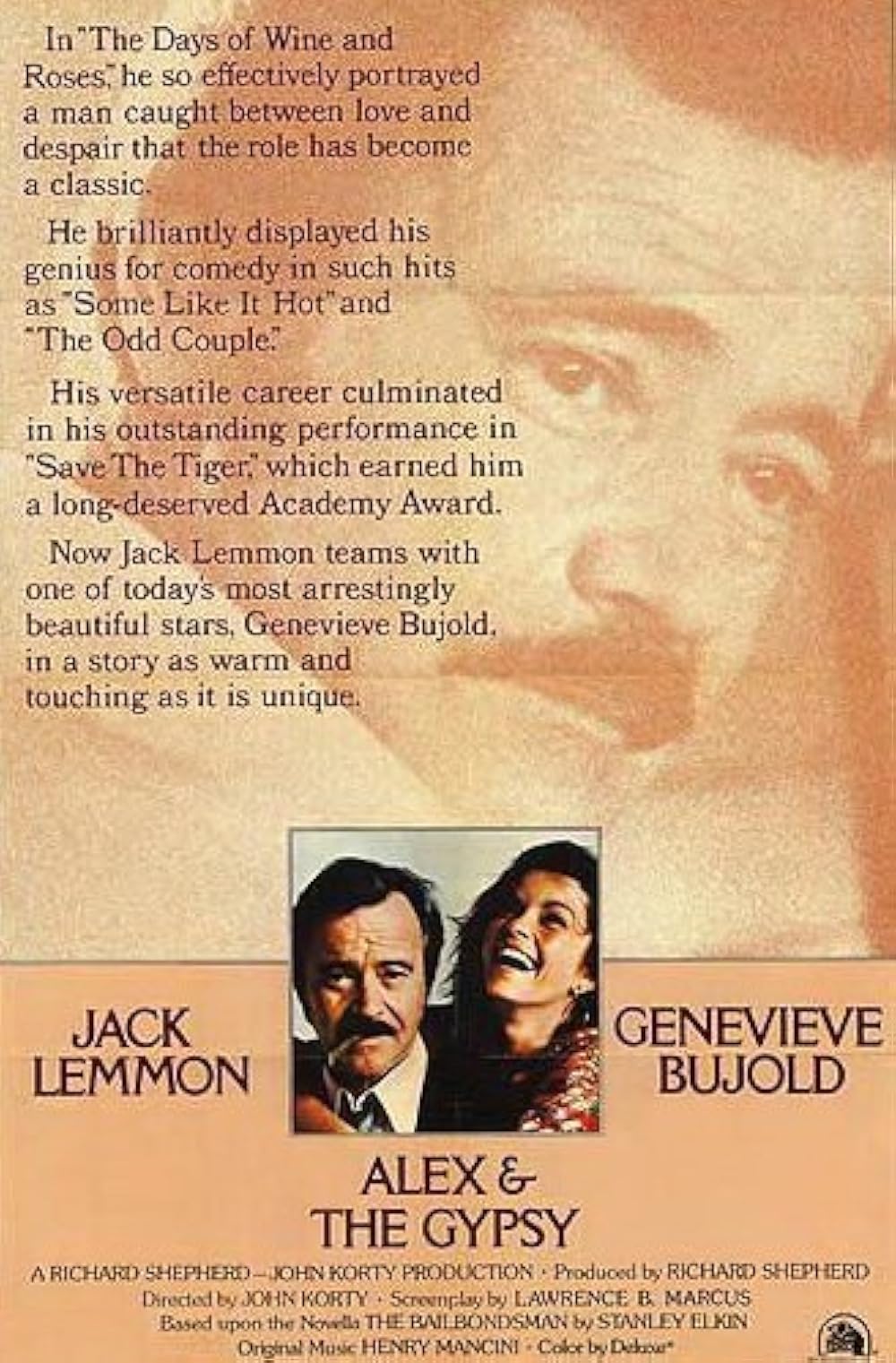
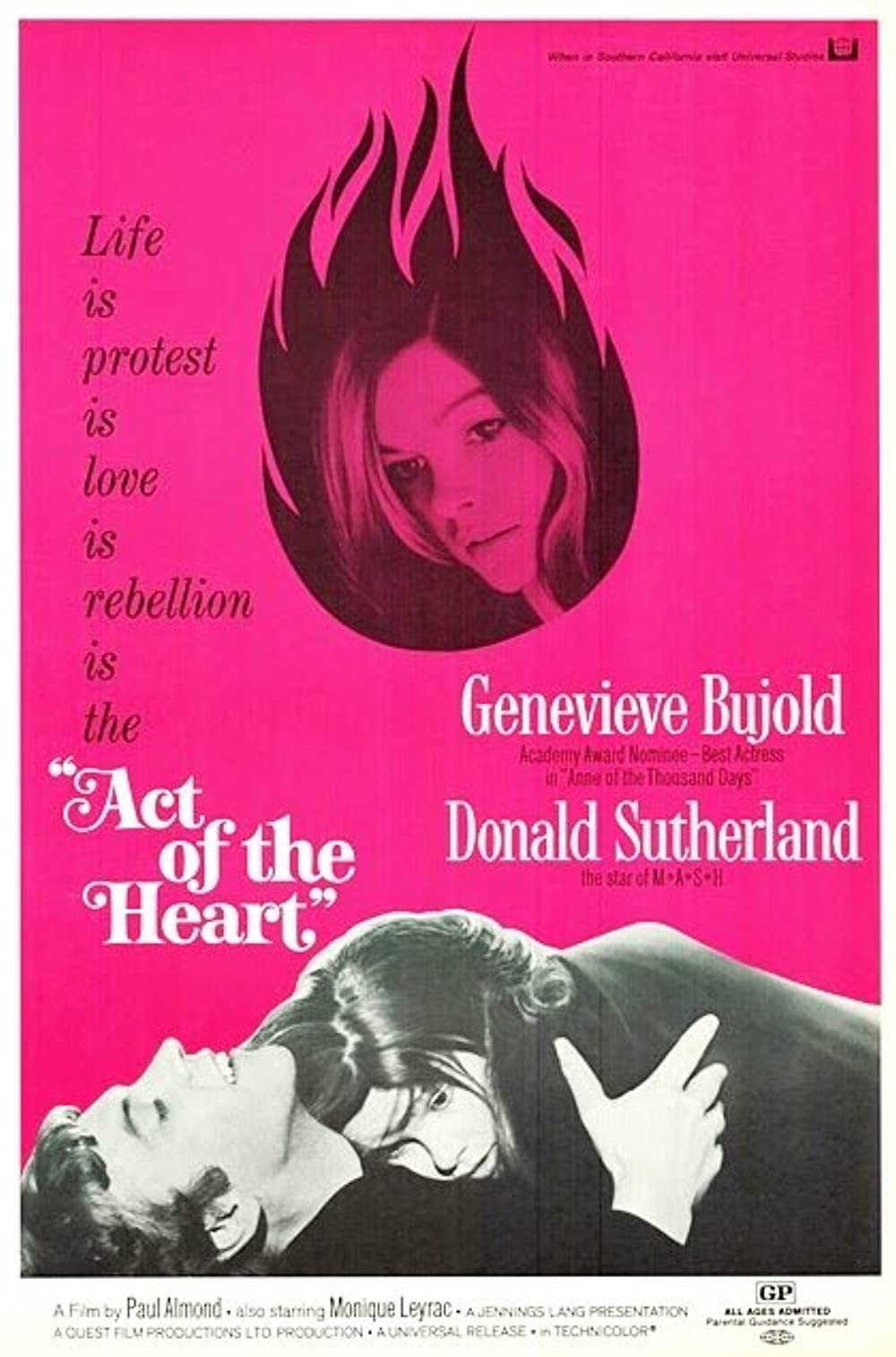

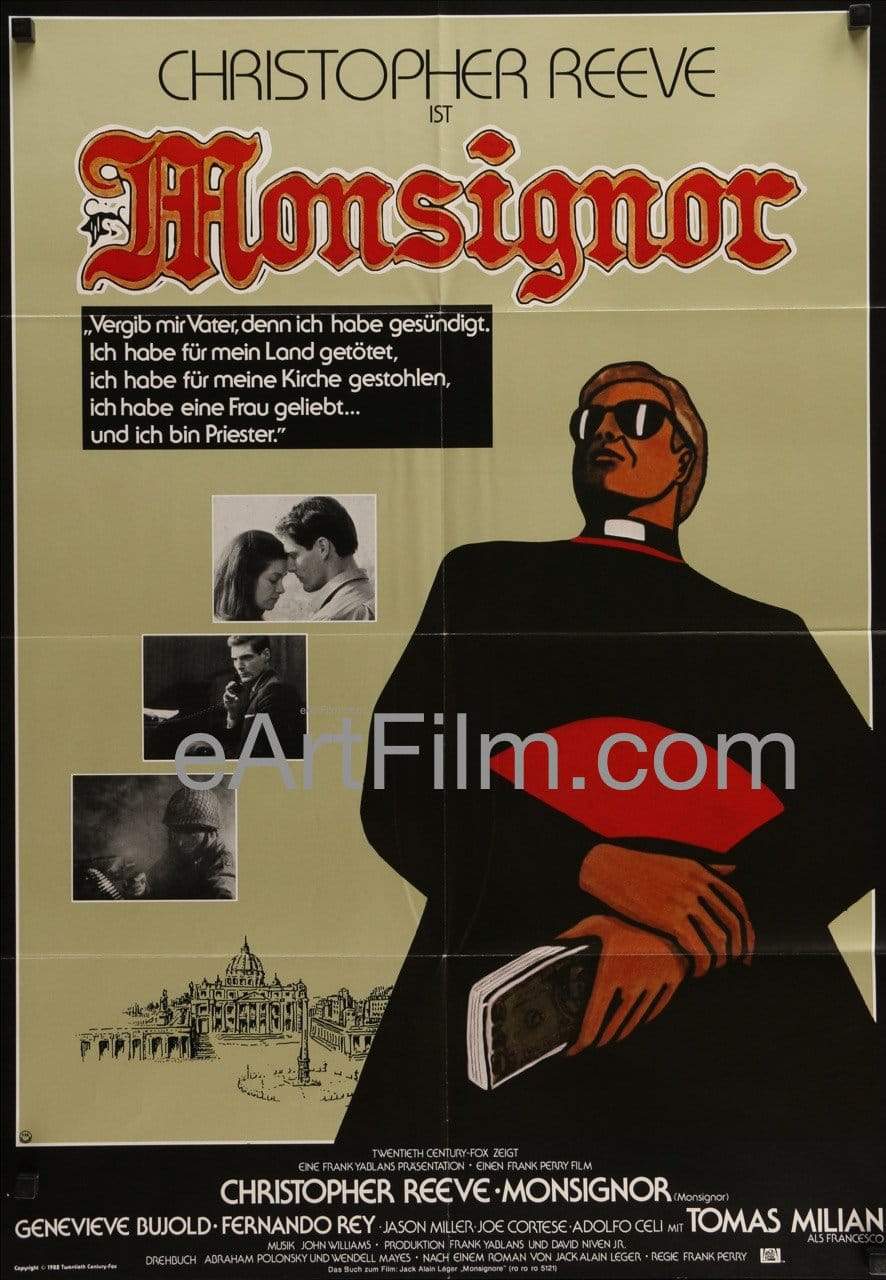
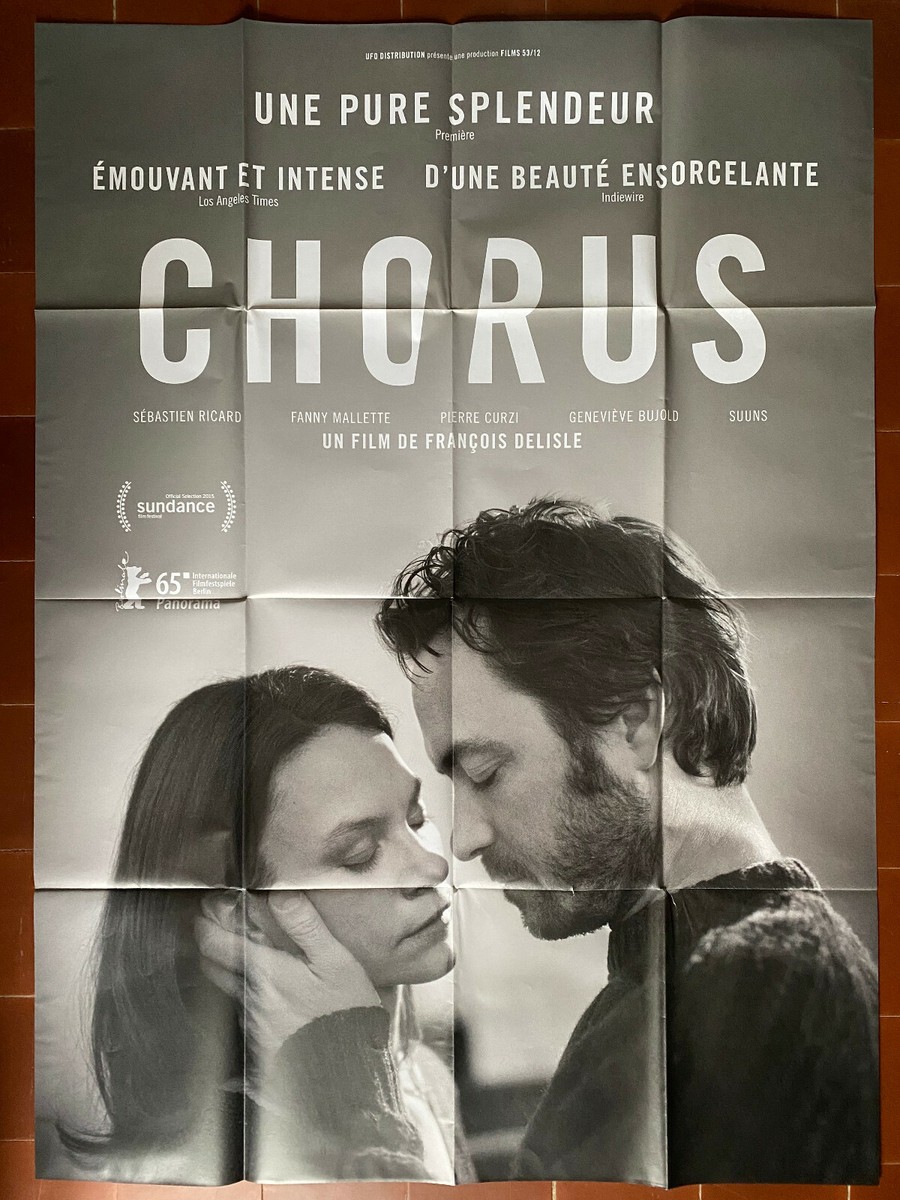
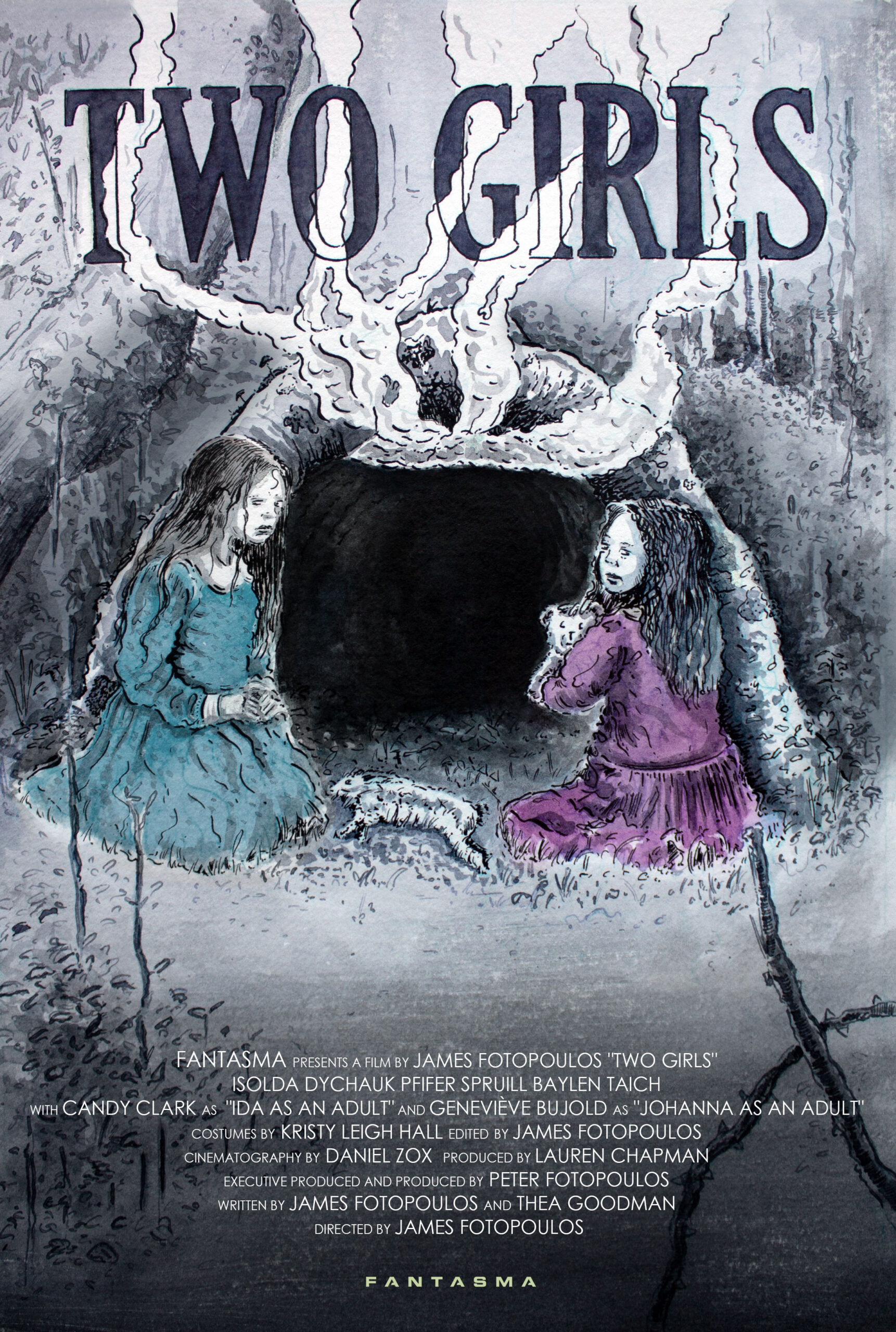
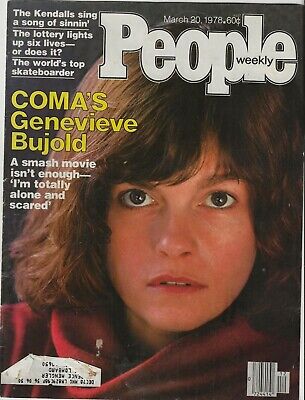
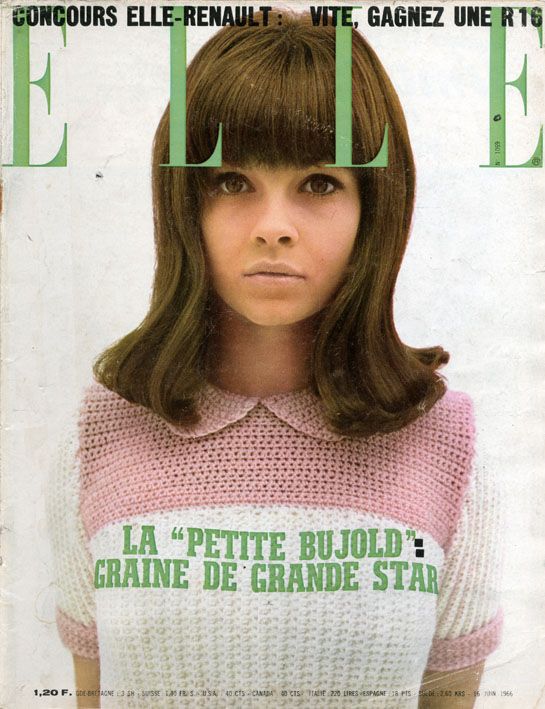
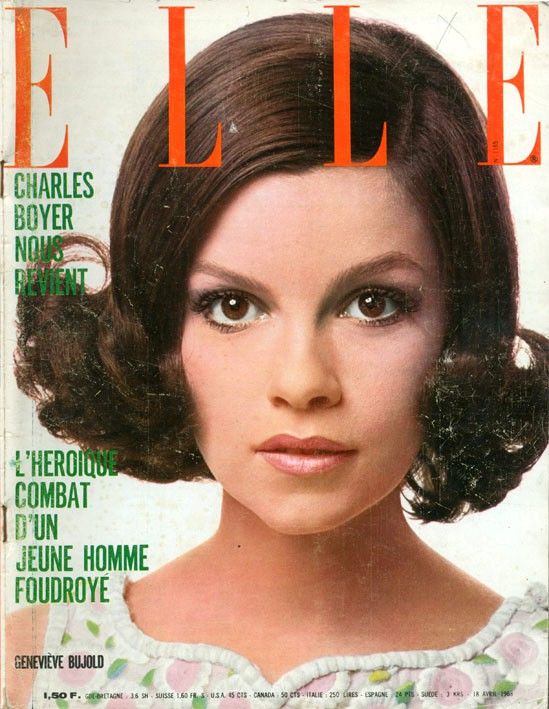
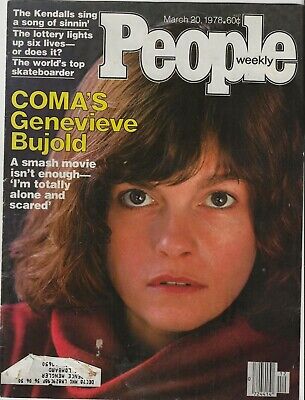
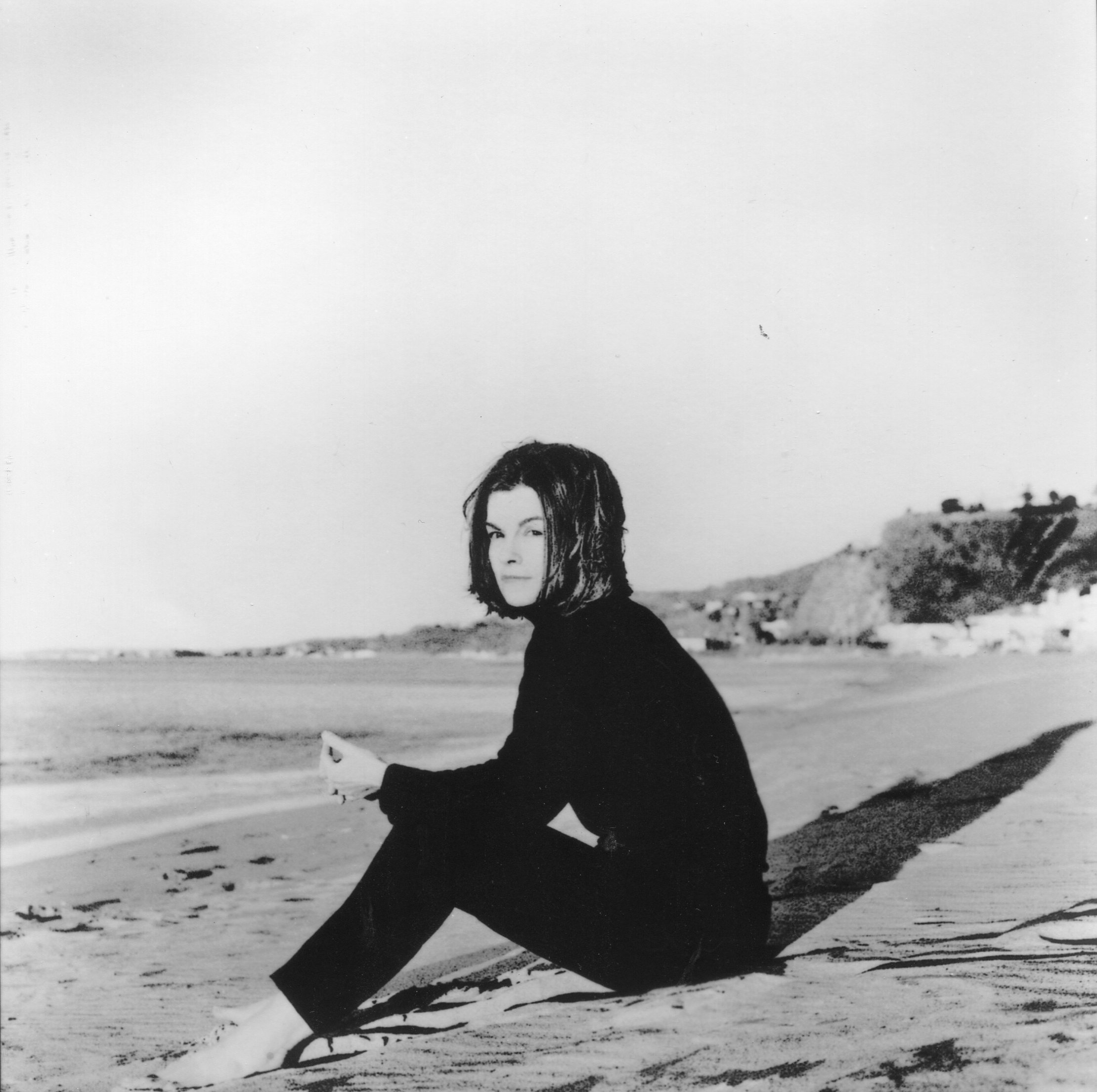
Geneviève Bujold (born 1942) is a titan of Canadian and international cinema, known for a “small-statured but steel-willed” intensity. A critical analysis of her work reveals an actress who consistently defied the “starlet” machinery of Hollywood, opting instead for a career defined by intellectual independence and a refusal to be pigeonholed.
In the context of the 1940s Noir and 1960s British Realism you enjoy, Bujold represents a bridge: she possesses the classical poise of the theater but carries a jagged, modern unpredictability that feels entirely “New Hollywood.”
I. Career Overview: The Rebel of Montreal
1. The Classical Roots and Resnais Discovery (1960s)
Bujold was famously expelled from her convent school for reading Marcel Pagnol’s Fanny—an early sign of the “Anne Boleyn” spirit she would later display.
The French Connection: While on tour in Paris, she was discovered by the legendary Alain Resnais, who cast her in The War Is Over (1966) opposite Yves Montand. This began a run of sophisticated French films, including Philippe de Broca’s cult classic King of Hearts (1966) and Louis Malle’s The Thief of Paris(1967).
2. The Breakthrough: Anne of the Thousand Days (1969)
Bujold’s international stardom was cemented as Anne Boleyn.
The “Steel” Performance: She was cast by Hal B. Wallis without a screen test after she boldly refused to do one, claiming her previous work was test enough. This “hard-headedness” convinced Wallis she was the only woman who could stand up to Richard Burton’s Henry VIII. She won a Golden Globe and earned an Academy Award nomination for the role.
3. The Genre and Auteur Era (1970s–1980s)
Following her breakout, she eschewed traditional “star” roles, famously walking out of a contract with Universal that led to a massive lawsuit.
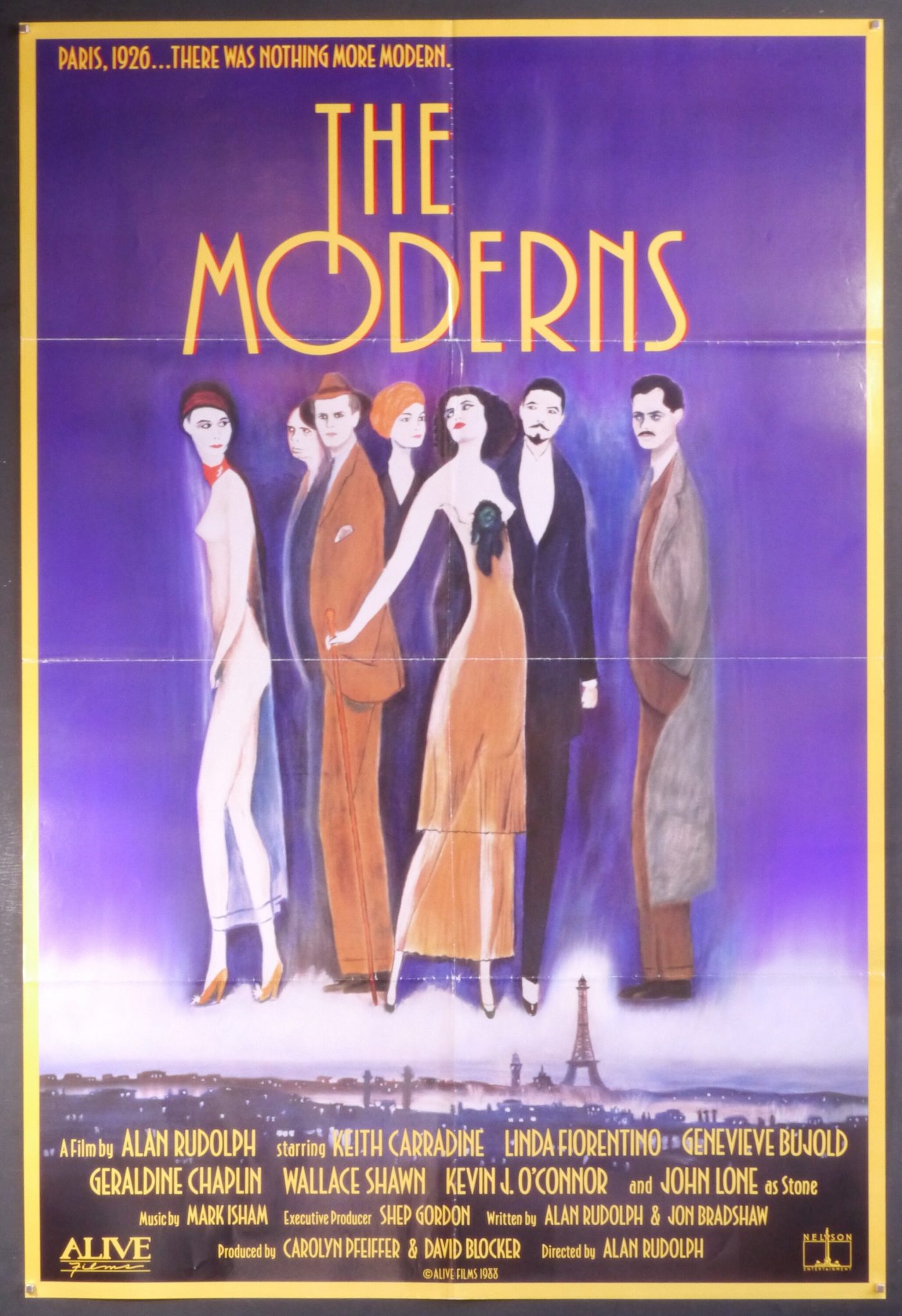
The Rudolph and Cronenberg Years: She became a muse for director Alan Rudolph (Choose Me, The Moderns) and delivered a haunting, visceral performance in David Cronenberg’s Dead Ringers (1988) opposite Jeremy Irons. These roles showcased her ability to thrive in the dark, clinical, and avant-garde corners of cinema.
II. Detailed Critical Analysis
1. The “Ferocious Vulnerability”
Critically, Bujold is analyzed for her paradoxical presence. She is physically delicate—often the smallest person in the frame—but she projects a “ferocious” intellectual weight.
The “Battering Ram” Delivery: Critics note that Bujold often delivers dialogue with a frank, unembellished fortitude. Unlike the “damsels” of earlier eras, her characters rarely break eye contact. In Anne of the Thousand Days, she didn’t play Anne as a victim; she played her as a master game-playerwho simply ran out of moves. This aligns with the “Kitchen Sink” honesty you enjoy—the refusal to sentimentalize suffering.
2. The “Anti-Hollywood” Naturalism
Bujold’s style is deeply rooted in French New Wave naturalism.
Internalized Acting: Even in large-scale epics like Earthquake (1974), she maintained a “private” quality. Analysts point out that she seems “roundly unseduced by heraldry and pomp.” She brought a “Noir” interiority to every genre—suggesting that the real drama was happening behind her eyes, not in the spectacular sets around her.
3. The “Moral Anchor” in the Macabre
In her collaborations with Cronenberg and in thrillers like Coma (1978), Bujold excelled at playing the “Professional in Peril.”
The Investigative Mind: Much like Richard Johnson, she was at her best playing high-intelligence characters who refuse to ignore the truth. She brought a “Documentary-like” grit to these films; you believed she was a doctor or a researcher because she moved and spoke with the clipped efficiency of a person who values facts over feelings.
Iconic Performance Highlights
| Work | Role | Year | Critical Achievement |
| Anne of the Thousand Days | Anne Boleyn | 1969 | The definitive “Resilient Queen” of historical cinema. |
| The Trojan Women | Cassandra | 1971 | A “Virtuoso” performance of madness and prophecy. |
| Coma | Dr. Susan Wheeler | 1978 | Elevated the “Medical Thriller” with intense realism. |
| Dead Ringers | Claire Niveau | 1988 | A “Brave and Clinical” turn in a masterpiece of psychological horror. |