

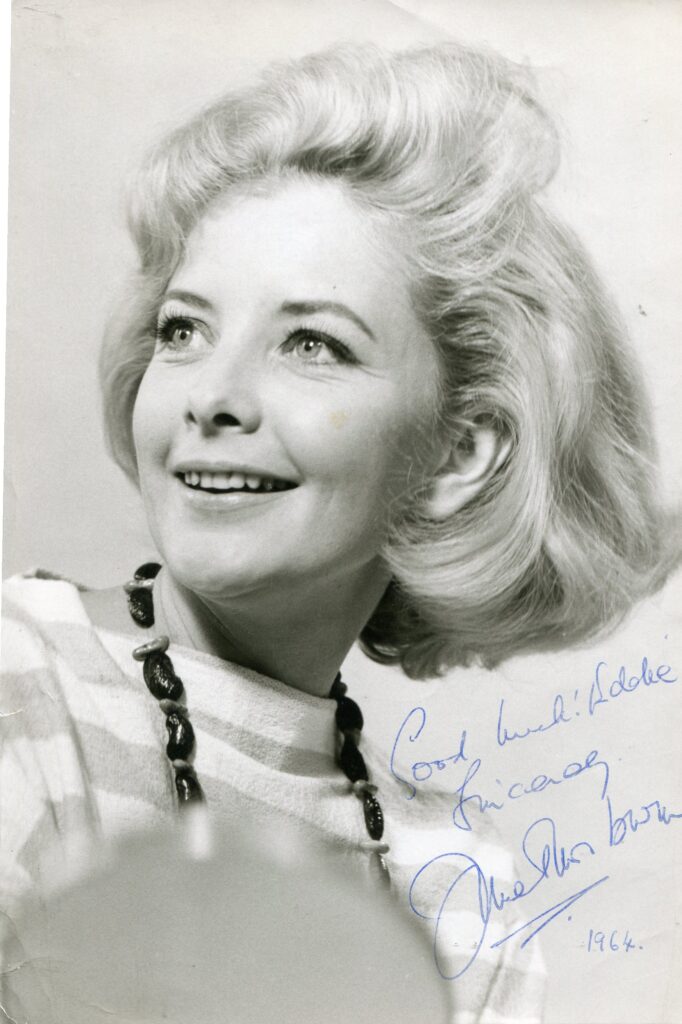
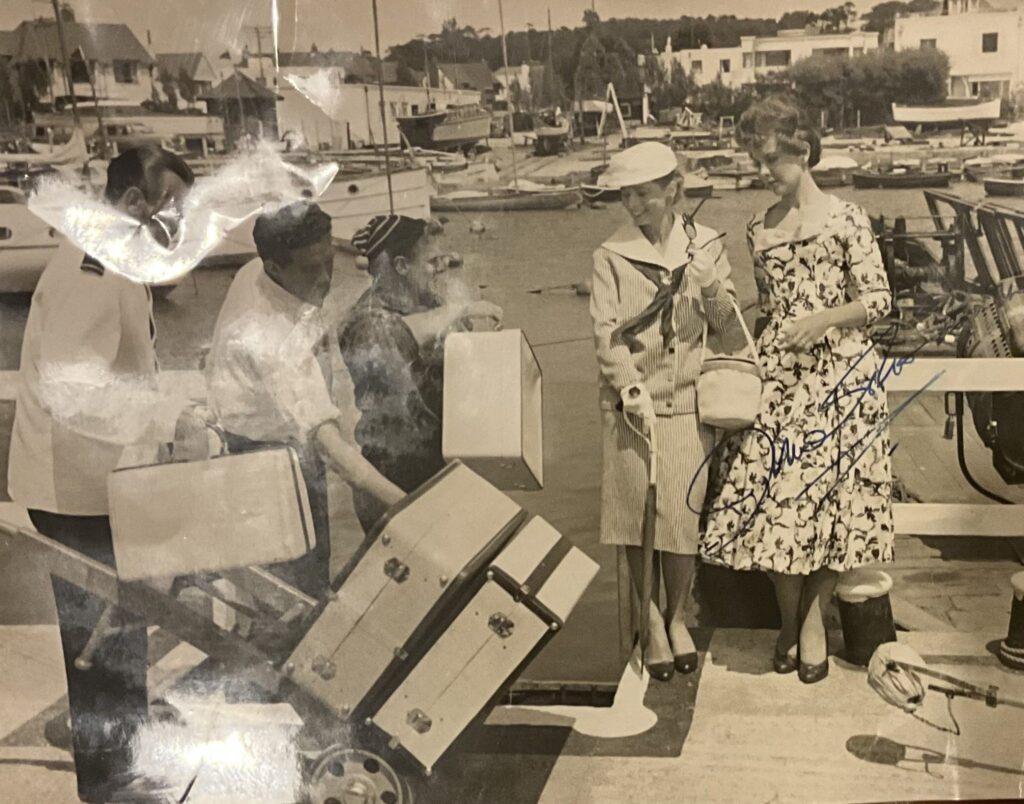
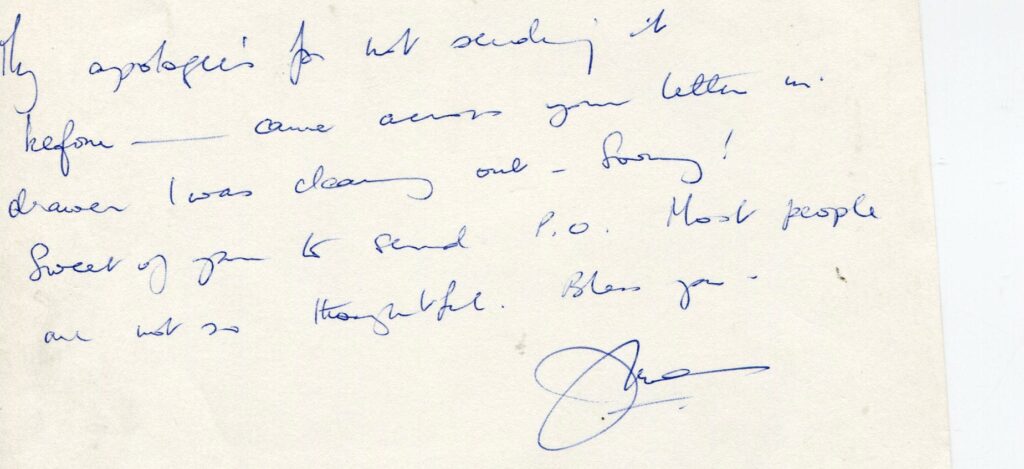
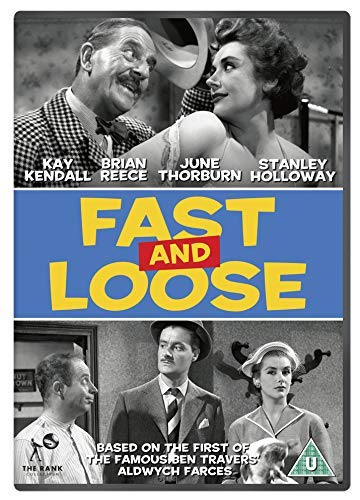
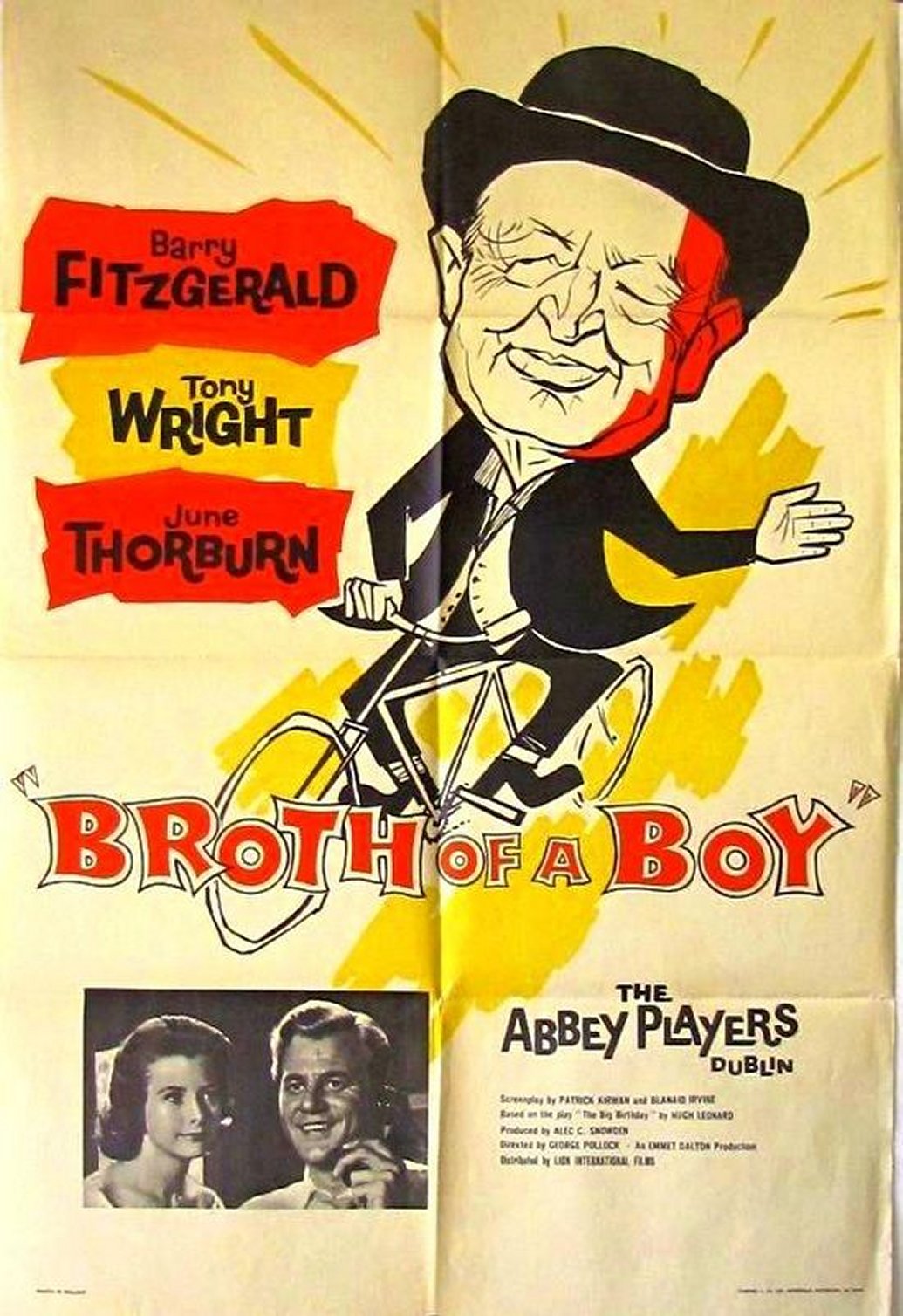
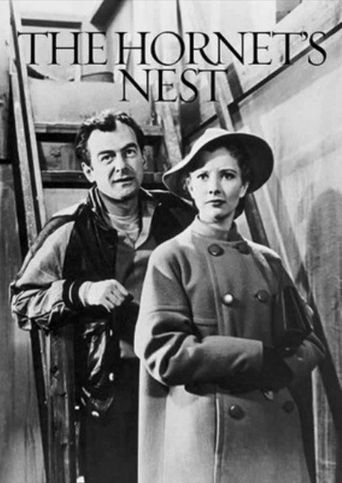
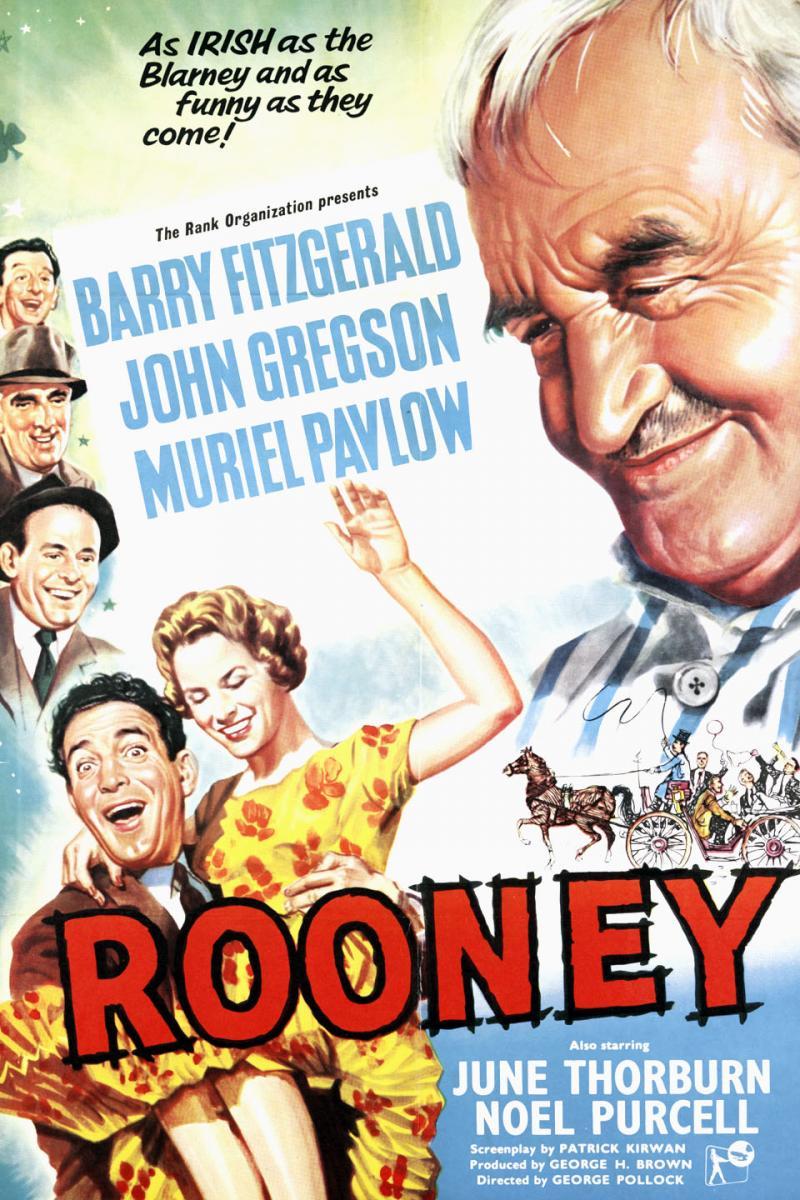
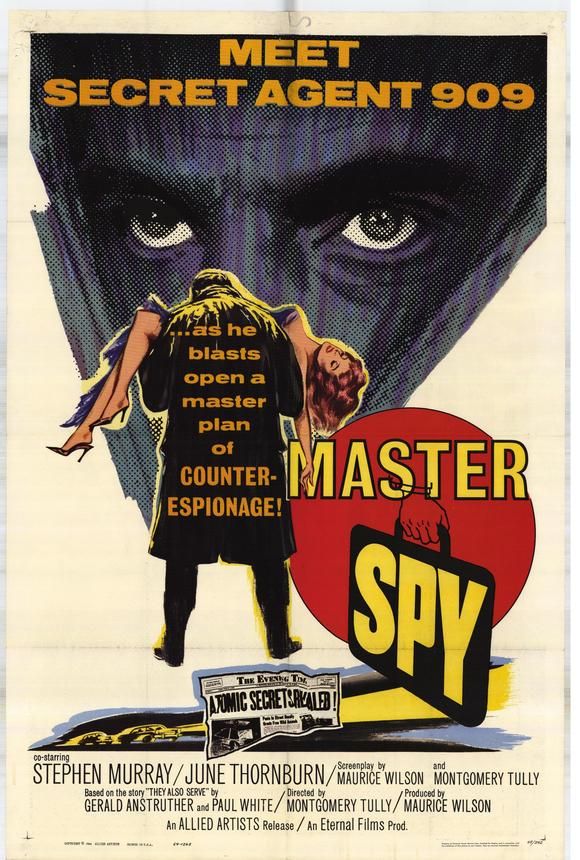
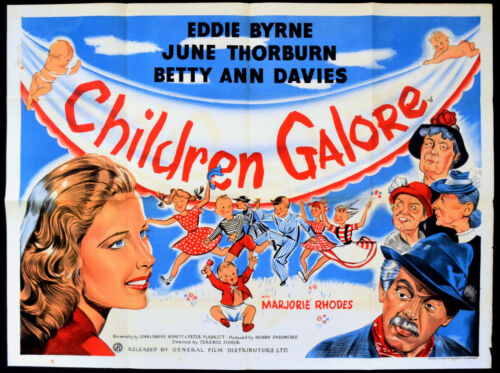
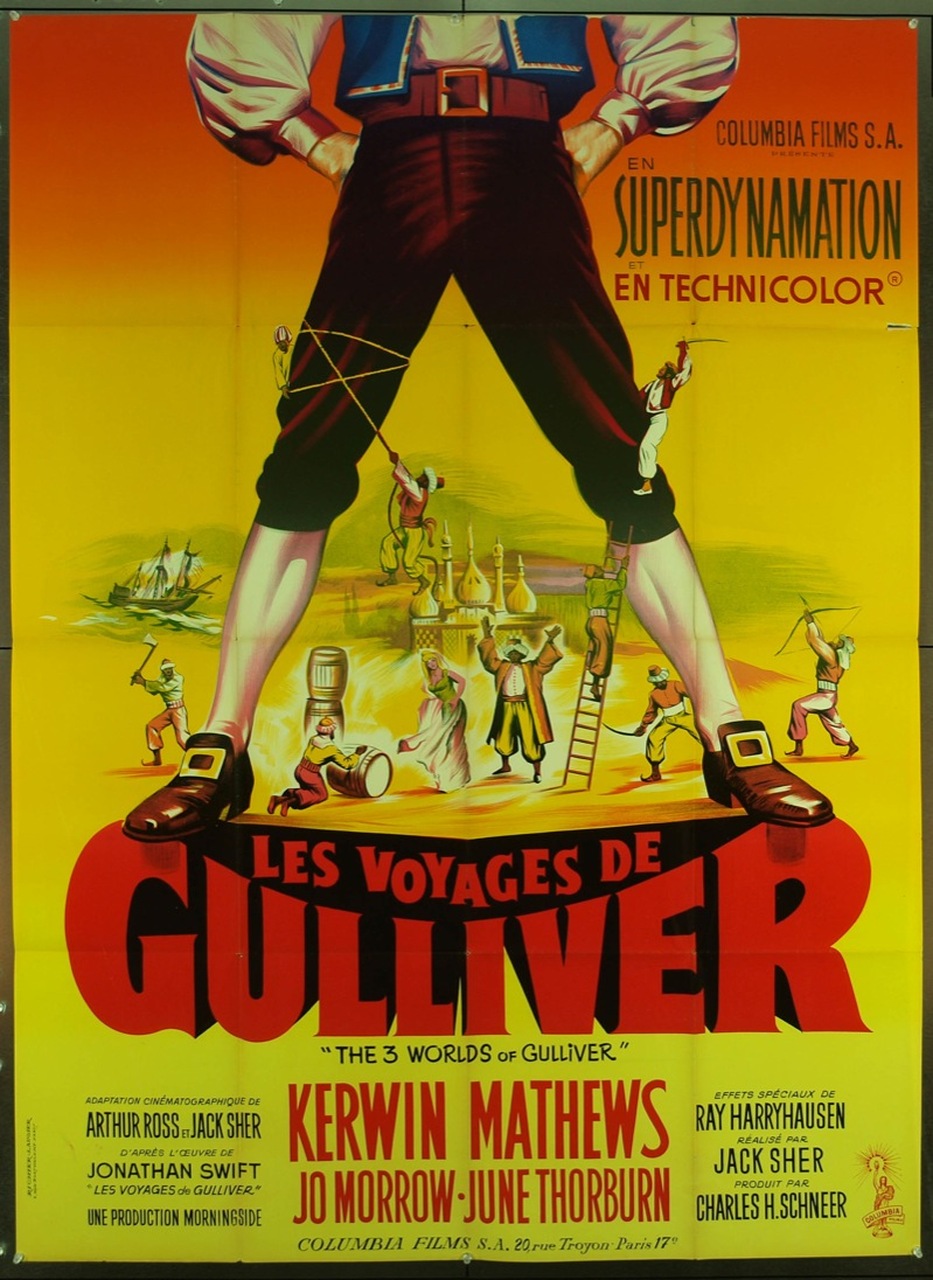
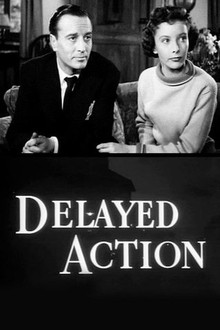
Patricia June Thorburn-Smith (8 June 1931 – 4 November 1967) was a popular English actress whose career was cut short by her death in an air crash. When she was 20 she left home and moved to London to pursue her career, where she met and married her first husband, Aldon Richard . The marriage ended in divorce and June moved back to Hampshire, close to her family, for a couple of years until her career started to take off.
In 1957, she moved back to London, where shortly thereafter she met Morten Smith-Petersen, who subsequently became her second husband. She was married to him until her death in 1967. Together with Morten, she had a second daughter named Inger-Sheleen Christabel.
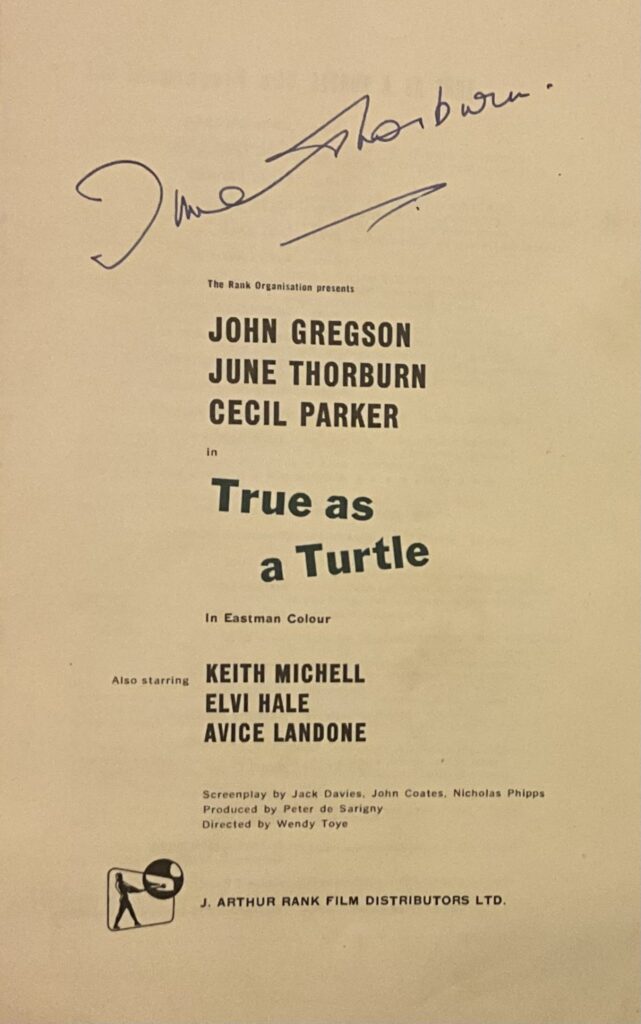
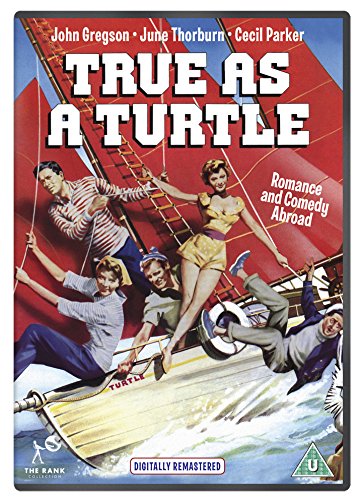
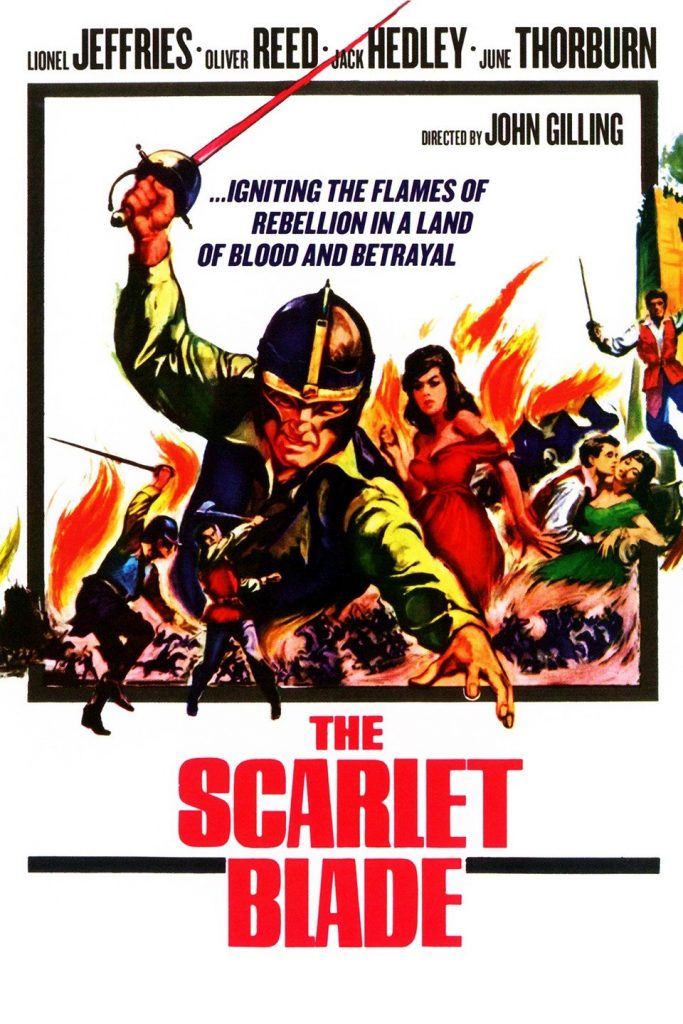
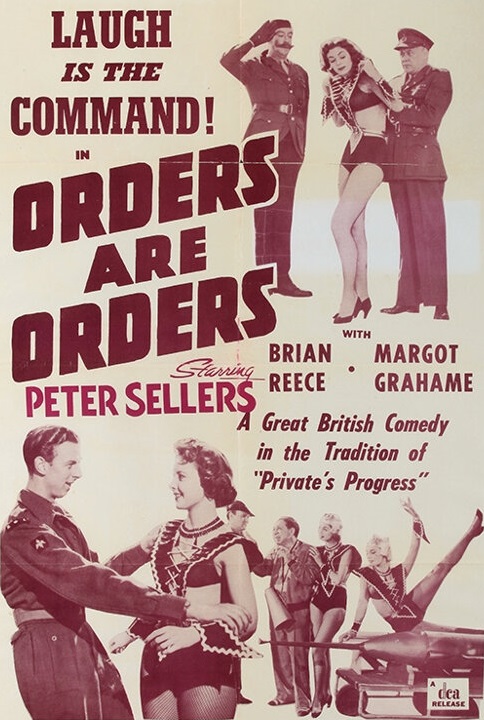
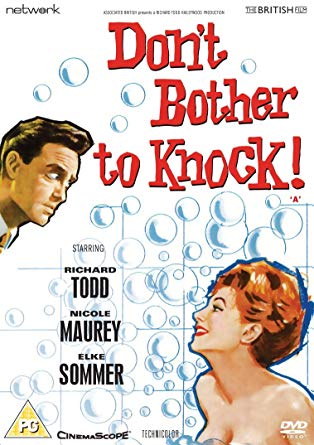
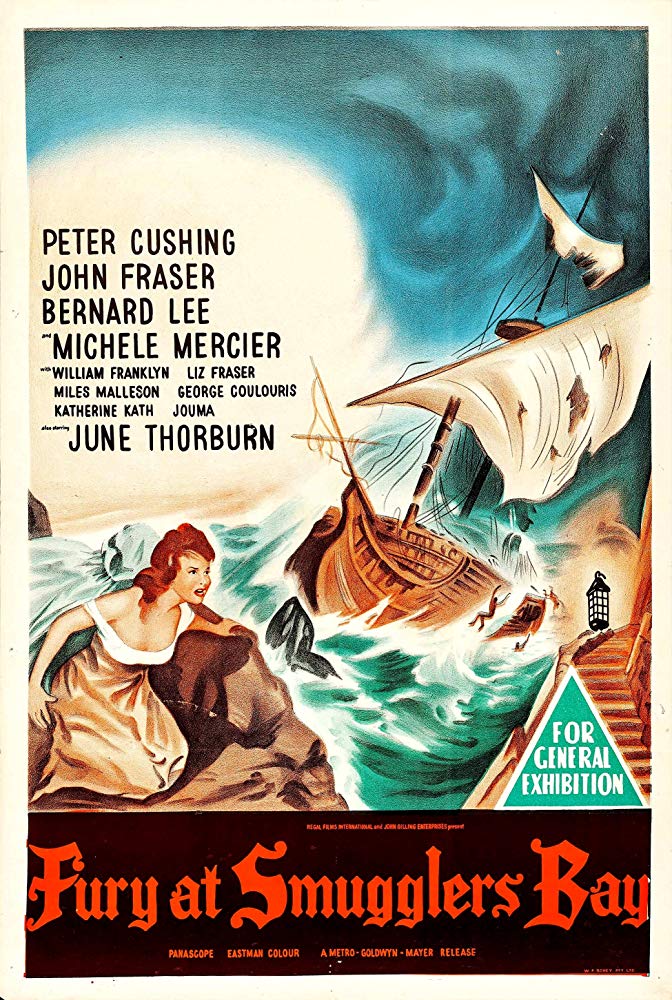
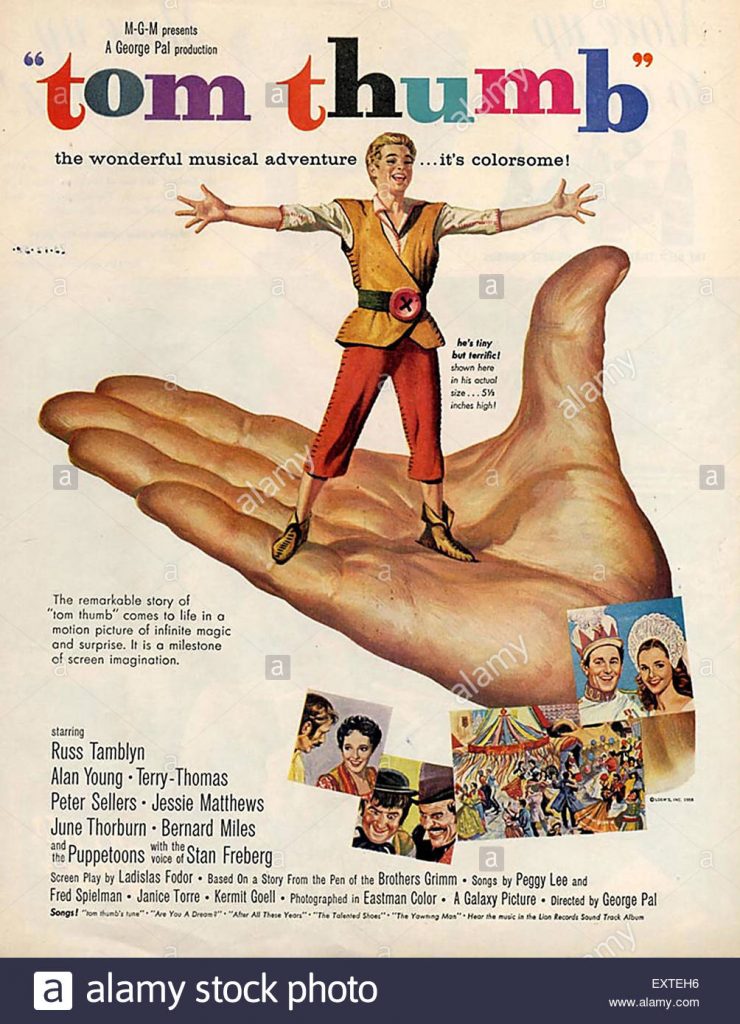
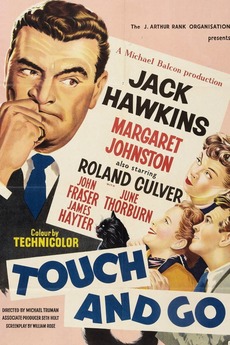
She appeared in her first commercial film in 1952, and quickly worked her way up from supporting roles to second female leads. One of her most notable roles in the mid-1950s was in the comedy-drama Touch and Go (1955), starring Jack Hawkins. Thorburn began to win leading roles, in British comedies such as True as a Turtle(1957) and costume dramas such as Fury at Smugglers’ Bay (1961) and The Scarlet Blade (1963).[4] Her most notable film appearance was as the Forest Queen in Tom Thumb (1958). During the early 1960s, she also appeared regularly on British television.
In 1960 she appeared in the television series Danger Man in the episode entitled “The Prisoner” as Sue Carpenter. She also starred with Sean Connery and Claire Bloom in a television adaptation of “Anna Karenina”.
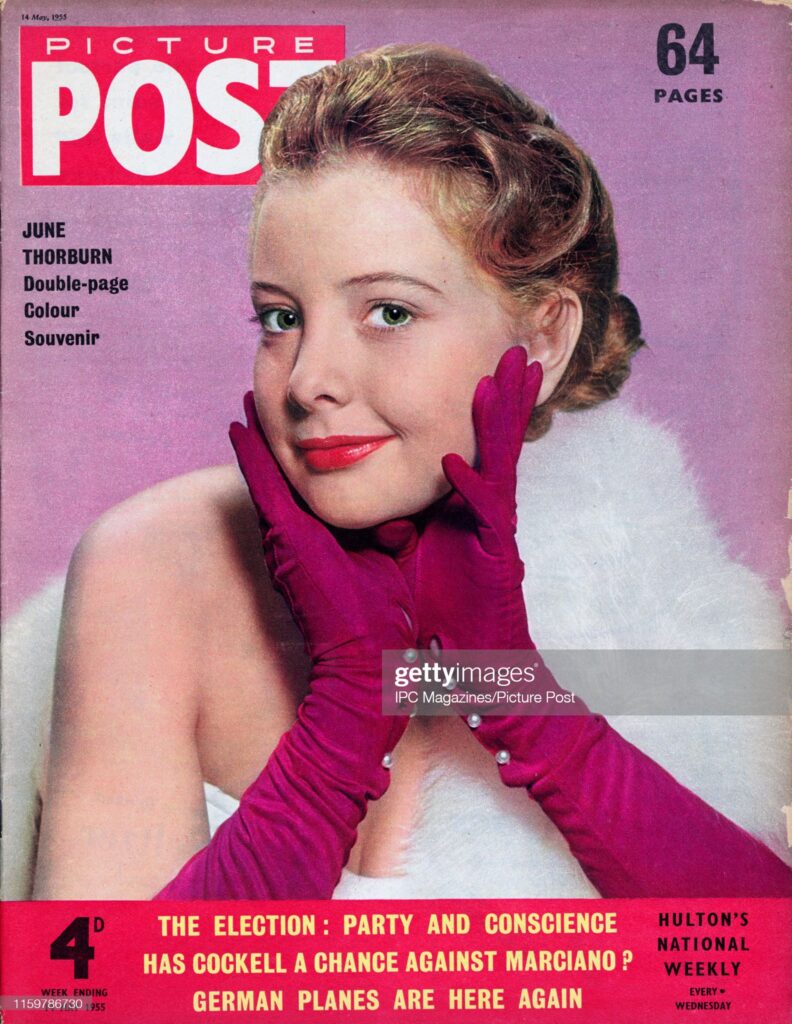
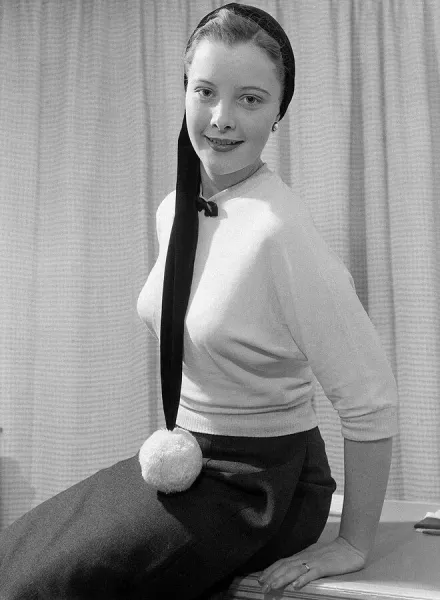
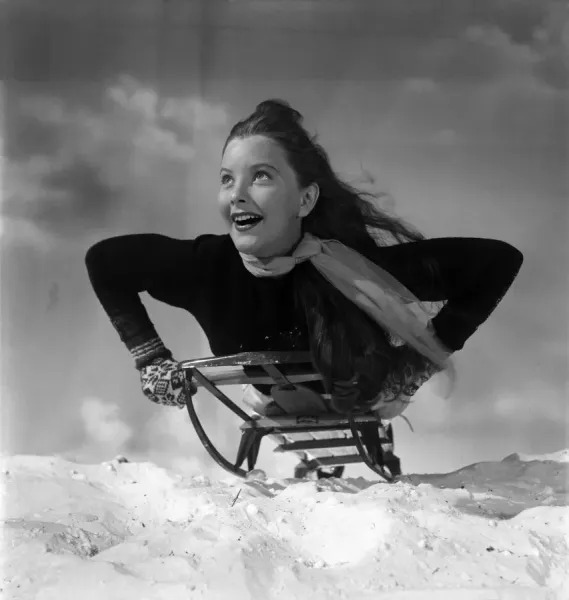
June Thorburn (1931–1967) was the “English Rose” of the 1950s and early 60s, an actress whose career was tragically cut short by a plane crash at the age of 35. While often cast for her delicate, ethereal beauty, a critical analysis of her work reveals a performer of surprising versatility who successfully navigated the transition from “fairy-tale” fantasy to the burgeoning realism of British television.
1. Career Arc: From the Stage to the Skies
The Rank Organisation Discovery: Born in Karachi (then British India), Thorburn moved to the UK and was quickly signed by the Rank Organisation, the powerhouse of British cinema. She was initially positioned as a glamorous leading lady in comedies and period dramas.
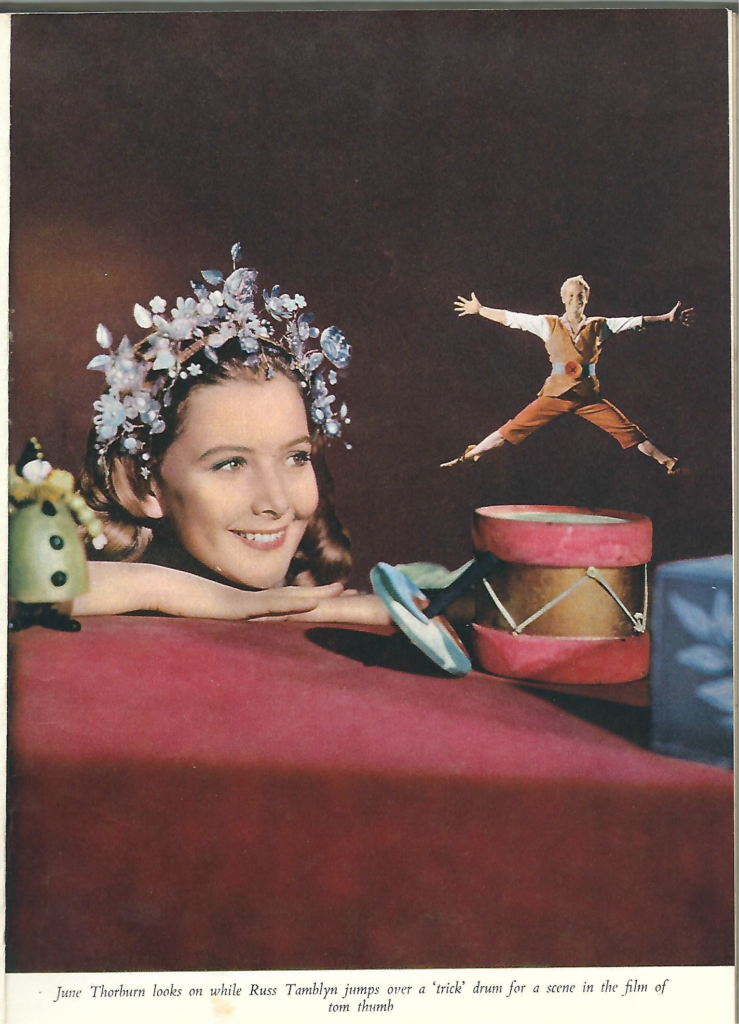
The Fantasy Muse (1958): Her career reached its visual and commercial peak when she was cast by George Pal as the Forest Queen in tom thumb. This role established her as a figure of “otherworldly” grace.
The Dramatic Pivot (1960s): As the “kitchen sink” realism of the British New Wave began to dominate cinema, Thorburn pivoted toward television. She became a highly respected dramatic actress in prestige anthology series, proving she could handle gritty, contemporary material.
The Final Act: In 1967, while pregnant with her third child, she was killed in the British European Airways Flight 142 crash. Her death was viewed as a major loss to the British acting community, as she was just beginning to enter her “mature” phase as an actress.
2. Critical Analysis of Key Performances
tom thumb (1958) – The Archetype of Enchantment
As the Forest Queen, the magical protector of the protagonist.
Analysis: In this Oscar-winning fantasy film, Thorburn was required to act against pioneering special effects. She utilized a deliberate, stylized physicality to convey her character’s magical nature.
Critique: Critics often cite this as the definitive “Thorburn look.” She possessed a luminous, almost porcelain quality that made her perfectly suited for Technicolor. However, she managed to imbue the role with a gentle authority that kept the character from becoming a mere cartoon.
Fury at Smugglers’ Bay (1961) – The Swashbuckling Heroine
Playing Michele opposite Peter Cushing and Bernard Lee.
Analysis: This film allowed Thorburn to move away from “magic” and into the adventure genre. She played the role with a surprising amount of grit, participating in the film’s high-stakes action sequences.
Critique: Thorburn was praised for her athletic grace. In an era where female leads in adventure films were often relegated to “screamers,” Thorburn’s Michele was proactive. She possessed a “modern” energy that hinted at the shift toward the more independent female leads of the 1960s.
The Spanish Sword (1962) – The Moral Center
As Lady Mary in this historical drama.
Analysis: Here, Thorburn utilized her vocal training. She possessed a clear, melodic “received pronunciation” (RP) that gave her historical roles an air of authenticity and prestige.
Critique: Critically, she was noted for her expressive stillness. In scenes dominated by male conflict, Thorburn’s “silent reactions” provided the moral compass of the story. She was an expert at “listening” in a scene, a trait that made her a favorite among directors of ensemble casts.
3. Style and Legacy: The “Transitional” Leading Lady
June Thorburn’s style was defined by a blend of Victorian elegance and post-war pragmatism.
| Attribute | Critical Impact |
| Photogenic Purity | Her face was a masterclass in symmetry and “softness,” which directors used to symbolize hope or innocence. |
| Vocal Melodicism | She had a light, flutelike voice that was surprisingly effective in television dramas where intimacy was key. |
| Adaptability | She was one of the few Rank starlets who managed to successfully bridge the gap between “Studio Glamour” and “TV Realism.” |
The “What-If” of British Cinema
Critical analysis of Thorburn is frequently tinged with the tragedy of her early death. By the mid-1960s, she was moving into character-driven roles that moved beyond her “Rose” archetype.
Critical Note: June Thorburn was an actress of unrealized potential. While she is remembered as a “Fantasy Queen,” her later work in television suggested she had the capacity to become a significant character actress in the vein of a Maggie Smith or Judi Dench. She represented the “end of an era” for the polished Rank starlet and the beginning of a more naturalistic British acting