Brittish Actors

Collection of Classic Brittish Actors

Oliver Cotton
Oliver Cotton
Oliver Cotton
Oliver Cotton
 

Oliver Cotton was born in London in 1944.   He has worked for a long time with the Royal National Theatre.His films include “Here We Go Round the Mulberry Bush” in 1968, “Eleni” and “The Sicilian”.   He has guest starred in most of the major UK drama series.

Renee Asherson
Renee Asherson
Renee Asherson

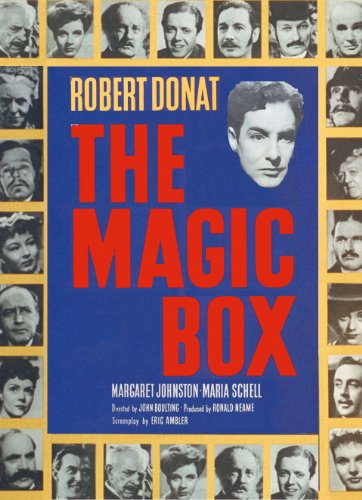
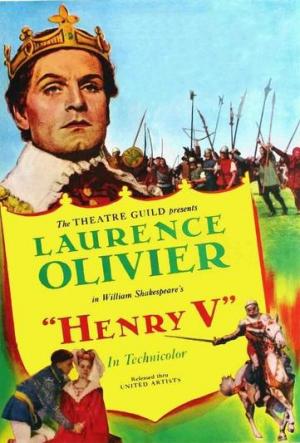
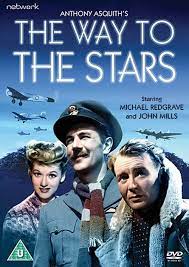
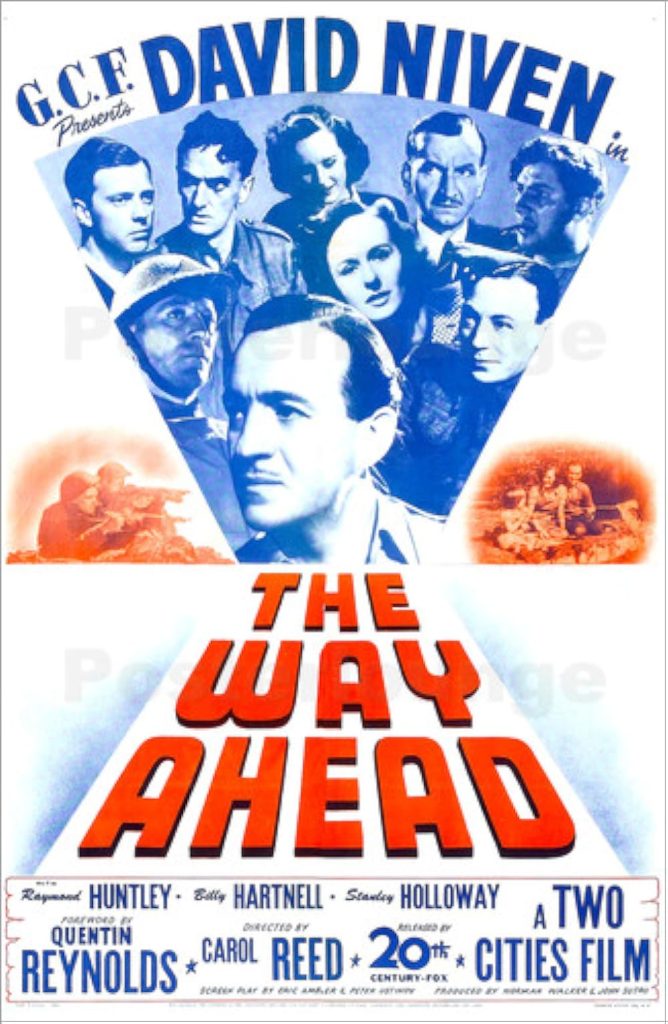
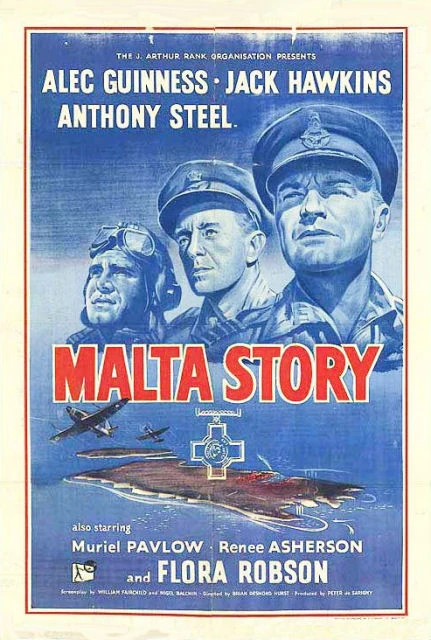
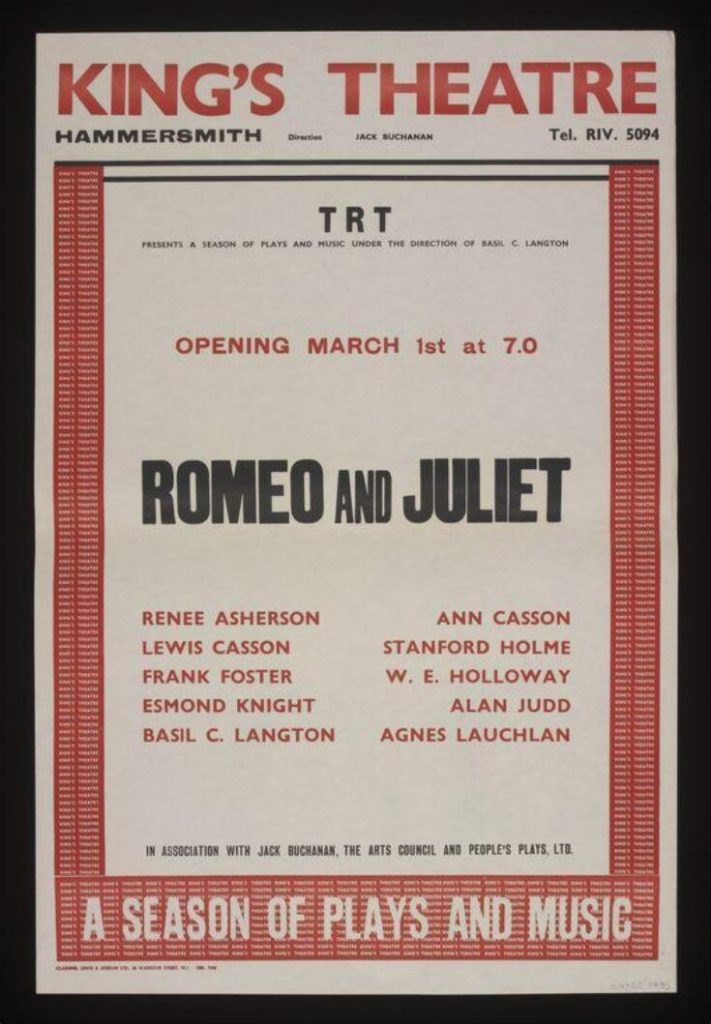
Renee Asherson was born in 1915 in Kensington, London.   She made her stage debut in 1935 in a John Gielgud production of “Romeo and Juliet”.   She spent many years on the stage acting in Shakespearian productions.   Her film debut came in 1944 in “The Way Ahead”.   Laurence Oliver chose her to be his leading lady for his 1945 film “Henry 5th”.   She also starred in “The Way to the Stars”, “The Magic Box” and “Theatre of Blood”.   She was married for a time to the great actor Robert Donat.   She died at the age of 99.

Telegraph” obituary:

Renee Asherson, the actress, who has died aged 99, was a delicately feminine exponent of the classics, both ancient and modern; yet she never reached the dramatic heights implied by several early triumphs.

With her twinkling eyes, husky voice and petite figure, Renée Asherson brought distinction and charm, if not much steel, to scores of plays and many films and television dramas.

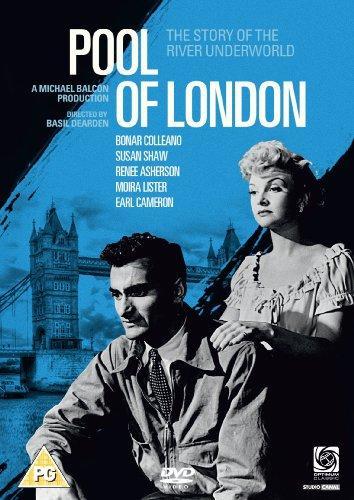
She was perhaps best known as the blushing French Princess Katherine seduced by Laurence Olivier in his film of Henry V (1944). Olivier also directed her on stage in 1949 in the first British production of Tennessee Williams’s A Streetcar Named Desire at the Aldwych, in which Olivier’s wife Vivien Leigh gave one of her best performances as Blanche Dubois and Renée Asherson played the part of Stella Kowalski, wife of the brutish Stanley (Bonar Colleano).

It was said that Renée Asherson had landed the part of Princess Katherine because Olivier feared Vivien Leigh was too big a star and might eclipse his own performance in the title role. If so, Renée Asherson took her revenge in 1990 when she appeared in Sir Norbert Smith: A Life, a hilarious Harry Enfield send-up of a respectful at-home interview with Olivier conducted by Melvyn Bragg, in which she appeared as the senile “Sir Norbert’s” equally dotty wife.

A year after Henry V, Renée Asherson had been a member of the cast of the Terence Rattigan wartime drama The Way to the Stars, in which she gave a fine, stiff-upper-lipped performance as Iris, the young WRAF recruit with whom John Mills falls in love. The same year, on stage, she played a memorable Juliet opposite Basil Langton, eliciting a curious encomium from Kenneth Tynan, who observed: “In a husky alto she breathed all the world-defiance which such self-deceivers delight in. She was tormented and fragile and she dealt in just the right, headstrong way with her unreasoning parents and that sordid nurse. She looked as if she wanted to be someone’s mistress.”

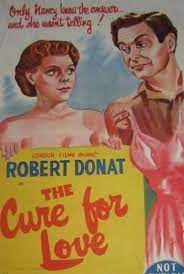
Renée Asherson went on to win glowing reviews in her West End acting partnership with Robert Donat which reached its zenith in the stage and film versions of Walter Greenwood’s The Cure for Love, which led to their marriage in 1953.

Their time together did not last, however, and when Donat died in mid-career in 1958 they were living apart, though reported to be considering a reconciliation. Renée Asherson continued to enjoy a respectable career, yet she did not, ultimately, fulfil her early promise and there were some who wondered whether she would not have gone on to greater things if she and Donat had been able to live and work together for longer.

Dorothy Renée Ascherson (she later dropped the “c” in her surname for stage purposes) was born in London on May 19 1915 and educated at Maltman’s Green school, Gerrards Cross, and at Anjou in France.

After studying for the stage at the Webber Douglas Academy of Dramatic Art, she got her first walk-on part in 1935 in John Gielgud’s revival of Romeo and Juliet at the New Theatre, in which Gielgud alternated the parts of Romeo and Mercutio with Laurence Olivier. After 18 months in Barry Jackson’s Birmingham Repertory Company, she spent a season at Richmond, before achieving a notable success as Catherine Howard in Clifford Bax’s romantic drama The Rose Without a Thorn (Tavistock Little, 1940).

She then joined the Old Vic as Iris in The Tempest, and toured with the theatre as Kate Hardcastle in She Stoops to Conquer, Maria in Twelfth Night, Nerissa in The Merchant of Venice, Blanche in King John, Ann Page in The Merry Wives of Windsor and Desdemona in Othello.

Other parts that came her way in the early 1940s included Puck in Robert Atkins’s production of A Midsummer Night’s Dream (Westminster, 1942), Henriette Duquesnoy in Ashley Duke’s The Mask of Virtue, Rose in Enid Bagnold’s Lottie Dundass (Vaudeville) and Millie Southern in The Cure for Love (Westminster, 1945), in which she won praise for her portrayal of the sweeter of two women waiting to marry a soldier (Robert Donat) returning from the wars.

In 1947 she played Beatrice to Robert Donat’s Benedick in Much Ado About Nothing (Aldwych), and by the time they had reprised their roles in the film version of The Cure for Love in 1949 they had fallen in love. They subsequently appeared together in John Boulting’s 1951 film The Magic Box.

After playing Daisy Sage in Peter Cotes’s production of Philip Barry’s The Animal Kingdom (Playhouse) she returned to the Old Vic as Bianca in The Taming of the Shrew, and appeared in The Government Inspector and as the Queen in Richard II.

She spent most of the 1950s in the West End — notably as Stella Kowalski in A Streetcar Named Desire, Irina in an all-star revival of Three Sisters (Aldwych), in The Big Knife (Duke of York’s), and in The Waltz of the Toreadors (Criterion).

When Robert Donat died, he left everything to his three children from an earlier marriage and, as a result, Renée Asherson, as she later explained, having “worked only for the love, now had to work for the money”.

She began to appear in thrillers, such as The Unexpected Guest (Duchess), Kill Two Birds (St Martin’s) and Portrait of Murder (Savoy), and returned to provincial rep, in which she continued to enjoy an active career into the 1980s.

Her first major film appearance had been in The Way Ahead, Carol Reed’s stirring flag-waver of 1944. Her other film credits included Once a Jolly Swagman (1948), in which she played the girlfriend of Dirk Bogarde who encounters unexpected competition from Moira Lister, and Theatre of Blood (1973), a Grand Guignol black comedy with Vincent Price playing a hammy, homicidal Shakespearean actor intent on dispatching those who derided his performances; Renée Asherson played the wife of a critic (Michael Hordern) who ignores her Calpurnia-like warnings and meets a bloody end at the hands of the man he has maligned in print.

In her last film role, she put in a chilling performance as an elderly, blind medium in Alejandro Amenábar’s 2001 film The Others, starring Nicole Kidman.

Renée Asherson had an extensive career in television. In 1952, she portrayed Queen Victoria in the BBC drama series Happy and Glorious, and her other work included Domino (1963), Clayhanger (1976), Chain (1980) , Love and Marriage (1983) and Life after Life (1990), as well as the inevitable episodes of Miss Marple, Lovejoy, and Midsomer Murders.

In John Mortimer’s television play Edwin (1984) she was the independent-minded wife of a crusty, retired judge (Sir Alec Guinness) who thinks she might be having an affair with his neighbour. In 1989 she played old Mrs Bartholomew, who winds the clock every day in a BBC adaptation of Philippa Pearce’s children’s classic Tom’s Midnight Garden.

In 1992 she joined Maggie Smith, Michael Hordern, Thora Hird, Cyril Cusack and Maurice Denham for a television adaptation of Memento Mori, Muriel Spark’s comic satire of old age, in which her portrayal of an elderly novelist who is not quite as daft as she pretends to be was a tour de force.

Renée Asherson did not remarry and had no children.

Renée Asherson, born May 19 1915, died October 30 2014

 

Jack P. Shepherd
Jack P. Sheppard
Jack P. Sheppard
Jack P. Shepherd
Jack P. Shepherd

Jack P. Shepherd was born in 1988 in Leeds.   He is one of the fine young actors currently on “Coronation Street” as the cunning David Platt.   He has been on the show since 2000.

Elizabeth Shepherd
Elizabeth Sheperd
Elizabeth Sheperd

Elizabeth Shepherd was born in London in 1936.   She made her television debut on British television in 1959 in an episode of “Saturday Playhouse”.   “The Queen’s Guards” in 1961 was her film debut.   In 1964 she made the Hammer horror movie “The Tomb of Ligeia”.   In 1978 she went to the U.S. and made amongst others “Damien: Omen 2”.   She recently guest starred on an epsiode of “Law & Order”.

IMDB Entry:

She was originally cast for the role of Mrs. Peel in The Avengers (1961) and they even recorded some material, but those scenes were shot again with Diana Rigg.
In 2006 she became a victim of identity theft and mortgage fraud, after subletting her home for five months. The renters created a false Elizabeth Shepherd, who sold the home to another member of the group (using a false name), who in turn put a $250,000 mortgage on the property, took the cash, defaulted, disappeared, and left the real Elizabeth Shepherd on the hook. Shepherd went public with her story in the hopes of warning other people to be careful when renting out their homes.
Starring in the world premiere, Off-Broadway production of “December Fools” at the Abington Theatre Company, New York City. [February 2006]
Recently completed playing the role of Flora Humble in ‘Humble Boy’ at Theatre Calgary. [May 2005]
Paul Nicholas
Paul Nicholas.
Paul Nicholas.
 

Paul Nicholas was born in 1945 in Peterborough.   He began his career as a pop singer in 1960.   He played one of the leads in the London production of “Hair” with Oliver Tobias and played Danny in a stage production of “Grease”.   He made his film debut in 1970 in “Cannabis”.   He made films in the U.K. throughout the seventies and in 1978 went to Hollywood to make “Sgt Pepper’s Lonely Heart’s Club Band” with the Bee Gees.   In 1980 he made “The Jazz Singer” with Neil Diamond and Laurence Oliver and in 1982 back in the U.K. made “Nutcracker” with Joan Collins and Carol White.   He starred in many popular television series in England e.g. “Just Good Friend” from 1983 until 1986, “Close to Home” in 1989 and “Sunburn” in 2000.   He recently starred  in “The Royal Today”.

Elizabeth Sellars

Elizabeth Sellars was born in 1923 in Glasgow.   Her film debut was in “Floodtide” in 1949.   Her other films include “Madeleine”, “Cloudburst”, “The Gentle Gunman”, “Hunted” and “The Barefoot Contessa”.   In 1954 she went to Hollywood to make “Desiree” with Marlon Brando and Jean Simmons and “Prince of Players” with Richard Burton.   In “The Chalk Garden” she starred with Hayley Mills and Deborah Kerr and in 1973 was in “The Hireling” with Sarah Miles and Robert Shaw.

Elizabeth Sellars obituary in “The Guardian” in Jan 2020.

The actor Elizabeth Sellars, who has died aged 98, had a fulfilling career on television and on stage, and took leading roles in low-budget British thrillers, as well as supporting roles to bigger stars in bigger pictures, in the 1950s and 60s.

She emerged at a rich time for British television drama, often appearing on the BBC’s Sunday Night Theatre (1951-59) and ITV’s Play of the Week (1959-67). In the theatre, she had long runs in West End productions, and was one of the stars at Stratford-upon-Avon during Peter Hall’s first season as artistic director of the newly formed Royal Shakespeare Theatre in 1960-61.

Sellars, who was born in Glasgow, the daughter of Jean (nee Sutherland) and Stephen Sellars, was educated at Queenswood school in Hatfield, Hertfordshire, and was classically trained as an actor at Rada in London, graduating in 1940. During the second world war she joined Ensa, the troops’ entertainment unit. 

She made her London stage debut in 1946 in The Brothers Karamazov at the Lyric, Hammersmith, directed by Peter Brook and featuring Alec Guinness as Mitya. Sellars then joined the second season of the Bristol Old Vic (1947-48) before embarking on a film career. Floodtide (1949), an uplifting drama set in the Clyde shipyards, had Gordon Jackson leading an all-Scottish cast, among them Sellars in her screen debut, who reverted to the brogue that had been ironed out by Rada.

In David Lean’s Madeleine (1950), set in Glasgow, Sellars played the sassy Scots maid and confidante of flighty Ann Todd in the title role. Sellars then starred in several quota quickies (usually shown on the lower half of a double-feature bill), most of them crime melodramas in which she was involved in a murder in some way.

Slightly more prestigious was her short appearance as the adulterous wife of Dirk Bogarde while he is on the run for murder in Charles Crichton’s Hunted (1952). She was with Bogarde again in the well-meaning The Gentle Gunman (1952). In it, Bogarde and John Mills played unlikely Irish brothers, both members of the IRA, both in love with a fellow member, Sellars, all three with wonky Irish accents. However, Sellars gave a passionate performance as a determined woman of whom it is said: “If she ever had a child it’d be born in uniform with a tommy gun for a rattler.”

There followed supporting roles in three glamorous Hollywood movies, a world away from the gloomy monochrome British films with which Sellars had become associated. The screenwriter and director Joseph Mankiewicz’s The Barefoot Contessa (1954), shot in Italy, cast Sellars as the warm and witty girlfriend of a has-been screenwriter and director (Humphrey Bogart), who gains the trust of his new star discovery (Ava Gardner). To a drunken woman who says of the Gardner character, “She hasn’t even got what I’ve got”, Sellars retorts: “What she’s got you couldn’t spell – and what you’ve got, you used to have.”

In 20th Century Fox period movies in CinemaScope, Sellars was ornamental as sister-in-law to Napoleon (Marlon Brando) in Désirée (1954) and as the sister of the American tragedian Edwin Booth (Richard Burton) in Prince of Players (1955).

Back from California, Sellars appeared as the official wife of the lovable bigamist (Nigel Patrick) in a transfer of the Broadway hit The Remarkable Mr Pennypacker (1955) to the New theatre, London. More significantly, she had the lead in the first British production of Robert Anderson’s Tea and Sympathy, four years after the 1953 Broadway opening. Sellars played Laura Reynolds, the sympathetic and tea-dispensing wife of a sports master at a private school who gives herself to a sensitive student to prove that he is not homosexual. “Years from now, when you speak of this – and you will – be kind,” she tells him. Because the Lord Chamberlain felt that the subject matter of the play was unseemly, he refused to allow a public performance, which meant that the Comedy theatre had to reinvent itself for the occasion as a club.

On television, Sellars had the chance to impress in substantial roles denied her on the big screen, in plays including The Browning Version, Dial M For Murder and The Philadelphia Story. In the cinema, Sellars was seen as an Irish widow helping an IRA gang and providing sexual tension between two of its members (Aldo Ray and Kieron Moore) in The Day They Robbed the Bank of England (1960), and was the faithful stay-at-home wife of a meek salesman (Richard Todd) in the thriller Never Let Go (1960), trying to dissuade him from seeking his stolen car.

Sellars was almost lost in the yawning epic 55 Days at Peking (1963), in which she portrayed the wife of the British consul (David Niven). In The Chalk Garden (1964), she had the small but crucial role as Olivia, estranged loveless daughter of Mrs St Maugham (Edith Evans) and mother to a teenage daughter (Hayley Mills), the child she gave up when she remarried and whom she now wants back. But, as she says, “To have a child doesn’t always make a mother.”

Sellars’s forte was a certain neuroticism which she displayed to effect in The Italian Girl (1968), the stage adaptation of the Iris Murdoch novel, which ran for 315 performances at Wyndham’s theatre in 1968, with Richard Pasco and Timothy West.

Sellars signed off her film career as the cold, self-absorbed, aristocratic mother of emotionally disturbed Lady Franklin (Sarah Miles) in The Hireling (1973).

On television, she was the placid, supportive, note-taking mother of John Mortimer (played by Alan Bates) and wife of his maddening father Clifford (played by Laurence Olivier) in A Voyage Round My Father (1982).

Sellars, who was married to the surgeon Francis Henley from 1960 until his death in 2009, is survived by a stepson, Raymond.

• Elizabeth McDonald Sellars, actor, born 6 May 1921; died 30 December 2019Topics

Elizabeth Sellars was a Scottish‑born British actress whose long career spanned stage, film, and television, with a particular strength in morally complex, emotionally contained women. Though she never became a major Hollywood star, she carved out a distinctive presence in 1940s–1970s British cinema and classic theatre, remembered for glamour, intelligence, and a cool but haunted quality that worked especially well in noir and melodrama.

Career arc

Sellars began in repertory theatre in Scotland during and after World War II, then moved to London, where she made her major stage debut in 1946 opposite Alec Guinness in The Brothers Karamazov. Her breakthrough came in 1950s London with the West End run of Robert Anderson’s Tea and Sympathy, in which she played the housemaster’s wife who seduces a vulnerable student, a role that became her signature stage performance and a cause célèbre in postwar British theatre.

Her film career took off in the late 1940s with Floodtide (1949), followed by a string of British noirs and thrillers such as Guilt Is My Shadow (1950), Night Was Our Friend (1951), The Long Memory (1953), The Broken Horseshoe (1953), Recoil (1953), and Forbidden Cargo (1954) [web/49]. She also appeared in bigger‑budget pictures like The Shiralee (1957), The Hireling(1973), and Hollywood films such as The Barefoot Contessa (1954), Désirée (1954), and Prince of Players (1955), typically in secondary but sharply defined roles.

Later, Sellars shifted toward classical theatre and television. As a member of the Royal Shakespeare Company she played Gertrude in Hamlet, Queen Elizabeth in Richard III, and Helen in Troilus and Cressida, demonstrating serious command of Shakespearean roles. She remained active on British TV into the 1980s, notably in A Voyage Round My Father (1982) with Laurence Olivier, before retiring in 1990 and passing away in 2019 at age 98.

Acting style

Sellars’s screen persona blended surface sophistication with an undercurrent of frustration, grief, or moral unease. She was often cast as a “wily” or “faithless” wife, a jilted woman, or “the other woman,” positions that allowed her to move between victim and schemer, sometimes within the same film [web/49]. Critics frequently noted her “breathless, brooding glamour” and her ability to project intelligence, wit, and a faintly dangerous edge, which made even modest parts feel more substantial.

Her style was restrained rather than showy: she relied on facial control, voice, and stillness rather than overt gestures, which suited the terseness of British noir and melodrama of the 1950s [web/49]. Directors such as Charles Crichton described her presence as a fusion of “the early allure of Ingrid Bergman and the power of Bette Davis,” suggesting a rare mix of luminous vulnerability and emotional toughness [web/49].

Critical analysis

Sellars is best appreciated as a character‑driven actress whose strength lay in moral nuance. In many of her British noirs, she is not simply a glamorous accessory but the pivot around which guilt, betrayal, or obsession turns. Films such as The Long MemoryThe Last Man to Hang, and Never Let Go give her parts that require her to balance maternal concern, social respectability, and personal desperation, and she tends to hold the tone of these scenes with a muted, almost weary intensity [web/45][web/49].

Her Hollywood work is more limited in psychological depth but still telling. In The Barefoot Contessa she gives Humphrey Bogart’s character a wife whose social poise masks marital distance, while in Désirée and Prince of Players she plays sophisticated women whose emotional subtext is restrained by period decorum [web/45][web/49]. These roles showcase her ability to fit into large ensemble productions without disappearing, precisely because she keeps her own still‑centered presence.

Perhaps her most critically notable performances are in The Shiralee and The Hireling. In The Shiralee (1957), she plays the estranged wife whose rejection of her husband and daughter carries both hardness and regret, and in The Hireling (1973) she portrays an alcoholic mother whose emotional withdrawal haunts the narrative [web/41][web/45]. These are among her grittier roles, and they show that she could move beyond the “sophisticated wife” type and into darker, psychologically fractured territory.

At the same time, Sellars’s career also reflects a pattern typical of mid‑century British actresses: Hollywood flirted with her but never fully developed her into a leading star, and her American projects remain secondary to her British work [web/41][web/49]. On the stage, however, she was able to fulfill her range, especially in Shakespeare, where roles like Gertrude, Queen Elizabeth, and Helen allowed her to explore grief, authority, and moral ambiguity in a way film often did not [web/45].

Notable roles

Medium Role / Film Critical significance
Stage Tea and Sympathy (West End) Defining stage performance; controversial and psychologically complex portrayal of a woman caught between desire and duty .
Film The Long Memory (1953) Noir‑melodrama where her character balances guilt, maternal concern, and social fear.
Film The Last Man to Hang (1956) Considered one of her stronger leading roles in British crime drama .
Film The Shiralee(1957) Poignant, unsentimental portrayal of a rejecting wife 
Film Never Let Go(1960) Combines domestic tension with thriller elements; her performance anchors the emotional stakes 
Film The Hireling(1973) Powerful later role as an alcoholic mother, showing her aptitude for psychological realism 
Film The Barefoot Contessa (1954) Hollywood showcase; elegant but restrained performance opposite Bogart 
Film Désirée (1954) Stylish, minor but telling role in a big‑budget period piece 
Television A Voyage Round My Father (1982) Subtle, restrained work opposite Olivier, demonstrating her late‑career presence.


Overall assessment

Elizabeth Sellars’s career is an example of an actress whose best work was dispersed rather than concentrated in a few blockbusters. She was a quietly commanding presence in British noir and melodrama, a psychologically acute stage performer, and a classical‑theatre actor who could meet the demands of Shakespeare without losing her own modern sensibility.  Her legacy rests on the way she combined glamour, intelligence, and emotional reserve, making many of her roles feel more complete and haunted than the scripts alone might suggest 


In Robert Anderson’s Tea and Sympathy (1952), Laura Reynolds is the wife of a prep‑school housemaster who becomes involved with a troubled student, Tom Lee, whom his peers suspect of being gay. The play explores conformity, bullying, sexuality, and the limits of sympathy versus moral responsibility. When Sellars played the role in London‑based productions, critics noted that she preserved the character’s integrity while emphasizing her vulnerability and social isolation.

Acting style and choices

Sellars approached Laura as a woman caught between duty and desire, rather than simply as a noble rescuer or a reckless sinner. Reviewers highlighted:

  • Restrained yet charged presence: She avoided melodrama, keeping her voice quiet and controlled, which made her moments of moral decision—especially the famous scene in the woods—feel more psychologically credible and less “soap‑opera.”

  • Moral ambiguity: She suggested that Laura’s surrender to Tom was not only about compassion but also about her own pent‑up frustration and the need to assert agency in a marriage dominated by a rigid, jealous husband. This gave the character a sharper edge than the more purely “noble” reads critics sometimes associate with other interpreters.

  • Class and repression: Sellars’s performance leaned into the class‑bound setting: Laura’s clothes, diction, and posture all signaled a woman who has been trained to keep calm and correct, so her breakdown into a more spontaneous, bodily moment with Tom registered as a real rupture in her self‑control, not just a plot convenience.

Critical significance

Because Sellars was not in the original Broadway or Hollywood incarnations, the historical record focuses more on Kerr’s star‑studded, Oscar‑nominated‑style readings of the part. Nevertheless, British critics who saw Sellars in the role often described her Laura as:

  • More grounded and less “glamorous‑saint” than some other versions, which made her kindness and culpability feel more evenly balanced.

  • Psychologically plausible, especially in the way she showed Laura first observing Tom with professional detachment, then slowly becoming emotionally implicated, and finally surrendering to a morally ambiguous intimacy that left her isolated within the school community.

In short, Sellars’s Tea and Sympathy performance is remembered as a mature, understated, and morally complex interpretation of Laura Reynolds: less a luminous “angel” and more a woman trapped in a suffocating social code, using one transgressive act as both an assertion of her own need and a final act of sympathy toward a boy who, the play implies, is also a victim of that same code

Sellars was fundamentally a stage‑trained actress who valued the rehearsability, psychological depth, and ensemble nature of theatre, especially Shakespeare and serious modern drama. Interviews and profiles describe her as thoughtful, reserved, and intellectually serious, with a strong sense of personal standards and artistic responsibility. This temperament made her wary of the more commercial, image‑driven side of film and the publicity machine that often surrounds big‑budget productions.

She was also acutely aware of the limited, type‑bound roles the film industry typically offered women of her generation—especially in Hollywood. Although she worked in major American pictures like The Barefoot ContessaDésirée, and Prince of Players, she was rarely cast as the central romantic or emotional engine of the story, and the roles themselves often felt constrained by decorum, period codes, or ensemble demands [web/49]. That mismatch between her capabilities and the kinds of parts she was offered made stardom feel less like an honor and more like a partial recognition of her real range [web/49].

Career choices and values

Sellars repeatedly chose projects that aligned with her artistic and moral interests rather than those that promised maximum visibility. For example:

  • She committed deeply to the theatre, including long runs of Tea and Sympathy and later major Shakespearean roles, where she could explore complex characters and social questions in a way that film often did not allow.

  • She stayed attached to the Royal Shakespeare Company and serious stage work even after establishing a film and TV profile, signaling that acclaim on the boards mattered more to her than red‑carpet exposure [web/45].

She was also known for avoiding the self‑promotion that often accompanies stardom. Profiles describe her as modest, private, and devoted to the work itself, which further distanced her from the performative celebrity model and reinforced her reputation as a “reluctant” or low‑profile star rather than a relentless self‑branding actress [web/49].

What “reluctant star” means in her case

In Sellars’s case, “reluctant star” does not mean she disliked acting or success; it means she felt ambivalent about being understood primarily as a glamorous screen figure rather than as a serious dramatic artist. Her reluctance stemmed from:

  • A stronger identification with the stage and its values than with Hollywood’s star‑system logic.

  • A recognition that the roles most likely to bring her mainstream fame were often narrower than her true range as an actress.

  • A temperament that favored discretion, quiet professionalism, and moral seriousness over self‑publicity and celebrity culture.

The result was a career of high quality and steady influence where she was deeply respected by critics and colleagues, but never fully packaged or celebrated as a mass‑market star, which is why she is often remembered as a consummate character‑actress and a quietly powerful presence rather than a household name

David Roper
David Roper
David Roper

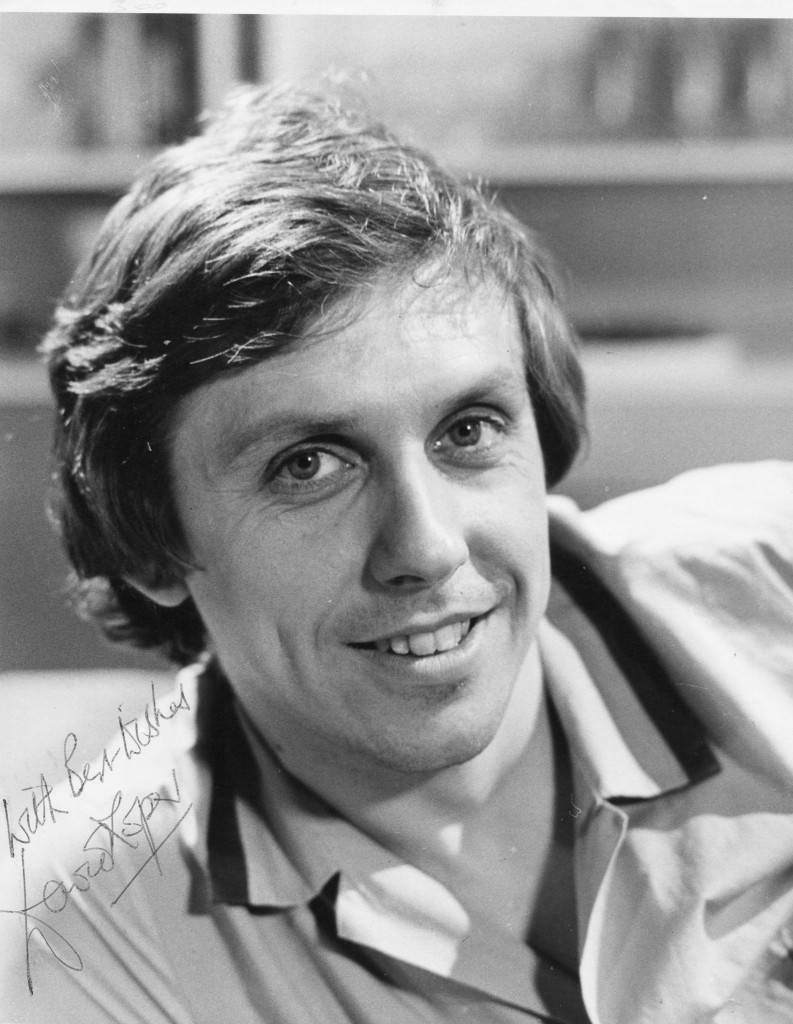
David Roper was born in 1944 in Bradford.   He made his television debut in an episode of “Crown Court” in 1974.   His two most popular series were “Leave It to Charlie” and “The Cuckoo Waltz”.   His films include “Stanley’s Dragon” in 1944, “Downtime” and “The Damned United” in 2009.

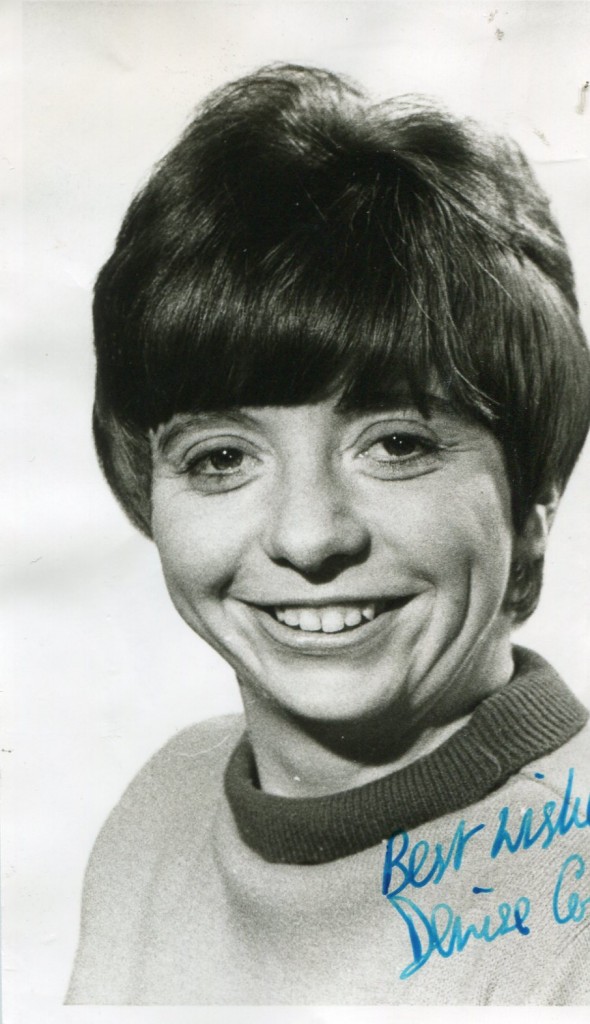
Denise Coffey
Denise Coffey
Denise Coffey

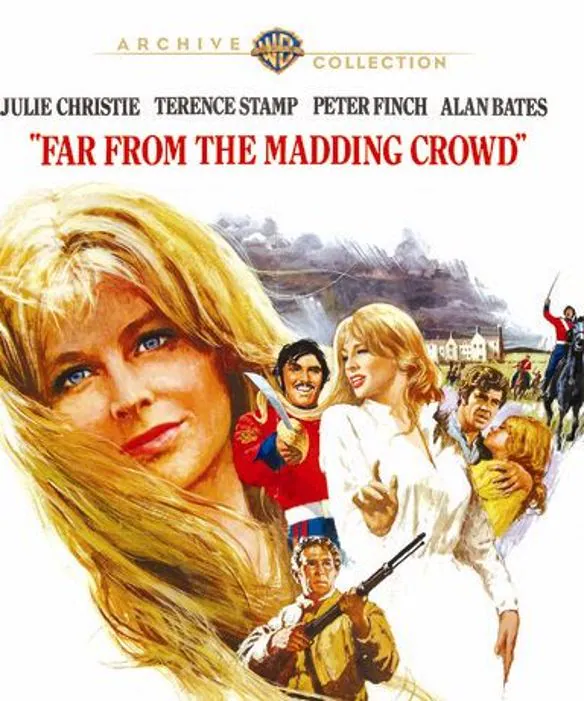
Denise Coffey was born in 1936 in Aldershot.   She began her career at the Gateway Theatre in Edinburgh.   Her films include 1962’s “Waltz of the Toreadors” and “Far From the Maddning Crowd” with Julie Christie and Terence Stamp.

IMDB entry:

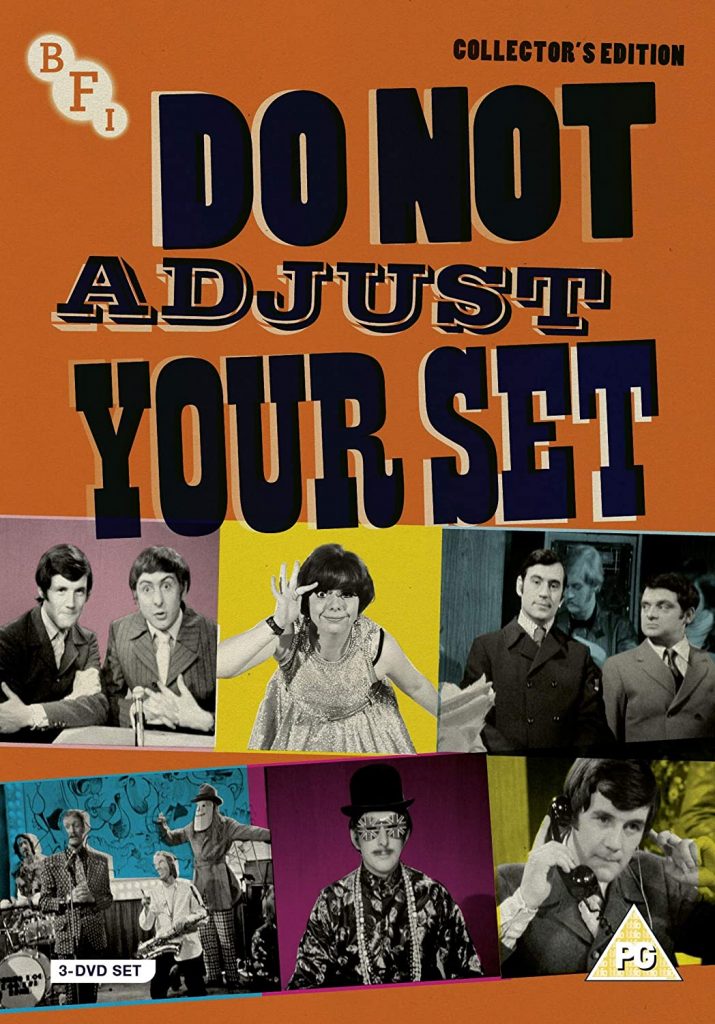
Denise trained at the College of Dramatic Art and the Royal Scottish Academy of Music. She began her career in rep. at the Gateway Theatre in Edinburgh and then transferred to the Palladium Theatre, also in Edinburgh, where she appeared in various variety shows. She worked as an interviewer for BBC radio before finding work as an actress on the West End stage. Her theatre credits include West End productions of ‘High Spirits’, ‘The Beggars Opera’ and ‘Let’s Get a Divorce’ and numerous productions at the Mermaid Theatre. Denise appeared in the feature films “Waltz of the Toreadors”, “Georgy Girl” and “Far From the Madding Crowd” and made many television appearances, most notably the “Stanley Baxter” series, “Do Not Adjust Your Set”, “Captain Fantastic” and “Girls About Town”. Denise’s pastime interests include sea angling and playing the flute.

– IMDb Mini Biography By: Gary P. Rose

Irish Times obituary in 2022:

Denise Coffey obituary: Comedy maven
Denise Coffey celebrates her birthday on the set of Do Not Adjust Your Set in December 1967. Photograph: Blandford/Mirrorpix/Getty 

Sat Apr 2 2022 – 01:21

Born December 12th, 1936; Died March 24th, 2022

There have been few genuine clowns in theatre and television as good as Denise Coffey, who has died aged 85. She was a key TV presence in British comedy over its most redefining postwar period, and to see her on stage, always puckish and delightful, was to invest in two or three hours of an invaluable spiritual tonic.

She was a crucial member of the ebullient Young Vic company formed in London in 1970 under the aegis of the National Theatre at the Old Vic to deliver classics and new plays with regard to a younger audience. She had already, in the 1960s, played a series of classical and low-life roles at Bernard Miles’s Mermaid theatre in Puddle Dock.

She emerged at the Young Vic, under Frank Dunlop’s direction, trailing several film credits and a high profile in surreal TV comedy – notably in ITV’s Do Not Adjust Your Set (1967-69) – influenced by the radio comedy of the Goons and prefiguring Monty Python. She and David Jason formed the “legit showbiz” element in a company of university wits – Michael Palin, Terry Jones, Eric Idle, the producer Humphrey Barclay – with musical incursions from Vivian Stanshall’s delirious Bonzo Dog Doo-Dah Band.

There followed two popular series on ITV: Girls About Town (1970-71) in which she and the singer Julie Stevens were living it large in Acacia Avenue; and Hold the Front Page (1974), in which Coffey led a bunch of crazy newsroom assistants chasing down a “Mr Big” involved in a Great Rug Scandal. End of Part One (1979) was a satirical soap in which Mr and Mrs Straightman (Tony Aitken and Coffey as Norman and Vera) were disrupted in their domestic dullness by a panoply of famous people on TV; Coffey herself turned up as Robin Day in those trademark cruel glasses.

She was a total one-off: under 1.5m tall, elfin-looking, punchy and eccentric. In her private life, she was determinedly single, vegetarian and finally remote, especially after she discovered the joys of the West Country – she moved from London to Salcombe in Devon – and living by the sea.

Denise was born in Aldershot, Hampshire, the only child of Dorothy (nee Malcolm), and her husband, Denis Coffey, a proud Irishman from Cork and squadron leader in the RAF. They moved north to Dorothy’s native Scotland,where Denise was educated at Dunfermline high school and trained at the Glasgow College of Drama and the Royal Scottish Academy of Music.

She made a professional acting debut at the Opera House, Dunfermline, in 1954, “as various apparitions” in Macbeth. By 1962, she was playing the star turn, the word-mangling Mrs Malaprop, in Sheridan’s The Rivals at the Gateway in Edinburgh .

She had made her TV debut in 1959 in a BBC adaptation of Walter Scott’s Redgauntlet and consolidated her theatre reputation at the Mermaid in various classics and new plays.

She also featured in several important 60s films: as Peter Sellers’s eccentric daughter Sidonia Fitzjohn in John Guillermin’s Waltz of the Toreadors (1962); as Lynn Redgrave’s mousy little friend, Peg, in Georgy Girl (1966); and as Soberness in John Schlesinger’s Far from the Madding Crowd (1967) starring Julie Christie and Alan Bates.

On location in Dorset for the last of these, she visited nearby Devon, where she would return to live permanently. But not before her Young Vic stint – as both actor and associate director – in the 70s.

She toured Europe and the US with the company, appearing with them at the Edinburgh festivals of 1967, 1971 and 1972, notably as a harassed Scottish housewife in a Comedy of Errors relocated from Ephesus to Edinburgh.

Her work on radio included guest appearances on I’m Sorry I Haven’t a Clue and Just a Minute, and two series by Sue Limb: The Wordsmiths of Gorsemere (1985-87), a very funny send-up of the Lakeland poets.

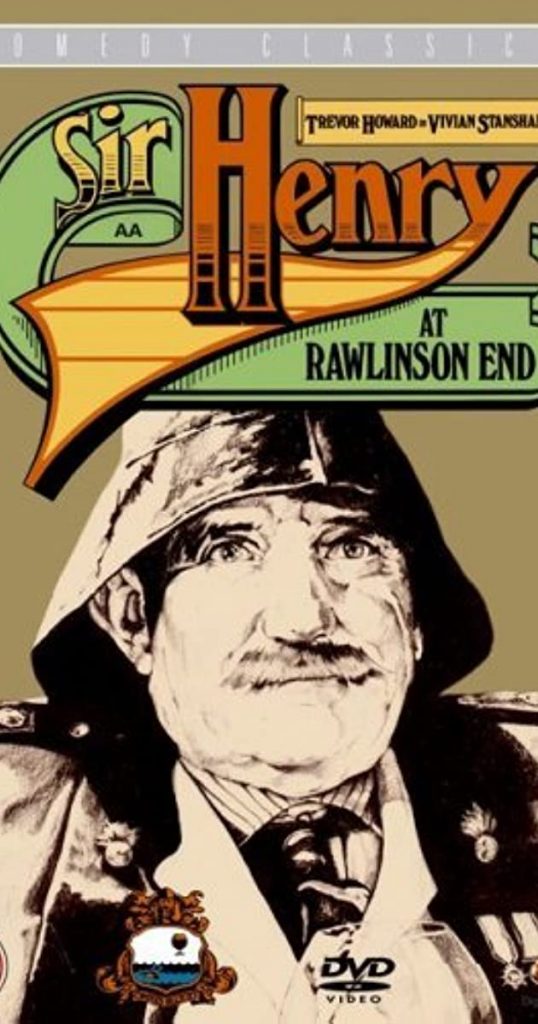
A 1980 film written by Stanshall, Sir Henry at Rawlinson End, in which she played a tapeworm-obsessed woman called Mrs E, won cult status when issued on DVD in 2006. “It’s impossible to do justice,” said the critic Nigel Andrews, “to the film’s arrant and quite unique lunacy.” In the 80s, in Canada, she directed plays for John Neville at his Neptune theatre in Halifax, Nova Scotia, and for Christopher Newton at the Shaw festival in Ontario.

Her output was increasingly sporadic as she happily hunkered down in Salcombe, “exploring my artistic bent”, fishing in a small boat with a tiny outboard motor, gardening and making rare excursions to London, always travelling by taxi.

She is survived by a cousin, Linda

Patricia Cutts
Patricia Cutts
Patricia Cutts
Patricia Cutts
Patricia Cutts

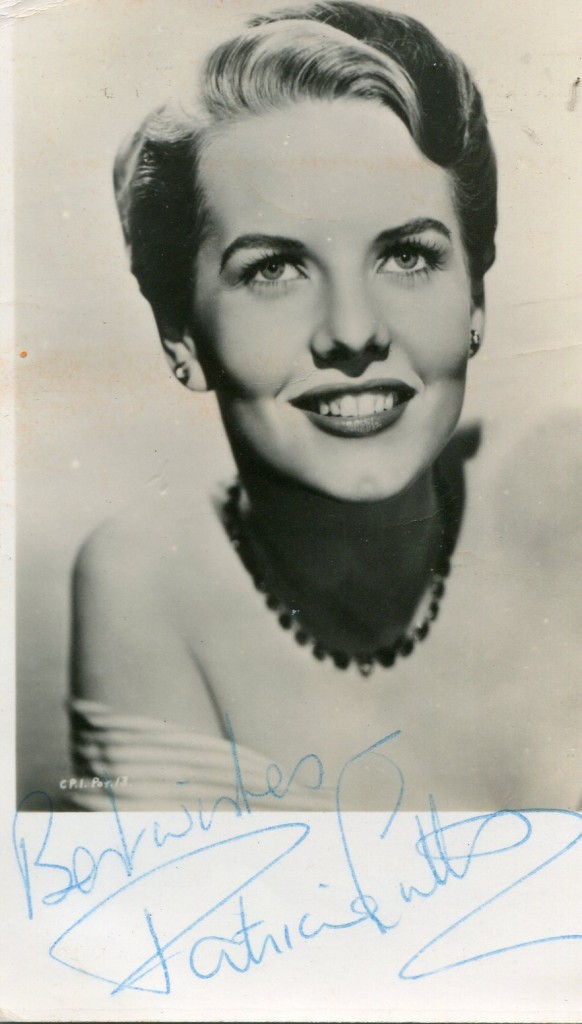
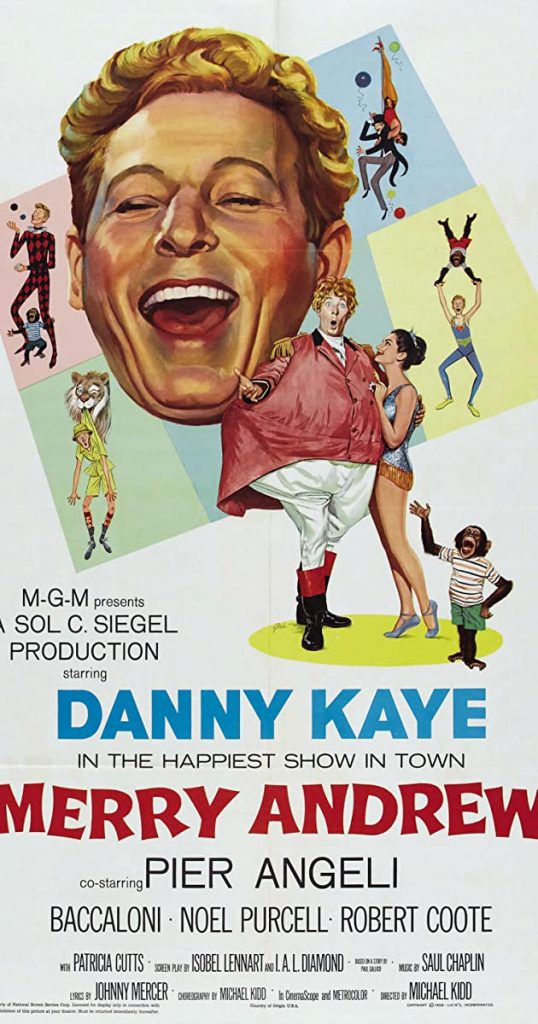
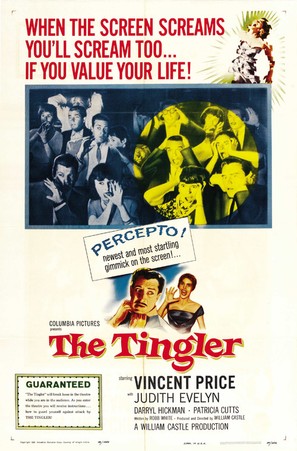
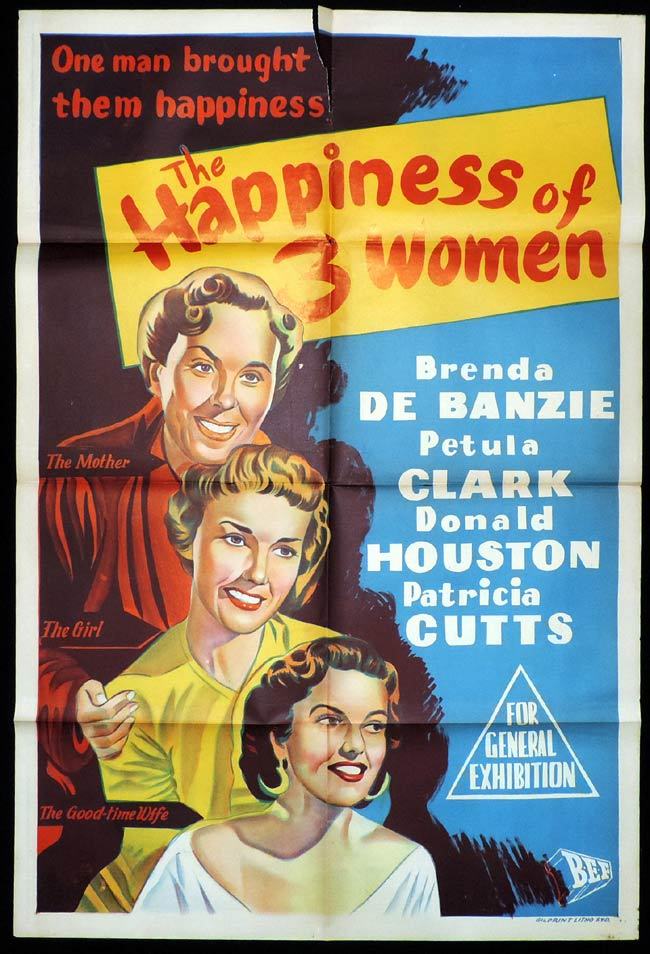
Patricia Cutts was born in London in 1926.   Her film debut was in “Just William’s Luck” in 1947.   She amde “Merry Andrew” in 1958 with Danny Kaye and Pier Angeli.   She was also in “North by Northwest” and “The Tingler”.   In the early 70’s she returned to Britain and axted on British television.   She had just been cast as Blanche Hunt, mother of Deirdre Barlow in “Coronation Street” when she died suddenly in 1974.   She was replaced by Maggie Jones.

“Wikipedia” entry: 

Born in London, Cutts was the daughter of the writer-director Graham Cutts.[2] Her first roles were small parts in American films such as I Was a Male War Bride and The Man Who Loved Redheads and the television shows Alfred Hitchcock Presents and Perry Mason, where she played defendant Sylvia Oxman in the 1959 episode, “The Case of the Dangerous Dowager,” and murderer Ann Eldridge in the 1966 episode, “The Case of the Bogus Buccaneers.” She continued to work consistently in film and television on both sides of the Atlantic throughout the 1950s, including a small appearance in North by Northwest. As a young actress in 1951, she appeared on Groucho Marx‘s quiz show You Bet Your Life with football coach Jack Curtice as her co-contestant.[3] She was a regular panellist on the hit DuMont quiz Down You Go[4] and starred alongside Vincent Price in The Tingler. In 1958 she appeared in the film Merry Andrew as Letitia Fairchild, however in the 1960s, her screen appearances were restricted to guest spots on television shows such as The Lucy ShowCar 54, Where Are You?Adventures in Paradise, and Playhouse 90.

After several quiet years she returned to acting in the 1972 British television series Spyder’s Web[5] before accepting the role of Blanche Hunt in the top rated ITV soap operaCoronation Street in 1974. It would have been her most high profile regular role to date. However, producers were shocked when, after appearing in only two episodes, Cutts was found dead at her London flat, aged 48. An inquest into her death produced a verdict of suicide by barbiturate poisoning.[4] The role of Blanche Hunt was taken over by Maggie Jones, who played the part until her own death on 2 December 2009.[6]