
Brittish Actors

Collection of Classic Brittish Actors

Garfield Morgan
Garfield Morgan
Garfield Morgan

Garfield Morgan is best known for his role as Dect. Inspector Frank Haskins in the very popular TV series of ther 70’s “The Sweeney”.   He was born in 1931 in Birmingham.   He appeared in many many television series such as “The Likely Lads”, “Softly, Softly” and “The Bill”.   His films include “The Odessa File” with Jon Voight in 1974 and “28 Weeks Later”.   Garfield Morgan died in 2009 at the age of 78.

His “Independent” obituary by Anthony Hayward:

The balding head and impassive manner that Garfield Morgan brought to many of his television roles was most prominent in The Sweeney, in which he played Chief Inspector Frank Haskins, the nervy and long-suffering boss of John Thaw and Dennis Waterman’s no-holds-barred Flying Squad detectives, Regan and Carter. Haskins’ disapproval of their unorthodox methods, in a programme notable for its violent action and strong language, brought him into frequent arguments with Regan. The Sweeney (1975-78) trail-blazed the next generation of police series after Z-Cars and Softly Softly, which showed that those who dispensed law and order could themselves be flawed.

Morgan’s own character was just as flawed as those for whom he took responsibility. Haskins constantly had marriage problems, gulped down glasses of milk to ease the pain from his ulcer and was not immune to taking wrong decisions at work. Once, when a bank manager and female customer were taken hostage by robbers, he and Regan disagreed about whether to use police marksmen to kill the criminals or sweat it out. Haskins’ decision to choose the latter led to disaster, with the manager dead and the woman hideously disfigured. As a character actor and private man who never sought fame, Morgan brought the same dispassionate manner to sitcom roles, including that of the confectionery firm owner A. C. Strain employing the Northerner grappling with moving south (Rodney Bewes) in Dear Mother… Love Albert (1969-71) and its sequel, Albert (1972).

Born in Birmingham in 1931, Morgan began his working life as an apprentice dental mechanic but decided to follow his love of acting by training at a Birmingham drama school. His first job was with the touring Arena Theatre Company, based in Sutton Coldfield. He was soon acting and directing for the stage, becoming director of productions at the Marlowe Theatre, Canterbury (1957-58), and Library Theatre, Manchester (1959-60). Later, he was associate director at the Northcott Theatre, Exeter (1976-78), and the Nottingham Playhouse (1978-80).

By then, Morgan was a prolific actor on television. He had already played villains in Z-Cars, as well as policemen and vicars on screen, by the time he was cast as Detective Chief Inspector Gwyn Lewis in the first series of Softly Softly (1966), the Z-Cars spin-off. He followed it with a string of character roles in popular series such as The Avengers (1967-69), The Baron (1967), The Saint (1967) and Man in a Suitcase (1967), before becoming a regular as Webster in the gangland drama Spindoe (1968) and Tao Gan in Judge Dee (1969), which adapted ancient Chinese detective stories. The Sweeney followed a 1974 “Armchair Cinema” pilot, Regan, which gave a clue of what was to come, with John Thaw’s loud, “shoot now, ask questions later” detective inspector slamming down the phone on his “guv’nor” more than once.

Many of Morgan’s subsequent regular roles were in sitcoms. He played Desmond, porter of the flats where the university-educated layabout played by Hywel Bennett lived in the later series of Shelley (1982-84), Thora Hird’s fellow Salvation Army officer Brigadier Langton in the second run of Hallelujah! (1984), Tim Brooke-Taylor’s boss Gerald in You Must Be the Husband (1987-88), the golf club captain George Brady in the writer Johnny Speight’s The Nineteenth Hole (1989) and the Labour Party whip Norman in No Job for a Lady (1990-92, starring Penelope Keith as a female MP).

There was an element of an in-joke when the actor was reunited with Dennis Waterman in four episodes of the comedy-drama Minder (1985-9), in which he played Superintendent Mason alongside George Cole as the second-hand car salesman Arthur Daley and Waterman as the conman’s bodyguard, Terry McCann. Morgan also took one-off parts in Lovejoy (1992), Heartbeat (2003), Holby City (2004) and The Bill (2005).

His film appearances were only occasional, and included The Odessa File (1974, playing an Israeli general), the comedy The Englishman Who Went Up a Hill But Came Down a Mountain (1995) and the zombie apocalypse picture 28 Weeks Later (2007), but he continued to act on stage throughout his years on television. He also provided the narration for four Rick Wakeman albums, including The Seven Wonders of the World (1995), and appeared with the musician in live performances.

A keen horse rider, Morgan competed in eventing and show jumping. He was secretary of the Stage Golfing Society from 2005 until his death.

Anthony Hayward

This “Independent” interview can also be accessed online here.
Tessie O’Shea
Tessie O'Shea

Tessie O’Shea

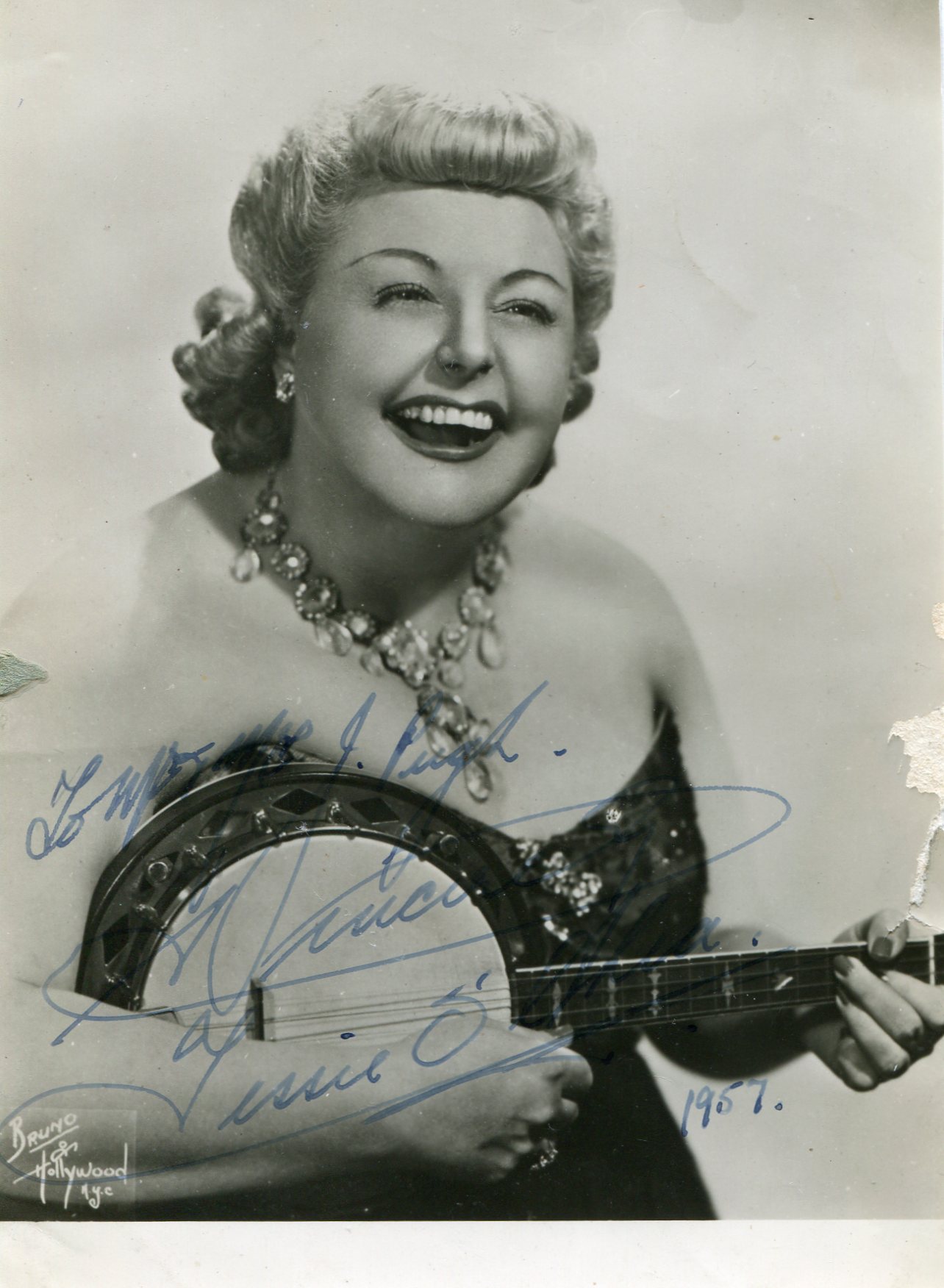
Tessie O’Shea was born in Cardiff in 1913.   At a young age she became a performer in British music halls.   She performer in Blackpool in the 1930’s.   She began appearing in movies in 1948 with “Holidays With Pay”.   Her other films include “The Shiralee” which was made in Australia in 1957 with Peter Finch.   Noel Coward brought her to Broadway in 1963 to star in “The Girl Who Came to Supper” for which she won a Tony for feature player.   The following year she appeared on the Ed Sullivan Show, the night the Beatles made their U.S. television debut.   In 1966 she was cast in the U.S. film “The Russians Are Coming, the Russians Are Coming” as the town postmistress.   Her last film was the Disney musical “Bedknobs and Broomsticks” with Angela Lansbury in 1971.   Tessie O’Shea died in Florida in 1995 at the age of 82.

Gary Brumburgh’s entry:

She was aptly and affectionately dubbed “Two Ton Tessie” not only for her plentiful girth but for the tons of talent she possessed as one of the British Isle’s most beloved, unabashed music hall entertainers. Welsh star Tessie O’Shea was born Teresa O’Shea and was already showing off as a youngster capturing prizes for the talent contests she entered with her singing and dancing. The once-slim performer made her solo debut at the age of 12 at the Bristol Hippodrome and never stopped working. She buried her burgeoning weight under loads of comic clothing — complete with over-sized hats, striped stockings and elastic boots while belting out such bawdy favorites as “Don’t Have Any More, Missus Moore” and “Hold Your Hand Out, Naughty Boy.” By the late 30s Tessie had become a major star on radio and stage and won the hearts and respect of soldiers everywhere touring with ENSA during World War II. She later went out on the road with band-leader Billy Cotton in a highly successful musical revue called “Tess and Bill.” In the 60s she had U.S. audiences eating out of the palm of her hand. She became a certifiable hit on Broadway with her scene-stealing song “London” in “The Girl Who Came to Supper,” a 1963 musical adaptation of Terence Rattigan‘s play “The Sleeping Prince,” and was rewarded with a Tony for her efforts. She returned to Gotham three years later with the musical “A Time for Singing” which was based on Richard Llewellyn‘s “How Green Was My Valley.” Seen practically everywhere, she was a featured regular in the CBS show The Entertainers (1964) in 1964, took her musical act to Las Vegas, and even won an Emmy nomination in 1968 for her feisty, atmospheric musical turn in Jack Palance‘s version of “Dr. Jekyll and Mr. Hyde.” Film appearances were extremely rare, however, appearing in cameos in both The Russians Are Coming the Russians Are Coming (1966) and Bedknobs and Broomsticks (1971). Back in Britain in the 70s she appeared to great advantage on TV and, of course, always seemed at home on the bawdy stage. Tessie died in 1995 of congestive heart failure at age 82, having lived quite the happy, hearty life, and allowing audiences everywhere in on much of it.

– IMDb Mini Biography By: Gary Brumburgh / gr-home@pacbell.net

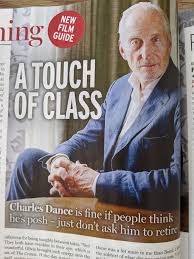
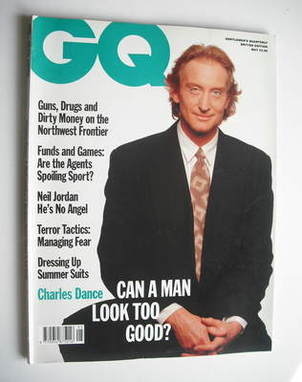
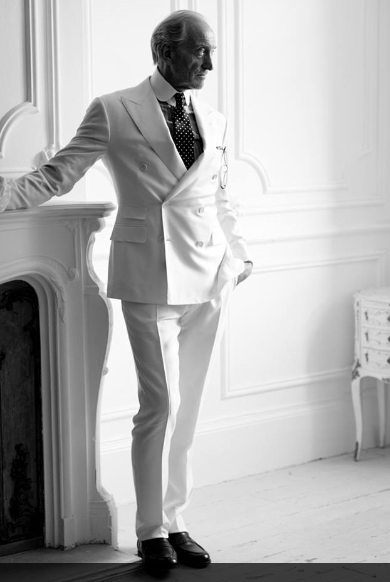
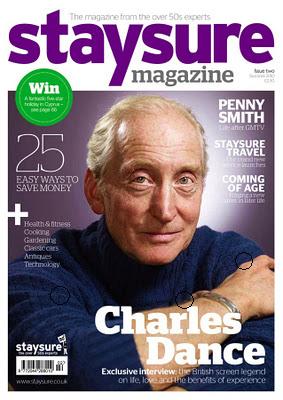
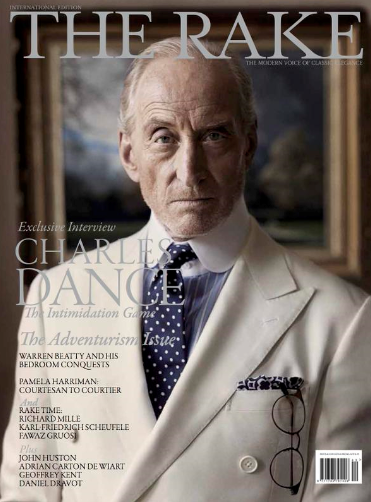
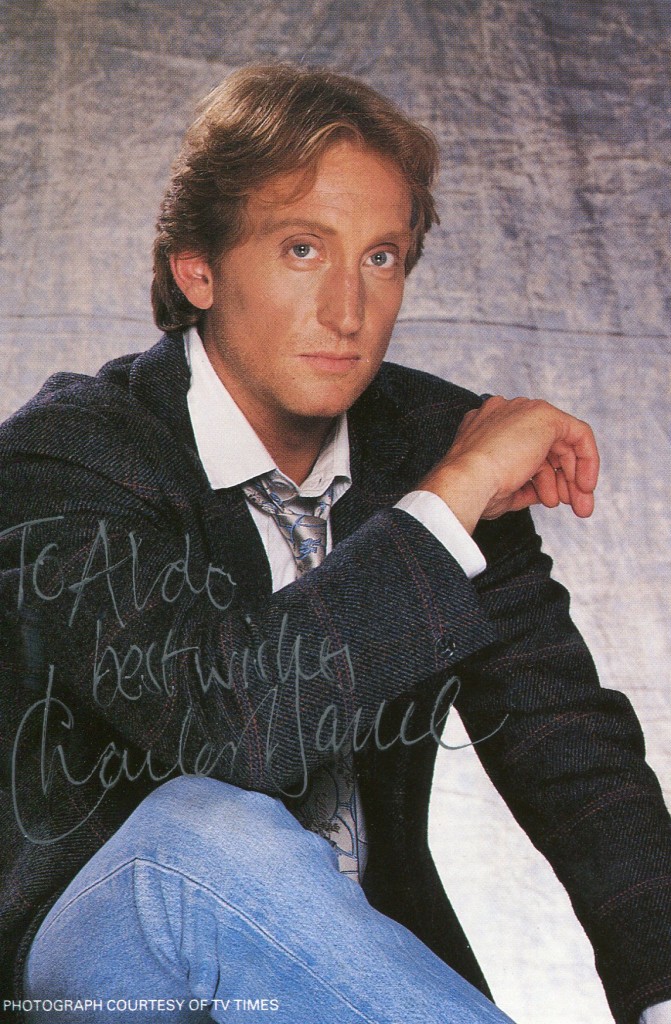
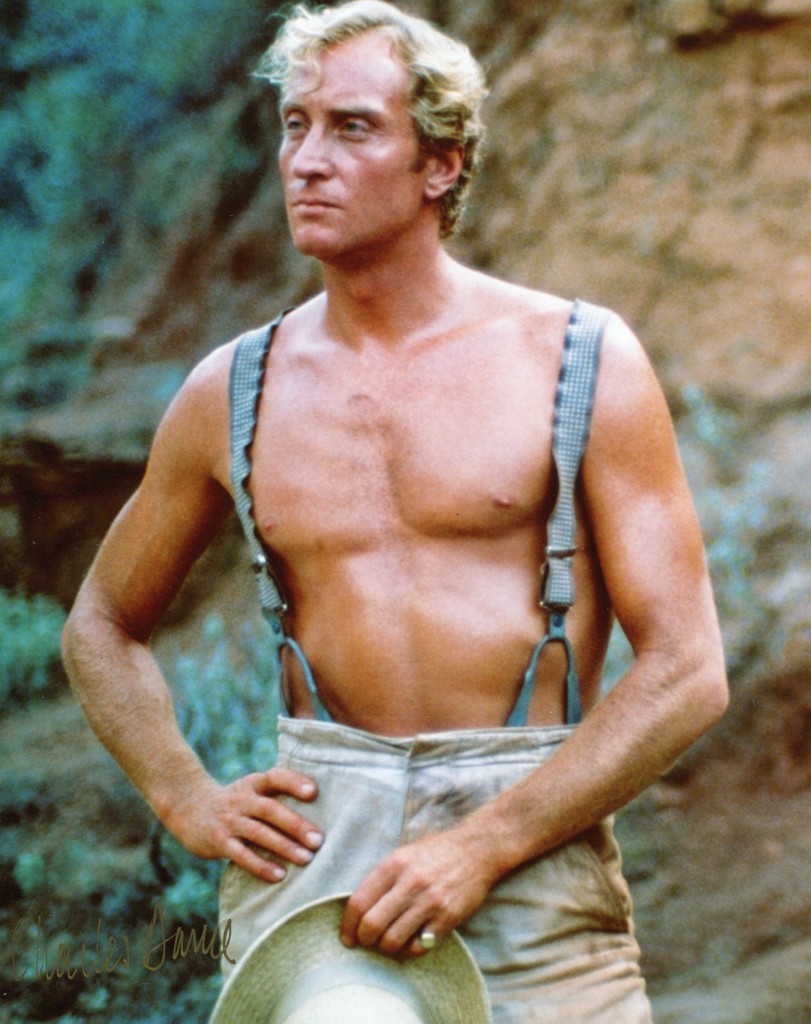
Charles Dance

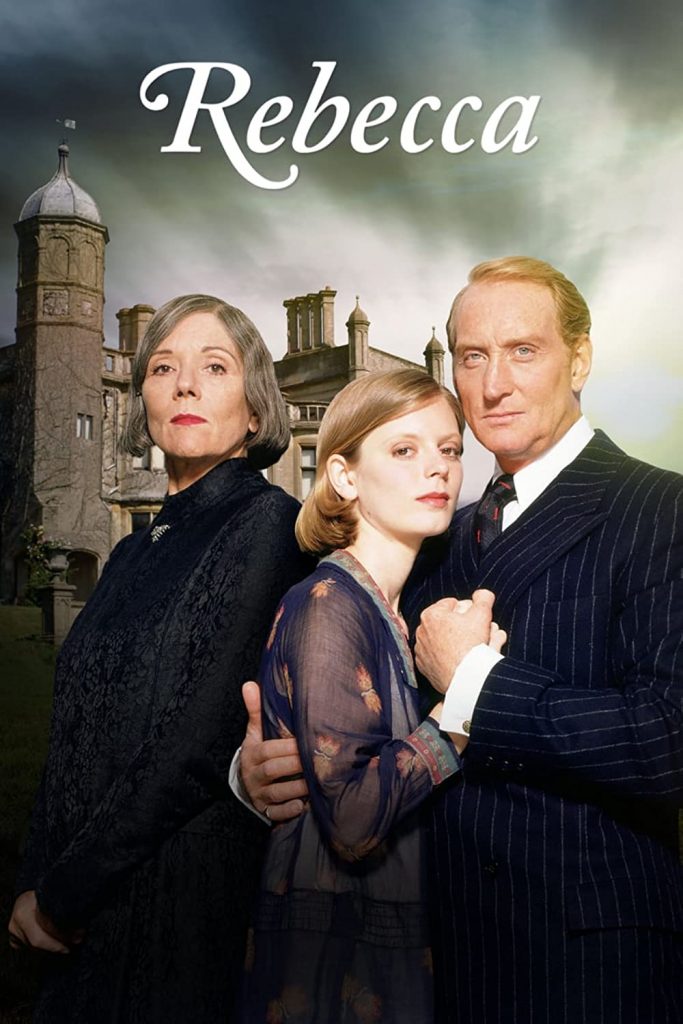
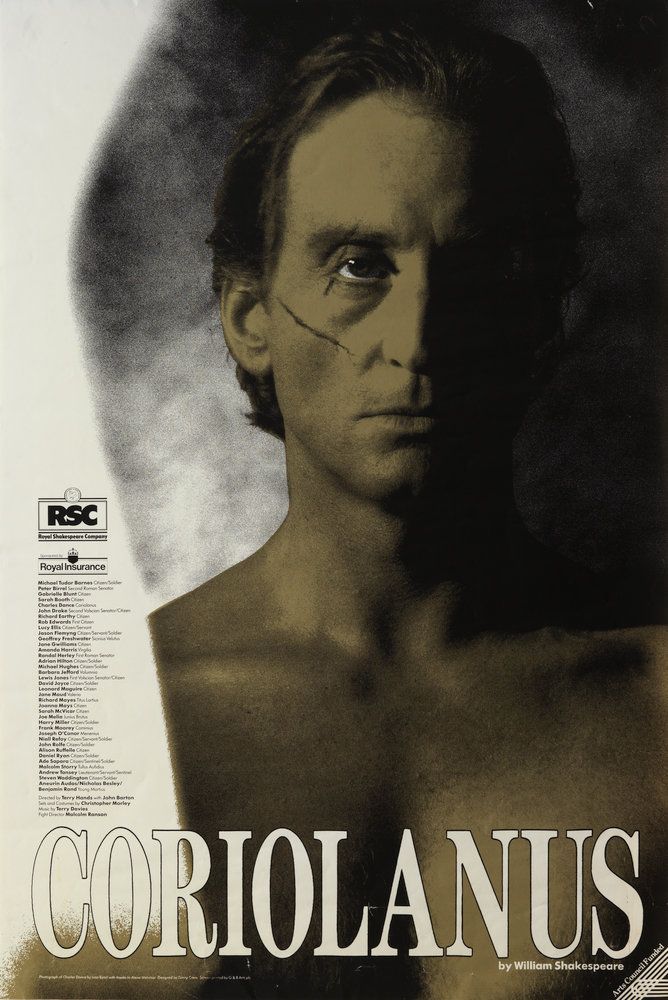
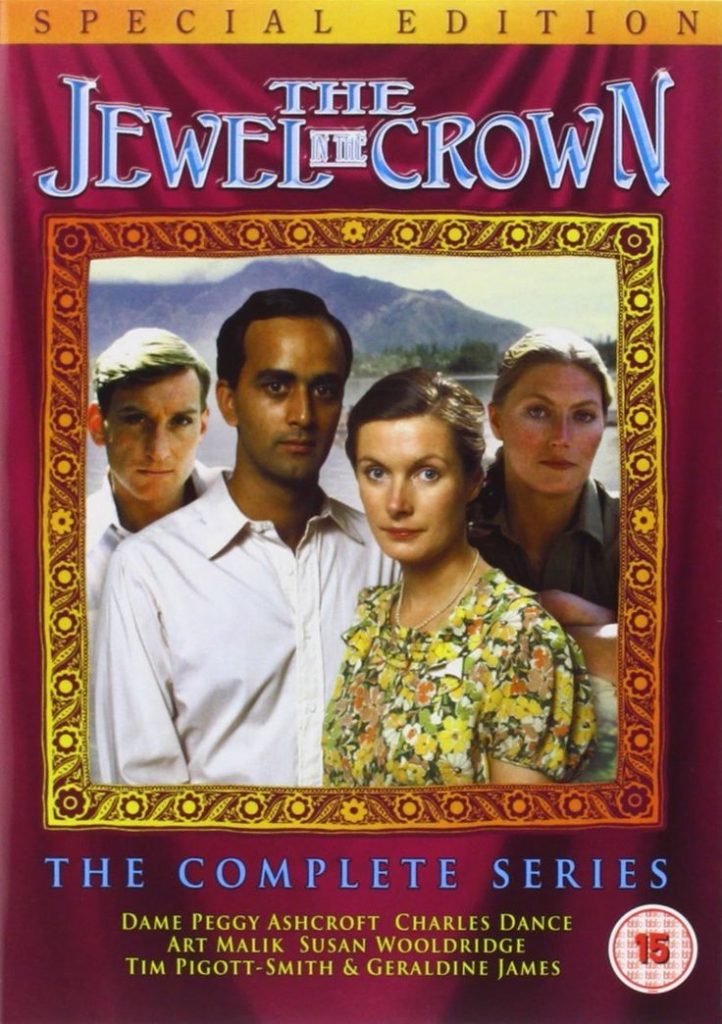
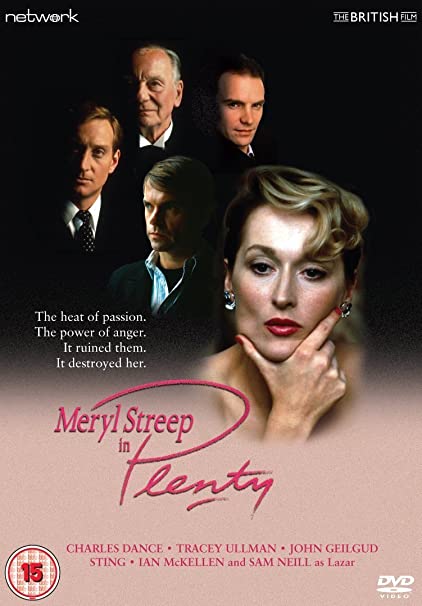
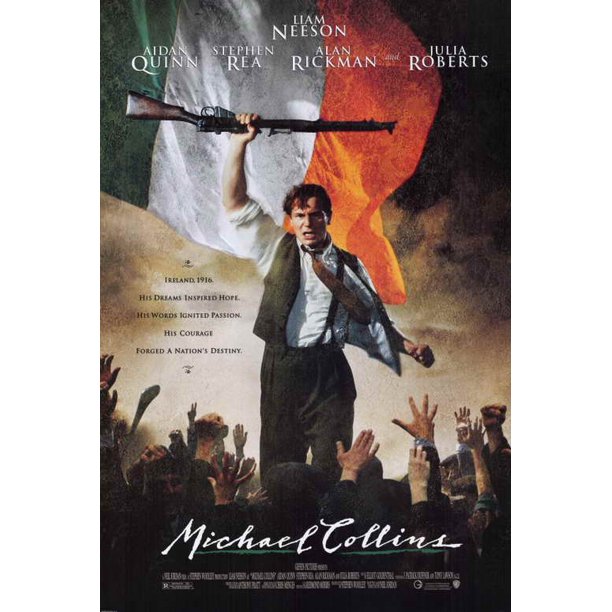
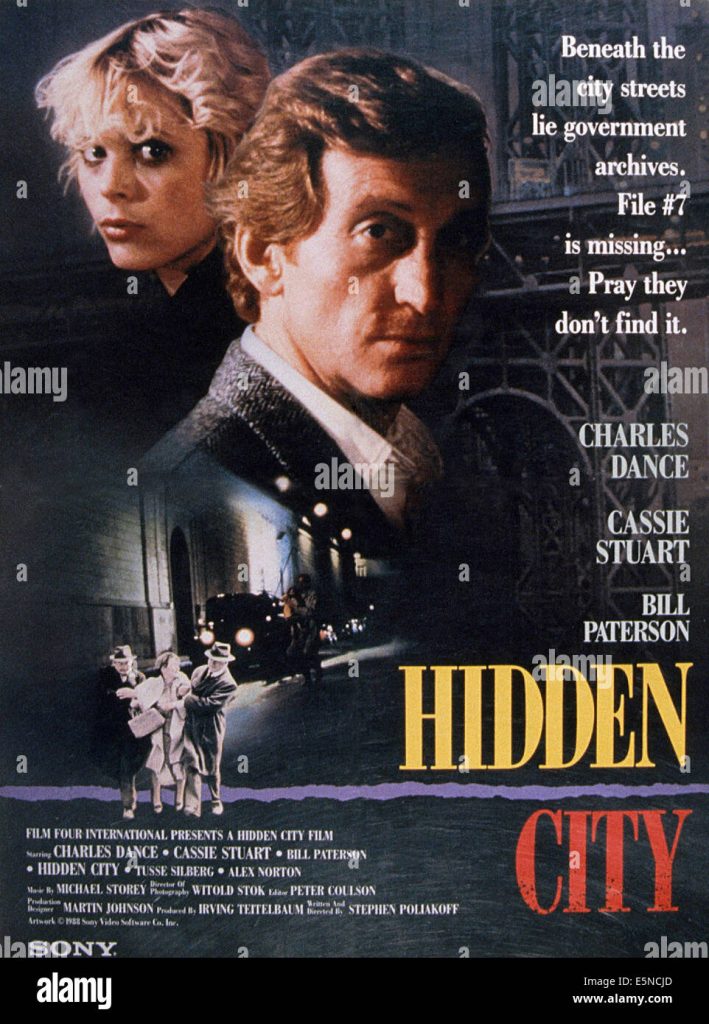
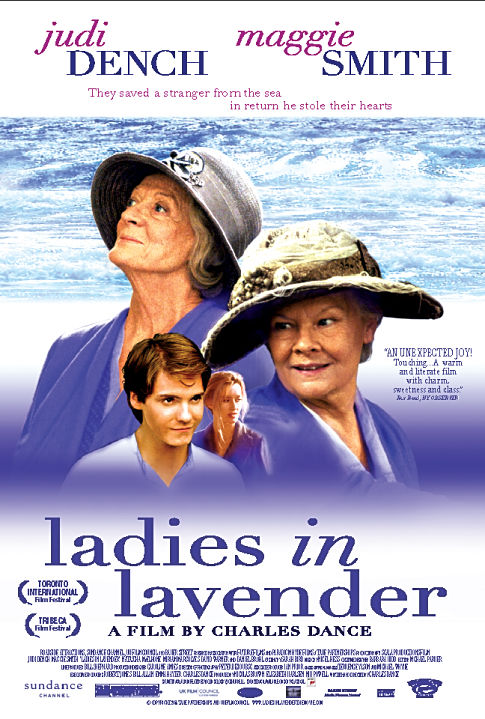
Charles Dance was born in 1946 in Redditch.   He was a member of the Royal Shakespeare Company in the 1970’s.   He first came to international promence in 1984 in “The Jewel in the Crown” as Guy Perron.   The success of the series gave him leading man status in the cinema.   he went on to star opposite Meryl Streep in “Plenty” , “Michael Collins” with Liam Neeson and in “The Golden Child”.    He also acts and directs on the stage.   In 2004 he made his film directorial debut with “Ladies in Lavender” starring Maggie Smith and Judi Dench.

TCM Overview:

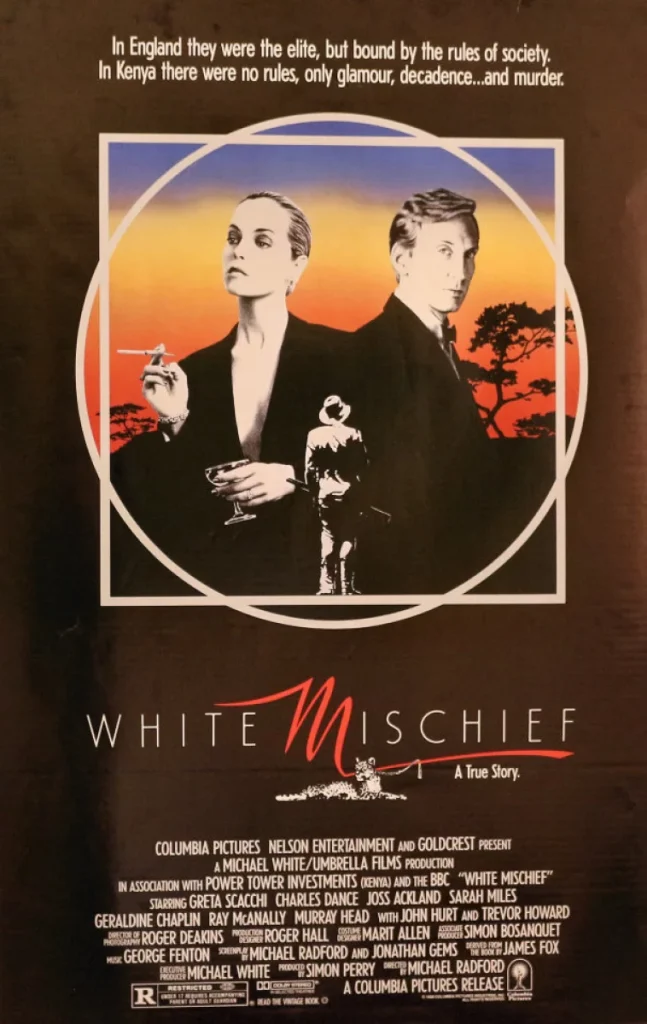
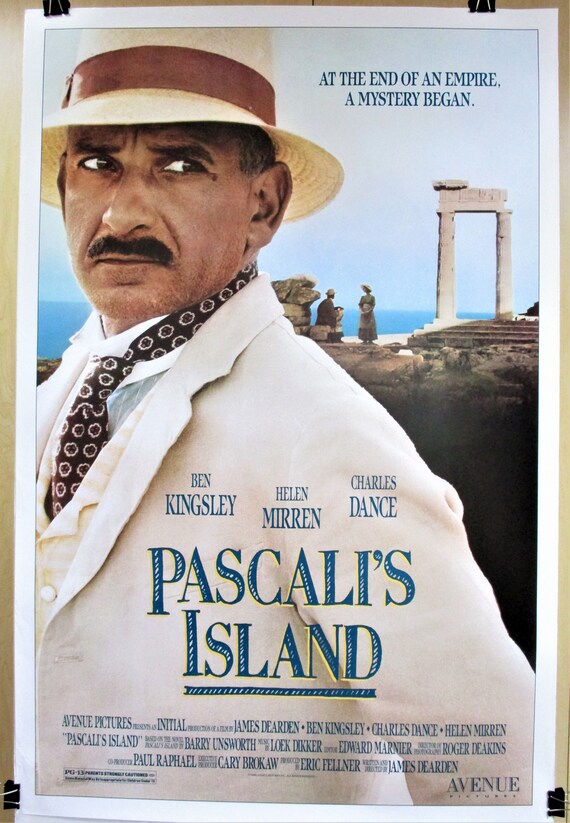
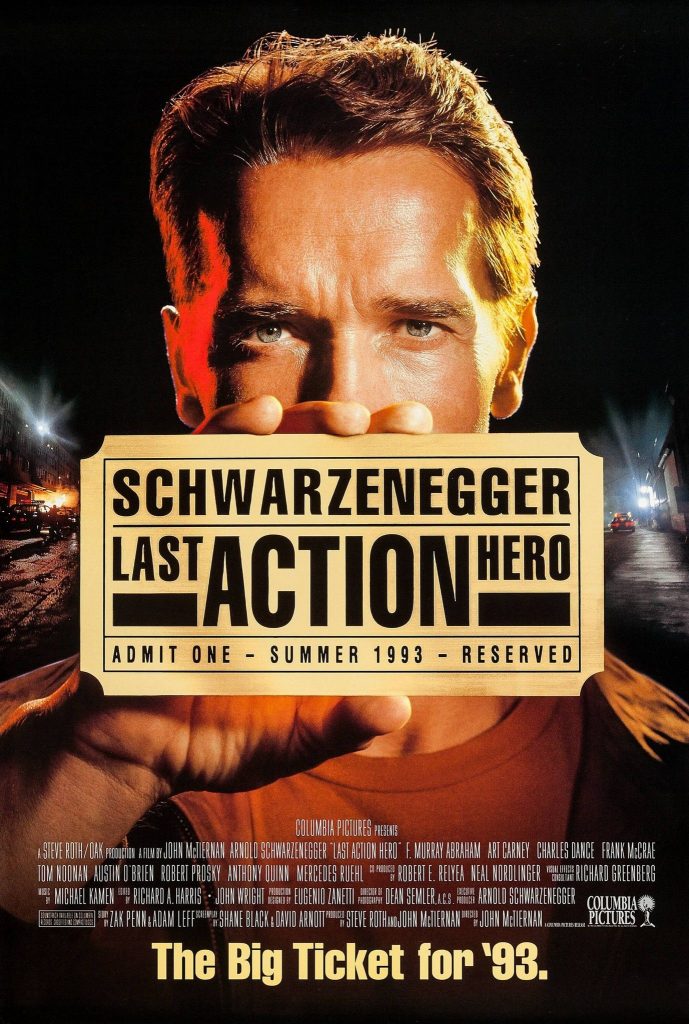
After a brief dalliance with leading-man status in the 1980s, Charles Dance built a career of playing highborn heels with a distinctive capacity to menace more heroic types with a suave, icy indifference. The English-born Dance honed his skills with the Royal Shakespeare Company before scoring his breakthrough screen role in the epic miniseries “The Jewel in the Crown” (ITV/PBS, 1984). Able to mix dashing and savoir faire with layered vulnerability, he landed a flurry of above-title bills in award-bait dramas such as “Plenty” (1985), “White Mischief” (1987) and “Pascali’s Island” (1988). As of his turn in “The Golden Child” (1986), however, he developed a niche playing frosty yet textured villains in big-ticket projects such as “Last Action Hero” (1993), “Michael Collins” (1996) and the miniseries “Bleak House” (BBC, 2005), as well as lighter fare a la “Ali G Indahouse” (2002) and “Terry Pratchett’s Going Postal” (Sky1, 2010). The early 2000s saw him increasingly bringing his arch-villainy to highbrow television projects such as the drama series “Trinity” (Channel 4, 2009), the international intrigue series “Strike Back” (Sky1/Cinemax, 2010- ) and, to much fanfare, HBO’s fantasy phenomenon “Game of Thrones” (2011- ). Though he proved himself adept at many character types across stage and screen, Dance showed time and again that few could play the bad guy with such devilish aplomb.

He was born Walter Charles Dance Oct. 10, 1946, in Redditch, Worcestershire, U.K., the second son of Eleanor and Walter Dance, an engineer. He grew up in Plymouth, but Walter’s death when Charles was four left the family nearly destitute. His mother remarried and moved up to the head cook job at a local restaurant. Charles followed his youthful artistic bent to the Plymouth College of Art and, later, the Leicester College of Art and Design. He studied graphic design and photography, but also began picking up amateur acting work with extracurricular theater groups and studied informally with pub friends who were retired actors. He began building his CV with regional repertory work. He married artist Joanna Haythorn in 1970. Dance landed his first television credit in 1974 in a guest-shot on the BBC series “Father Brown” (1974) and the next year was accepted as a company member with the Royal Shakespeare Company. He landed a supporting role as young Prince Eddy in the ITV miniseries “Edward the King” (1975) and took his first lead with RSC during a U.S. tour when he took over the title character in “Henry V.”

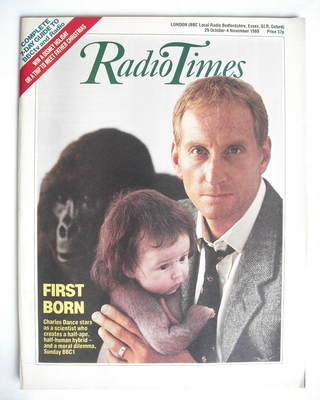
In 1979, Dance scored the lead in a West End revival of “Irma La Douce” and his first major TV lead a year later as he rendered the poet Siegfried Sassoon in the “BBC2 Playhouse” (1974-83) telefilm “Fatal Spring.” But his real breakthrough came with Granada Television’s sweeping miniseries “The Jewel in the Crown,” in which Dance played a colonial soldier navigating romance and intrigue in the last days of the British Raj. The 14-part epic, which aired in 1984 on ITV in the U.K. and PBS in the U.S., set him on a groove of prestige period dramas as he essayed the put-upon husband of Meryl Streep in “Plenty”; did a turn as film pioneer D.W. Griffith in “Good Morning, Babylon” (1987); played the womanizing rake in “White Mischief”; and a gadabout grifter opposite Ben Kingsley and Helen Mirren in the World War I-era drama “Pascali’s Island.” He also garnered starring roles in more contemporary thriller fare: a scholar caught up on a matrix of political secrecy in “Hidden City” (1987) and a trailblazing scientist who stumbles upon the creation of a human/gorilla hybrid in the BBC miniseries “First Born” (1988).

Now on Hollywood’s radar, he began a second career track with his turn in the Eddie Murphy comedy actioner “The Golden Child” (1986). Dance drew raves in an otherwise critically lambasted film for his devilishly cool nemesis out to capture a Buddhistic Chosen One under the protection of Murphy’s smack-talking private eye. He would become a go-to thespian for suave heels as he donned the mask for the title character in a lavish NBC-aired remake of “Phantom of the Opera” (1990); menaced Arnold Schwarzenegger in “Last Action Hero” (1993); led a young Clive Owen to the darker corners of medicine in “Century” (1993); and schemed to quell Liam Neeson’s rebellious IRA cadres in “Michael Collins.” Dance even did a comedic riff on his smarmy-jerk archetype as a political hatchetman out to get clueless Sacha Baron Cohen’s ultra-poseur and unlikely MP in the comedy “Ali G Indahouse” (2002). Dance would pepper his CV with indie fare such as the steamy potboiler “The Blood Oranges” (1997) and offbeat romantic comedies “What Rats Won’t Do” (1998) and “Don’t Go Breaking My Heart” (1999), as well as have a small turn as the supportive father of the titular sisters in the acclaimed biopic “Hilary and Jackie” (1998).

In 2001, he joined a rogue’s gallery of loopy characters deconstructing both the whodunit genre and British class strictures in Robert Altman’s much-lauded “Gosford Park.” Meanwhile, Dance and Haythorn’s marriage – which produced two children – soured, leading to a 2004 divorce. Dance shifted into prestige television projects, including a characteristically icy turn as Dickens’ Machiavellian barrister Tulkinghorn in the miniseries “Bleak House” (BBC/PBS, 2005), which earned him an Emmy nomination in the U.S.; the ITV serial-killer miniseries “Fallen Angel” (2007); and, in 2010, one of the Sky1’s lavishly-produced adaptations of Terry Pratchett’s Discworld tales, “Going Postal.” In 2007, he returned to the stage as the scholar and literary giant C.S. Lewis in a West End revival of William Nicholson’s “Shadowlands.” Two years later, Dance took a cast job on ITV’s ambitious series “Trinity,” donning sinister garb again as an erudite dean keeping rein on his ancient university’s rigid caste system.

In 2010, he joined a bevy of the British stage’s most venerable talents in the voluminous cast of HBO’s ambitious series “Game of Thrones.” The epic fantasy adventure, based on George R.R. Martin’s best-selling series of novels, A Song of Ice and Fire, chronicled the power struggle for the eponymous Iron Throne, the seat of power on the mythical continent of Westeros. Comprised of various fiefdoms and family dynasties, the players in the multi-sided gambit of violence and political intrigue were the usurping Baratheons, the wealthy Lannisters, the island-dwelling Greyjoys, and the noble Starks, a clan from the rugged northern region of Westeros. With the show bowing in spring 2011, Dance brought spine-chilling menace to the Machiavellian puppet master Tywin Lannister and, as the series progressed, took an ever more prominent role as he made odious moves to take total control of the island kingdom. In 2012, Dance had a daughter with his girlfriend Eleanor Boorman, but the relationship ended soon after. He continued to lend authoritative, steely characters to high-profile television projects: in 2012, he joined the action-intrigue series “Strike Back” in its third season as a British billionaire whose African philanthropy masks a nefarious scheme; and ventured into chicanery in Parliamentary realms again in the Channel 4 political-thriller miniseries “Secret State” (2012).

By Matthew Grimm

This TCM Overview can also be accessed here.


Ian Ogilvy
Ian Ogilvy
Ian Ogilvy

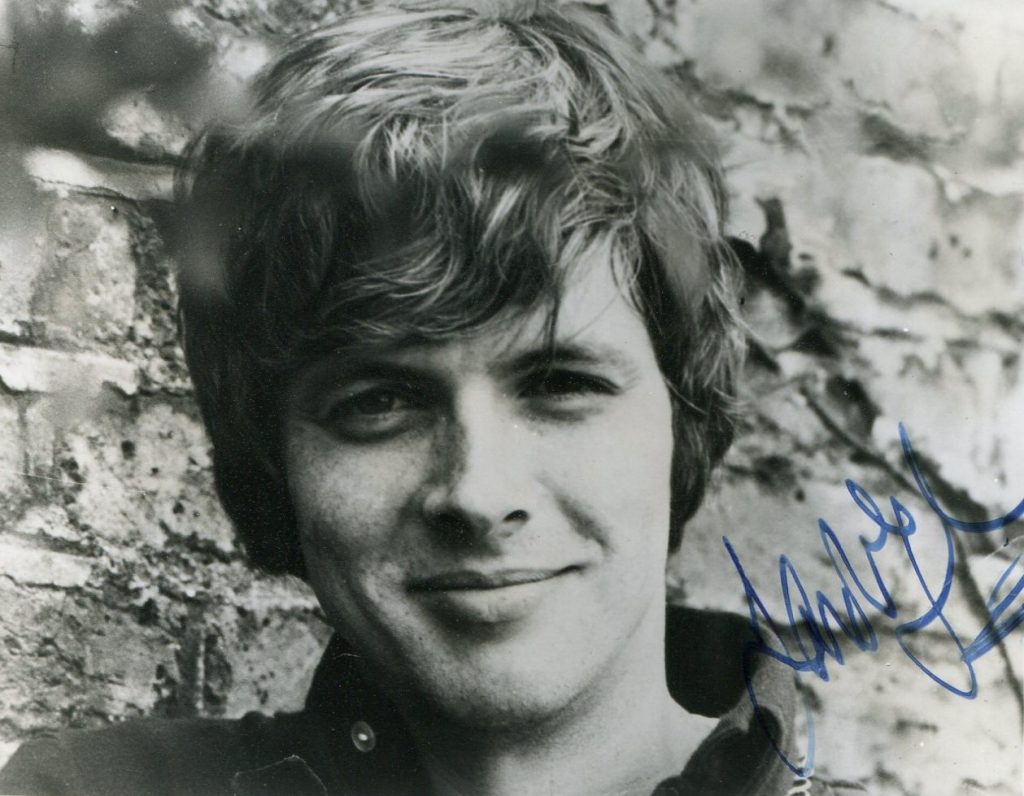
Ian Ogilvy was born in 1943 in Woking in Surrey.   He trained in London at RADA.   He is best known for his role as TV’s Simon Templer in the series “The Return of the Saint” which ran from 1978 until 1980.   He has acted frequently on the London stage.   His films include “Stranger in the House” in 1967 with Geraldine Chaplin and the cult classic “Witchfinder General” with Vincent Price.   He also featured in the very popular television series “Upstairs, Downstairs”.   Ian Ogilvy now lives in California and has guest starred on American television in such shows as “Murder She Wrote”.

Jack Watling
Jack Watling

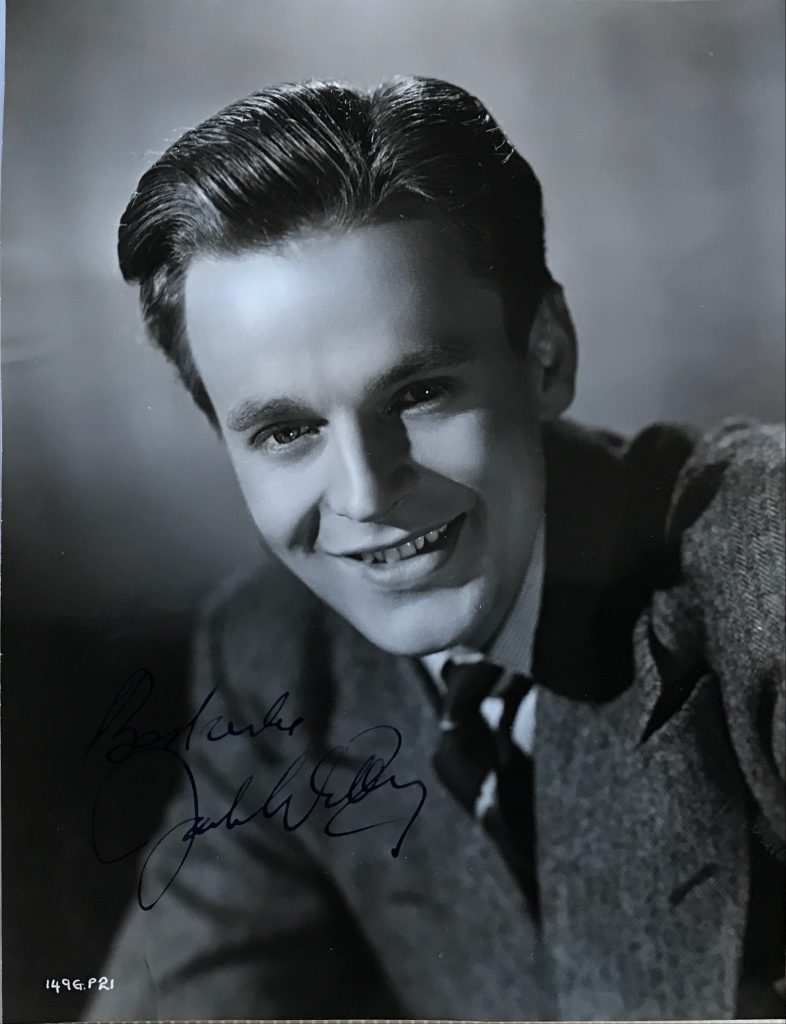
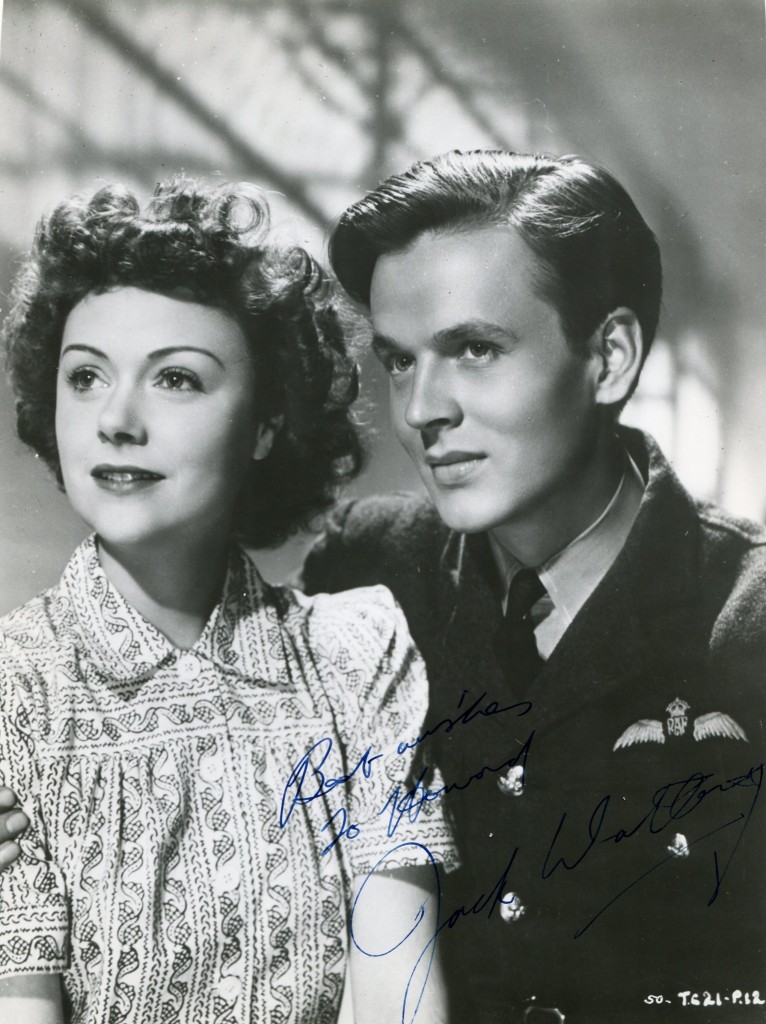
Jack Watling was born in 1923 in Essex.   He trained at the Italia Conti Drama School in London.   He made his movie debut in 1938 in “Sixty Glorious Years” with Anna Neagle as Queen Victoria.   His films include “We Dive At Dawn” in 1943, “The Way Ahead”, “The Winslow Boy” and “Reach For the Dky”.   In his later years appeared much on television including “Heartbeat” and “Bergerac”.   Jack Watling died in 2001.

Eric Shorter’s obituary of Jack Watling in “The Guardian”:

With more than 50 feature films to his credit, a West End career of more than half a century, and scores of character parts in postwar television, Jack Watling, who has died aged 78, knew how to make acting look easy. He used his boyish good looks, relaxed manner and affable personality to develop a charmingly understated style of simple, direct integrity. Comedy was his preferred genre; and he had the timing to go with it.

Among his better-known work for the small screen, in which he found more scope for out-of-the-way types than in the cinema or theatre, were the sales director Don Henderson, in The Plane Makers (1963-64) and its successor The Power Game (1965), and the RAF officer Doc Saxon, in The Pathfinders (1972-73).

The son of a Chingford scrapmetal dealer, Watling started acting in school productions, and was accepted by the Italia Conti Academy. In 1942, a fictional airman, Flt-Lt Graham, a character in Terence Rattigan’s play Flare Path engaged his attention. His audition for the part took place at the Savoy cocktail bar – a place with which the 19-year-old Watling was hardly familiar. He read a few lines and Rattigan, after consulting two colleagues, assured him he had got the part.

Rattigan also told Watling that, although Anthony Asquith was directing the play, Keith Newman, a Viennese psychiatrist and voice teacher, “will be directing you.” At that point in his career, Watling had been in a few films – Sixty Glorious Years and The Housemaster (both 1938) and Goodbye, Mr Chips (1939) – and had worked in the West End, including doing a stint with Donald Wolfit’s Shakespeareans. But he had never played a leading man in an important new play. He was nervous, innocent and awed.

Newman proceeded “to insinuate himself into my life,” as Watling later put it, and prove hypnotic and disconcertingly influential. Watling would have to stay in his Oxford flat during the provincial try-out, and accompany Newman to the Lake District to have his voice trained.

He would have to refuse an MGM contract because he had too much acting talent to bother with the cinema – although his ambition had been film stardom. When his call-up papers arrived, he would join the RAF, but still be able to perform nightly because Newman had fixed a London posting for him.

Unaware that Rattigan had a taste for handsome, fresh, roundfaced young men like himself, Watling was glad to learn that Newman had told Rattigan “not to bother me”. Later, however, Newman pestered Watling with love letters, and, when he began to fear for his sanity, Watling got him admitted to a mental home.

Rattigan was sufficiently pleased with Watling to promise to write his next play for him. By then, though, the RAF had posted Watling far from London – and Michael Wilding took the lead in While The Sun Shines (1944).

After demobilisation, Watling suffered from acute anxiety neurosis, but Rattigan remained confident of his ability and, in his next success, The Winslow Boy (Lyric, 1946), Watling played the young hero’s elder brother, Dickie; he also appeared in the film version.

If there was such a thing as a Rattigan actor, Watling was well qualified – he knew better than most actors how to convey the dramatic values of unspoken emotion, Rattigan’s own speciality.

Watling married the actress Patricia Hicks in 1947, and there followed a succession of stage, film and television parts until, in the 1960s, he was cast as the henchman to Patrick Wymark’s power-mad tycoon in The Plane Makers. It ran for two years, to be followed by the even more ruthless Power Game.

As manager and director, Watling staged tours of comedies and thrillers, and ran the summer rep at Frinton-on-Sea from 1973. He served the Royal Theatrical Fund from 1966, and was its chairman from 1985. He continued to appear in the West End, as Colonel Pickering to Peter O’Toole’s Higgins in Pygmalion, and finally, again with O’Toole, in Keith Waterhouse’s Our Song (1992). Television parts kept him busy in Dr Who and Bergerac.

He is survived by Patricia, three daughters and a son, all of whom are actors. Another son died in 1952.

• Jack Stanley Watling, actor, born January 13 1923; died May 22 2001

The “Guardian” obituary can also be accessed online here.
Jack Watling
Jack Watling
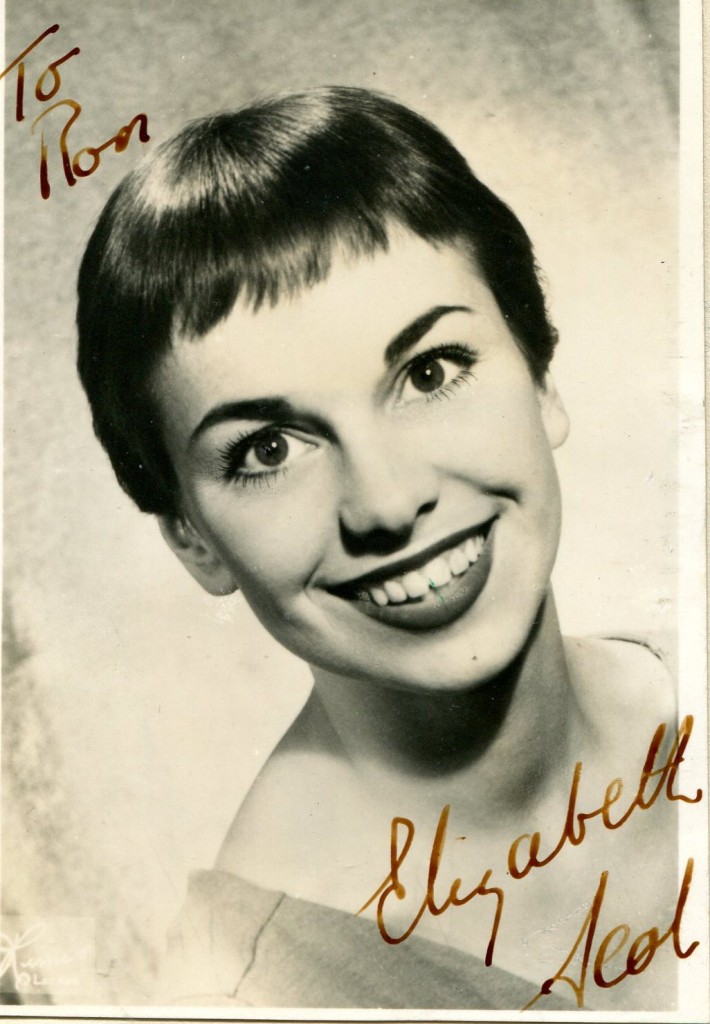
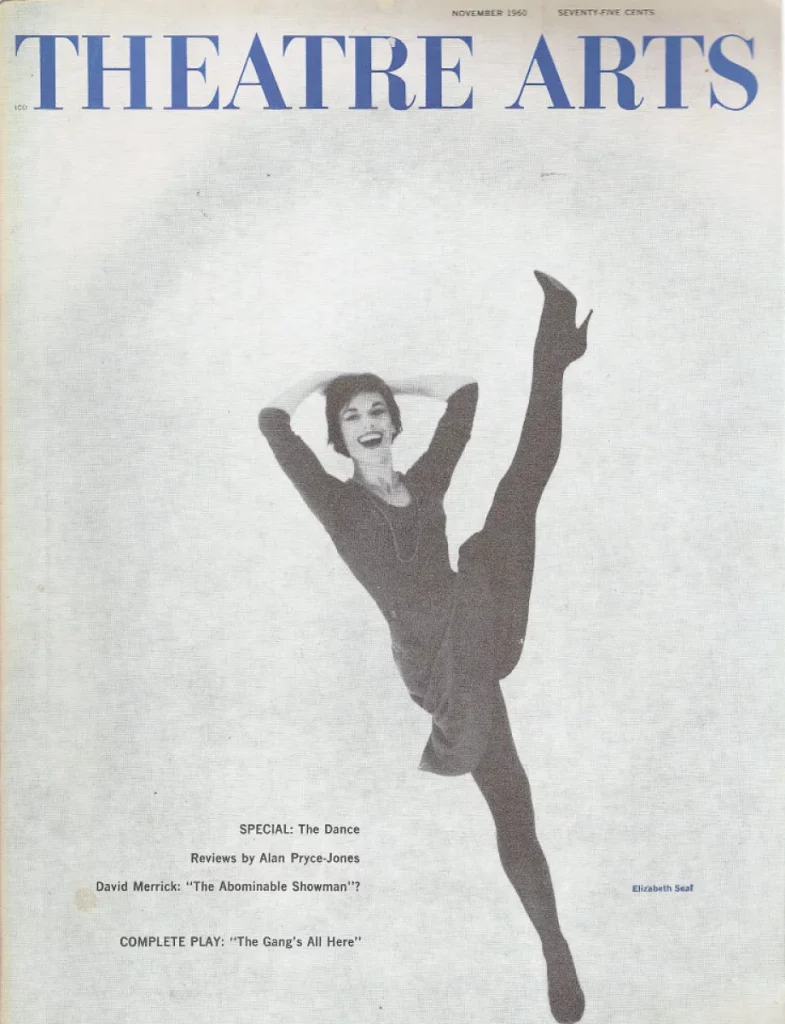
Elizabeth Seal

Elizabeth Seal. Wikipedia

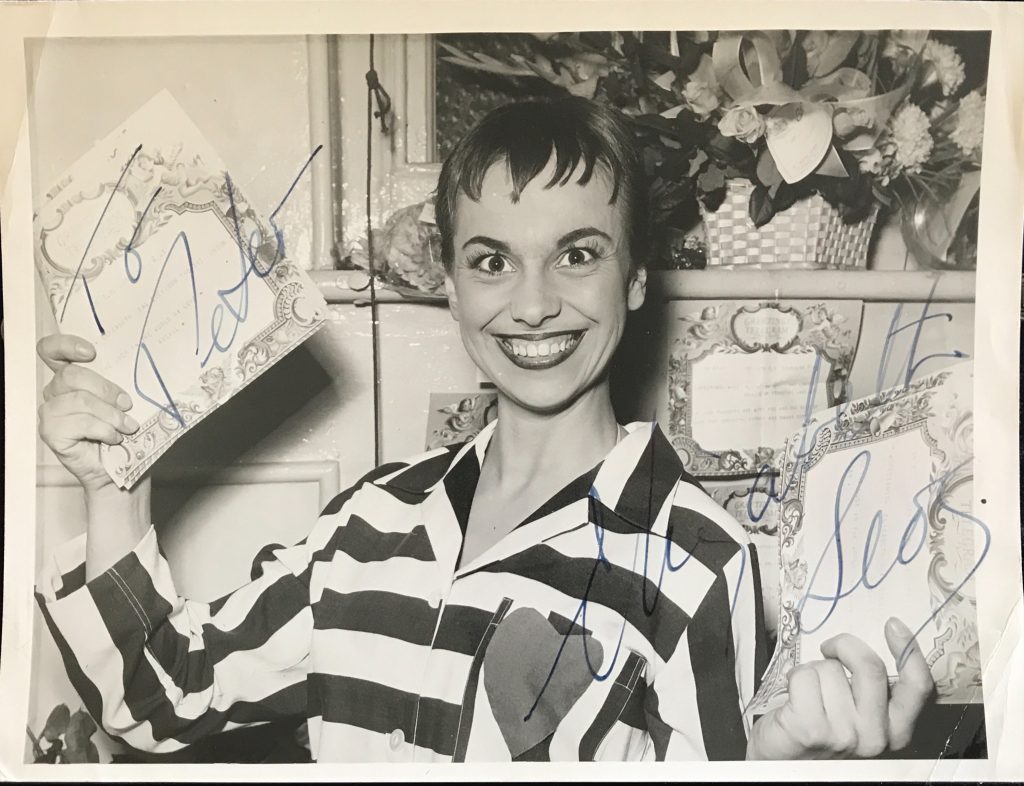
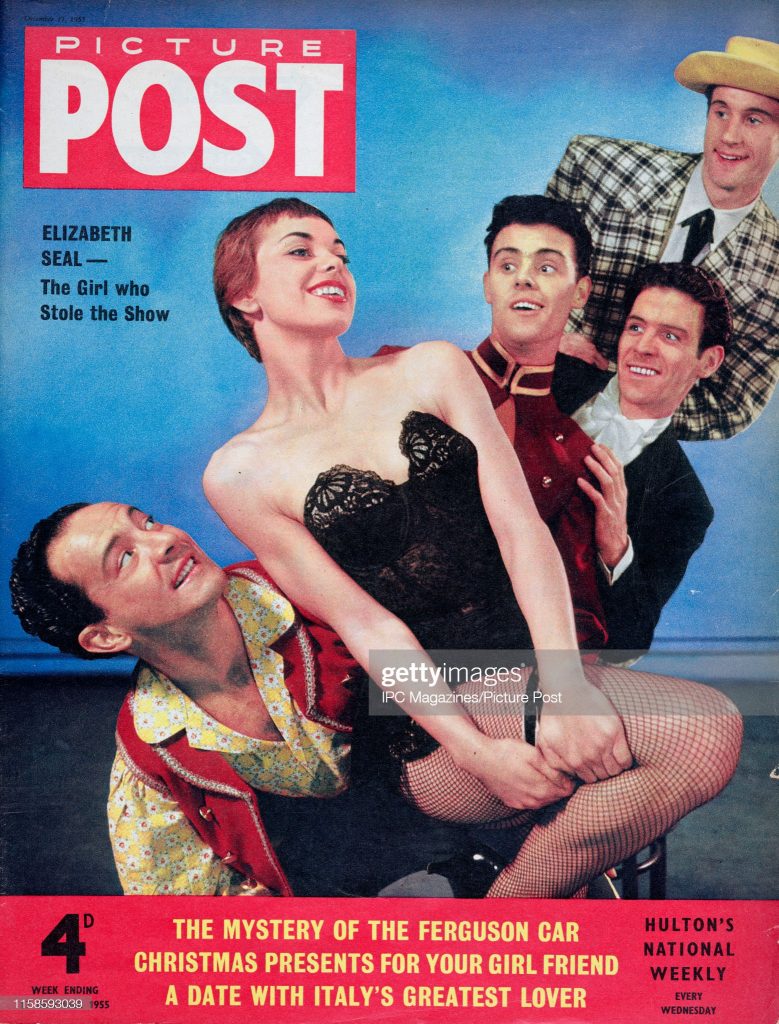
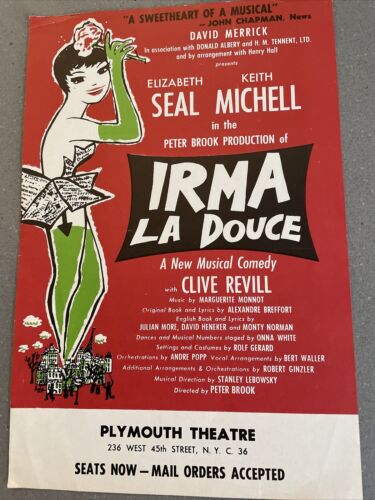
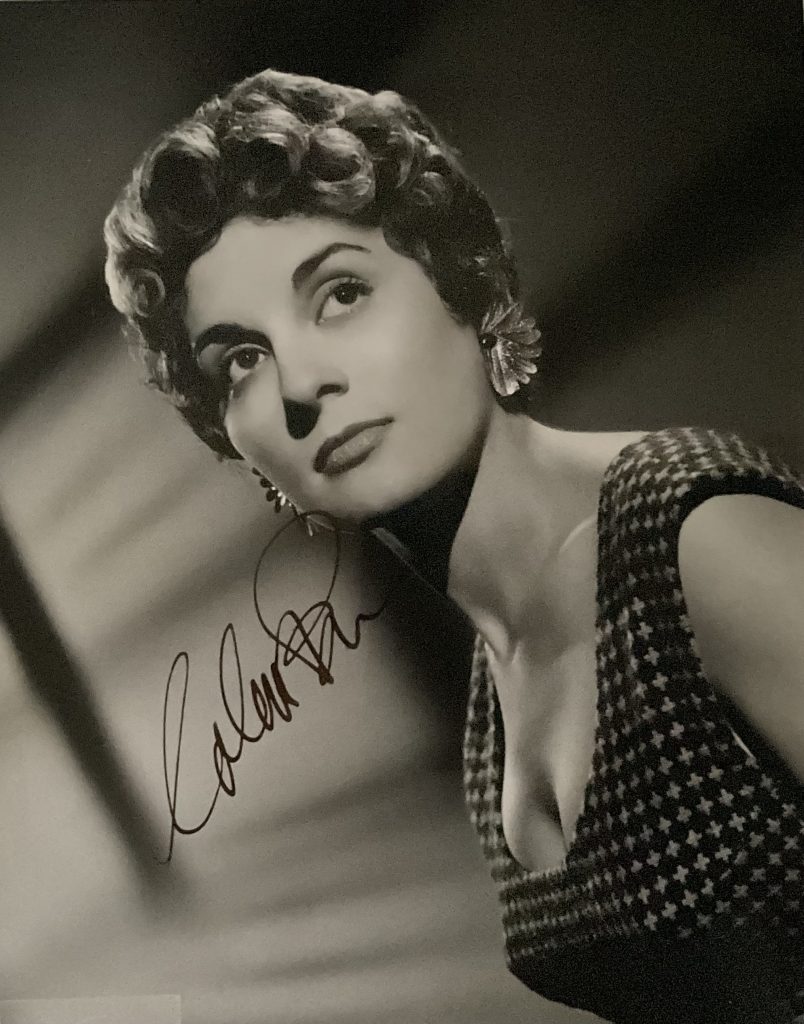
Elizabeth Seal was born in 1933, Genoa, Italy) and is a British actress. In 1961, she won the Tony Award for Best Leading Actress in a Musical for her performance in the title role of Irma La Douce.

Elizabeth Seal made her professional debut, as a dancer, at the age of 17 in Ivor Novello’s musical Gay’s the Word (1951) at the Saville Theatre. She then appeared in The Glorious Days (1953) with Anna Neagle, and the revue Cockles and Champagne(1954).

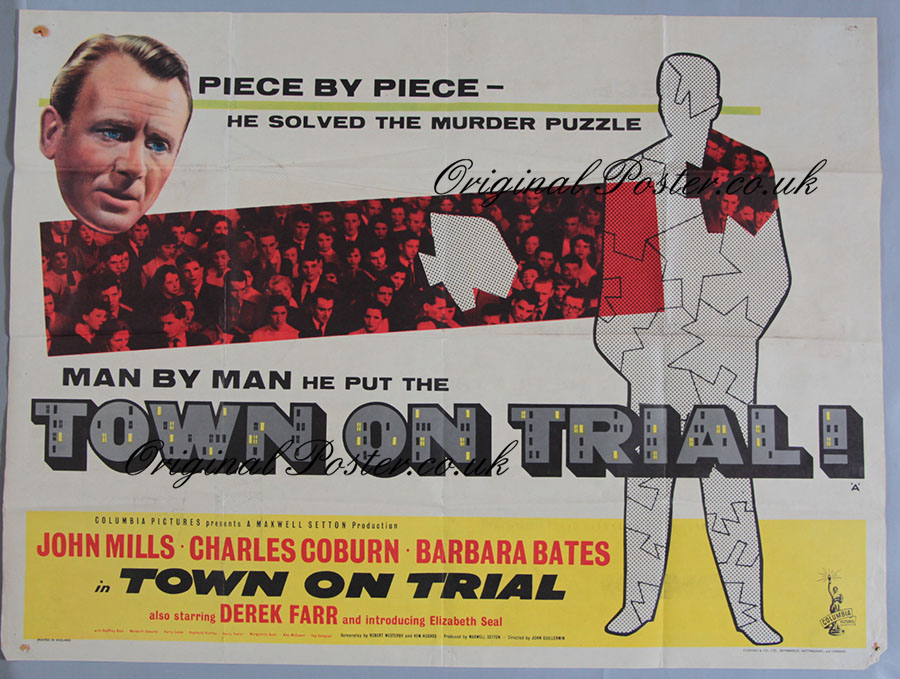
Seal then shot to fame as ‘Gladys’ in the West End transfer of The Pajama Game by Richard Adler and Jerry Ross at the London Coliseum in 1955. For her performance Seal won the award for Most Promising Newcomer by the Variety Club of Great Britain. Whilst appearing in the show she made her film debut opposite John Mills, Alec McCowen and Charles Coburn in Town on Trial (1957), playing the role of ‘Fiona’.

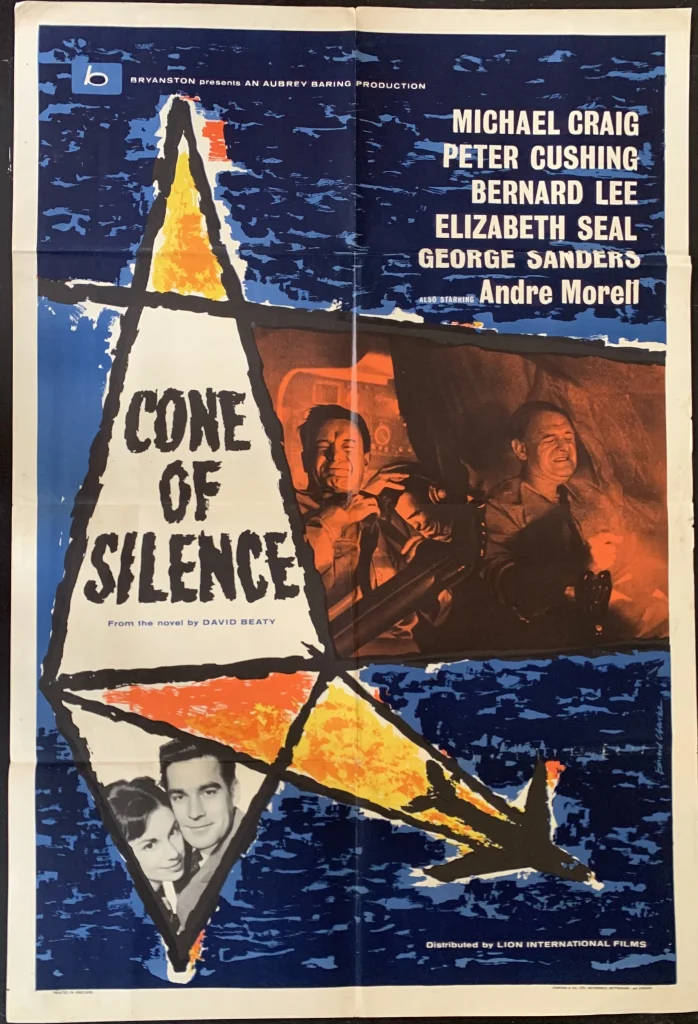
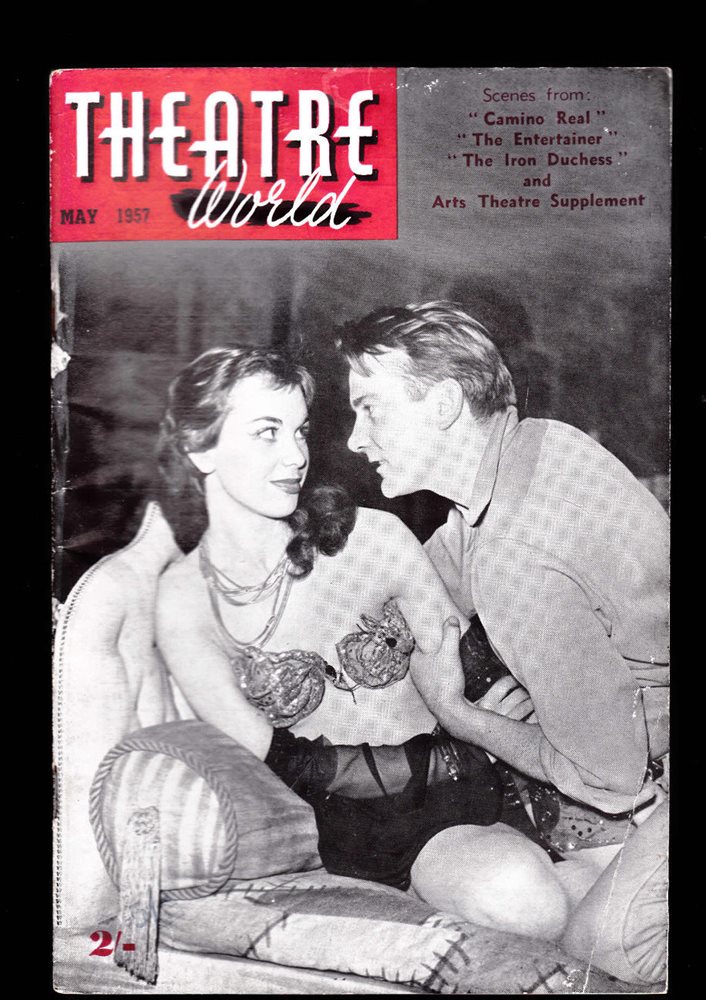
She made her debut in straight theatre when Peter Hall chose her to play the role of ‘Esmeralda’ in Tennessee Williams’ play Camino Real, alongside Denholm ElliottDiana Wynyard, and Harry Andrews. Seal then took over the role of Lola in Damn Yankees from Belita at the London Coliseum. This brought her another award from the Variety Club of Great Britain as Best Actress. During the run she made the film Cone of Silence (1960) with George SandersBernard Lee, and Michael Craig.

Having seen Seal’s performance in  Damn Yankees theatre impresario Hugh ‘Binkie’ Beaumont wanted to find a starring vehicle for Seal and found it in Marguerite Monnot’s French musical Irma La Douce. The show was directed in London by Peter Brook, and Seal played the title role opposite Keith Michell at the Lyric Theatre. Seal stayed with the show for two years, during which time she was seen by David Merrick, who waited for her to become available when he produced the Broadway production of the musical in 1960. During the Broadway run she won the 1961 Tony Award for Best Actress in a Musical.

After some further American shows including A Shot In The DarkExiles by James Joyce, and several cabaret appearances, Seal left the stage for a number of years to raise a family.

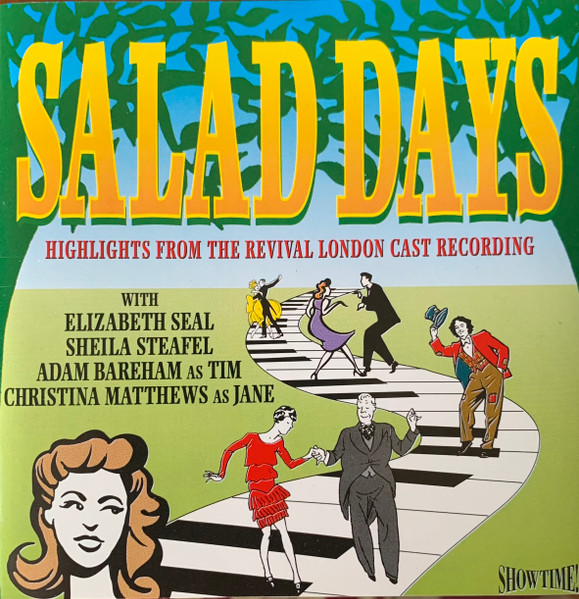
She returned to London in 1969 to appear in Beaumont’s production of Cat Among The Pigeons directed by Jacques Charron of the Comedie Francais. A revival of Julian Slade and Dorothy Reynolds’ musical Salad Days at the Duke of York’s Theatre followed, and Seal later took over the role of ‘Roxie Hart’ in Chicago: A Musical Vaudeville (known today as Chicago The Musical) in the original London production, alongside Jenny Logan (who played Velma Kelly) in 1979. She returned once again to the Broadway stage in 1983 opposite Cicely Tyson in the revival of The Corn Is Green directed by ex brother-in-law Vivian Matalon.

To devote more time to her private life Seal turned to teaching. She devised and choreographed shows for the Guildford School of Actingand Central School of Speech and Drama, and choreographed La Traviata for Welsh National Opera. During this time she also completed her master’s degree.

After the death of her husband Michael Ward she returned to the stage in Ivor Novello’s Gay’s the Word in its first professional revival at the Finborough Theatre, and stayed with the show for its transfer to Jermyn St Theatre in 2013.

She continues a very active schedule as archivist to Michael Ward’s photographic estate and library.

Seal has been married three times. Her first husband was advertising copywriter Peter Townsend, and second was actor, singer, writer and director Zack Matalon, with whom she had three children. Their eldest son Adam Matalon, based in Los Angeles, is a showrunner/creator and writes, directs and produces for TV; Writer, poet and songwriter Sarah Matalon-Levy is married and lives in Paris; their youngest son, Noah Matalon, lives and works in New York as a capital projects consultant and in property development.

She married photographer/former actor Michael Ward in 1976, and is stepmother to his two daughters Sam Ward and Tasha Clavel. Since Ward’s death in 2011 Seal has promoted his work for exhibitions and publishing.


Eva La Gallienne
Eva La Galienne
Eva La Galienne

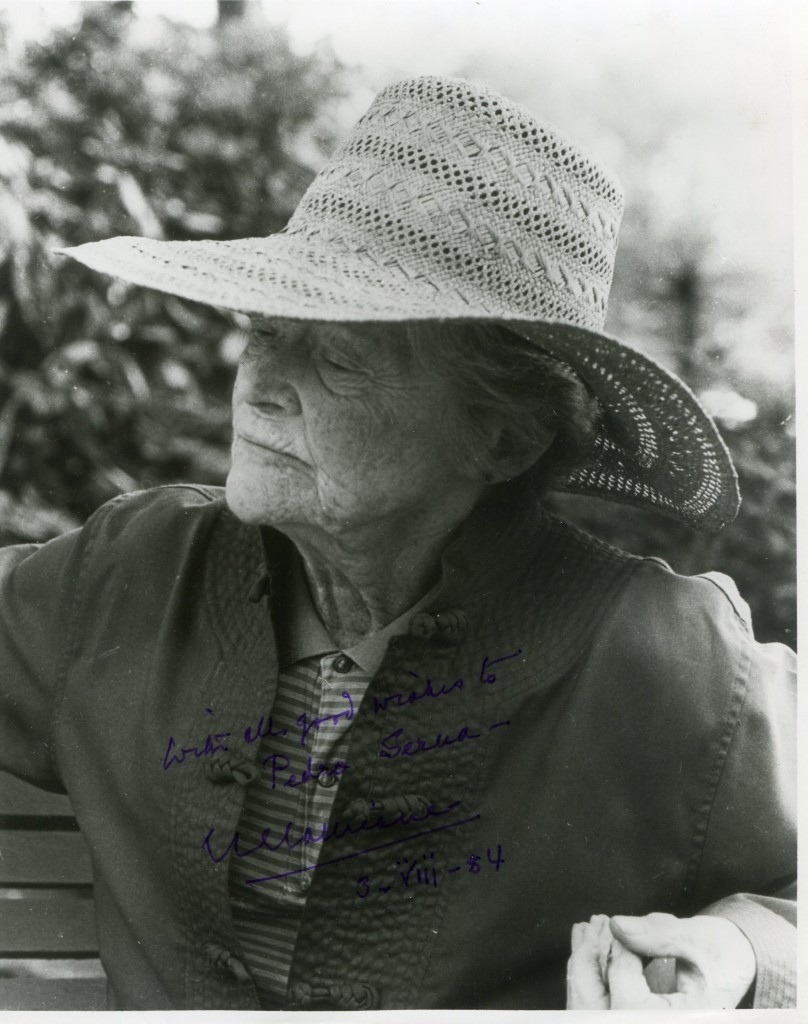
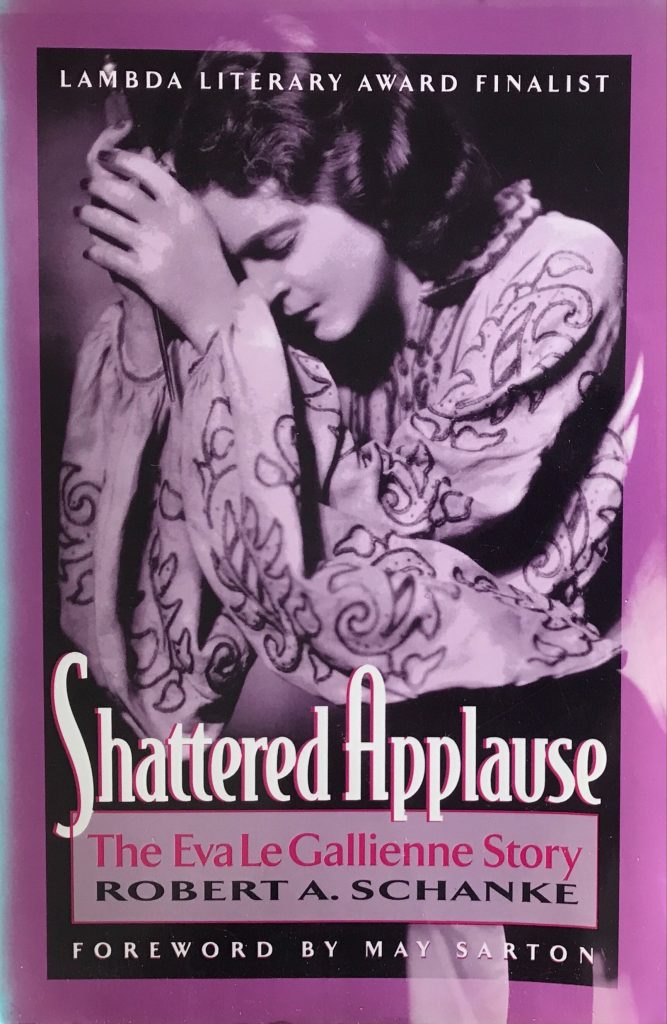
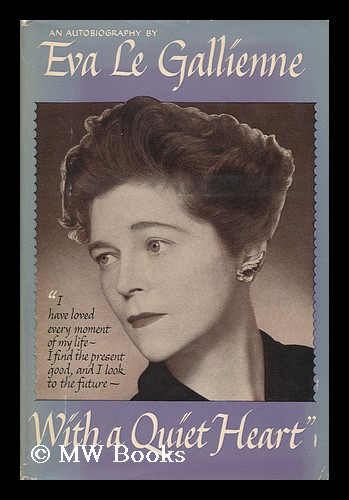
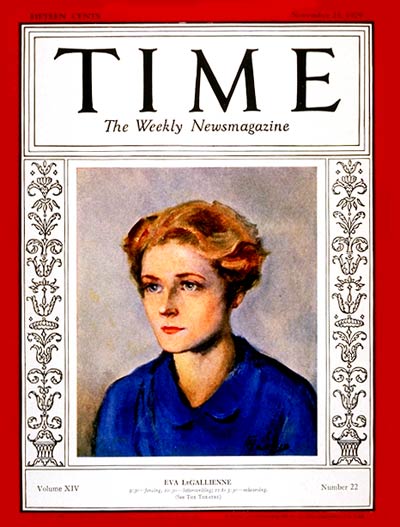
Eva La Gallienne was born in London in 1899.   Her father was the British poet Robert La Gallienne and her mother was a Danish journalist.   She made her stage debut at the age of 15 on the London stage in “Monna Vanna”.   In 1915 she went to New York and virtually all of her acting career was in the U.S.   In 1921 she had a stunning success in Ferenc Molnar’s “Liliom”.   She had many trumphs on Broadway  and on the stage in the U.S. over the years.   Her film appearances are few but choice.   Of particular interest are “Prince of Players” with Richard Burton in 1955 and in 1980, “Resurrection” with Ellen Burstyn and Sam Sheperd.   She guest starred on “St Elsewhere” with Brenda Vaccaro in 1984.   Eva la Gallienne died in 1991 at the age of 92.

TCM Overview:

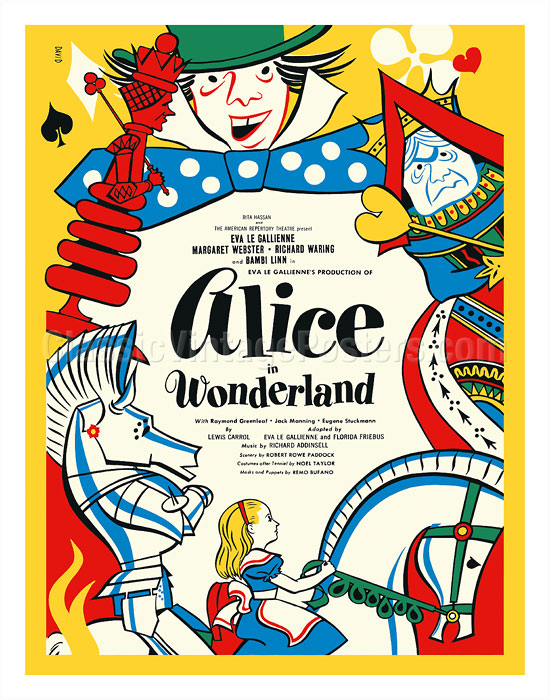
This legendary stage star won renown for her performances on Broadway, in productions by the repertory theater she founded, including “Liliom” (1921) and “The Swan” (1923). In the 1930s, she played the lead in “Peter Pan,” the White Queen in “Alice in Wonderland,” Juliet in “Romeo and Juliet,” and the lead in a summer production of “Hamlet” (1937) which she also staged.

In 1926, Le Gallienne founded a national repertory theater, the Civic Repertory Theater in New York, similar to England’s Old Vic, which presented the classics at popular prices ($1.50 top ticket price). She not only starred in the majority of productions, until the company folded in 1933 as a consequence of the Depression, but she also staged, translated and produced most of the plays.   Le Gallienne then lectured at colleges and toured the country, returning to Broadway in “Uncle Harry” and “The Cherry Orchard.” In 1946, she organized the short-lived American Repertory Theater with Margaret Webster and Cheryl Crawford. Later stage triumphs included “Mary Stuart” in which she toured from 1957 to 1962 and “The Royal Family” (1976). Le Gallienne reprised her role (the matriarch of a theatrical family modeled on the Barrymores) in an acclaimed television production which earned her an Emmy. She also produced and starred in an acclaimed TV version of “The Bridge of San Luis Rey” (1958). Le Gallienne appeared in a handful of films, perhaps most memorably as Ellen Burstyn’s grandmother in “Resurrection” (1980), for which she received an Oscar nomination as Best Supporting Actress.

The above TCM Overview can also be accessed online here.

Gary Brumburgh’s entry:

Legendary stage actress Eva Le Gallienne’s life began just as grandly as the daughter of poet Richard Le Gallienne. Sarah Bernhardt was her idol growing up and, at age 18, was brought to New York by her mother. Making her London debut with “Monna Vanna” in 1914, she proved a star in every sense of the word. She appeared on Broadway first in “Liliom” in 1921 and lastly at the Biltmore Theatre in 1981 with “To Grandmother’s House We Go,” which won her a Tony nomination at age 82. Noted for her extreme boldness and idealism, she became a director and muse for theatre’s top playwrights, a foremost translator of Henrik Ibsen, and a founder of the civic repertory movement in America. A respected stage coach, director, producer and manager over her six decades, Ms. Le Gallienne consciously devoted herself to the Art of the Theatre as opposed to the Show Business of Broadway and dedicated herself to upgrading the quality of the stage. She ran the Civic Repertory Theatre Company for 10 years (1926-1936), producing 37 plays during that time. She managed Broadway’s 1100-seat Civic Repertory Theatre (more popularly known as The 14th Street Theatre) at 107 14th Street from 1926-32, which was home to her company whose actors included herself, J. Edward BrombergPaul Leyssac,Florida Friebus, and Leona Roberts. Her gallery of theatre portrayals would include everything from Peter Pan to Hamlet. Sadly, she almost completely avoided film and TV during her lengthy career. However, toward the end of her life, she did appear in a marvelous 1977 stage version of “The Royal Family” on TV and rendered a quietly touching performance as Ellen Burstyn‘s grandmother in Resurrection (1980), for which she received an Oscar nomination.

– IMDb Mini Biography By: Gary Brumburgh / gr-home@pacbell.net

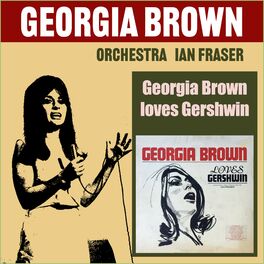
Georgia Brown
Georgia Brown
Georgia Brown

Georgia Brown was born in the East End of London in 1933.   She first came to prominence on the London stage as Lucy in a 1956 adaptation of “The Threepenny Opera”.   In 1959 she won widespread acclaim as Nancy in Lionel Bart’s “Oliver” which she then took to Broadway” in 1963 and winning a Tony for her performance.   However she lost our to Shani Wallis for the film version.   Her films include “The Raging Moon” in 1973 and “The Seven-Per-Cent  Solution”.   She moved to the U.S. and performed in supper clubs and on television in such shows as “Murder She Wrote”.   Georgia Brown died suddenly while on a visit to London in 1992 at the age of only 58.

Her “Independent” obituary by Tom Vallance:

Lillie Klot (Georgia Brown), actress and singer, born London 21 October 1933, married 1974 Gareth Wigan (one son; marriage dissolved), died London 5 July 1992.

THE MEMORABLE night in 1960 when Oliver] opened in London at the New Theatre (now the Albery) will not be forgotten by those of us lucky enough to be there, but one moment stands out most of all.

When the audience returned for the second half, the intermission buzz having confirmed that everyone was in a similar state of rapture, the curtain went up on Sean Kenny’s brilliant smoke- filled set of an East End drinking den, and to a pounding waltz beat Georgia Brown, as Nancy, launched into her raucous music- hall ditty ‘Oom-Pah-Pah’. When she finished, the roar of approval was deafening and spine-tingling. The dark-haired actress-singer with her husky and full-throated delivery had deservedly triumphed in the role and performance of her career. She repeated her success in the Broadway production, but was never seriously considered for the film version which, though lauded, would have been even better if she had played Nancy.

Born Lillie Klot in Whitechapel, east London, in 1933, she became the most successful product of the Brady School, a training ground for impoverished East-Enders, and was justifiably proud of having made it against all the odds. As a teenager she performed at youth clubs while learning the rag trade by day, and by the time she was 17 she was working at the Stork Club in London and appearing in television variety shows, having assumed a name taken from one of her numbers ‘Sweet Georgia Brown’.

Her early influences were jazz singers, but her earthy, energetic delivery made her equally at home with music hall in the Marie Lloyd tradition, while when singing popular standards her interpretative skill was comparable to Piaf or Garland. If she lacked the vulnerability of those ladies it only gave her more sentimental moments and added pathos. Nobody has ever sung ‘As Long As He Needs Me’ as well as Georgia Brown.

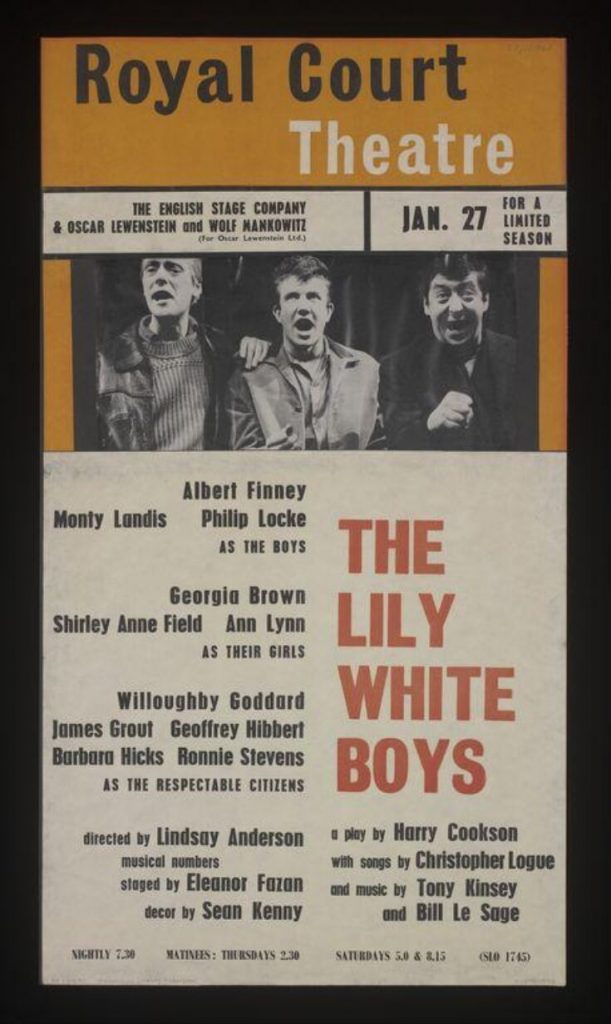
In 1956 she was cast as Lucy in The Threepenny Opera at the Royal Court, the start of a long association with the works of Brecht, and the following year she succeeded Beatrice Arthur in the show’s off-Broadway production. She returned to the Royal Court in The Lily White Boys with Albert Finney, then came Oliver].

After the Broadway production she elected to stay in the US, turning down the show Lionel Bart created for her, Maggie May, though she replaced its star, Rachel Roberts, six months into the London run. She maintained an affection for life in the United States which American show-business never managed adequately to reciprocate. The impetus in her career created by Oliver] gradually faltered and, despite steady work and respect within the profession, the enormous potential was never fully realised.

She made records, did more Brecht – The Baby Elephant upstairs at the Royal Court in 1971 and, later the same year, Man is Man in the main theatre. She sang Anna in the Royal Ballet’s Seven Deadly Sins in 1973/74 and played in Mother Courage on television. Television work also included Sartre’s Roads to Freedom. Her films included A Study in Terror (1965), The Fixer (1968), Bart’s Lock up Your Daughters (1969), Galileo (1975), and The Seven Per Cent Solution (1976), in which she introduced Stephen Sondheim’s blatantly risque I Never Do Anything Twice.

That same year she settled permanently in Los Angeles. She returned to Broadway in two new musicals, but neither was successful. Carmelina (1979), based on the Gina Lollobrigida film Buona Sera, Mrs Campbell, had songs by Burton Lane and Alan Jay Lerner, but, with a poor production and Jose Ferrer’s leaden direction, it lasted only 17 performances.

Five years later Brown was due to open in Roza at the Adelphi in London when financing was suddenly withdrawn. In 1987, directed by Harold Prince, it opened on Broadway with Brown playing a role Simone Signoret had enacted in the film Madam Rosa (based on a novel, La Vie Devant Soi, by Romain Gary). Brown had gained weight to play the former prostitute who now looks after the children of prostitutes in a run-down section of Paris, but the show’s score by Gilbert Becaud and Julian More was too pop-orientated for Broadway taste, its book too flimsy and despite outstanding personal reviews for Brown it closed after 12 perforamnces.

In London she starred in 42nd Street but, though nominally the leading role, the part of an ageing and temperamental star replaced by an ingenue was a thanklessly underwritten and unsympathetic one. In 1980 Brown had played the twin roles of Mother/Sphinx in Steven Berkoff’s Greek for its brief New York run and when the play came to London in 1988 she successfully repeated her powerful performance.

Recently she had been performing a one-woman show, Georgia Brown and Friends, and had come to London for an appearance in a charity tribute to Sammy Davis Jnr. Fortunately, Brown recorded both Oliver] and Carmelina and two of her solo albums, devoted respectively to the works of Kurt Weill and George Gershwin, were combined last year on one CD to win new critical acclaim. Her tartly abrasive ‘Strike up the Band’and plaintively aching ‘It Never Was You’ on these albums are just two fine examples of her distinctive talents.

The above “Guardian” obituary can also be accessed online here.


Georgia Brown (1933–1992) was the volcanic core of the post-war British musical theatre explosion. While many of her contemporaries aimed for a “refined” West End sheen, Brown brought a raw, Earth-mother intensity and a deep, mahogany-toned contralto that bridged the gap between Jewish folk tradition, jazz, and the gritty realism of the “Angry Young Men” era.

She is the definitive Nancy, a role she created on stage and one that defined the archetype of the tragic, resilient street-survivor for all who followed.


Career Overview: The Soul of the East End

1. The Jazz and Folk Foundations (1950s)

Born Lillian Klot in the East End of London, Brown began her career as a cabaret and jazz singer. Her early work was heavily influenced by her Jewish heritage and a deep appreciation for the blues, which gave her a vocal “weight” that was rare in British theatre at the time.
2. The Brechtian Pioneer (1955–1956)
Before Oliver!, Brown proved her dramatic mettle in the first major British revival of “The Threepenny Opera.”Her portrayal of Lucy Brown showcased her ability to handle the cynical, sharp-edged material of Bertolt Brecht and Kurt Weill—a stylistic precursor to the “Kitchen Sink” realism of the 1960s.

3. Creating an Icon: Oliver! (1960–1965)

Lionel Bart wrote the role of Nancy specifically for Brown’s unique vocal range. She starred in the original London production (1960) and later the Broadway transfer (1963), earning a Tony nomination. She didn’t just play the role; she authored its emotional language.

4. The International Stage and Screen (1970s–1992)

Brown spent much of her later career in the United States, becoming a powerhouse character actress. She starred in the Broadway musical Roza, appeared in films like The Seven-Per-Cent Solution (1976), and became a beloved guest star on American television, earning an Emmy nomination for her role in Cheers.


Detailed Critical Analysis: The “Folk-Broadway” Synthesis

1. The “Vocal Sob” and Technical Power

Brown’s voice was an instrument of narrative friction. Unlike the crystalline sopranos of the 1950s, Brown’s voice had a “grain” to it.

  • Analysis: Critics often noted her use of the “glottal stroke” and a wide, pulsating vibrato. In her definitive recording of “As Long as He Needs Me,” she didn’t just sing the notes; she “attacked” them. Her technique allowed her to move from a guttural whisper to a thunderous belt, making her performances feel like spontaneous emotional outpourings rather than rehearsed numbers.

2. Subverting the Musical Comedy Heroine

Brown was instrumental in moving the musical theatre lead away from the “ingenue” and toward the “woman of experience.”

  • Critical Insight: In Oliver!, she played Nancy not as a victim, but as a woman of immense, albeit misplaced, strength. She brought a Brechtian unsentimentality to the role. Critics praised her for the “dirt under the fingernails” authenticity she brought to the stage, which made the character’s eventual death feel like a genuine social tragedy rather than a plot device.

3. The Bridge Between Cultures

Brown was one of the few British performers who could authentically inhabit the Great American Songbookwhile maintaining a distinctly European, Jewish-inflected soul.

  • Technical Analysis: On her various solo albums (like Georgia Brown Sings Gershwin), she displayed a jazz-like improvisational freedom. She often delayed the beat, a technique known as rubato, which gave her singing a conversational, “lived-in” quality. Critics compared her to Lotte Lenya and Judy Garland, noting her ability to turn a three-minute song into a one-act play.

4. Late-Career “Masterclass” in Television

In the late 1980s and early 90s, Brown’s work on American TV showed a masterful shift into character comedy.

  • Analysis: As Madame de Vionnet in Cheers or her various roles in Star Trek: The Next Generation, she used her commanding presence and rich accent to play “formidable” women. Critics noted that she brought a theatrical weight to the sitcom format, proving that her “Nancy-esque” gravity could be translated into sharp, intellectual wit.


Key Credits & Critical Milestones

Year Title Role Note
1956 The Threepenny Opera Lucy Brown Her “Brechtian” breakthrough in London.
1960 Oliver! (West End) Nancy The definitive creation of a musical theatre icon.
1963 Oliver! (Broadway) Nancy Tony Award Nominee; established her in the US.
1976 The Seven-Per-Cent Solution Frau Freud Showcased her range as a dramatic film actress.
1990 Cheers (TV) Madame de Vionnet Emmy Award Nominee; showcased her comedic She didn’t just sing songs; she excavated them. By bringing a gritty, East End reality to the stylized world of musical theatre, she paved the way for the modern, belt-driven musical. Her legacy remains in the “blood and guts” intensity she demanded from herself and her characters, ensuring that Nancy would always be more than a girl in a red dress
Roger Moore
Roger Moore
Roger Moore

Roger Moore obituary in “The Independent” in 2017.

More than any other actor of his generation, Roger Moore, one of the most instantly recognised stars, personified British sangfroid. Though he will be remembered for his action roles, typified by James Bond and Simon Templar in The Saint, Moore arguably had much more in common with the likes of Cary Grant and David Niven, light sophisticated film comedians. His approach, even with Bond, was to look for the humour first and worry about the dramatics second. To world audiences throughout the Sixties, Seventies and Eighties, he was the epitome of the perfect English gentleman.

Roger George Moore was born in 1927 in Stockwell, south London, the only child of George Moore, a police constable at Bow Street, and his wife Lily, the daughter of an Army Sergeant Major. Educated at Battersea Grammar school, upon leaving at the age of 15 in 1943 Roger Moore got a job as an apprentice cartoonist with an animation film company. One visitor to the studio was Lt-Col David Niven, there to give technical advice on a film. In later life the two men were to become great friends and co-star together in three films. Niven was also Ian Fleming’s personal choice of actor for the role of Bond.

Though he showed flair as a cartoonist, Moore was sacked when he made a mistake over some animation cells. By his late teens, he had developed from a rather podgy child into a tall (6ft 2in) broad-shouldered, blond-haired hunk and a friend suggested he try his luck as a film extra on Caesar and Cleopatra, then in production at Denham studios. The thought of acting had never before occurred to Moore, despite his father being an avid devotee of amateur dramatics.     

He landed the job of a spear-carrying Roman soldier and was spotted by the director Brian Desmond Hurst, not for any acting qualities but for the multitude of female admirers he managed to attract off-camera. Sensing some kind of potential, Hurst offered to pay Moore’s fees at the Royal Academy of Dramatic Art.

It was during his three terms at Rada (where one of his classmates was Lois Maxwell, the future Miss Moneypenny) that Moore began to cultivate the accent and demeanour, that relaxed, devil-may-care, mid-Atlantic style, which later became his screen trademarks. Doing his National Service as a commissioned officer with the Combined Services Entertainment Section, he earned the nickname “The Duchess” for his immaculate and cultivated appearance. He was also continually reprimanded for having his army mates call him “Rog” instead of Sir.

While at Rada, Moore fell in love and married an ice skater called Doorn van Steyn. He was just 19. Their time together was beset by professional and financial difficulties as both struggled to establish their careers and the marriage soon foundered. Moore himself could only find a few acting jobs and to supplement his income worked as a waiter, dishwasher, street salesman and male model, famously appearing in knitting books modelling sweaters, something which caused him great embarrassment in later years.

In 1952 Moore met one of Britain’s most popular singers Dorothy Squires (12 years his senior), and the couple were soon an item. He travelled with Squires to America, where his charm and good looks won him some film roles, notably opposite the screen divas Elizabeth Taylor in The Last Time I Saw Paris (1954) and Lana Turner in Diane (1956). 

On his return to Britain, Moore became one of the first television stars, in 1958 taking the title role in the adventure serial Ivanhoe. Other TV series followed, this time made in Hollywood, The Alaskans (1959-60) and Maverick (1960-61). But his film career was going nowhere, summed up by turkeys like The Rape of the Sabine Women (1961). Made in Rome, it did little to further Moore’s dreams of movie stardom, but had a profound effect upon his personal life. On set he met and fell in love with the Italian actress Luisa Mattioli. He was refused a divorce by Dorothy Squires, but he and Mattioli lived together until finally being allowed to marry in 1969.

Moore was finally rescued from oblivion in 1962 when he won the coveted lead role in The Saint, which he went on to play for six years. The series was shown in over 60 countries, turning Moore into an internationally recognised figure and the first British actor to become a millionaire through television. After dropping his halo, Moore yet again pursued a film career, with haphazard results, and in 1971 was forced to make another television series, despite having sworn never to do so. 

It was called The Persuaders! and was again the brainchild of Lew Grade, the man responsible for The Saint. Grade had craftily already sold the concept of the show to America on the strength of Moore’s name. At a meeting Moore queried the legality of what Grade had done. The cigar-chomping tycoon replied, “The country needs the money, Roger. Think of the Queen.” 

The Persuaders! was about a pair of wealthy playboys and part-time adventurers. Glitzy and chic, with its South of France locations, the show is chiefly remembered today for the marvellous chemistry between Moore and his co-star Tony Curtis, though in real life the two men did not hit it off. Although a huge success in Europe, crucially The Persuaders! flopped in America and was cancelled, leaving Moore free to take on the role that he will be forever remembered – James Bond. 

Moore had in fact been one of the original choices for 007 back in 1962, but had been deemed not tough enough. Because Moore lacked Sean Connery’s animal presence and killer instinct, the filmmakers instead played to his very different strengths, a sophisticated wit and gentlemanly charm, and the Bond films grew more tongue in cheek as a result. 

Moore himself refused to take the role especially seriously. “Bond has nothing to do with the real spying world,” he once said. “I mean, what sort of spy is recognised in every bar in town?” His self-mocking approach did not find favour with the critics, although some claimed he was much closer to Fleming’s original concept of Bond than Connery, much more the Etonian drop-out, but the public was won over and Moore’s seven-film reign as Bond raked in a billion dollars at the global box office.

Moore also began to establish himself as a film star with a string of popular hits like the action adventure Shout at the Devil (1976), the Boy’s Own war drama The Wild Geese (1978), with Richard Burton, and the all-star car comedy The Cannonball Run (1981). By the late Seventies he was the most bankable British film personality and had joined those other superstar tax exiles (Sean Connery, Michael Caine, Richard Burton) in leaving the country in order to evade the Labour government’s punitive tax rates, moving to Switzerland where he could also indulge his love of skiing.

After A View to a Kill in 1985, Moore, then 57, left the Bond stable and all but retired from cinema, returning sporadically in films that showed either a lazy approach to his craft or just plain bad taste, stiffs like Spice World (1997) and Boat Trip (2002). He appeared most frequently on television chat shows and in European gossip magazines. Especially when his marriage, considered by many to be one of Hollywood’s most rock-solid, broke up in 1994 when he fell in love with a close family friend, the Swedish-born socialite Kristina Tholstrup.

Moore will never be remembered for being one of cinema’s most versatile actors. And to be fair, Moore himself made something of a career out of underestimating his own talent. But those who worked with him loved him. On set he liked to keep a jovial and happy working atmosphere and often indulged his schoolboyish sense of humour by playing practical jokes on his co-stars.

He took great pride in 1991 in succeeding Audrey Hepburn as Goodwill Ambassador for Unicef, raising funds for children in underdeveloped countries. His work for Unicef took him to countries such as Brazil and India that he had visited with the Bond films, but the second time around, he was able to see them through different eyes, noticing the poverty and suffering. Such generous and selfless work earned Moore appointment as CBE in 1999 and in 2003 he was knighted.

Sir Roger George Moore, actor: born London 14 October 1927; died Switzerland 23 May 2017