
Brittish Actors

Collection of Classic Brittish Actors

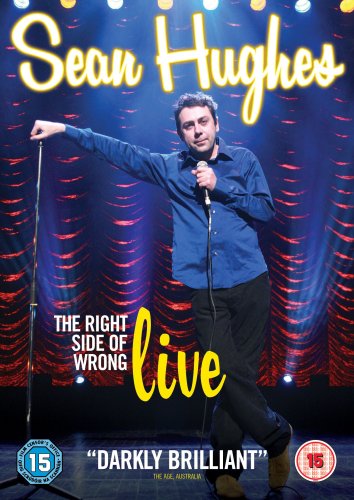
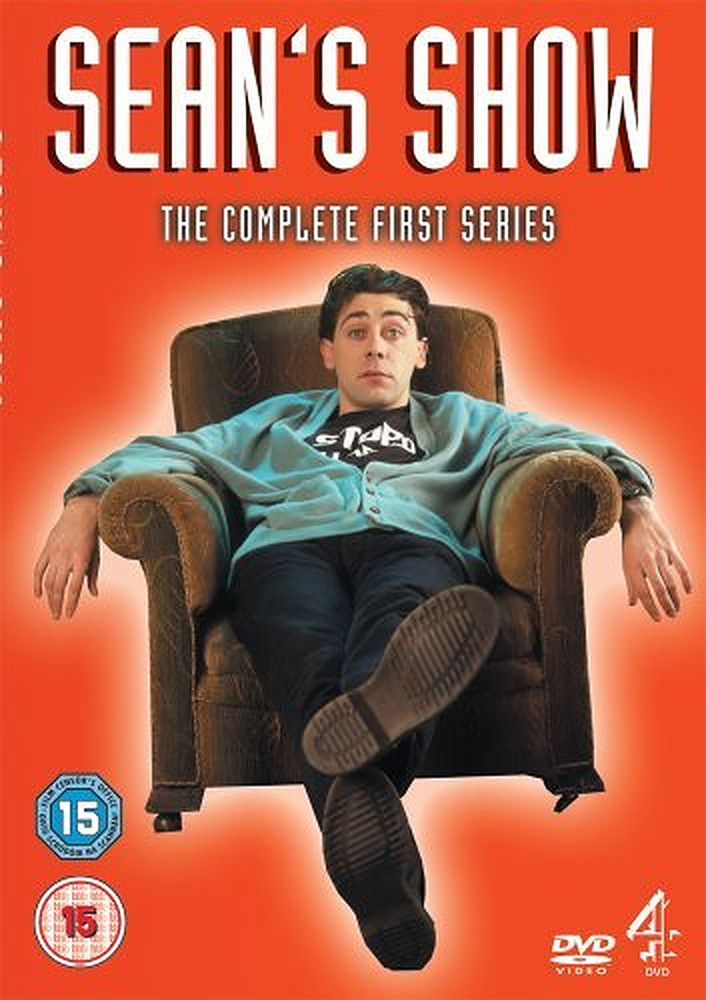
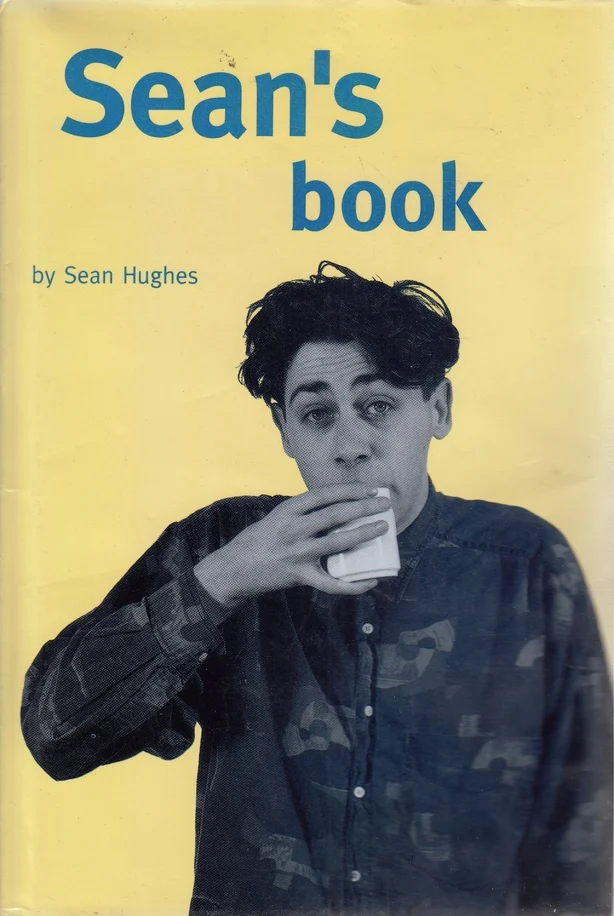
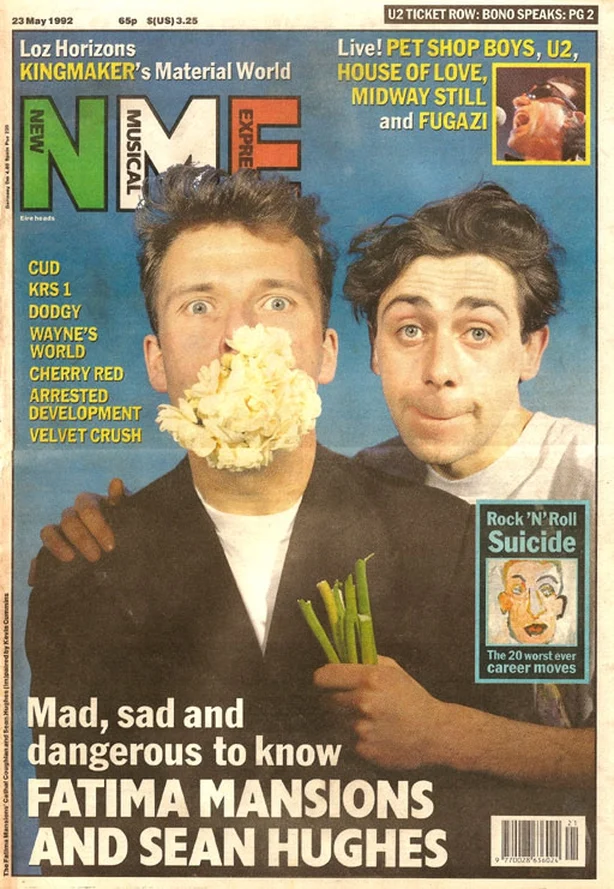
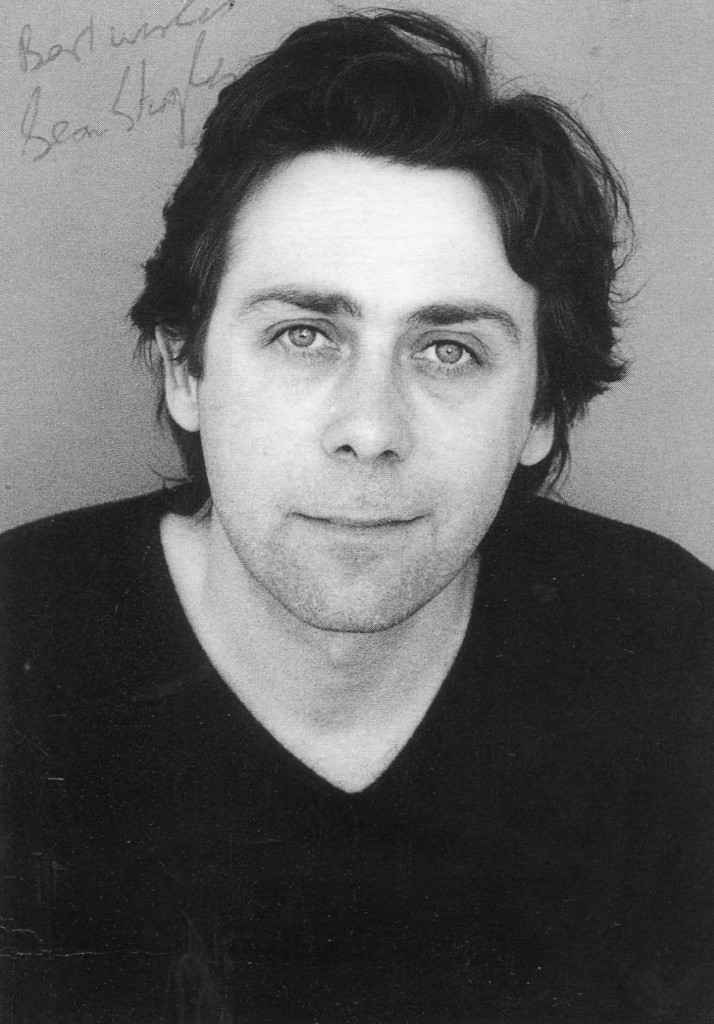
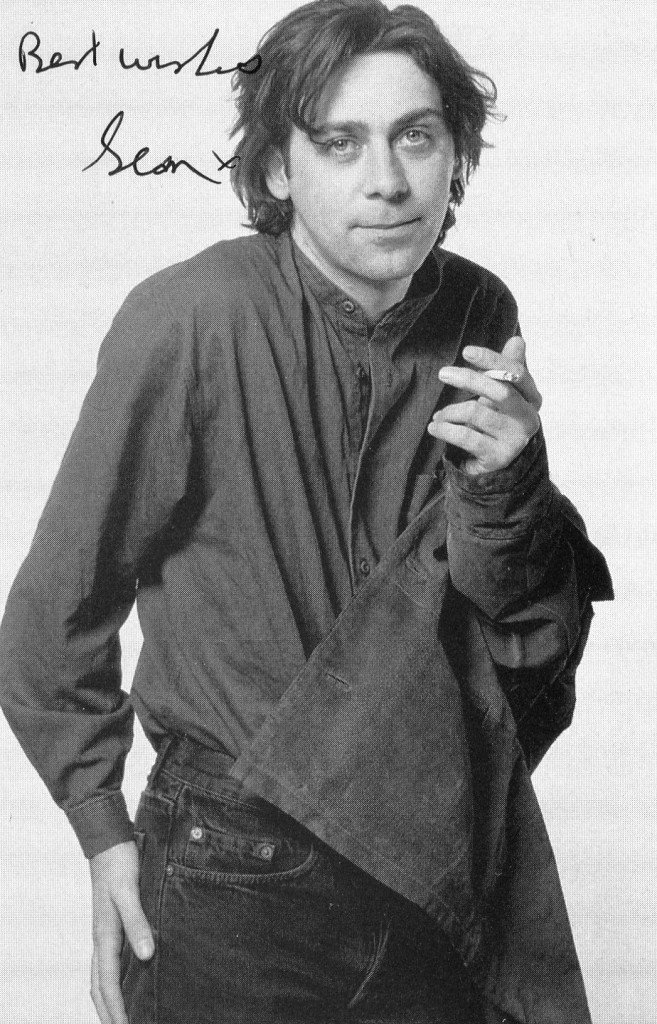
Sean Hughes

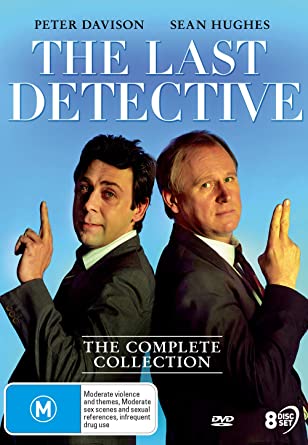
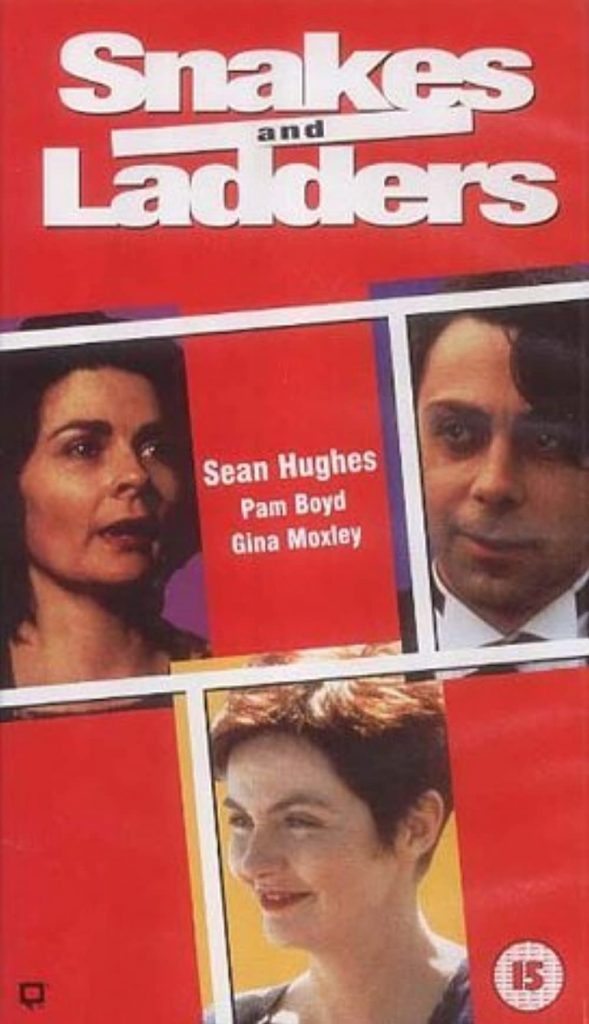
Sean HughesSean Hughes was born in London in 1965.   He was brought up in Dublin.   He won the Perrier Comedy Award as a rising young comedian.   He was seen in Alan Parker’s 1991 film about Dublin bands “The Commitments”.   His other films include “The Butcher Boy”, “Fast Food” and “Puckoon”.   On television he has starred in “The Last Detective” and also did a stint in “Coronation Street” in 2007.

“Guardian” interview from 2012:

“It horrifies me to say this,” says Sean Hughes, “but my dad came to see a show I did years ago and fell asleep due to drunkenness.” The relationship between father and son wasn’t cosy – “We used to high-five each other in the middle ground of self-hatred,” he says. But nearly two years after Sean senior died of leukaemia, aged 72, the comedian is tackling his father’s illness and death head-on, through his new stage show, Life Becomes Noises.

“Just don’t use the C-word,” he says, hunched over a coffee in a cafe, his face fuller in middle age.

The C-word? “Cathartic,” he says.

Hughes, who was the youngest winner of the Perrier award for comedy in 1990, rates this show as his best work. “I feel I’m doing something good.”

He says he has his father to thank for this new vitality. “I’ve said before that my father never gave me any support, but there was a weird rough justice in him dying. He gave me the inspiration to write this show, against his will, and it made me grow up. It pushed me towards the next phase of my life. If there is a ‘presence’, I just hope he knows he’s been extremely helpful, because I think he’d have been proud of what I’ve done. I find that a solace.”

Hughes’s father was a driving instructor – at a time when drink-driving wasn’t illegal, he points out. He was also keen on the horses and Hughes makes his stage entrance dressed as a jockey. Surely his father wasn’t hoping he’d take up racing as a career? “He would have been delighted. He didn’t want much in life.”

This was the result, he assumes, of his father’s own thwarted ambitions – disappointments later masked by drink. That generation didn’t analyse their lives in the way Hughes’s own north London neighbours might these days. “It wasn’t a thing you did, especially in a working-class environment, so he muddled along.”

The show, which combines laugh-out-loud humour, world-weary indignation and poignant anecdotes is set between his father’s hospital bed and the family hearth in Dublin. Hughes zig-zags through his feelings about healthcare for the terminally ill, his family dynamics and whether we take death too seriously.

He started thinking about writing it on the way home from his father’s funeral. No sentimentality was his first rule. He showed the script to his two brothers, aware that his version of events wasn’t necessarily theirs. “I was a bit sheepish … my younger brother, Martin, found it very hard to read but was aware that I’d taken poetic licence. My older brother, Alan, was a bit taken aback – positively so. I’m so glad they didn’t go, ‘You can’t say that.'”

He didn’t consult his mother. “She wouldn’t understand and I don’t want to hurt her. What I do is an alien world to her and she’d be wondering why I’m saying those things about our family to other people. Of course, I’m terribly disappointed – I’d love my mum to be the biggest champion of [my work], but I accepted years ago that it wasn’t going to happen.

“I harboured a lot of resentment in my youth. I had no support when I was going into a creative career. I had a part-time job in a supermarket and my mum and dad would have been delighted if they’d given me a full-time job. That was their ambition for me. That hurts. They weren’t being hurtful but it made me quite hard towards them, which was probably unfair.

“One reason I haven’t got children is that I’m too selfish, but I think each generation looks to their parents’ faults to make them better people.”

Hughes was born in London but the family moved back to Dublin when he was six, where he was sent to a new school at the height of the Troubles sporting the provocative combination of a bow-tie and a Cockney accent. “Dad’s best joke … I looked and sounded like Tommy Steele.”

Hughes left for England at the earliest opportunity, after which, he says, “we weren’t very good on the phone”.

He has tried to avoid being mawkish in writing about his father. “A few comics have talked about their fathers dying and they’ve been tributes. It doesn’t ring true to me. I wanted it to be more deep, and real. Things weren’t great, but let’s celebrate that. There are positives to be taken out of traumas.”

Our attitude to death is too serious, he says. “It should be more like seeing someone off on a great adventure. But there are too many set rules. The priest saying the words doesn’t really know the person. They should be beautiful occasions and they are not.”

He wonders why the doctors couldn’t have made it clear that his dad wouldn’t get better. “He was too old and weak to survive, but they don’t tell you that. I guess it’s the whole Catholic thing of miracles, that you could get better, which is bullshit. And when you look at the shitty bed they die on … It sounds flippant when I say cancer wards should be jolly. But they should be like children’s wards. There should be colours, not dark shapes.”

Sometimes major events are life-changing for a while, then you revert to type, says Hughes, who was caught up in the 2004 tsunami, in Sri Lanka. “I’m lucky to be alive – but it changes you for two days, then you’re back watching Neighbours at lunchtime.

“My philosophy is that you can’t force change. I matured very late in life. The idea of not drinking five years ago would have been alien to me. I was blocking things out with drink. You realise that when you’re dealing with a death you can’t block it out. But you have to come to all these places on your own. Once you realise that, you become a more rounded person.”

Being thrust into grief has lowered his expectations of life without admitting defeat, which he says is a good thing. It has made him more generous – up to a point. “As you get older, you want more quality time and that means putting yourself out. I try not to be so judgmental, to show people more love. I can’t give you a list. It’s a general state. Having said that, I’m probably still too controlling … and I don’t suffer fools. I got that from my father. That will never change.”

Marriage and children are not on his agenda: “I like to be on my own. I can deal with that.”

Hughes is able to distance himself from the personal content of the show – which received warm reviews on its Edinburgh Fringe debut run – and see it as an acting job. “It’s not necessarily about my father any more. It’s about how it affects the audience. If you’re telling the truth, you’re pretty much telling everyone’s truth.

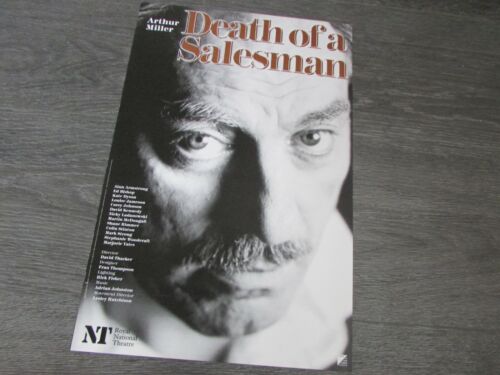
“The reaction I wanted was the same reaction that I had after I saw Death of a Salesman. I wanted people to go out and cherish their relationships.”

Over the year before his father’s death, Hughes and his father reached an accommodation. “If I look at it coldly, if someone’s not going to get better, I’d rather they died quickly. But that time allowed us not to fix our relationship but to amend it. They were quite cherished times. It was kind of beautiful when I used to do insignificant things with him – go to the shops, get some bread, you know …”

He checks himself. “I’m not going to romanticise it. It wasn’t like running through a field of daisies.”

To illustrate his point, he recalls a trip to Kilmainham Gaol museum in Dublin, where leaders of the 1916 Easter Rising were executed by the British. “My parents lived in a self-imposed Catholic prison so what I tried to do near the end was take them out. I love history and Kilmainham is amazing. I was delighted that my dad was having a good time and asked if he was enjoying himself. He went: ‘Yeah, but your brother Alan would have enjoyed it more because he likes history.””

It may be a cliche but Hughes – now 46, and a non-smoking, vegetarian teetotaller – admits that the process of losing his father has changed him. He would get drunk to sit at his bedside and tell him how he felt, or to warn his father that news about his recovery prospects would one day be negative.

Gradually, it dawned on him that it was kinder to be less brutally honest. Towards the end, when his father asked, “Nothing’s going to happen to me, is it?”, he was able to say no, to make his father feel safe.

“He wasn’t a brilliant man but he did make me feel safe and I should have respected him more for that. That was my way of thanking him, telling him ‘I love you’ because I didn’t say it enough.”

The above “Guardian” obituary can be accessed online here.
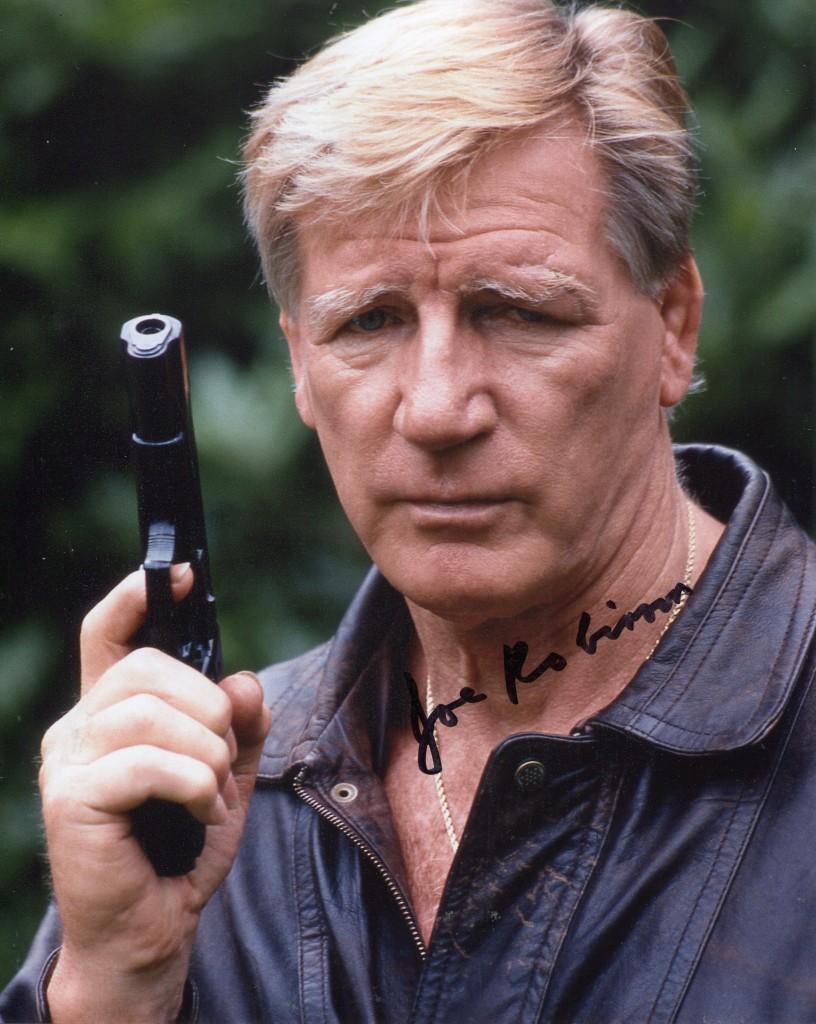
Joe Robinson

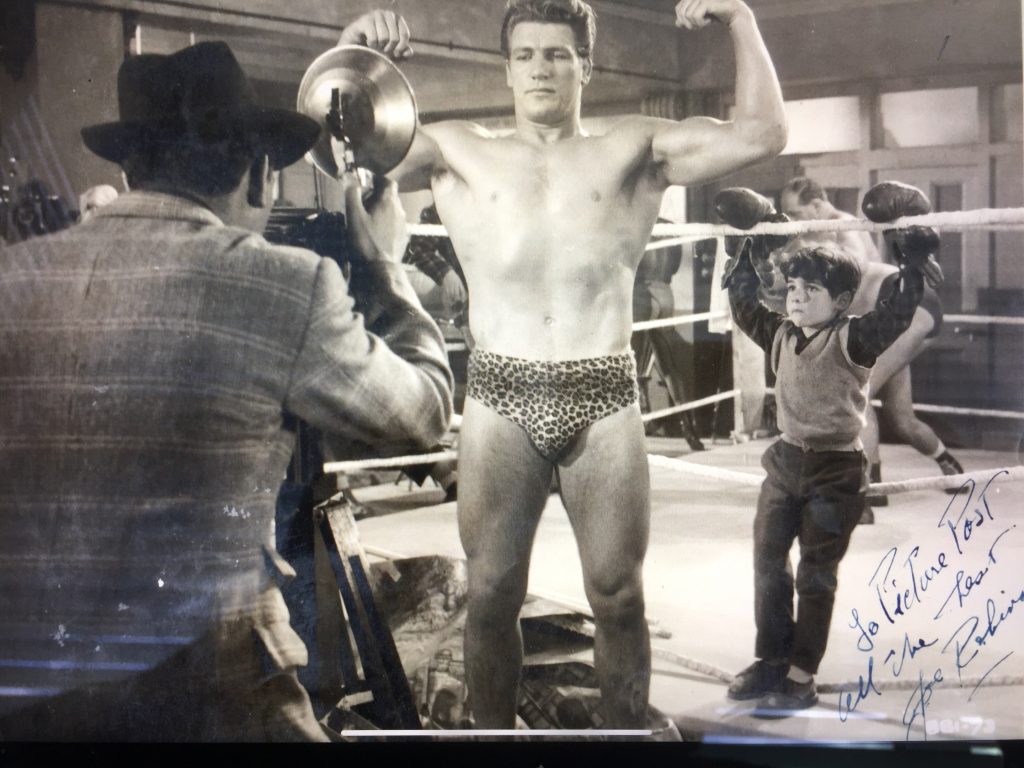
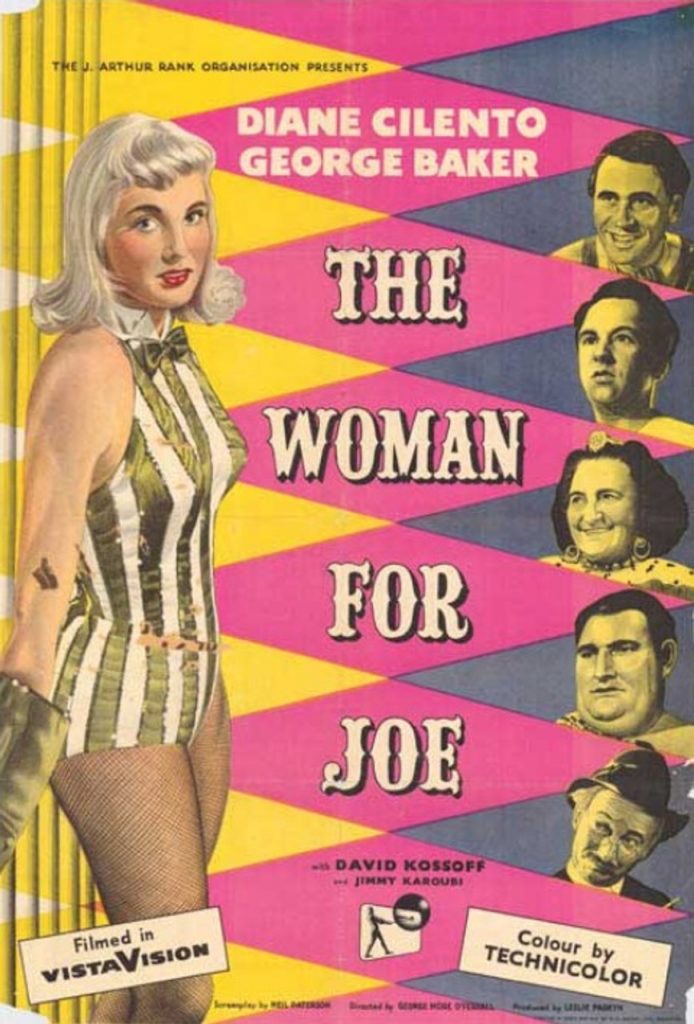
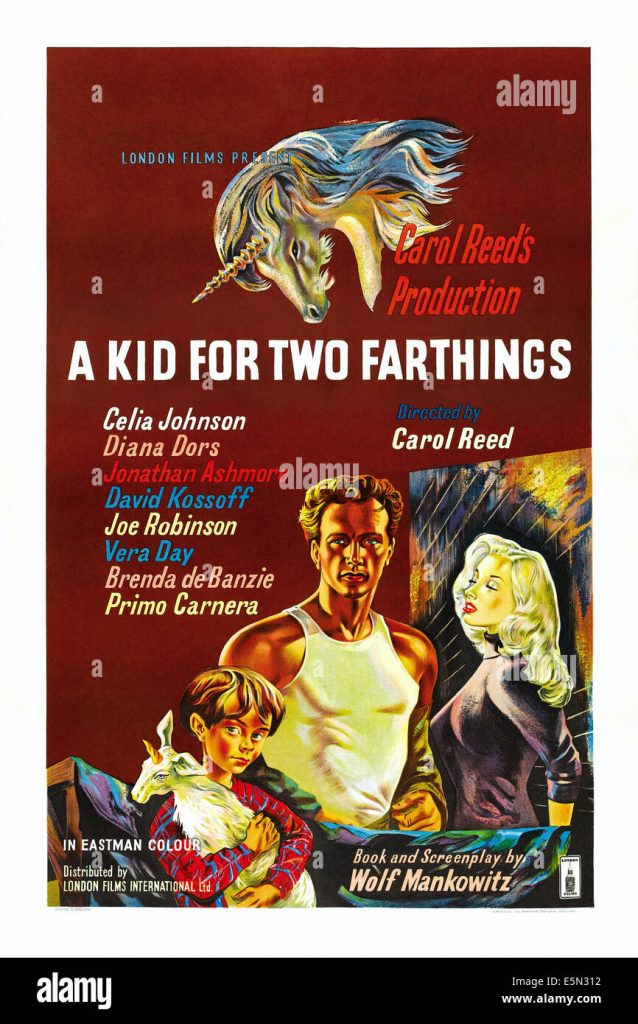
Joe Robinson was born in Newcastle-on-Tyne in 1927 and comes froma family of wrestlers.   He made his film debut in 1955 in “A Kid for Two Farthings” as Diana Dors’s boyfriend.His other films include “The Lonelieness of the Long Distance Runner”, “Carry On Regardless” andin 1971 “Diamonds Are Forever”.

His IMDB entry:

Born in Newcastle-upon-Tyne in 1927 (not 1929 as some references give) Joe Robinson came from a famous family of wrestlers. Both his father Joseph Robinson Senior and grandfather John were world champions. Following in their footsteps Joe Junior won the wrestling European Heavyweight Championship in 1952, beating Axel Cadier in London. At that time he was billed as Tiger Joe Robinson. He was also interested in acting and studied at R.A.D.A. After injuring his back wrestling in Paris, Joe decided to concentrate on acting, and after a few bit parts in films his first leading role came in the keep-fit documentary Fit as a fiddle (1952). He also played Harry “Muscles” Green in the musical Wish You Were Here (1952) on the West End stage. His most memorable film role was in A Kid For Two Farthings (1955) in which he wrestled Primo Carnera. Like most muscular actors he was invited to Rome in 1960 where he appeared in five Italian epics. At the same time, Joe and his younger brother Doug Robinson became popular stunt arrangers, particularly on the James Bond films. Joe and Doug, together with Honor Blackman co-authored the book “Honor Blackman’s Book of Self-Defence” published by Andre Deutsch in 1965. Joe was also a judo champion and black belt at karate, and opened a martial arts centre in Brighton where he is now retired.

– IMDb Mini Biography By: Jim Marshall

The above IMDB entry can be accessed online here.
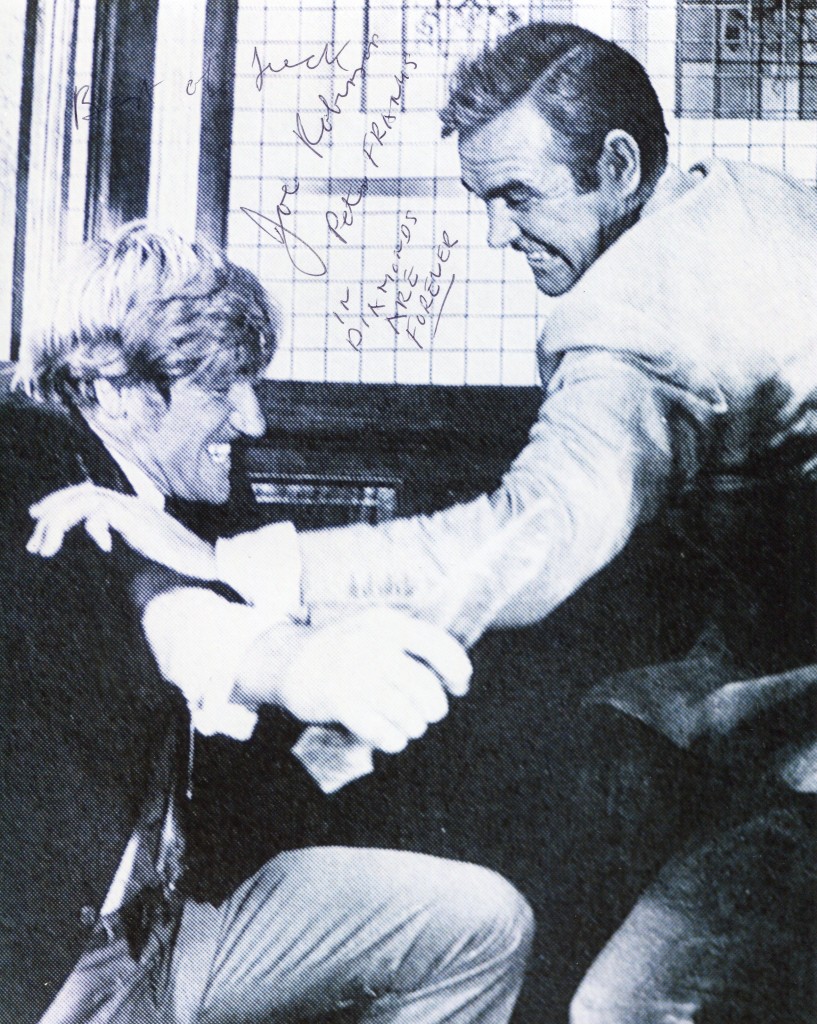
He died in Brighton in 2017 at the age of 90.

Joe Robinson’s obituary in The Times in 2017.

Saturday July 15 2017, 12.01am BST, The Times

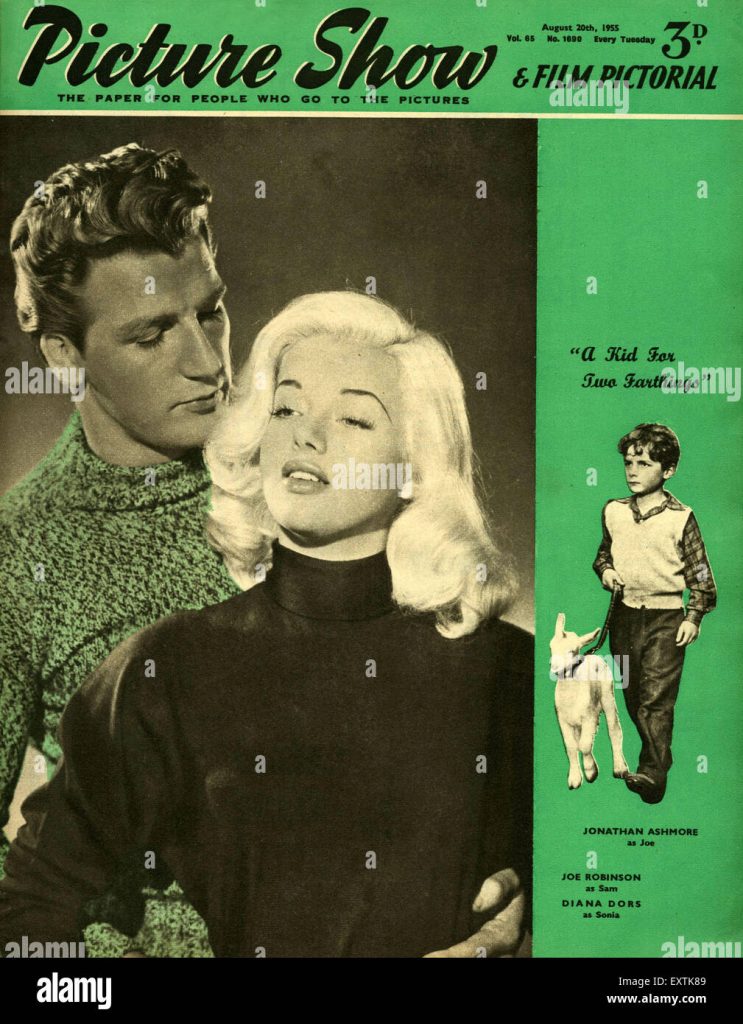
Joe Robinson with Diana Dors in A Kid for Two Farthings (1955)
Joe Robinson with Diana Dors in A Kid for Two Farthings (1955)ALAMY

With his grandfather and father both wrestling champions, it was always likely that the 6ft 2in Joe Robinson would follow them on to the mat.

Born in Newcastle in 1927, one of eight children, as a child he went to South Africa, where his father ran a gymnasium. As he grew up Robinson would help to keep the gym clean and, encouraged by his father, would take part in amateur wrestling and body-building contests.

Initially there were visits to England and he enrolled at Rada at the same time as beginning a career as a professional wrestler. He appeared in Levenshulme in October 1948 against Ron McLarty and then, settling in London, after 1950 he worked mainly for the soi-disant “Blue Blood of the Mat”, the promoter Sir Atholl Oakeley. When the then European heavyweight champion Bert Assirati left for a tour of the Far East in 1951, Oakeley promoted what he saw as a tournament for the vacant title. In it Robinson met the Spaniard Gonzales the Gorilla, billed as The Apeman, and in later years Robinson would say that when the referee told him to shake hands he refused to do so until Gonzales spoke, confirming he was human.

In the title match Robinson defeated Axel Cadier, the Swede who had won the gold medal in light heavyweight Greco-Roman wrestling at the 1936 Berlin Olympics. A crowd-pleasing blue-eye, whose speciality was a flying drop-kick, Robinson continued to work for Oakeley until the latter retired. He was nicknamed Tiger after being pictured posing on a tiger-skin rug. However, in the days when the so called hard-holds from which it was difficult and painful to escape were the norm, he was not generally regarded as an uncompromisingly hard shooter and in turn was forced to retire after he sustained a serious neck injury in a Paris ring.

His first film appearance was in a keep-fit documentary, Fit as a Fiddle, in 1952 and the next year he appeared on the West End stage as the holiday camp sports director Harry “Muscles” Green in the British production of the musical Wish You Were Here. During the run, when fellow actor Christopher Hewett was knocked unconscious after being thrown into the onstage swimming pool, Robinson realised what had happened and dived in to rescue him.

He went on to play the wrestler Charles in the Old Vic’s 1959 production of As You Like It, which starred Maggie Smith and Barbara Jefford, and the next year appeared with the comedian Terry-Thomas in the farce It’s In The Bag.

Robinson with Terry-Thomas in It’s In The Bag

Robinson with Terry-Thomas in It’s In The Bag

He had signed a five-year contract with Sir Alexander Korda’s London Films and starred as body builder Sam with Diana Dors in A Kid for Two Farthings (1955). Originally the backers had wanted Kenneth More to play Sam, but the director Carol Reed insisted on Robinson. The film, with regular shots of Sam (who cannot buy a ring for his longstanding fiancée and who may even be in the closet) in a singlet flexing, had considerable homo-erotic undertones and Robinson unwittingly became a gay icon. Dors said she thought Robinson looked like Burt Lancaster. In his turn Robinson said that he thought kissing her on screen was one of the most exciting things he did in his life.

The next year he was invited to the Cannes Film Festival, where the film was shown as the British entry and where he gave a demonstration of judo on the beach and Gene Kelly joined him. Now mixing with the stars, he met his hero Errol Flynn, with whom he later played a part in The Master of Ballantrae, as well as Lancaster, Kirk Douglas and Frank Sinatra, who made him spaghetti. Something of a ladies’ man, it was at Cannes he said he danced with Esther Williams, Grace Kelly, Ava Gardner and Brigitte Bardot on the same night. A tireless raconteur, his family assumed his accounts of his exploits had been somewhat coloured, until his stories turned out to be true.

His second wife, Annie, would not believe he met Marlene Dietrich until, years later, they were dining in the same restaurant in Brighton. When he stood up Dietrich called out: “Joe, what are you doing here?”

In 1956 he declined an offer to feature as Rank’s Gongman and, more seriously, on Reed’s advice, turned down a part in Alexander the Great (1956), which would star Richard Burton. In 2004 Robinson admitted: “I thought I was a big star and success went to my head.” During the fallow periods he appeared as the cowardly boxer managed by Freddie Mills in Carry on Regardless and in television shows such as The SaintThe Avengers and an episode of Hancock’s Half Hour, in which he is too shy to enter a body-building contest until the very end.

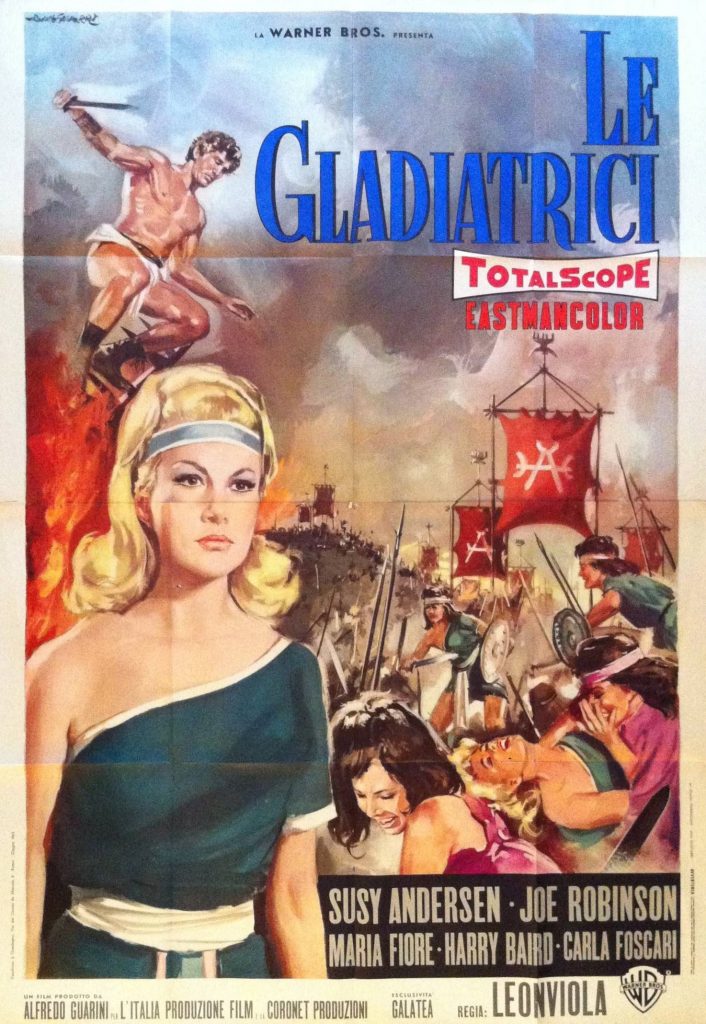
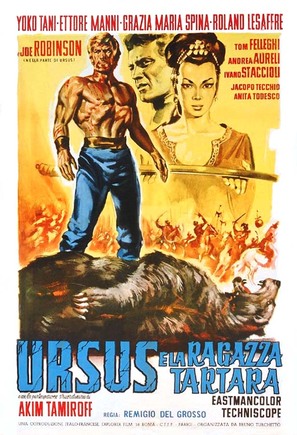
The 1960s were the heyday of Italian sword-and-sandals movies and with his 50in chest he regularly appeared in films, including the biblical epic Barabbas. Robinson was often uncredited or as a “Bearded Gladiator” or “Tall Soldier”, but in 1961 he starred as the title character opposite the Japanese actress Yoko Tani in Ursus and the Tartar Princess. Two years he later would have joined Johnny Weissmuller and Lex Barker among the actors who have played Tarzan, but for the estate of Edgar Rice Burroughs objecting that this was an unauthorised use of the name. So before the film was released Tarzan became Thaur. Back in England he was in the rather more prestigious The Loneliness of the Long Distance Runner, which starred Tom Courtenay.“

Meanwhile, he and his brother Douglas, both good stuntmen and stunt arrangers, ran a gymnasium in Old Compton Street in Soho, teaching actors how to fall and avoid injuries in action sequences, as well as instructing them in judo. Their pupils included Sean Connery, Brian Blessed, Peter Bowles and Honor Blackman, and the brothers collaborated with her to create Honor Blackman’s Book of Self Defence.

In 1963 Robinson had hoped to get the part of Grant, the Russian killer in the second James Bond film, From Russia with Love, but it went to Robert Shaw. Robinson believed it was because he was Connery’s golfing partner and that Connery felt bad about it. In 1971 Robinson did, however, get the part of the diamond smuggler Peter Franks in Diamonds are Forever and Connery managed to get his fee raised from £2,000 to £9,000. His fight, which he staged in a lift with Connery and in which he is getting the better of Bond until he is doused with foam from a fire extinguisher and then thrown six floors down, is regarded as one the best of the Bond fight sequences. He would tell the story of how when he landed he found the beautiful Jill St John was bending over him and he could not help but open an eye. “Joe, you’re dead,” said Connery. Robinson was often fêted at Bond fan reunions.

Always devoted to martial arts, and profiting from the kung fu films of the time, he opened a martial arts dojo in Brighton. The centre ran for 20 years and one early pupil was Brian Jacks, who became Britain’s first judoka to win a medal at a world championship. Robinson also taught at Roedean and other schools across Sussex. He was not good at saying no to work, his daughter Kate recalled. “If someone wanted a lesson at ten o’clock at night off he would go to give it.”

A popular and warm man always willing to pose for photographs and sign autographs, Robinson toured the world in retirement, attending trade fairs and conferences. For some reason he was often shy about his age. “I was born the same day as Clint Eastwood [but three years earlier] and I’m younger than Roger Moore,” he said in 2004.

While visiting relations in South Africa, in his seventies, he was attacked by half a dozen muggers armed with a baseball bat and knives on a street corner. He broke the arm of the first with a judo throw, drop-kicked another and, as they scattered, he “then ran like hell”. He later admitted that he had suffered a good deal of trauma. “I used to wake up screaming.”

He married twice, the first time when young and then in 1961 to the model Annie Alliston. They separated, but remained friends and she visited him in hospital with their daughter Kate shortly before he died. He is survived by her and his four children, Joe and Lisa from his first marriage and, with Annie, Kate and Polly Hardy-Stewart, who became British women’s judo champion in 1990. Of his 11 grandchildren, Kyra is an IBJIF jiu-jitsu champion, while Phoebe is a fitness model and stuntwoman. She recently appeared in Wonder Woman. Not surprisingly, he felt rather proud of her for that.

“Tiger” Joe Robinson, wrestler and actor, was born on May 31, 1927. He died after a short illness on July 3, 2017.

Joe Robinson (1927–2017) was a singular figure in the history of cinema: a world-class professional wrestler turned actor who became the “Physical Blueprint” for the mid-century action star. Known as “Tiger Joe” Robinson, he was a bridge between the theatrical muscle of the 1950s and the sophisticated stunt-choreography of the modern era.

While often cast for his massive physique, a critical analysis reveals an actor of surprising technical discipline who effectively pioneered the “Martial Arts” style in Western film.


Career Overview: From the Ring to the Screen

1. The Professional Athlete (1940s–1950s)

Born into a legendary wrestling dynasty (his father and grandfather were both champions), Robinson was the 1952 European Heavyweight Champion. His entry into film was not as a “stuntman,” but as a legitimate athletic celebrity. His breakout role in Carol Reed’s “A Kid for Two Farthings” (1955) cast him as a struggling wrestler, utilizing his real-life persona to create a sense of neo-realist grit.

2. The “Peplum” and Epic Era (1960–1965)

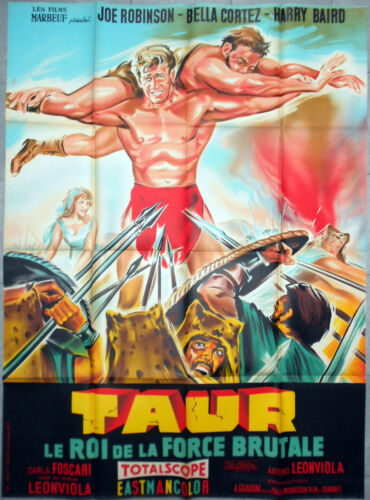
With the rise of the “Sword and Sandal” (Peplum) genre, Robinson’s physique made him an international commodity. He moved to Rome and starred in epics like “Taur the Mighty” (1963). Unlike many of the American bodybuilders in Italy, Robinson brought a genuine combat fluidity to his fight scenes that set him apart.

3. The Bond Villainy: Diamonds Are Forever (1971)

Robinson’s most enduring cinematic legacy is his role as Peter Franks in the James Bond classic Diamonds Are Forever. His elevator fight scene with Sean Connery remains one of the most celebrated hand-to-hand combat sequences in the history of the franchise.

4. The Martial Arts Pioneer

Outside of acting, Robinson was a co-founder of a prestigious judo and karate center in London. He famously trained many of his co-stars, including Honor Blackman for The Avengers, effectively introducing “Spy-Chic” combat to British television.


Detailed Critical Analysis: The “Combat Realist”

1. The “Anti-Theatrical” Fighter

In the 1950s and 60s, movie fights were often highly stylized and “staged.” Robinson introduced “Functional Physicality.”

  • Analysis: In A Kid for Two Farthings, Robinson didn’t just throw “movie punches.” He used his wrestling background to show the weight and exhaustion of combat. Critics noted that he brought a “documentary-like” quality to his physical scenes. He was one of the first actors to make the audience feel the impact of a blow rather than just the spectacle of it.

2. The Elevator Sequence: A Masterclass in Tight Spaces

The fight in Diamonds Are Forever is a technical marvel of choreography and editing.

  • Technical Detail: Working in the confined space of a lift, Robinson utilized judo and close-quarters grappling.

  • Critical Insight: Critics hail this scene because Robinson played it with terrifying efficiency. There were no wasted movements. He portrayed Peter Franks not as a “henchman” but as a professional assassin. His ability to maintain a “blank, focused intensity” while performing high-level combat moves influenced the “Bourne-style” fight choreography decades later.

3. The “Peplum” Intellectual

In his Italian epics, Robinson faced the challenge of playing archetypal heroes (like Taur) who were often written as one-dimensional.

  • Technical Analysis: Robinson utilized a “Statuesque Stoicism.” He understood that in wide-screen epics, his body was his primary dialogue. He used his posture to convey “Mythic Authority.” Critics have argued that among the “Muscle-Men” of the 60s, Robinson was the most naturalistic, avoiding the “posing” of bodybuilders in favor of the “readiness” of a combatant.

4. The “Coach” as Actor

Robinson’s background as a teacher (Sensei) informed his acting style.

  • Critical View: There was always a sense of calculation in his eyes. Whether playing a hero or a villain, he looked like a man who was “reading” his opponent. This “Intellectual Physicality” made him more dangerous on screen than actors who were simply larger. He brought the discipline of the Dojo to the chaos of the film set.


Key Credits & Critical Milestones

Year Title Role Significance
1955 A Kid for Two Farthings Sam A rare “Neo-Realist” look at the wrestling world.
1961 Barabbas Gladiator Showcased his combat skills in a high-prestige epic.
1963 Taur the Mighty Taur His definitive leading role in the Italian “Peplum” genre.
1971 Diamonds Are Forever Peter Franks Created one of the most iconic Bond fight scenes.

. He was an actor who proved that “action” didn’t have to be a substitute for “acting.” By bringing authentic technique, disciplined movement, and a fierce, intelligent presence to the screen, he helped transition cinema from the era of “theatrical brawling” to the era of “combat realism.” He was a man who lived by the code of the athlete and died as a legend of the screen

Veronica Carlson
Veronica Carlson
Veronica Carlson

Veronica Carlson. Wikipedia

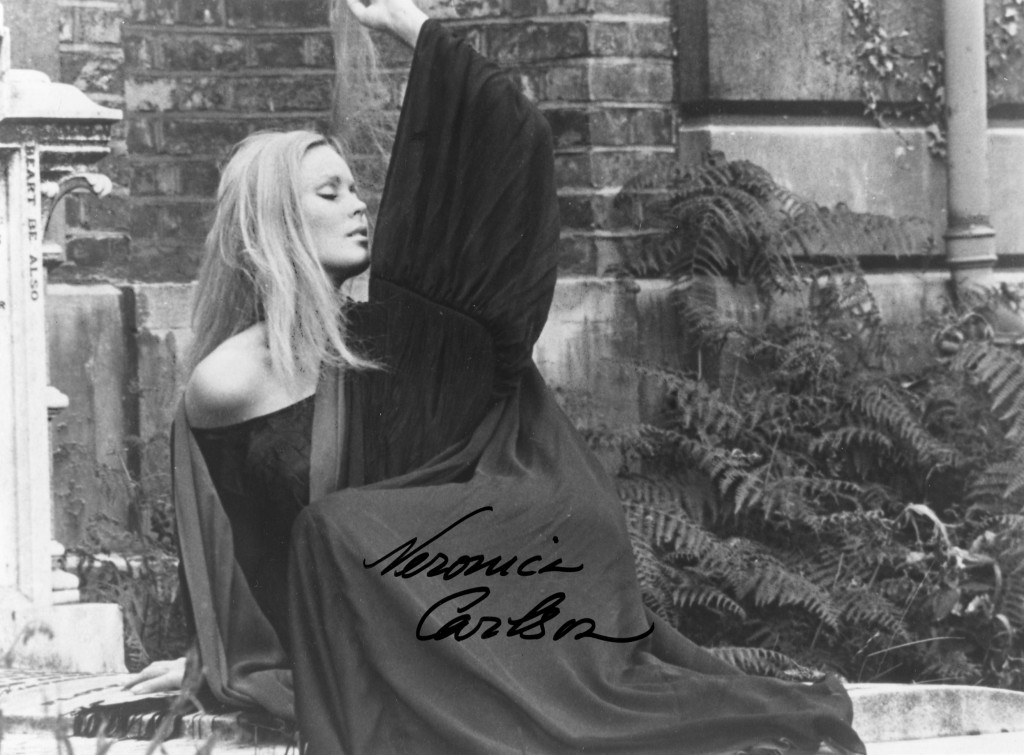
Veronica Carlson was born in Yorkshire in 1944.   She is best known as one of the beautiful heroines of the Hammer Horror films, these include “Dracula Has Risen From the Grave” in

Striking, pale complexioned, blonde English actress who is best known as the female lead of several late 1960s Hammer horror films. These roles include as the hapless Maria being terrorized by fanged Christopher Lee in Dracula Has Risen from the Grave (1968), brutalized by the evil Peter Cushing in Frankenstein Must Be Destroyed (1969) and chased by monster David Prowse in The Horror of Frankenstein (1970).

After her brief career in a handful of Hammer films, Carlson’s star faded as quickly as it had risen, however she had assured herself a place in horror film history as one of the stunning women that graced the screen during Hammer’s wonderful renaissance of the horror genre. Ms Carlson died in 2022 aged 77. she is survived by her husband, three children and seven grandchildren.

– IMDb Mini Biography By: firehouse44@hotmail.com

The above IMDB entry can also be accessed online here.
1968, “Frankenstein Must Be Destroyed” and “”The Horror of Frankenstein”.   She now lives with her family in South Carolina.

Her IMDB entry:

The Times obituary

Veronica Carlson had only had one supporting role when she was cast in the Hammer horror movie Frankenstein Must Be Destroyed opposite Peter Cushing. She turned up to shoot her first scene just in time to hear Cushing and Terence Fisher, the director, discussing her imminent screen death. “He said: ‘How do you want to kill her, Peter?’ And Peter was saying: ‘I’ve given that a lot of thought, Terry.’ And then he proceeded to tell Terry how he wanted to kill me. I kept trying to interject. It was like I wasn’t there. It was like listening to a bedtime story of how they were going to kill me.”

The cold-blooded nature of the conversation and chilling mood of the scene contrasted with the warm atmosphere of the Hammer movie-making experience for the statuesque blonde actress, who was almost completely inexperienced, having had only a handful of uncredited bit parts before she landed her first job at the famous studio. “The whole beauty of Hammer was that it was like a big family,” she said. “You were cherished.” So much so that after the filming of Frankenstein Must Be Destroyed, Cushing wrote Carlson’s parents a “beautiful” letter, complimenting her on her performance.

The two actors had bonded over the shared trauma of being forced to film a last-minute rape scene, which had been ordered by “the higher-ups, the distributors” who feared that there was not enough sex in the film to entice people into the cinemas. Nobody in the crew was happy about the new scene, least of all Carlson, who had a no-nudity clause in her contract. Indeed, she and Cushing were quite distressed about it.

Carlson in 1969

Carlson in 1969

He clasped her hands and told her to remember that it was not him in the scene but his character. “Peter said: ‘Darling, I don’t like this any more than you do.’ We worked out how to do it, between us. They wanted him to strip me, to take hold of my neckline and tear it down to my waist, you see. Peter said: ‘I’m not going to do this.’ After we shot the scene, Peter just held me. I was trembling and he was trembling. We were both so upset. We just stayed there, very, very still until we composed ourselves and then we got up and walked out. It was the only time that I felt such a sombre atmosphere on a Hammer film.”

She was born Veronica Mary Glazier in Emley, West Yorkshire, in 1944. Her mother, Edith (née Allatt) was a housemaid when she met her father, William Glazier, an RAF officer. After the Second World War, the family moved around but spent a few years in Norfolk, where she and her younger sister, Elizabeth, attended Thetford Girls’ School. Eventually, they moved to High Wycombe, while her father worked for the Ministry of Defence. “It was,” she later said, “a very strict upbringing.”

ADVERTISEMENT

When the young woman was 16, one of her teachers “rescued” her by telling her mother that she had a gift and should go to art college. “It was wonderful for me,” she said.

It was while she was studying art at High Wycombe College of Technology and Design that she caught the acting bug, and appeared in college revues and operettas. She was still a student when, in 1967, she auditioned for the Morecambe and Wise film The Magnificent Two. She had heard that they needed a girl who could do judo and she had mastered the basics, so she headed to Pinewood, dressed in trousers and a sweater, only to find that every other girl was wearing a bikini.

She was about to withdraw from the audition when the producer called her name and asked her to show them what she could do. “And there was a girl dressed as a bona fide judo person so, knowing some judo moves, I threw her over my head and I got the job!”

Her first speaking part was in her debut Hammer movie, Dracula Has Risen From the Grave (1968), in which she played a clergyman’s niece who is bitten by the vampire count, played by Christopher Lee. She became known as the English rose of the group of buxom young actresses who regularly appeared in the popular horror films.

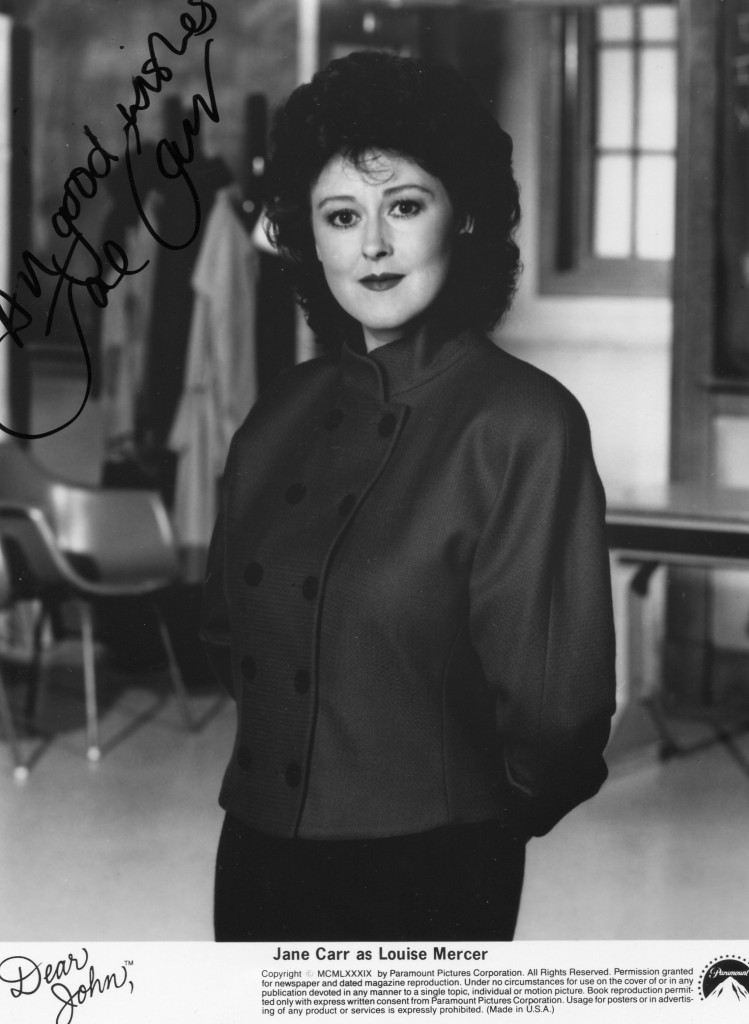
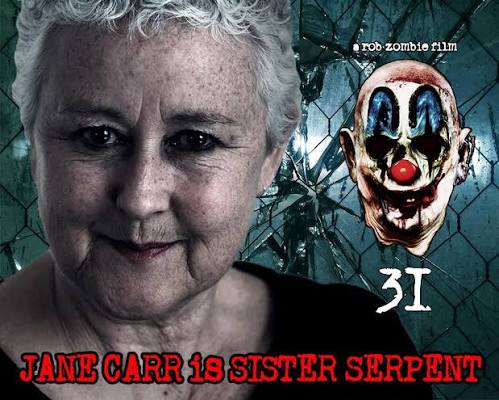
Jane Carr
Jane Carr
Jane Carr
Jane Carr
Jane Carr

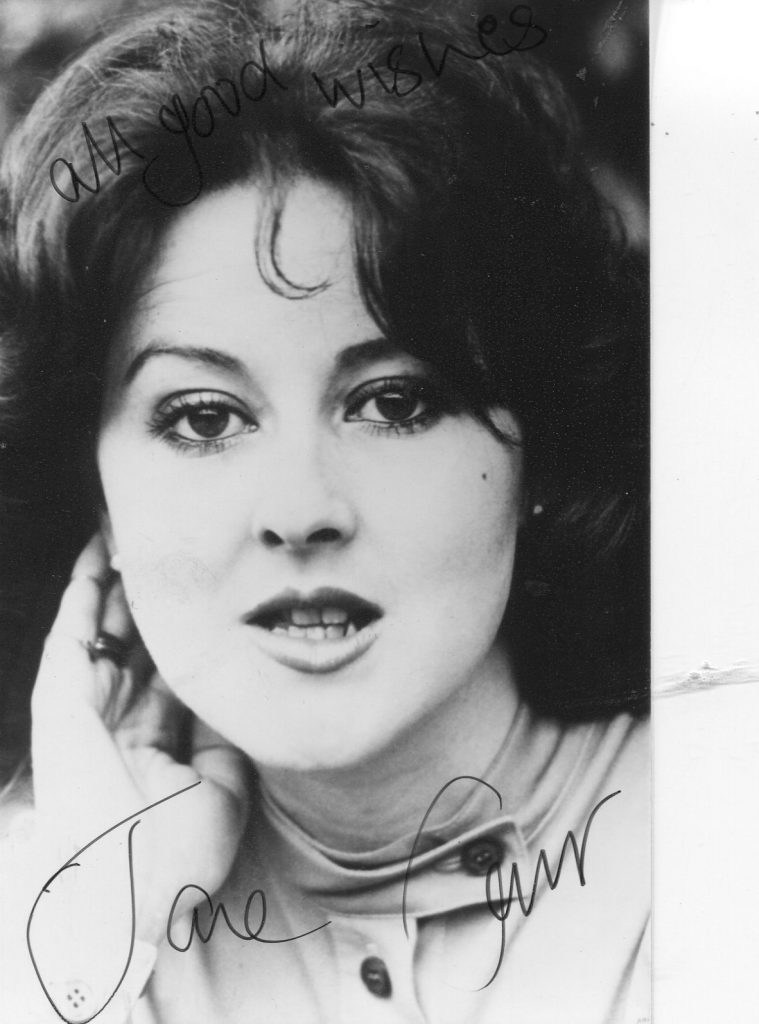
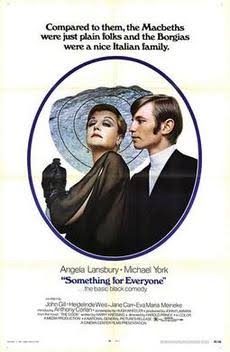
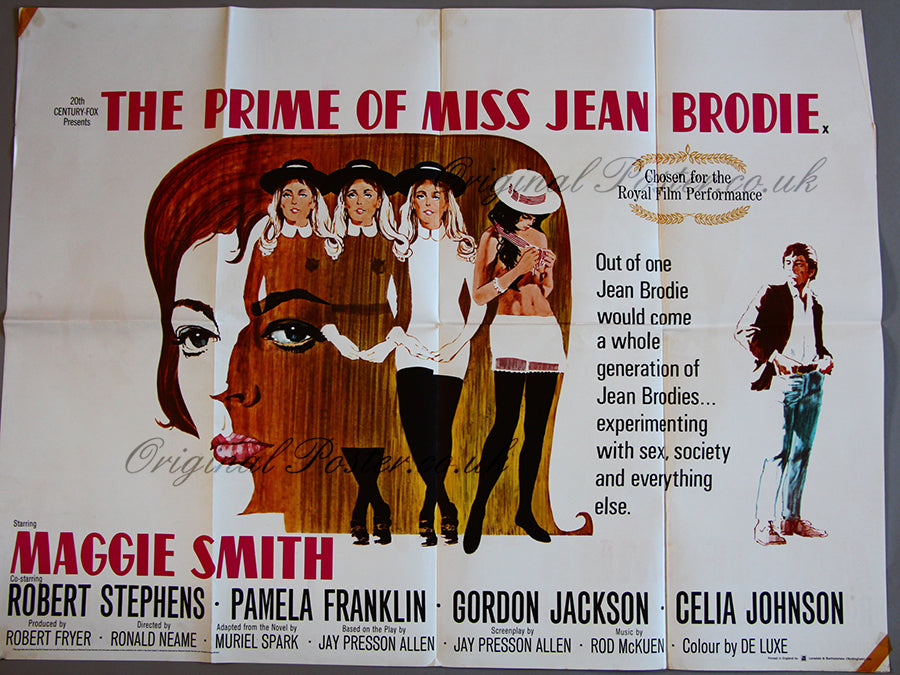
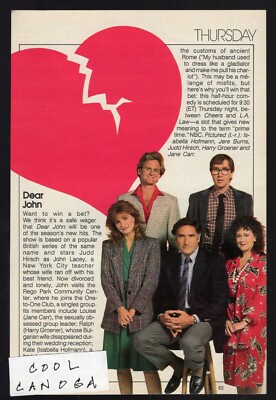
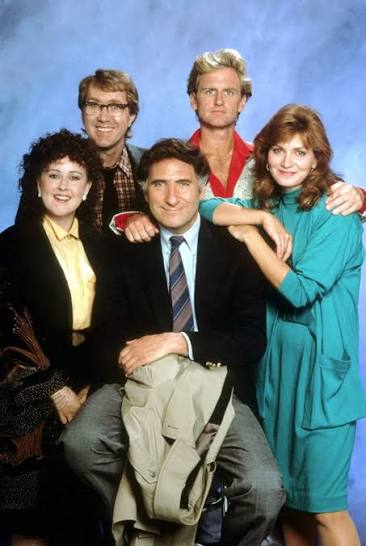
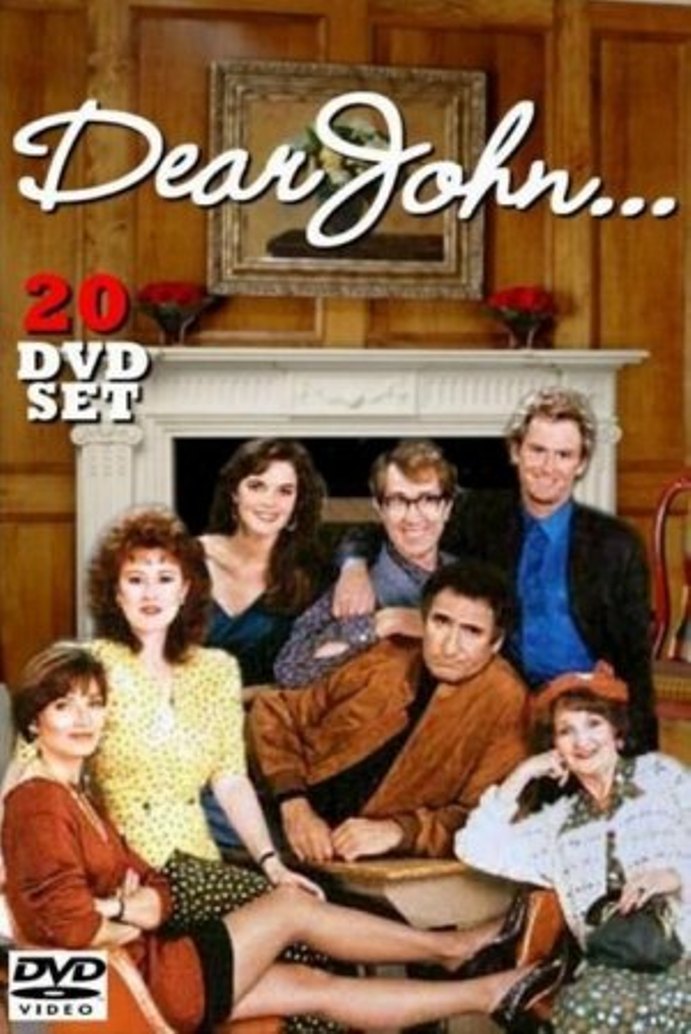
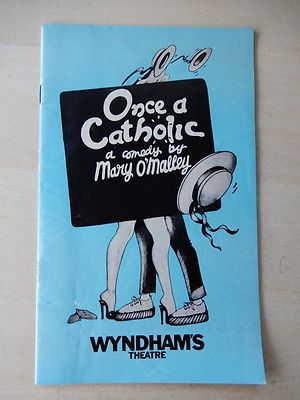
Jane Carr was born in Essex in 1950.   She has two classic film performances to her credit.   In 1968 she was the gullable Mary McGregor under the spell of Maggie Smith in “The Prime of Miss Jean Brodie” and then in 1970 in “Something for Everyone” as the daughter of Angela Lansbury.   She was also hilarious in 1977 on the stage in “Once A Catholic” in London’s West End.   Jane Carr moved to the U.S. and starred in the television series “Dear John” and in “Curb Your Enthusiasm”.

Gary Brumburgh’s entry:

Since the late 1980s, American audiences have embraced the “veddy British” talents of character actress Jane Carr — she with the close-set eyes, lilting voice, trowel jaw and bubbly disposition. It helps, of course, having natural comedic timing and the necessary vocal skills to be in constant demand.

She was born Ellen Jane Carr on August 13, 1950, in Loughton, Essex. The daughter of Patrick Carr, a steel erector, and Gwendoline Rose (née Clark), a postal employee, an innate gift for performing was discovered early on by a teacher. As a result, she took acting classes at the Arts Educational School and Corona Stage School, both in London.

Jane made her stage debut at age 14 in a production of “The Spider’s Web”, then went on to appear as the impressionable, ill-fated student “Mary McGregor” in “The Prime of Miss Jean Brodie”, starring Vanessa Redgrave at the Wyndham’s Theatre in 1966. Earning smashing reviews, Jane recreated her shy, stuttering misfit with a delicate mixture of pathos and poignancy in the film version of The Prime of Miss Jean Brodie (1969), this time with Oscar-winning Maggie Smith at the helm as the dangerously influential schoolteacher. A year later, Jane displayed just how extensive her range is projecting devilish menace and merriment in the little known but excellent cult black comedySomething for Everyone (1970), which became a cinematic highlight in the careers of both Michael York and Angela Lansbury, as well.

In the early 70s, Jane made fine use of her prim, “plain Jane” looks for comic effect on several British TV series and in guest appearances. Loftier moments came with the superb series Upstairs, Downstairs (1971) and a production of Daphne Laureola (1978), that starred esteemed acting couple Laurence Olivier and Joan Plowright.

Never far from the stage, Jane appeared in “Spring Awakening” in 1974 and earned a 1977 Laurence Olivier nomination for her work in “Once a Catholic”. In 1978, she became a member of the Royal Shakespeare Company (RSC) and added a solid body of classics to her theatrical resumé, including “A Midsummer Night’s Dream” (Olivier nomination), “The Tempest”, “As You Like It”, “Much Ado About Nothing”, “The Merchant of Venice” (withAlec Guinness) and “The Merry Wives of Windsor”. She also reconnected with her “Jean Brodie” co-star Maggie Smith in a production of “The Way of the World” in 1985.

It was not until 1986 that Jane came to the States playing multiple key roles in the epic RSC revival of “The Life and Adventures of Nicholas Nickleby” on Broadway. When the touring company returned to England, Jane elected to stay in Los Angeles. The following year, she married Chicago-born actor Mark Arnott. They have a son, Dash Arnott (aka Dashiel James Arnott).

Jane proceeded to develop an American fanbase after being cast in the role of warm and fizzy Louise Mercer in the sitcom Dear John (1988), which lasted four seasons. With her chirpy British tones, she also managed to carve a career for herself in animated voicework. While she continues to appear occasionally on TV and in films, she hasn’t found quite the showcase she did with Dear John (1988), but has enhanced a number of such off-kiltered shows as Curb Your Enthusiasm (1999) and Monk (2002) with her unique brand of comedy.

Recent plays have included “The Cider House Rules”, “Noises Off”, “Blithe Spirit” (as “Madame Arcati”), “Habeas Corpus” and David Hare‘s “Stuff Happens (as “First Lady Laura Bush” opposite Keith Carradine‘s bemused “President Bush”). Jane’s latest venture on Broadway has been as “Mrs. Brill” in the musical, “Mary Poppins”.

– IMDb Mini Biography By: Gary Brumburgh / gr-home@pacbell.net

Jane Carr (born 1950) is a British actress whose career is a masterclass in longevity and the art of the “character chameleon.” While she achieved international fame as a teenager playing the stuttering, ill-fated Mary McGregor in the 1969 film The Prime of Miss Jean Brodie, she successfully transitioned from a “Kitchen Sink” realist actor into a high-comedy and voice-acting specialist in the United States.

Career Overview

Jane Carr’s career can be divided into two distinct geographical and stylistic chapters:

  • The British Prodigy (1960s–1980s): She was a standout talent in the London theater scene and British television. Beyond Brodie, she gained significant popularity in the sitcom It’s Awfully Bad for Your Eyes, Darling (1971) alongside Joanna Lumley and as the lead in the period drama The Lady with the Lamp.

  • The American Character Specialist (1990s–Present): After moving to the U.S., she became a staple of American sitcoms and theater. She is perhaps best known to American audiences for her recurring role as the meddling Mrs. Larkins in Dear John and her prolific voice work in major animated franchises and video games.


Critical Analysis: The Role of Mary McGregor

In The Prime of Miss Jean Brodie, Mary McGregor is the “scapegoat” of the Brodie Set—the girl who is “stupid,” clumsy, and ultimately meets a tragic end during the Spanish Civil War.

1. The Aesthetics of Vulnerability

Critics have long praised Carr’s performance for its physicality of fear.

  • Analysis: Carr used a pronounced stutter and a cowering posture to make Mary the visual antithesis of the “perfect” Brodie girl. While the other girls (played by Pamela Franklin and others) reflected Miss Brodie’s vanity, Carr’s Mary reflected Brodie’s cruelty. Critically, Carr managed to play “stupidity” without making the character a caricature; she instead portrayed a child who was intellectually paralyzed by a desire to please a mentor who despised her.

2. The Narrative Mirror

In the structural analysis of the film, Mary McGregor serves as the catalyst for the story’s moral collapse.

  • Analysis: Carr’s performance was essential because the audience’s sympathy for Miss Brodie (Maggie Smith) depends on how we view her treatment of Mary. By making Mary so palpably “innocent” and “lost,” Carr highlighted the fascist undertones of Brodie’s mentorship. Her death is the turning point of the film, and critics noted that Carr’s absence in the final act is what ultimately allows the “betrayal” of Miss Brodie to feel justified.


Post-Brodie Critical Analysis

3. Transition to High Comedy

As she matured, Carr shed the “victim” archetype of Mary McGregor and developed a sharp, comedic edge.

  • Analysis: In the sitcom Dear John, Carr demonstrated a flair for vocal characterization. She leaned into her Britishness, playing with the “polite but judgmental” stereotype. Critics noted her impeccable timing, which was likely honed during her years with the Royal Shakespeare Company. She became an expert at the “theatrical exhale”—using her voice to convey a wealth of social superiority or exasperation.

4. Technical Precision in Voice Acting

In the 21st century, Carr has become one of the most respected voice actors in Hollywood (e.g., The Grim Adventures of Billy & MandyStar Wars: The Old Republic).

  • Analysis: Voice acting requires a distillation of character into pure sound. Carr’s ability to manipulate her natural lilt into everything from grandmothers to villains demonstrates a deep understanding of phonetic acting. Critics in the voice industry cite her as a “reliable” performer who can bridge the gap between Shakespearean clarity and the heightened energy of Saturday morning cartoons.


Key Performances for Study

Work Year Role Significance
The Prime of Miss Jean Brodie 1969 Mary McGregor Her most iconic and critically analyzed film performance.
It’s Awfully Bad for Your Eyes… 1971 Nancy Established her as a leading light in 70s British comedy.
Our Town (Stage) 1980s Emily Highlighted her range in classical, “earnest” dramatic theater.
Dear John (TV) 1988–1992 Mrs. Larkins Her successful breakthrough into the American sitcom market.
The Grim Adventures… 2001–2007 Pud’n (Voice) Showcased her versatility in the modern animation era.

In summary: Jane Carr is an actress who survived being part of a legendary cinematic “set” to build a diverse, transatlantic career. While Mary McGregor remains her most haunting contribution to film, her body of work proves that her “prime” has lasted decades, fueled by a sharp comedic wit and a relentless technical discipline

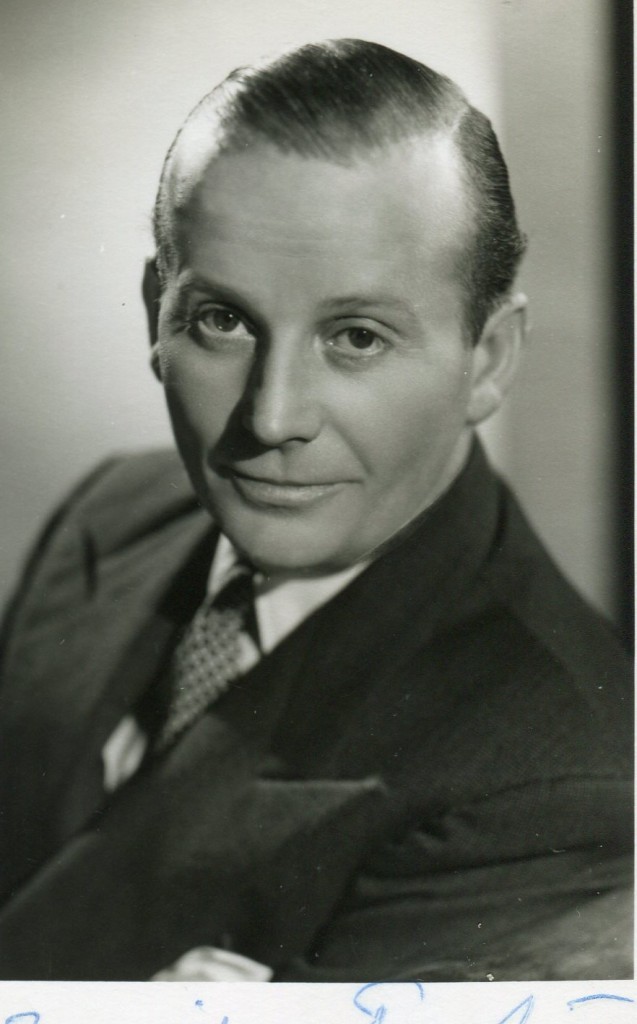
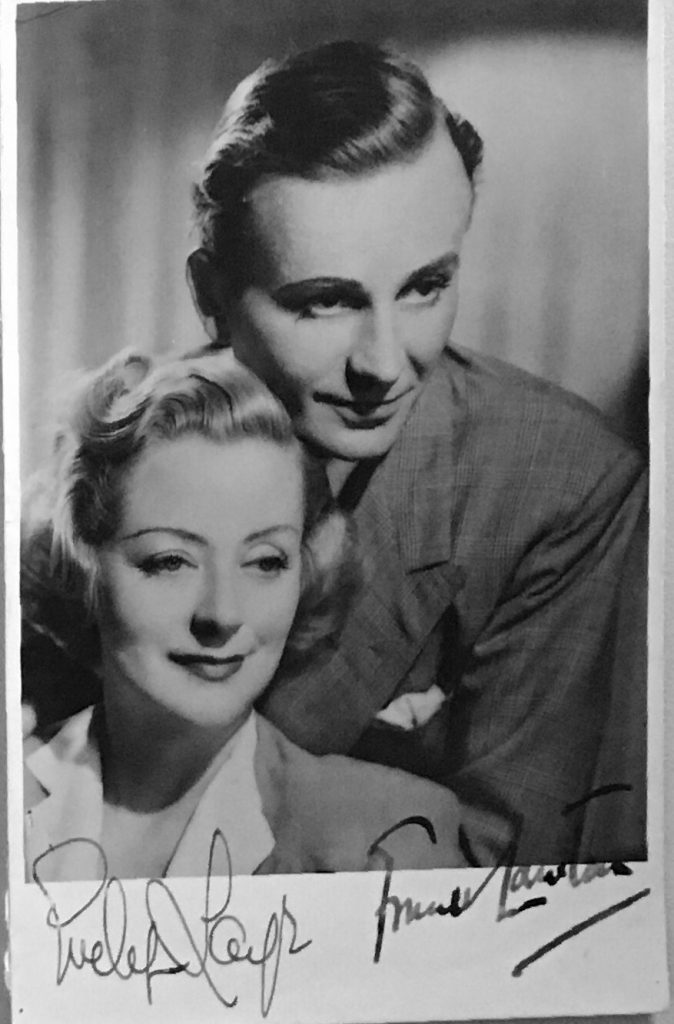
Frank Lawton

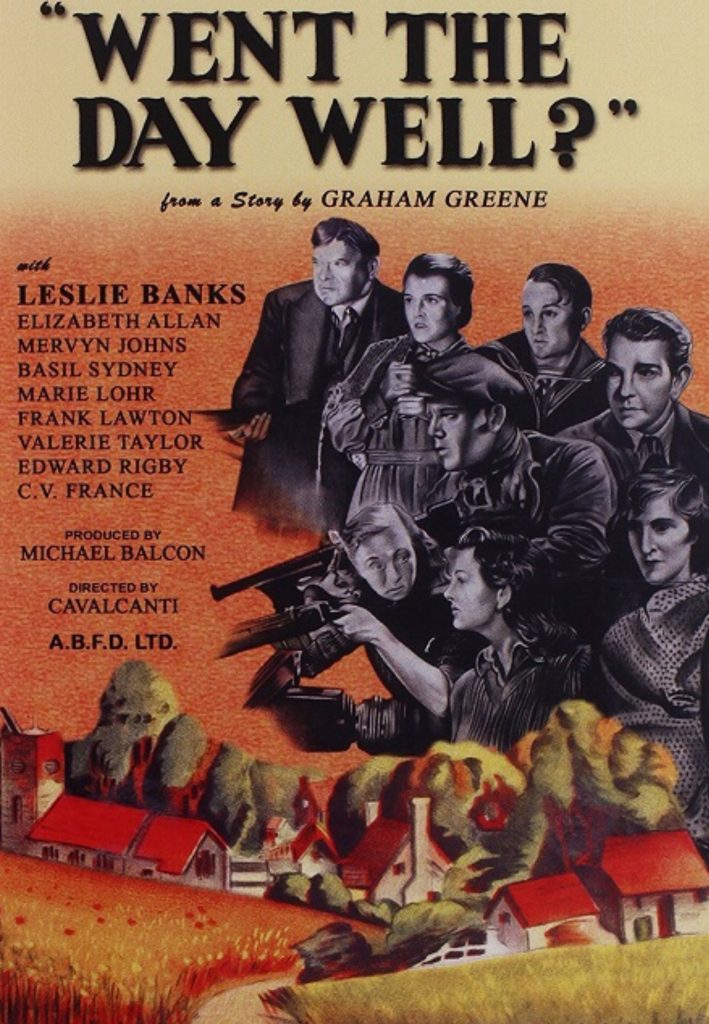
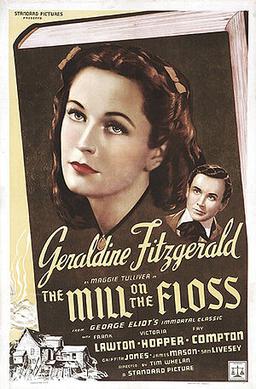
Frank Lawton was born in 1904 in London.   His career was mainly in Britain but he did go to Hollywood to play the young adult David in George Cukor’s “David Copperfield” opposite Maureen O’Sullivan in 1935.   His other films include “The Mill on the Floss”, “The Four Just Men” and “Went the Day Well” in 1942.   He was long married to the actress Evelyn Laye.   Frank Lawton died in London in 1969.

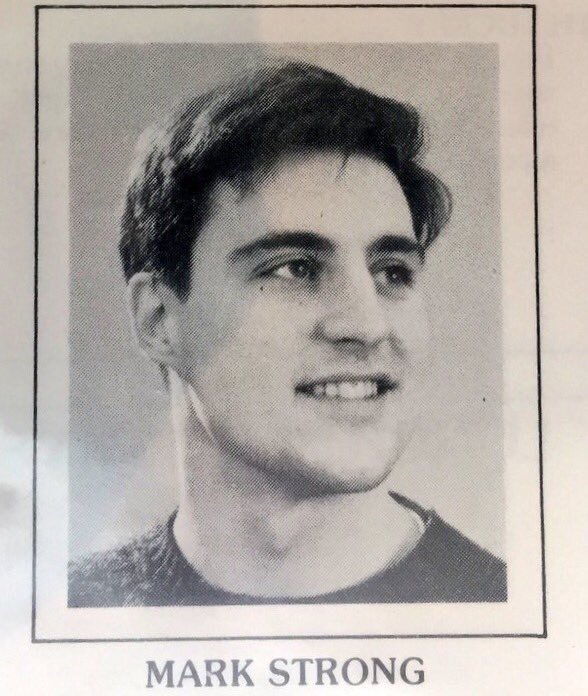
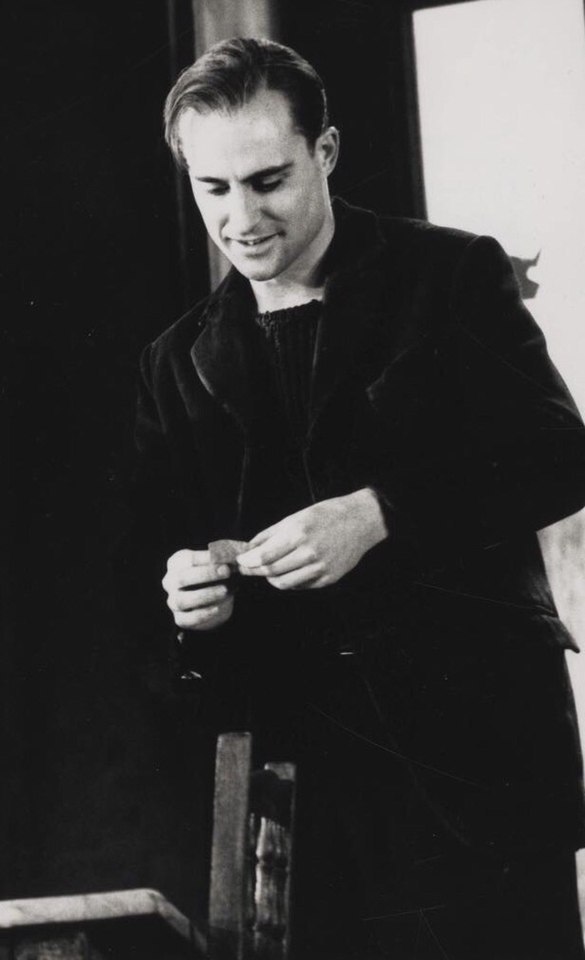
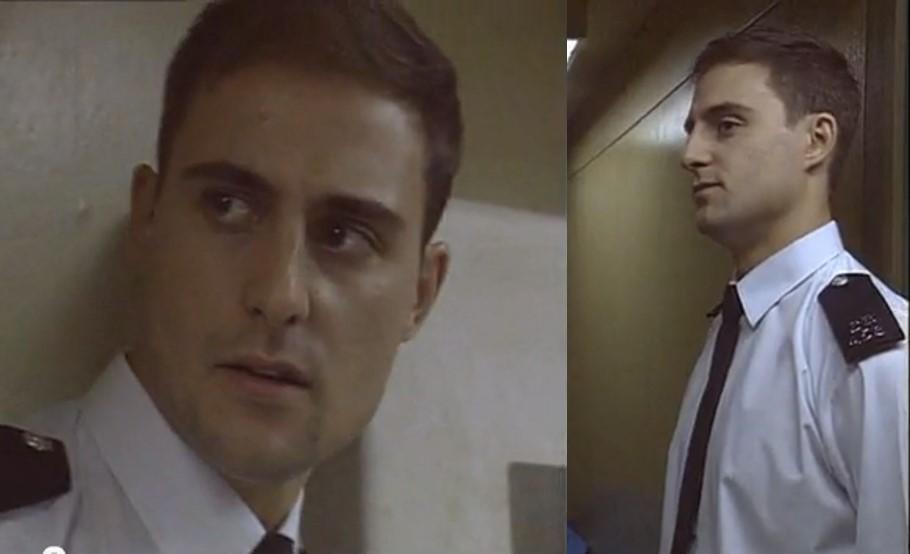
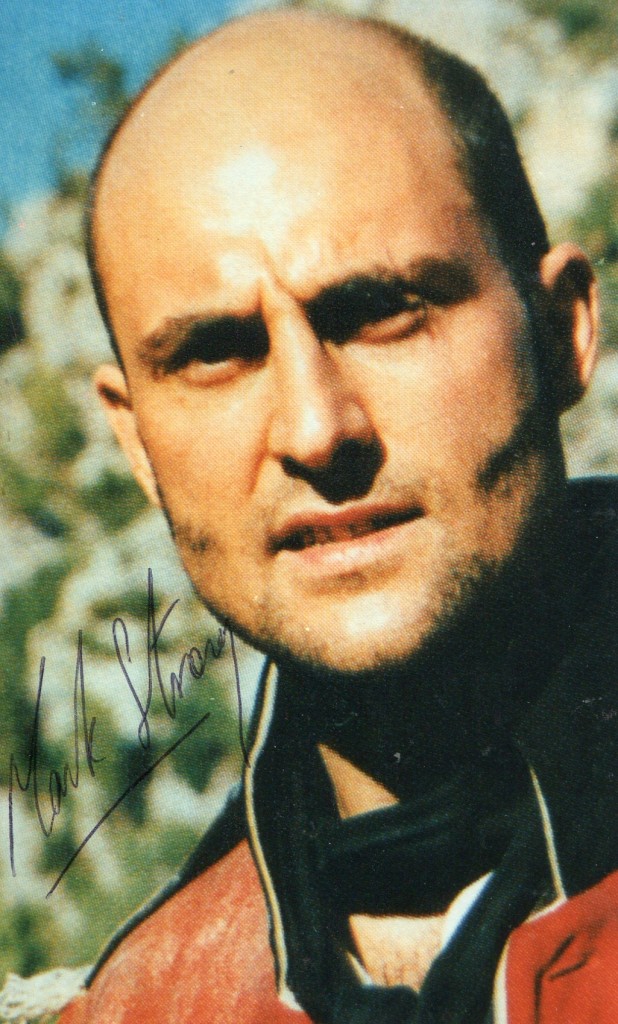
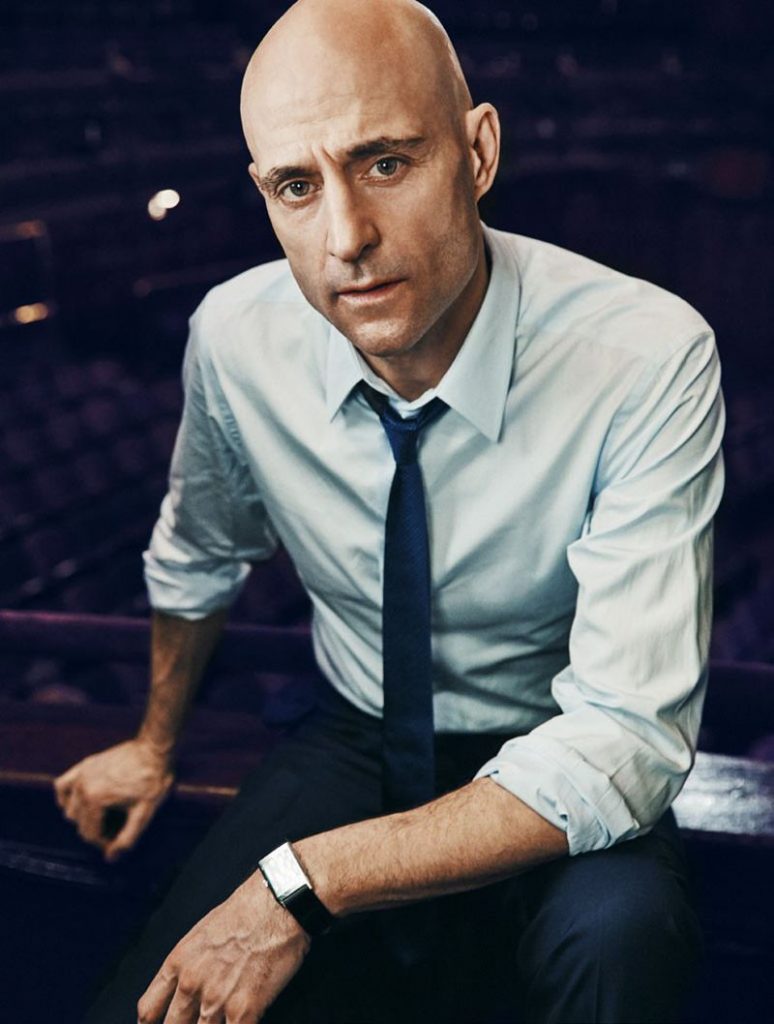
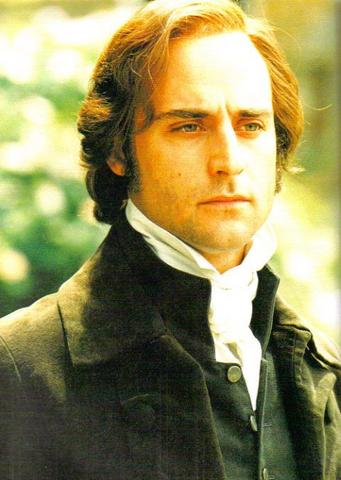
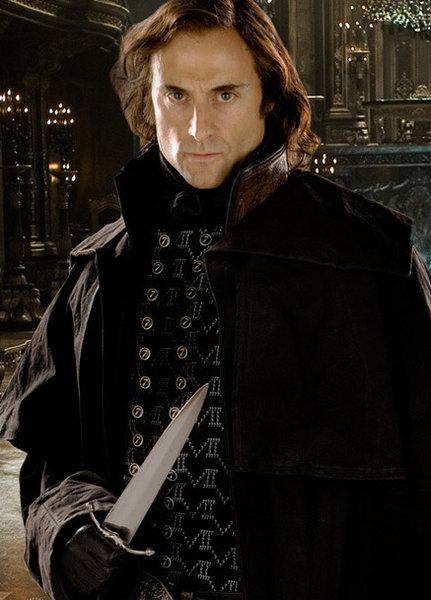
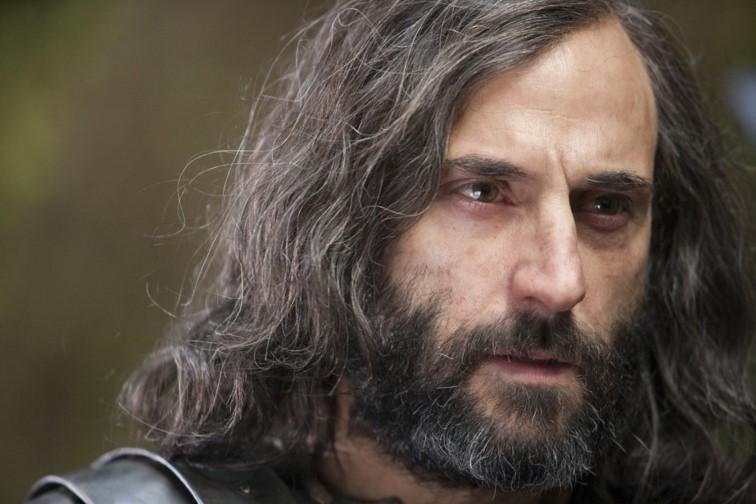
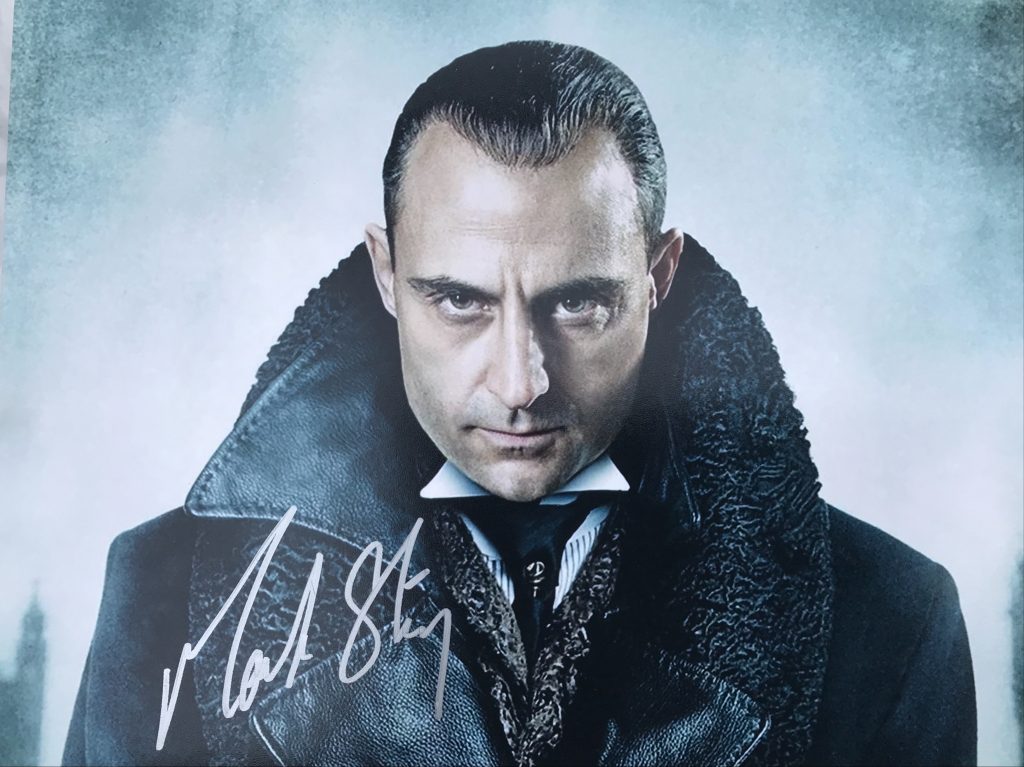
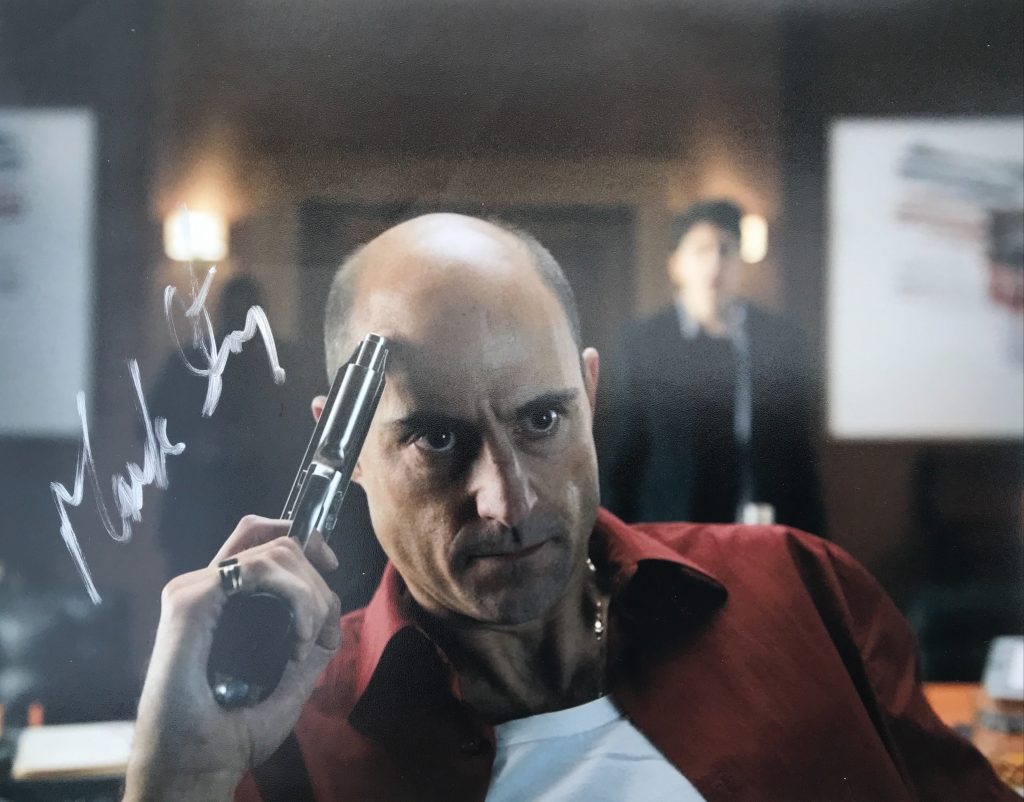
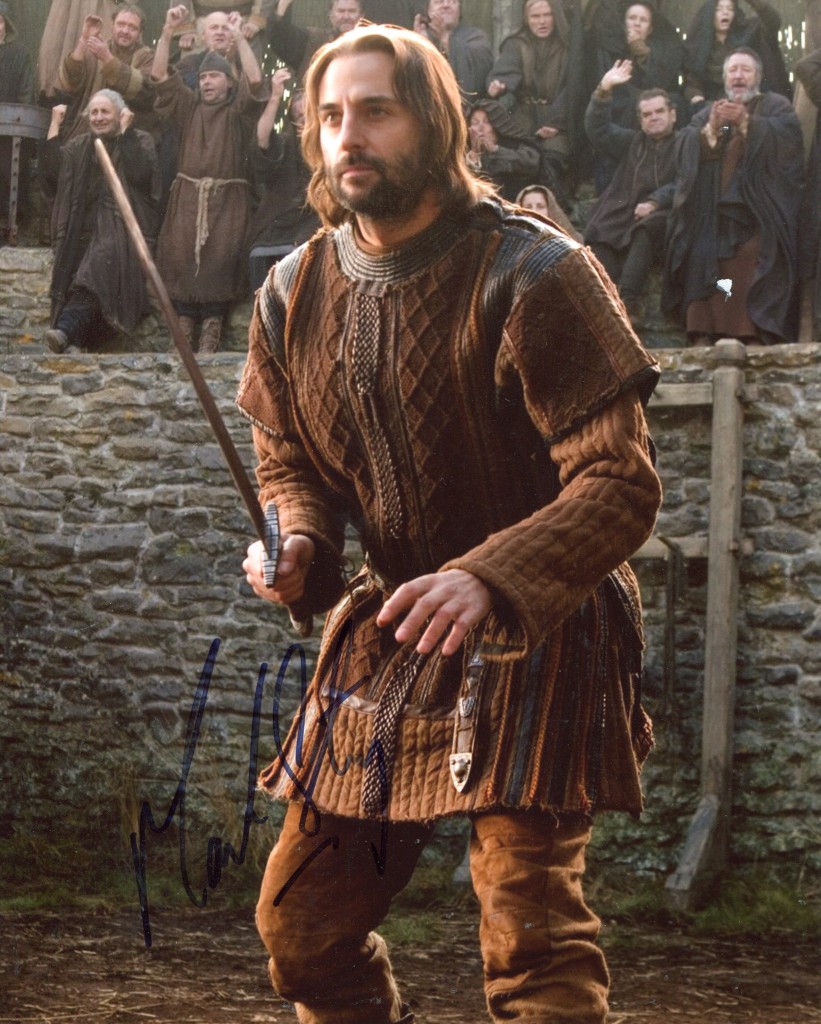
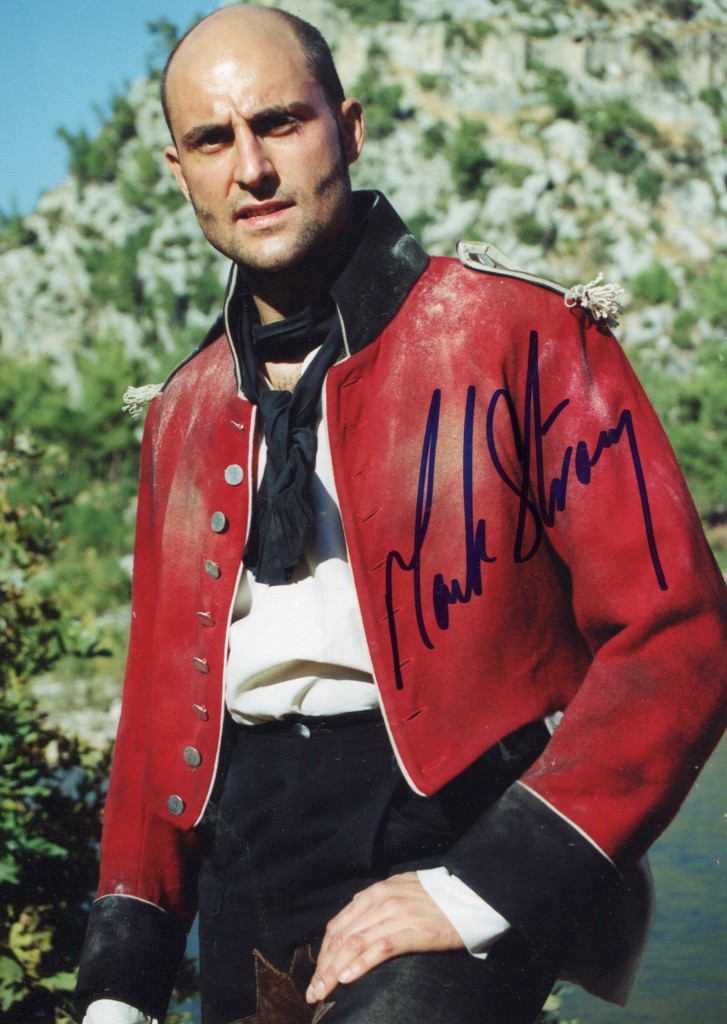
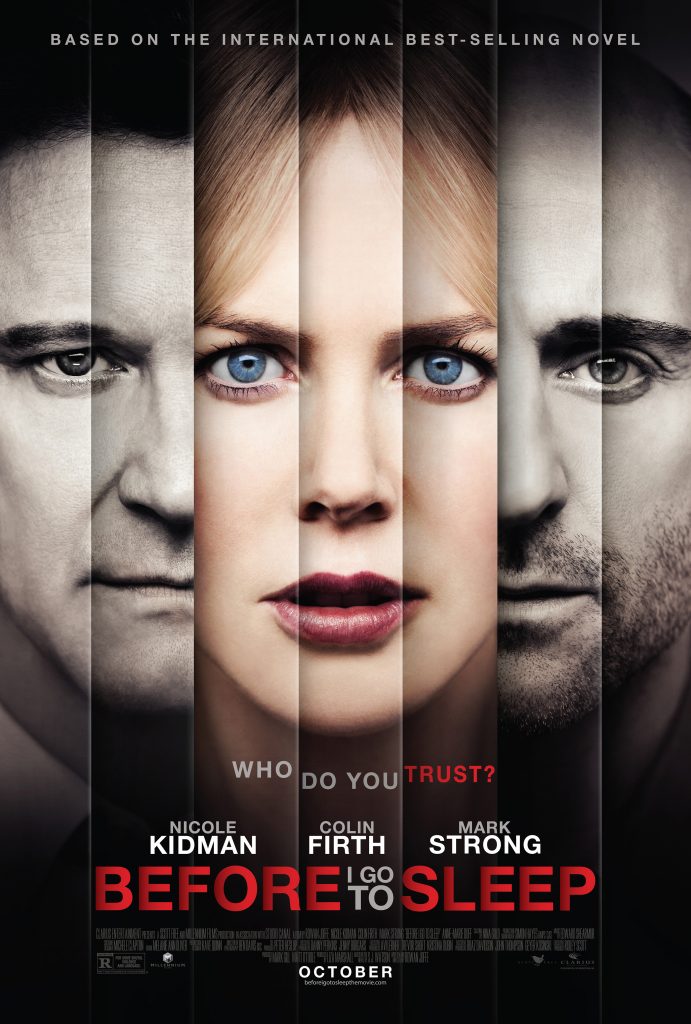
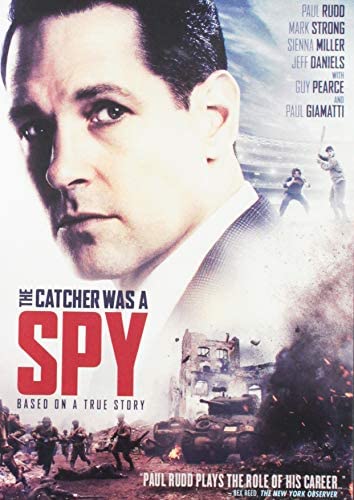
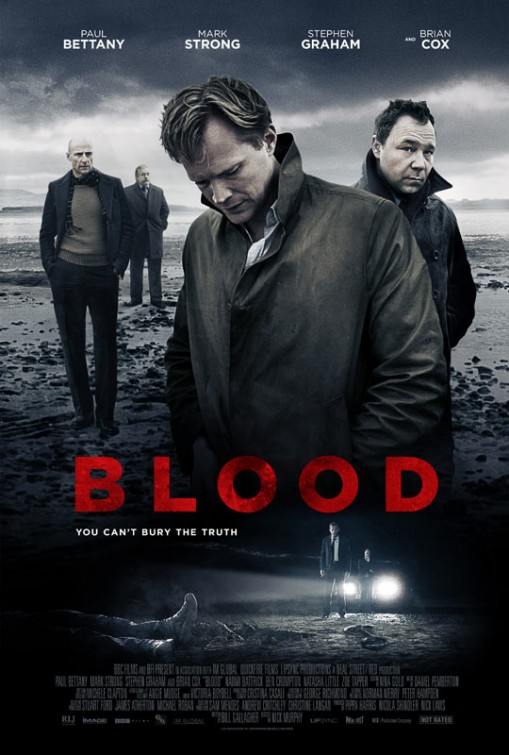
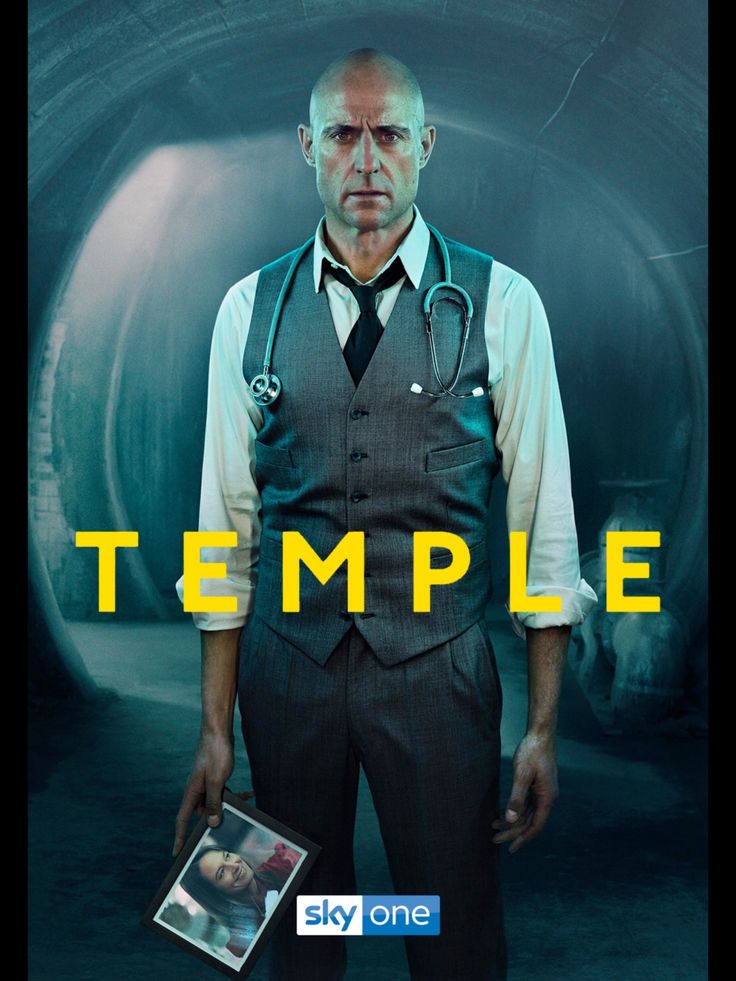
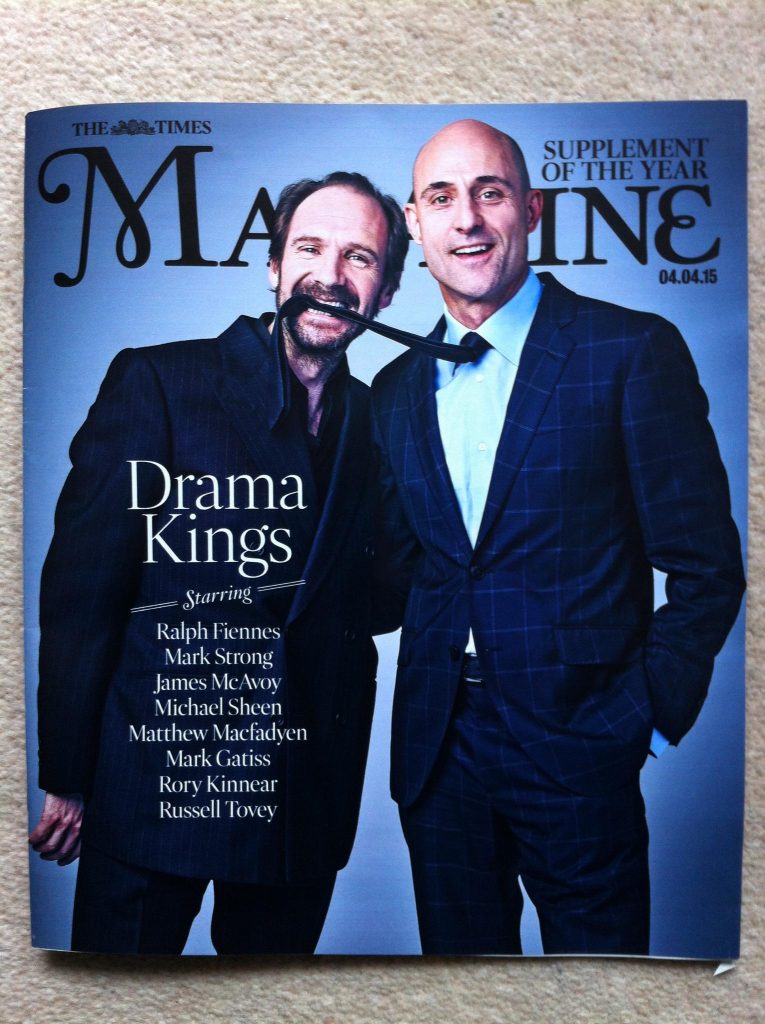
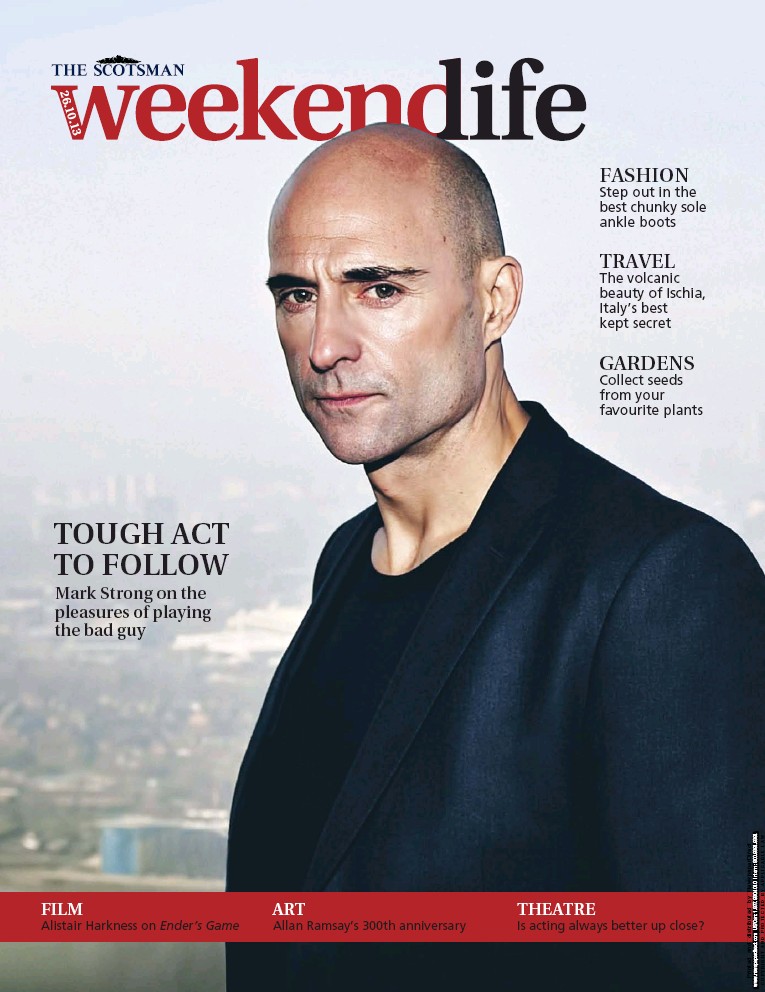
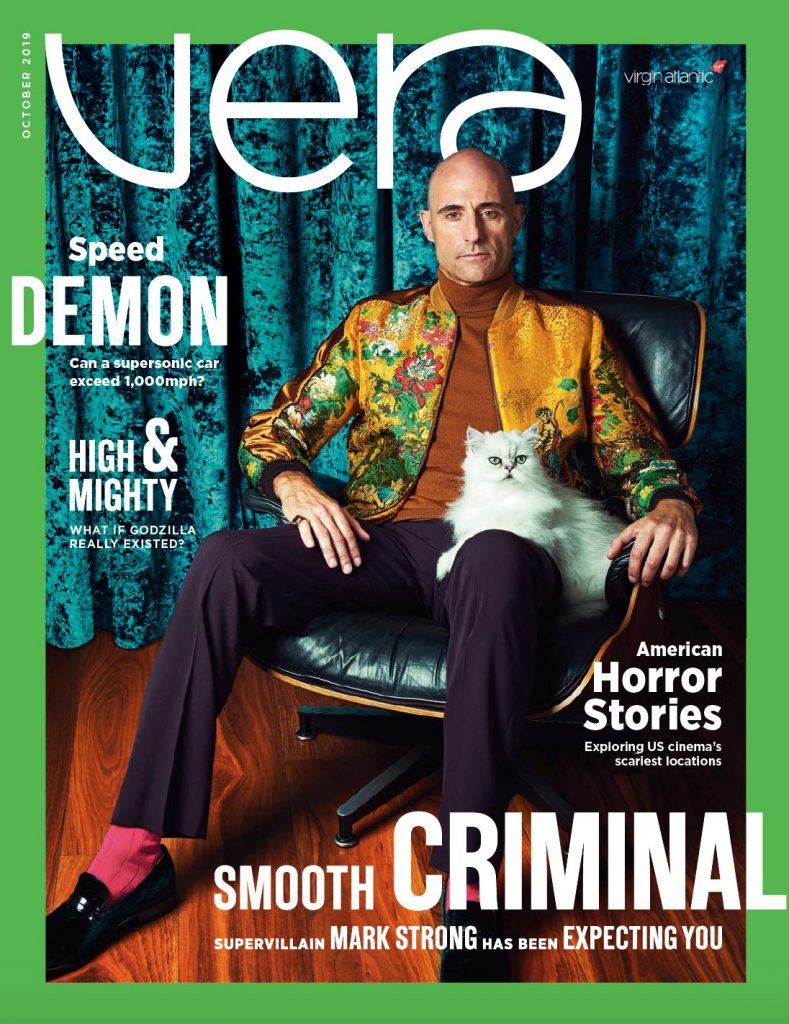
Mark Strong
Mark Strong

Mark Strong. TCM Overview.

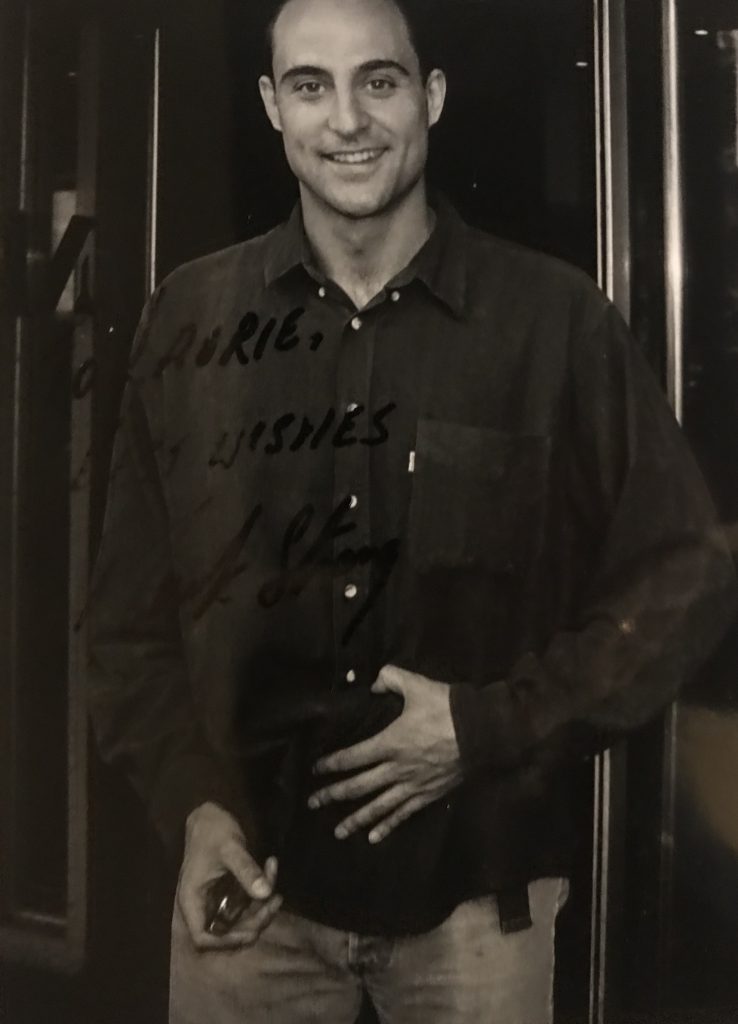
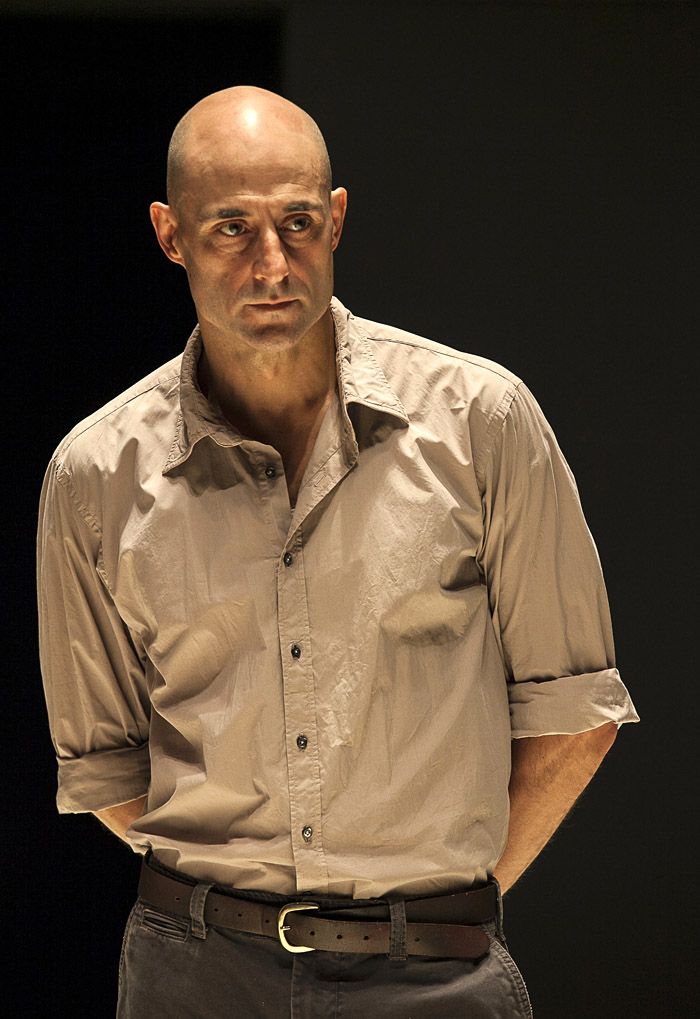
Mark Strong is one of the best of film actors currently on the screen.   He is also one of the busiest and it is hoped that he would soon be in leading man roles.   He was  born in 1963 in London to an Italian father and an Austrian mother.   He studied at the Bristol Old Vic Theatre School.  

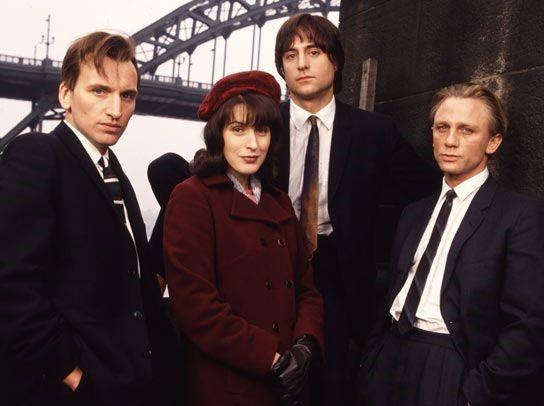
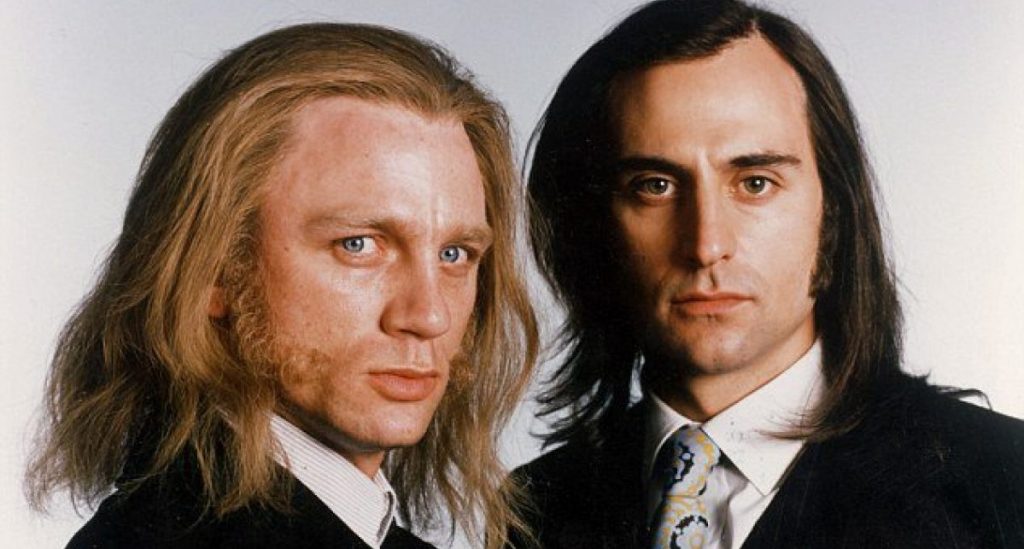
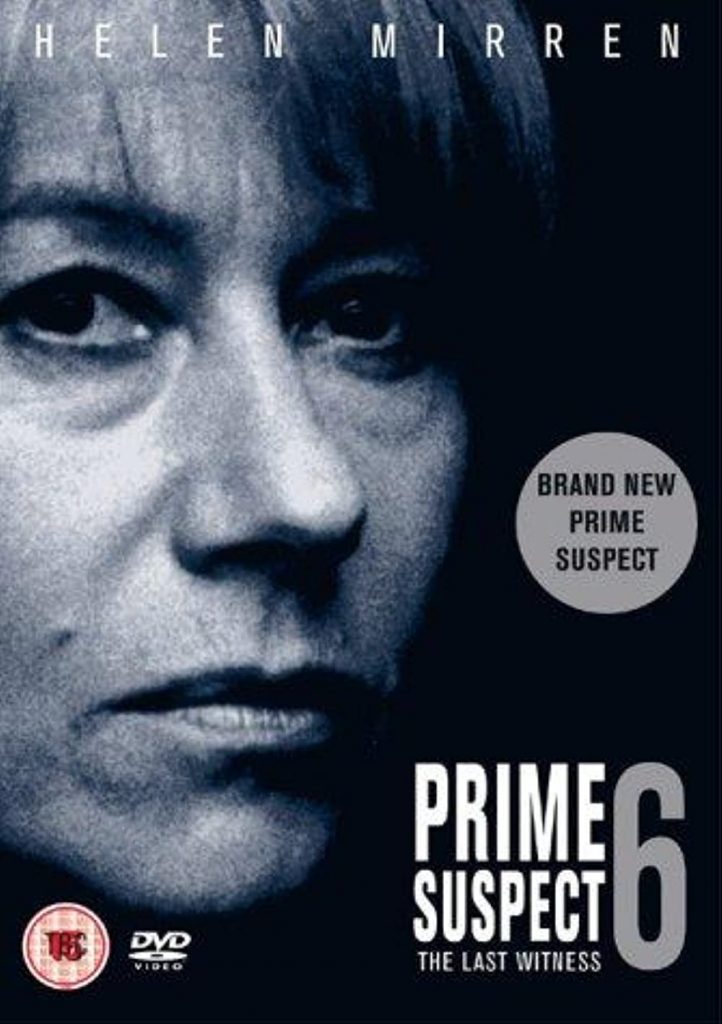
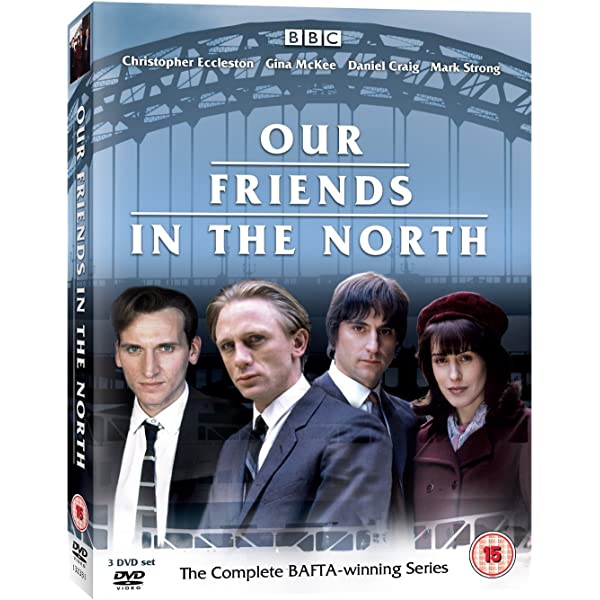
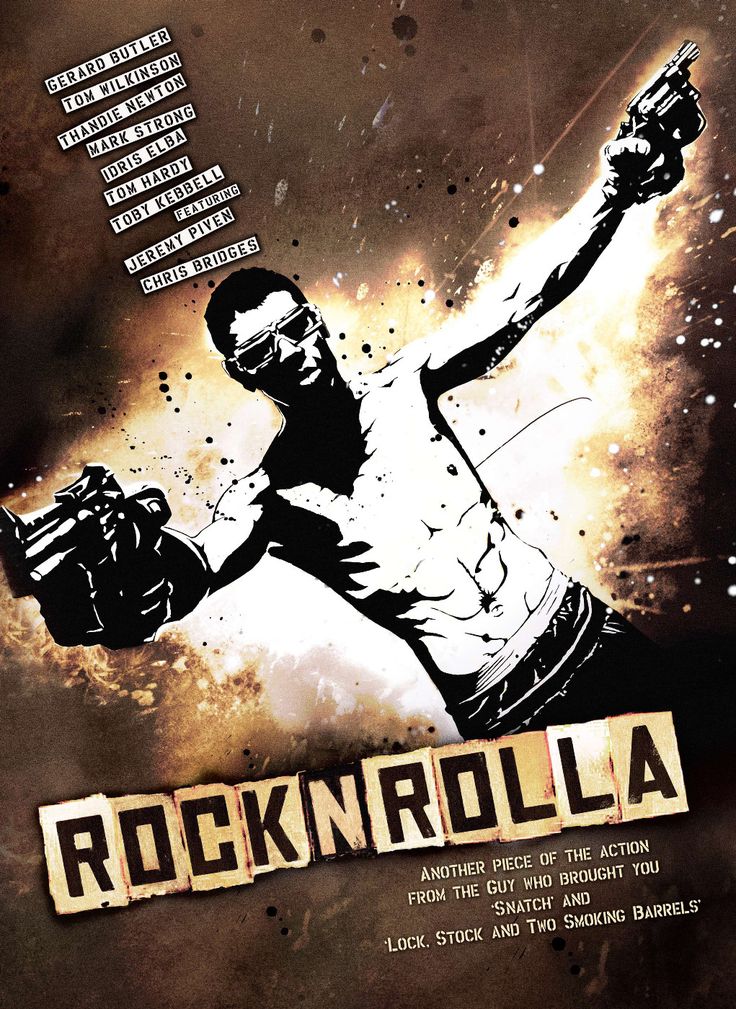
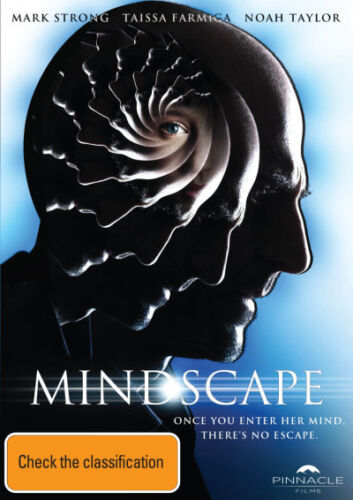
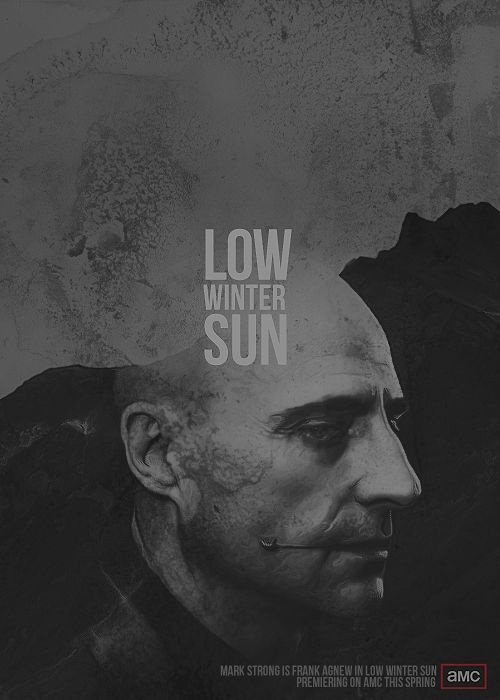
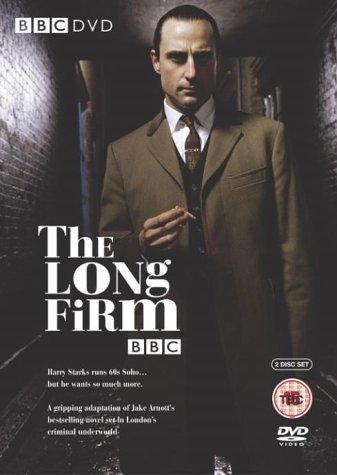
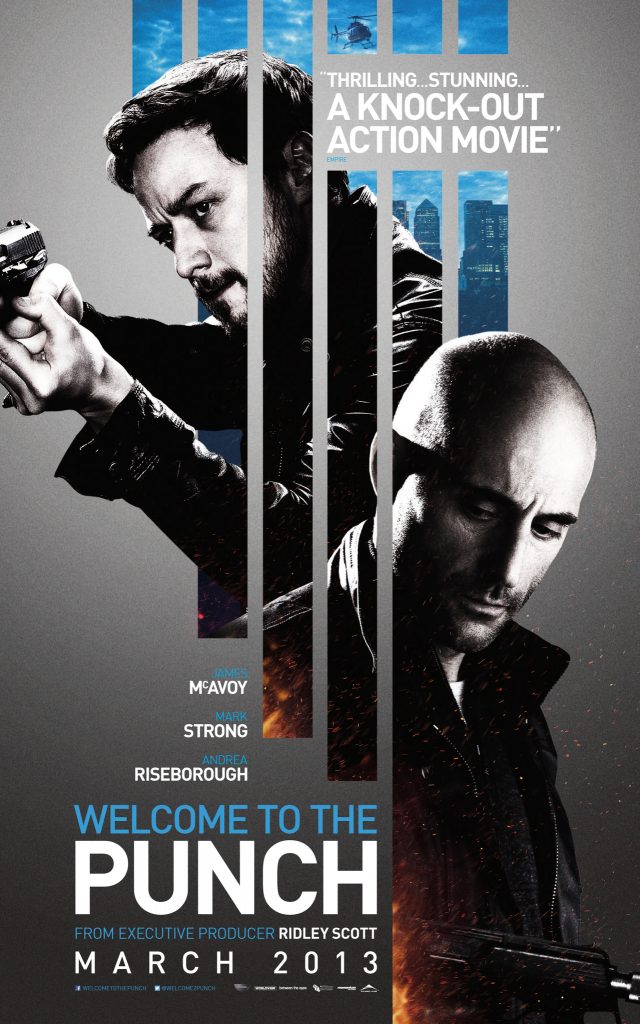
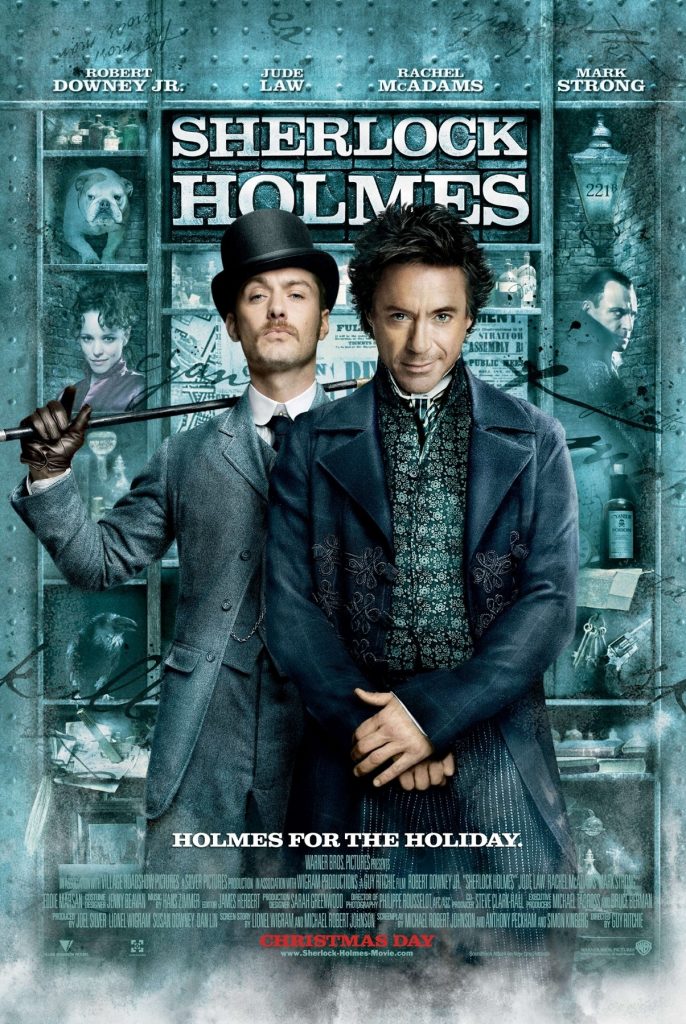
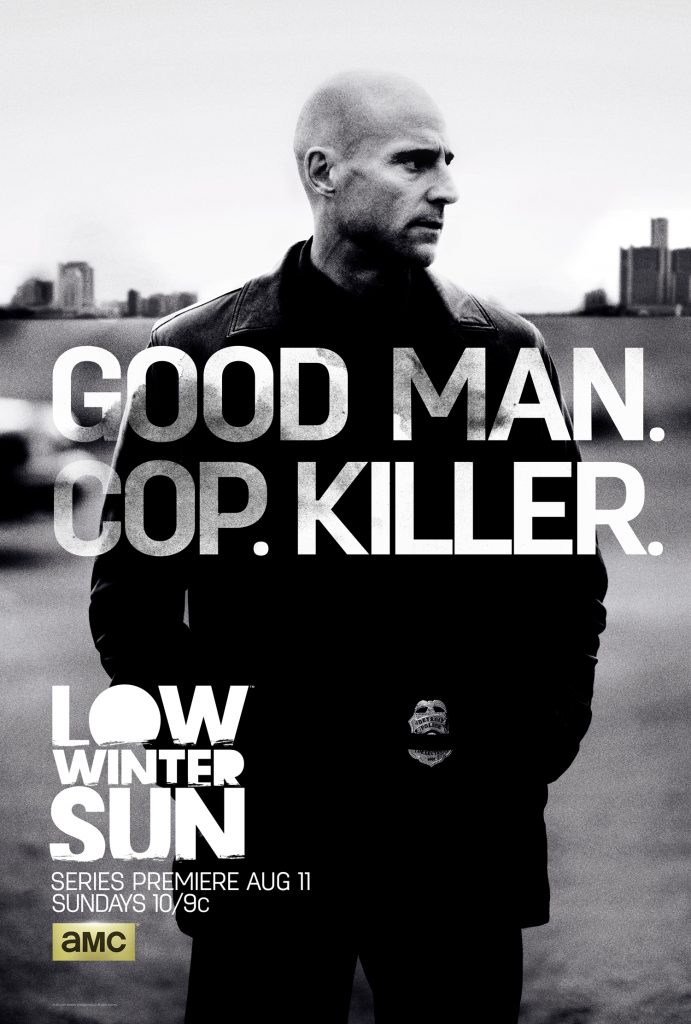
He first came to prominence in the third of the “Prime Suspect” series with Helen Mirren.   In 1996 he was in the superb TV drama “Our Friends From the North” with Gina McKee, Daniel Craig and Christopher Eccleston.   His film roles include “Century” in 1993, “Fever Pitch”, “The Long Firm”, “Low Winter Sun”, “RocknRolla”, “Body of Lies”, “Sherlock Holmes” and “Robin Hood”.   He is an actor to watch.

TCM Overview:

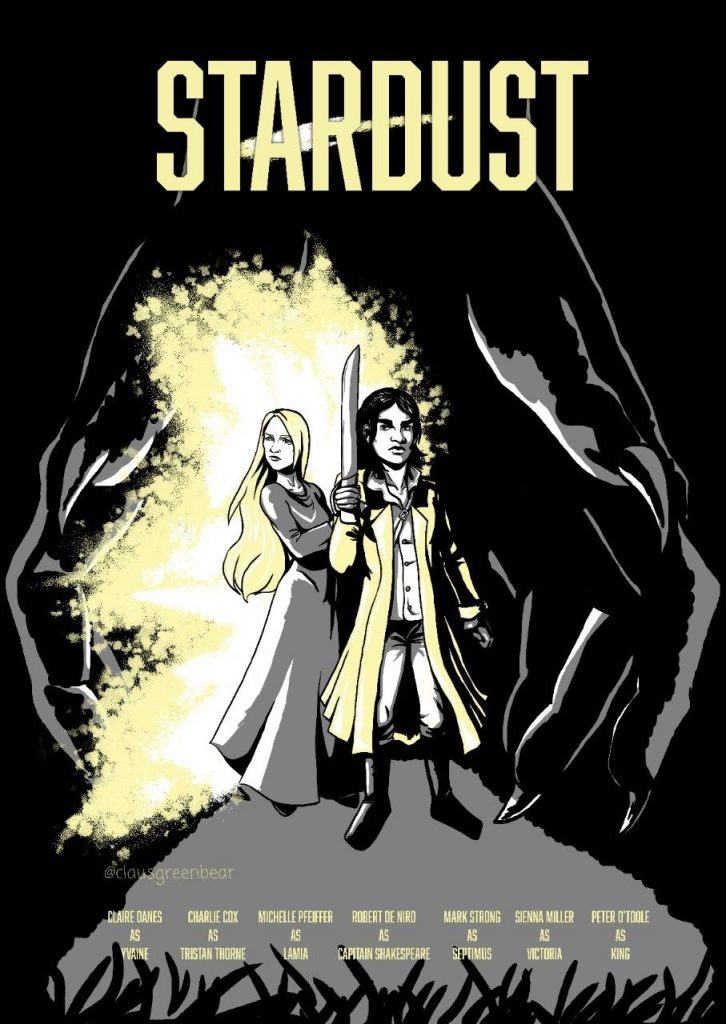
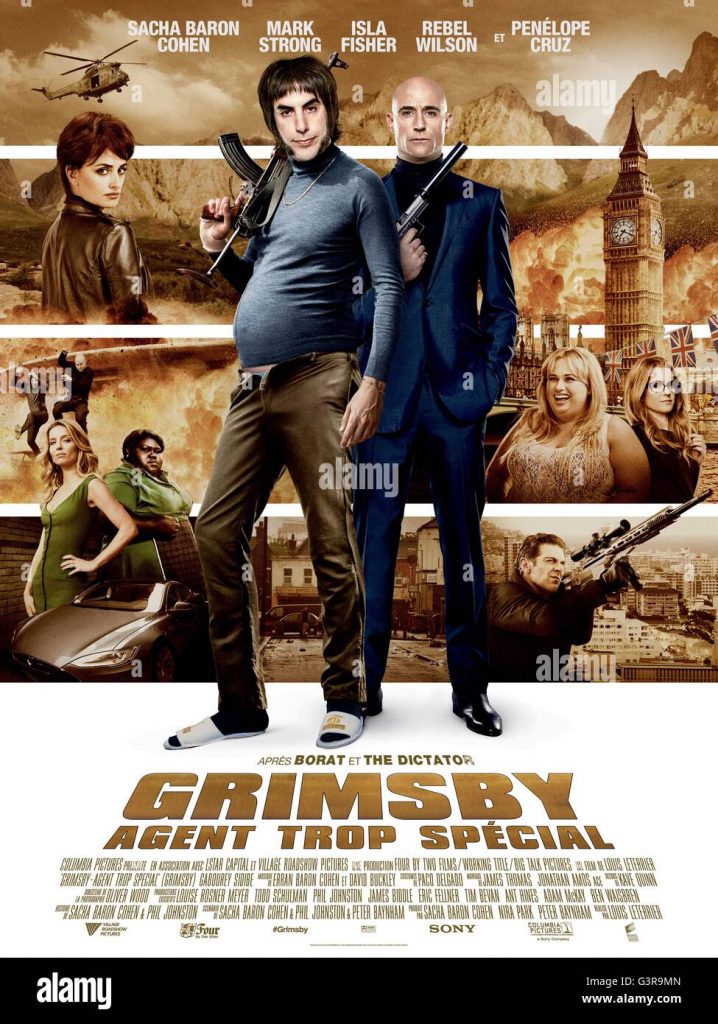
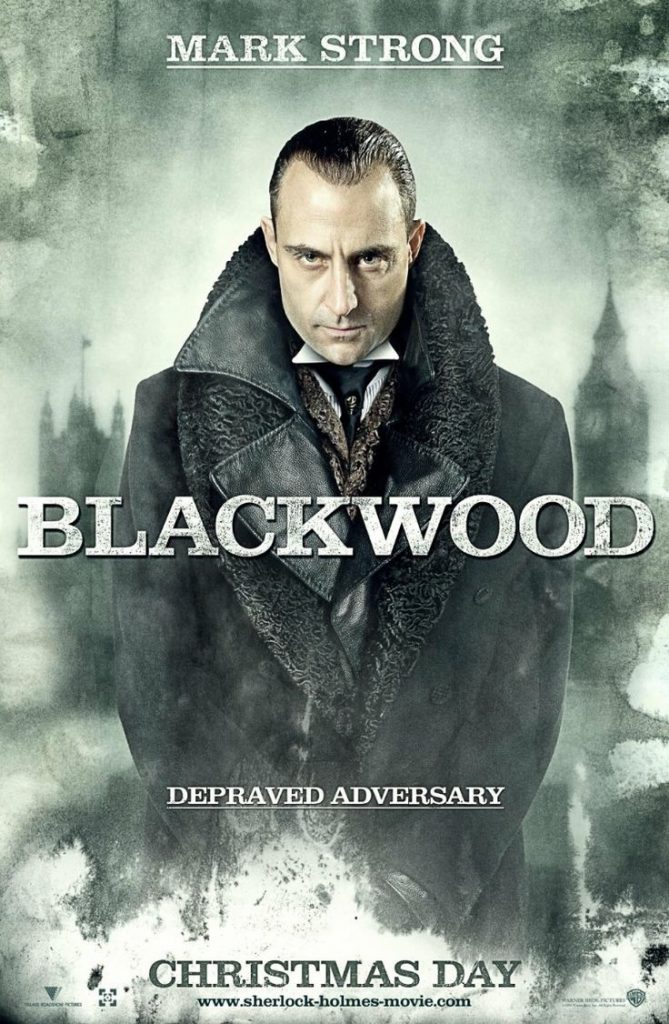
Austere yet handsome, Mark Strong’s chameleon-like talents made him a hugely sought-after villain in both big-budget action and independent films after a lengthy career in his native England. He gave good bad guy in Guy Ritchie’s “Revolver” (2005), the dramatic thriller “Syriana” (2005), and Matthew Vaughnâ’s fantasy “Stardust” (2007). Strong played the heavy in the comedy “Miss Pettigrew Lives for a Day” (2008) before reuniting twice with Ritchie to anchor “RocknRolla” (2008) and essay the satanic Lord Blackwood in the Robert Downey, Jr./Jude Law hit adventure, “Sherlock Holmes” (2009).

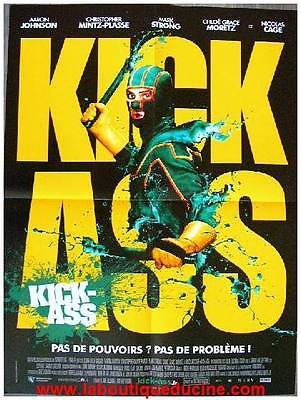
Continuing to work with a laundry list of great film directors, Strong worked twice under the direction of Ridley Scott as the Jordanian Head of Intelligence in “Body of Lies” (2008), and then wreaked further havoc as Godfrey opposite Russell Crowe in “Robin Hood” (2010). Also that year, Strong scared a younger audience as the mob boss in the kids-turned-superheroes hit “Kick-Ass” (2010). With an admitted penchant for playing his deliciously evil roles to the hilt, Strong counted greats such as Sir Ian McKellen among his many fans. Going bad only ended up being a good thing for this talented actor.

Marco Giuseppe Salussolia was born Aug. 30, 1963 in London, England to a teenage Austrian mother and an Italian father who walked out the family shortly afterwards. Strong’s mother changed his last name to help her son better fit in with his peers. At age five, Strong who spoke both English and German was sent away to a state-funded boarding school in Surrey, as his single mother found it difficult to handle some of his behaviors. Though he desperately missed home, Strong thrived in his new environment and occupied his alone time with much reflection and people-watching. He became adept at solo travel and music, singing lead in a noisy punk bank called Private Party. Strong performed in one play, but found that it held little luster for him.

After he graduated, he headed to Munich to study law, but bailed after a year and returned to London. He happened upon drama courses at Royal Holloway, where he earned a degree, and which led to post-grad work at the Bristol Old Vic Theater School.

Mark Strong
Mark Strong

Strong spent the next eight years on stage and carved out a significant career with high-profile parts in productions of “The Iceman Cometh” with Kevin Spacey, David Mamet’s “Speed the Plow” in the West End, and Sam Mendes’s “Twelfth Night,” for which he was nominated for the Laurence Olivier Award for Best Performance in a Supporting Role.

In 1989, Strong began work on television in a variety of guest-spots, which included an installment of the highly regarded crime-drama series “Prime Suspect 3” (ITV, 1993), as an inspector opposite Helen Mirren’s formidable Jane Tennison.

The actor won more notice on the BAFTA-winning, “Our Friends in the North” (BBC, 1996), as Tosker, whose get-rich-quick schemes invariably fail. Strong brought an earthly strength to his role as Mr. Knightley opposite Kate Beckinsale in the televised adaptation of Jane Austen’s “Emma” (ITV, 1996), and was the sports-obsessed best friend to Colin Firth in the big screen romantic comedy set against the world of soccer in “Fever Pitch” (1997).

Mark Strong
Mark Strong

Strong also became a fixture on television, resuming his character Larry Hall now promoted to Detective Chief Superintendent on “Prime Suspect 6: The Last Witness” (ITV, 2003), that he was gifted with a career-changing role on the four-part crime-drama series “The Long Firm” (BBC, 2004). Strong played East End gangster Harry Starks, who had no qualms about silencing enemies with a white-hot poker down the throat. Strong, however, had to convince both the writer and director that he could plumb the darker waters Starks occupied. In doing so, he won the 2005 Broadcasting Press Guild Award for Best Actor, and was also nominated for the 2005 BAFTA TV Award for Best Actor.

Deciding to focus on film over television, Strong perfected his menace with Guy Ritchie’s crime thriller “Revolver” (2005), where he was the steely sharp assassin Sorter, and then inhabited the Lebanese-Muslim Mussawi in the thrill-ride look at international corruption within the oil industry in “Syriana” (2005), opposite George Clooney. In the Ridley and Tony Scott-produced medieval romantic legend “Tristan & Isolde” (2006),

Strong was the murderous, power seeking Lord Wictred, and in the action fantasy “Stardust” (2007) directed by Matthew Vaughn, the actor played a cruel prince in pursuit of both the throne and immortality. In “Miss Pettigrew Lives for a Day” (2008), Strong was a controlling 1930s nightclub owner addicted to cocaine, and in “RocknRolla” (2008), he played a gangster.

He was nominated for the 2009 British Supporting Actor of the Year by the London Critics Circle Film Awards for the dramatic thriller “Body of Lies” (2008). Directed by Ridley Scott and starring Leonardo DiCaprio, and Russell Crowe, the spy film featured Strong as Hani Salaam, the deceptive head of Jordanian General Intelligence Department.

Buoyed by successful, versatile portrayals, the demand for Strong in bigger and meatier fare saw the actor as both ambitious and malicious as Sir John Conroy, advisor to the Queen in the highly touted historical drama “Young Victoria” (2009).

Mark Strong

Strong was a standout in his third pairing with Ritchie in the action-mystery “Sherlock Holmes” (2009), based on the tale of the famous detective. Opposite Robert Downey, Jr. and Jude Law, Strong played the main antagonist, the aristocratic Satanist and serial killer, Lord Blackwood, and was universally praised as a convincing and creepy villain that gave the film its only dark edge.

Mark Strong

Strong kept with the sinister, but moved to a new genre with the kid-powered yet surprisingly violent action-comedy “Kick-Ass” (2010), based on the comic book of the same name. The critically and commercially successful film a re-team with director Vaughn featured Strong as the main heavy, Frank D’Amico, a Mafioso, whose facade of respectability was crushed by an adult and two children dressed like superheroes intent on justice.

Mark Strong
Mark Strong

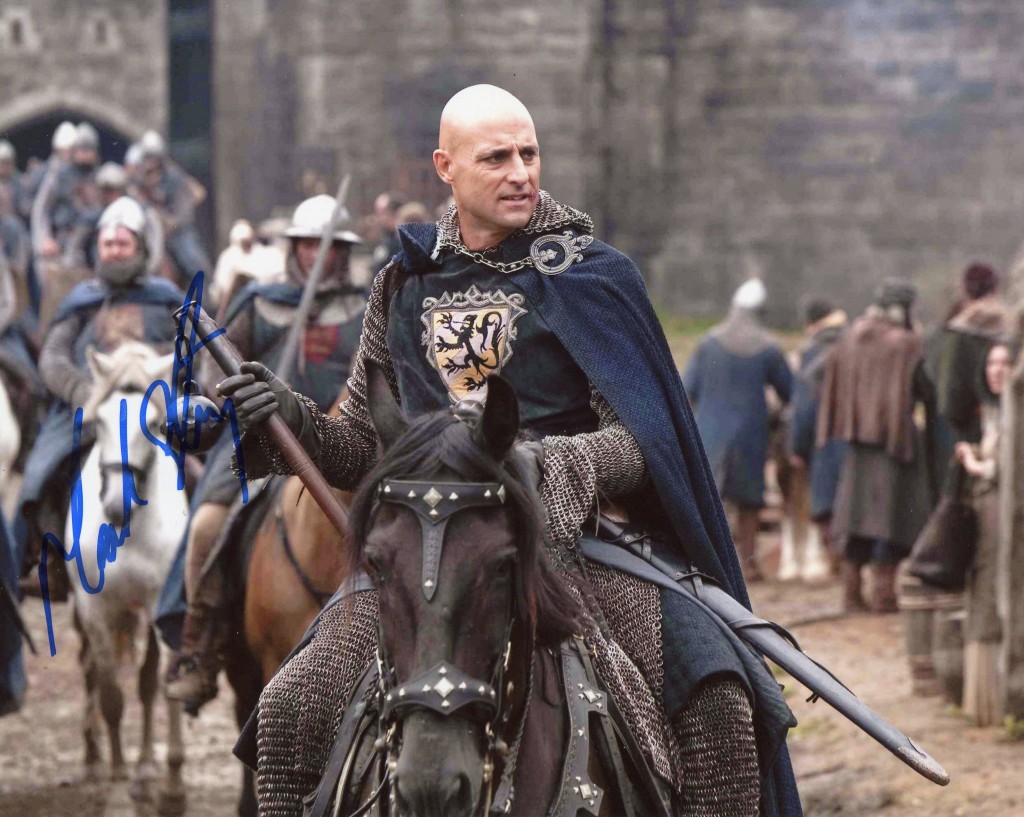
With “Sherlock” under his belt, Strong tackled another English legend this time, “Robin Hood” (2010), as directed by Ridley Scott and embodied by Russell Crowe, with Cate Blanchett onboard as Maid Marian. This retelling of the myth of Sherwood Forest featured Strong once again as the antagonist, Anglo-French double agent, Sir Godfrey, henchman to the ruthless King John (Kevin Durand).

Mark Strong
Mark Strong

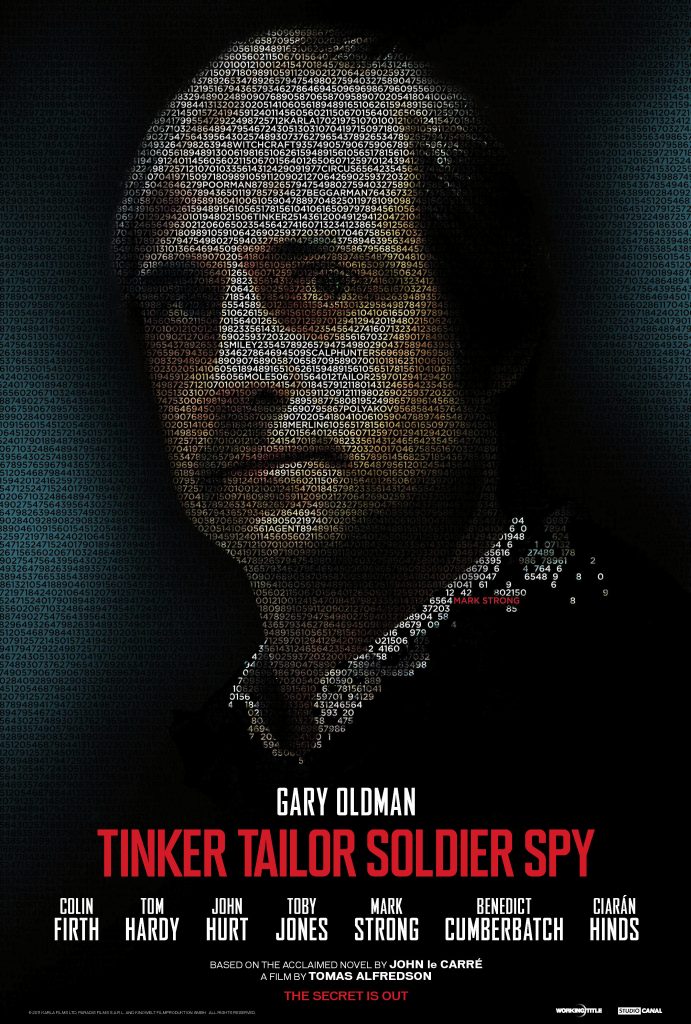
This was followed by key roles in the well-received espionage story “Tinker Tailor Soldier Spy” (2011) and Kathryn Bigelow’s Osama bin Laden story “Zero Dark Thirty” (2012). Unfortunately, Strong also co-starred in the notorious science fiction flop “John Carter” (2012) during this time. In 2013, Strong landed his first major role in American television, playing Detroit policeman Frank Agnew in the corruption drama “Low Winter Sun” (AMC 2013- )

By J.F. Pryor

The above TCM Overview can also be accessed online here.
Georgina Hale

Georgina Hale. IMDB.

Georgina Hale was born in 1943 in Ilford, Essex.   She began acting in British television in the mid 1960’s.   Ken Russell recognised her talents and cast her in 1971 in “The Devils”, “The Boyfriend”, “Mahler” and “Liztomania”.   She has also starred with Alan Bates in “Butley” by Simon Gray.   She is currently in the populat television series “Hollyoaks”.   Georgina Hale is one of my favourite actresses.

Her IMDB biography:

Georgina Hale is an accomplished stage actress who has made many memorable forays in cinema. Most notably in the films of Ken Russell including her performance as Alma Mahler, in a wonderful and visually rich biopic on the composer Mahler (1974) which she won a BAFTA (British Academy Award) for. Two other standout performances were in Russell’s notorious The Devils (1971) and the Twiggy musical The Boyfriend in which she deliciously plays Fay, camping it up, in a backstage lesbian sub plot. She has made in-joke cameos in two further Russell films: Lisztomania (1975) and Valentino (1977).

Unfortunately roles were not forthcoming after her BAFTA win (who knows why?) and she made some pretty bad movie choices such as the film version of the tacky Joan Collinsnovel The World Is Full of Married Men (1979) and McVicar (1980) as well as the occasional stunner such as Butley (1974), written by playwright Simon Gray. Georgina has appeared in many of Gray’s stage plays (many have been filmed for British television with her starring) along side Alan Bates and Glenda Jackson and continues to work in British theatre. Georgina has made many appearances as guest star in television series including: Upstairs, Downstairs (1971), The Protectors (1972), Ladykillers (1980), Minder(1979), Boon (1986), One Foot in the Grave (1990), Murder Most Horrid (1991), The Vicar of Dibley (1994), three episodes of Doctor Who (1963) and many many more.

She has starred in two television series: Budgie (1971), a successful series in the seventies, and in the early nineties a cult children’s series based around a witch like figure called T-Bag. Most recently she has appeared in a comic role in Preaching to the Perverted (1997) in which her character points out that sometimes one has to debase one’s self to further one’s career. This film may not further her career (at age 55 she does a Sharon Stoneunder-table leg trick) but it will add to her growing reputation as one of the UK’s favorite cult actresses.

– IMDb Mini Biography By: strangeboy76@hotmail.com

The above IMDB entry can also be accessed online here.
Sadly Georgina Hale died in January in 2024 at the age of 80.

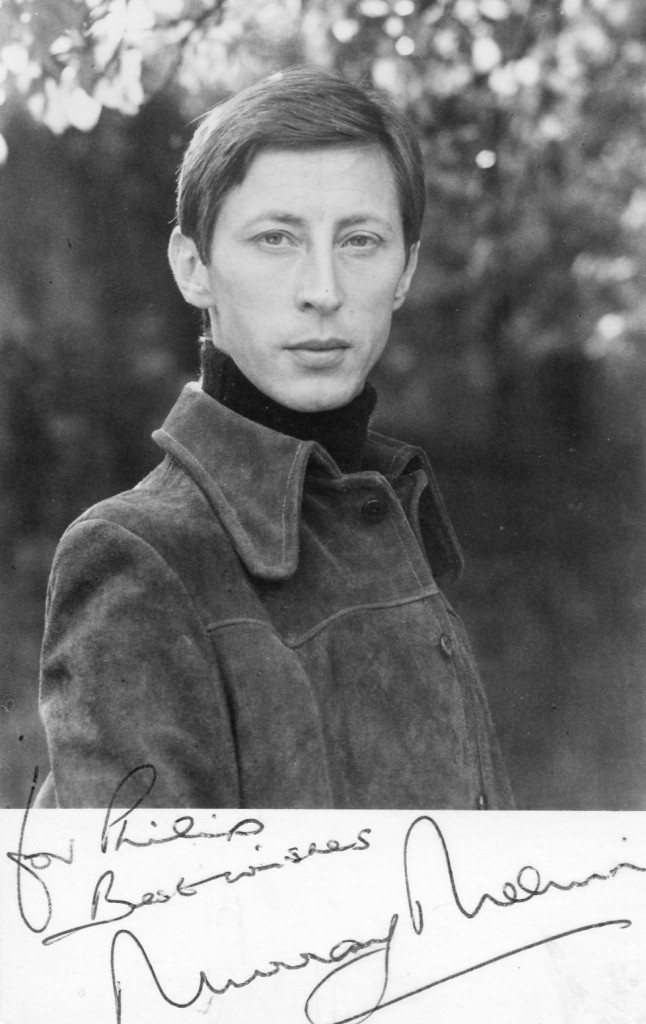
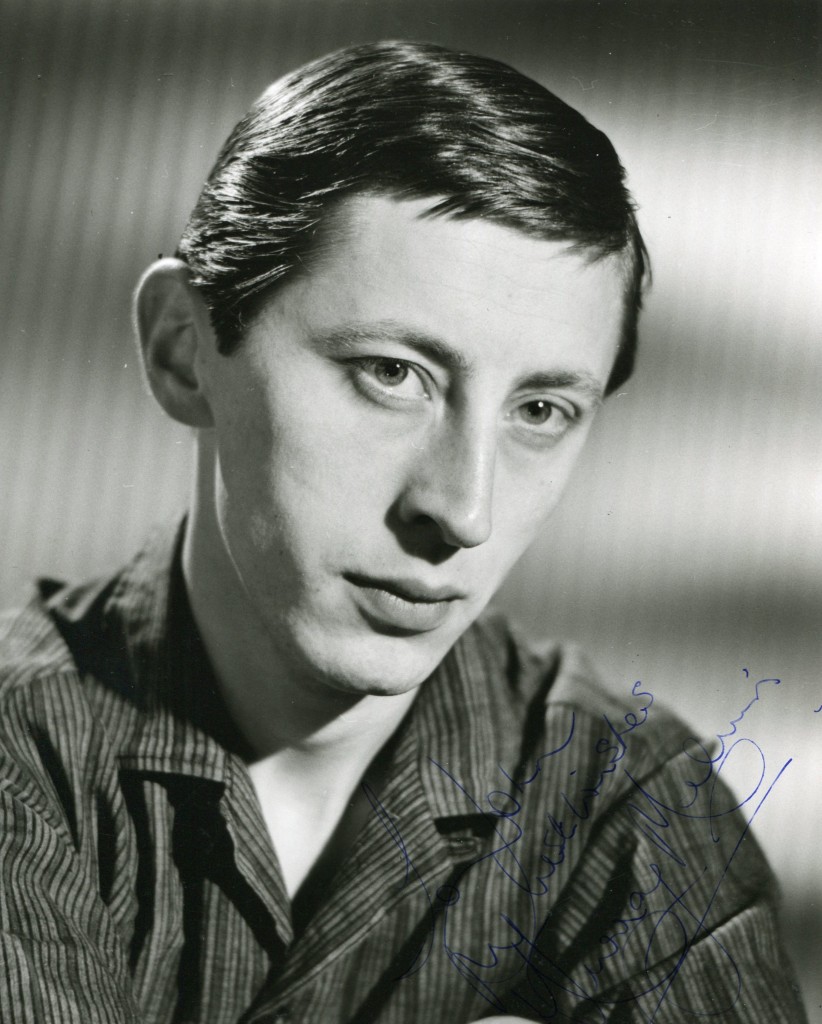
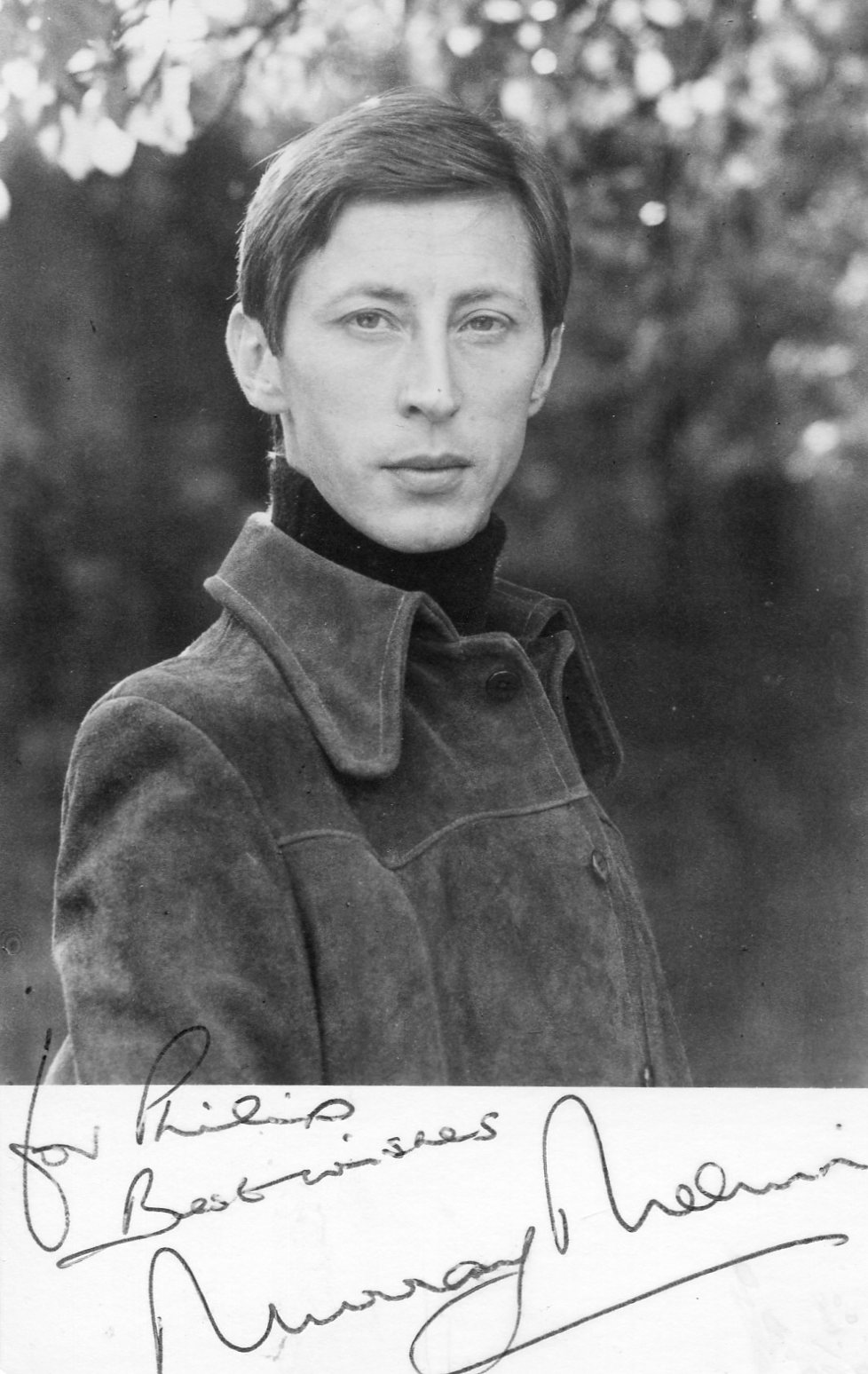
Murray Melvin

Murray Melvin


Murray Melvin


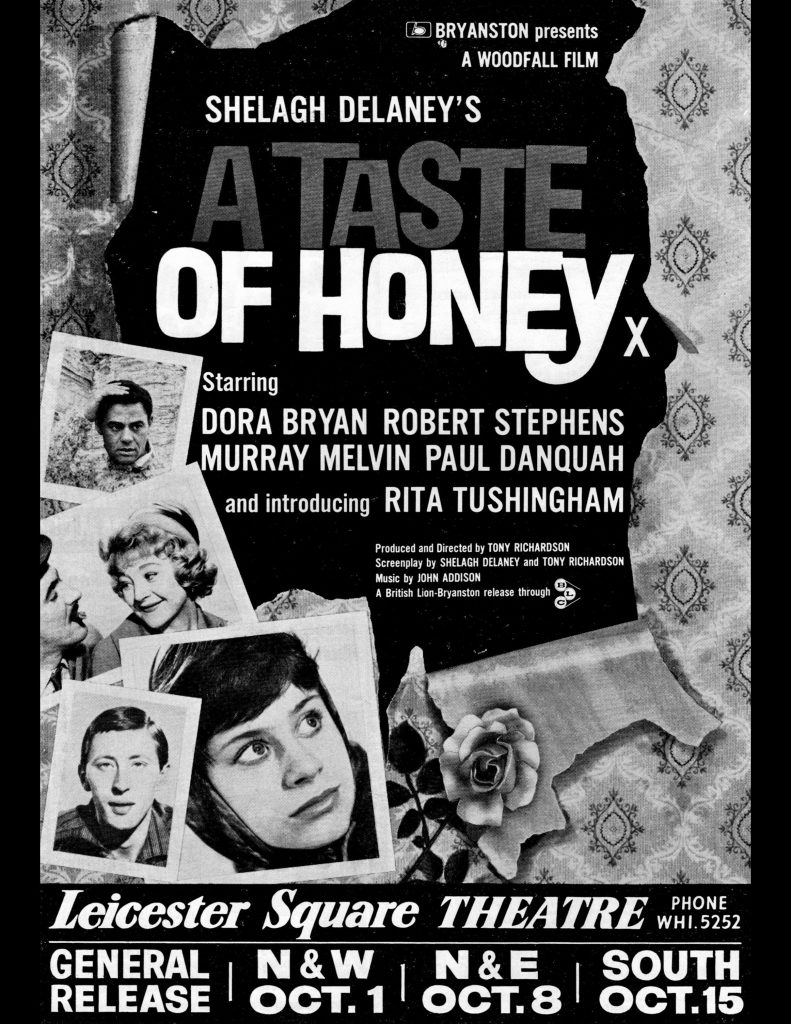
Murray Melvin was born in 1932 in London.   He acted with Joan Littlewood’s theatre company and in 1958 was in Brendan Behan’s “The Hostage”.   In 1961 he starred in Shelagh Delaney’s “A Taste of Honey” with Rita Tushingham and Dora Bryan directed by Tony Richardson.   His cinema highlights also include “The Devils”, “Alfie”, “The Boyfriend” with Twiggy and Stanley Kubrick’s “Barry Lyndon” with Ryan O’Neal in 1975.   It was good to see him recently in the film of the musical “The Phantom of the Opera”.   Murray Melvin was in the very first episode of the cult TV series “The Avengers”.

TCM Overview:

Narrow-faced, slender, haughty-looking character player, best known for his Cannes award-winning performance as Rita Tushingham’s sympathetic gay friend in Tony Richardson’s adaptation of Shelagh Delaney’s “angry young woman” drama, “A Taste of Honey” (1961). A prolific theater actor–he originated the “Honey” role on the stage–Melvin has appeared in several films, including three by director Peter Medak: “A Day in the Death of Joe Egg” (1970), “The Krays” (1990) and “Let Him Have It” (1991).

The Times obituary in 2023:

Murray Melvin obituary

Actor who emerged at Theatre Workshop and broke down barriers as Jo’s gay friend in A Taste of Honey

Murray Melvin liked to claim that gay pride began on the day in 1958 when he appeared on stage with Joan Littlewood’s Theatre Workshop company in A Taste of Honey.

Melvin played the gay art student Geoffrey in Shelagh Delaney’s ground-breaking play and after a West End run, reprised the role in Tony Richardson’s 1961 film opposite Rita Tushingham, playing the single mother with a mixed-race baby whom Geoffrey befriends. His sensitive, sympathetic portrayal won him the Cannes Film Festival Award for Best Actor.

If it would be unfair to say it was the high tide of a long and varied career in which he appeared in such films as AlfieThe Boy FriendBarry Lyndon and the 2004 film adaptation of The Phantom Of The Opera, it was the role of which he was most proud and in which he felt he had “made a difference”.

Melvin with Michael Caine in Alfie, 1966

Melvin with Michael Caine in Alfie, 1966

Although the fact that his character was gay was never specifically mentioned in the play or film adaptation, Melvin’s portrayal was unambiguous. “Homosexuality was still against the law, punishable by a prison sentence so there had to be this fine line,” explained Melvin, who was himself gay. “Looking back I think how daring I was to go out and perform that. It broke barriers.”

His memory of the first night at the Theatre Royal Stratford East, before the play transferred to the West End and to film, lived with him all his life. When he took the curtain call with Frances Cuka, who played the single mother Jo, he did not know how the audience would react.

“When we ran on there was a roar and we got hold of each other’s hands because for a moment, we thought it was anti,” he recalled. “And then we realised that they were standing and cheering.

“I always say I was the start of gay pride. I was gay pride of 1958. It’s all down to me, honey. It was on my shoulders and I’m very proud of it.”

Melvin in A Taste Of Honey in 1961

Melvin in A Taste Of Honey in 1961

If A Taste Of Honey changed Melvin’s life, it had a similar effect on others too. Over the years he was often approached by people who told him: “When I saw that, you changed my life. You made it possible for me.”

A tall and rather soulful presence with delicate features, Melvin had arrived at Theatre Workshop with little training and although his formal title was “assistant stage director” by his own admission it meant that he made the tea and swept the floor.

When he joined, the company — which also included Barbara Windsor, Victor Spinetti and briefly Michael Caine — was struggling to survive. Several of the actors lived in the theatre and, to save money, there was no heating.

Melvin landed his first stage role in A Taste Of Honey when during a read-through of the first draft of the script he was in the kitchen as usual putting the kettle on and Littlewood joined him. She started drying up the cups and asked Melvin what he thought of “the boy” in the play. “He drives me mad!”, he told her and suggested that the character needed to stop being such a wimp.

“Pity, because I was going to ask you to play him,” she replied and put the tea cloth down and walked out. He thought he had just talked himself out of his first role, but Littlewood was impressed by his passion and gave him the part.

He went on to become a Theatre Workshop stalwart, appearing in Littlewood’s production of Oh, What a Lovely War! which transferred to the West End and Broadway

Melvin liked working for mavericks. If Littlewood was one, another was Ken Russell, whom he first worked for on the television films, The Diary of a Nobodyand Isadora Duncan, before playing Father Mignon in Russell’s historical drama The Devils (1971), alongside Oliver Reed and Vanessa Redgrave.

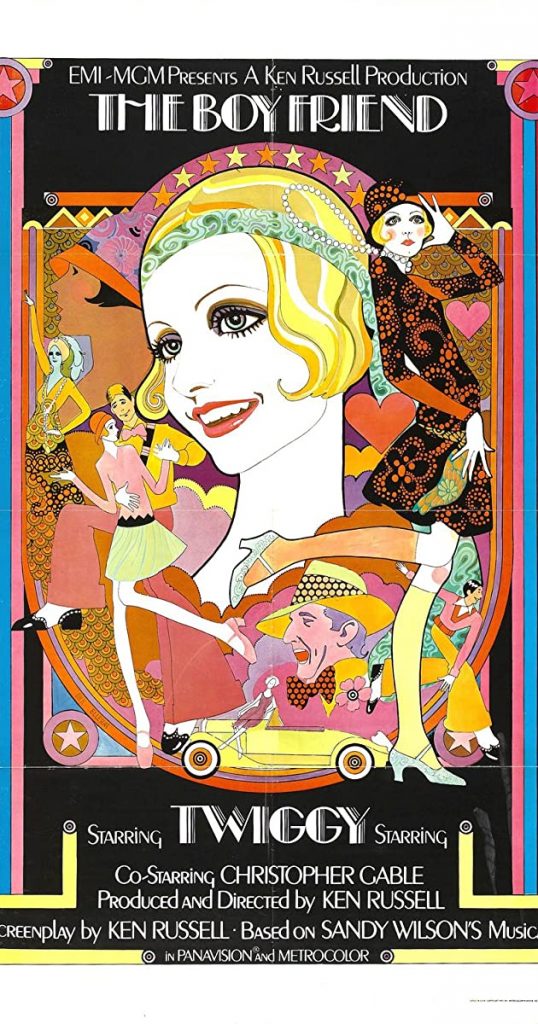
In Russell’s The Boy Friend that same year, he tap-danced his way through a spectacular solo number dressed as a French officer. He played Berlioz in Lisztomania and a French lawyer in Prisoner of Honour (1991) about the Dreyfus case. He and Russell remained close friends until the director’s death in 2011.

Stanley Kubrick was also a maverick of sorts, not least in his obsessive perfectionism. “Every shot was a Gainsborough,” Melvin recalled after appearing in his 1975 film, Barry Lyndon.

As the Rev Samuel Runt, he had a long speech opposite the Irish actress, Marie Kean. Through nerves he stumbled in the first few takes, but after take 57 he told the director he had had enough. “Do you want a break?” Kubrick asked. They took one, and when they resumed there were 20 more takes before the director was satisfied.

Murray Melvin was born in 1932 in St Pancras, London, the son of Maisie (née Driscoll) and Hugh Melvin, an RAF officer. He left school at 14 but not before he had risen to become head boy, an honour he attributed to “clean fingernails and well-combed hair” rather than any academic prowess.

He started work as an office boy with a travel agent and then became an import and export clerk in a shipping office, until he was sacked for misdirecting goods.

After the war his parents founded a youth club in Hampstead, where Murray became an enthusiastic amateur thespian until he was forced to spend two desperately unhappy years doing his National Service in the RAF. On his return to civilian life he became a clerk at the Air Ministry’s sports board, another appointment he attributed to his immaculate grooming for he had no interest in sport and even less aptitude for it.

He enrolled in drama, mime and ballet evening classes at the City Literary Institute and auditioned for Theatre Workshop during his lunch hour. Asked to create a character he knew from life, he impersonated his rotund and pompous boss at the sports board. When he announced that he had to return that afternoon to work for the character he had just mimicked, Littlewood turned to her general manager Gerry Raffles and told him, “The poor little bugger, we must get him away from there.”

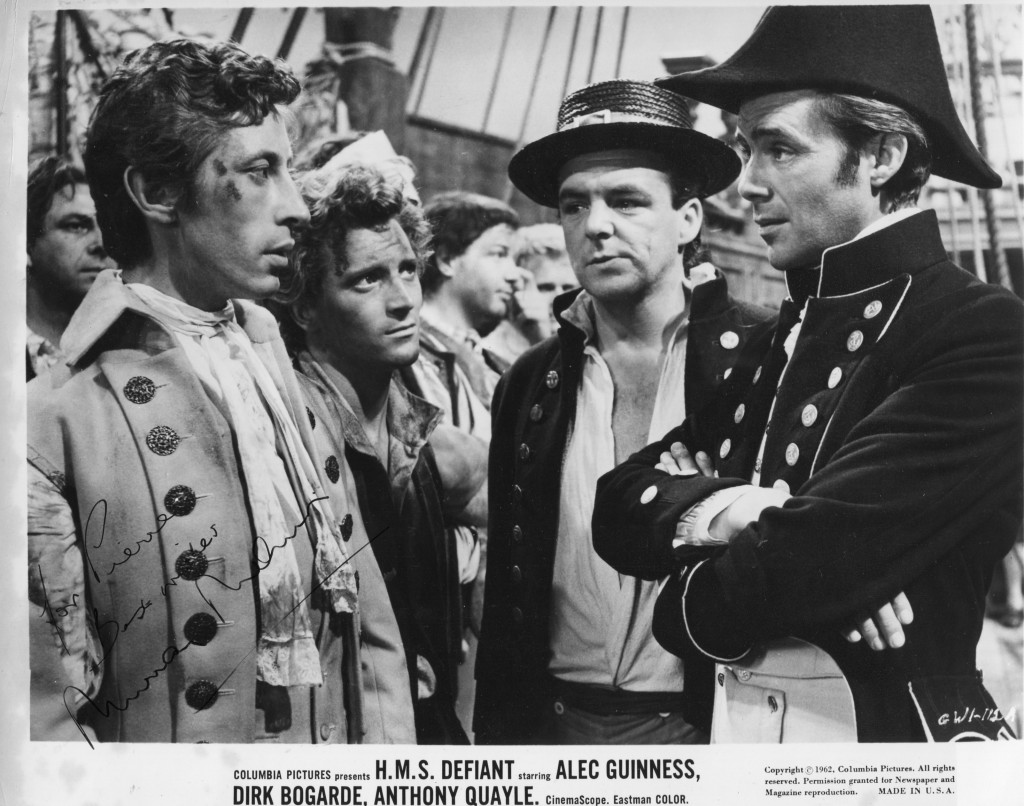
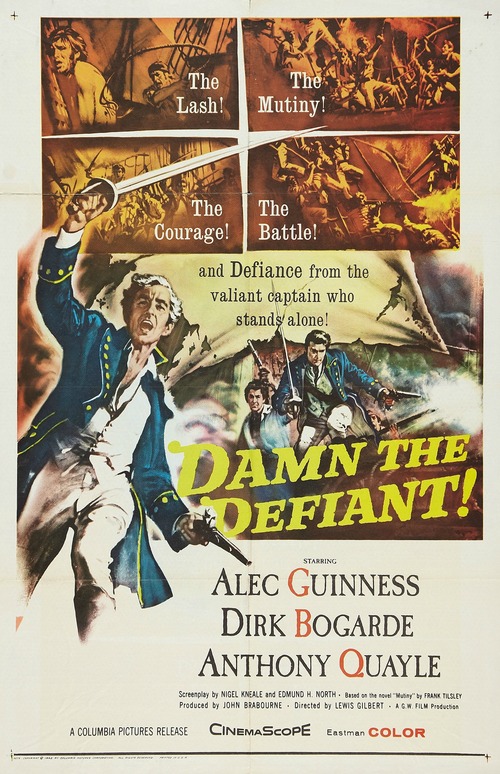
His theatre work brought him to the attention of the film director Lewis Gilbert, who cast him opposite Dirk Bogarde and Alec Guinness in the naval epic HMS Defiant and as the best friend of Michael Caine’s titular character in Alfie.

Melvin later became a director himself on two operas by Peter Maxwell Davies and at the other end of the cultural spectrum he directed pantomimes by Graeme Garden.

He was seldom out of work and notable appearances into the 21st century included playing the opera composer Reyer in The Phantom Of The Opera and the villainously sinister Bilis Manger in the Doctor Who spin-off Torchwood.

Yet it was his days with Littlewood’s Theatre Workshop that defined him. “It was hell working for Joan,” he recalled. “But you accepted it because you’d find out things about yourself that you never knew.”

He led the successful campaign to erect a statue of her in east London, became the official archivist of the Theatre Royal and published histories of the theatre and of Littlewood’s company.

Her Theatre Workshop, he wrote, was nothing less than “the Trojan horse that brought modern theatre into Britain

Murray Melvin (1932–2022) was a singular presence in British culture—a delicate, sharp-featured actor who became the human face of the “Kitchen Sink” realism movement. As a founding member of Joan Littlewood’s Theatre Workshop, he didn’t just act in plays; he helped dismantle the stiff, upper-class artifice of post-war British theater.

Critically, Melvin is analyzed as a pioneer of vulnerable, queer-coded masculinity. In an era of “angry young men,” Melvin provided something far more subversive: a quiet, watchful, and deeply empathetic outsider.


I. Career Overview: The Littlewood Disciple

Act 1: The Theatre Workshop (1950s)

Melvin’s career began in the trenches of the Theatre Royal Stratford East. Under Joan Littlewood, he learned a communal, improvisational style of acting. His breakout came in 1958 with Shelagh Delaney’s A Taste of Honey. He played Geoffrey, the gentle art student who cares for the pregnant Jo—a role that was revolutionary for its sympathetic portrayal of a gay man.

Act 2: International Acclaim (1961–1975)

Melvin reprised his role in the 1961 film adaptation of A Taste of Honey, winning Best Actor at the Cannes Film Festival. This success led to a decade of work with visionary directors:

  • Lewis Gilbert: Alfie (1966)

  • Ken Russell: The Devils (1971) and The Boy Friend (1971)

  • Stanley Kubrick: Barry Lyndon (1975)

Act 3: The Keeper of the Flame (1980s–2022)

In his later years, Melvin became a revered character actor, appearing in The Phantom of the Opera (2004) and The Lost City of Z (2016). More importantly, he served as the archivist for the Theatre Workshop, ensuring that the radical history of 20th-century British drama was preserved.


II. Critical Analysis: The Aesthetics of the Outsider

1. The “Geoffrey” Archetype: A Quiet Revolution

Melvin’s performance in A Taste of Honey is a landmark in queer cinema history.

  • The Technique: He avoided the “camp” caricatures common in the 1950s. Instead, he played Geoffrey with a “domestic dignity.”

  • Critical Impact: Critics note that Melvin’s power lay in his androgyny and softness. He provided a domestic anchor for the lead character, Jo, creating a “chosen family” dynamic that was decades ahead of its time. He proved that an actor could be “weak” by societal standards but “strong” through empathy.

2. The Kubrickian Precision: Barry Lyndon

In Stanley Kubrick’s Barry Lyndon, Melvin played the Reverend Samuel Runt.

  • The Performance: In a film famous for its “painterly” stillness, Melvin’s face—pale, thin, and expressive—was the perfect subject. He used a “starched” physicality to represent the moral rigidness of the era.

  • Analysis: Critics point out that Melvin was one of the few actors who could survive Kubrick’s grueling “100-take” method without losing his interiority. He became a part of the film’s visual architecture, yet managed to project a simmering, judgmental intelligence.

3. The Russell Connection: High-Camp Horror

His collaborations with Ken Russell showcased a different side of his talent. In The Devils, he played the fanatical, sinister Mignon.

  • The Shift: Here, Melvin weaponized his slight frame to create a sense of “ascetic menace.” He proved that his “outsider” energy could be turned from sympathetic to terrifyingly zealot-like.


III. Major Credits and Cultural Milestones

Work Role Context Significance
A Taste of Honey (1961) Geoffrey Film Adaptation Cannes Best Actor Winner; iconic queer role.
Alfie (1966) Nat Directed by Lewis Gilbert Solidified him as a staple of the “Swinging Sixties.”
The Devils (1971) Mignon Directed by Ken Russell Explored the “darker” side of his ethereal persona.
Barry Lyndon (1975) Rev. Samuel Runt Directed by Stanley Kubrick A masterclass in period-accurate, minimal acting.
The Phantom of the Opera (2004) Monsieur Reyer Film Musical Brought his theatrical gravitas to a global blockbuster.

Final Reflection

Murray Melvin was the “conscience” of British acting. He never tried to be a conventional leading man, yet he became indispensable to the greatest directors of his age. His legacy is one of uncompromising integrity—he remained a boy from Stratford East at heart, using his unique, bird-like presence to remind audiences that the most interesting stories happen at the margins of society.

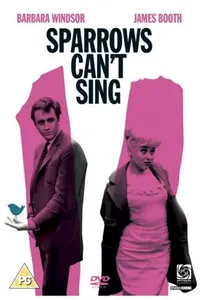
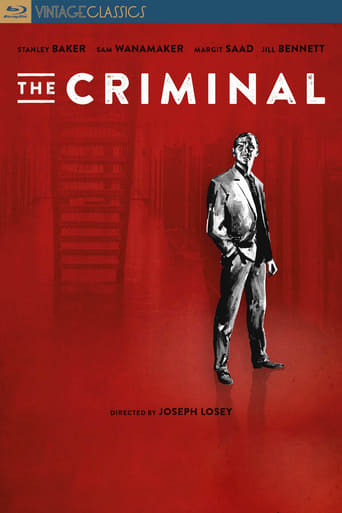
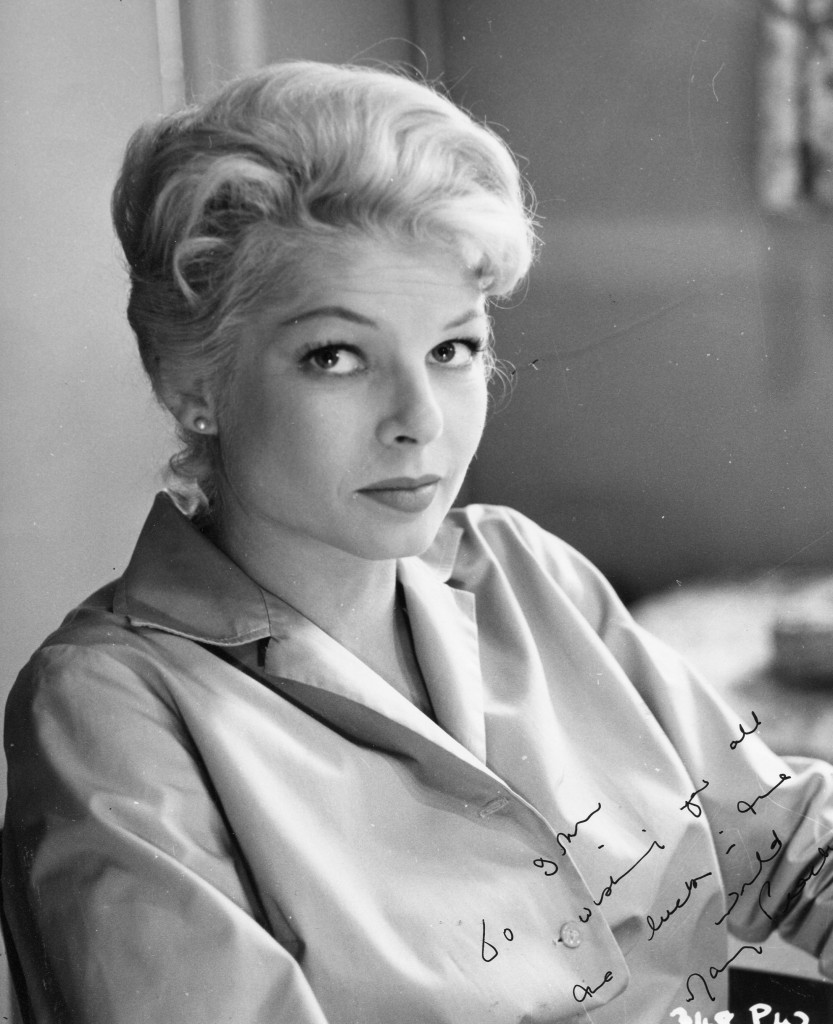
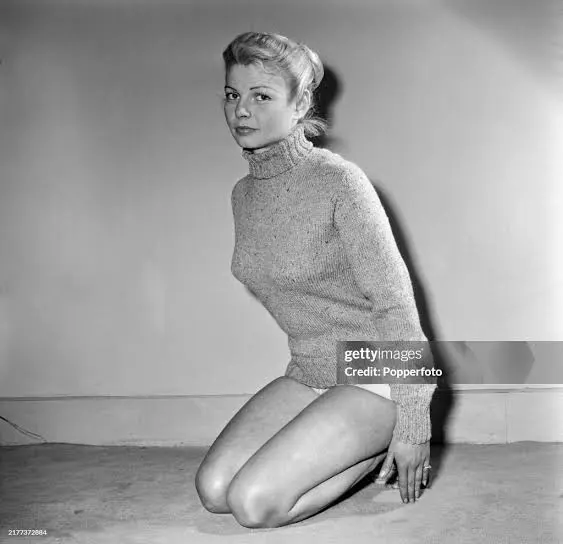
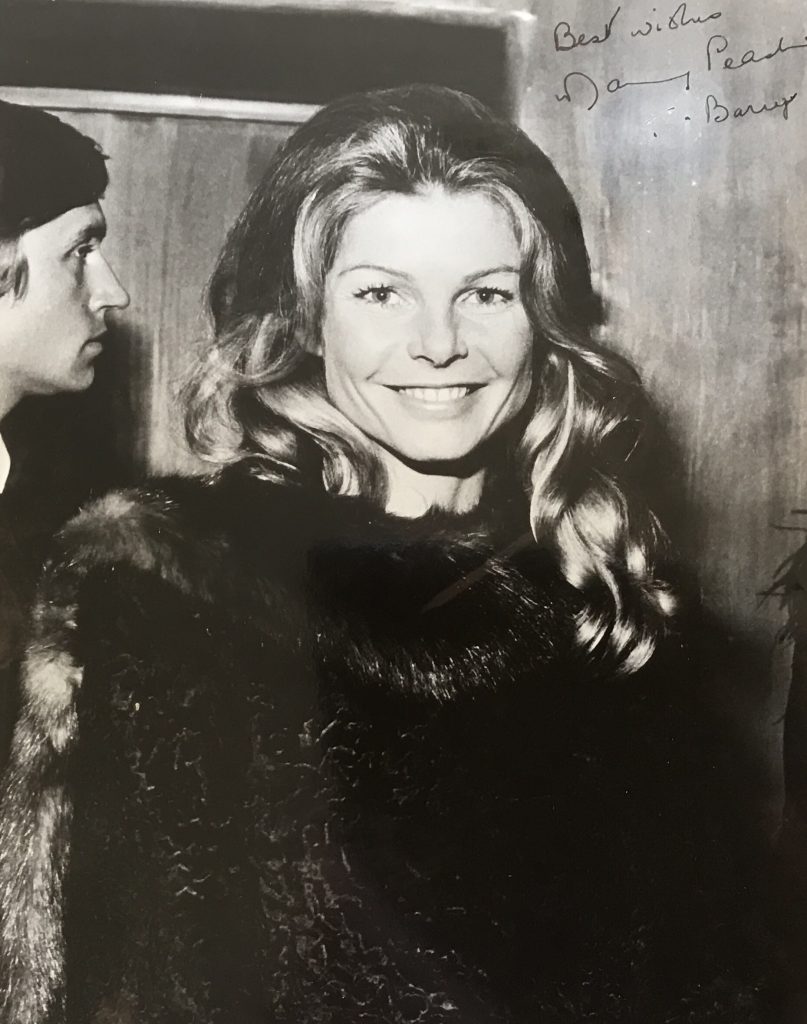
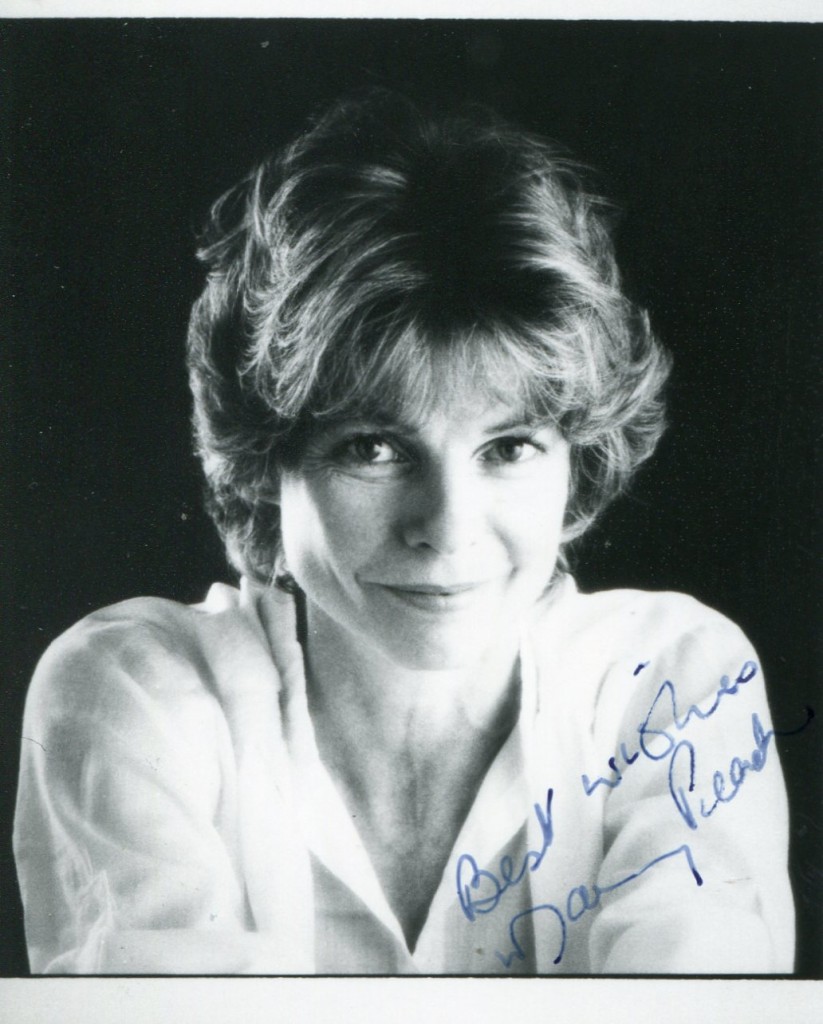
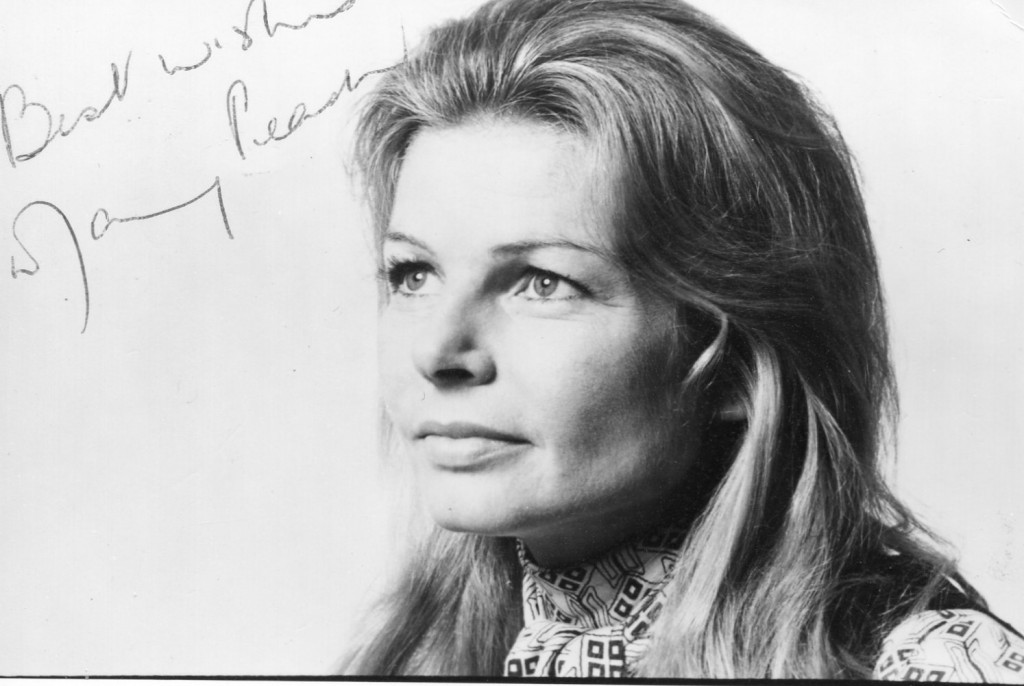
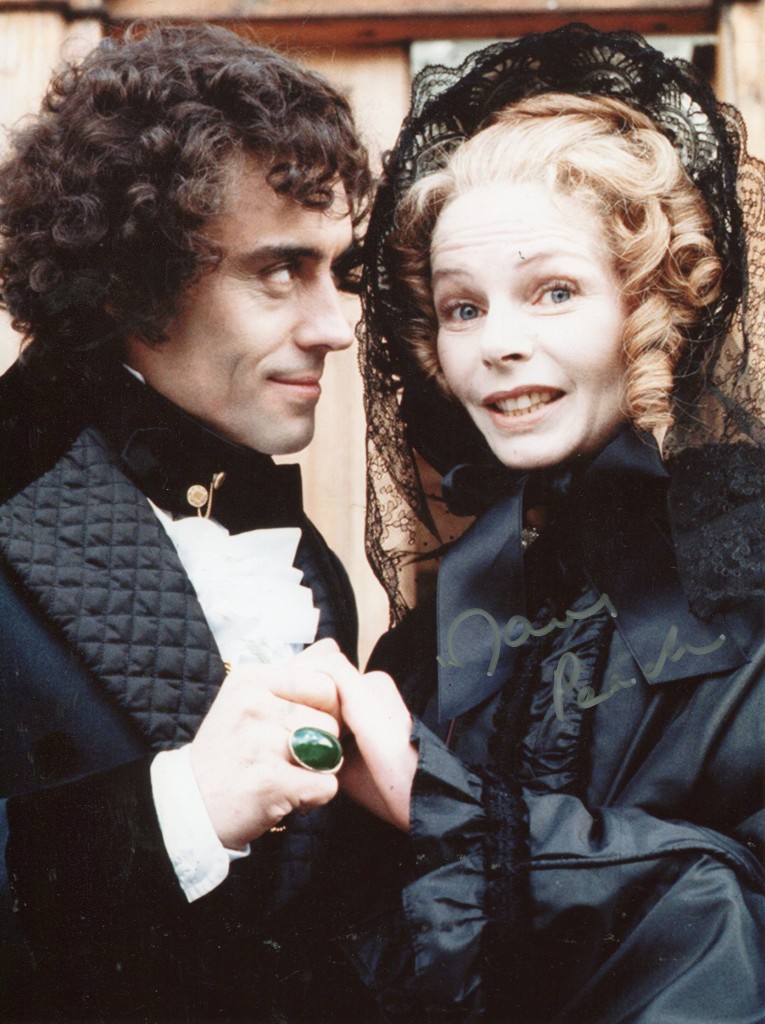
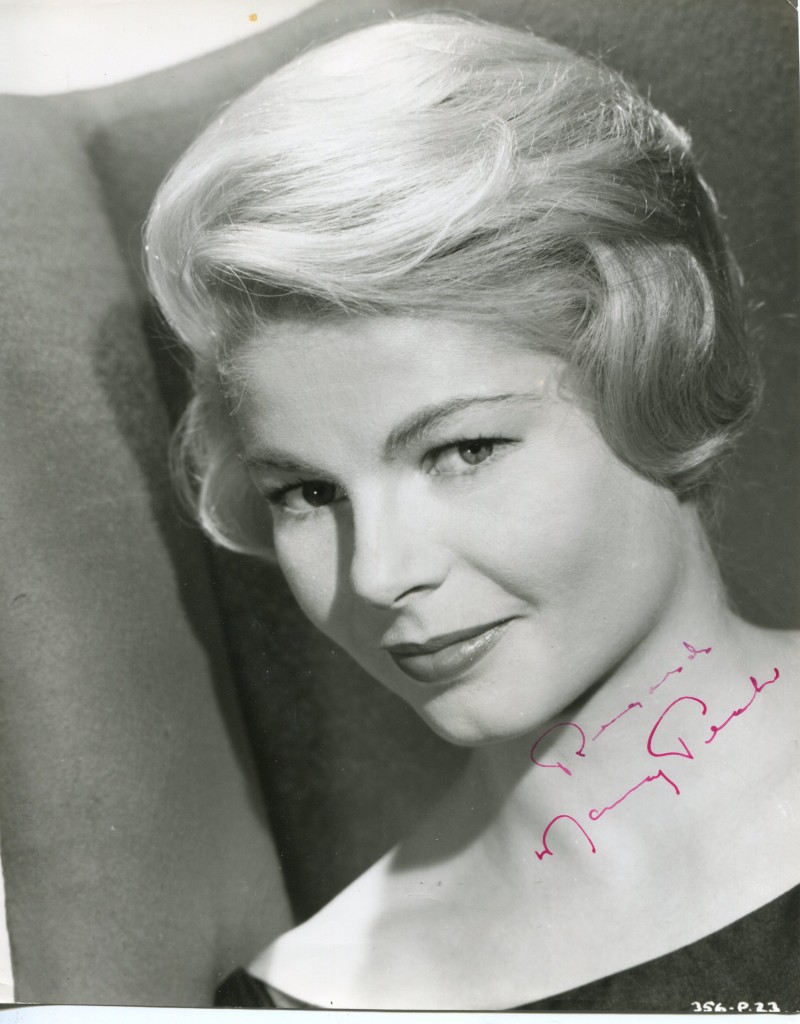
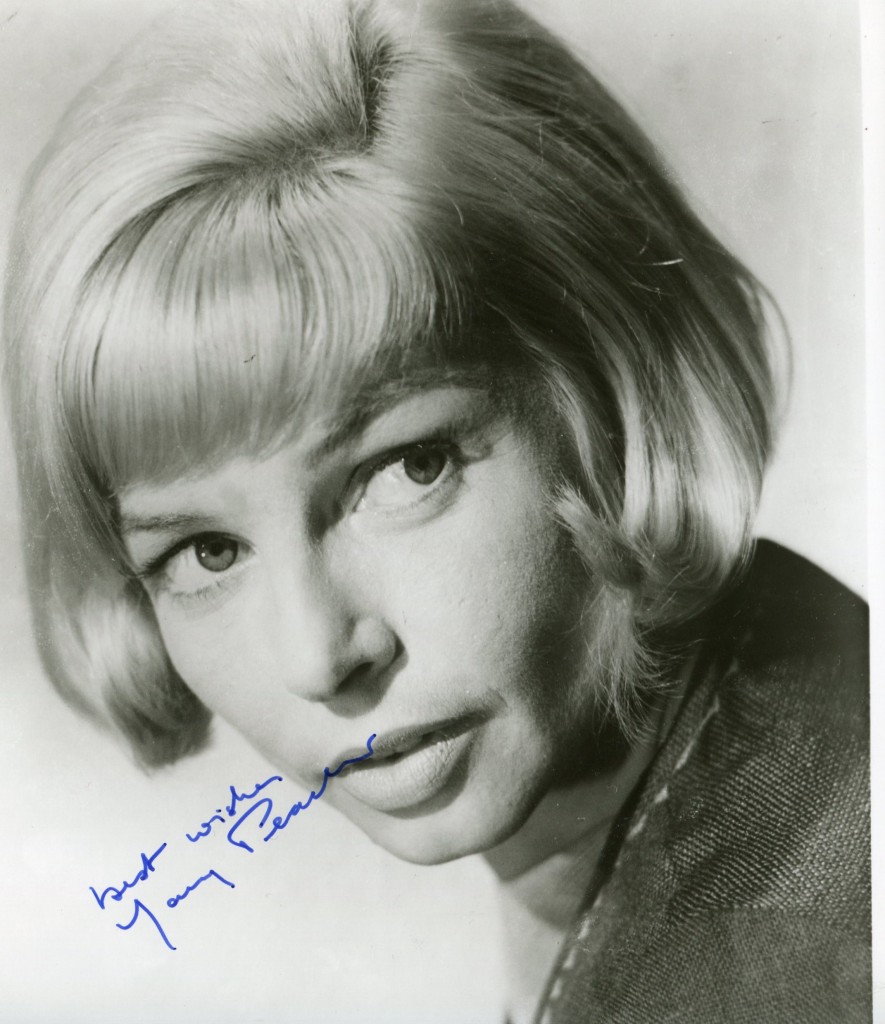
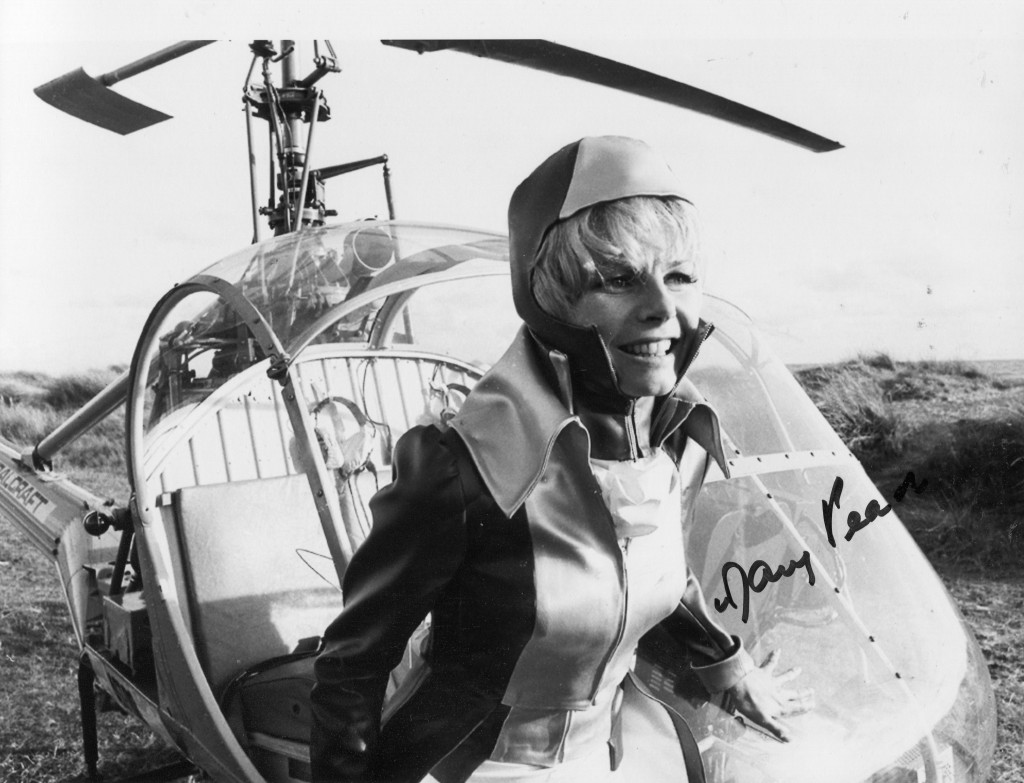
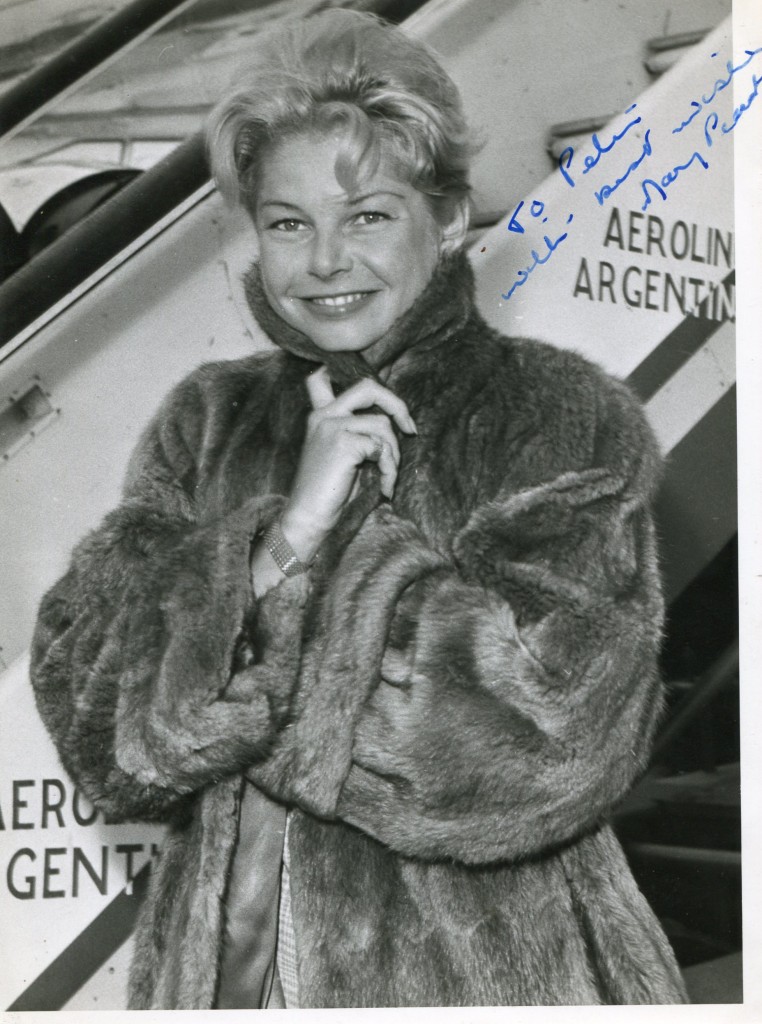
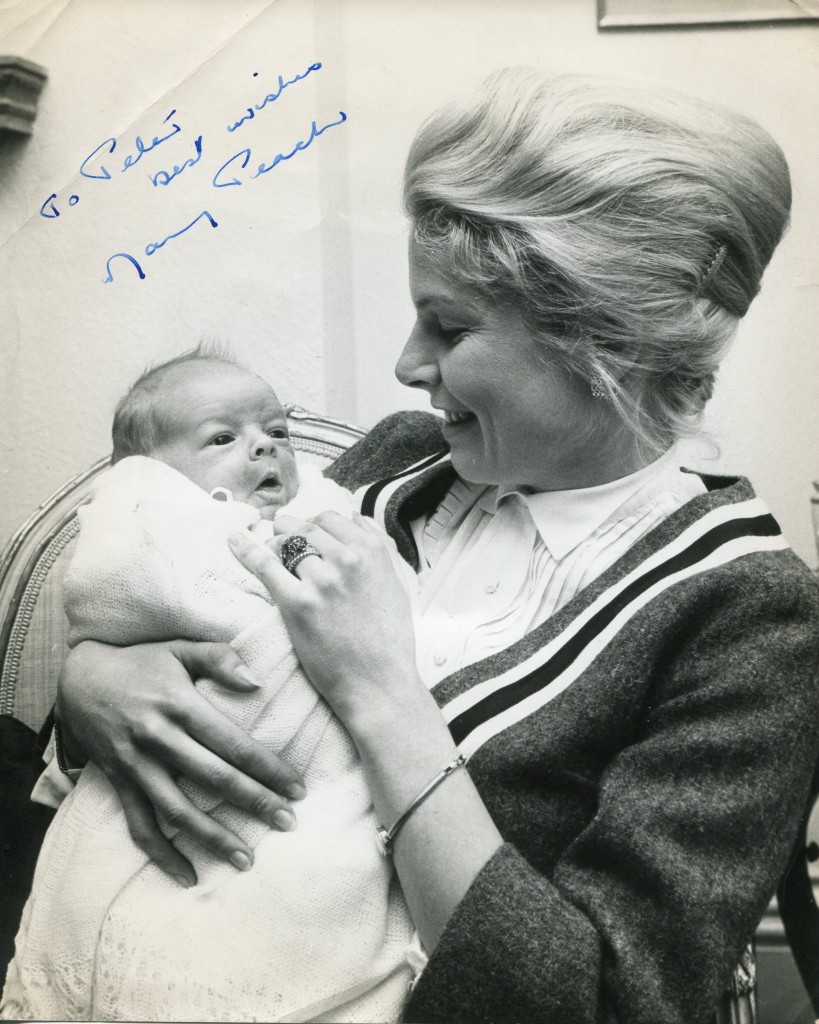
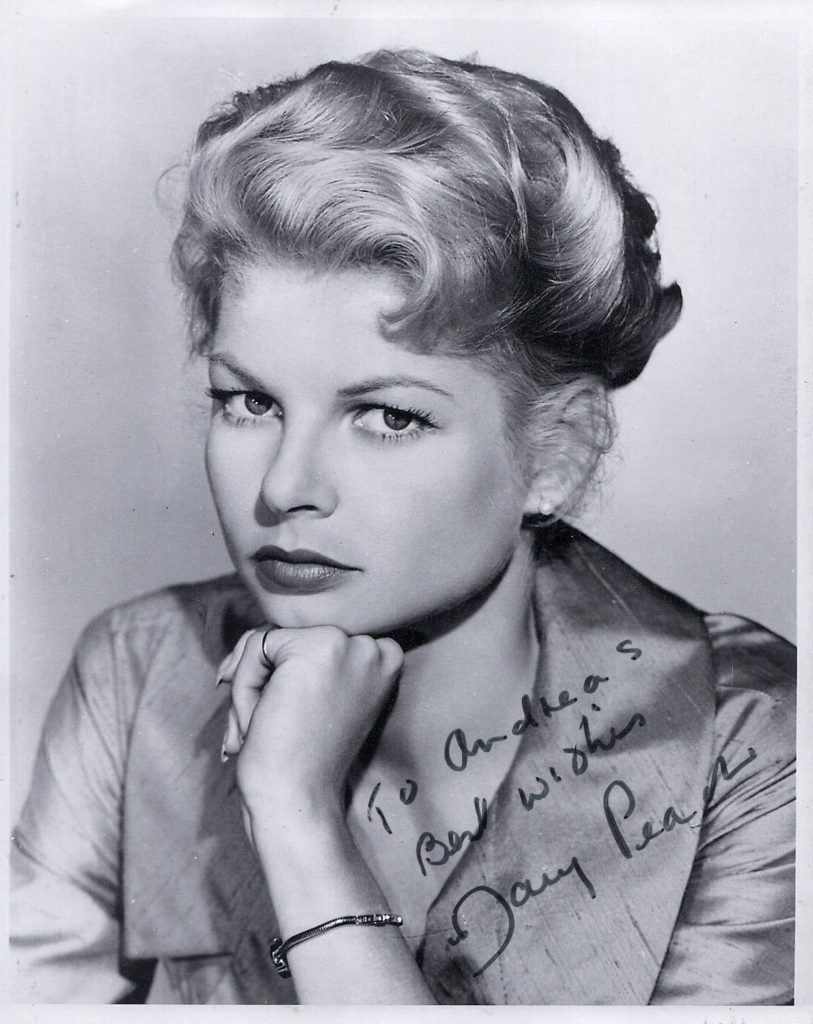
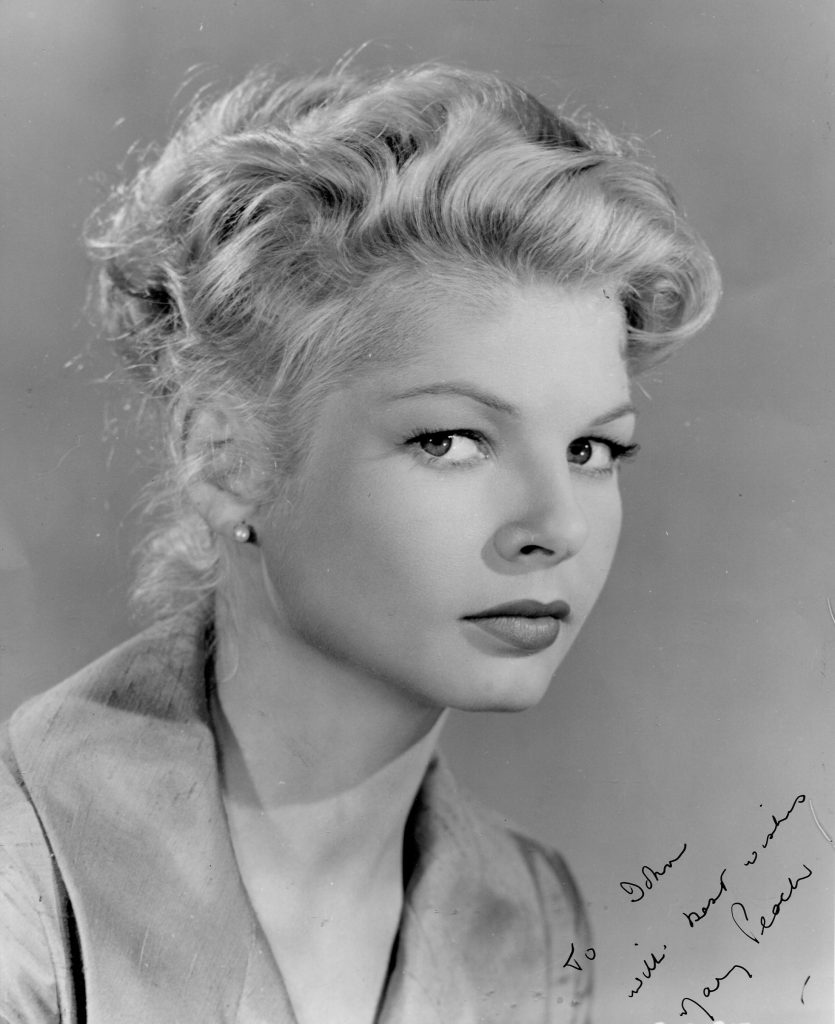
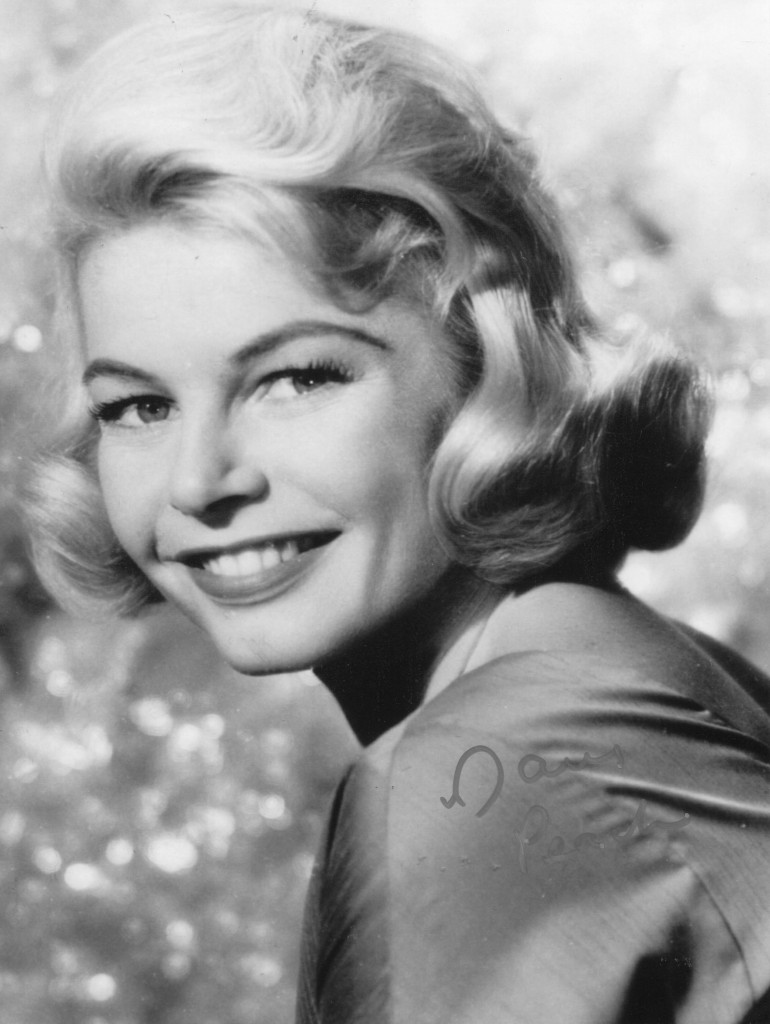
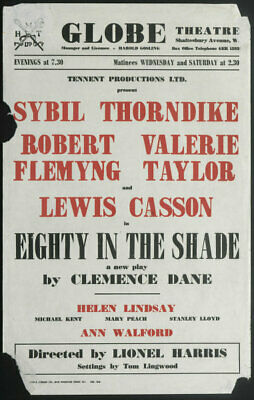
Mary Peach


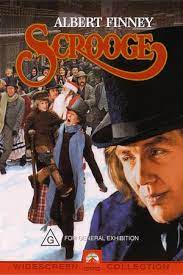
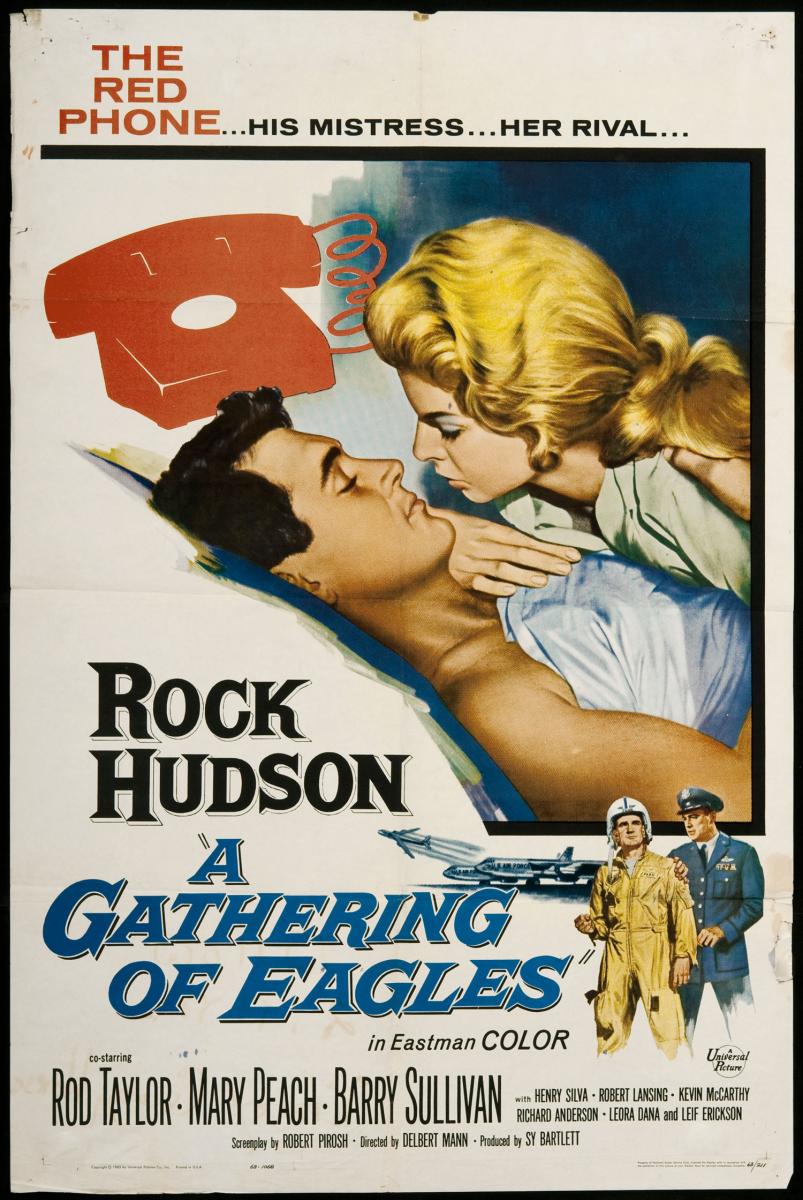
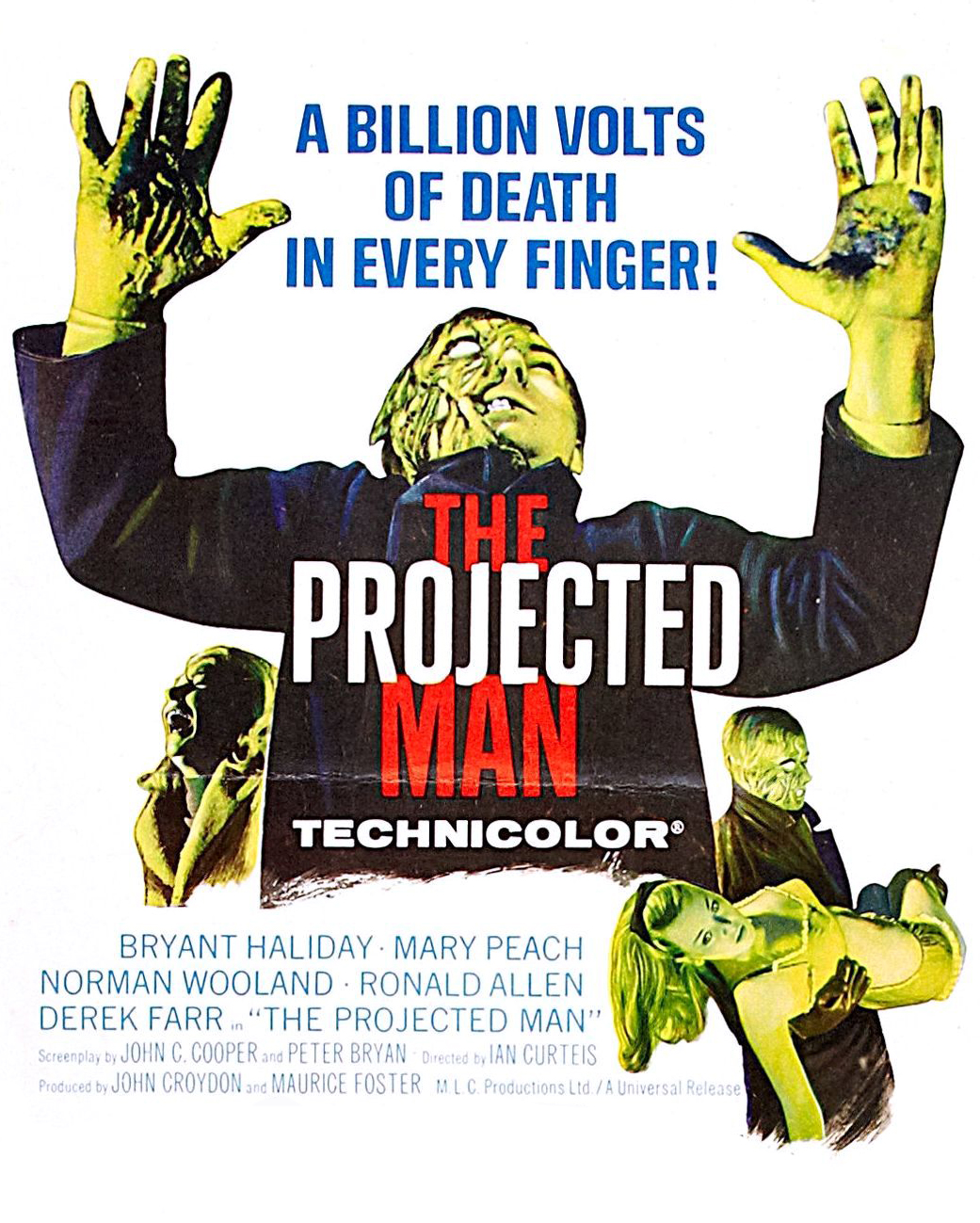
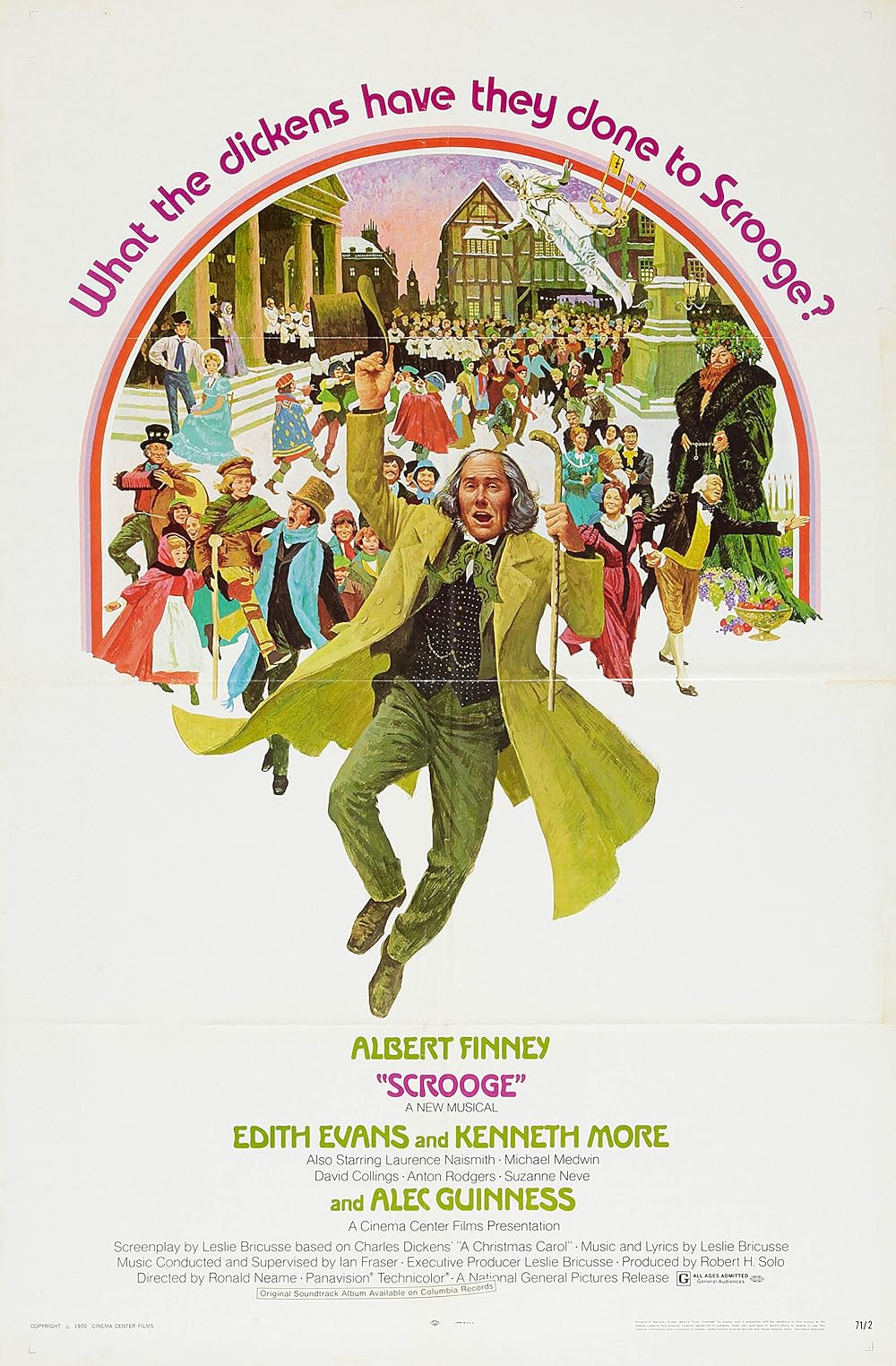
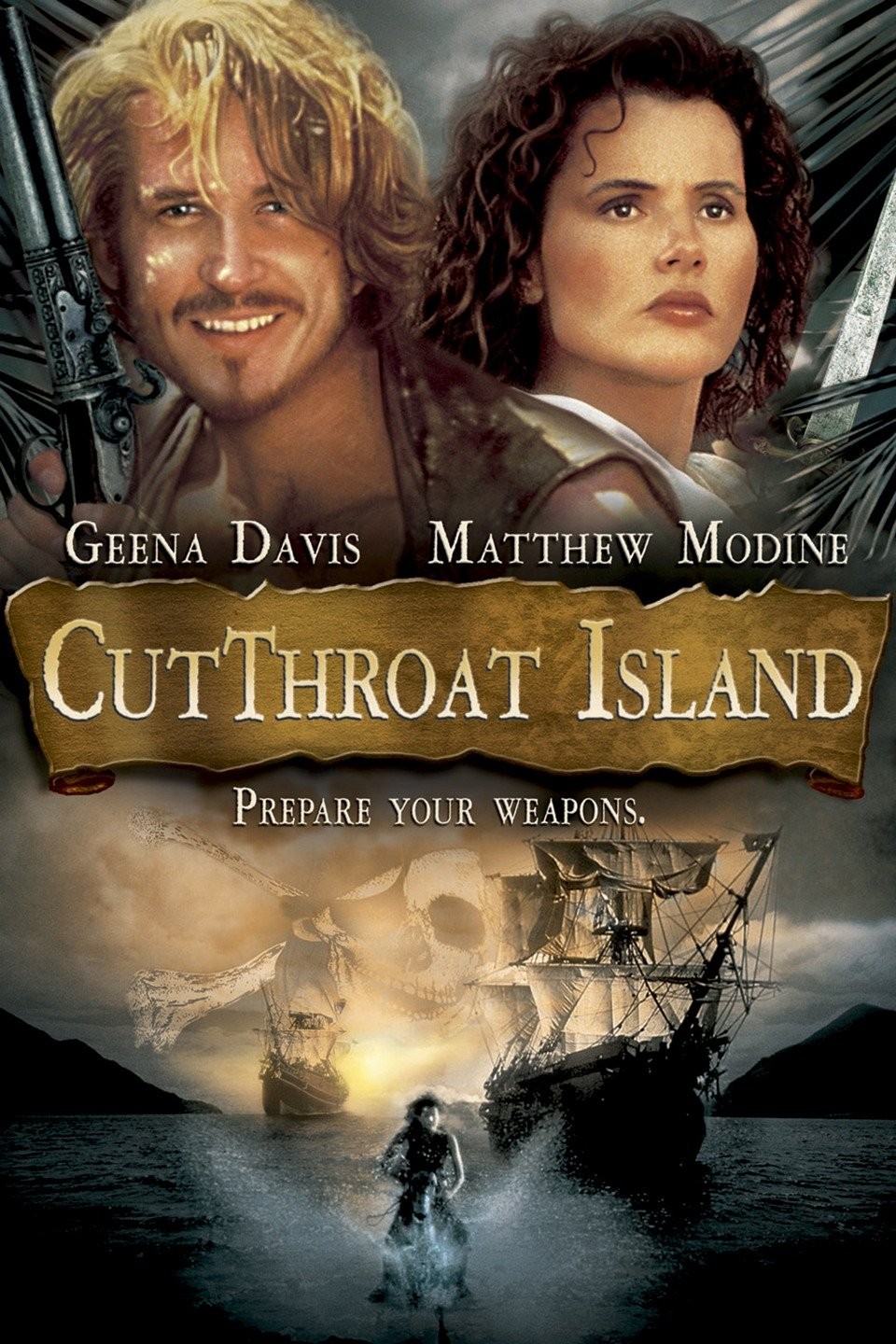
Mary Peach is a South African-born British film and television actress who was born on October 20, 1934, in Durban, South Africa. She is known for her roles in films such as Cutthroat Island (1995), Scrooge (1970), and The Projected Man (1966). She has also appeared in numerous British films and television series over the years, including A Gathering of Eagles (1963) which was made in Hollywood opposite Rock Hudson and Rod Taylor and the BBC adaptation of The Three Musketeers (1966). Peach was married to film producer Thomas Clyde from 1961 until their divorce, and they had two children together. She later married screenwriter and director Jimmy Sangster in 1995, and remained married to him until his death in 2011. Peach was also considered for the role of Steed’s new assistant in The Avengers (1961) after Diana Rigg left the show

Sadly Mary Peach passed away in January 2025 at the age of 90.

Career overview

Mary Peach (b. 1934, Durban, South Africa) is a South African‑born British film and television actress whose career (1957–1995) traced a distinctive arc from new‑wave breakthrough to reliable small‑screen versatility. Intelligent, attractive, and instinctively poised, she moved easily between romantic leads in British cinema and authoritative character work on television, her combination of warmth and composure making her a representative—and sometimes underestimated—face of post‑war British screen acting.


Early life and emergence

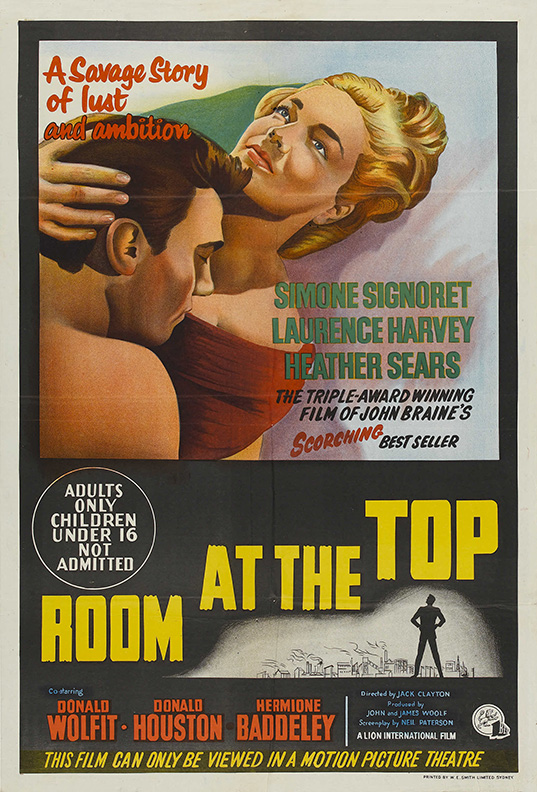
Born to South African parents and raised in Durban, Peach moved to Britain in the 1950s to study acting. Her early stage work in repertory led quickly to television appearances on Armchair Theatreand ITV Playhouse (). In 1959 she was cast in Room at the Top, the groundbreaking “kitchen‑sink” drama that helped launch the British New Wave. Her small but memorable role as June Samson earned her a BAFTA nomination for Most Promising Newcomer. That debut positioned her among a cohort of young performers—like Heather Sears and Rita Tushingham—expanding the emotional vocabulary of British social realism.


Film work and transatlantic recognition (1959–1966)

Following her debut Peach alternated between comedies and prestige dramas that showcased her natural modernity:

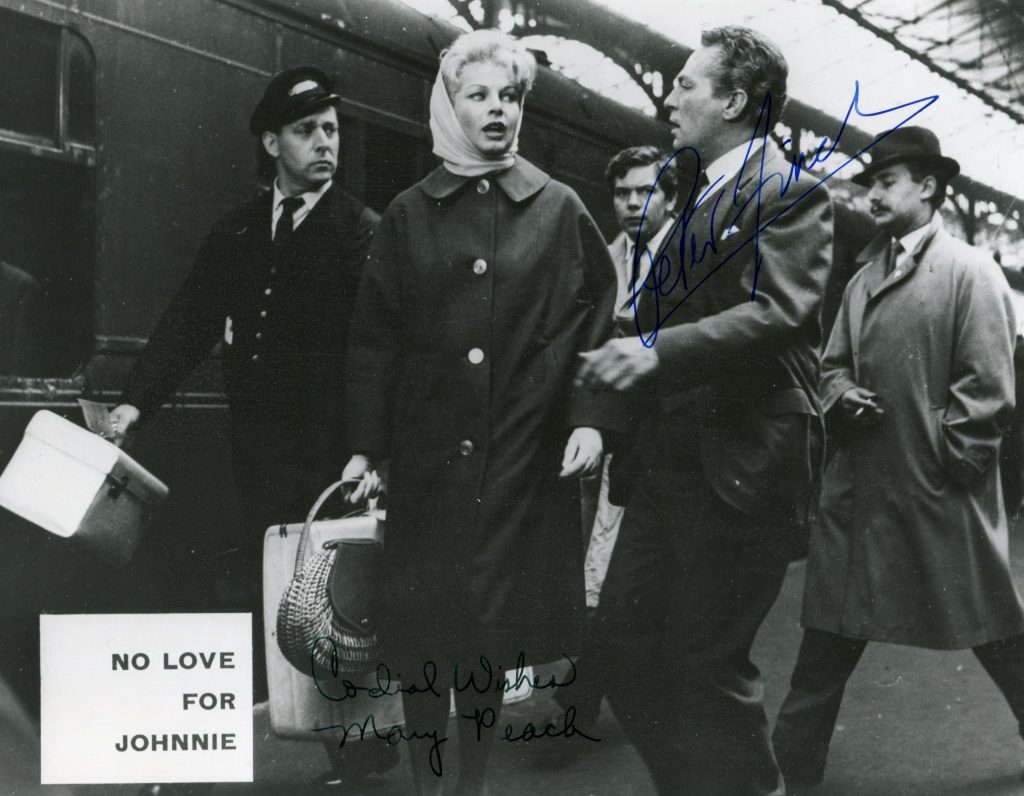
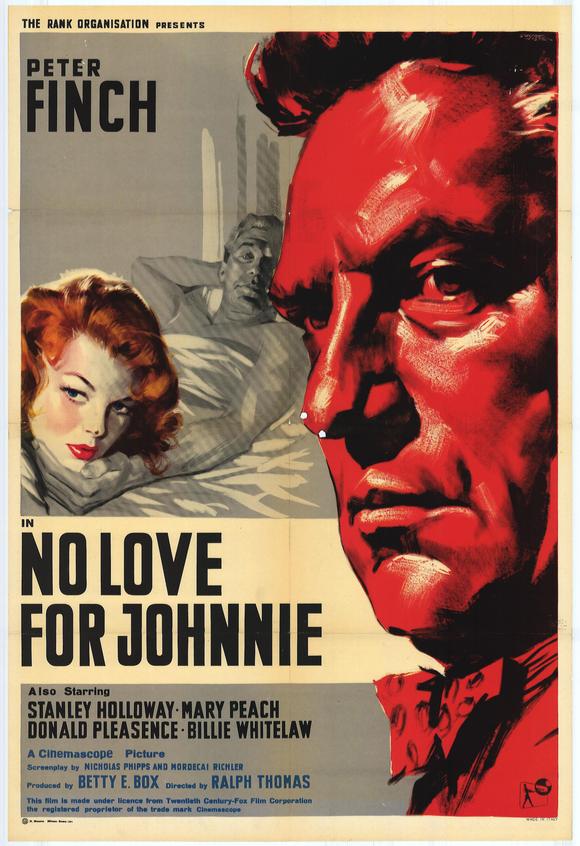
  • No Love for Johnnie (1961) – opposite Peter Finch; she gave the political melodrama its emotional ballast, playing a self‑possessed woman disillusioned by cynicism in public life.
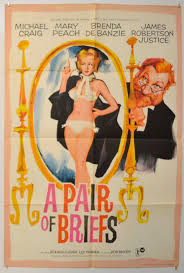
  • A Pair of Briefs (1962) – a courtroom comedy in which her mix of irony and poise made her one of British cinema’s more credible “career women” of the early 1960s.
  • A Gathering of Eagles (1963, Universal) – her Hollywood debut beside Rock Hudson as the wife of an American Air Force officer; U.S. critics cited her for “quiet authority bridging English delicacy and American directness” .
  • The Projected Man (1966) – a science‑fiction film now best known among cult audiences (and even featured on Mystery Science Theater 3000). Peach’s intelligent calm amid pulp material typified her professionalism in uneven projects.

Though never promoted as a glamour star, she struck a balance between the accessible “girl next door” and the articulate modern woman—qualities that made her one of the period’s most adaptable leading ladies.


Television prominence (1960s–1980s)

By the late 1960s Peach became a fixture of British television drama at precisely the time TV was overtaking film as the medium of quality writing in Britain. Key appearances include:

  • Astrid Ferrier in Doctor Who: The Enemy of the World (1967), notable for her resourceful, courageous characterization of a female companion figure during an era when women were rarely written with such agency .
  • The BBC’s The Three Musketeers (1966), as Milady de Winter—a role that played to her elegance and latent irony.
  • The Saint episode “The Gadget Lovers” (1967), in which she held her own as Russian spy Colonel Tanya Smolenko opposite Roger Moore’s urbane hero.
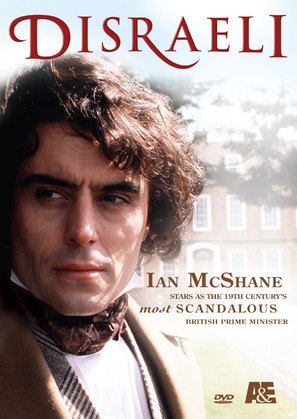
  • 1970s and 1980s miniseries such as Disraeli (1978), Fox (1980), The Far Pavilions (1984), and A.D. Anno Domini (1985), where she matured into composed matriarchal and aristocratic figures.

Television suited her disciplined craft and clarity of speech. She became one of those actors who lent prestige and steadiness to episodic drama without distracting star mannerisms.


Later career and personal life

Peach appeared sporadically in film thereafter—small parts in Scrooge (1970) and Cutthroat Island (1995) bookend her screen career—but remained a valued television presence through the mid‑1990s (). Off‑screen, she married film producer Thomas Clyde (1961–div.), with whom she had two children, and later married screenwriter‑director Jimmy Sangster, best known for his work with Hammer Films, a partnership that lasted until his death in 2011 .


Acting style and screen persona

  • Composure and intelligence: Peach’s hallmark was emotional control that hinted at complexity beneath the surface. Even in minor roles she projected thought and decisiveness.
  • Modern naturalism: Emerging from the New Wave, she rejected melodramatic affectation; her performances look contemporary even beside today’s understated styles.
  • Versatility: Equally at ease in glossy Hollywood assignments and BBC realism, she bridged two acting traditions—American immediacy and British restraint.
  • Voice and diction: Her clear, musical delivery made her ideal for period and literary adaptations.

Critical evaluation

Strengths
- Consistency and intelligence: rarely miscast, always credible.
- An ability to suggest interior conflict without overt drama.
- A remarkably smooth transition from ingénue to mature authority on television.

Limitations
- Lack of a single defining star vehicle limited public recognition.
- Her professionalism and poise sometimes read as emotional reserve, making it harder to command publicity in an era favoring showier personalities.

Nevertheless, critics and colleagues acknowledged her as an actor who raised the level of any ensemble she joined—a “working actress” in the best sense.


Legacy

Mary Peach’s career reflects the evolution of British screen acting from the late‑1950s social realism to the character‑driven television drama of the 1970s and ’80s. She occupies an important transitional place: part of the generation that replaced the old studio glamour with middle‑class candor, yet retained classical polish. Her work demonstrates how intelligence, restraint, and emotional truth produce longevity even without star hype.

In retrospection, Peach stands as a subtle craftsman of modern performance—a capable leading lady who aged into a reliable character actress, maintaining credibility and grace for nearly four decades.

Mary Peach died in 2024.

Mary Peach (1934–2025) was a British‑born South African actress whose career bridged the end of the studio‑era British film industry and the rise of 1960s–80s television drama. She is best known for her early supporting role in the landmark British “angry young man” drama Room at the Top (1959), but she went on to build a steady, varied career in both film and episodic TV, often playing intelligent, emotionally grounded women in middle‑class and professional settings.


Early career and breakthrough in Room at the Top

Born Mary E. Peach in Durban, South Africa, she moved to Britain and entered the industry at a moment when the British New Wave was beginning to reshape screen realism. Her first major film role came in Jack Clayton’s Room at the Top (1959), where she plays June Samson, the first‑sighted wife whom Joe Lampton (Laurence Harvey) abandons on his way up the class ladder. Her performance is not showy, but critics and later analyses of the film consistently note that she adds a quiet, heartfelt realism to June, making her rejection by Joe feel not just dramatic but socially and psychologically authentic.

She was nominated for a BAFTA for Most Promising Newcomer to Film, an honor that signaled her arrival as a serious screen presence rather than a glamorous type. [web|59] In the context of the film’s central love triangle, Peach’s June functions as the moral and emotional counterweight to Simone Signoret’s role; where Signoret’s character is more complex and self‑destructive, Peach’s June embodies conventional but sincere domestic values. 


1960s British films and genre work

After Room at the Top, Peach became a familiar face in mid‑budget British cinema. She appeared in No Love for Johnnie (1961), a bittersweet political drama starring Peter Finch, in which she plays Pauline, a quietly anxious, emotionally vulnerable woman caught in the orbit of a self‑absorbed MP. Critics often describe her work in this period as “unobtrusive but affecting”: she does not dominate the frame, but she underlines the emotional cost of the male anti‑hero’s trajectory.

Other notable 1960s film roles include:

  • A Pair of Briefs (1962), a light‑heart bartender‑bedroom farce in which she plays Frances, one of several middle‑class women whose lives intersect with postwar consumer‑driven fantasy.

  • A Gathering of Eagles (1963), a Cold‑War‑era US Air Force drama with Rock Hudson, where she plays Victoria Caldwell, the wife of a bomber‑commander coping with military‑family pressures.

  • Ballad in Blue (1965), a jazz‑centred drama around blind pianist Ray Charles, in which she plays Peggy Harrison, supporting Charles’s character without sentimentalizing his blindness.

  • The Projected Man (1966), a British sci‑fi/horror film about a scientist who becomes a glow‑eyed, disfigured monster, in which she plays Dr. Patricia Hill, a rational, morally ambivalent colleague.

From a critical‑analysis standpoint, her work in the 1960s shows a pattern of pairing with strong male leads while playing women who are observant, anxious, and often quietly constrained by social expectations. In the sci‑fi and genre pieces, she helps anchor the speculative material with a naturalistic domesticity, making the films feel more grounded than they might otherwise be.


Television and stage‑style small‑screen work

From the mid‑1960s onward, Peach became increasingly active on British television, where she found a longer‑term home than in the fluctuating film industry. She appeared in episode after episode of anthology and series drama such as ITV Sunday Night TheatrePlay for TodayLove Story, and Menace, often playing middle‑class wives, mothers, or professional women in morally fraught or emotionally charged situations.

She was also a regular or recurring presence in series such as:

  • Couples (1976), a relationship‑driven drama where she played Tricia Roland, a woman navigating modern marital and romantic dilemmas.

  • The Three Musketeers (BBC, 1966–67), a ten‑episode serial adaptation in which she appeared in multiple roles, displaying a comfortable stage‑like presence in costume drama.

  • The Saint (episode “The Gadget Lovers”, 1967), where she played Colonel Tanya Smolenko, a Russian counter‑espionage agent, briefly stepping into 1960s spy‑drama glamor while still holding on to her more naturalistic style.

Critics and fans of British TV drama of this period often single her out as a “reliable character actress” who could bring emotional weight to a single episode without over‑acting or dominating the ensemble. In Play for Today‑style social‑realist pieces, in particular, her restrained delivery and middle‑class vocal precision made her ideal for roles that required psychological nuance rather than melodrama.


Later work and ScroogeCutthroat Island

In the 1970s and beyond, Peach continued to move between film and television, including a notable role in the 1970 musical adaptation Scrooge, starring Albert Finney. She plays Harry’s wife, a small but warmly observed part that underlines the film’s domestic‑values theme without drawing attention away from the central performance. Critics of the film tend to note that these supporting roles—often played by actors like Peach—are what give the Christmas fantasy a sense of authentic middle‑class life.

Her later film work culminated, somewhat incongruously, with a role in the 1995 action‑adventure Cutthroat Island, starring Geena Davis. Here she plays a minor aristocratic “Lady” figure, more a period‑dress cameo than a substantial character; in that context, she functions as a quietly solid presence amid the film’s over‑scaled spectacle and box‑office notoriety. Viewers and commentators often read her late‑career appearances as a kind of bookend: from the restrained realism of Room at the Top in the late 1950s to the flamboyant, effects‑driven pirate‑film conclusion in the 1990s, her career thus traces a quiet arc through changing British and international genre tastes.


Critical reputation and performance style

Critically, Mary Peach is generally regarded as a serious, under‑celebrated character actress whose peak came early but whose work remained consistently professional and emotionally truthful. She is rarely described as a glamour star or a naturalistic “method” powerhouse, but rather as a planted, middle‑class presence who could convey anxiety, duty, and quiet resilience without fuss.

Her typical style is low‑volume and verbally precise, relying more on facial nuance and vocal shading than on dramatic gestures. This makes her especially effective in social‑realist drama and in genre films where the audience must believe in the “normal” world that the plot eventually upends. In that sense, her career represents a kind of behind‑the‑scenes backbone of postwar British screen culture: she never became a household name, but her repeated appearances in key films and TV plays make her a quietly important figure in the texture of British drama across four decades

Reasons for her career decline after the 1960s

Mary Peach’s career did not collapse after the 1960s so much as gradually shift from regular leading‑supporting roles in mid‑budget British films to more sporadic, often smaller parts in film and television, with fewer high‑profile vehicles. Several overlapping factors help explain why her visibility declined from the 1970s onward.


Typecasting and shifting star systems

Peach became associated with a particular kind of “middle‑class Englishwoman” on screen—intelligent, slightly anxious, emotionally grounded—which served her well in social‑realist dramas but offered limited range as genres and tastes changed. By the 1970s, British cinema and TV were moving toward younger, more rebellious, or more overtly sexy types, and her poised, mature presence was less in demand than it had been in the late 1950s and 1960s.

At the same time, the old studio‑era and early‑New‑Wave structures that had sustained character‑lead roles like hers were fragmenting; producers favoured either younger unknowns or established stars, leaving experienced but non‑headlining actors like Peach with fewer substantial offers.


Age, changing roles, and industry bias

As she moved into her 40s and 50s, the kinds of roles available to women in British film and TV narrowed, especially in leading‑woman positions. Many of the scripts that had once cast her as a wife, mother, or colleague in emotional dilemmas were now going to younger actresses, while older‑woman roles remained underwritten or stereotyped. Peach continued to work, but her parts became briefer and more functional (e.g., supporting wives, aristocratic cameos, or one‑off TV‑drama guest roles).

There is also evidence that, like many actresses of her generation, she was quietly sidelined once she was no longer seen as “romantic lead” material, even though she remained a capable and credible performer. In later films such as Scrooge (1970) and Cutthroat Island(1995), her function is more of a reliable, low‑drama presence than a character driving the narrative, which reflects a broader industry pattern of using older actresses as background “normality” rather than central figures.


Market and personal choice in television work

Although her film roles thinned, Peach remained active in British television through the 1970s and 1980s, appearing in series such as Couples and anthology dramas like Play for Today. These jobs often paid less and were less visible nationally than the films that had first made her name, so her public profile waned even as she continued working.

There is no clear documentation that she “retired” early or withdrew from the industry of her own accord; instead, the pattern suggests a professional drift: fewer offers, increasingly smaller parts, and gradual absorption into the broad pool of recurring British TV character actors rather than a maintained lead‑or‑support status. In that sense, her decline is less about a single dramatic exit and more about the quiet erosion common to many non‑A‑list actresses once the 1960s film‑production model faded and demographics shifted

Mary Peach’s marriage to Jimmy Sangster, the prolific Hammer‑Horror scribe and director, had a subtle but real impact on her career: it placed her within the orbit of British genre cinema and gave her professional stability, but it did not translate into a sustained rise in star status or a major shift in the kinds of roles she was offered. They married in 1966 (she his third wife), after his earlier marriage to Monica Hustler ended, and remained together for the rest of his life.


Network and project access

Sangster was one of the key architects of Hammer Films’ early horror and thriller cycle, having written classics like The Curse of FrankensteinHorror of Dracula, and many follow‑ups, as well as later directing films such as The Horror of Frankenstein and Lust for a Vampire. As his wife, Peach operated in the same milieu—British studio‑based genre and television production—giving her easy access to scripts, executives, and crew familiar with her work.
However, she did not become a “Hammer regular” or a horror‑movie lead in the way that might be expected from such a union. Her post‑1960s roles were still scattered across mainstream drama, TV, and occasional odd‑genre items rather than a concentrated run of Hammer‑style parts, suggesting that Sangster’s influence helped maintain her professional contacts more than it reshaped her casting profile.

Career impact: stability but not type‑reinvention

Biographical notes emphasize that Peach and Sangster lived together in London and that she was his longtime, surviving spouse, framing her life as more domestic and quietly professional than that of a high‑flying, self‑promoting star. In that context, marriage to a working‑class‑background Welsh writer turned genre‑studio figure likely gave her financial and emotional security, which may have reduced pressure to chase big‑budget, image‑driven vehicles later in her career.
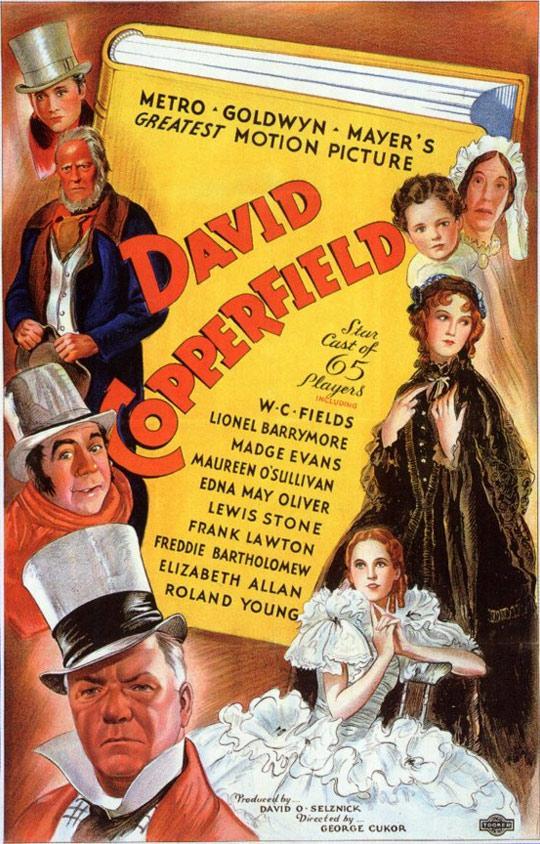
Critically, this can be read as a double‑edged situation:

  • Positive aspect: She remained in a supportive marriage to a respected writer and director, which insulated her from some of the worst aspects of the “declining actress” narrative and allowed her to keep working steadily in TV and smaller‑scale films.

  • Limiting aspect: She did not use her connection to Hammer or genre circles to rebrand herself as a major horror or thriller star, so her fame never ballooned in the way that might have offset the age‑related narrowing of roles in the 1970s.

In sum, her marriage to Jimmy Sangster seems to have contributed less to a dramatic boost in her career than to a steady, somewhat protected, behind‑the‑scenes continuation of it within the same British‑film‑and‑TV ecosystem she had already occupied