Tony Osoba was born in Glasgow in 1947. He has guest starred in most of the popular British television series since the 1970’s including “The Professionals”, “Dempsey and Makepeace”, and “Between the Lines”. He starred with Ronnie Barker and Richard Beckinsale in TV’s “Porridge”. His films include “Game for Vultures” in 1979 with Richard Harris and Joan Collins and “Who Dares Wins” i 1982 with Richard Widmark and Lewis Collins. His website here.
IMDB Entry:
Tony Osoba was born in Glasgow, Scotland, and has become a familiar face to TV audiences in a career spanning more than 30 years. Tony joined the RSAMD at the age of 18 in Glasgow. His breakthrough role came in 1974 when he starred opposite Ronnie Barker in the popular BBC sitcom ‘Porridge’. Tony played in-mate Jock McLaren throughout the 3 seasons of the show, as well as appearing in the first episode of the follow-up series ‘Going Straight’ in 1978 and starring in the film version of Porridge in 1979.
During his career he has made more than 200 television appearances, including ‘Doctor Who’ opposite Tom Baker in the 1979 story ‘Destiny Of The Daleks’, and later in the 1987 story ‘Dragonfire’, with Sylvester McCoy. In 1985, Tony starred as Det. Sgt. Chas Jarvis in all three seasons of the Drama series ‘Dempsey & Makepeace’, and later joined the cast of ‘Coronation Street’ in 1990 as Peter Ingram. In the 1990s, he appeared in programmes such as ‘The Bill’, ‘Taggart’, ‘Bugs’ and ‘Holby City’. Tony has also had a successful career on the stage, and recently starred in a major UK Theatre Tour of Rodger & Hammerstein’s ‘The King & I’ in 2005.
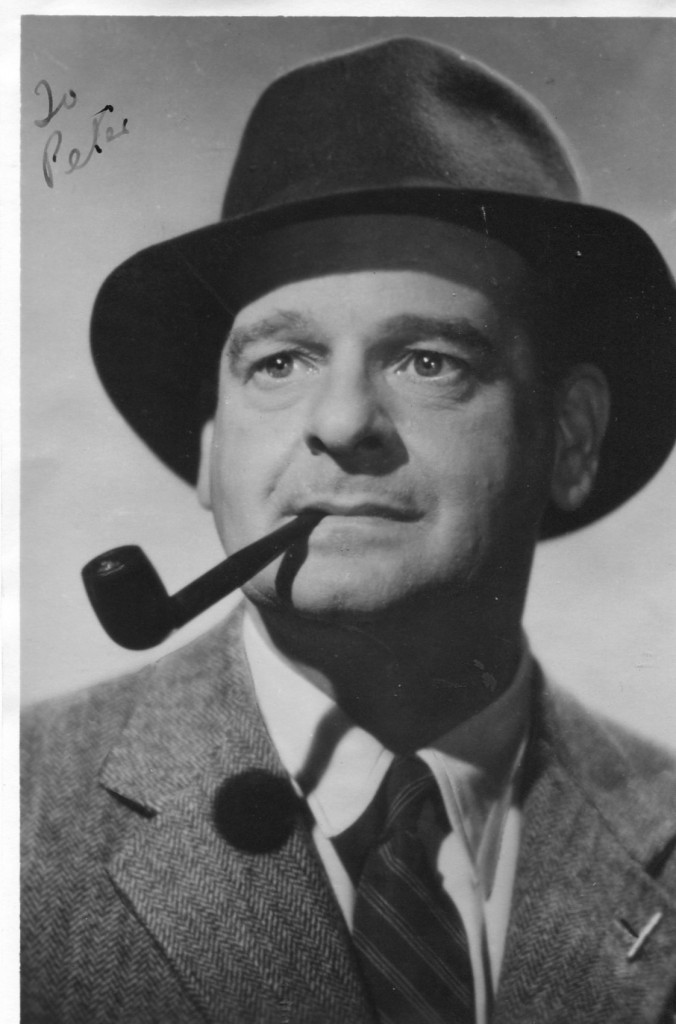
Walter Fitzgerald was a distinguished British character actor. He was born in 1896 in Devon. His first film was in 1932 in “Murder In Covent Garden”. His cinema highlights include “In Which We Serve”, “San Demitro, London”, “The Fallen Idol” and “Treasure Island”. He went to Hollywood in 1959 to make “Darby O’Gill and the Little People” for Walt Disney. He died in 1976 in London at the age of 80.
Square-jawed, balding British character actor who usually played authority figures and men of integrity. In his youth, he was briefly active on the Stock Exchange before training at RADA for an acting career. Began on stage in 1922, in films ten years later. His best spell was from the mid-1940’s, notably as Dr. Fenton The Fallen Idol (1948) and Squire Trelawney in Treasure Island (1950).
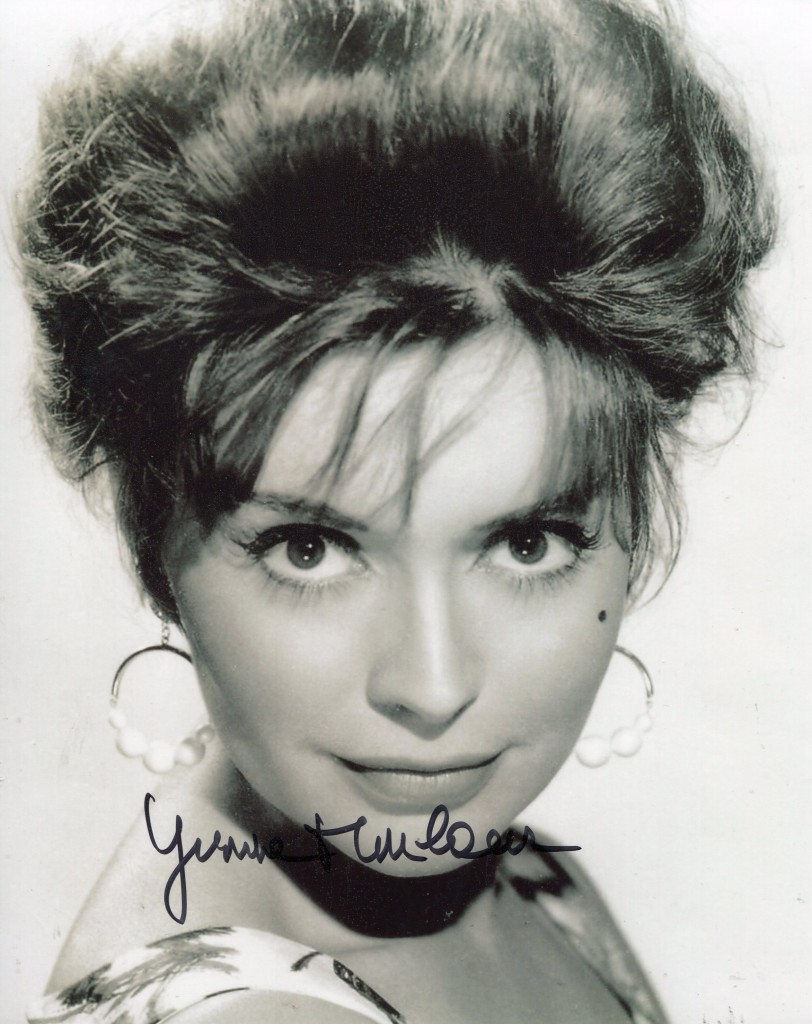
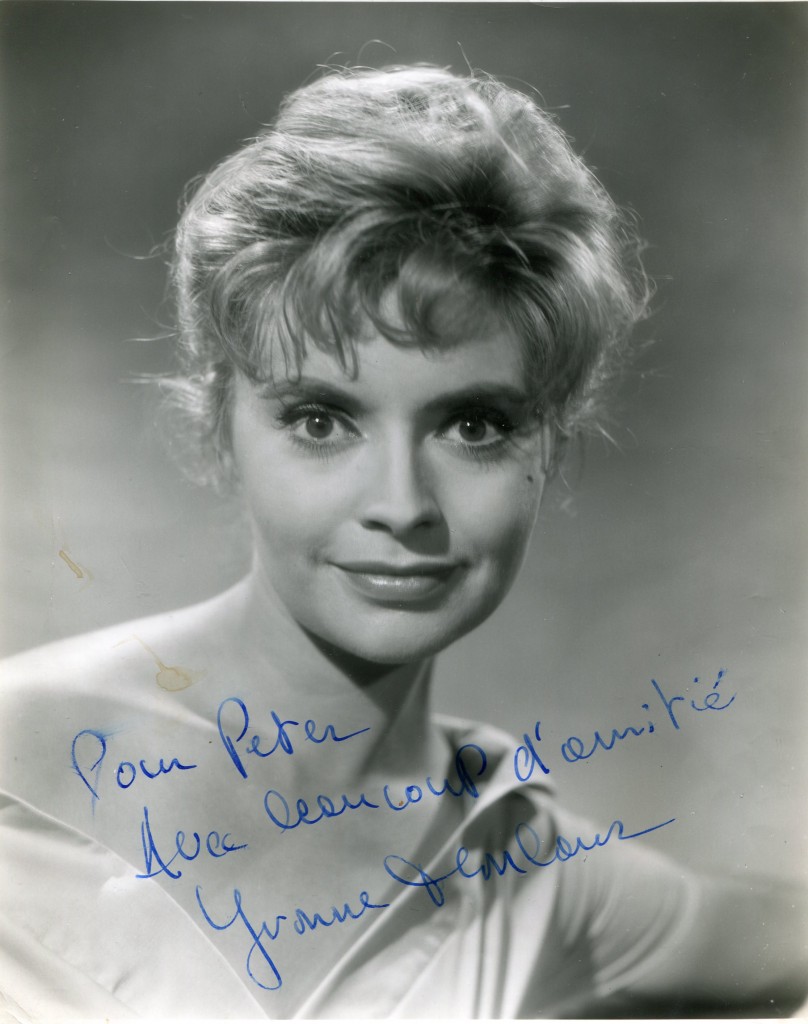
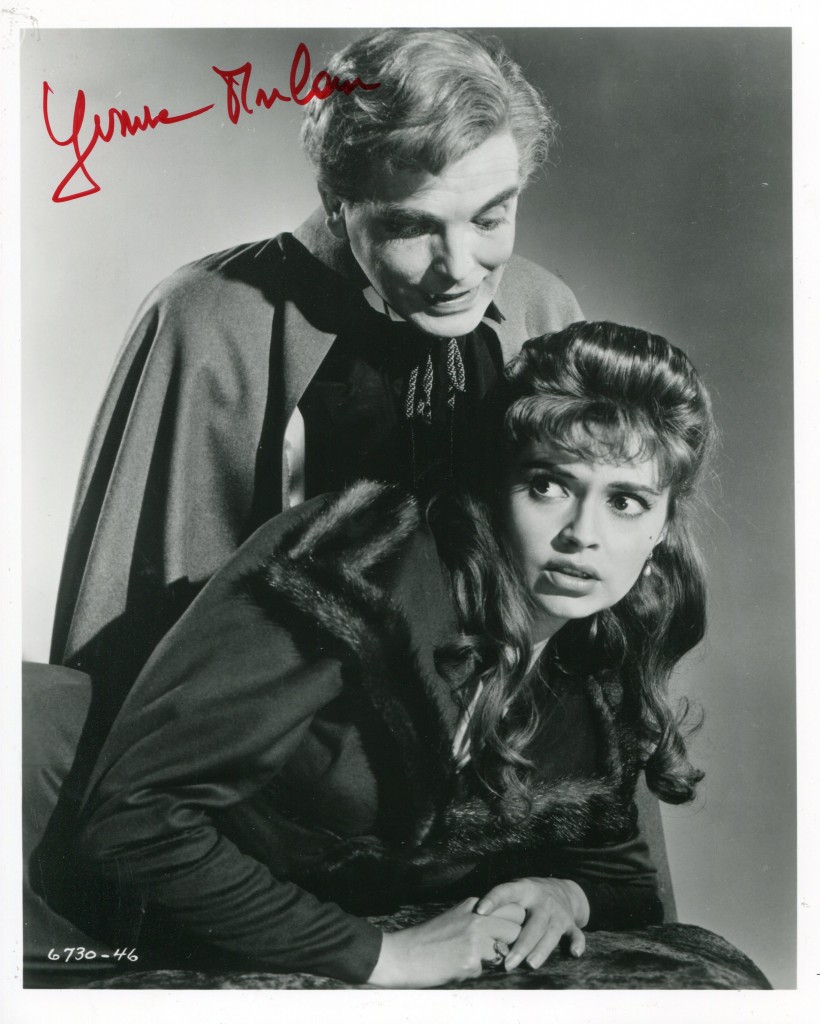
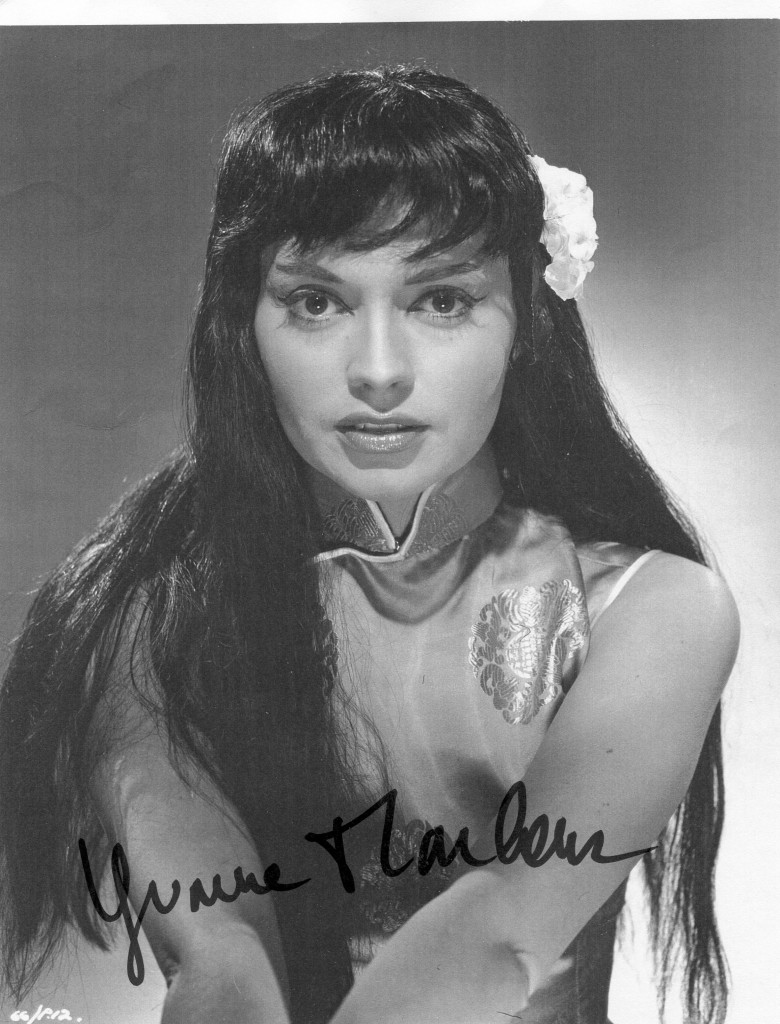
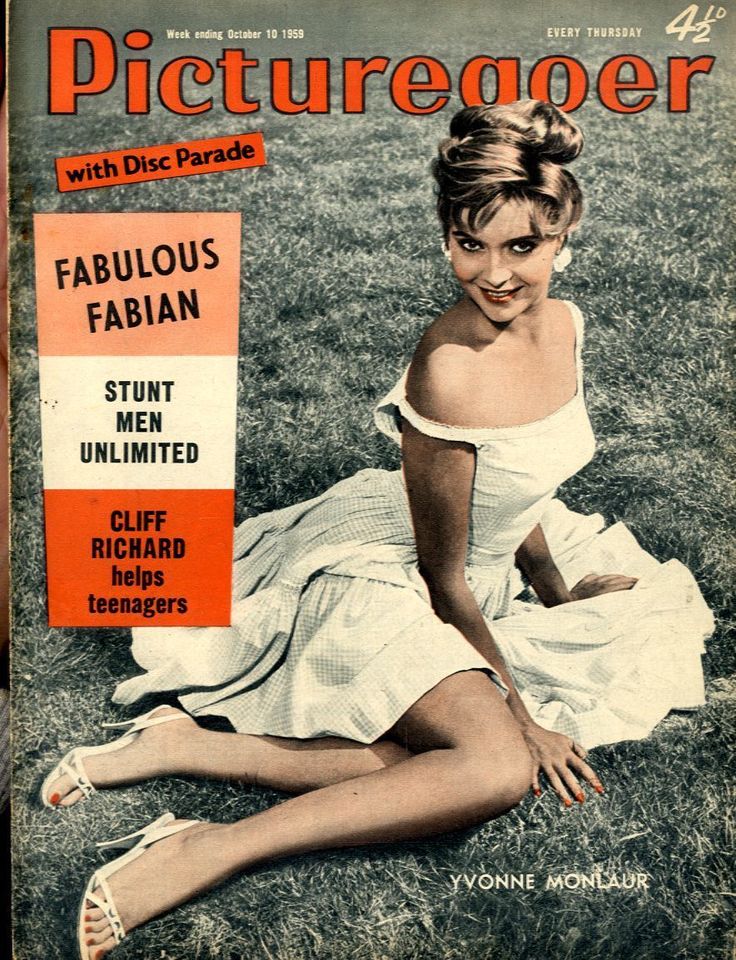
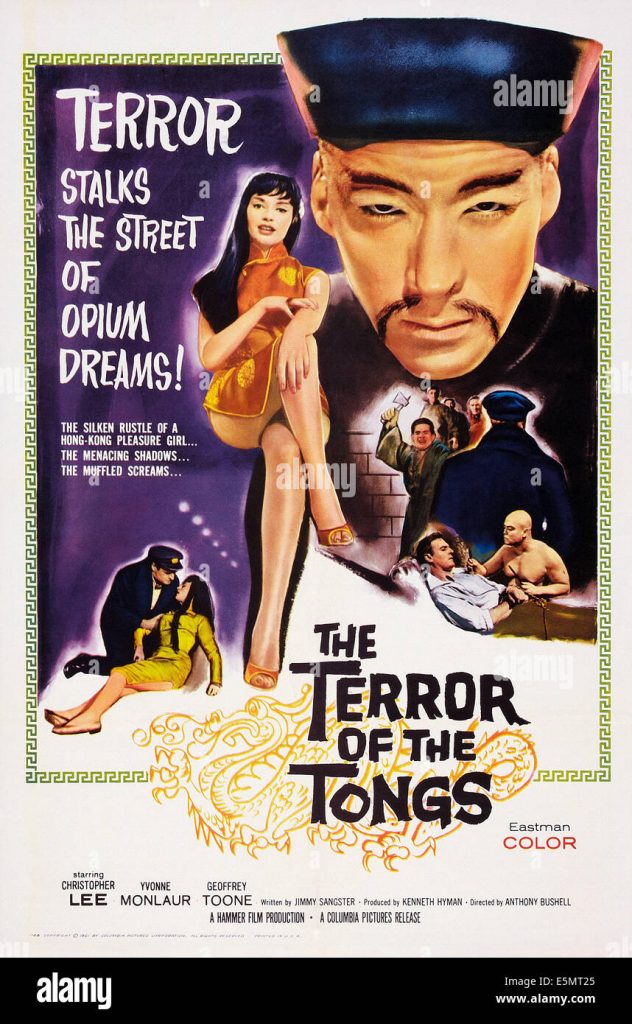
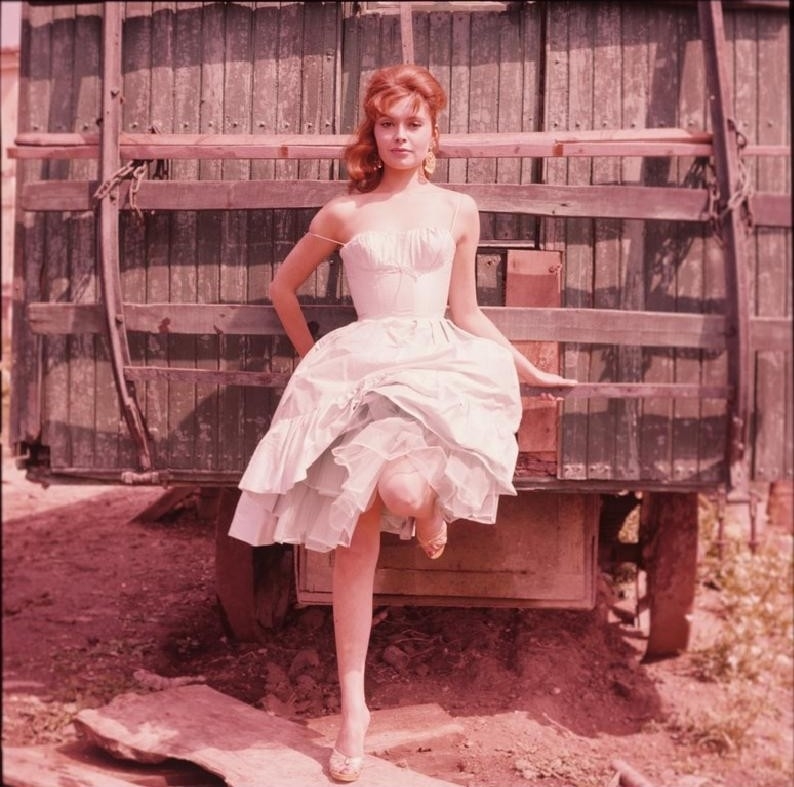
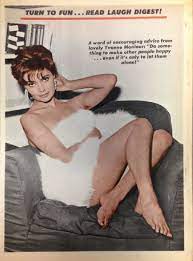
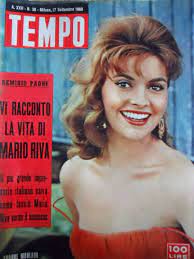
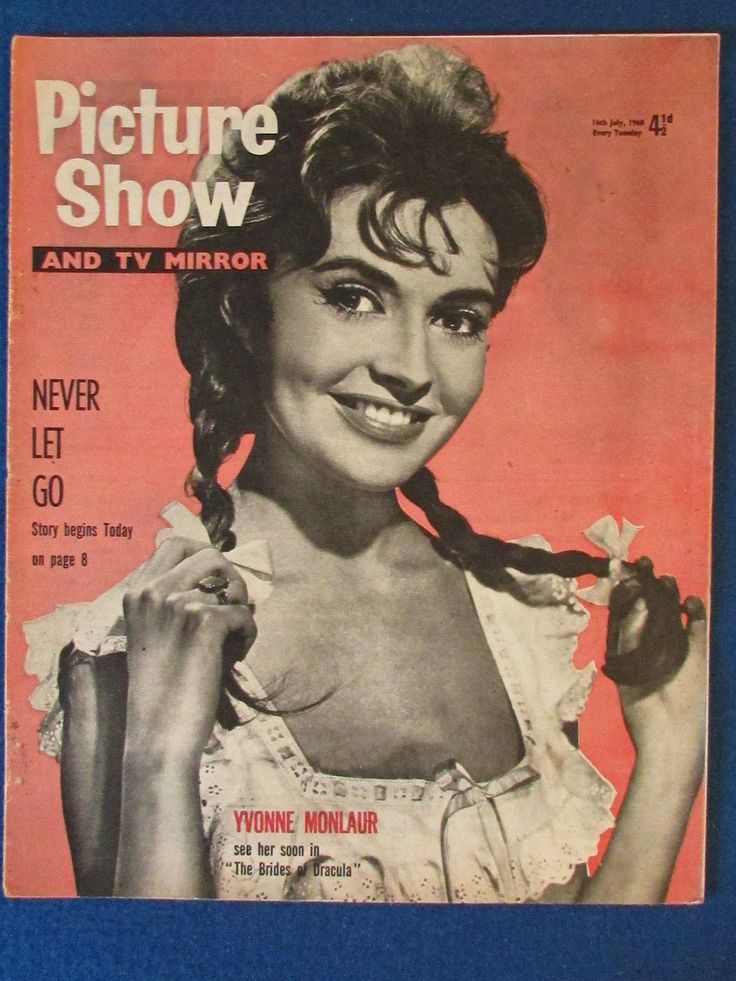
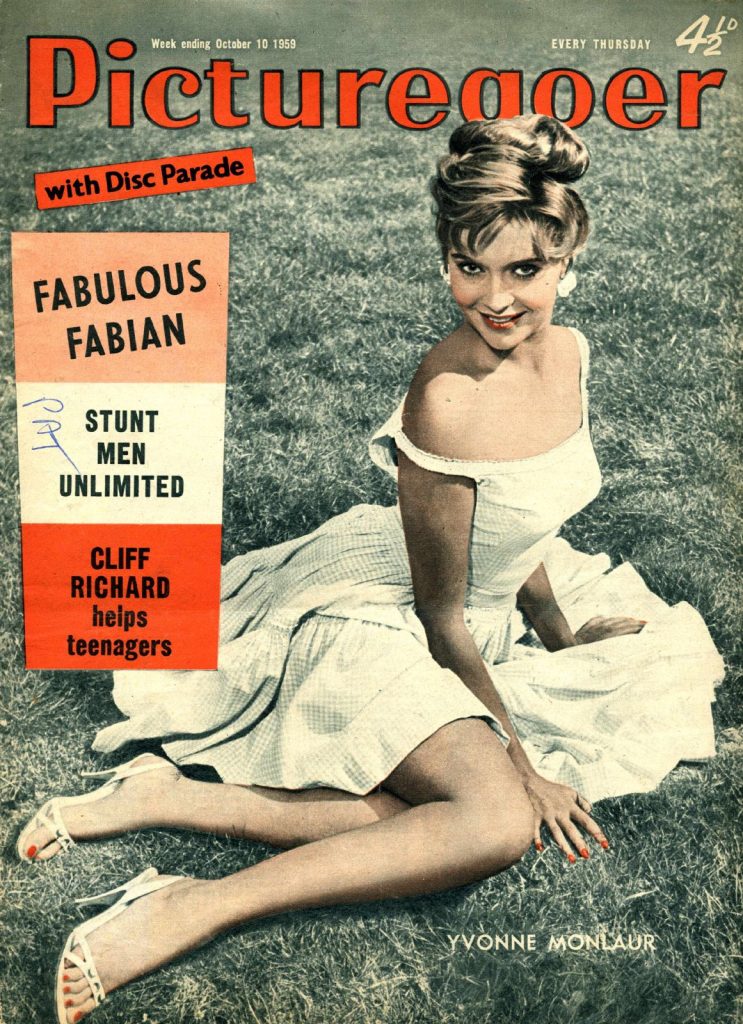
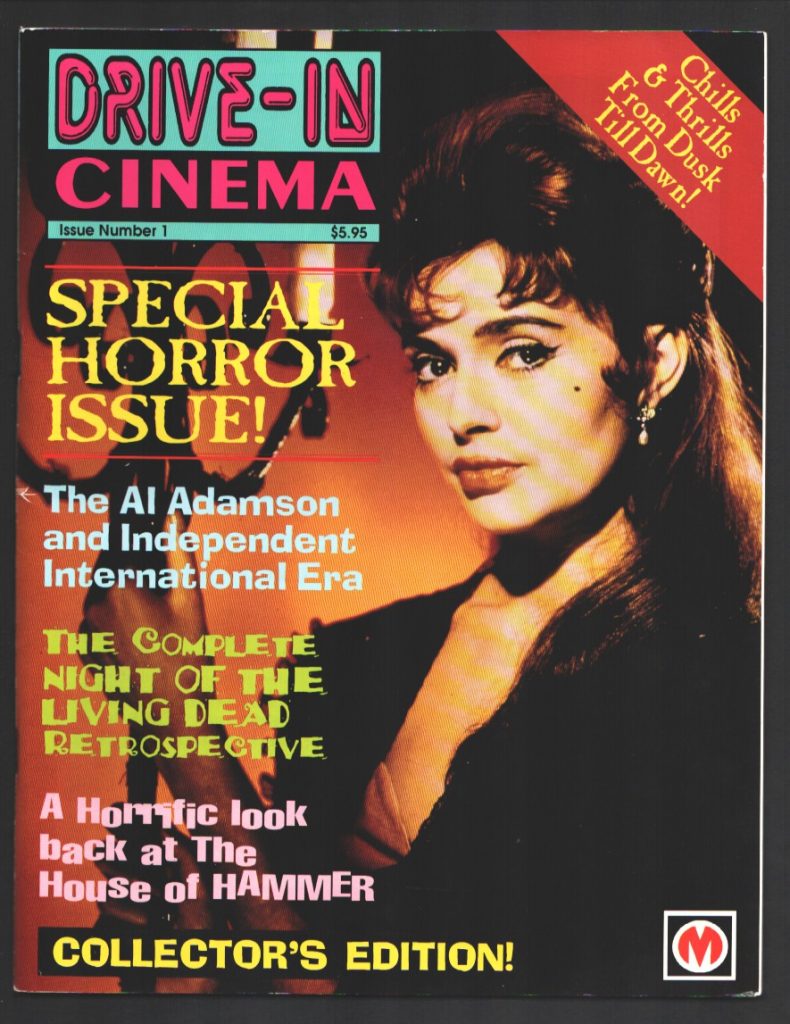
By Steve Vertlieb: Yvonne Monlaur was the young, fabulously lovely, sweetly innocent French actress who co-starred with Peter Cushing in Hammer Films’ classic vampire thriller Brides Of Dracula (1960), directed by Terence Fisher, and appeared opposite Christopher Lee in Hammer’s Terror of the Tongs (1961).
She was a sweet, gentle lady who cherished her fans, and was ever grateful for the opportunities that she’d been given. Yvonne, and dear friend Veronica Carlson introduced me from the stage when I presented the posthumous “Laemmle” life achievement award to Bernard Herrmann (accepted by his daughter, Dorothy) at the wonderful Fanex monster film convention in Crystal City, Virginia in 2000.
She was always the most gracious, kind, and humble actress that you’d ever wish to meet. Yvonne passed away, sadly, this past week on Tuesday, April 18th, at age 77.
Her gentle presence will be missed by all of us who frequented these events, but her radiant beauty and generosity of spirit will live on in her many screen appearances, as well as in the joyful memories of those of us fortunate enough to have met, and known her. May God rest her tender soul.
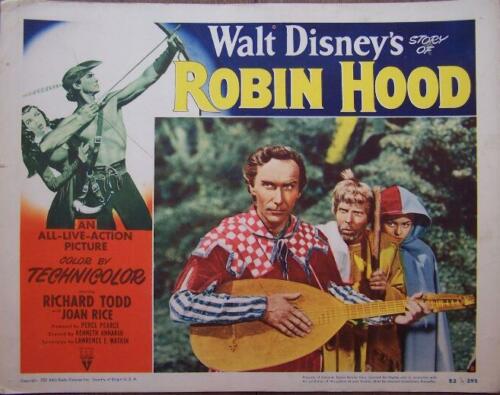
Elton Hayes was a British guitarist/singer and actor. He was born in 1915 in Bletchley. He served in India during World War Two. After the War he began a career on radio principally on “Children’s Hour”. Two of his best-loved songs are Edward Lear’s “The Owl and the Pussycat” and”The Gypsy Rover”. His films include Walt Disney’s “The Story of Robin Hood and his Merrie Men” in 1952 where he played Alan-a-Dale and “The Black Knight” which also starred Alan Ladd and Patricia Medina. Elton Hayes retired from performing at an early age and took up farming. He died in 2001.
Good article on Elton Hayes in “Films of the Fifties” can be accessed here.
Elton Hayes (1915–2001) was a unique figure in the post-war British entertainment landscape—a “singing actor” who successfully revived the medieval tradition of the wandering minstrel for a 20th-century audience. While he is most famous for his definitive portrayal of Alan-a-Dale in Disney’s The Story of Robin Hood and His Merrie Men (1952), a critical analysis of his work reveals a sophisticated musician who used the “small” medium of early television to master a lost art of intimate storytelling.
I. Career Overview: The Modern Troubadour
Act 1: The “Small-Screen” Pioneer (1940s)
After serving in the Royal Army Ordnance Corps during WWII, Hayes became a breakout star on early BBC television. He was famously known for “He Sings to a Small Guitar,” a segment where he performed folk songs and 19th-century poems set to his own music. His “small guitar” was actually a custom-made small-bodied Spanish guitar, which became his visual and sonic trademark.
Act 2: The Disney Peak (1952–1955)
Hayes achieved international stardom when Walt Disney cast him in the live-action epic The Story of Robin Hood and His Merrie Men. Not only did he act, but he also composed and performed the film’s musical interludes. He followed this with another high-profile role in The Black Knight (1954) opposite Alan Ladd.
Act 3: Retirement and the Rural Life
By the late 1960s, as the musical landscape shifted toward rock and roll, Hayes largely retired from the professional stage. He retreated to a farm in Suffolk, where he became a respected breeder of horses and livestock, though he occasionally surfaced for radio broadcasts that celebrated the folk tradition he helped popularize.
II. Critical Analysis: The Minstrel Aesthetic
1. The Subversion of the “Musical” Hero
In the 1950s, musical leads were typically booming baritones (like Howard Keel) or brassy tenors. Hayes offered a radical alternative: vocal intimacy.
The Technique: Hayes possessed a light, conversational tenor. He didn’t “belt” to the back row; he sang as if he were whispering a secret to the person sitting next to him.
Critical Impact: In Robin Hood, his portrayal of Alan-a-Dale provided the film’s “heart.” Critics noted that while the rest of the film was a boisterous action-adventure, Hayes’s musical moments acted as a lyrical breather, grounding the mythic heroics in a sense of genuine folk history.
2. The Guitar as a Narrative Tool
Unlike the “singing cowboys” of American cinema who used guitars as props, Hayes was a technically proficient musician who used the instrument to drive the narrative.
The “Lute” Surrogate: By using a small-bodied guitar, Hayes mimicked the timbre of a medieval lute. Critically, he is viewed as a bridge between the “Early Music” revival and mainstream pop. He made the 15th-century aesthetic accessible to a 1950s housewife or a child in a cinema seat.
Performance Style: He was a master of the rubato—the slight speeding up and slowing down of tempo for emotional effect. This gave his performances a “live,” improvisational feel that felt more authentic than the over-produced studio recordings of the time.
3. The “Gentle” Masculinity
Hayes represented a very specific post-war British archetype: the “gentle scholar-adventurer.”
Analysis: At a time when masculine archetypes were either “hard-boiled” or “slapstick,” Hayes’s Alan-a-Dale was poetic, sensitive, and observant. Critics have retrospectively analyzed his screen presence as a precursor to the “folk-rock” sensitivity of the late 1960s. He proved that a man could be a “Merrie Man” without being a brawler.
III. Major Credits and Discography
Work
Medium
Role / Song
Significance
The Story of Robin Hood… (1952)
Film
Alan-a-Dale
His most iconic role; defined the “Minstrel” trope for Disney.
The Black Knight (1954)
Film
The Minstrel
Solidified his status as the go-to actor for period musicality.
“The Owl and the Pussycat”
Recording
Singer/Composer
A beloved setting of Edward Lear’s poem that stayed in print for decades.
Elton Hayes Sings
Radio/TV
Host/Performer
The blueprint for “unplugged” intimate musical broadcasting.
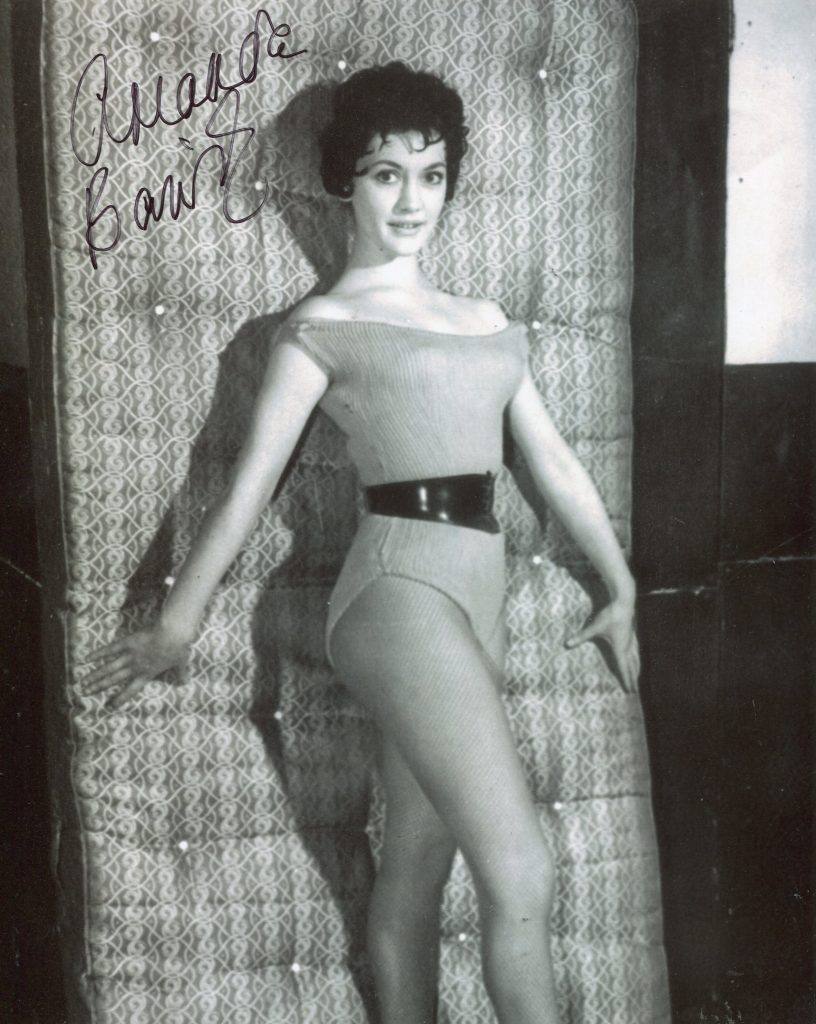
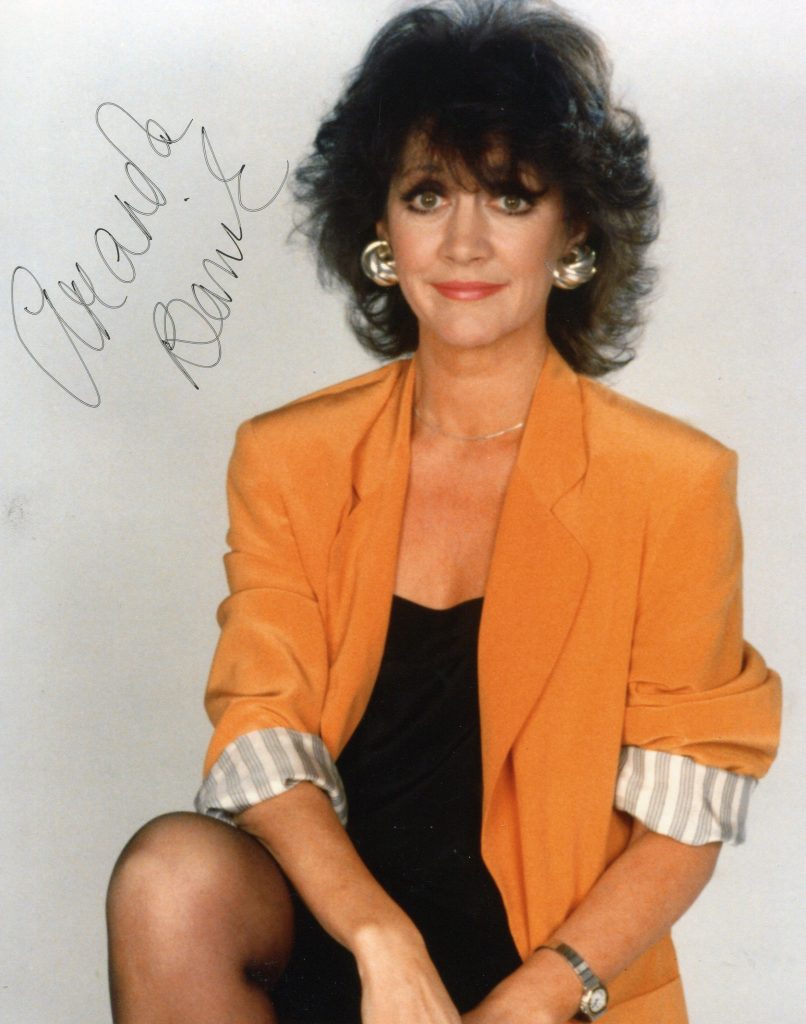
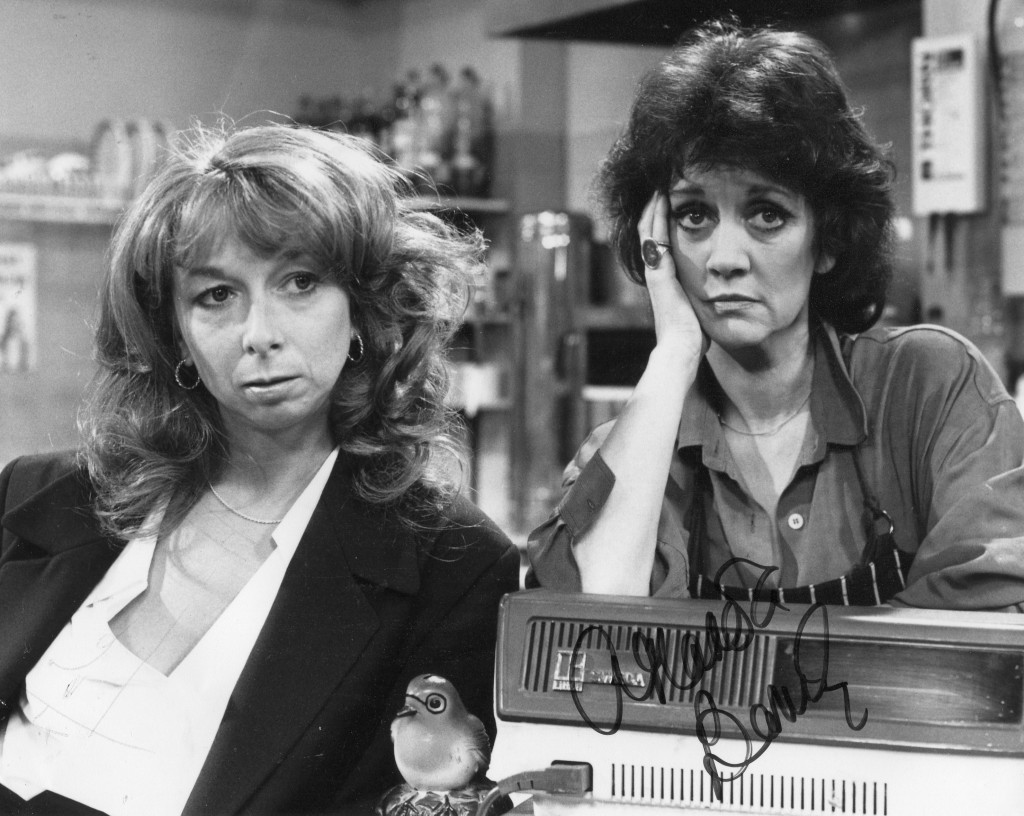
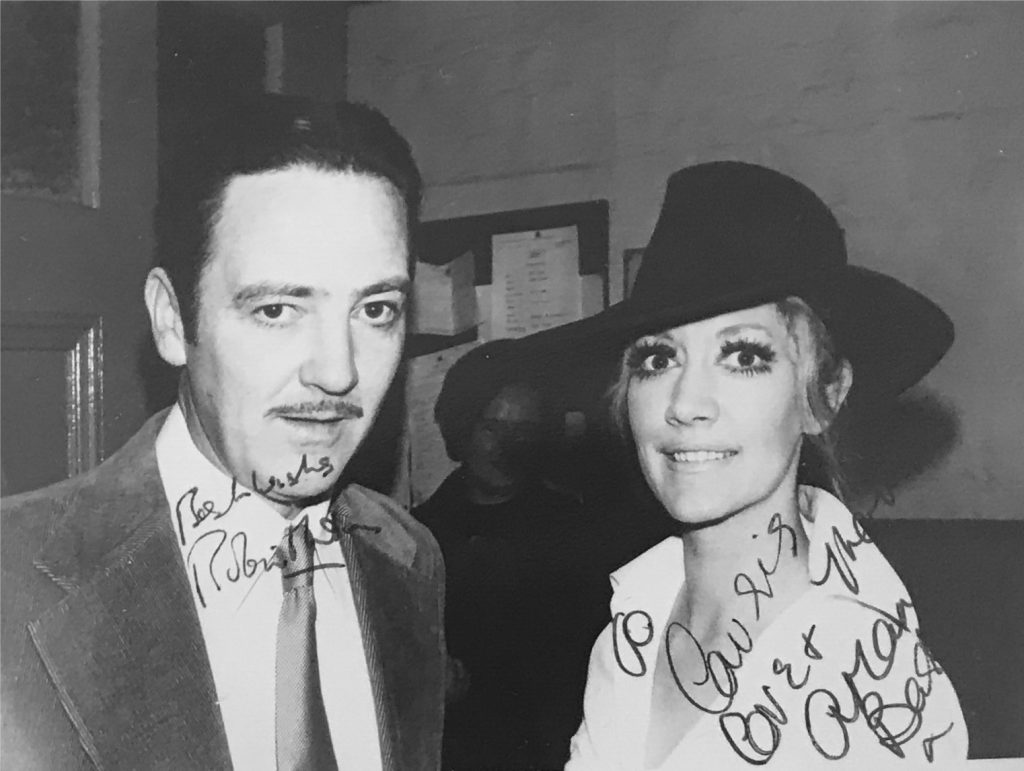
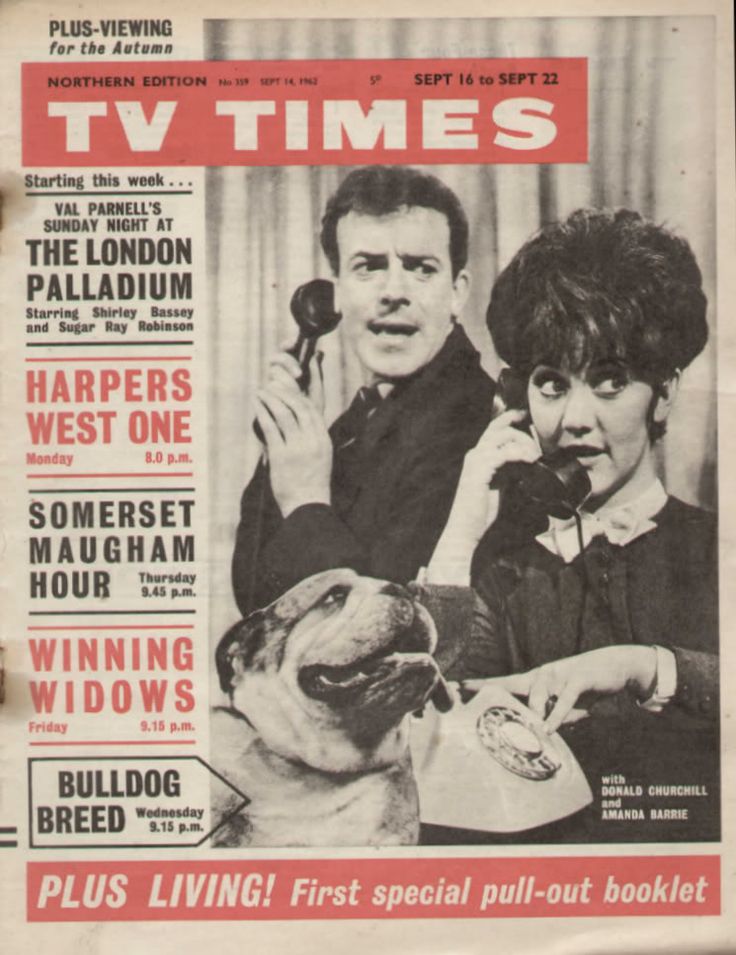
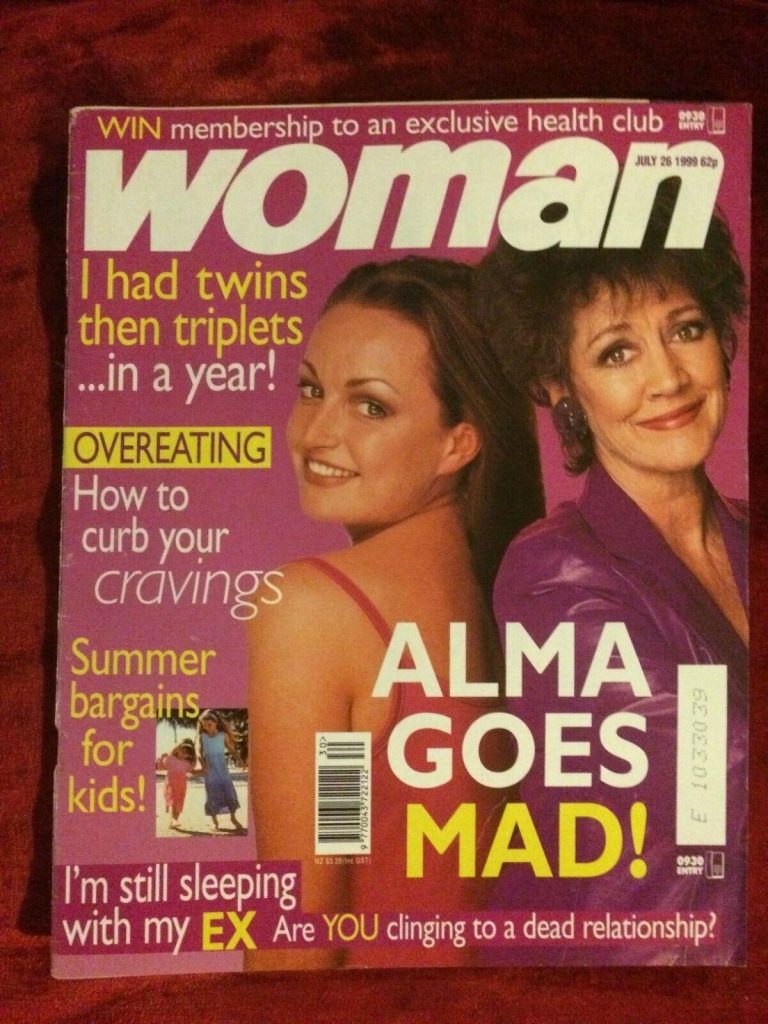
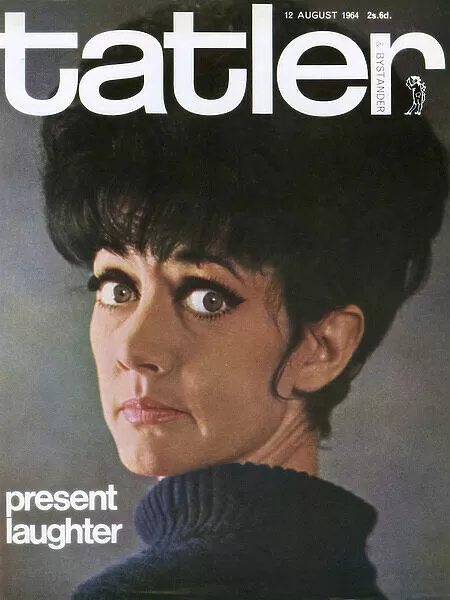
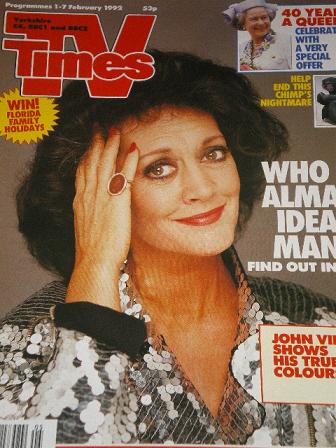
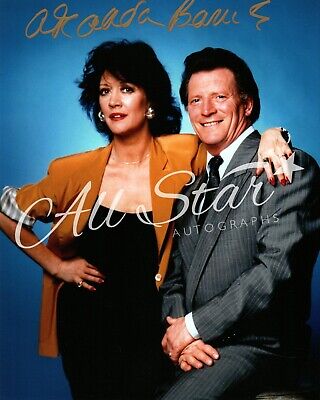
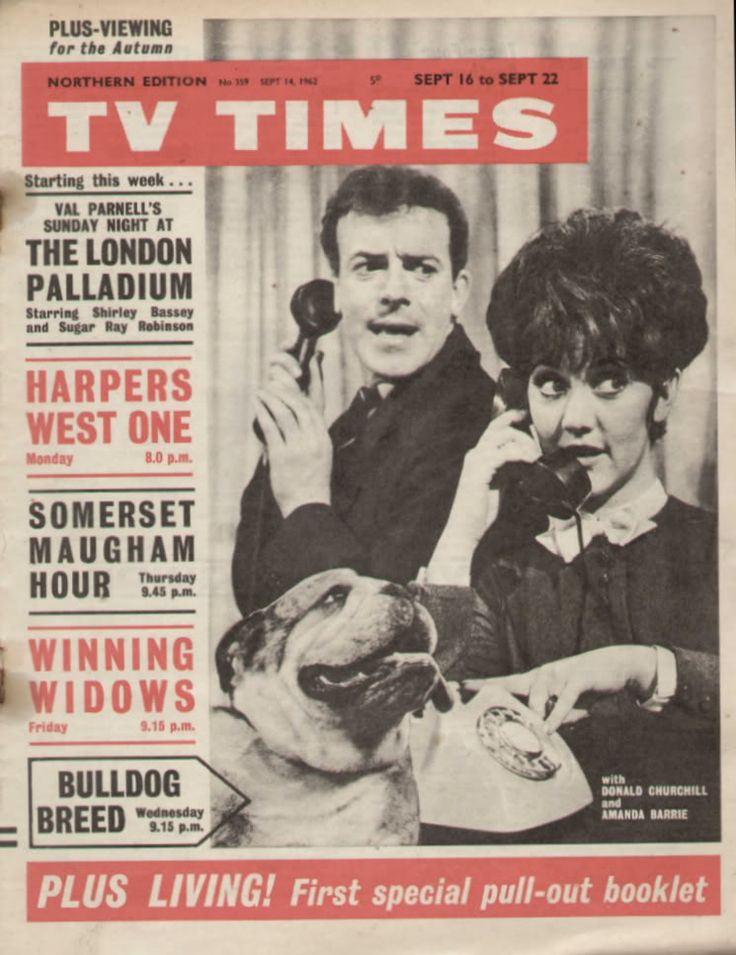
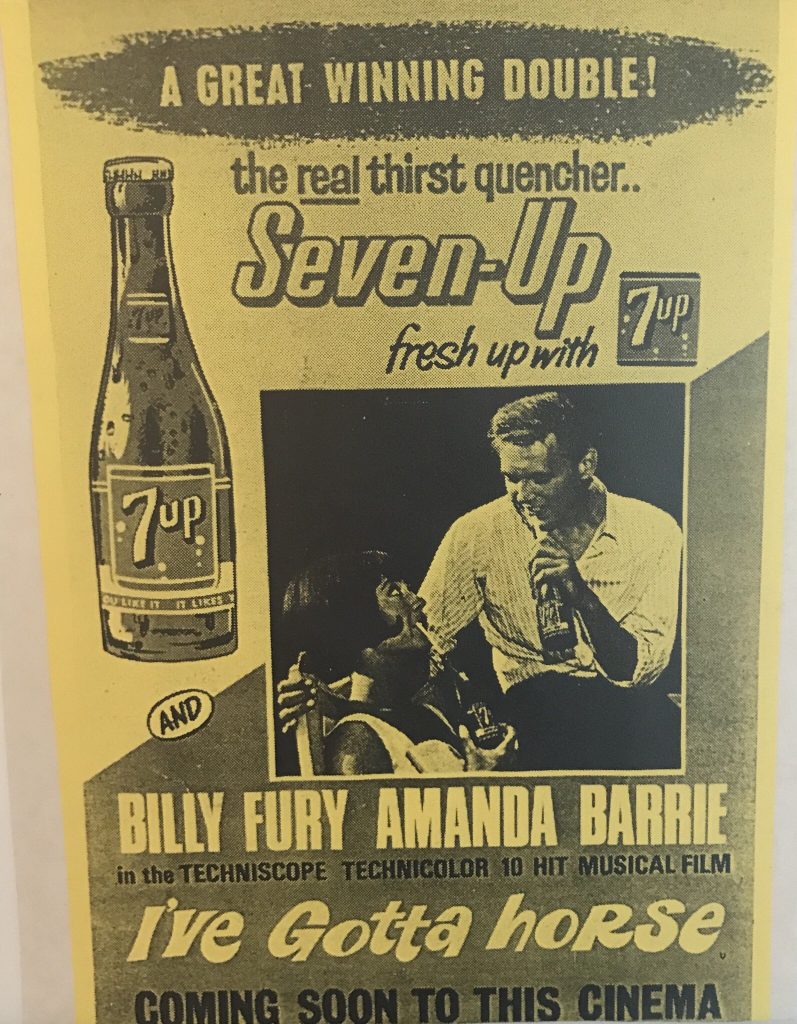
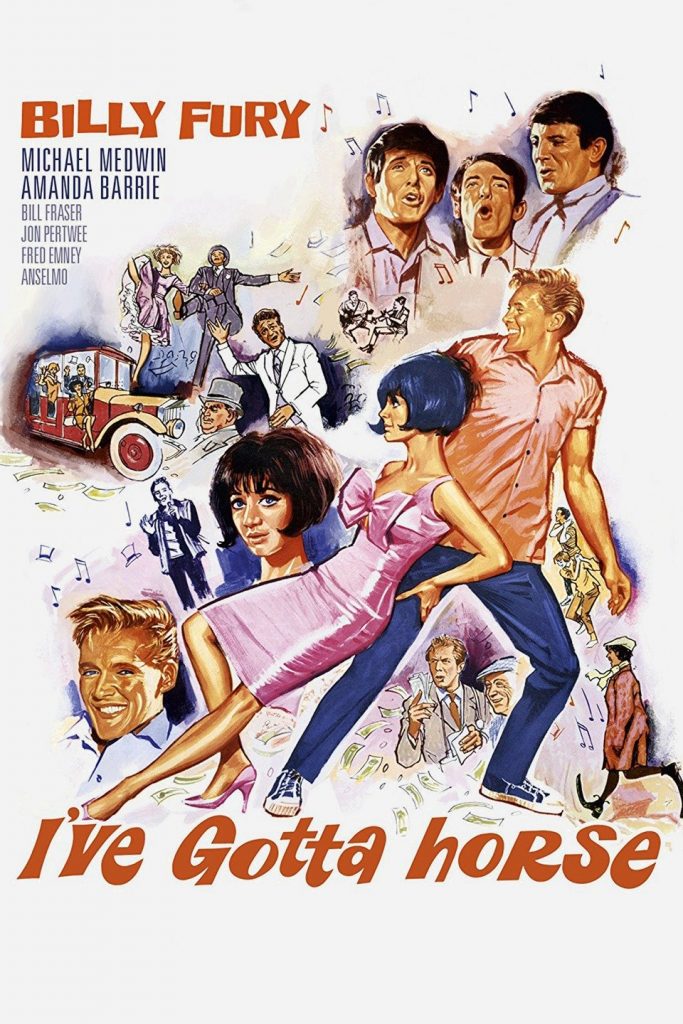
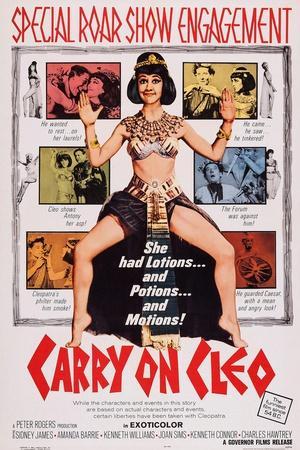
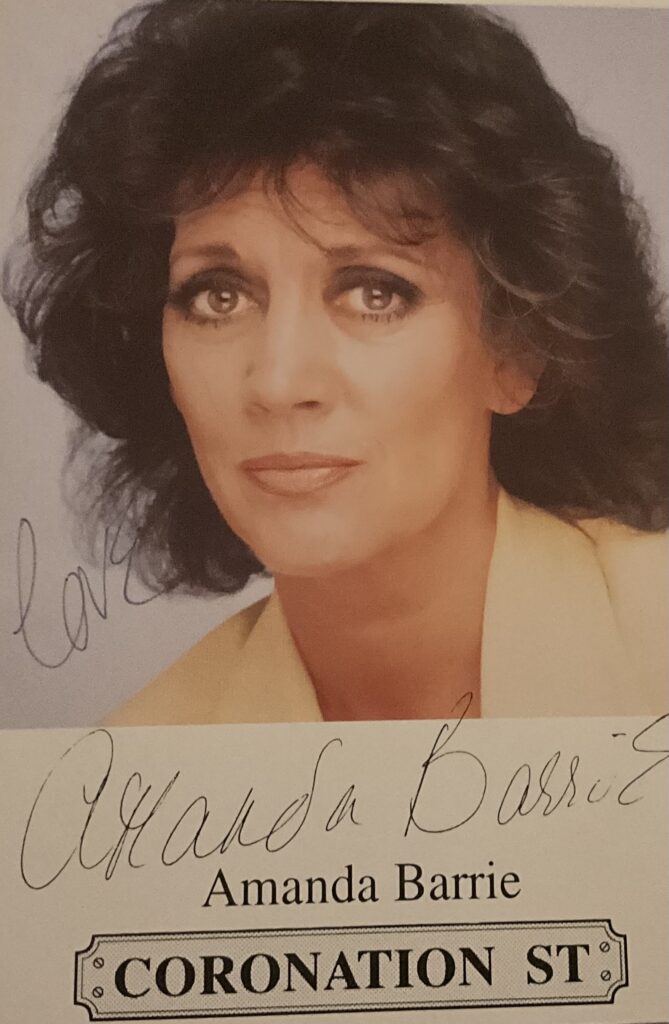
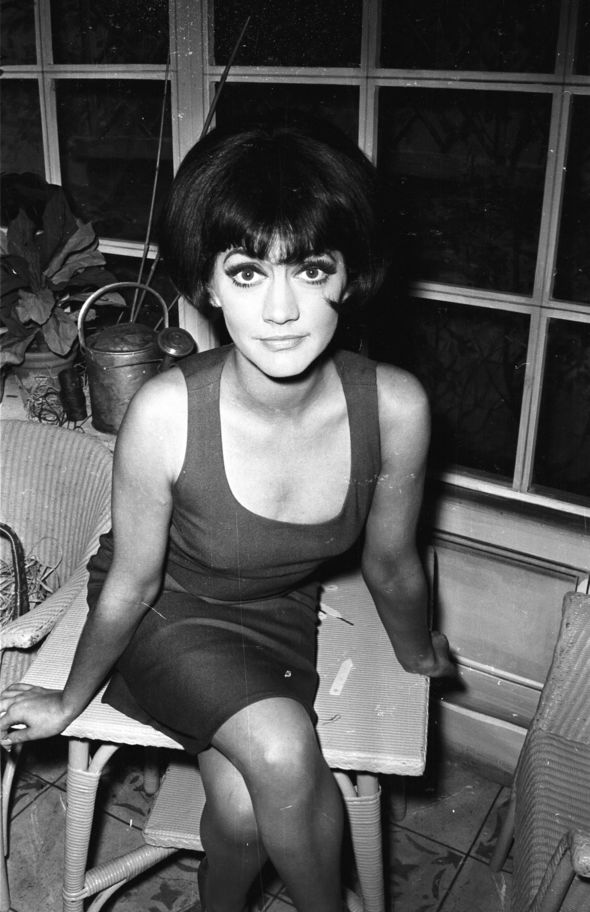
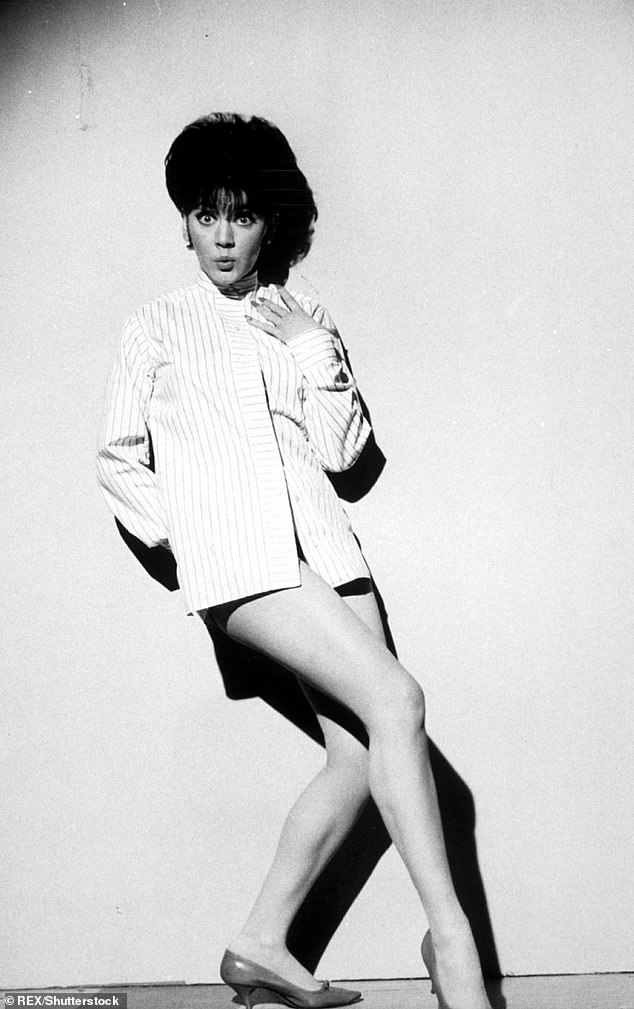
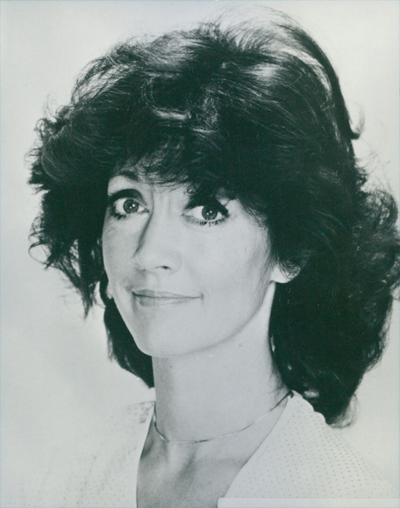
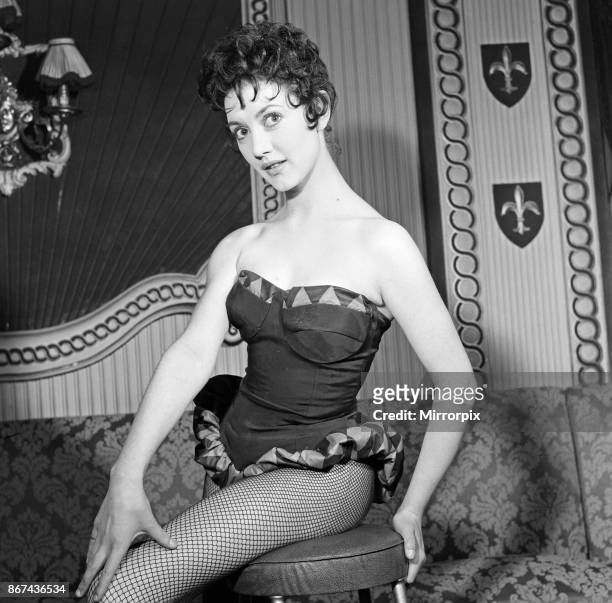
Amanda Barrie has had a long and distinguished career in British theatre, cinema and television. She was born in Ashton-Under -Lyne in 1935. She trained at the Old Bristol Theatre School. Her first film was “Operation Bullshine” in 1959. She starred in many comedies in the early 1960’s and had the leading role in “Carry On Cleo” in 1964. She starred with Billy Fury in “I’ve Gotta Horse”. In 1988 she began her recurring role in “Coronation Street” as Alma Baldwin. She left the series in 2001 and went on to star in TV’s “Bad Girls”.
Her IMDB entry:
This feisty and very funny British comedienne and musical revue vet with the trademark 60s brunet page-boy haircut, pronounced jaw, and arguably the largest, Bette Davis-like eyes in London was born Shirley Anne Broadbent in Ashton-under-Lyne, Cheshire on September 14, 1935. The daughter of Hubert Howath Broadbent, an accountant, and wife Connie (Pyke) Broadbent, who greatly prodded her young daughter into becoming a performer, Amanda was named after the Depression-era child star Shirley Temple. Her grandfather was a theatre owner in Ashton-under-Lyne, and young Shirley made her very first appearance there at the age of 3 as a Christmas Tree Fairy.
Not long after this she began training earnestly in singing and in dance, particularly ballet. As a youngster she won a talent-judging contest singing “I’m Just a Little Girl Who’s Looking for a Little Boy”. She then went on to attend school at St. Anne’s College in St. Anne’s-on-Sea and later studied acting at the Cone-Ripman School.
After her parents’ divorce, the teenager ran away from home and off to London where she lived at the Theatre Girls Club and subsequently found work as a chorus girl. By 1958 she had changed her marquee name to “Amanda Barrie” and made her TV debut with the comedy team of Morecambe and Wise in which her skirt accidentally fell off on live TV. She then took her first West End curtain call in a 1961 production of “Babes in the Wood”. Eventually Amanada decided to set her sights beyond a dancing career, and moved more into musical revue work in the hopes for good comedy parts. Finding work as a dancer in cabaret shows and the revue “On the Brighter Side”, she also trained at the Bristol Old Vic but did not perform in repertory.
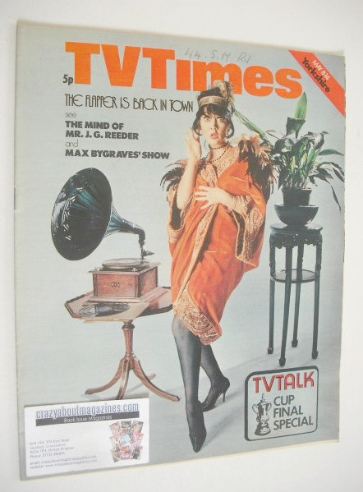
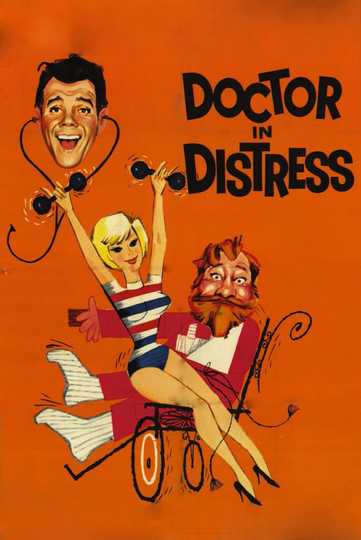
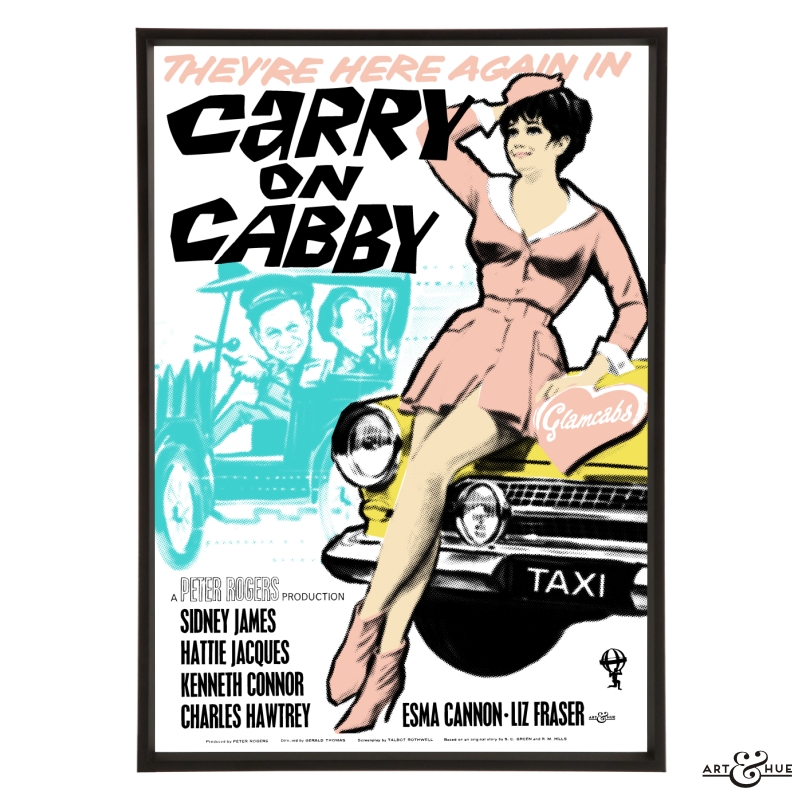
Throughout the 1960s Amanda focused on her musical talents in the West End, and sparkled in a number of comedy shows. In the early part of the decade she hit solid notices with the revues “Six of One” (1963) with Dora Bryan and “See You Inside (1963)”. Other stage work (which included occasional drama) came in the form of “Cabaret” (as Sally Bowles), “Private Lives”, “Hobson’s Choice, “Any Wednesday”, “A Public Mischief”, “She Loves Me” (replacing Rita Moreno in London), and “Little by Little”. She also worked as the TV hostess on “Double Your Money” with Hughie Green and appeared in a number of comedy films: Operation Bullshine (1959), her debut in an unbilled bit, A Pair of Briefs(1962), Doctor in Distress (1963)and I’ve Gotta Horse (1966). She appeared to very good advantage in two of the slapstick “Carry On…” film series. She played a female cabbie in the Carry on Cabby (1963) and Cleopatra herself (with a sexy lisp) in Carry on Cleo(1964).
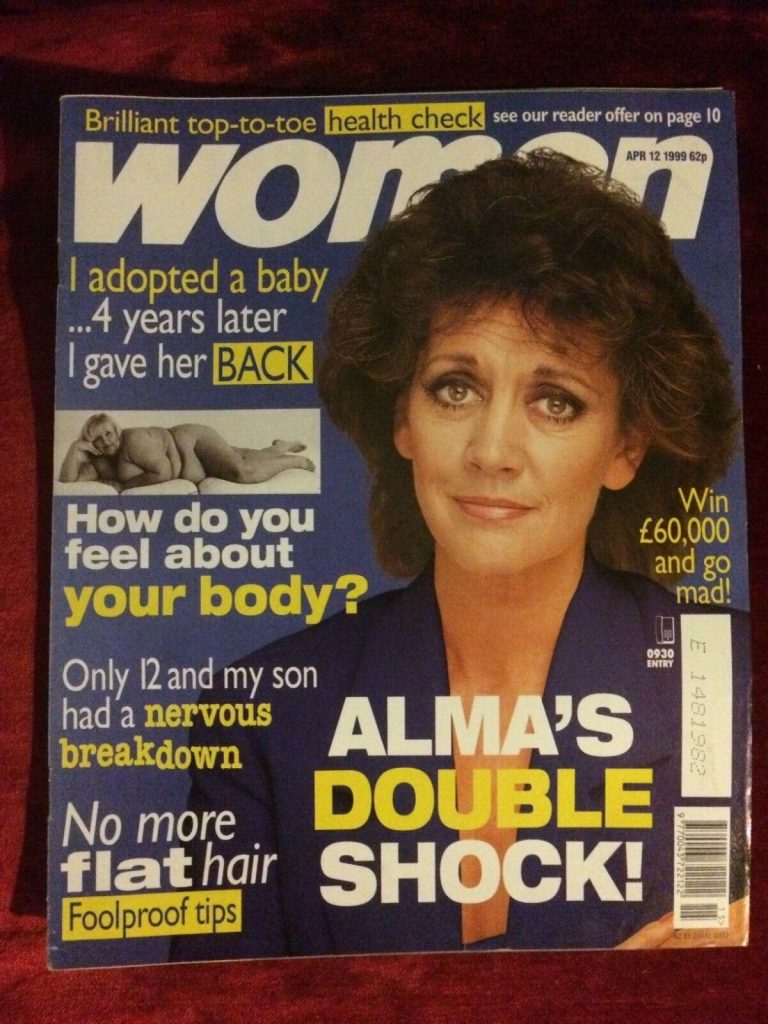
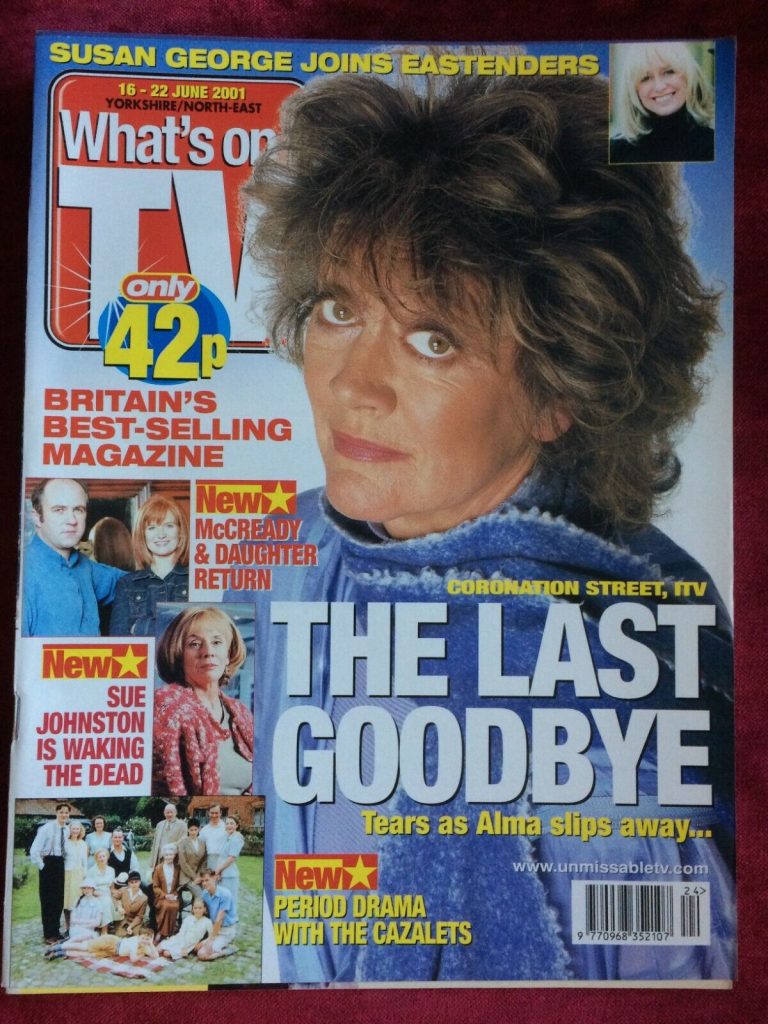
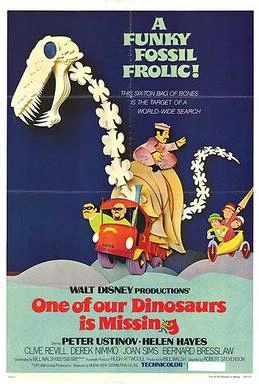
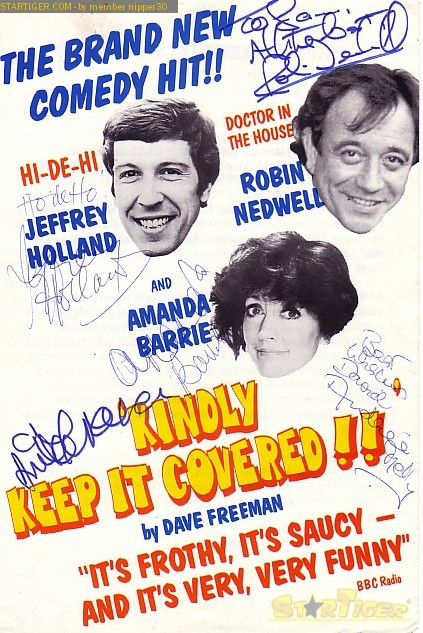
After her film peak Amanda continued to show resiliency on stage and TV. Theatre endeavors included “Absurd Person Singular”, the musical “Stepping Out” with Julia McKenzie, “The Mating Game”, “Blithe Spirit (as Elvira) and “Twelfth Night”. Occasional movie work came in, including the addled comedy One of Our Dinosaurs Is Missing (1975) with Helen Hayes. Of the countless sitcoms Amanda has been involved in, she became a soap opera favorite beginning in 1981 with her participation as Alma Sedgewick inCoronation Street (1960). Her appearances were infrequent until the character became a regular in 1989. She retired the role after 11 years in 2001 in an effort to spread her wings once again and seek other work. The producers actually killed off her popular character in quick fashion with a rapid case of cervical cancer.
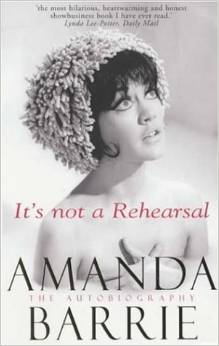
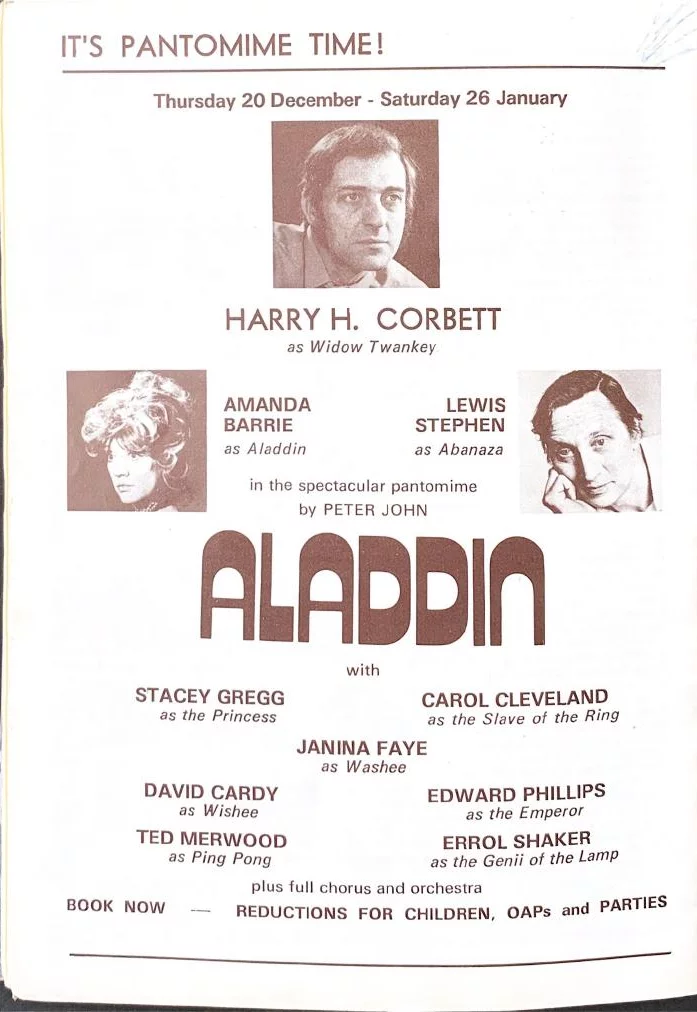
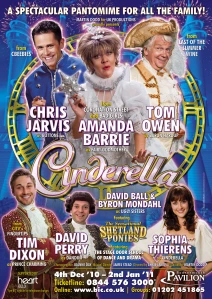
In 1967 Amanda married actor and theatre director Robin Hunter and the twosome appeared occasionally on stage together, including the pantomime “Aladdin” in late 1967 and 1968 in which Amanda had the title role. The couple separated in the 1980s, however, but remained good friends and never divorced. Hunter died in 2004. In 1997 Amanda battled a serious optic disease in which she eventually lost the sight of her left eye. She has continued to perform, however, and more recent work has included the pantomimes “Jack and the Beanstalk” (2006) and “Cinderella” (2007), in which she played the Fairy Godmother. In her popular and highly candid autobiography “It’s Not a Rehearsal,” a best seller published in 2003, Amanda opened up for the first time about her bisexuality.
Original Cinema Quad Poster; Movie Poster; Film Poster
– IMDb Mini Biography By: Gary Brumburgh / gr-home@pacbell.net
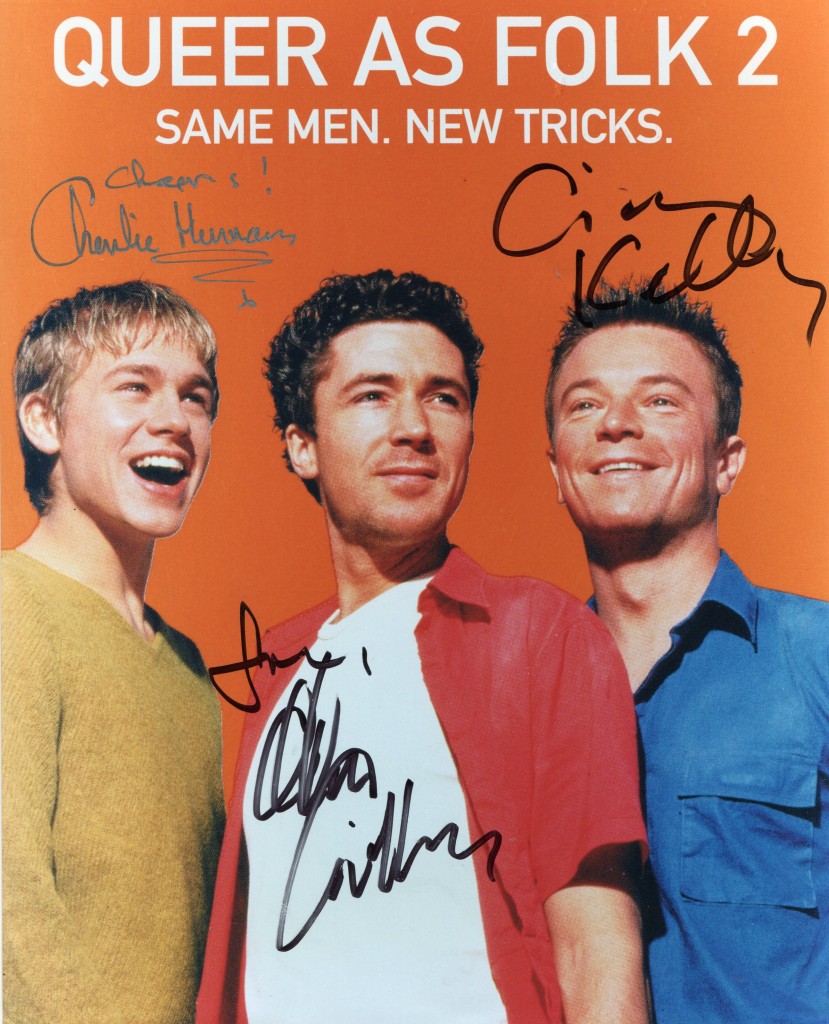
Craig Kelly is best known for two television series “Queer As Folk” and “Coronation Street”. He was born in 1970 in Lythams St Annes. His films include “When Saturday Comes” and “Titanic”.
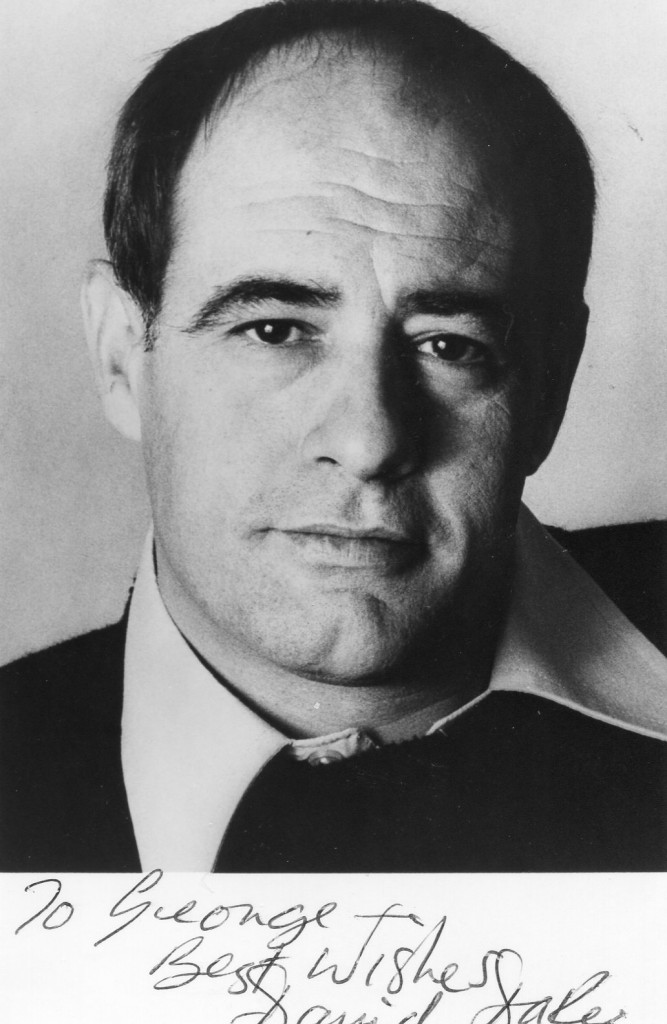
David Daker was born in 1937 in the West Midlands. He is perhaps best known for his role of Harry Crawford in the popular television series “Boon” which ran from 1986 until 1995. His films include “O Lucky Man”in 1973 , “I Bought A Vampire Motorcycle”, “Stardust” and “Aces High”. Link to British Film Forum thread on David Daker here.
Daphne Anderson was born in 1922 in London. Her film debut came with “Trottie True” in 1949 which starred Jean Kent. Ms Anderson’s films include “Hobson’s Choice”, “A Kid for Two Farthings”, “The Prince and Showgirl” with Laurence Oliver and Marilyn Monroe and “No Time for Tears” with Anna Neagle. In 1965 she starred with John Gregson in the popular television series “Gideon’s Way”. She died in 2012.
Her obituary in “The Stage”:
Having taken dancing classes, she made her professional debut as a member of the chorus in Cinderella at the Richmond Theatre in 1937-38. Later in 1938, she appeared at the Windmill Theatre in Revudeville, the non-stop variety show that featured tableaux of nude young women whom the law prevented from moving while on stage.
Her first substantial role was Dora in a tour of the Gershwins’ musical Funny Face. During the Second World War, she worked for the Entertainment National Services Association, the organisation set up to entertain the troops. Towards the end of the war, she began a long association with the Players Theatre, the ersatz music hall club underneath Charing Cross station.
In 1943, she appeared in a musical adaptation of Alice in Wonderland, playing both Father William and the walrus at the old Scala Theatre. Two years later, she was in a rather more upmarket revue than Revudeville – Noel Coward’s Sigh No More at the Piccadilly, in which she played the clairvoyant, Madame Arcati, in the Blithe Spirit Ballet.
Coward was evidently sufficiently impressed with her to give her a small part in Pacific 1860, his musical about a British colony set in Victorian times, at Drury Lane (1946-47).
After a revue at Bolton’s, a small theatre club in South Kensington, she returned to the West End to appear in a long forgotten Eric Maschwitz musical, Belinda Fair (1949). More work at the Players and another small theatre club, the Watergate, followed. She then landed the best role of her career, playing Polly Peachum in the Brecht/Weill musical, The Threepenny Opera (1956), at the Royal Court. The Stage commended her for exhibiting “the right blend of coarseness and charm”.
Her cinema career, which began in 1949, included three films of note – The Beggar’s Opera (1953), Hobson’s Choice (1954) and A Kid for Two Farthings (1955).
Daphne Anderson, who was born Daphne Scrutton on April 27, 1922, died on January 15, aged 90.
“The Stage” obituary can also be accessed online here.
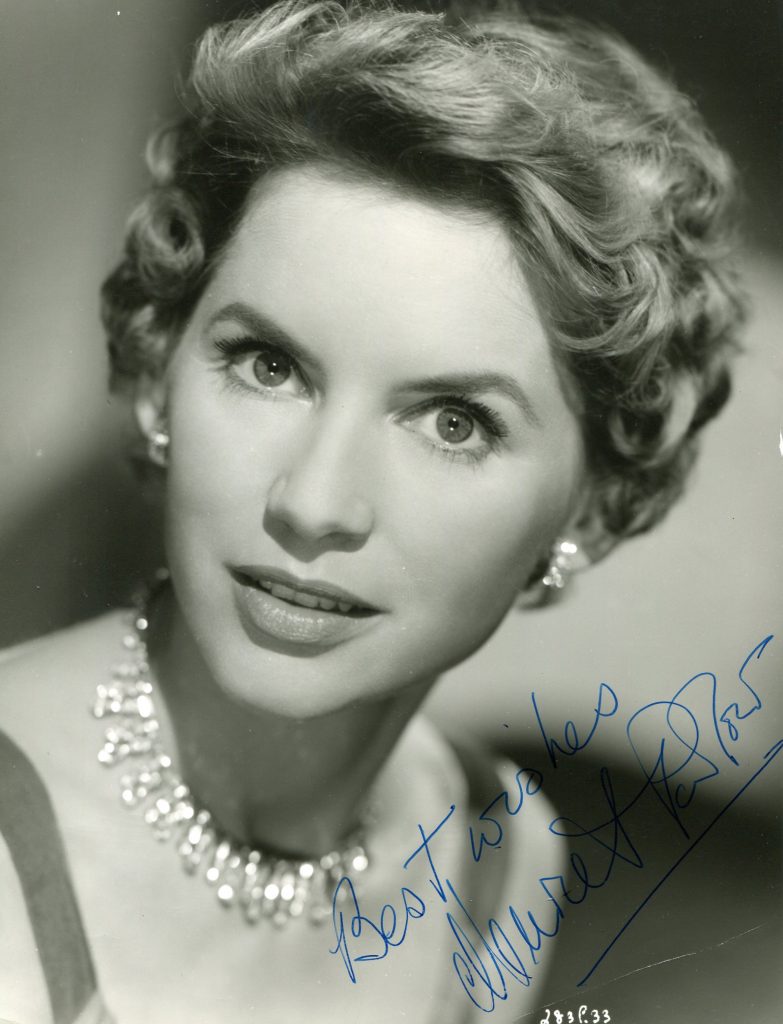
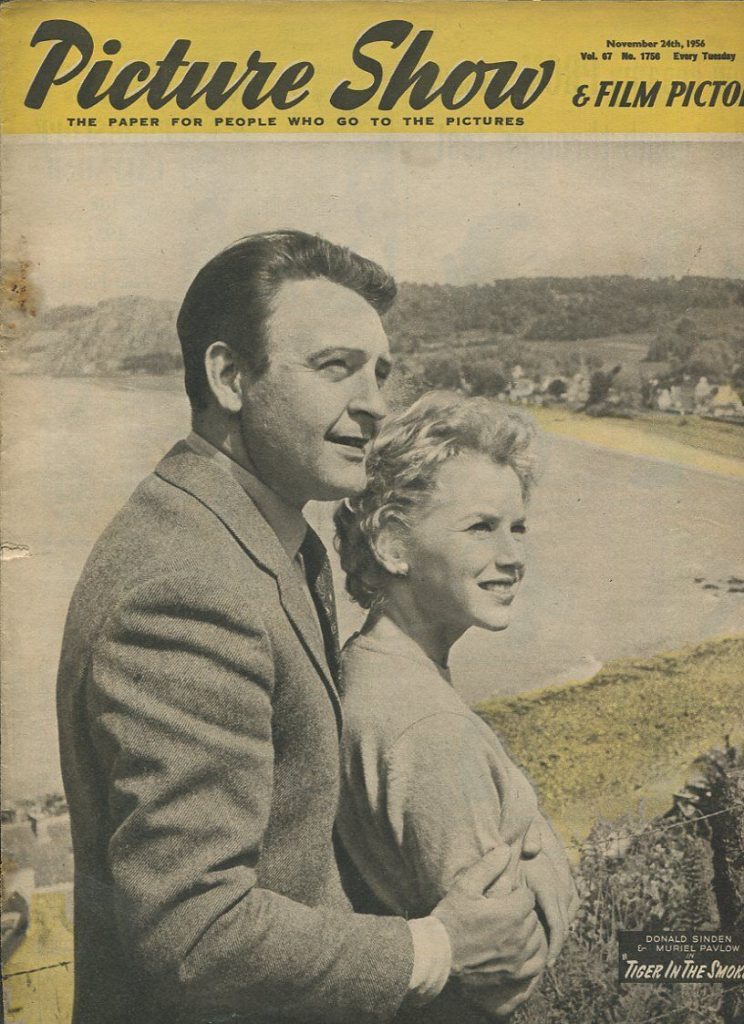
Although her father was a Russian émigré and her mother was Swiss-French, Muriel Pavlow, who has died aged 97, will be remembered as a quintessential British heroine on stage and screen. This meant being well spoken and standing by her man through thick and thin, particularly in the staid England of the 1950s. Not only did she fulfil these requirements admirably, but she established herself as a compelling presence.
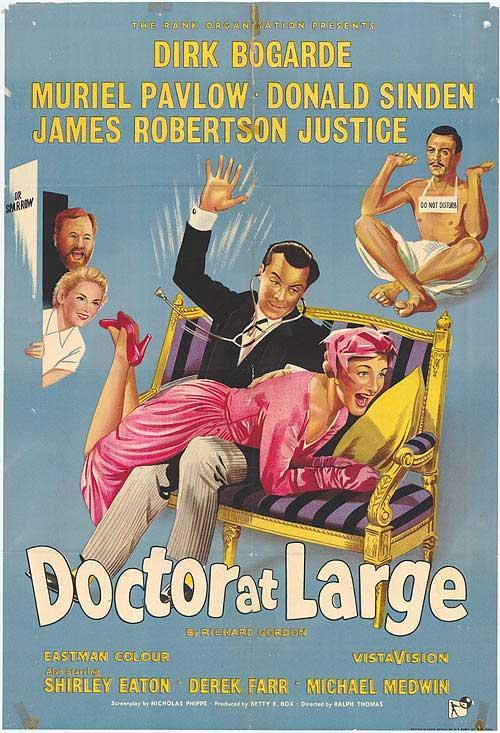
As a J Arthur Rank contract player, Pavlow waited bravely for pilots Alec Guinness in Malta Story (1953) and Kenneth More in Reach for the Sky (1956) to return safely from missions during the second world war, and was the steadfast nurse who loves accident-prone Simon Sparrow (Dirk Bogarde), the medical student in Doctor in the House (1954) – the first in the popular series – and Doctor at Large (1957). In the theatre, Pavlow was generally a “nice gel” in well-made West End productions, often touring the UK and beyond.
Muriel was born in Lewisham, south-east London, to Boris Pavlov, a salesman, and his wife, Germaine. They changed their name to Pavlow to sound more British. She grew up in Rickmansworth, Hertfordshire, and went to school locally. She started acting at an early age and her first, brief, film appearance came at the age of 13 in the Gracie Fields morale-boosting musical Sing As We Go! (1934). Having co-starred three years later in Hansel and Gretel, a pioneer BBC television broadcast, she was able to claim, when in her 90s, that she had made the earliest TV appearance of anyone living.
This was followed by her being cast as a young girl in Dodie Smith’s Dear Octopus (1938), with John Gielgud and Marie Tempest at the Queen’s theatre, London. “I was 17 or 18 and still playing children,” Pavlow recalled. “I was afraid I was going to play children for the rest of my career, until John Gielgud said to me while we were waiting in the wings, ‘I read a very good play today by John Van Druten and I said to Binkie [Beaumont, the theatre impresario], “You ought to cast Muriel as the girl.” It’s all right, it’s not a child, it’s an ingenue role!’”
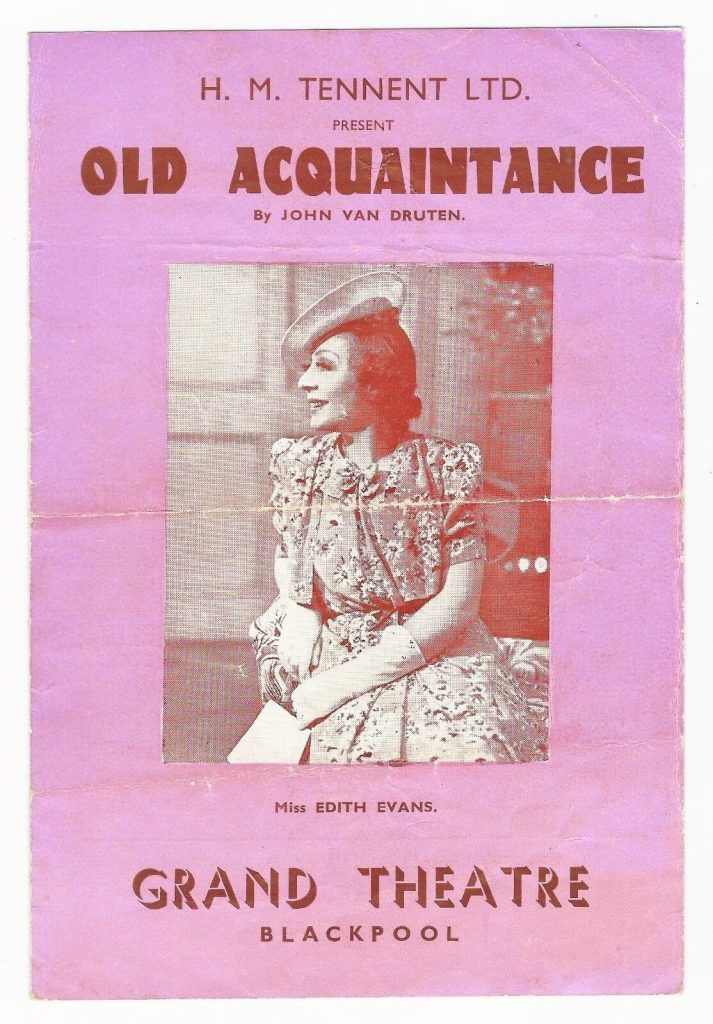
The play was Old Acquaintance (1941), starring Edith Evans, at the Apollo. The Spectator critic at the time wrote: “This magnificent woman [Evans] is supported by a cast which has apparently been specially selected to stand up to her talent … A polished performance is given by Muriel Pavlow, who surmounts with astonishing skill even such lines as ‘God! How I dislike sherry!’”
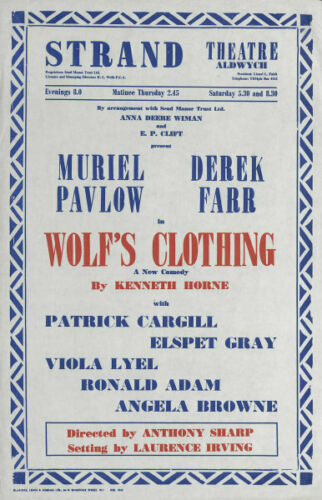
While appearing in the play in the evenings, Pavlow was shooting Quiet Wedding (1941) during the day. However, the role in the latter was a small one, as a teenage bridesmaid. Directed by Anthony Asquith, the romantic comedy starred Margaret Lockwood and Derek Farr, whom Pavlow married in 1947, and with whom she often starred.
She had to wait until after the war, during which she joined the Wrens, to play adult roles. Her postwar career began with Terence Rattigan’s drawing-room comedy While the Sun Shines (1945), opposite Hubert Greggat the Globe, and in the spy film Night Train to Dublin (1946), as an Austrian helping secret agent Robert Newton track down a Nazi spy. Although, for purposes of the plot, they go through a mock marriage and share a flat, their relationship is rigorously chaste until the happy ending.
In 1947, after playing Ophelia to John Byron’s Hamlet on TV, Pavlow appeared as the sweet, musical daughter of shady antiques dealer Oscar Homolka in the blackmail thriller The Shop at Sly Corner. With Farr as her fiance, Pavlow had nothing much more to do than pretend to play the violin in long shot.
It was only in the 50s, with her Rank contract, that Pavlow’s film career blossomed with It Started in Paradise (1952), a piece of Technicolor froth about rival dress designers, which gave new meaning to the word “catwalk”. But, according to the New York Times critic, in contrast to the scheming Jane Hylton, “pretty Miss Pavlow is as straight and as neat as a well-stitched seam”.
Her next leading role was as a Maltese girl, working in the British war operations room, in love with Guinness’s RAF pilot in Malta Story (1953). Her hair darker than usual, and with what passed for a Maltese accent, she managed to reveal more emotion than hitherto.
More to Pavlow’s satisfaction was her sojourn with the Shakespeare Memorial theatre at Stratford-upon-Avon for the well-received 1954 season during which she played Cressida to Laurence Harvey’s Troilus in Glen Byam Shaw’s production, as well as Titania in A Midsummer Night’s Dream, and Bianca in both The Taming of the Shrew and Othello.
Then it was back to British pictures with Doctor in the House. “It was my first experience of being in a smash-hit movie, and it was a very sweet experience,” Pavlow remembered. At the end of Doctor at Large, after three bungling amorous adventures, Bogarde seems to settle for Pavlow, now also a doctor.
She showed some fighting spirit and even some flesh in a bathing scene with her soldier boyfriend John Gregson in Conflict of Wings (1954), a likable sub-Ealing film about a rural Norfolk community which Pavlow leads in opposing the RAF’s plan to use a nearby bird sanctuary for target practice.
In the inspiring biopic Reach for the Sky (1956), Pavlow was Thelma, the supportive wife of the pilot Douglas Bader (Kenneth More). She meets him after he has had both his legs amputated, and is adapting to the artificial ones. One of the key scenes involves him taking a turn on the dance floor with her. Fearing he has been shot down by German aircraft, Thelma greets the news that he is alive and has been made a prisoner of war with: “I knew in my heart they’d never get him.”
In Rooney (1958), set in Dublin, Pavlow is a single woman secretly in love with a happy-go-lucky dustman (Gregson). She tells him: “I’m 28, but I feel 50.” Pavlow was actually 37 and nearing the end of her film career.
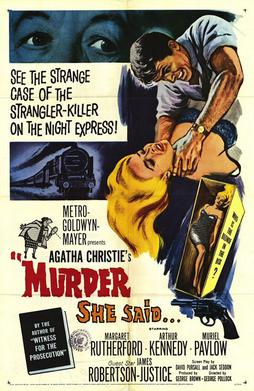
Having left Rank, Pavlow appeared in Murder She Said (1961), the first of four Miss Marple whodunnits starring Margaret Rutherford. In it, Pavlow played dictatorial James Robertson Justice’s long-suffering daughter. It was to be her last film, apart for her cameo in Stephen Poliakoff’s starry Glorious 39 (2009).
She and Farr had a long and happy marriage until his death in 1986. After this, she was semi-retired, occasionally popping up in television series such as The Bill (1993), The Rector’s Wife (1994) and House of Cards (1995).
She is survived by three nieces and two nephews.
• Muriel Lilian Pavlow, actor, born 27 June 1921; died 19 January 2019