
Brittish Actors

Collection of Classic Brittish Actors

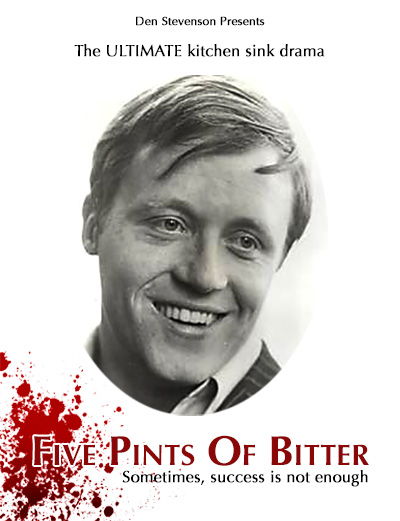
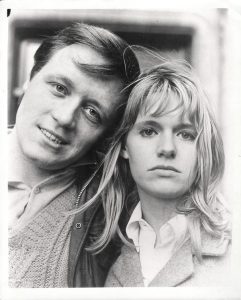
Gary Bond

Gary Bond obituary in “The Independent” in 1995

Gary Bond was born in 1940 in Alton, Hampshire.   He spent most of his career on the stage but has one major classic film to his credit the terrific Australian “Wake in Fright” released in 1971.   His other films include “Zulu” and “Anne of a Thousand Days”.   Gary Bond died in 1995 at the age of 55.

His “Independent” obituary:Gary Bond was one of the most enduringly handsome actors of his generation. He was also a resourceful and sensitive performer of wide range and polished technique. But perhaps in the dramatic era of the kitchen sink and, in John Osborne’s cutting phrase, the “white tile” university, such dazzling good looks were no longer quite at such a premium.

Bond also possessed a strong, warm and pleasing tenor voice; and he earned his greatest fame in musical theatre, notably in the works of Andrew Lloyd Webber. This phase of his career achieved its peak in the revival last year of Aspects of Love at the Piccadilly Theatre, and subsequently on tour. In this second production Bond finely recreated the role of the philandering hero, George Dillingham, causing mild shock to his admirers who, accustomed to Bond’s perennial youthfulness, found it somewhat surprising to see him interpreting the role of a loveable roue in his sixties.

Bond was born in Hampshire in 1940, the son of a soldier, and educated at Churcher’s College, Petersfield. His father, who wanted a steady career for him, died when Bond was 16, leaving him free to pursue his ambition to become an actor.

He trained at the Central School of Speech and Drama and at the age of 23 got his first job in that forcing-house of young talent, the Connaught Theatre, Worthing. The play was Not in the Book and was followed by Doctor in the House, in which Bond took the role of the light-hearted Dr Simon Sparrow. A year later he appeared at the Royal Court Theatre, London, as Pip in Arnold Wesker’s Chips with Everything, one of the theatrical landmarks of the Sixties.

Bond was a natural charmer and the combination of his good looks and debonair manner made him ideal casting in light comedy and in romantic leading roles. These included John Shand in J.M. Barrie’s What Every Woman Knows (1967), Giles Cadwallader in The Man Most Likely To . . . (1968) and a trio of sharply contrasting roles in Noel Coward’s We Were Dancing, Red Peppers and Family Album at the Hampstead Theatre in 1970, and at the Fortune Theatre, London, in the following year.

Invited to join the Prospect Theatre Company in 1968, Bond had a welcome opportunity to try his hand at classical roles and he appeared as Sebastian in Twelfth Night and as a fiery Sergius in Shaw’s Arms and the Man. In 1970, at the Open Air Theatre, Regent’s Park, he was a lively Benedict in Much Ado About Nothing, and a passionate and youthful Byron in The Lord Byron Show.

Bond’s first success as a singer and dancer came in the musical revue On the Level, put on at the Saville Theatre, London, by the Beatles’ manager, Brian Epstein. But it was not until 1972 that he enjoyed a huge and sudden hit in Joseph and the Amazing Technicolor Dreamcoat. This highly original early musical by Tim Rice and Andrew Lloyd Webber opened to great acclaim on the Edinburgh Fringe, was then brought to the Roundhouse in Camden Town and finally moved into the West End to enjoy a long run at the Albery Theatre. In the role of the young biblical hero abandoned by his brothers in the wilderness, Bond achieved a new popularity, establishing himself as a most versatile and personable musical performer.

His association with Rice and Lloyd Webber was to continue with the musical Evita when in 1978 he took over, from the pop star David Essex, the role of the revolutionary hero Che Guevara, who acts both as character and narrator. Bond’s handling of this pivotal part was greatly admired by the show’s American director, Hal Prince. After the exhausting rigours of a long-running West End musical, Bond gave a series of concert performances with Marti Webb of Lloyd Webber’s songs.

But Bond had not abandoned his first love of straight theatre, and in State of Affairs (1983), a study of marital turmoil which transferred from the Lyric Theatre, Hammersmith, to the Duchess Theatre, he found an unexpected edge of anger and frustration. In 1982 he played Otto in Noel Coward’s Design for Living opposite Maria Aitken at the Globe Theatre, Shaftesbury Avenue. At the Chichester Festival Theatre in 1988 he appeared opposite Keith Michel in The Baccarat Scandal, which transferred to the Theatre Royal, Haymarket. And in 1992 he appeared as the Count in a revival of Jean Anouilh’s The Rehearsal at the Garrick Theatre.

For one so obviously photogenic it was curious that Bond did not have a more substantial career in films and television. In his first television role in 1963 he made a poignant young suitor to Natalia in Granada’s production of War and Peace and in 1964 he won an important role in the film Zulu playing opposite Michael Caine and Stanley Baker. For BBC Television he was Pip in Great Expectations and the young suitor in Anouilh’s Colombe; and in 1968 for Thames Television he took the role of a young Indian army colonel in the military adventure series Frontier. But it was in the theatre that he chose to make his real mark.

Alan Bond had a twinkling humour and a sometimes wicked sense of fun. His easy warmth of manner made him a popular figure among his friends and fellow actors. For 16 years he shared his home with the distinguished American artist and illustrator E.J. Taylor, who sustained him through a long and painful illness.

Derek Granger

Gary James Bond, actor, singer: born Liss, Hampshire 7 February 1940; died Ealing, London 12 October 1995.

To view “The Independent” Obituary on Gary Bond, please click here.

Gary Bond
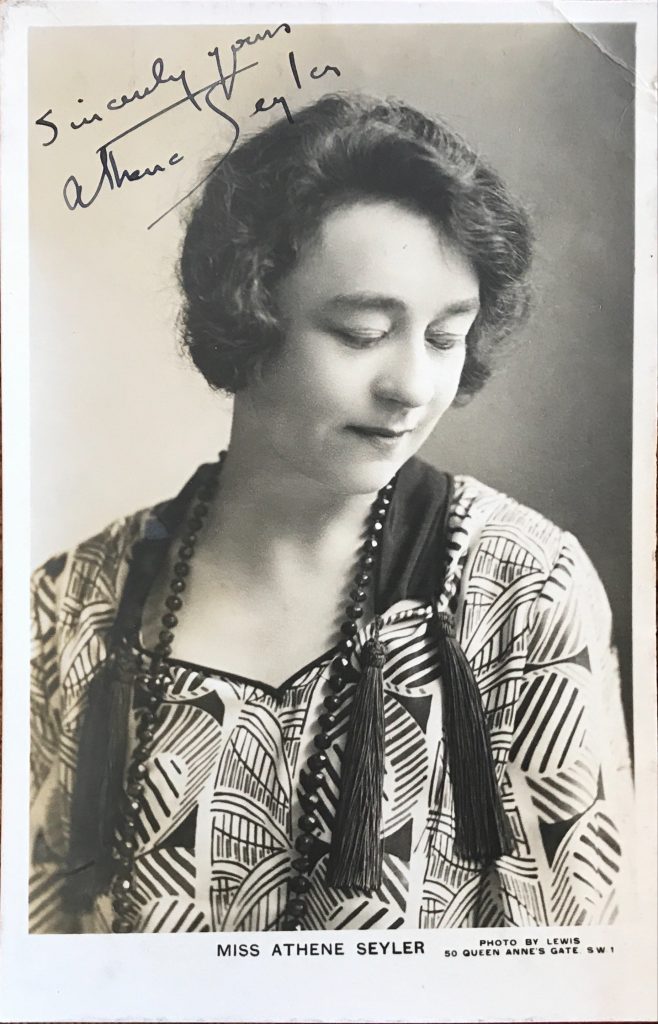
Athene Seyler
Athene Seyler

Athene Seyler has a very long career in film and theatre.   She was born in 1889 in Hackney in London.   She made her film debut in 1921 and she seemed to specialise in eccentric old ladies.   Her films include “The Mill on the Floss”, “Dear Octopus”, The Secret People”, “Yield to the Night” and “Campbell’s Kingdom”.   She lived to the age of 101 dying in 1990.   Video clip of Athene Seyler on “Wogan” here.

From British Film Forum by Alex Jennings:
Athene Seyler (1889-1990), actress, was born on 31 May 1889 at 18 Goulton Road, Hackney, London, the seventh and youngest child by ten years of Clarence Heinrici Seyler, secretary and financial adviser to a Greek millionaire, and his wife, Clara Thies, a baker’s daughter. Both parents were of German extraction. Her father was a Hellenophile; he called all his daughters by Greek names. Athene was educated at Coombe Hill, a progressive co-educational school where the emphasis lay on tutorials not textbooks, and Bedford College, London, where she studied Restoration comedy, of which she was to become a peerless interpreter.

From her first performance as a child, dancing a hornpipe at the Conway Hall and reducing the audience to helpless laughter when her ‘draws fell down’, Athene Seyler was determined on a stage career. Her father died when Athene was fifteen years old leaving wife and daughter in straightened circumstances, and although both parents had disapproved of her theatrical ambitions, Sir Henry Irving, a one-time neighbour, encouraged the young Athene (she had once fainted while watching his death scene in Tennyson’s Becket). With his support she applied to the Academy of Dramatic Art, auditioning for Arthur Wing Pinero, Sir Squire Bancroft, and the pioneering female director Lena Ashwell, who took her aside and told her she would never make an actress because of the way she looked. But Athene persevered, recited as Rosalind, and gained a scholarship. She made her debut at the academy as Charles the Wrestler in As You Like It and graduated as the gold medallist in 1908. It was Ashwell who gave Seyler her first professional role as Pamela Grey in W. T. Coleby’s The Truants (1909) at the Kingsway Theatre.

Between her debut and the end of the First World War, Athene Seyler appeared in almost thirty productions, in London and on tour, but it was not until 1920 at the Lyric, Hammersmith, that she began to attract attention: as Rosalind (her favourite role), and particularly in Sir Nigel Playfair’s Restoration revivals, as Melantha in John Dryden’s Marriage a la mode and Mrs Frail in Love for Love by William Congreve. Athene Seyler never stopped working, alternating between the classics and scores of forgotten light comedies, glorying in such wonderfully named characters as Mrs Bucket, Savina Grazia, Mrs Nelly Fell, and Lavinia Mildmay. Classical highlights included three Lady Fidgets in William Wycherley’s The Country Wife (1924, 1926, and 1934), Titania (1923) and Hermia (1924), another Melantha and Miss Prism back at the Lyric, Hammersmith (1930). She toured Egypt, South Africa, and Australia in the 1930s; played in a season at the St James (1932) as Emilia and Nerissa to Ernest Milton’s Othello and Shylock; and in 1933 joined the Old Vic/Sadler’s Wells Company as Maria, Mme Ranyevskaya, Lady Bracknell, Mrs Frail, and also as first Weird Sister in Macbeth.

In 1937 Athene Seyler shone as Mrs Candour in an all-star (Peggy Ashcroft, John Gielgud, Michael Redgrave, and Alec Guinness) School for Scandal by R. B. Sheridan at the Queen’s Theatre and in 1941 played another and much admired Ranyevskaya in Chekhov’s The Cherry Orchard, both directed by Tyrone Guthrie; and was unusually in modern dress for Lillian Hellman’s Watch on the Rhine (1942) and as Veta Louise in Harvey (1949) by Mary Chase. In the 1950s she played the Nurse at the Old Vic, and Mrs Malaprop. Her final stage appearance was in 1966, with her old friend Dame Sybil Thorndike as the sweetly murderous spinster sisters in Arsenic and Old Lace by J. Kesselring.

In a stage career of nearly sixty years Athene Seyler was recognized as one of the great technical experts on the playing of high comedy, relishing with instinctive wit the turn of a phrase or the eloquent manipulation of a fan. In 1943 she co-wrote a book, The Craft of Comedy, which took the form of an exchange of letters with the actor Stephen Haggard (1911-1943), who died on active service. They had acted together in the British premiere of G. B. Shaw’s Candida (1937) and in Haggard’s own play Weep for the Spring (1939). The book offered a marvellous series of reflections on the practice of playing comedy. Seyler wrote that ‘Comedy is the sparkle on the water, not the depths beneath. But note the waters must run deep’, and she developed a system for the getting of laughs: ‘Have I been heard? Have I been truthful? Has the feed line been heard?’ (Seyler and Haggard, 11).

Athene Seyler made her (silent) film debut in 1921 as Rachel Wardle in The Adventures of Mr Pickwick, and managed to appear in over sixty films in a career dominated by the stage. She was invariably cast in comic cameos, as eccentric and imperious aunts or dowagers, and unsurprisingly in several more Dickensian adaptations-as Misses La Creevy, Witherfield, and Pross in Nicholas Nickleby (1947), in The Pickwick Papers (1952), and in A Tale of Two Cities (1958). In the 1950s and 1960s she made a few television appearances, in the classics and in The Avengers.

On 14 February 1914 Athene Seyler had married James Bury Sterndale-Bennett (1889/90-1941), a journalist, the grandson of Sir William Sterndale-Bennett, composer and entertainer. They had one daughter. In 1922 she met the actor Nicholas ‘Beau’ Hannen (1881-1972), the son of Sir Nicholas James Hannen and his wife, Jessie Woodhouse, and he was to be the love of her life. She changed her name by deed poll to Hannen in 1928, but they were not to marry until 1960, after the death of his first wife, who had refused a divorce. Although Seyler was appointed CBE in 1959, it was generally assumed that the DBE many thought rightfully hers was withheld on account of her unmarried partnership with Beau.

In 1950 Athene Seyler was elected president of the Royal Academy of Dramatic Art, the first former pupil to hold that post, and in the same year became life president of the Theatrical Ladies Guild. She lived for some fifty years in the Coach House, Chiswick Mall, and would explain to passers-by the finer points of the boat race (and that she was not in fact Margaret Rutherford). She abandoned an autobiography because its leading character bored her but in her hundredth year she was still working, making mischievous appearances on television chat shows and a belated debut at the Royal National Theatre on her 101st birthday, vividly recalling G. B. Shaw and Sir Henry Irving, Ellen Terry, and Mrs Patrick Campbell. She died three months later on 12 September 1990 at the Coach House, 26 Upper Mall, Hammersmith, London.

Alex Jennings

The above article can also be accessed on the British Film Forum online here.

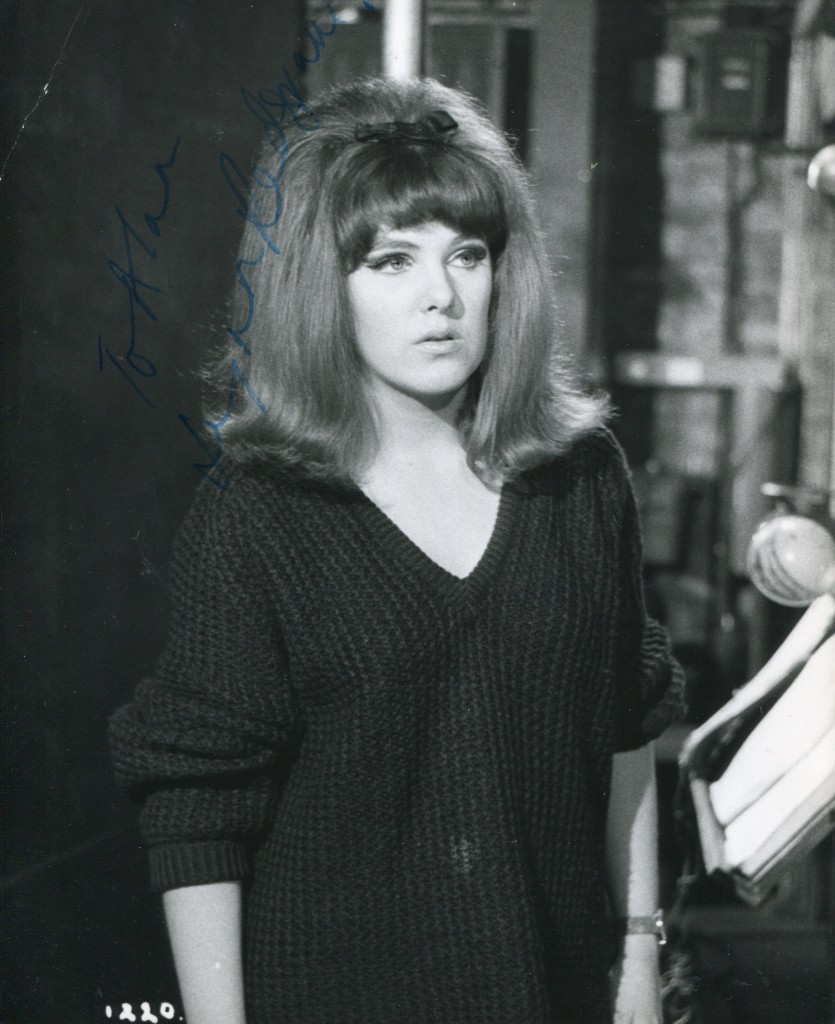
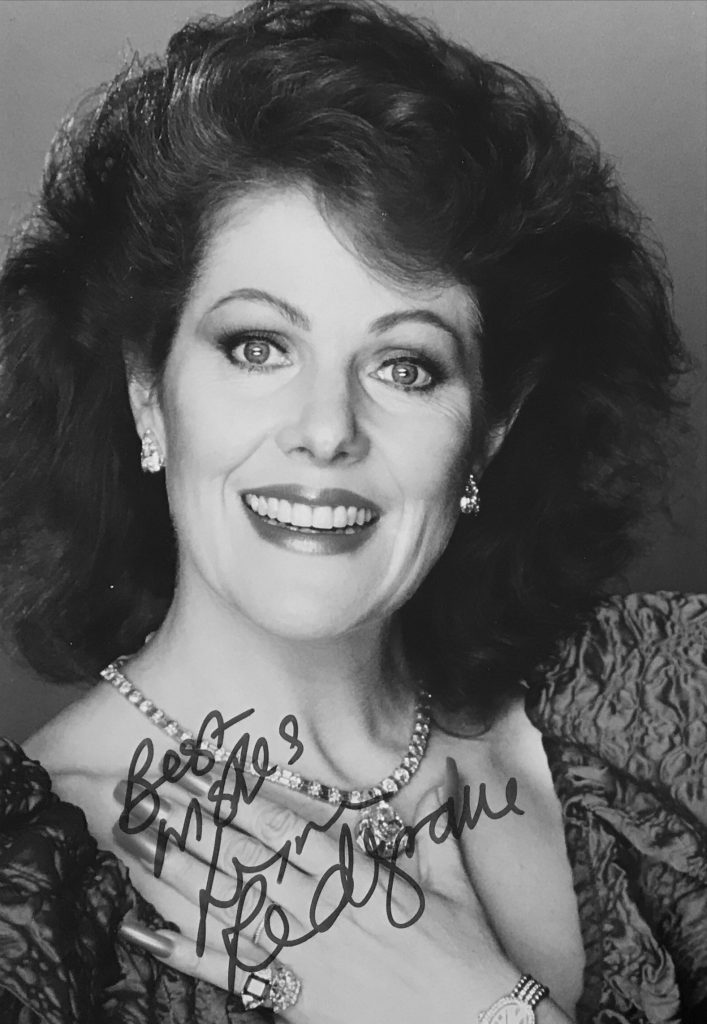
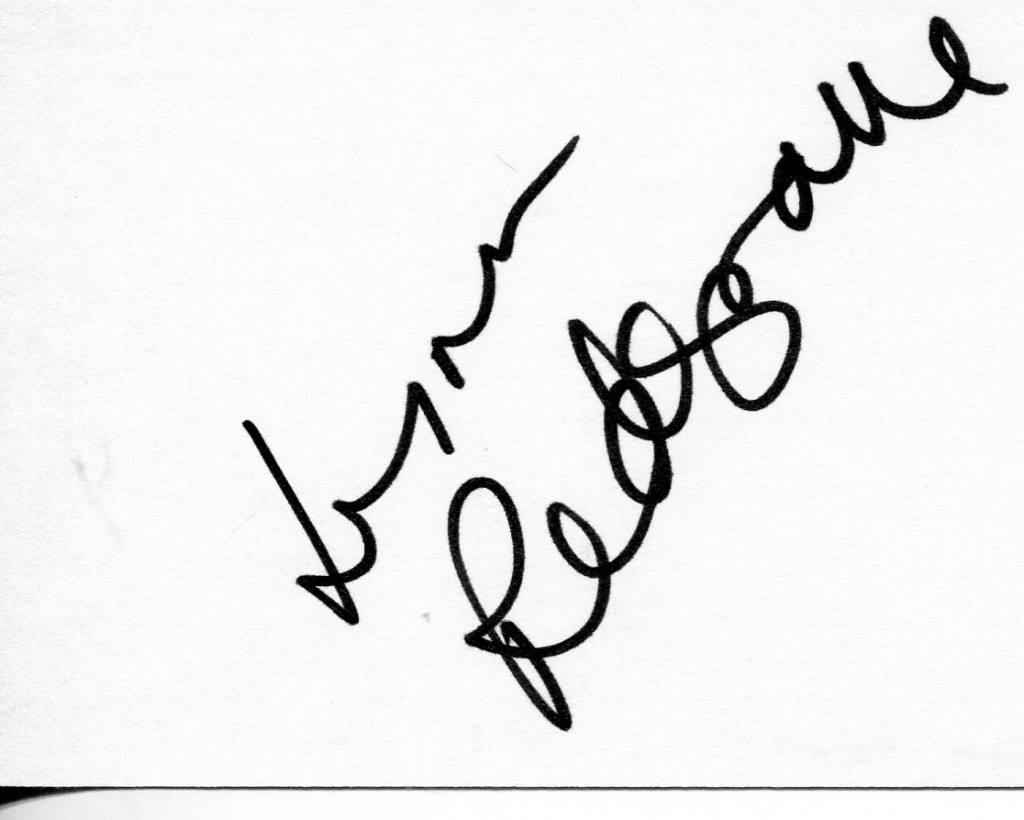
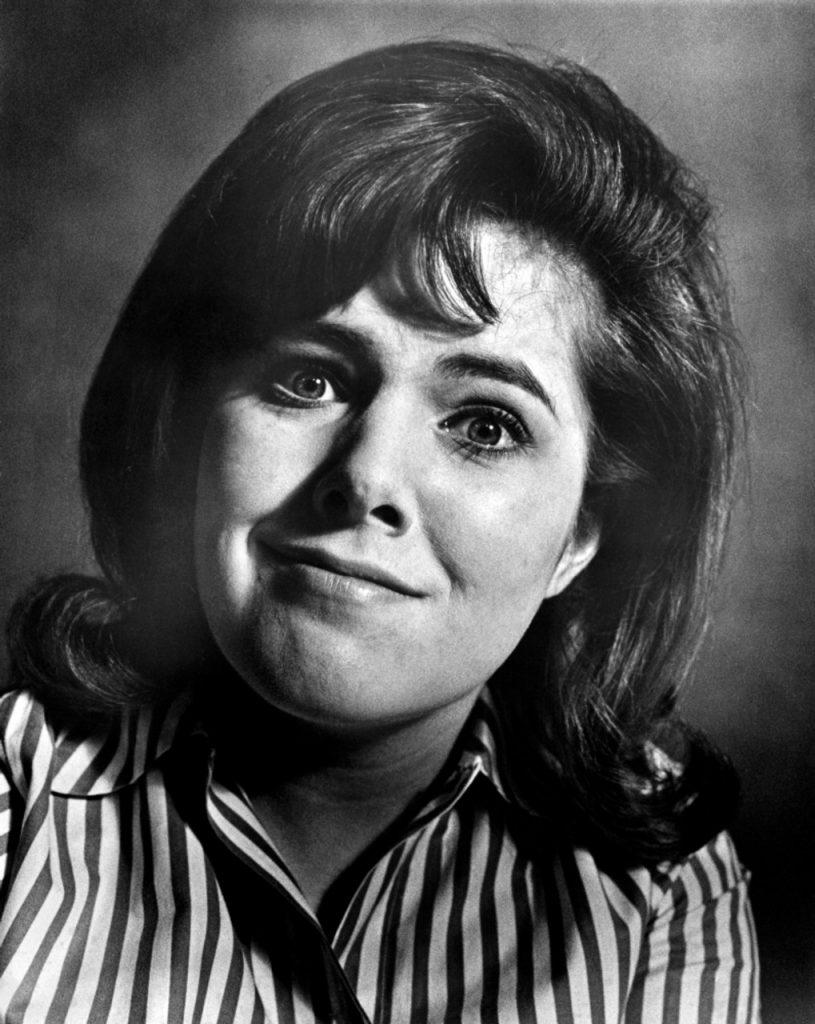
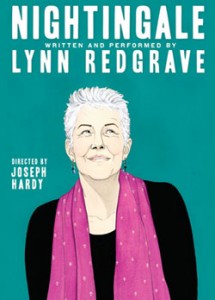
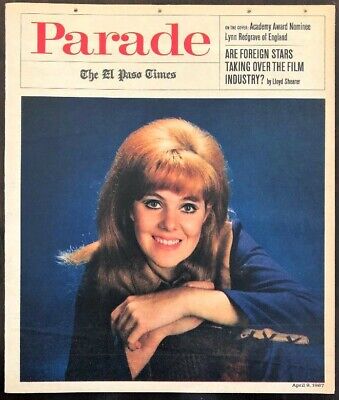
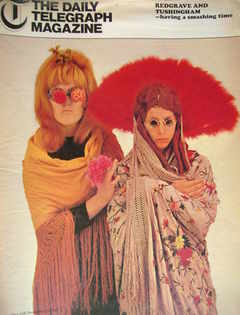
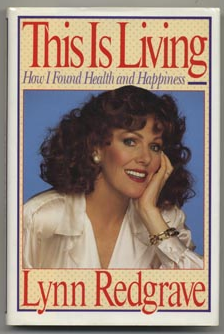
Lynn Redgrave
Lynn Redgrave
Lynn Redgrave

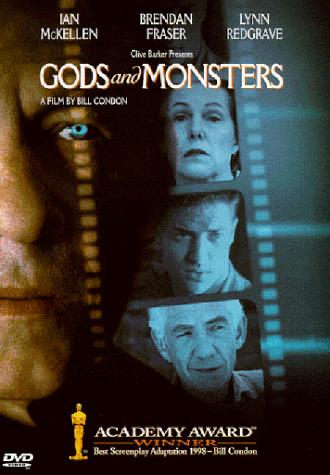
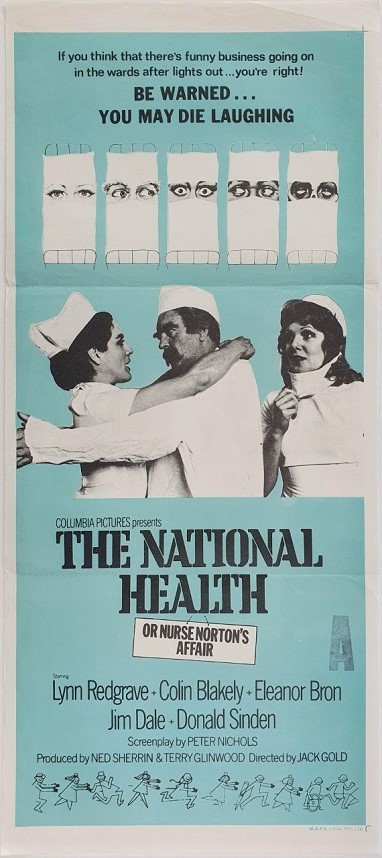
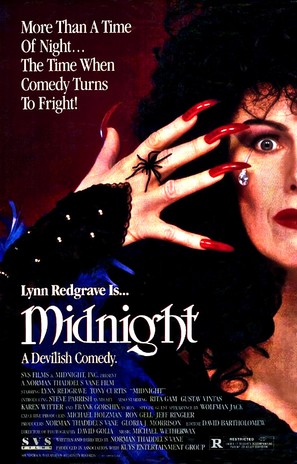
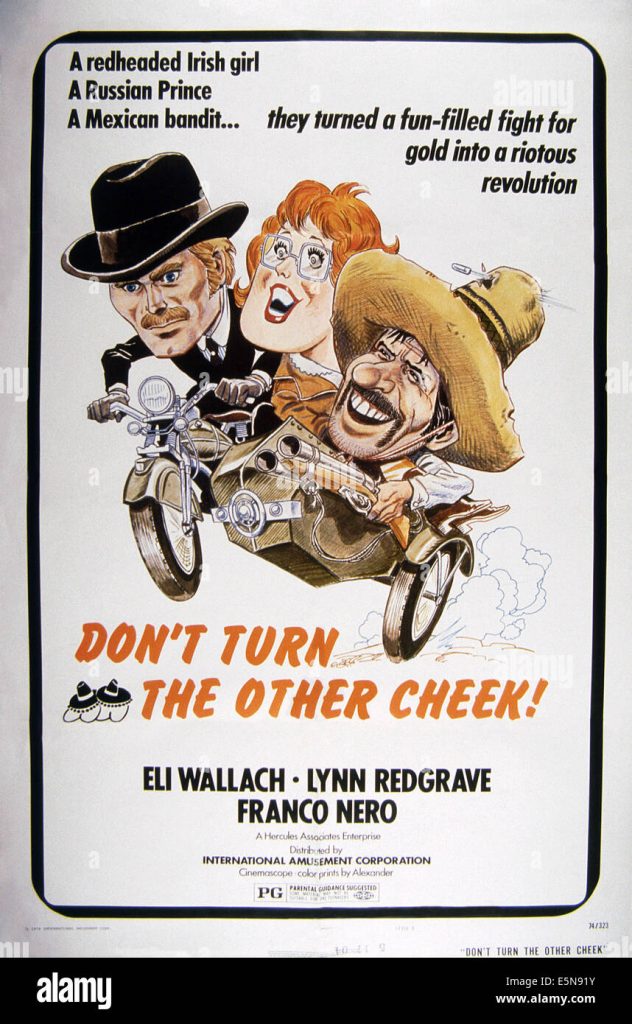
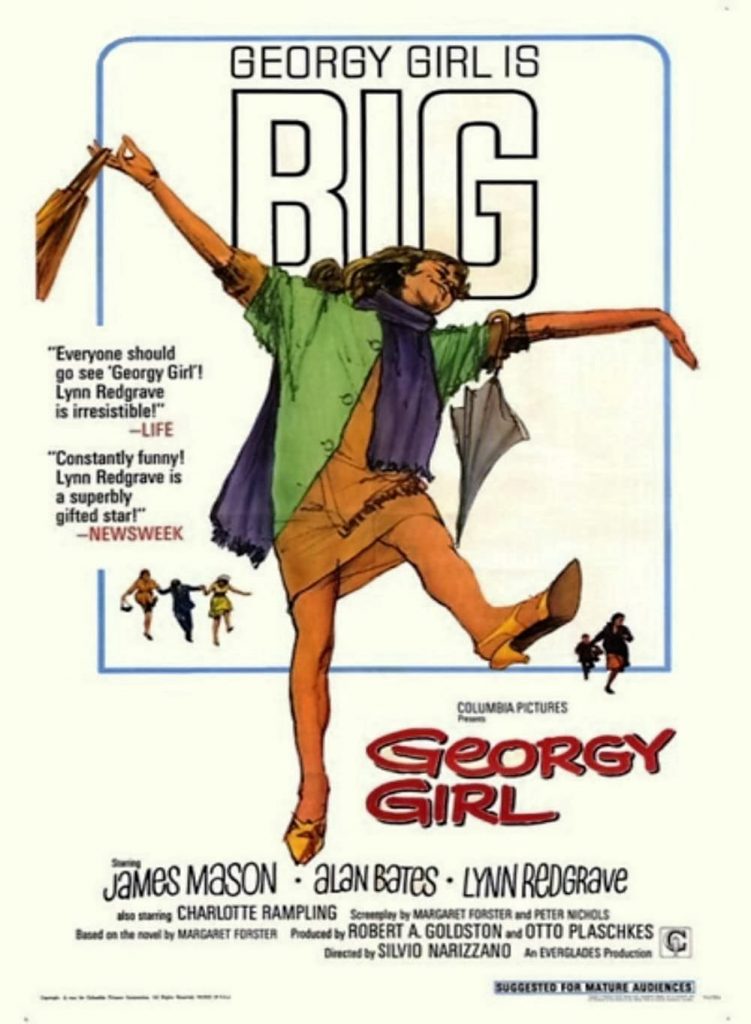
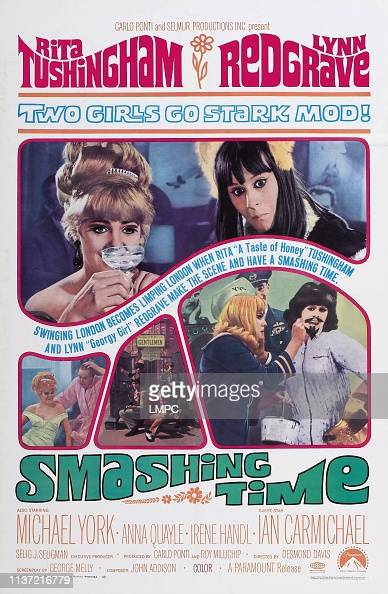
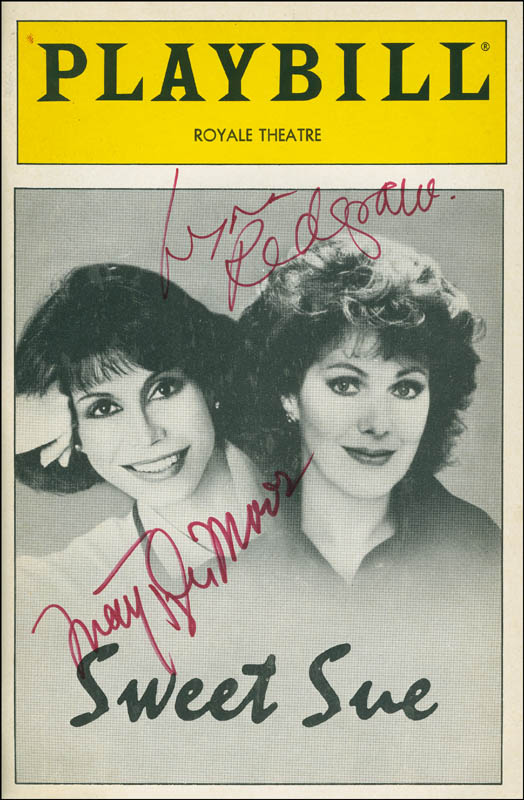
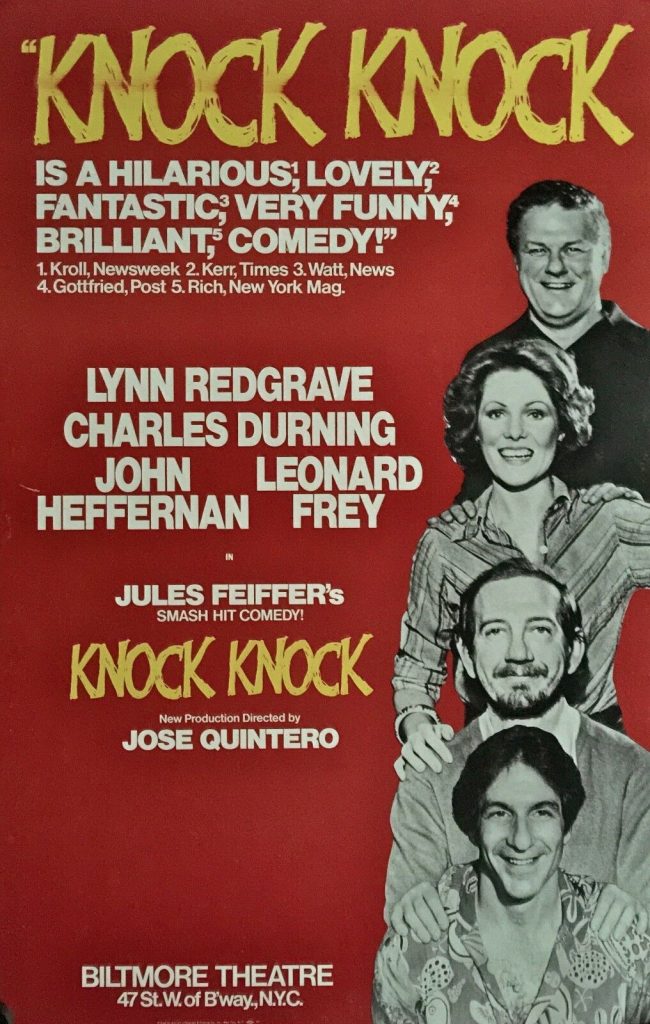
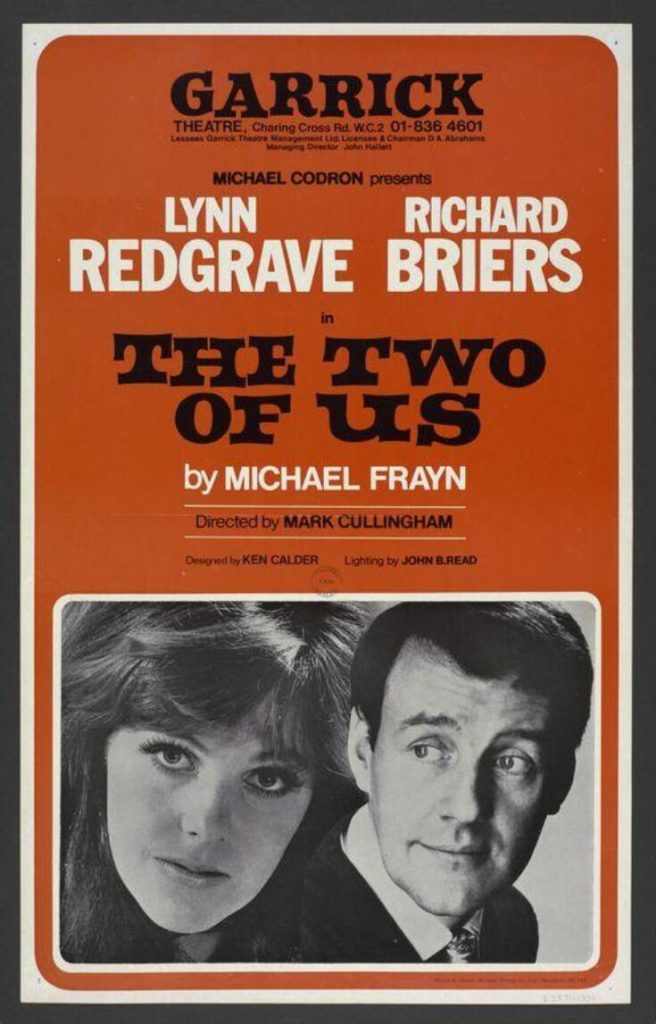
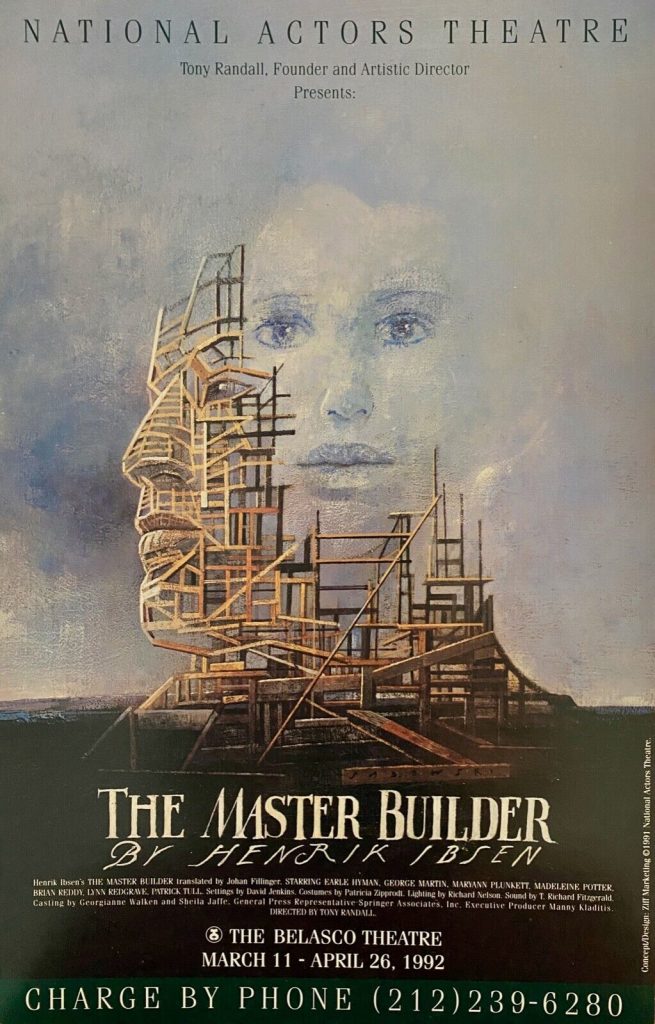
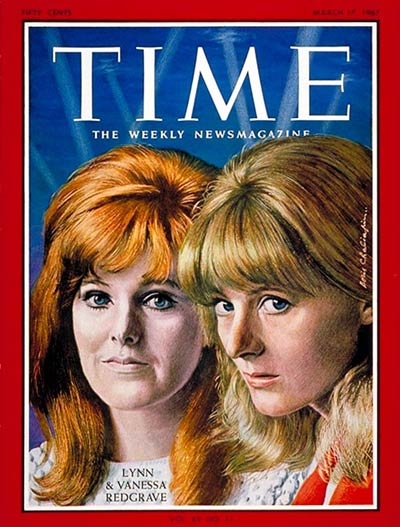
Lynn Redgrave was my very favourite of all the talented Redgrave dynasty.   She had a drollness and unique comic tough that was a true delight.   She was born in 1943 in London.   She was the youngest child of Sir Michael Redgrave and his wife Rachel Kempson.   Lynn’s older siblings were Vanessa and Corin.   She made her film debut in 1963 in “Tom Jones” and the following year was terrific as Baba Brennan the friend of Rita Tushingham in this tale of Irish country girls moving to Dublin.   She had a huge success in 1967 with “Georgy Girl” with James Mason and Alan Bates.   She was nominated for an Oscar for her performance and soon afterwards began making films in the U.S.   In 1999 she gave a great performance in “Gods and Monsters” and was again Oscar nominated.   This wondeful actress sadly died in May 2010


.Her “Guardian” obituary by Michael Coveney:

Even by the colourful standards of her own family’s public profile and professional achievements, Lynn Redgrave, who has died of breast cancer aged 67, was an exceptional personality. Her death seems particularly cruel after the loss of both her niece, Natasha Richardson, after a skiing accident last year, and her brother, Corin Redgrave, last month. The third child of the actors Michael Redgrave and Rachel Kempson, Lynn was a gifted comedian who received her first Oscar nomination for a delightful, clownish performance in the title role of Georgy Girl (1966), one of the defining movies of the so-called swinging 60s. She went on to spend many years living and working in America. Less politically engaged than her older siblings, Vanessa and Corin, she was no less a remarkable talent.

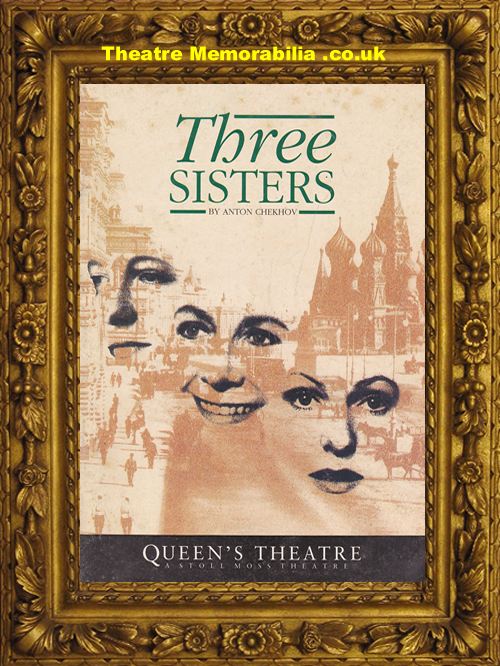
Her 1991 television remake of Whatever Happened to Baby Jane? with Lynn and Vanessa in the Bette Davis and Joan Crawford roles respectively, is a collector’s item. The sisters also starred together in a riotous and emotionally raw 1990 revival of Chekhov’s Three Sisters at the Queen’s Theatre, directed by Robert Sturua of the Rustaveli theatre in Tbilisi, Georgia. Vanessa played Olga, and the sisters’ niece Jemma Redgrave (Corin’s daughter) played Irena. Lynn’s Masha was an unforgettable, frustrated bundle of nervous energy seeping through her cigarette smoke, musical wails and sudden cries.

In her touring solo show, Shakespeare for My Father (1994-96), she exorcised her feelings of distance from the imperious Michael Redgrave by relating how she reached him only by becoming an actor herself. The lonely, lumpy child was transformed by her talent, and the evening, full of wonderful vignettes and speeches, reached a moving climax in the reconciliation scene of Lear with Cordelia. She turned her attention to her mother’s life in a 2001 play for seven actors, The Mandrake Root. In her later one-woman show Nightingale, which won the LA Drama Critics Circle award for best solo performance, she again explored the life of her mother, as well as her maternal grandmother, and also touched upon her own failed marriage.

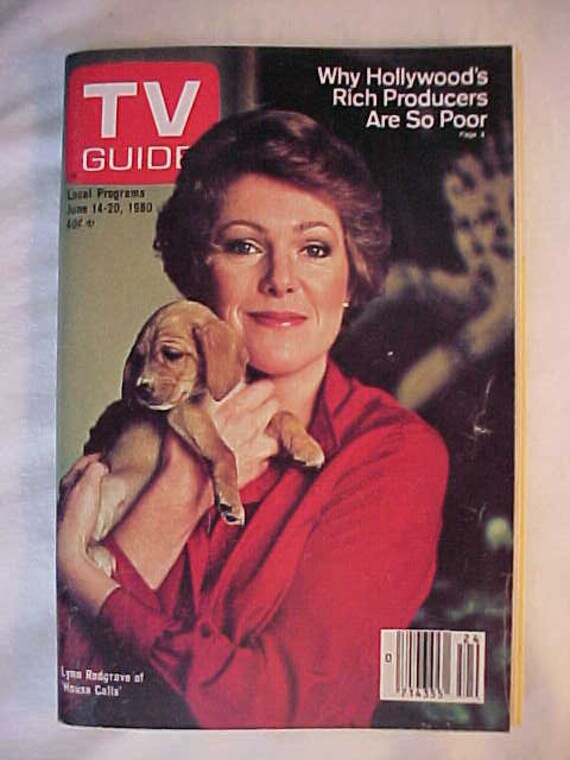
Lynn’s legal battles and marital upheavals were the stuff of soap opera. In 1967 she married John Clark, a former child actor who played the title role in Just William on BBC radio. She settled happily in California in 1974, with Clark as her manager. In 1981 she sued Universal Television for wrongful dismissal and claimed she was not allowed to breast-feed her third child, Annabel, in her dressing-room during the filming of the CBS sitcom House Calls. The litigation lasted 13 years; she lost the suit and was declared bankrupt.

Her marriage to Clark was dissolved in 2000, two years after he revealed that he had had an affair with her personal assistant, Nicolette Hannah, and that Lynn’s supposed grandson Zachary was in fact Clark’s own son by Hannah, who had married (and subsequently divorced) their son Benjamin. Lynn battled with her weight and was a spokesperson for WeightWatchers in the 1980s. She was diagnosed with breast cancer in 2002, had a mastectomy the following year and wrote a journal of her recovery with photographs by her daughter Annabel.

Lynn was born in London and, like Vanessa before her, attended Queen’s Gate school, Kensington, and the Central School of Speech and Drama. Her first job was at the Royal Court in A Midsummer Night’s Dream (1962). The director Tony Richardson (Vanessa’s then husband) told her to play Helena “as a giraffe”.

She was one of the original 12 contract artists in Laurence Olivier’s National Theatre, tragic as the daughter Kattrin in Mother Courage and hilariously dim as the gormless flapper Jackie Coryton in Noël Coward’s own 1964 revival of Hay Fever – the one which had a cast, Coward said, that could play the Albanian telephone directory. (Her co-stars were Edith Evans, Robert Lang, Maggie Smith, Robert Stephens and Derek Jacobi.)

Before she left for California, she appeared in the West End transfer of David Hare’s Slag in 1971 and at Greenwich in 1973 with Dave King in Garson Kanin’s Born Yesterday. But her career, to British eyes at least, became unfocused. None of her films really matched the charm of early work in Tom Jones (1963) with Albert Finney; The Girl With Green Eyes (1964) with Rita Tushingham and Peter Finch; and, of course, Georgy Girl, with Alan Bates and Charlotte Rampling.

There was the odd sighting on Broadway, from Peter Shaffer’s Black Comedy with Michael Crawford in 1966 to Alan Bennett’s Talking Heads in 2003. A London visit in 2001, when she took over Patricia Hodge’s role as Dotty Otley in a revival of Michael Frayn’s sensationally funny backstage farce Noises Off, reminded audiences of her zany brilliance.

Lynn played Dotty, the fast-fading rep actress in a floral housecoat, like some ridiculous parody of Gloria Swanson in Ashton-under-Lyne, refusing grandly to speak when constrained by a neck brace and dark glasses, or cutting loose maniacally in a symphony of hilarious postures and stricken pretensions, bearing plates of sardines around the stage as if they were the crown jewels. No Dotty was ever dottier, or funnier.

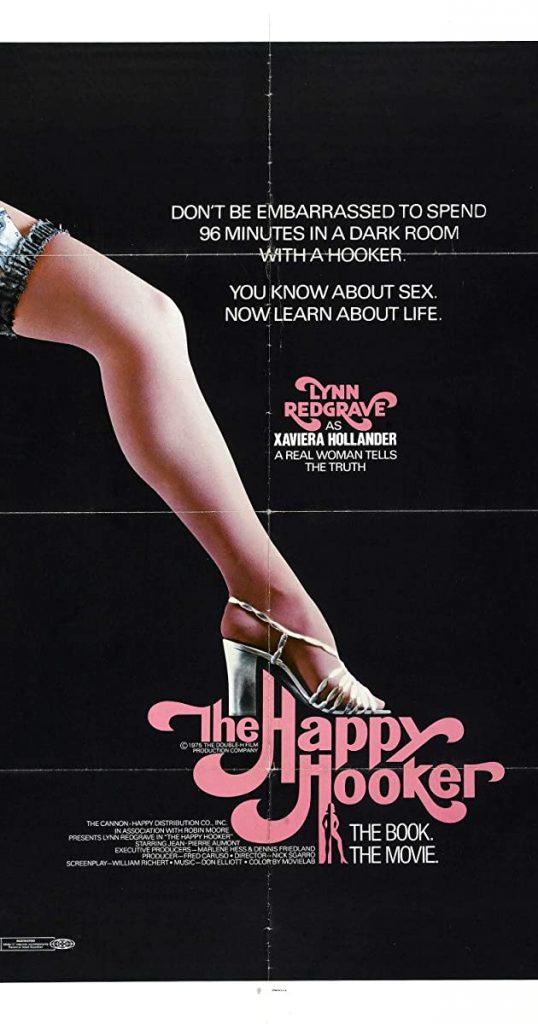
Her films included such oddities as Woody Allen’s 1972 version of a sex manual, Everything You Always Wanted to Know About Sex (But Were Afraid to Ask) and the title role in a low-budget version of Xaviera Hollander’s The Happy Hooker (1975). One of her best screen roles was the jaded London hostess in Getting It Right, adapted by Elizabeth Jane Howard from her own novel, in 1989.

She had fine and graceful supporting appearances in Shine (1996), opposite Geoffrey Rush as the tortured pianist, and in Gods and Monsters (1998), with Ian McKellen as the eccentric film director James Whale. Her performance as Whale’s longtime housekeeper was nominated for a best supporting actress Oscar. Later on, she appeared in such diverse films as the romantic comedy The Next Best Thing (2000), David Cronenberg’s Spider (2002), Peter Pan (2003) and Kinsey (2004).

The occasional glimpses and rare stage appearances only served to whet the appetite. For surely, in her own and very different way, Lynn was as great an actress as Vanessa. It just never really seemed like it. In an interview in the New York Times in 2003, she described her recurring stage nightmare, in which she starred in a production of Turgenev’s A Month in the Country: “I walk through a door of a Russian house and suddenly I’m in the Colosseum in Rome. And there are huge crowds and I can’t be heard. They’re yelling, ‘We can’t hear you!’ It’s awful. They keep yelling, ‘We can’t hear you.'”

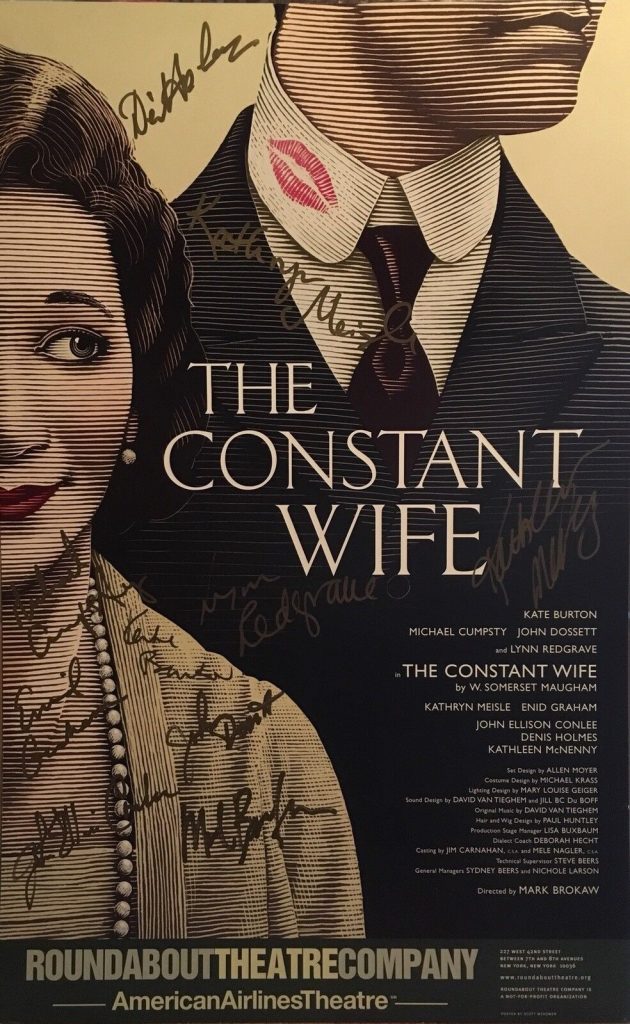
She appeared on Broadway in 2005 at the same time as both Natasha (in A Streetcar Named Desire) and Vanessa (in Hecuba), receiving the best reviews for her performance as Mrs Culver in Somerset Maugham’s The Constant Wife at the Roundabout theatre. “Every night, for a couple of hours,” she said, “I wasn’t a person with cancer. You almost feel like yourself when there’s so much evidence, mainly the mirror, to show you you aren’t. It was true ‘Doctor Theatre’.”

She was appointed OBE in 2002. Lynn is survived by her children Ben, Pema and Annabel, sister Vanessa, and six grandchildren.

• Lynn Rachel Redgrave, actor, born 8 March 1943; died 2 May 2010

This “Guardian” obituary can also be accessed on-line here.

Joan Rice
Joan Rice
Joan Rice

Joan Rice obituary in “The Daily Telegraph” in 1997.

Joan Rice is best remembered for her role as a lovely Maid Marian to Richard Todd in Walt Disney’s “The Story of Robin Hood and his Merrie Men” in 1952.   She then went on to star in the big budget “His Majesty O’Keefe” opposite Burt Lancaster.   Her other films include “Operation Bullshine” in 1959 and her last film was in 1970 “The Horror of Frankenstein”.   She died in 1997 at the age of 67.

This was Joan’s obituary in The Daily Telegraph, which was very kindly sent to me by her nephew, Richard Keeble:

“Joan Rice who has died aged 66 [1997], was a Rank starlet of the 1950’s; her best remembered role was Maid Marian in Disney’s Robin Hood (1952) opposite Richard Todd.   Hers was a Cinderella story without the glass slipper. She was discovered as a waitress at the former Lyons Corner House in Piccadilly and signed to a film contract after winning the Lyons ‘Miss Nippy’ contest of 1949.   With no formal acting training, she was sent to the Rank charm school and rushed into a stream of mostly minor roles in British films of the day. One‘His Majesty O’Keefe,’ (1953) was a Hollywood production set in the South Seas, with Burt Lancaster, but it made little impact at the box office.

Joan Rice never found the big role that might have established her on the international scene. She dropped out of the cinema in the 1960’s to build aless glamorous life in provincial repertory.   She claimed never to miss her movie career, and later in life, at the instigation of her father-in-law, she took up live acting to repair the omissions of youth. She toured in ‘Rebecca’ and ‘A View from the Bridge,’ her favourite play. She never attracted bad notices, but none of these productions reached the West End and she became a forgotten figure to many of the cinemagoers of the 1950’s who fondly recalled herEnglish rose complexion and shapely contours.   After seven years she abandoned acting completely because she disliked being away from home for such long periods. She was tempted into television only once – as a contributor to a ‘This Is Your Life’ show for Richard Todd, but dried up before the cameras and had to be steered through the programme by Michael Aspel.

Joan Rice was born in Derby on February 3rd 1930, one of four sisters from a broken home. She was brought up for eight years in a convent orphanage in Nottingham. After early experience as a lady’s maid and a housemaid, she left for London with half a crown in her purse and took a job as a waitress withLyons at £3 a week.   Balancing tea trays and negotiating obstacles gave a natural poise that stood her in good stead in the company’s in-house beauty contest. The prize was a week’s promotional tour in Torquay ( a town to which she returned 20 years later in a revival of ‘The Reluctant Debutante’ at the Princess Theatre).   As winner of the ‘Miss Nippy’ contest, she was introduced to the theatrical agent Joan Reese, who went to work on her behalf and secured a screen test and a two-line bit part in the comedy, ‘One Wild Oat.’ Her first substantial role, however, was in ‘Blackmailed’ (1950), a hospital melodrama, starring Mai Zetterling and Dirk Bogarde, in which Joan Rice played a good time girl.

It caught the eye of Disney and led to the role of Maid Marian, in which she was hailed as the “new Jean Simmons.” Rank however, seemed unable to capitalise on this. In the 11 years that she was active in British films, Rank offered her only supporting roles in films dependant on a large cast of character actors.   ‘Curtain Up’ (1952), for example was about a seaside repertory company,‘A Day to Remember’ (1953), about a darts team on a one day excursion to France, ‘The Crowded Day,’ (1954) about the staff of a department store coping with the Christmas rush and ‘Women without Men,’ (1956) about a breakout from a women’s prison.   Only ‘Gift Horse’ (1952), a traditional wartime naval picture, had quality, yet her role as a Wren was subsidiary to Trevor Howard, Richard Attenborough and Sonny Tufts. In ‘One Good Turn’ (1954), she was wasted as a stooge to Norman Wisdom. After ‘Payroll’ in 1961, she effectively called it quits, returning for only one last picture, ‘The Horror of Frankenstein’ in 1970.

After leaving show business, she lived quietly with her beloved Labradors,Jessie and Sheba, took work as an insurance clerk and later set up an estate agent, letting accommodation in Maidenhead through the Joan Rice Bureau, though she had only one member of staff.

She smoked heavily and suffered from asthma and emphysema, which kept her largely housebound for the last six years.

She married first, in 1953 (dissolved in 1964), David Green, son of the American comedian, Harry Green; they had one son. She married secondly, in 1984, the former Daily Sketch journalist Ken McKenzie, who survives her [1997].”

A Daily Telegraph obituary of Ms Rice can be accessed here.

Brenda de Banzie
Brenda de Banzie
Brenda de Banzie
Brenda de Banzie

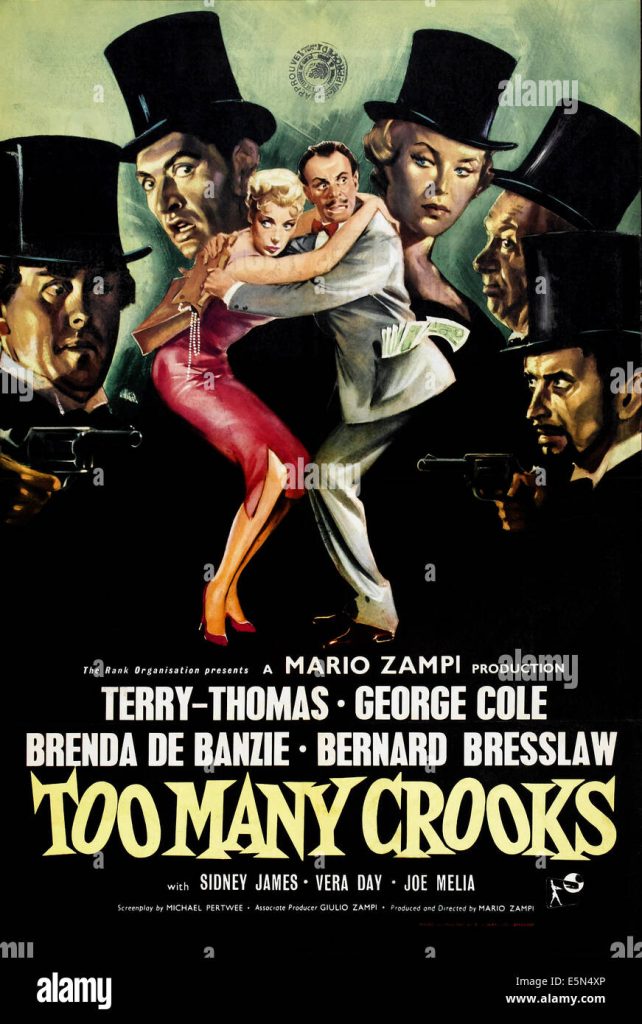
Brenda de Banzie starred in several major films in Britain in the 1950’s and 60’s but biographical information on her seems very scarce.   She was born in Manchester in 1909.   She did not begin a career on film until she was in her mid 40’s.   Her film debut was in “The Yellow Balloon” with Kathleen Ryan and Kenneth More in 1953.   She had the female lead opposite John Mills and Charles Laughton in “Hobson’s Choice”.   Her other major films include “The Purple Plain”, “The Man Who Knew too Much”, “A Kid for Two Farthings”, “Doctor at Sea” , “The Entertainer” and “The Pink Panter”.      Her last film was “Pretty Polly” as the aunt of Hayley Mills in 1967.   She died in 1981 at the age of 71.   She never seemed to play tender roles.   It would have been interesting to see her in such parts.

Her IMDB mini biography:

The daughter of a musical conductor, fair-haired, slightly plump Brenda de Banzie appeared in just a handful of films. As the result of two outstanding performances, she became an unexpected star when well into her middle age. Brenda first came to public notice as a sixteen year old chorine on the London stage in “Du Barry Was a Lady”, in 1942. By that time, she had already been treading the boards in repertory for some seven years. The theatre was, first and foremost, her preferred medium. In the early 1950’s, she had an excellent run of top-billed performances at the West End, which included “Venus Observed” with Laurence Olivier, and “Murder Mistaken”, as a wealthy hotel owner whose husband is plotting to bump her off for her money. For this, she won the coveted Clarence Derwent Award as Best Supporting Actress.

Critical plaudits tempted her to try her luck on screen, so Brenda eventually made her celluloid debut in Anthony Bushell‘s murder mystery The Long Dark Hall (1951). Her performance, as a rather vulgar and dowdy boarding house landlady, drew good notices – including one from Bosley Crowther of The New York Times. In 1954, director David Leancast Brenda in her defining role as Maggie Hobson, a middle-aged, temperamental spinster, opposite Charles Laughton and John Mills in Hobson’s Choice (1954). She pretty much stole every scene from her illustrious co-stars. Rather surprisingly, a BAFTA, eluded her. In 1958, Brenda landed the prize role of Phoebe Rice, the bitter, alcoholic wife of a second-rate music hall performer (played superbly by Olivier) in John Osborne‘s The Entertainer (1960). She recreated her performance for Broadway and for the film version in 1960 and received a Tony Award nomination. Sadly, little else came along which did much justice to Brenda’s intelligence and acting skills. During the 1960’s, she appeared primarily in matronly character roles and passed away during surgery for a non-malignant brain tumor in March 1981.

– IMDb Mini Biography By: I.S.Mowis

Interesting article on Brenda de Banzie here.

Brenda de Banzie (1909–1981) was a formidable presence in British cinema and theatre, an actress who achieved “stardom” later in life by specializing in women of immense steel, hidden fragility, and occasionally, sharp-tongued wit. While often labeled as a “character actress,” her peak years in the 1950s saw her commanding the screen alongside the greatest titans of the era, frequently outshining them with her grounded, unsentimental realism.

Career Overview

De Banzie was a veteran of the “repertory grind,” spending nearly twenty years perfecting her craft on stage before the film industry took notice.


  • The Theatre Foundation (1930s–1950s): She began as a chorus girl but moved into serious drama, winning the Clarence Derwent Award for Murder Mistaken. Her stage presence was so commanding that Laurence Olivier specifically sought her out for major West End productions.


  • The Breakthrough (1954): Her role as Maggie Hobson in David Lean’s “Hobson’s Choice” transformed her into a major cinematic force at age 45—an age when most actresses of the era were being relegated to minor supporting roles.

  • The International Transition (1956–1963): She became a reliable “prestige” actress, appearing in Alfred Hitchcock’s The Man Who Knew Too Much and headlining the film and stage versions of John Osborne’s The Entertainer.


  • The Later Years: As the “Swinging Sixties” shifted the focus to younger stars, she transitioned into matronly and often comedic character roles (notably in The Pink Panther) before her untimely death during surgery in 1981.


Critical Analysis of Her Work

1. The Mastery of “Quiet Authority”: Hobson’s Choice

In Hobson’s Choice, de Banzie played Maggie, the eldest daughter of a tyrannical bootmaker (Charles Laughton).


  • Analysis: This performance is a masterclass in understatement. While Laughton gave a bombastic, theatrical performance, de Banzie anchored the film with a dry, unwavering stillness. Critics of the time noted that she “stole the film” from Laughton by doing less. She portrayed Maggie not as a victim, but as a strategic genius. Her chemistry with John Mills was revolutionary for the time; it was a romance based on mutual respect and “business-like” affection rather than typical Hollywood melodrama.

2. The Anatomy of Despair: The Entertainer (1960)

As Phoebe Rice, the long-suffering, gin-soaked wife of Archie Rice (Laurence Olivier), de Banzie delivered what many consider her most emotionally raw performance.

  • Analysis: If Maggie Hobson was a study in strength, Phoebe was a study in erosion. De Banzie captured the specific “shabby-genteel” tragedy of the English middle class. She avoided the clichés of the “drunkard’s wife,” instead focusing on the character’s relentless, chattering anxiety and her desperate clinging to a vanished past. It was a performance of great dignity in a role that offered none, earning her a Tony nomination on Broadway.


3. The “Hitchcockian” Moral Ambiguity

In Hitchcock’s “The Man Who Knew Too Much” (1956), de Banzie played Lucy Drayton, a character who begins as a friendly tourist but is revealed to be a kidnapper.


  • Analysis: This role demonstrated her range in the thriller genre. She possessed a “maternal” warmth that Hitchcock weaponized to create a sense of unease. Her critical contribution to the film was her ability to show a flicker of conscience at the end; she humanized a villainous archetype, making the Draytons feel like a tragic couple caught in a geopolitical game they couldn’t control.

4. Technical Precision and “Upstaging”

De Banzie was famously technically proficient, which occasionally led to friction with her more temperamental co-stars.

  • Analysis: On the set of Hobson’s Choice, Charles Laughton was reportedly frustrated by her efficiency and her tendency to draw the audience’s eye even when she wasn’t the focus of the scene. Critics have noted that she was an “actor’s actor”—she understood the geography of the frame and the rhythm of the dialogue so perfectly that she could control the tone of a scene simply with her reaction shots.


Key Performances for Study

 
Work Year Role Significance
Hobson’s Choice 1954 Maggie Hobson Her defining role; won her a BAFTA nomination and international acclaim.
The Man Who Knew Too Much 1956 Lucy Drayton Showcased her ability to play psychological complexity in a major thriller.
The Entertainer 1960 Phoebe Rice Her most critically acclaimed dramatic work; a study in domestic tragedy.
Flame in the Streets 1961 Nell Palmer A powerful performance in a film addressing racial tensions in Britain.
The Pink Panther 1963 Angela Dunning Demonstrated her flair for high-society comedic timing.


In summary: Brenda de Banzie was the “Iron Lady” of British cinema’s golden era. She brought an intellectual rigour to her roles that prevented her from ever being “just another character actress.” She represented the unsung strength of women who survived the war and the changing social landscape of Britain, making her a vital link between the theatrical traditions of the past and the realism of the 1960s

John Bindon

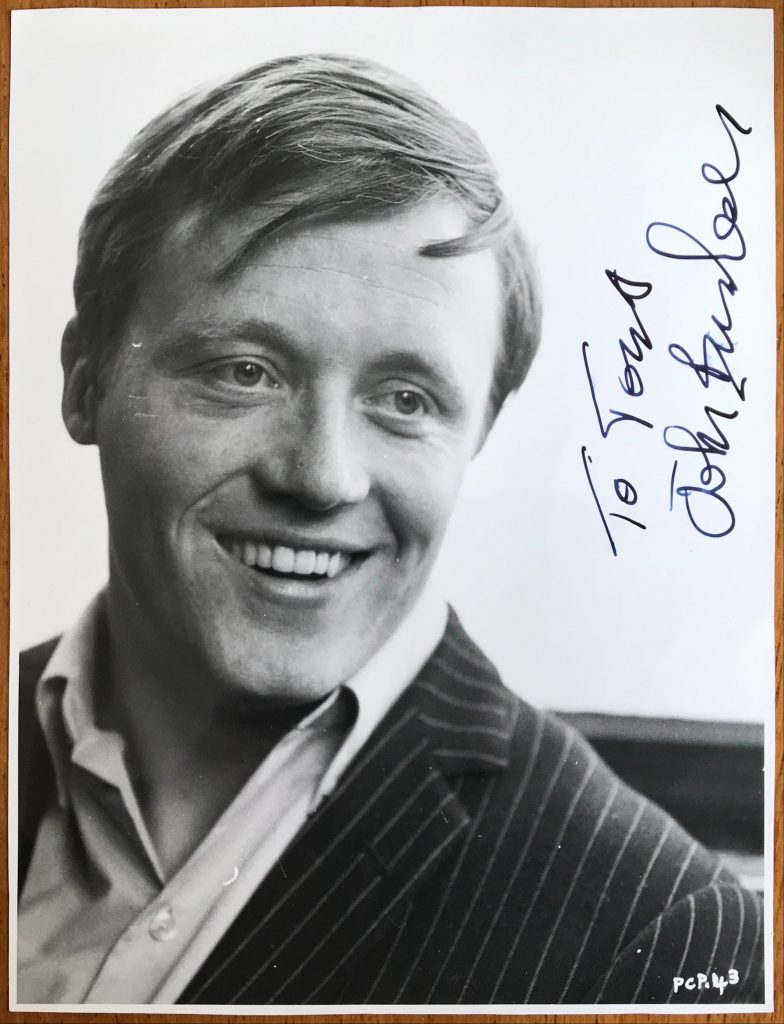
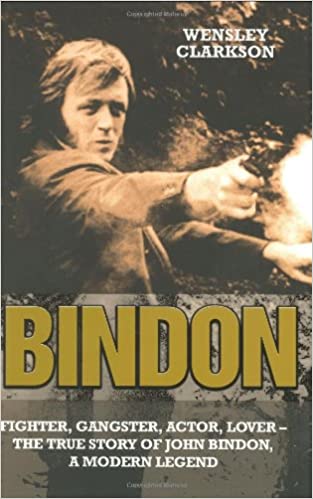
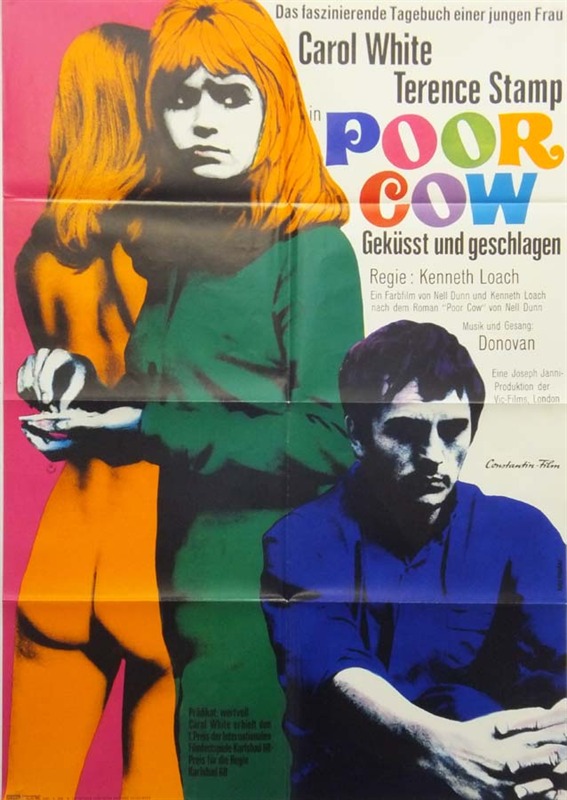
John Bindon was a very interesting screen actor in British films in the 1960’s and 70’s .   He usually played tough guys a role which he seemed to play in real life.   The director Ken Loach spotted him in an East End pub in London in 1966 and cast him as the abusive husband of Carol White in the excellent “Poor Cow”.   He was then cast in “Performance” with Mick Jagger.   He also had major roles in “Quadrophenia” and “Get Carter”.   He died in 1993 at the age of 50.

His “Independent” obituary:

A MAN of the Sixties, John Bindon lived a life at least as colourful as the roles he played: he was the archetypal actor-villain, and an all- round ‘good geezer’. ‘The fundamental thing about John was that he was a bright, intelligent man a size bigger than the room he was in,’ recalls his agent, Tony Howard.

The son of a Fulham cabbie, Bindon had an upbringing shrouded in machismo myth. It was all good training for the adult Bindon, for whom the term method acting might have been invented. The director Ken Loach cast him in Poor Cow (1967), the gritty realist film of Nell Dunn’s novel, having been introduced to him by Dunn ‘through a contact of hers. He was very easy to direct,’ says Loach, ‘and he was very good in it, very straight.’ Bindon’s portrayal of Carol White’s wife-battering husband was to set the tone for his acting career.

The celebrity of Poor Cow brought the model Vicki Hodge into Bindon’s life, and Bindon into high society. He was ‘not an East End tough,’ says Tony Howard. ‘He was a genial fellow welcome everywhere he went, from the highest to the lowest places. He could make a horse laugh – he could put people on the ground. He could charm Princess Margaret equally as well as anyone else.’ Bindon’s bonhomie certainly won him many celebrated friends: ‘John Huston loved him, Stanley Kubrick loved him,’ Howard says. Bindon appeared in the former’s film The Mackintosh Man (1972) , with Paul Newman, and had a small part in Kubrick’s Barry Lyndon (1975).

In 1970 Bindon was cast, alongside Mick Jagger and James Fox, in Performance, in which he played minder to the Kray-like ‘Harry Flowers’. The film’s co-director Nicholas Roeg remembers him as a ‘wild, naked talent; an extraordinary man; a totally unafraid person; people often mistrust that, mistake it for pugnacity.’ Bindon kept in contact with Roeg, who met him again some 10 years later, when the actor came to the United States ‘shortly after his ‘other problems’. We were always able to pick up a friendly conversation. I had a very great regard for him. I liked his attitude of raw courage; he had an unencumbered attitude – people are so often encumbered by fear.’ Bindon won the Queen’s Award for bravery in 1968, after rescuing a drowning man from the Thames (although it was alleged that Bindon had pushed the man in himself, and only pulled him out when a policeman appeared).

In between bouts of acting, Bindon became involved in the music scene, acting as tour manager and security for Led Zeppelin and David Bowie; he was a particular friend of Bowie’s manager, Tony de Fries, and through him got to know Angie Bowie, with whom he had a well-publicised affair. Bindon’s amatory interests – Christine Keeler, Serena Williams – excited almost as many gossip column inches as did his other activities.

Unfortunately, what Roeg calls his ‘other problems’ soon established another sort of fame. In 1976 Bindon was declared bankrupt; two years later he killed John Darke, a London gangster, outside a pub in Putney, allegedly for a fee of pounds 10,000. Bindon escaped to Dublin, badly wounded. He returned to England, however, and was acquitted on a plea of self-defence when it was revealed that he had saved a victim whom Darke had stabbed in the face. The substantial appearance of Bob Hoskins as a character witness at the trial helped sway the verdict.

Bindon made various appearances, generally portrayed as a ‘heavy’, in television series such as Hazell, The Sweeney, Softly, Softly and Minder, where his tough-guy persona lent an authentic air to such productions. But film work declined after the adverse publicity of his trial – although he did memorably play a drug dealer in the rock film Quadrophenia (1979), a role which again appeared perilously close to typecasting.

In 1981, Bindon’s 12-year relationship with Vicki Hodge ended, and his criminal activities began to garner more publicity than his acting work. In 1982 he was convicted of threatening a law student with a piece of pavement; and two years later was sentenced to two months in prison for holding a carving knife in the face of a detective constable. Although this sentence, and a similar one of six months for carrying an offensive weapon, was suspended, Bindon had spent time inside for other crimes. Tony Howard recalls: ‘His time in jail was well spent, reading avidly. He had a great knowledge of history and Shakespeare – he loved the classics – he knew everything there was to know about people like Wellington – he could quote Shakespeare freely, and did.’

Bindon’s last appearance was at the tiny King’s Head theatre in Islington in 1987, but his performance merited a worthy critical mention. The latter part of Bindon’s life was spent in a small flat in Belgravia, in a degree of poverty. His death from cancer brought unlikely tributes to the man’s goodheartedness from colleagues and close friends. Over 200 people attended his funeral at Putney Vale crematorium, spilling out of the chapel in their eagerness to show respect.

His “Independent” obituary can also be accessed online here.

Brian Glover
Brian Glover
Brian Glover

Brian Glover was an actor, writer and wrestler from the English midlands .   He was born in 1934 in Sheffield.   His first film role was as Mr Sugdon the bossy soccer coach in Ken Loach’s “Kes” in 1970.   He had a recurring role in the classic TV series “Porridge”.   On the stage he acted in Lindsay Anderson’s “The Changing Room”.   He died from a brain tumour in 1997 at the age of 63.

His “Independent” obituary:

Bluff and bald Brian Glover, who made his acting debut as the ebullient games master in Kes, was one of Britain’s most distinctive and popular character actors. His chunky frame was familiar from countless television appearances as well as film and stage work, while his homely Yorkshire tones were heard as voice-overs in television commercials, notably his assurances that “Tetley make tea bags make tea”, and that Allison’s bread has “nowt taken out”.
me that when Glover starred in a West End revival of The Canterbury Tales a few years ago it was advertised as “Chaucer with nowt taken out”.

Glover was born in Sheffield in 1934, but raised in Barnsley. His parents did not marry until he was 20. “I was in the gym in Barnsley one day and me dad came in and said, `Me and your mother made it all right today’, and I said `About bloody time!’ ” His father was a wrestler who called himself the Red Devil (“I don’t know what the neighbours thought when me mum used to hang out his masks on the clothes line”), and his mother ran a small grocer’s shop.

With his stocky frame, it was inevitable that Glover too would become a wrestler, eventually topping bills under the name of Leon Aris. Prompted by his mother to get a good education, he attended Sheffield University and became a teacher of French and English in Barnsley, where a fellow teacher was Barry Hines, the author of Kes.

In 1968, when the film was in preparation, Hines suggested that the director Ken Loach consider Glover for the role of the bullying games master Sugden. “Ken Loach was improvising a fight with a load of kids, and he asked me to stop it like a teacher would,” recounted Glover. “Well, I’d stopped a good few playground fights, and I had the confidence of being in the ring all those years, so I just grabbed the two kids who were fighting and banged their heads together.”

Though both the film and Glover’s performance in it were successful, he returned to teaching for two years until the entrepreneur Binkie Beaumont saw Kes while casting Terence Rattigan’s play about Nelson, Bequest to the Nation, and thought Glover right for the role of Hardy. The actor wickedly commented later, “Binkie used to take me to the Ivy – I must have been his rough trade or something.”

Glover’s acting career continued to flourish with roles at the Royal Court (including two David Storey plays directed by Lindsay Anderson, The Changing Room, 1971, and Life Class, 1974), and with the Royal Shakespeare Company, including Charles the Wrestler in As You Like It. Anderson cast him in his epic allegorical film O Lucky Man! (1973) and as Sergeant Match in his stage production of Orton’s What the Butler Saw (1975).

Prolific work with the National Theatre included roles in The Long Voyage Home, The Iceman Cometh (both 1979), Don Quixote (1982) and Saint Joan (1983), while other films included Brannigan (1975), The Great Train Robbery (1979), Company of Wolves (1984), Aliens 3 (1991) and Leon the Pig Farmer (1992).

The advertising industry, which grades voices by colour, had Glover’s as a robust, no-nonsense dark brown, and it was in demand for commercials, including his famous ones for bread and tea. His dozens of acting roles on television included a Doctor Who adventure in 1984 that proved a source of steady income. “I get more repeat fees for that than anything,” he said recently, adding, “The other big success is A Midsummer Night’s Dream. Get in a Shakespeare on the telly and the BBC sell it all over the world on video to schools.”

Though he played Bottom in this production, and had one of his greatest successes playing a blunt but benign God in The Mysteries (1985), he accepted with good humour that many of his roles would be villainous. “You play to your strengths in this game,” he said, “and my strength is as a bald- headed, rough-looking Yorkshireman.”

Along with his success as an actor, Glover pursued a writing career which included over 20 television plays and short films, plus a regular column for a Yorkshire paper. A committed socialist, he proved a lively member of the BBC television discussion programme Question Time. A totally unpretentious and down-to-earth personality (he refused to be ferried by limousines even when they were offered), he was enormously liked within the profession.

Though he had an operation for a brain tumour last September, he was back at work two weeks later filming John Godber’s Up and Under, in which he plays a Rugby League fan who is mentor to a younger player. “I first met Brian in 1977,” said Godber yesterday, “when he was one of the few people to see my first play, Bouncers, on the Edinburgh Fringe. He was kind enough to write me a little note and say he thought I might have something.”

Having always wanted to make a film with Glover, Godber created the film role especially for him. “He was a little bit poorly during the shoot,” said Godber, “but he never let it get in the way. He was always terrific company.”

Brian Glover, actor: born Sheffield 2 April 1934; twice married (one son, one daughter); died London 24 July 1997.

His “Independent” obituary can be accessed here.

Rupert Graves
Rupert Graves
Rupert Graves

Rupert Graves was born in 1963 in Weston-Super-Mare in Somerset.   He started his career as a circus clown.   His breatkthrough roles came with two E.M. Forster’s novels into film, “A Room With A View” in 1985 and two years later “Maurice”.   Among his other films are “Where Angels Fear to Tread”, “The Sheltering Desert” and “Mrs Dalloway”.

Gary Brumbrugh’s entry:

Born in a seaside resort town, Britain’s Rupert Graves was born a rebel, resisting authority and breaking rules at an early age. In his teens he became a punk rocker and even found work as a circus clown and in traveling comedy troupes. In 1983 he made his professional stage debut in “The Killing of Mr. Toad” and went on to co-star with Harvey Fierstein in the London production of “Torch Song Trilogy.” It didn’t take long for somebody to take note of Rupert’s boyish good looks and offbeat versatility. By the mid-80s he was a presence in quality films and TV, primarily period pieces such as his Freddy Honeychurch in A Room with a View (1985) and the gay drama Maurice (1987).

Rupert moved to the front of the class quickly. His decisions to select classy, obscure arthouse films as opposed to box-office mainstream may have put a dimmer on his star, but earned him a distinct reputation as a daring, controversial artist in the same vein as Johnny Depp. In A Handful of Dust (1988) he essayed the role of a penniless status seeker who beds down a married socialite; in Different for Girls (1996) he was the lover of a male-to-female transsexual woman; in The Innocent Sleep (1996) he played a derelict drunk; and in the award-winning Intimate Relations (1996) he portrayed an aimless boarder who has a relationship with both the mother/landlady and her daughter.

Equally adept at costume and contemporary drama, Rupert more recently earned rave reviews on Broadway with “Closer” in 2000 and “The Elephant Man” in 2002. Rupert is currently married to production coordinator Susie Lewis.

– IMDb Mini Biography By: Gary Brumburgh / gr-home@pacbell.net


To view Rupert Graves Website, please click here.

Simon MacCorkindale
Simon McCorkindale
Simon McCorkindale
Michael York & Simon McCorkindale

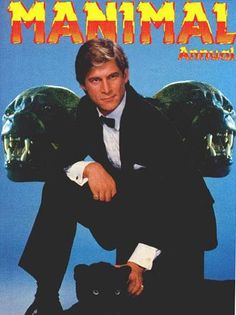
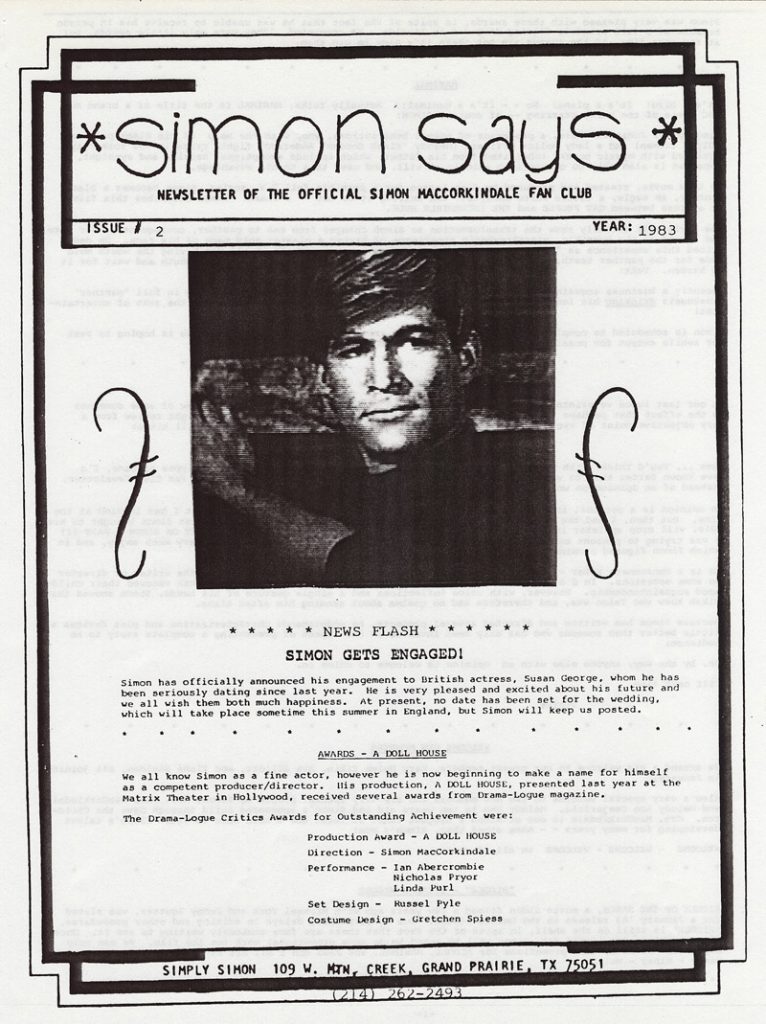
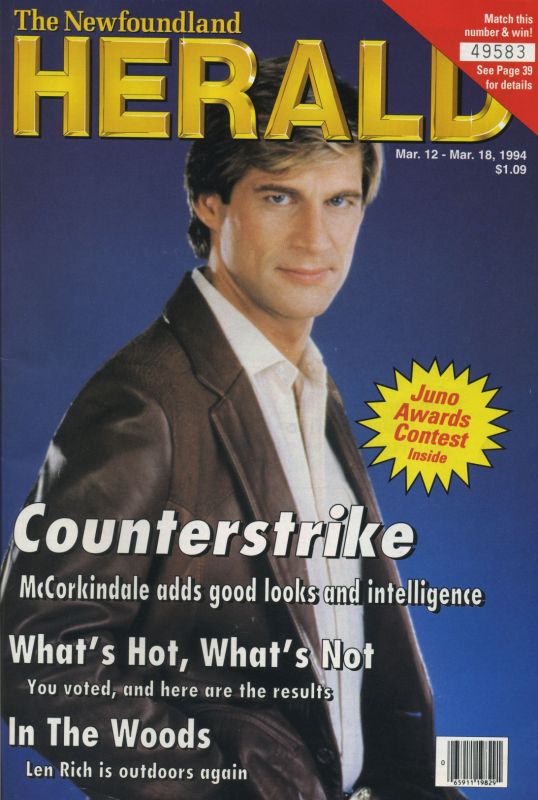
Simon McCorkindale was born in 1952 in Ely in Cambridgeshire.   His father was a Group Captain in the Royal Air Force and he hoped to follow in his father’s footsteps but he was shortsighted and unable to enlist.   He made his West End stage debut in “Pygmalion” with Sir Alec MacCowan and Dame Diana Rigg.   His film breakthrough  came with the higly popular “Death on the Nile” where he was caught in a love triangle with Mia Farrow and Lois Chiles.   He went to Hollywood where he made the TV series “Manimal” which was not a success.   He was then part of the cast of “Falcon Crest” with Jane Wyman.   After some years he returned to the UK and was cast in the long running “Casualty” as clinical lead consultant Harry Carpenter.      Simon  MacCorkindale died in October 2010.   He was long married to actress Susan George.

His “Guardian” obituary by Ronald Bergan:

In common with his contemporaries Jeremy Irons, Michael York and Hugh Grant, the actor Simon MacCorkindale, who has died of cancer aged 58, on screen projected the very English persona of an ex-public schoolboy. But unlike them, MacCorkindale never made it big in films. Nevertheless, his “posh” accent, his suave demeanour and patrician good looks made him a natural for roles in television soap operas, from the opulent mansions of Falcon Crest (1984-1986), to the hospital corridors of Casualty (2002-2008). In the latter, he played the autocratic clinical consultant Harry Harper, who ran Holby City hospital’s emergency department. A doctor of the old school, he sweeps through the wards, advising, cajoling, admonishing and seducing colleagues and patients alike.

In 2007, having already been diagnosed with bowel cancer, MacCorkindale learned that it had spread to his lungs and that he had no more than five years to live. It was cruelly ironic that he continued to play Harry Harper, sometimes being required to inform patients that they had an incurable disease. “I don’t want people to think that I’m pale, losing my hair, losing weight and on the way out,” he commented in 2009. “I’m not. I’m as active as I’ve ever been.”

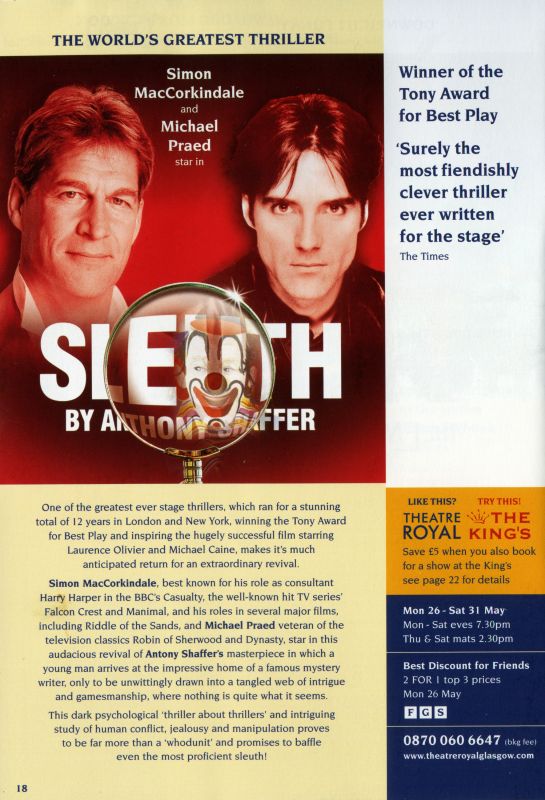
Immediately after leaving Casualty, and refusing to let his illness interfere with his work, MacCorkindale toured in the strenuous part of Andrew Wyke in Sleuth, took over the role of Captain Georg Ludwig von Trapp in the London Palladium production of The Sound of Music, as well as appearing in a couple of films and television plays. This stoicism may be put down to his upbringing.

MacCorkindale was born in Ely, Cambridgeshire, the son of Scottish parents. He spent much of his early childhood moving around because his father, a group captain and a station commander in the RAF, had postings at various bases in Britain, Germany and Belgium. Eventually, Simon was sent to Haileybury school, Hertfordshire, where he played rugby and was head boy. His desire to follow his father into the RAF was thwarted when he failed an eyesight test, so he decided to train for the stage, despite his father’s conviction that it was “not a sensible job”.

While in his early 20s, MacCorkindale started to get small parts on stage (“a sarcastic bystander” in Pygmalion, 1974) and on television (Paris in Romeo and Juliet; Lucius in I, Claudius, both 1976). But his breakthrough came with the role of the charming cad Simon Doyle in Death on the Nile (1978), in which he was in no way outshone by the starry cast of murder suspects under the scrutiny of Peter Ustinov’s Hercule Poirot. The following year, MacCorkindale appeared as an astronomer in The Quatermass Conclusion, co-starring with John Mills, a hero of his, and in The Riddle of the Sands, based on Eskine Childers’s adventure novel, wherein he and Michael York were two British yachtsman who foil a German plot to invade Britain in 1901.

In 1982, following his divorce from the actor Fiona Fullerton, to whom he had been married for six years, MacCorkindale went to live in California. There, along with Joan Collins in Dynasty, MacCorkindale found himself in the first wave of British stars to make an impact in American television shows. After appearances in one episode each of Hart to Hart and Dynasty, he was given the lead in Manimal (1983), which had the rather absurd conceit of having MacCorkindale as a British college professor at New York University who has the unusual ability to transform himself into any kind of animal in order to help the police battle crime. Not surprisingly, despite some clever special effects, the show ran only eight episodes. Fortunately, MacCorkindale, who always refused to Americanise his accent, got the part of Greg Reardon, a conniving British lawyer employed by Angela Channing (Jane Wyman), the equally conniving matriarch who runs the family winery in the glossily extravagant Falcon Crest.

However, after a few more soaps, he and the actor Susan George, whom he had married in 1984, decided to return to Britain, where he set up a production company called Amy International Artists, named after the character his wife had played in the controversial Straw Dogs (1971). In 1995, they bought and took over a 45-acre stud-farm on Exmoor, where they bred Arabian horses. Then came the six-year run in Casualty, which required a relatively more realistic acting style than in American soap operas.

MacCorkindale is survived by his wife.

• Simon MacCorkindale, actor, born 12 February 1952; died 14 October 2010

The “Guardian” obituary can also be accessed online here.

Simon MacCorkindale (1952–2010) was an actor, director, and producer who embodied a specific brand of “British Steel.” With his piercing blue eyes, athletic build, and a voice that commanded immediate authority, he became a transatlantic fixture in the 1970s and 80s. A critical analysis of his work reveals an actor who excelled at playing the “arrogant charmer”—characters whose outward perfection often masked a calculating or tragic interior.


I. Career Overview: From the Nile to the ER

1. The Classical Breakthrough (1970s)

MacCorkindale began in the theater, notably with the Ludlow Festival and the Old Vic. His transition to film was marked by two massive “Prestige” productions.

  • Jesus of Nazareth (1977): Playing Lucius, the centurion, he provided a grounded, military contrast to the biblical epic.

  • Death on the Nile (1978): His definitive early role as Simon Doyle. Opposite Bette Davis and Maggie Smith, he held his own as the virile, penniless suitor whose whirlwind romance drives the plot’s central mystery.

2. The Hollywood “Leading Man” Phase (1980s)

Seeking a broader stage, he moved to Los Angeles and became a staple of high-concept American television and film.

  • Manimal (1983): Though short-lived, this cult series made him a household name as Jonathan Chase, a man who could transform into animals.

  • Falcon Crest (1984–1986): He joined the glossy prime-time soap as Greg Reardon, a role that utilized his “British Aristocrat” persona to inject a sense of legalistic shark-like precision into the show’s wine-country drama.

3. The Production Pivot and Casualty (1990s–2000s)

MacCorkindale eventually returned to the UK, focusing on his production company, Amy International, and finding a final, long-running success on television.

  • Casualty (2002–2008): As Harry Harper, the clinical lead of the Emergency Department, he became the moral and professional anchor of the BBC’s flagship medical drama for over 200 episodes.


II. Detailed Critical Analysis

1. The “Golden Boy” Subversion

Critically, MacCorkindale’s greatest asset was his “Classic Leading Man” appearance, which he frequently used to subvert audience expectations.

  • The Villainous Pivot: In Death on the Nile, he utilizes his natural charisma to play a man who is “too good to be true.” Critics noted that his performance required a delicate balance: he had to be charming enough to seduce an heiress, yet possess a “coiled-spring” desperation that made the film’s twist believable. He excelled at playing men who were victims of their own ambition.

2. Physicality and the “Technician” Actor

MacCorkindale was a highly physical actor who approached roles with the discipline of an athlete.

  • The “Manimal” Stoicism: In Manimal, he was required to perform intense “transformation” sequences (involving early prosthetic effects). Critics praised his ability to maintain a sense of dignity and gravitasamidst the absurdity of the premise. He didn’t play the “camp”; he played the “burden” of the power, which grounded the sci-fi elements.

3. The Authority of Harry Harper

In his later years on Casualty, MacCorkindale’s acting style matured into a study of repressed emotion.

  • The Weight of Command: As Harry Harper, he utilized a “clipped, decisive” vocal delivery. Analysts point out that MacCorkindale portrayed the “loneliness of leadership.” His performance was defined by what he didn’t say; his silence in the face of hospital chaos became a powerful dramatic tool. He transformed the “arrogant youth” of his 20s into the “principled patriarch” of his 50s.

4. The Producer’s Perspective

Because he was also a director and producer (notably on The Steal and Relic Hunter), his acting was noted for its economy. He understood the “frame.”

  • Cinematic Efficiency: Directors often commented that MacCorkindale never wasted a movement. He knew exactly where the camera was and how to hit his marks with a professional “snappiness” that made him a favorite in the fast-paced world of television production.


Iconic Performance Comparison

Character Work Year Critical Achievement
Simon Doyle Death on the Nile 1978 A masterclass in the “Charming Antagonist.”
Jonathan Chase Manimal 1983 Anchored a cult sci-fi premise with genuine “Heroic Weight.”
Greg Reardon Falcon Crest 1984–86 Provided the “Intellectual Edge” to 80s prime-time soap opera.
Harry Harper Casualty 2002–08 The definitive “Moral Leader” of modern British medical drama.

Simon MacCorkindale was an actor of “High-Gloss Integrity.” Whether he was transforming into a hawk in Hollywood or running an A&E department in Bristol, he brought a specific, unshakeable British discipline to the screen. His legacy is one of versatile professionalism—a star who could play the romantic lead, the cold-blooded killer, or the exhausted doctor with the same piercing, blue-eyed conviction..