
Brittish Actors

Collection of Classic Brittish Actors

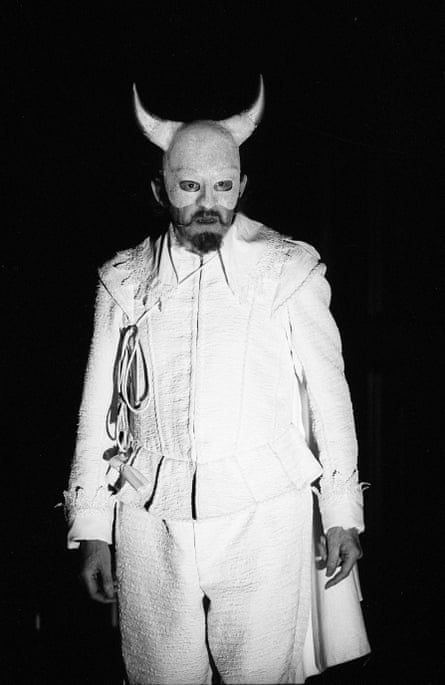
Graham Payn
Graham Payn
Graham Payn

Graham Payn’s obituary by Eric Shotter in “The Guardian in 2005”:

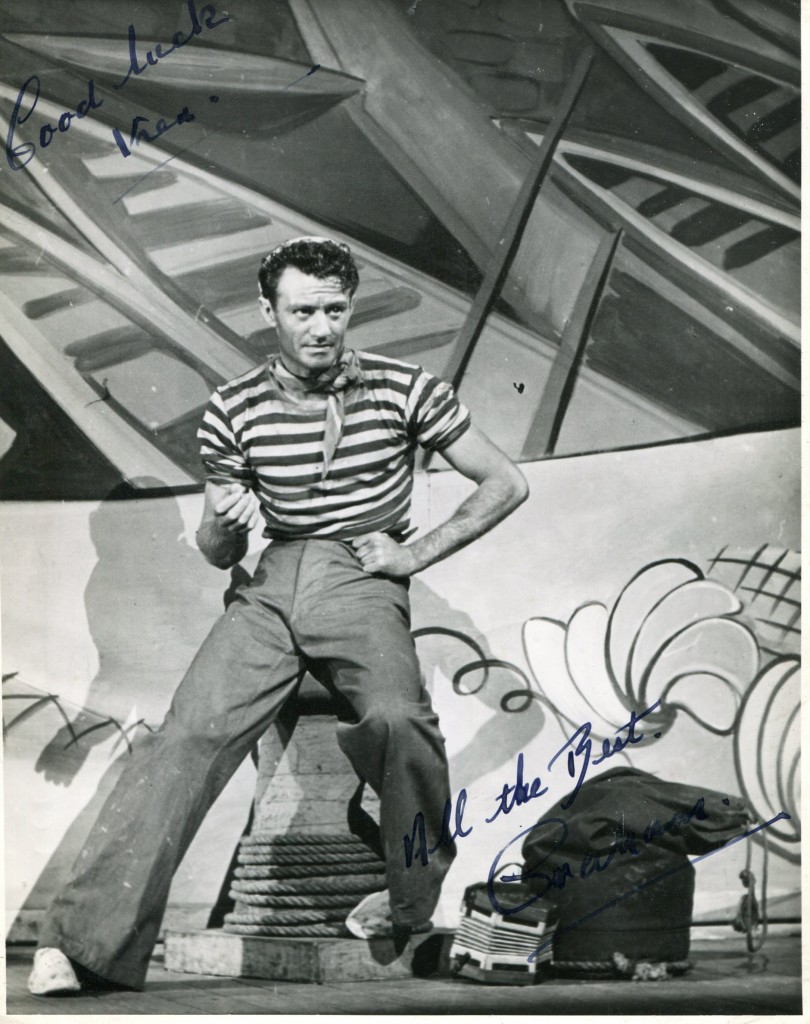
The actor and singer Graham Payn, who has died aged 87, was Noel Coward’s companion for the last 30 years of his life and lit up the playwright’s 1945 revue, Sigh No More, with a nostalgic song, Matelot, written for him. As the Evening Standard put it: “Mr Graham Payn shows that he can do something more than dance in tails and white tie.” What that something was puzzled Coward for the rest of his life. He wanted his friend to make his theatrical mark; but he, in turn, seemed content to be a character actor.

Known mainly until Matelot as a figure in male chorus lines – having started out as Curly in Peter Pan, at the London Palladium, aged 13 – Payn had also been in numerous pantomimes and musical comedies before and during the second world war. After Matelot, Coward cast him in his next three shows, and Payn was later to direct Coward.

Yet if he was not made of Coward’s mettle, Payn’s devotion was unquestionable. When, many years later, Coward was behaving with his customary wit and elegance after encountering Kenneth Tynan at the Savoy Grill, the critic noted how the playwright depended on Payn and another old friend, Joyce Carey, to each take an arm. Having edited (with Sheridan Morley) The Noel Coward Diaries, Payn ended up running his estate in Switzerland.

Payn was born at Pietermaritzburg, South Africa, and educated there and privately in England. He appeared in films as a boy soprano in 1932, and his first grown-up stage role in London came with Patricia Burke just before the second world war in Douglas Furber’s song-and-dance show Sitting Pretty. With Binnie Hale and Leslie Henson, he played in another musical, Up and Doing (Saville, 1940) before Fine and Dandy, again with Henson, at the same theatre. In Magic Carpet, he was with Sydney Howard and then, after The Lilac Domino (1944), he turned up at the Palace that year as Lewis Carroll, the Mock Turtle and Tweedledum in Clemence Dane’s version of Alice in Wonderland. Then came Sigh No More.

Pleased with Payn’s success, Coward wrote into Pacific 1860 (1946) the major part of a handsome South Seas islander who falls for Mary Martin as a visiting singer. As the elder son of the principal planter, Payn had eventually to forgo his passion to his brother; but the ability to project emotion was clear and affecting.

In 1947-48, he toured the US in the parts that Coward had created with Gertrude Lawrence in Tonight at 8.30. Back in London, he joined Coward’s rather desperate evocation of the London underworld in Ace of Clubs, before returning to his first love, intimate song-and-dance in West End revue. He was back with Coward again in 1954 in what became – because Coward had inflated it – the leading role of Mr Hopper in After the Ball, a musical version of Wilde’s Lady Windermere’s Fan, with an affecting song called Faraway Land.

In an adaptation from the French of a musical comedy by Diana Morgan and Robert MacDermott, Love Is News, Payn shared the lead with Patricia Cree (his partner in the Wilde musical). Under Norman Marshall’s direction, they made a real success of it. It led to a television contract with Richard Hearne (of Mr Pastry fame), though Coward dismissed the opportunity as “unsuitable”.

Turning to legitimate roles, Payn did a stint at Windsor rep and then turned up as a detective in a thriller, Subway in the Sky. Even so, Coward fretted about his young friend’s sense of achievement. He knew he had been good in facing up to various rebuffs; but he seemed content with so little.

Then Payn ventured into another legitimate play, Paul Tabori’s Brouhaha (1959), which Coward rated “a great success”. Later that season, Payn played opposite Margaret Lockwood and Yolande Donlan in Jack Popplewell’s And Suddenly It’s Spring; and in Coward’s next piece, Waiting in the Wings (1960), Coward wrote a part for him.

Four years later, Coward appointed Payn assistant director both in New York and London of a musical version (not by Coward) of Blithe Spirit. As High Spirits, however, the musical comedy merely depressed the spirits of onlookers. The following season, the playwright cast his friend as Morris Dix in a revival of Coward’s Present Laughter, but though Payn acted well enough, Coward declared him to be “a born drifter”.

“He sleeps and sleeps and the days go by. I love him dearly and for ever, but this lack of drive in any direction is a bad augury for the future. I am willing and happy to look after him for the rest of my life but he must do something. If only he would take up some occupation and stick to it. I know that he is unhappy inside but, alas, with his natural resilience these moments of self-revelation dissipate and on go the years and he will be an elderly man who has achieved nothing at all … He won’t work unless he has to – then he is at it like a tiger – and he lacks the self-discipline to force himself … He only reads trash and that very seldom.”

After Coward died in 1973, Payn wrote (with Sheridan Morley and Cole Lesley) Noel Coward and His Friends (1979). He dedicated to Cole Lesley The Noel Coward Diaries (1982), which he edited with Morley, and settled at Coward’s last home in Switzerland, Les Avants.

Philip Hoare writes: Watching the uproarious scene in The Italian Job (1968) in which Noel Coward descends the prison staircase to the applause of his fellow inmates, few could know that the slight figure close behind him was his lover, Graham Payn.

I did not meet Graham until the movie star looks had begun to fade, but you could still see the appeal; more so in the candid album shots of him lounging, naked, around Coward’s swimming pool. He seemed lit by a certain glamour, even when merely visiting a star’s dressing room. “With hair as shiny as wet coal, a winning smile and ruddy complexion,” wrote William Marchant, “he kissed Mary Martin as if it were the fadeout of a particularly romantic film.”

Graham came into Coward’s life when the older man had been let down by his former lover, Jack Wilson. “Everyone was rather surprised,” Pat Frere told me when I was writing my biography of Coward, “he didn’t seem quite Noel’s genre. But it worked wonderfully.”

Graham disproved his partner’s assessment of himself as “an illiterate little sod” by publishing his memoir and by managing the Coward estate. He was a generous, uncomplicated man, and he will be missed by his many friends.

· Graham Payn, actor and singer, born April 25 1918; died November 4 2005

The above “Guardian” obituary can also be accessed online here.
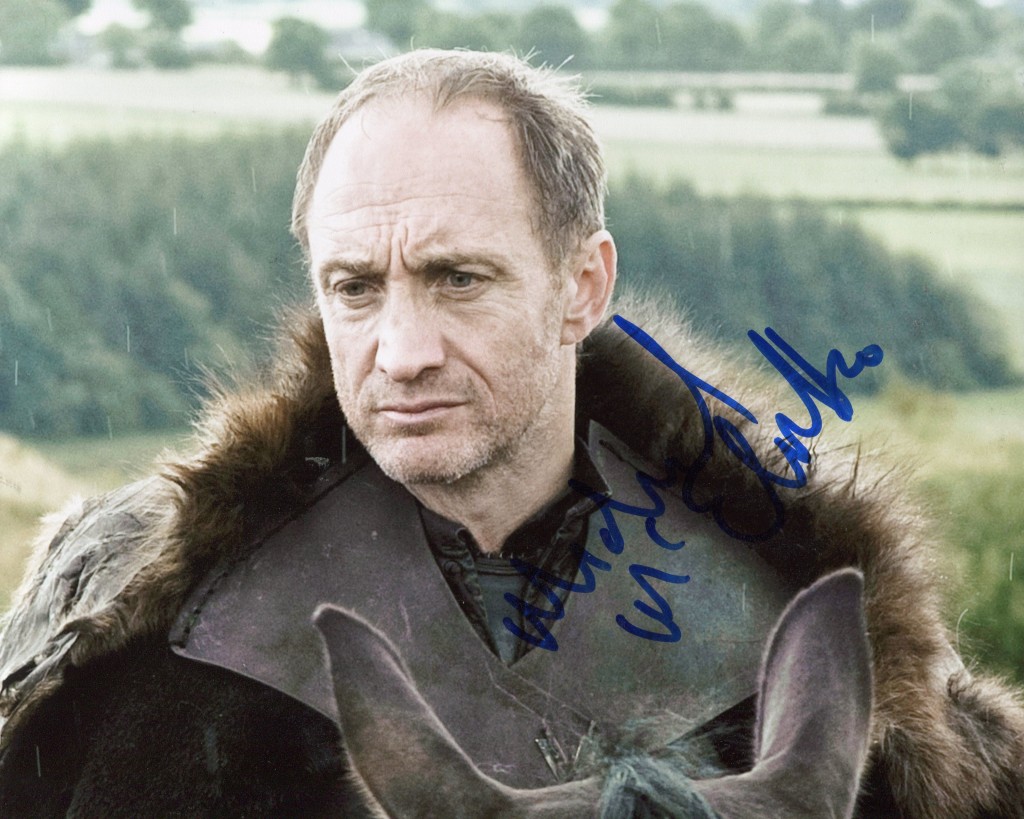
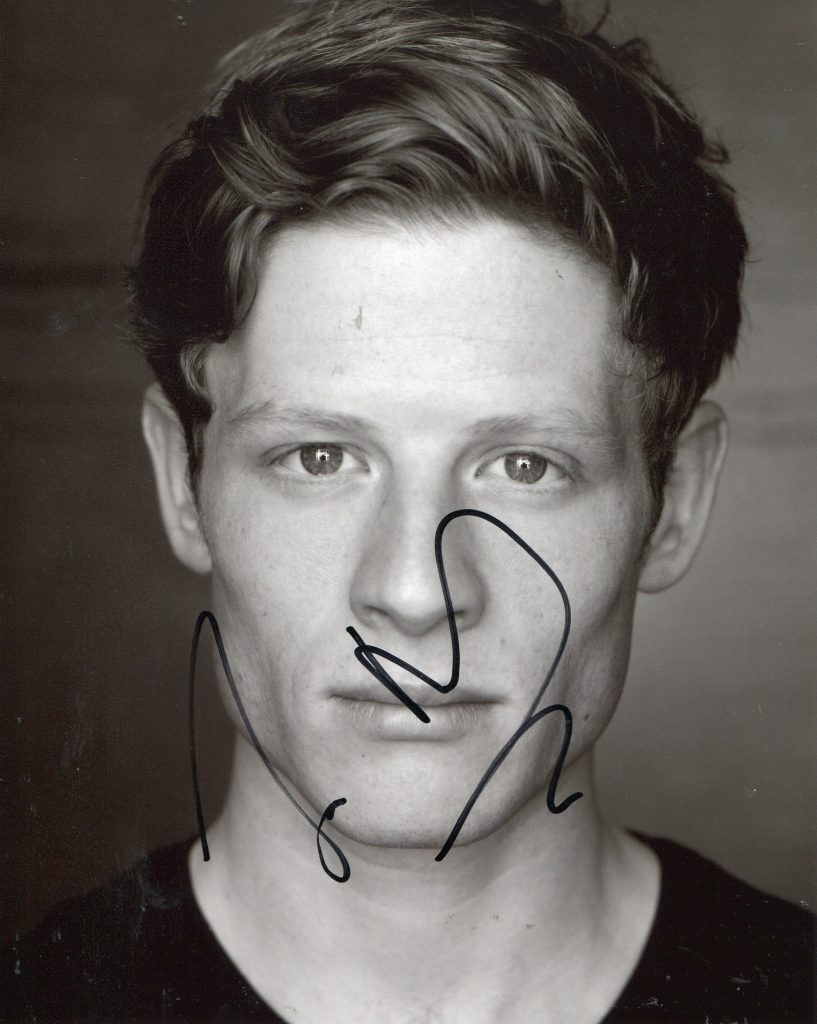
James Norton
James Norton
James Norton

“Wikipedia” entry:
James Norton (born 1985) is a British film, television and stage actor. He is originally from London and has also lived in Yorkshire.[1][2] He played the lead role of Captain Stanhope in the 2011 revival of Journey’s End, and he has appeared in the films RushBelle and Mr. Turner. His television roles include Onegin in an episode of Doctor Who, Henry Alveston in the BBC historical drama Death Comes to Pemberley, and ex-convict kidnapper Tommy Lee Royce in the 2014 BBC crime drama Happy Valley.

orton was educated at Ampleforth College,[3] a Roman Catholic (Benedictine) boarding independent school in the village of Ampleforth in North Yorkshire. He did work experience at the Stephen Joseph Theatre in Scarboroughat age 15.[4] Starting in 2004, he read Theology at Fitzwilliam College at the University of Cambridge.[3] Norton was a member of The Marlowe Society theatre club at Cambridge, and in 2007 he played Posthumus in a production of Cymbeline directed by Trevor Nunn for the society’s centenary.[5] Norton then went on to the Royal Academy of Dramatic Art (RADA) in London for three years, graduating in 2010.[

Norton had a bit part in the film An Education starring Carey Mulligan in 2009.[6] He was an original cast member of Posh at the Royal Court Theatre in 2010.[7] At the Crucible Theatre in Sheffield in 2010, Norton starred in That Face as Henry, an 18-year-old who has dropped out of school to care for his mentally disturbed and drug-dependent mother, played by Frances Barber. Lynne Walker of The Independent wrote of his performance: “At the centre of it all is Henry who, in James Norton’s striking portrayal, is like a young caged animal.”[8]

In 2011, Norton starred as Captain Stanhope in the classic First World War drama Journey’s End. The production toured the UK from March to June and transferred to the Duke of York’s Theatre in the West End from July to September.[2] Norton then took the role of Geoffrey in The Lion in Winter at the Theatre Royal, Haymarket directed by Trevor Nunn, with whom Norton had worked at Cambridge in Cymbeline.[6]

In the 2012 period film Cheerful Weather for the Wedding, Norton played Owen, the would-be groom of a conflicted bride.[9] He appeared in the 2013 film Rush as Formula One driver Guy Edwards. In the 2013 film Belle, he played a suitor of the title character, a mixed-race lady in 18th century English society.[10]

Norton’s television appearances include the Doctor Who episode “Cold War“, in which he played a crewman on a Soviet submarine during the Cold War, and Death Comes to Pemberley, based on the P. D. James novel involving characters from Jane Austen‘s Pride and Prejudice caught up in a murder mystery.

Norton was acclaimed for his role as Tommy Lee Royce, the villain of the hit crime drama Happy Valley. Michael Hogan of The Telegraph wrote: “…the breakout star, seen in only a few small parts before this, has been the devilishly handsome James Norton, 29, as the heinous killer Royce, whom he has played with impressive depth.”[11] As the series came to its dramatic conclusion, Norton commented, “8 million people are currently wishing me dead.”[11]

In the ITV series Grantchester, based on the novels by James Runcie, Norton plays crime-solving vicar Sidney Chambers alongside Robson Green as Police Inspector Geordie Keating.[12] He also appears in the 2014 filmsNorthmen: A Viking Saga and Mr. Turner, a biographical drama on the life of the artist J. M. W. Turner by director Mike Leigh.

The above “Wikipedia” entry can also be accessed online here.

Peter Ustinov
Peter Ustinov
Sir Peter Ustinov

TCM biography:

By his mid-20s, this burly, multi-faceted talent had achieved considerable success in both theater and cinema directing, writing and acting in cultivated, witty comedies. Peter Ustinov later won international acclaim and reached the peak of his fame in the early 1960s for his appearances in sweeping epics and lighthearted romps. He won two Best Supporting Actor Oscars, for his clown in “Spartacus” (1960) and his engaging con man in “Topkapi” (1964). Ustinov has also earned critical praise for his directorial efforts (which he also produced, starred in and wrote): “Romanoff and Juliet” (1962), a biting Cold War satire based on his own play, the bracing “Billy Budd” (1962) and the “Faust”-inspired Elizabeth Taylor-Richard Burton vehicle “Hammersmith Is Out” (1972). The spotlight fell on Ustinov as a personality, too. Throughout the 60s and early 70s, he was a favored raconteur on talk shows whether or not he was publicizing a film. Yet his increasing girth often made his screen work seem either effortless or as if he were holding back and only giving a lazy indication of what he could muster.

Ustinov was only 17 years old when he made his stage debut in “The Wood Demon” in the provinces. The following year, he made his London debut in the title role of “The Bishop of Limpopoland”, a sketch at the Players Club, which he also wrote. His first play to reach NYC was “The Loves of Four Colonels” (1953) but it was not until 1957 that he made his Broadway acting debut as The General in “Romanoff and Juliet”, which he wrote. (He later toured the USA and the Soviet Union with the show.) By the time of his American debut, Ustinov was a top draw in England, having either written or starred in numerous stage productions. He continued playing roles on stage well into the 80s and in 1990 performed internationally in the one-man show “An Evening With Peter Ustinov”. Proving to be a true man of the theater, Ustinov has not only performed in and written shows but also has directed (e.g., “Fishing for Shadows” 1940) and designed sets and costumes (for the 1973 London production of “The Unknown Soldier and His Wife”). Among his successes as playwright are “Who’s Who in Hell” (1974), and “Beethoven’s Tenth” (1984).

Moving to the big screen in 1940, the portly, often mustachioed actor was featured in the British propaganda film “Mein Kampf, My Crimes”. He went on to play the title role in “Private Angelo” (1949), a deserter from the Italian army who accidentally becomes a hero, and garnered kudos for his turn as Emperor Nero in the costume epic “Quo Vadis” (1951). Some critics claim he stole the show as Lentulus Batiatus in “Spartacus” as he unquestionably did in “Topkapi”, as the duped con man turned mole. (The scene in which he is asked to hold the rope during the crime is alone worth the price of admission.) “Romanoff and Juliet” (1961) was adapted from the stage play, with Ustinov recreating his role. “Viva Max!” (1969) found him playing a Mexican general retaking the Alamo, and in 1978, he began his impersonations of Agatha Christie’s master detective Hercule Poirot in “Death on the Nile”, a role he again essayed in “Evil Under the Sun” (1982) and in three TV-movies produced in the 80s. More recently, he was a stuffy expert in “Lorenzo’s Oil (1992).

On the small screen, Ustinov’s work has often tilted towards the high brow, or substantive or prestige projects. He appeared in numerous installments of NBC’s “Omnibus” series in the late 50s, including an Emmy-winning portrayal of Dr Samuel Johnson, and was a regal Herod the Great in Franco Zeffirelli’s miniseries “Jesus of Nazareth” (NBC, 1977). Mostly, Ustinov is remembered for several remarkable Emmy-winning performances in “Hallmark Hall of Fame” specials: as Socrates in “Barefoot in Athens” (1966) and as a Jewish deli owner who takes in a black youth in “A Storm in Summer” (1970). he also was “Gideon” (NBC, 1971), the Israelite who defeats the oppressors only to have his own vainglory defeat himself. Ustinov has frequently hosted and/or narrated reality-based shows, such as “Omni: The New Frontier” (syndicated, 1981), and numerous specials. Although very British in manners, he was outwardly proud of his Russian heritage, speaking of it often and creating and hosting: “Peter Ustinov’s Russia: A Personal History” for the BBC in 1986.

 The above TCM biography can also be accessed online here.
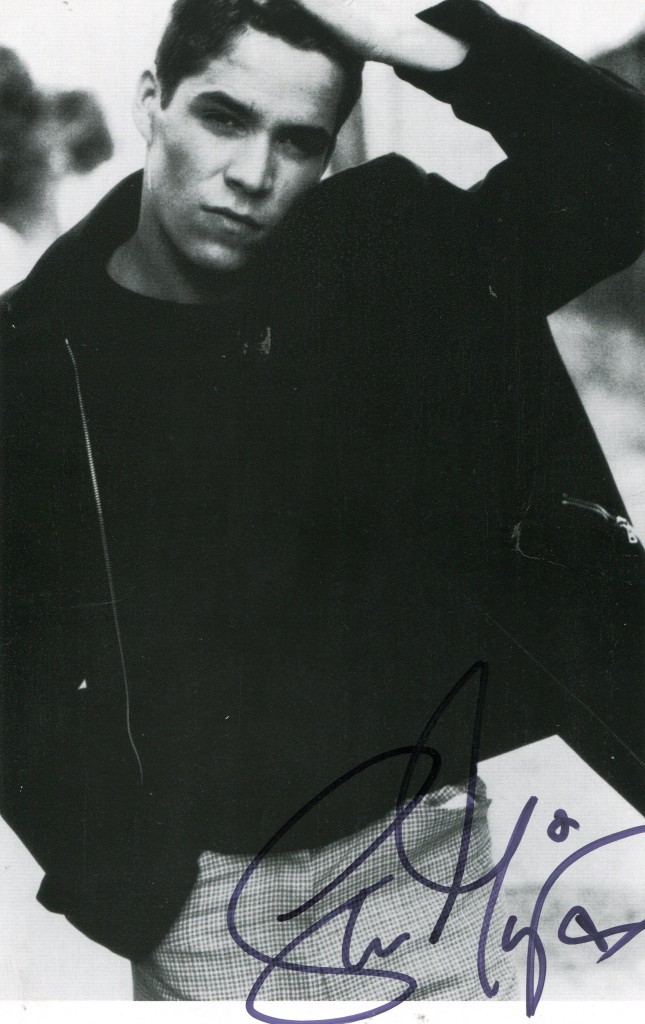
The King Brothers
The King Brothers
The King Brothers

IMDB entry:

The group was composed of three brothers who first performed together professionally in the 1950s on the children’s television show All Your Own.[1] Initially performing as The King Three, they appeared on the BBC Television early in their career on Six-Five Special,[2] and by 1957 had been named “top vocal group” in the reader’s poll of NME.[1] Their first hiton the UK Singles Chart was their cover of “A White Sport Coat“, which hit #6 in 1957. In October 1960, they were again voted “top vocal group” in the NME reader’s poll.[3] They had a string of successful singles through 1961, after which time they continued recording but found their popularity waning.

Group leader Denis King later became an award-winning composer for televisionfilm, and musicals; among other things, he wrote the theme music for The Adventures of Black Beauty and Lovejoy.

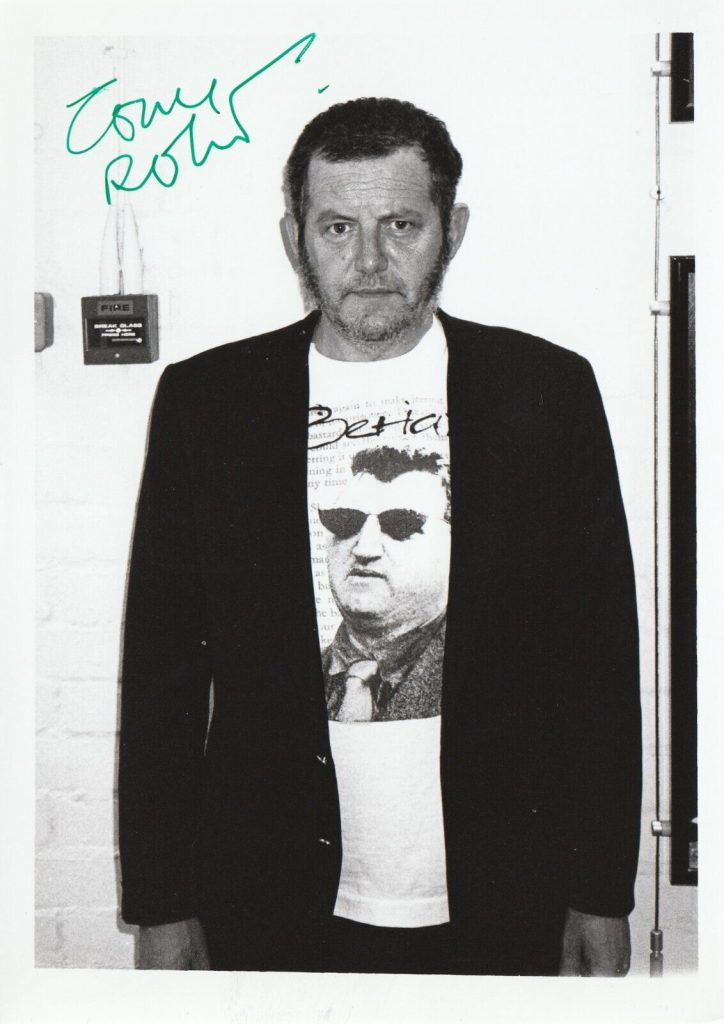
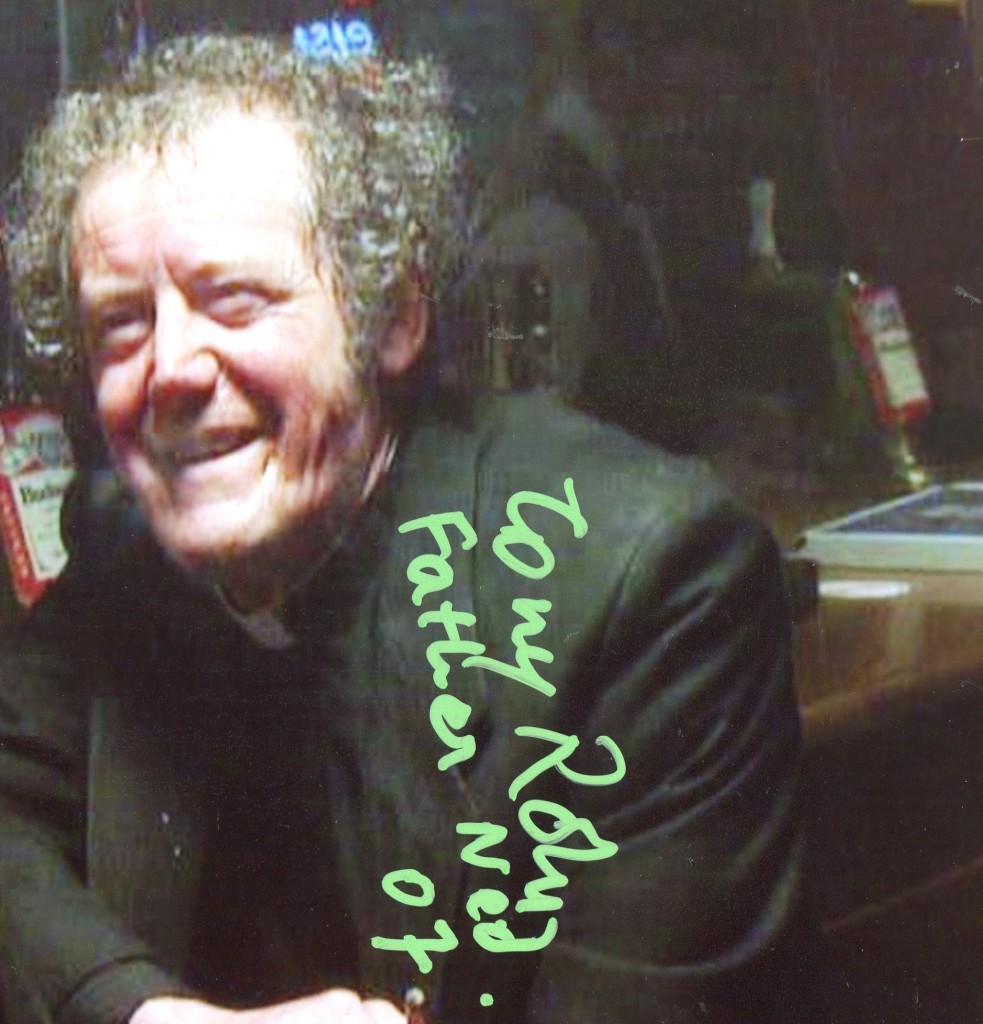
Tony Rohr

Tony Rohr is an actor, known for Les Misérables (2012), Leap Year (2010) and High Spirits(1988).   Made his television debut in “Adam Adamant Lives” in 1966.

Has a daughter Louise with Pauline Collins. Pauline gave her up for adoption when she was penniless and a single mother at the age of 23. The pair were reunited 22 years later. Pauline’s book, Letter To Louise, documented these events.   Tony Rohr died in 2023 at the age of 84.
 

The Guardian obituary in 2023:

Tony Rohr obituary

Actor known for screen roles in The Long Good Friday and Harry’s Game, and as a stalwart of the Joint Stock Theatre Group

Anthony HaywardFri 17 Nov 2023 15.45 CET

The character actor Tony Rohr, who has died of prostate cancer aged 84, was frequently cast as villains on screen. In the lauded 1980 British gangster film The Long Good Friday, he played O’Flaherty, one of the IRA members on London’s streets posing a threat to an underworld property developer, Harold Shand, played by Bob Hoskins.

Rohr appeared in only one scene of the writer Barrie Keeffe’s thriller, but it was particularly memorable for its brutality. The besuited O’Flaherty and his boss believe they are being bought off with £60,000 in a briefcase by the East End crime overlord, but end up being blasted by a double-barrel shotgun, their bodies crashing through plate-glass windows.

Two years later, in the taut, three-part TV thriller Harry’s Game, based on Gerald Seymour’s novel, Rohr was a cool, calm IRA brigade commander behind the murder of a British cabinet minister. When the assassin (played by another Long Good Friday actor, Derek Thompson) returns to Belfast, he tasks him with getting rid of an undercover English agent (Harry, played by Ray Lonnen) sent to track him down.

He had a rare starring part in Bill Morrison’s 1982 BBC play Potatohead Blues as Stan McVay, who discovers that his frozen-chip business is collapsing and his teenage daughter is having an affair with a married man.

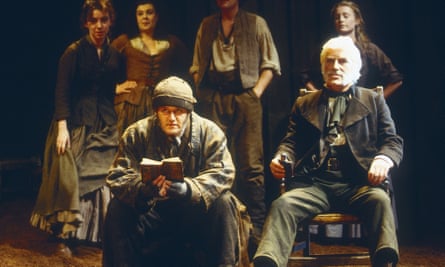
Tony Rohr, front, in a production of Norman Rodway’s play Translations at the Donmar Warehouse, London, 1993.
Tony Rohr, front, in a production of Norman Rodway’s play Translations at the Donmar Warehouse, London, 1993. Photograph: Alastair Muir/Shutterstock

Although Rohr was able to demonstrate his versatility on television, he displayed his acting skills most effectively on stage.

As a founding member of the touring Joint Stock Theatre Group in 1974, he showed himself to be adept at interacting with an audience in its first production, The Speakers, based on Heathcote Williams’s book about orators at Speakers’ Corner in Hyde Park. The New York Times declared the “most riveting” to be Rohr’s portrayal of MacGuinness, an Irish “buffoon” talking about his life and inventing “outrageous tales about his sexual adventures”.

The company was part of the counterculture theatre revolution, developing plays through its actors in workshops initially led by the directors Max Stafford-Clark and Bill Gaskill, alongside writers such as David Hare and Howard Brenton. Stafford-Clark said he had spotted Rohr’s “eccentric, individual” qualities when seeing him play Lucky in the Samuel Beckett classic Waiting for Godot at the 1969 Edinburgh festival fringe. He was particularly impressed by the way the actor “played the nonsense as wisdom and the wisdom as nonsense” in the character’s keynote 700-word-plus monologue.

Rohr frequently returned to Beckett’s plays and was a founder member of the Godot Company, a theatre cooperative formed in 2004 to take the writer’s works to a wider audience. Its notable touring productions included Waiting for Godot in 2006, with Rohr this time playing Estragon, one of the two vagrants – his chatting with Vladimir (William Hoyland) sounding “as melodious as a symphony”, according to the Stage – and Endgame, which Rohr directed in 2009. Over the years, Beckett sometimes requested that he play certain roles.

Rohr was born in Carrick-on-Suir, County Tipperary, to Margaret (nee Walsh) and Arthur Rohr, a confectioner, and attended the town’s Christian Brothers school, which he hated. He entered acting after service in the Irish army.

In 1963, while performing with the New Irish Players in Killarney, Rohr had a relationship with Pauline Collins, another actor in the repertory company. After it ended, she became pregnant. The couple decided not to marry and their baby daughter was given away for adoption. Collins, who in 1969 married the actor John Alderton, wrote movingly of being reunited with her daughter after 22 years apart in her 1992 book Letter to Louise. Rohr also then established a relationship with Louise.

He first worked with Stafford-Clark in the Traverse Theatre Workshop company, Edinburgh, from 1971, which resulted in his being asked to join Joint Stock, whose notable productions included the premiere of Caryl Churchill’s play Cloud Nine (1979).

Tony Rohr as Juanete in an RSC production of The Painter of Dishonour at the Barbican Pit theatre, 1996.
Tony Rohr as Juanete in an RSC production of The Painter of Dishonour at the Barbican Pit theatre, 1996. Photograph: Tristram Kenton/The Guardian

Stafford-Clark also directed him with the English Stage Company at the Royal Court Theatre (1978-85), cast him as both the hangman and Major Robbie Ross in its production of the penal colony play Our Country’s Good in the West End (Garrick theatre, 1989-90), and recruited Rohr to his Out of Joint company in 1993.

Rohr’s other memorable theatre roles included the old man whose face hangs almost motionless in the darkness of an empty stage while listening to his own reminiscences in a spellbinding production of Beckett’s one-act play That Time (RSC Fringe on TOP Festival, 1996) and a drunken hellfire priest in the political farce Dying for It (Almeida theatre, 2007).

On TV, Rohr played Solomon Featherstone, the land-owning relative of the wealthy widower Peter Featherstone, in Middlemarch (1994); a detective in Prime Suspect: The Lost Child (1995); a drunk priest in a bar in the 1996 Father Ted Christmas special; a grandfather in Jimmy McGovern’s drama The Lakes (1997-99); and the father of the care assistant played by Ricky Gervais in Derek (2013-14).

In 1981, Rohr married Janet Revell; she died in 2003. He is survived by their daughters, Ailise, Alana and Lily, and by Louise.

 Tony (Harold Anthony) Rohr, actor and director, born 21 May 1939; died 29 October 2023

Richard Wattis
Richard Wattis
Richard Wattis
Richard Wattis
Richard Wattis

IMDB entry:

A balding, bespectacled, bird-like British comic actor, Richard Wattis was an invaluable asset to any UK comedy film or TV programme for nearly thirty years. Much associated with the Eric Sykes TV series for the latter part of his career. He was often seen in officious roles, such as snooty shop managers, secretaries and policemen. He was working right up to his sudden death from a heart attack in 1975.

– IMDb Mini Biography By: Anonymous

Article on Richard Wattis in “Tina Aumont’s Eyes” website:

In the 1950’s and 60’s, it seemed to me that just about every British movie had either Cyril Chamberlain, Victor Maddern or Richard Wattis in it. A prolific and instantly recognisable character actor, with his balding hairline and often bespectacled appearance, Richard Wattis specialised in snobbish authority figures, and comfortably mixed small comedy fare with large-scale blockbusters, often working with some of the biggest directors of the time. If it was a stuffy civil servant you required, you needn’t look any further!

Born in Staffordshire, England on February 25th 1912, Wattis began onscreen with uncredited parts in numerous pictures including ‘A Yank at Oxford’ (’38) and ‘Kind Hearts and Coronets’ (’49), before landing a supporting role in the excellent Alastair Sim-Margaret Rutherford school comedy ‘The Happiest Days of Your Life’ (’50). Richard was great fun as a scathing English professor and followed this with another good role, that of Seton the butler in Noel Coward’s ‘The Importance of Being Earnest’ (’52), again with Margaret Rutherford. Following parts in notable pictures such as David Lean’s ‘Hobson’s Choice’ (’54) and P.O.W favourite ‘The Colditz Story’ (’55), this busy period for Richard also saw him work with Alfred Hitchcock on ‘The Man Who Knew Too Much’, and play a Scotland Yard inspector in the Oscar-winning ‘Around the World in Eighty Days’ (both ’56).

One of Richard’s most fondly remembered roles was as Northbrook, Laurence Olivier’s trusted diplomat, in the enjoyable comedy-drama ‘The Prince and the Showgirl’ (’57). It was a great part and gave Wattis one of his biggest and best opportunities. Other notable appearances that year were his researcher aiding Peter Cushing and Forrest Tucker, in Hammer’s mediocre adventure ‘The Abominable Snowman’, and his droll civil servant Manton Basset, in the comedy sequel ‘Blue Murder at St Trinian’s’. A small role came next in Mark Robson’s ‘The Inn of the Sixth Happiness’ (’58), a missionary epic with Ingrid Bergman which had North Wales successfully standing in for China. After a few comedies including ‘Dentist on the Job’ and ‘Very Important Person’ (both ’61), Richard could be spotted as a paratrooper in the star-studded ‘The Longest Day’ (’62). After brief bits in ‘The V.I.P’s’ (’63) and the excellent mystery ‘Bunny Lake is Missing’ (’65), more big-budget fare included ‘Casino Royale’ (’67), and ‘Monte Carlo or Bust!’ (’69).

The Seventies began with a large role in Roddy McDowall’s under-rated revenge piece ‘Tam-Lin’ (’70), wonderfully playing against type as a secretary to Ava Gardner’s wealthy widow. Back in comedy land, Wattis was chased around by Joanna Lumley and Penny Brahms in the tired sex farce ‘Games That Lovers Play’ (’70). For television Richard had a recurring role in the popular sitcom ‘Sykes’ (’72-’74) playing Charles Fulbright-Brown, the pompous neighbour to Eric Sykes and Hattie Jacques’ unmarried twins. Back on the big screen Richard’s final movie was the hugely successful sex comedy ‘Confessions of a Window Cleaner’ (’74), as frisky Katya Wyeth’s father.

Sadly, on February 1st 1975, while eating in a London restaurant, Richard suffered a fatal heart attack. He was 62 years old. From Alfred Hitchcock to David Lean, from Vivien Leigh to Marilyn Monroe, Richard Wattis was a reliable character actor who, no matter what the production, whether it be a grand studio picture or a 1970’s sex farce, was always good value for money, and a consummate professional to the very end.

Favourite Movie: Bunny Lake is Missing
Favourite Performance: The Prince and the Showgirl

The above article can also be accessed online here.