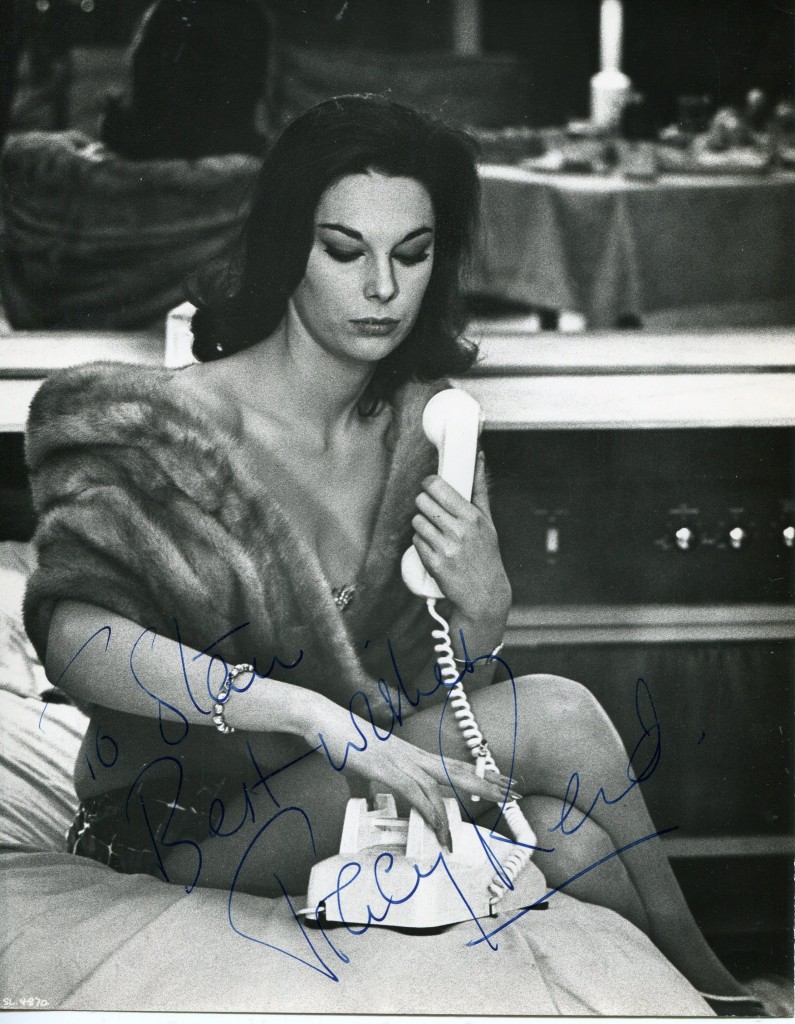
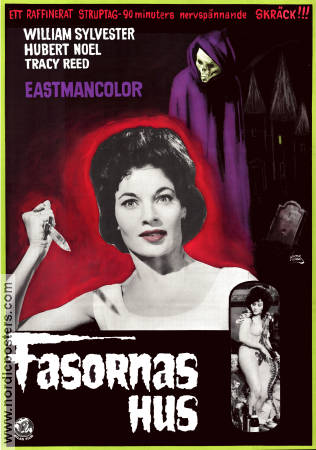
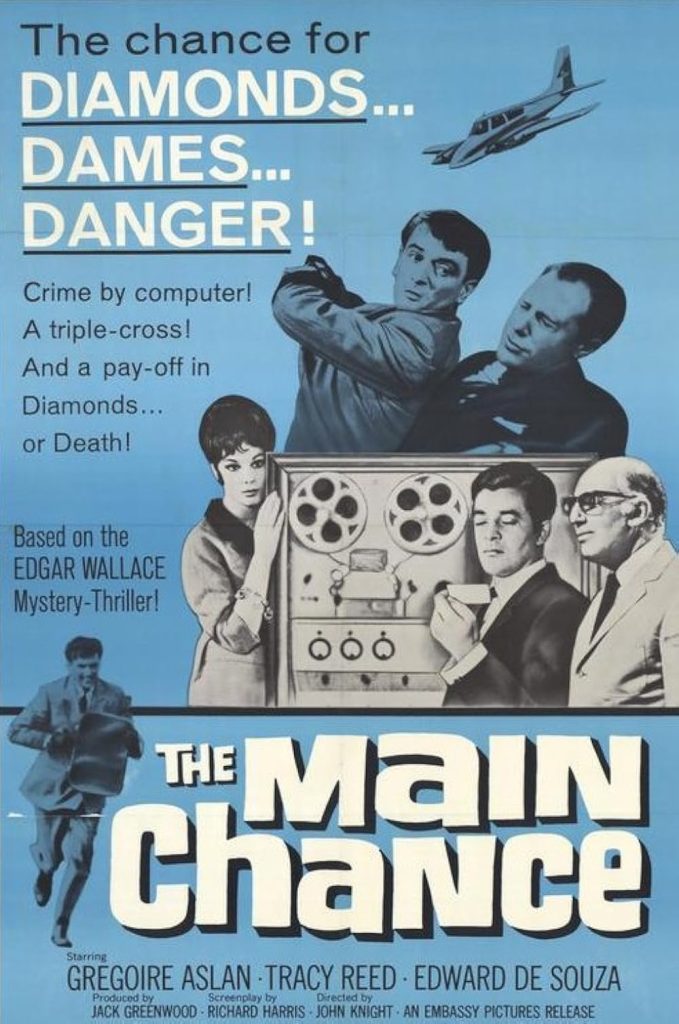
t was inevitable that Tracy Reed, who has died at the age of 69, would follow a career in the performing arts. She was born Clare Tracy Compton Pelissier in London on September 21, 1942, her name honouring her grandmother, the distinguished actress Fay Compton, who was briefly married to the drunken HG Pelissier, founder of the Follies concert party.
Carol Reed, who directed The Third Man, was her stepfather and one of her step-cousins was the hellraising Oliver Reed.
In her early years, Tracy Reed played roles in long-running television series, such as Emergency Ward 10, Dixon of Dock Green and The Avengers. At one point, she was considered a contender to replace The Avengers’ co-star Diana Rigg.
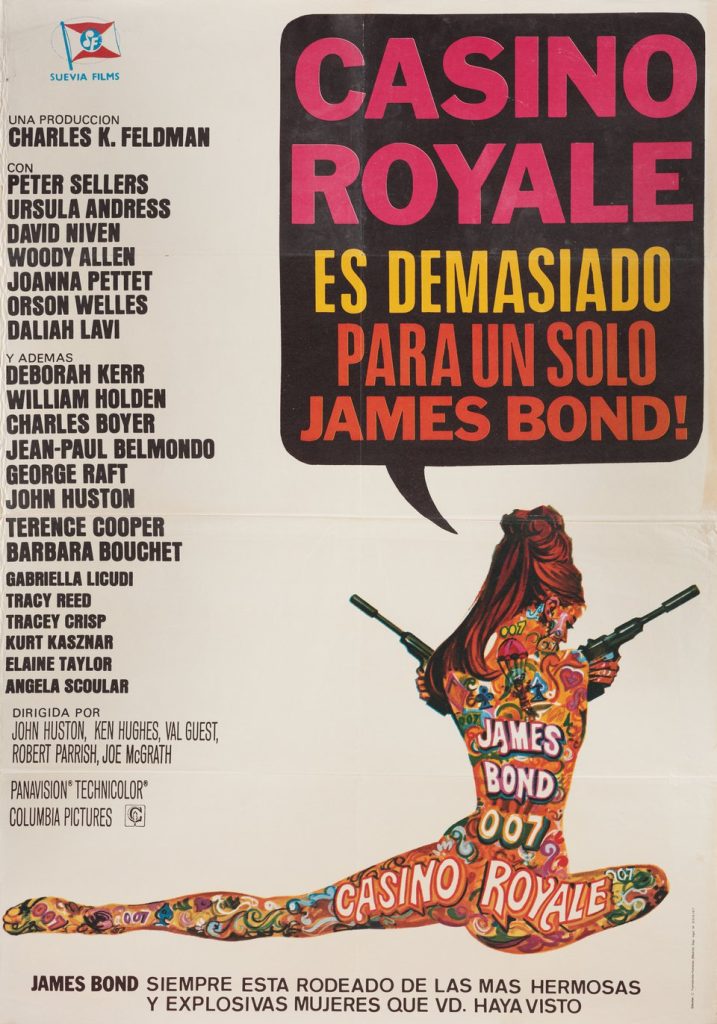
But she really made her mark in Stanley Kubrick’s cinematic masterpiece, Dr Strangelove or How I Learned to Stop Worrying and Love the Bomb (1964), a black comedy about nuclear warfare, which owed part of its instant popularity to the Cuban missile crisis, then still fresh in the minds of audiences. Cast as Miss Scott, the mistress of General Buck Turgidson, played by George C Scott, she was the only female member of the cast. Her other big film was the James Bond spoof Casino Royale (1967).
Reed retired from acting in 1975. She was married four times, first to Edward Fox. Their daughter Lucy, who became Viscountess Gormanston, told The Independent on Sunday: “The marriage was doomed from the start, but they never stopped being close friends. They really loved each other so much.”
Reed’s third husband was Bill Simpson, who played the title role in BBC Television’s Dr Finlay’s Casebook (1962-71), which centred on a general medical practice in the fictional Scottish town of Tannochbrae in the 1920s. Reed herself appeared in the programme from 1967 to 1969.
The above “The Stage” obituary can also be accessed online here.
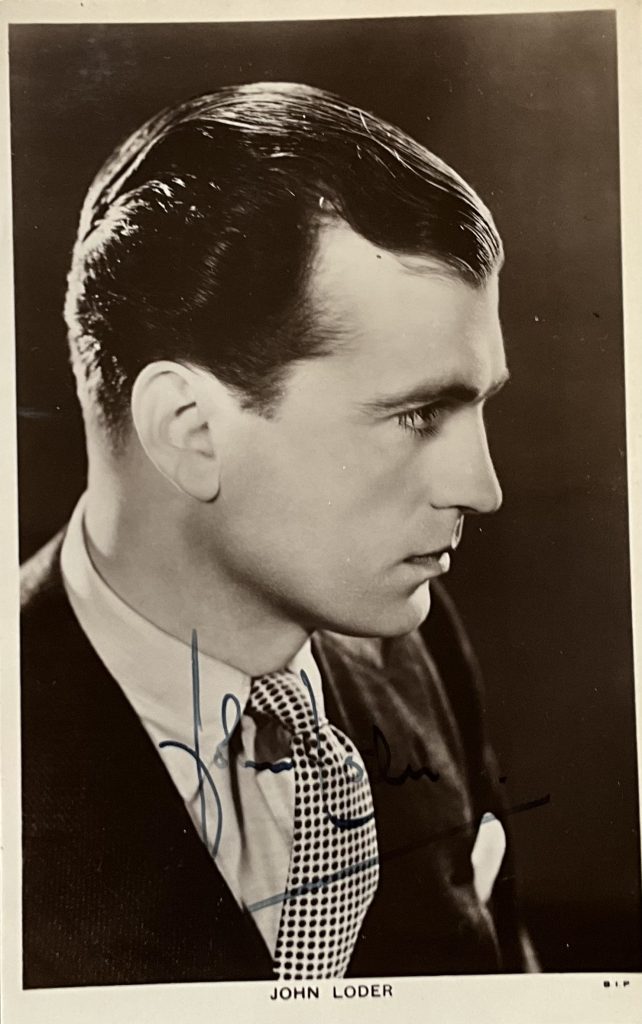
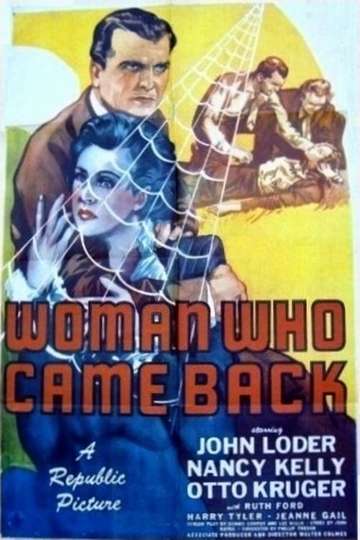
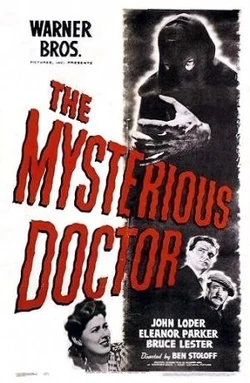
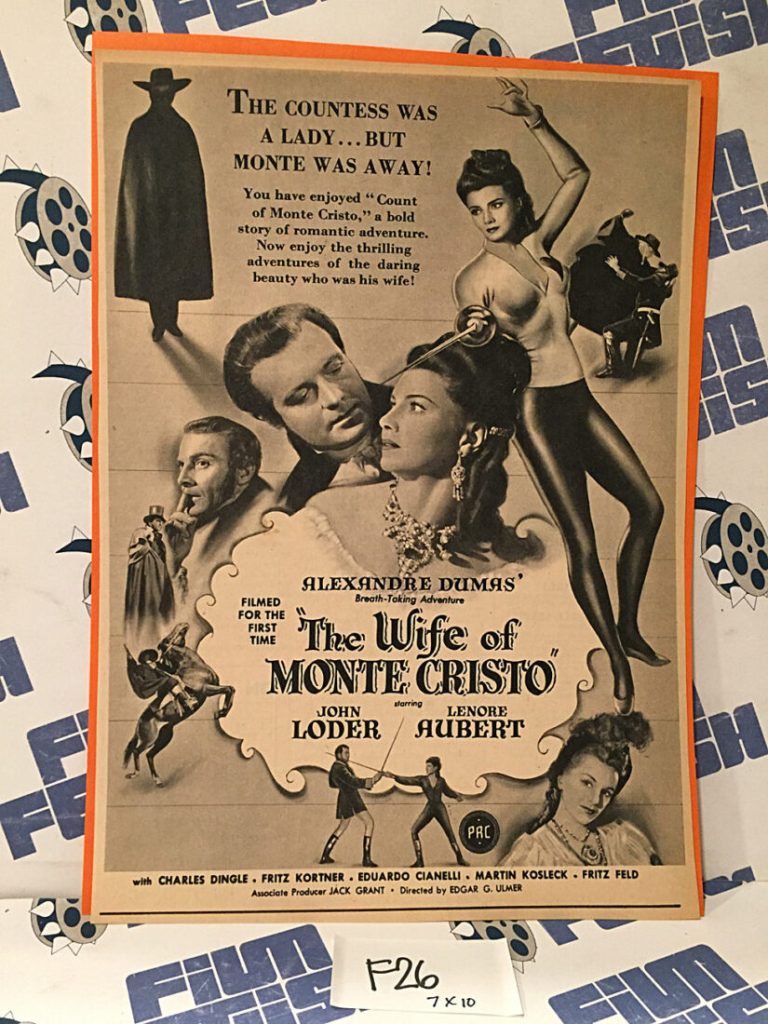
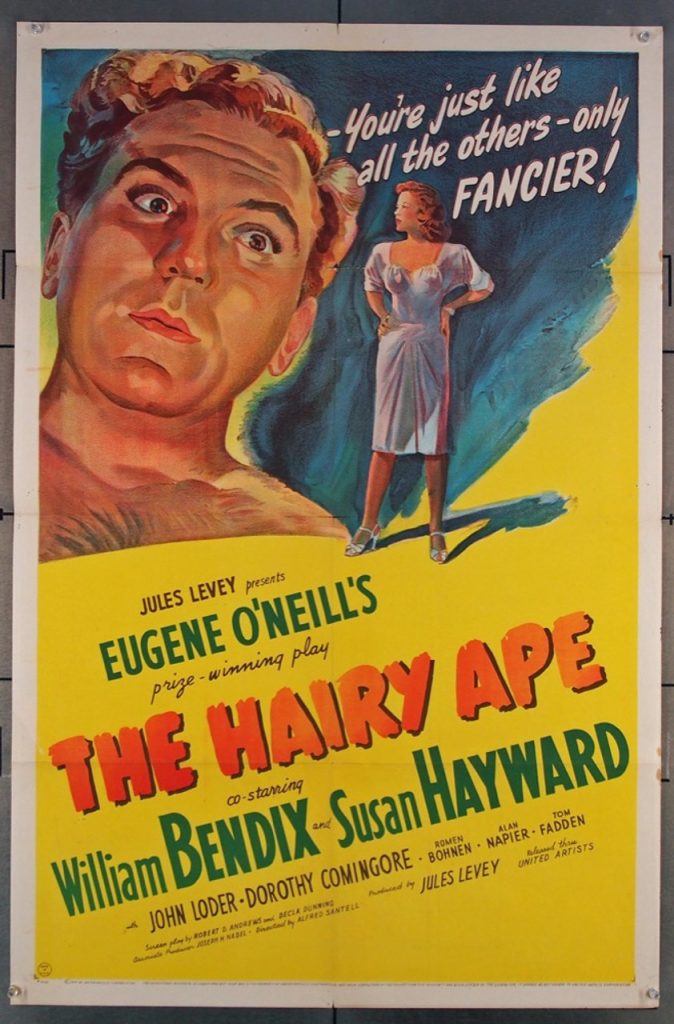
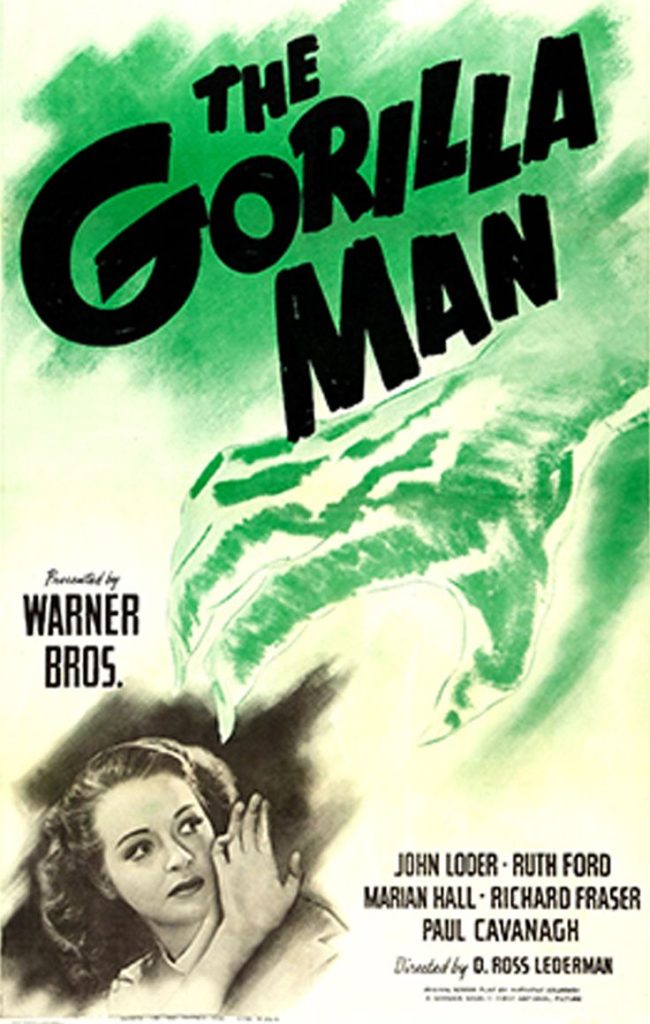
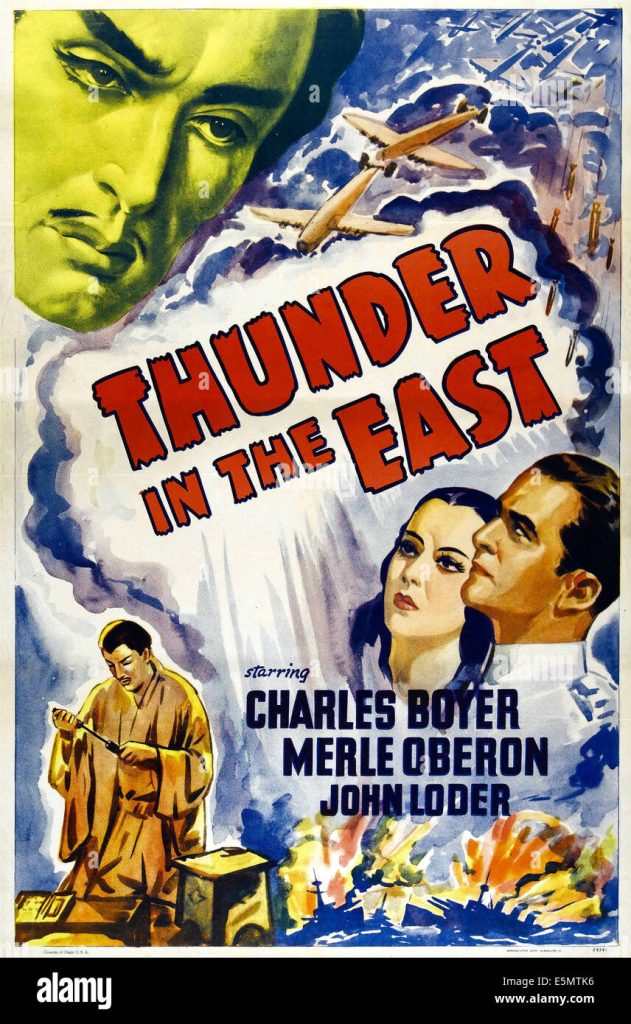
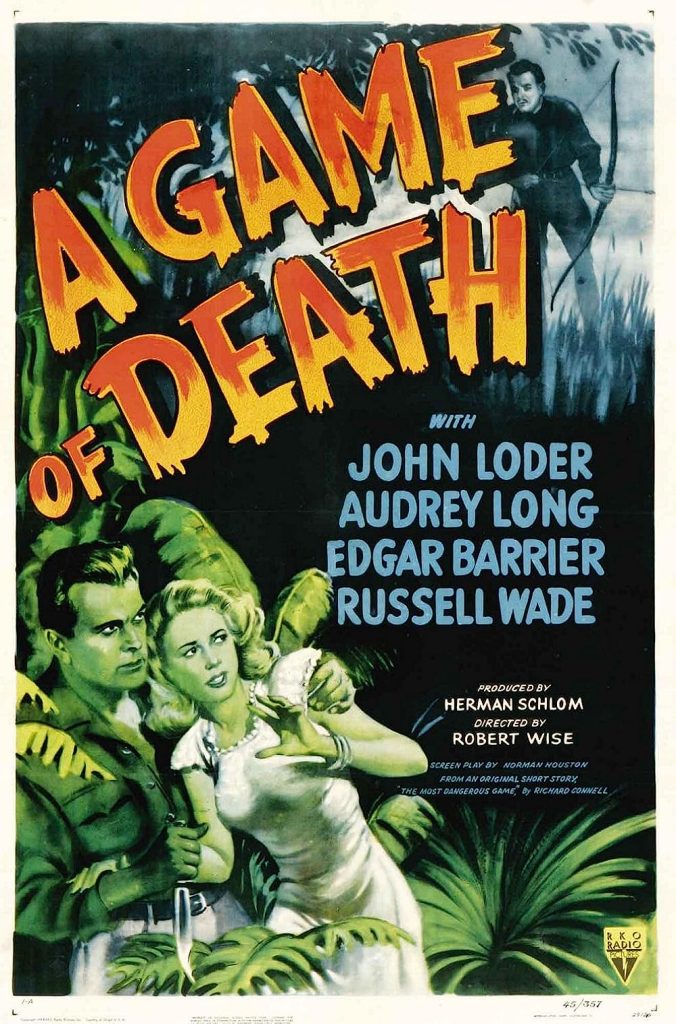
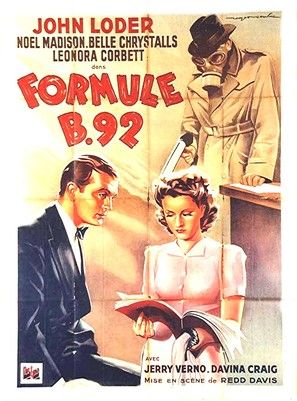
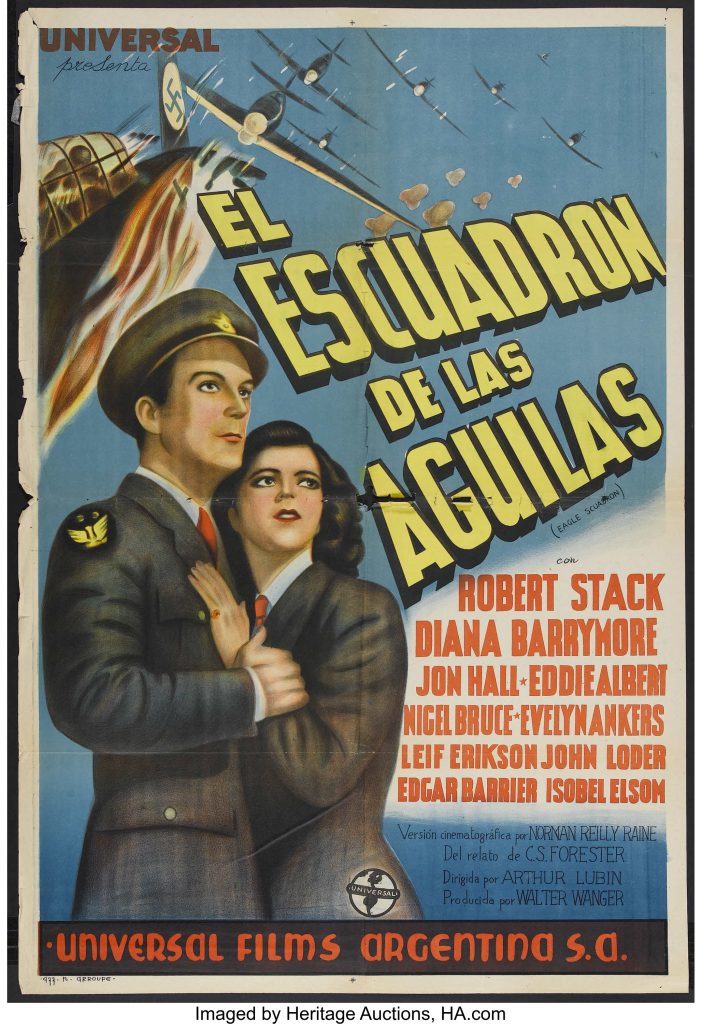
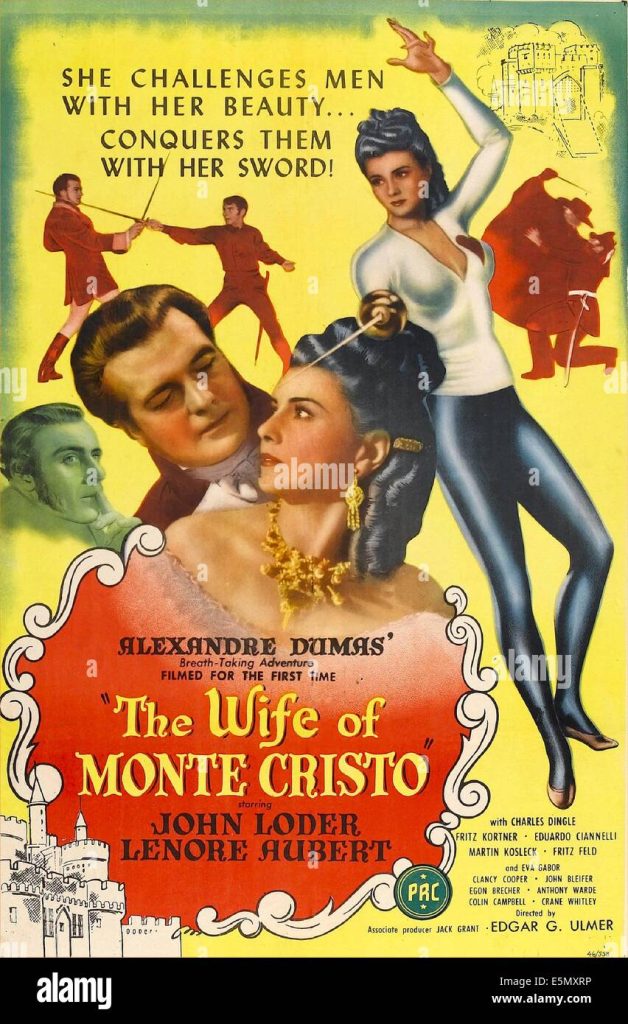
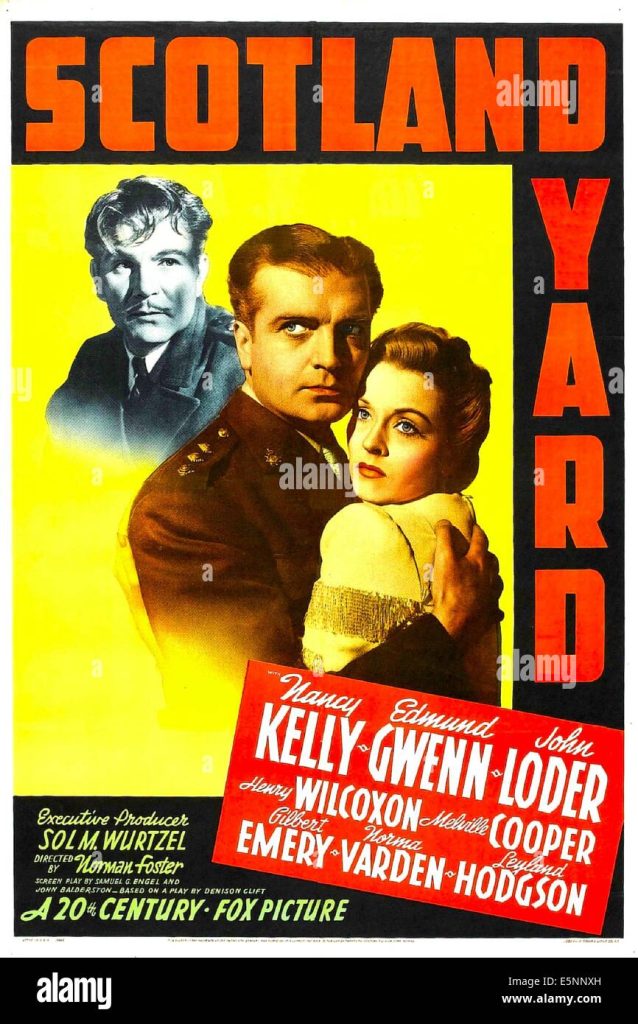
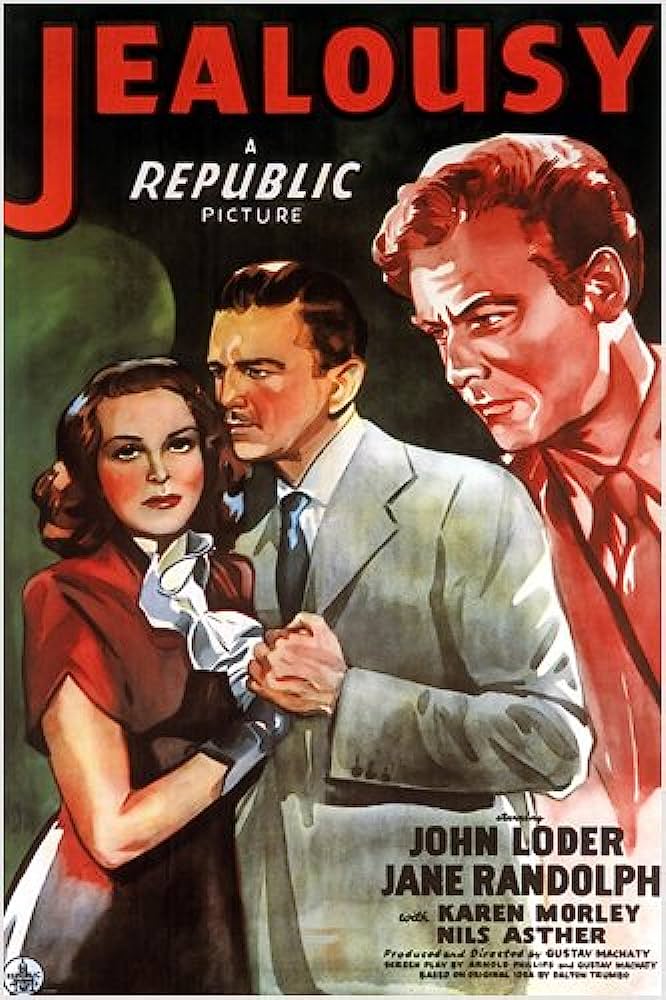
John Loder, an actor whose tenure of more than 30 years in British and American movies was credited largely to his good looks and his imposing physique, has died in England. He was 90 years old and had homes in London and Buenos Aires.
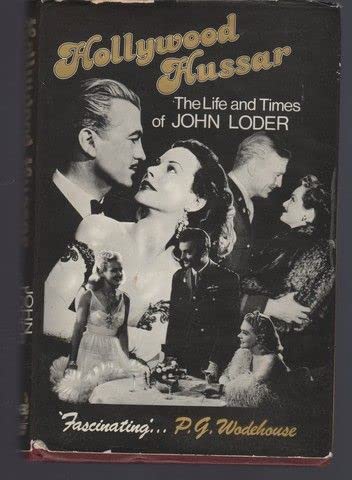
Mr. Loder, who died in late December, was born John Muir Lowe, in York, England. He was educated at Eton and the Royal Military Academy at Sandhurst, England, and at Eton College. In World War I, he served with the 15th Hussars in North Africa, France and Gallipoli, Turkey. He was taken prisoner in early 1918. His 1977 autobiography was titled ”Hollywood Hussar.” Started as an Extra
His first film appearance was as an extra in a 1926 German feature, ”Madame Wants No Children,” which starred Marlene Dietrich.
Mr. Loder left Europe for Hollywood and had roles in Paramount’s first talking picture, ”The Doctor’s Secret,” in 1929. He was also in Rin-Tin-Tin’s first sound picture, in 1930.
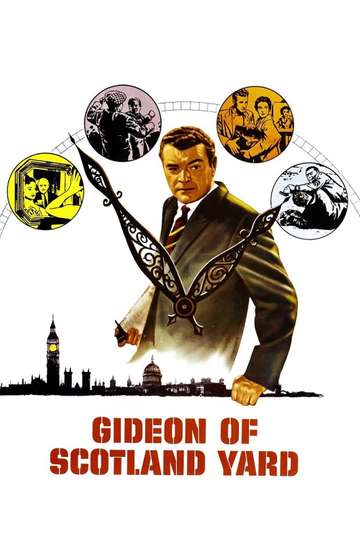
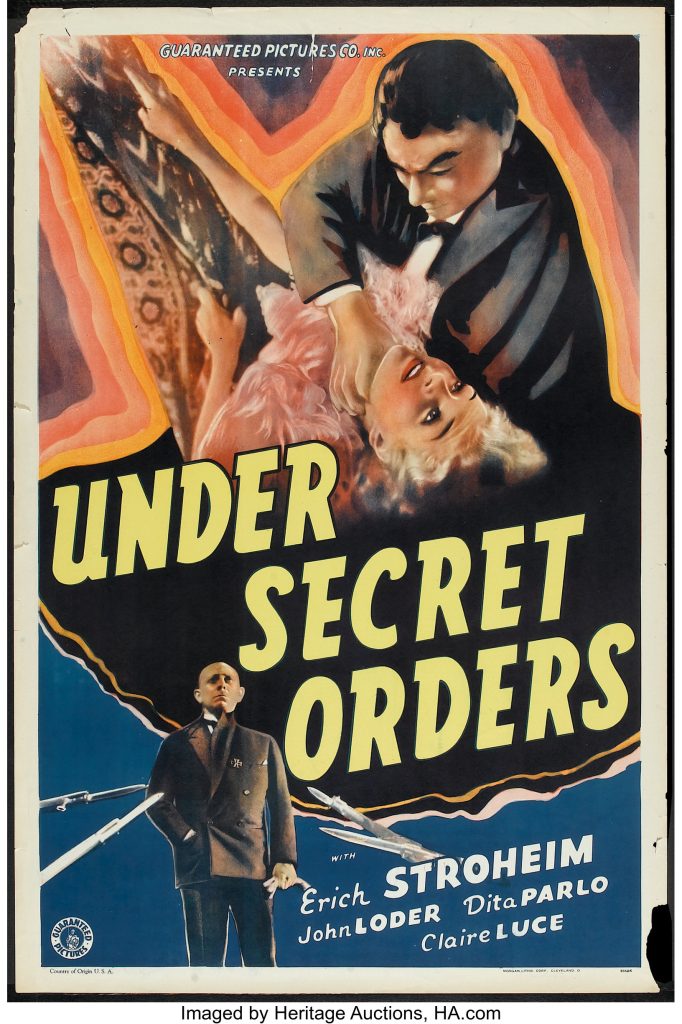
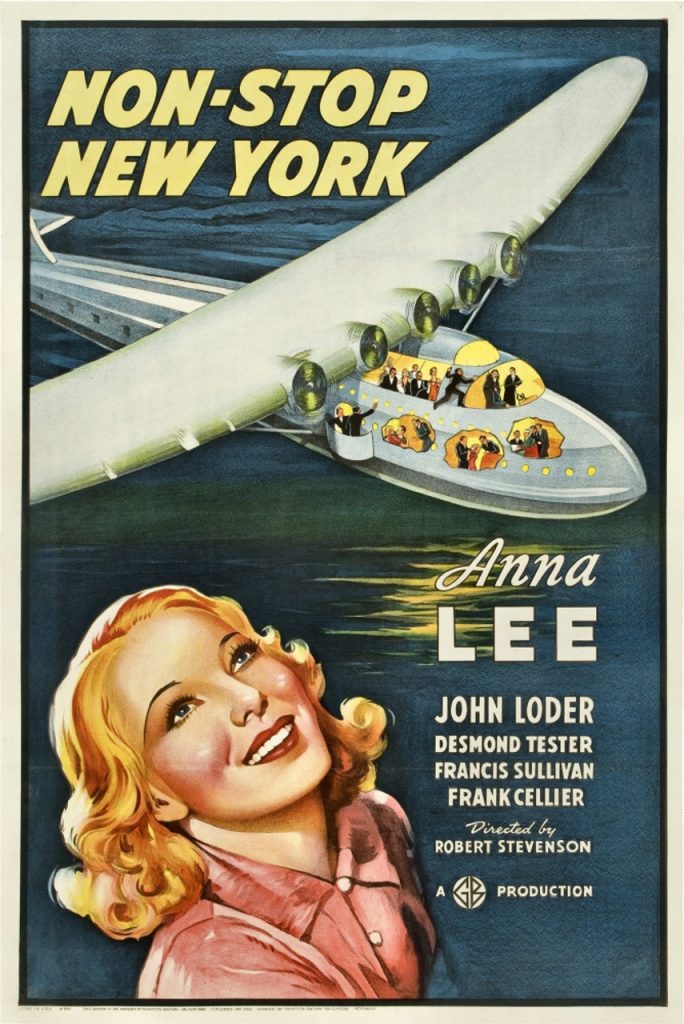
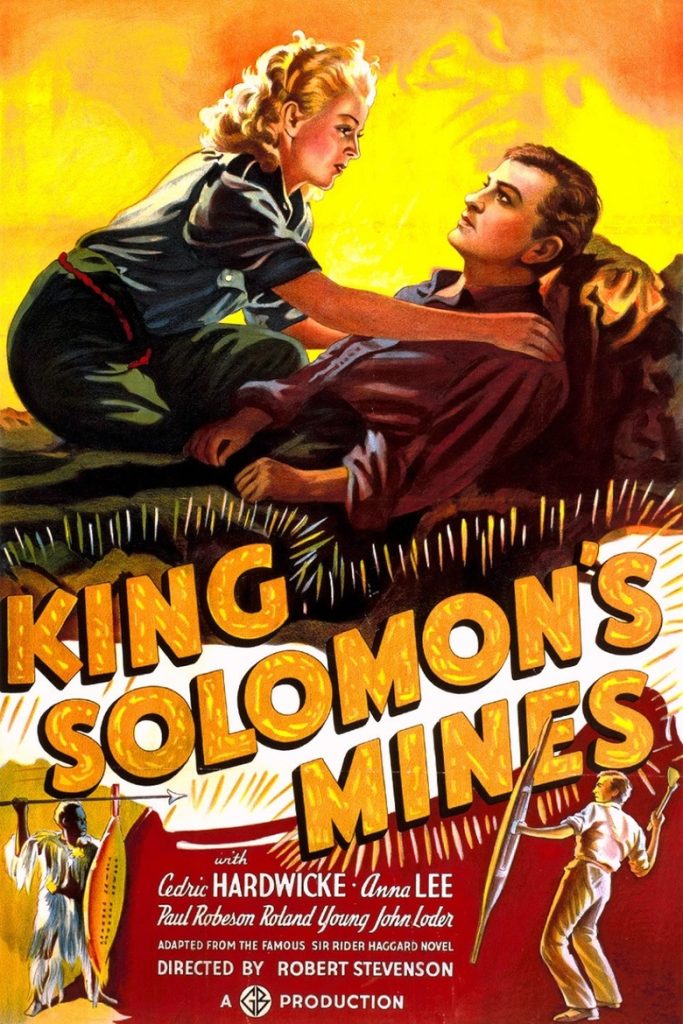
Among the scores of British and American films he performed in were the 1937 British version of ”King Solomon’s Mines,” with Sir Cedric Hardwicke, Paul Robeson, Roland Young and Anna Lee, Alfred Hitchcock’s ”Sabotage” (1936), ”Eagle Squadron” (1942), ”Passage to Marseilles” (1944) and ”Lorna Doone” (1935), considered his best British movie. His last films included ”Gideon’s Day” (1958), ”Esquiu” (1965) and ”The Firechasers” (1970). Although he had a variety of roles, his specialty seemed to be the jilted husband. Noted Portrayals
Critics considered his best portrayals to be Ianto, the eldest son in ”How Green Was My Valley” (1941), and Elliott Livingston, opposite Bette Davis, in ”Now, Voyager” (1942).
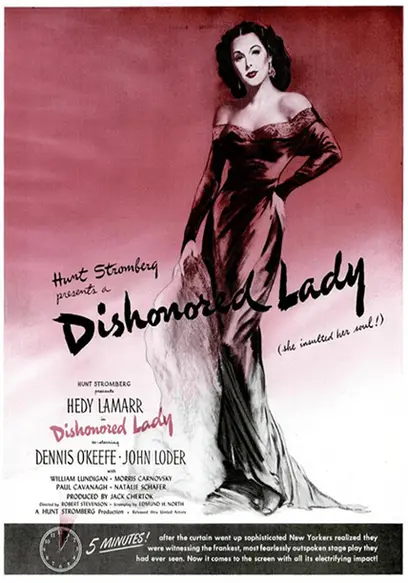
Another significant Loder film was ”Dishonored Lady” (1947), in which he appeared with Hedy Lamarr, who became his third wife in 1943 and from whom he was divorced when they made the movie together. They had a son and daughter.
His other wives were Sophie Kabel, with whom he had a son; Micheline Cheirel, with whom he had a daughter; Evelyn Carolyn Auffmordt, and Alba Julia Lagomarsino, whom he married in 1958
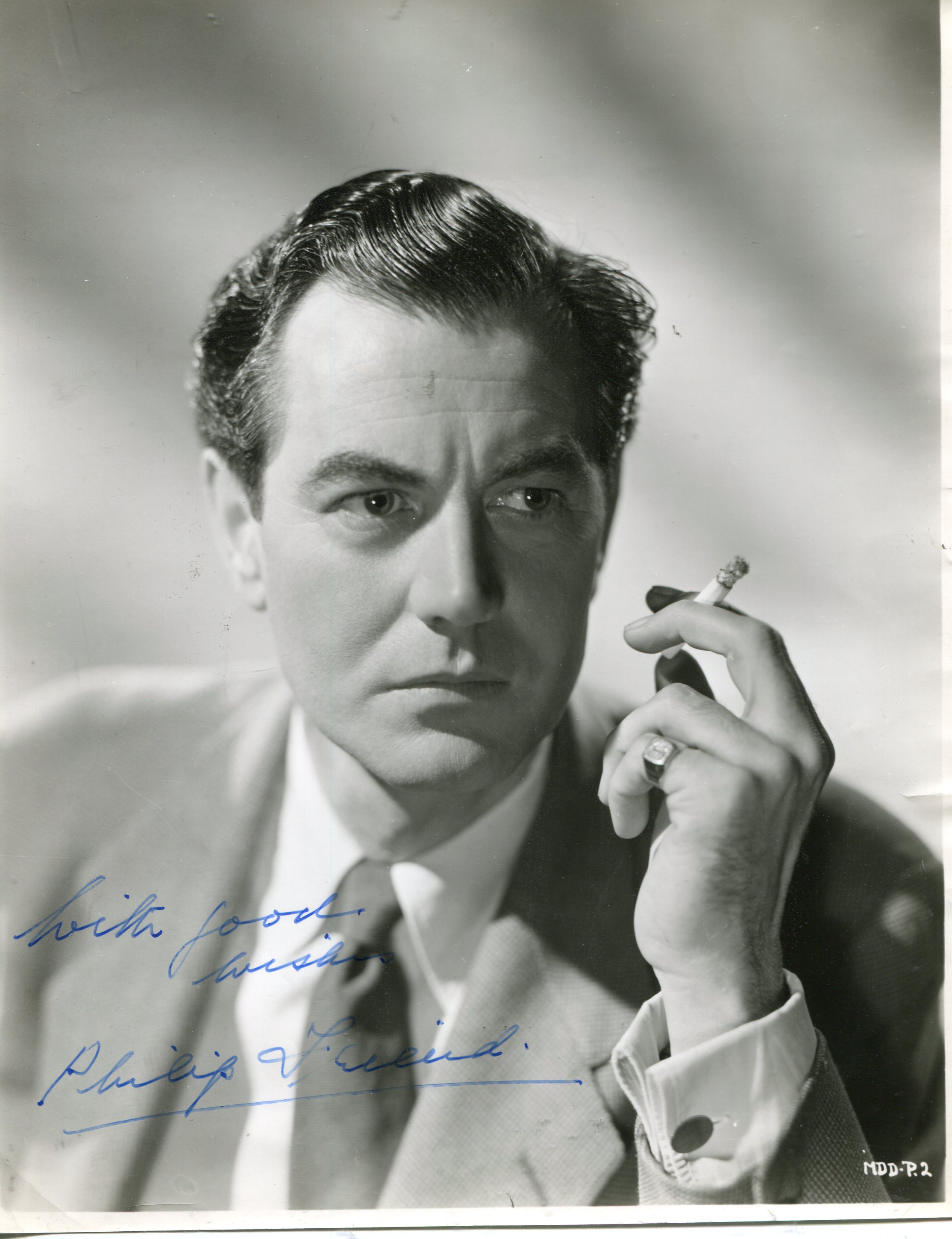
British actor Philip Friend made his stage bow in 1935 and his film debut in 1939, after which he settled into his peculiar niche as the bargain-counter Errol Flynn. The titles of Friend’s English and American films pretty much tell the whole story: Sword in the Desert (1949), Buccaneer’s Girl (1950), The Story of Robin Hood (1958). Friend was cast in the potentially star-making title role in The Highwayman (1951), based on the famed Alfred Noyes narrative poem. Alas, this movie barely moved until the last five minutes–just long enough for Friend and leading lady Wanda Hendrix to get killed off and then reappear as ghosts. Philip Friend was active in movies, TV and Broadway until the ’70s, always one tiny step away from true stardom. ~ Hal Erickson, Rovi
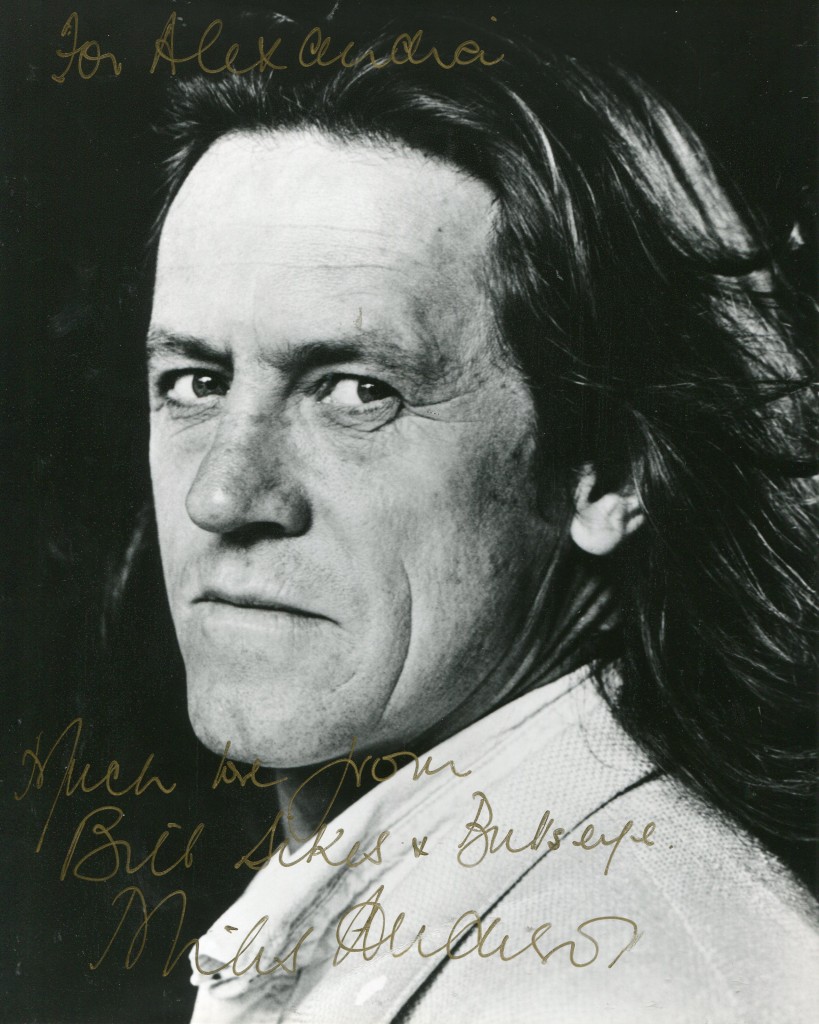
Born in Rhodesia, Miles’ childhood as the son of Major-General John Anderson and writer Daphne Anderson placed him at the heart of historical change in Africa in the 1950s and 60s. In 1964, his father was removed by the then-Prime Minister, Ian Smith, for his opposition to the Unilateral Declaration of Independence and, two years later, the family left the country. More than forty years on, he continues to support the opposition in what is now Zimbabwe. Miles has been acting for stage and screen for many years, perhaps best known in recent times for his television appearances as “Colonel Aidan Dempsey” in ITV’s Ultimate Force (2002), “Roger O’Neill” in the award-winning House of Cards (1990), “Terry Fox” in BBC’s Holby City (1999) and “Colonel Dan Fortune” in the hit series Soldier Soldier (1991). His stage appearances in the West End and for the Royal Shakespeare Company have won him acclaim with, amongst others, “The Witch of Edmonton”, “The Twin Rivals”, “Macbeth”, “The Weir”, “Oliver!” and “Twelfth Night”. He was also the first ever man to play “Peter Pan” in Trevor Nunn‘s acclaimed production. He was awarded three British Drama Awards in his first season at Stratford and was nominated for aLaurence Olivier Award for “Sigismund” in Calderon de la Barca‘s “Life’s A Dream”. He has worked with such Directors as Richard Attenborough, Trevor Nunn, Adrian Noble, Max Stafford-Clark, Sam Mendes, Paul Seed, John Caird, Ian Rickson and Dominic Cooke. He has two sons, the actor Joe Anderson and 2006 and 2009 World Streetboard Champion, Max Anderson. He lives in Los Angeles.
– IMDb Mini Biography By: Milos
The above IMDB entry can also be accessed online here.
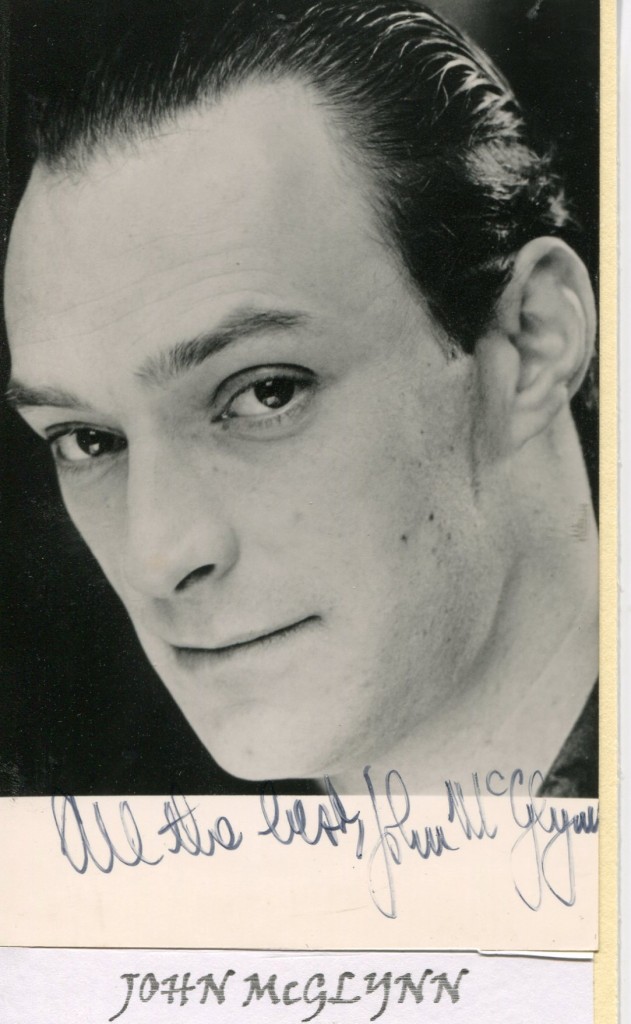
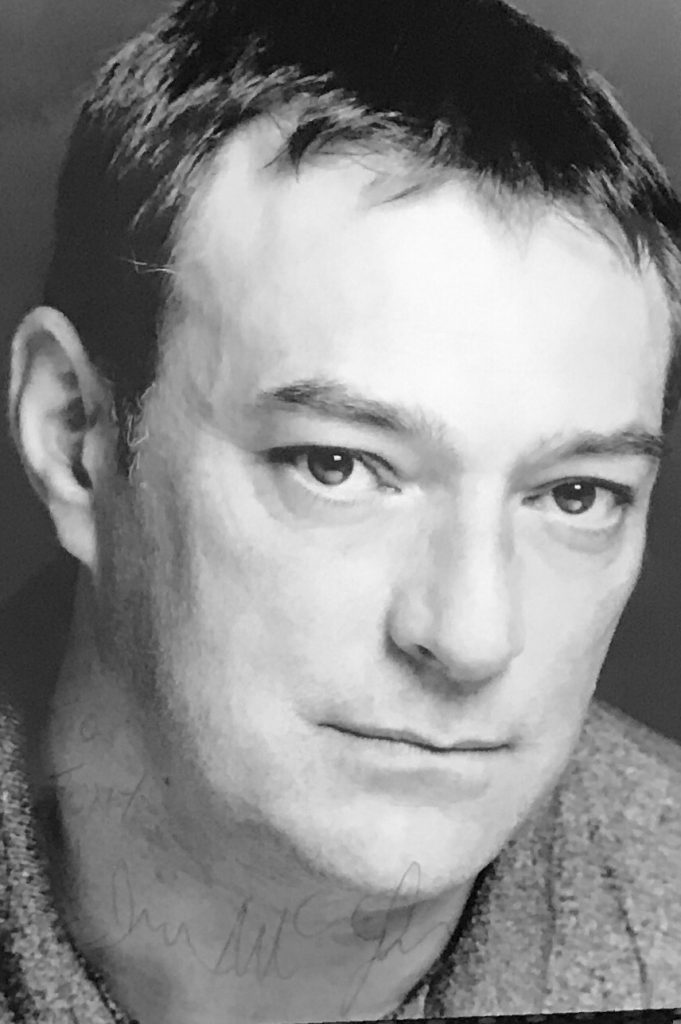
John McGlynn(born 8 September 1953) is a Scottish actor. His most notable role was that of vet Calum Buchanan in the British television series All Creatures Great and Small between January 1988 and September 1989. He played the part of Dr. Richard Earle in the British Granada TV mystery series Rosemary and Thyme in 2004 in the ‘Swords into Ploughshares’ episode. He played the part of DI Tom Adams in the BBC crime thriller series Silent Witness in series 1, 1996.
McGlynn’s debut as a professional actor was in 1975 at The Young Lyceum Theatre in Edinburgh, Scotland, in a new play, If Ye Died wi’a Face Like That, by Glaswegian writer William Grant. He was already working with the company as a drummer, contributing to the pre-recorded soundtrack for the above production. He remained with the company for the next two years, performing as an actor, drummer and singer in Cry Wolf, The Water Babies, A Midsummer Night’s Dream and Under Milk Wood. He also worked as a singer/drummer/actor with the Scottish 7:84 Company in My Pal and Me and The Trembling Giant, both written by John McGrath. After 7:84 ceased operations, McGlynn was engaged by the Wildcat Theatre Co., which emerged from it, in His Master’s Voice and The Complete History of Rock’n’Roll.
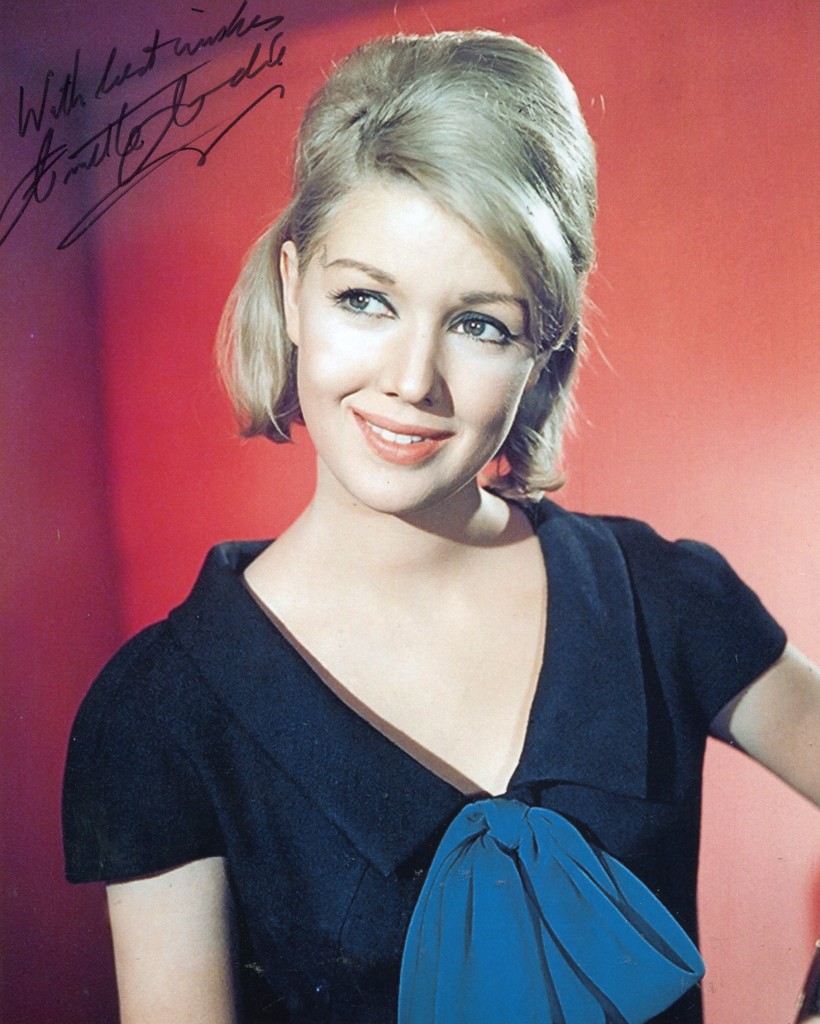
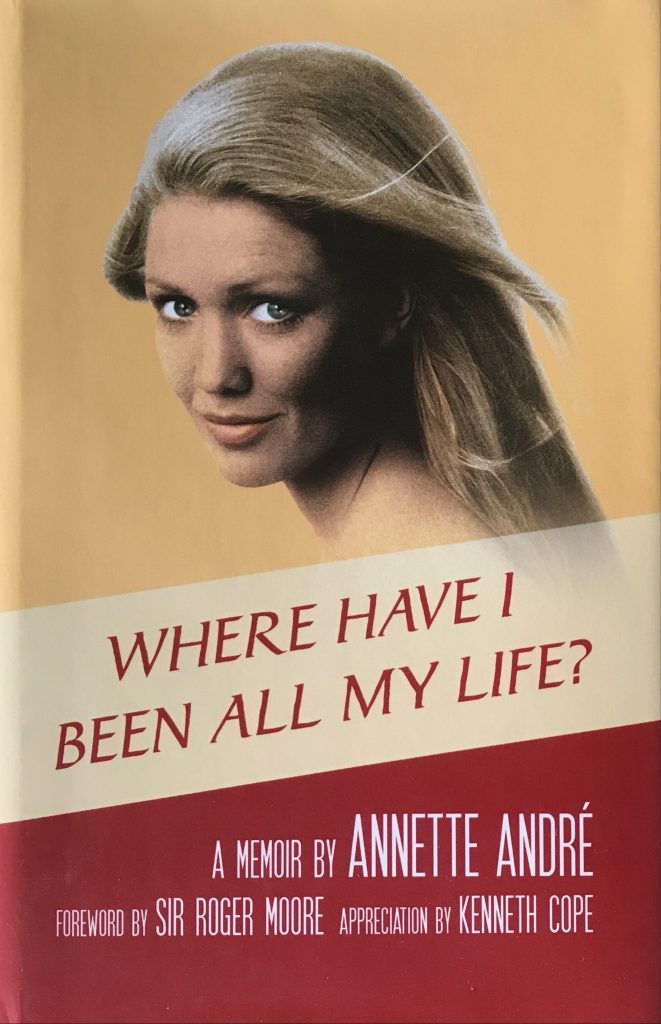
Annette Andre (Birth name Annette Christine Andreallo) is best-known for her work on British television throughout the 1960s, 1970s and 1980s.
She began as a ballet dancer, moving on to radio, theatre and TV work in Australia, before filming small roles in “Cleopatra” and “Panic Button” in Italy and then settling in London. She immediately found work in the stage musical, “Vanity Fair”, at the Queen’s Theatre in London’s West End. Her first film in the UK was This Is My Street (1964).
Probably her most memorable role was starring as Marty Hopkirk’s widow, “Jeannie Hopkirk”, in the late 1960s ITV classic, My Partner the Ghost (1969).
In 1971, she returned to the London stage to play “Miranda” in “The Collector”, at the King’s Head, and the same role, again, the following year, to open the Bush Theatre in Hammersmith. She continued mainly in theatre for the next two decades, starring in “Suddenly at Home”, Fortune Theatre, West End, and many national tours, including “Come Blow Your Horn”, “Party to Murder”, “Signpost to Murder”, “The Bride Makes Three”, “Streetcar Named Desire”, “Shock”, “There Goes The Bride”, among others.
In 1981, she played “Dr. Scott” in “Whose Life Is It, Anyway?” on a National tour around Australia. And, in 1984, she starred with Richard Todd in the long-running play, “The Business of Murder”, at the West End Mayfair Theatre in London. In 1988, she played a cameo role in the TV film, Maigret (1988), starring Richard Harris. The film was written and produced by Arthur Weingarten, whom she married a year later.
Andre is now semi-retired from acting, and devotes her time to animal welfare issues with her husband, both having worked closely with Bill Travers and Virginia McKenna of the “Born Free Foundation”. She has begun painting in oils, has sold several works and has been offered a solo show in the near future. She has made rare appearances at the Mid-Atlantic Nostalgia Convention in Aberdeen, Maryland in 2007, the Memorabilia Show in Birmingham, England in March 2011 and the New York Memorabilia Show in May 2011.
She and her husband live in upstate New York, and she loves to spend time in London with her daughter, Anouska, and her two wonderful grandchildren, Jake and Nia.
– IMDb Mini Biography By: Leo Andre
The above IMDB entry can also be accessed online here.
Jack Wild was born in Royton in the U.K. in 1952./ Best known for his wonderful performance in “Oliver” in 1968. Sadly he died in 2006.
His “Independent” obituary by Tom Vallance:
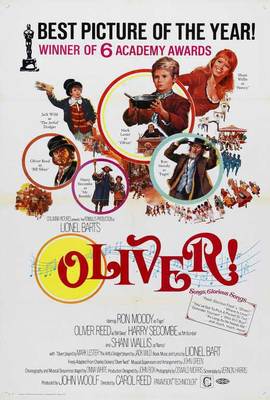
Jack Wild will be best remembered for his exuberant performance as the cheeky pickpocket, the Artful Dodger, in Carol Reed’s film version of Lionel Bart’s Oliver! (1968), for which he was deservedly nominated for an Oscar. His top-hatted, mischievous urchin made an indelible impression and accomplished the seemingly impossible by matching the impact of the classic performance of Anthony Newley in David Lean’s earlier non-musical version of Oliver Twist.
His performance was different from Newley’s, less sly and knowing, but perfect for the lighter musical mood. With his impish grin, snub nose, boundless energy and husky voice, he gave splendid impetus to numbers such as “Consider Yourself”, “I’d Do Anything” and “Be Back Soon” and gave Ron Moody, as Fagin, a run for his money in the scene-stealing stakes.
Almost inevitably, his post-Oliver! career was a disappointment, and his descent to alcohol and obscurity could be said to mark him as yet another child star unable to cope with fame, though it is always difficult to follow up such a smash hit (even his co-stars Moody, Shani Wallis and Mark Lester – now an osteopath – never found subsequent movie roles of equal stature).
Wild’s youthful energy and versatility were similar to that displayed by Mickey Rooney 20 years earlier, but Hollywood was no longer making Rooney-type musicals, and Wild had no studio to protect, develop or discipline him. “It’s very hard not to let fame affect you because you are continually being told how good you are,” he said. “After a while you begin to think there must be some truth in it because all those people can’t be wrong.” Wild would adamantly deny, however, that his later drinking problem was the result of early stardom:
A lot of people try to blame the fact that I was successful at a young age. I don’t agree with them. I firmly believe that it wouldn’t have mattered what career I’d have chosen, I’d have ended up with a drinking problem. I think it was just in my genes.
Jack Wild was born in 1952 in Royton, Lancashire, to parents who worked in the cotton mills, but while he was still an infant the family moved to the London suburb of Hounslow, where Wild’s mother worked in a shop and his father in a tyre factory. Jack and his brother Arthur were boyhood friends of the future Genesis star Phil Collins, whose mother June ran a stage school with Barbara Speake. After watching the boys play football in the park one afternoon June Collins was convinced the Wild brothers had charisma and suggested they enrol at her school. Wild began going to auditions at the age of 11 and later revealed that he had to work constantly to pay the school fees:
My parents were working-class and couldn’t afford them. At 12, I was treated as an adult at “work” and it was difficult for me to switch from that role at home. I grew up too quickly.
Arthur Wild was later to be one of the boys who played Oliver in the original stage production of the musical, with Phil Collins as the Artful Dodger. Later Jack, who had already had some small roles on television, took over the role of Oliver in the stage production. When he won the role of the Artful Dodger in the film version, he was 16 and the second oldest boy in the cast:
I was the leader of the gang and we got up to a lot of escapades for the whole year we were making it. But Carol Reed was an excellent director and he knew how to deal with us.
Oliver! won the years’s Oscar for best film, and both Mooney and Wild were nominated for their performances. Wild received a good-luck telegram from his idol James Cagney, but he lost the best supporting actor award to Jack Albertson in The Subject Was Roses. “I didn’t win,” he later said, “but I had a great time in America and lots of doors were opened.” He made guest appearances on top television programmes, and he was given a million-dollar contract with Capitol Records, for whom he made three albums, The Jack Wild Album, Everything’s Coming Up Roses and Beautiful World.
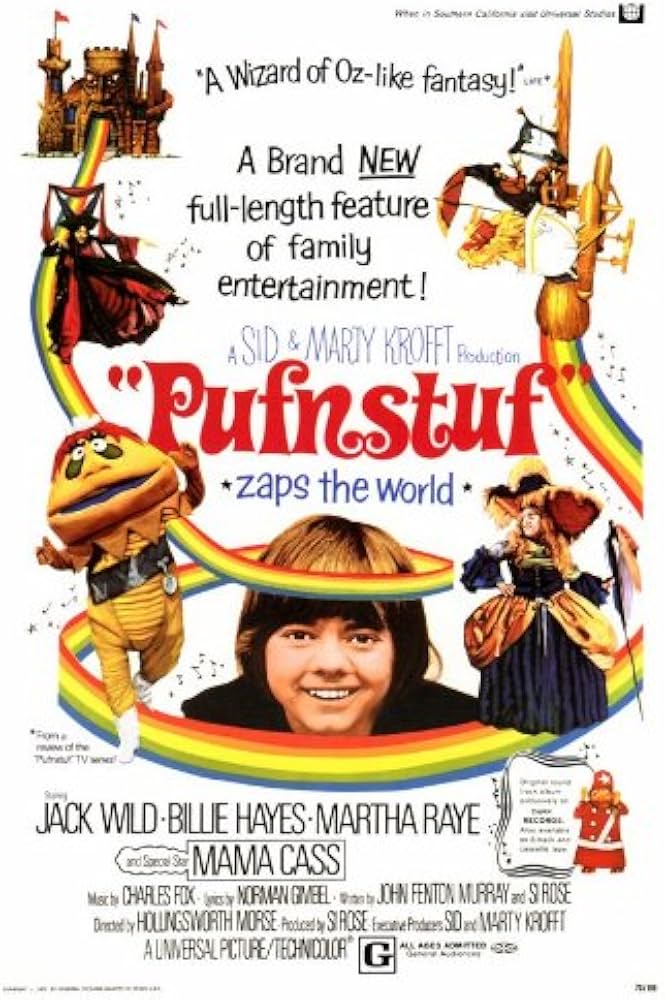
At the Hollywood premiere of Oliver! he had met the puppeteers Sid and Marty Krofft, who thought he would be perfect for a Saturday-morning children’s television show they were preparing. Jack and his brother left London and moved in with Marty Krofft’s family while Jack starred in the series H.R. Pufnstuff (1969).
Set on an enchanted island, it was a mixture of live action and giant puppets, in which Wild played a boy befriended by a dragon as he battles the evil Witchiepoo, who wants to steal his magic flute. He received another million dollars for the series. “I spent most of the money on the family,’ he later said, “buying them cars and houses.” He had already started drinking heavily:
I was smoking since I was 12. The people around me – the agents, personal and business managers – could hardly say, “You can’t have a drink.” I was employing them, after all. By the time I was 19 I thought I was God.
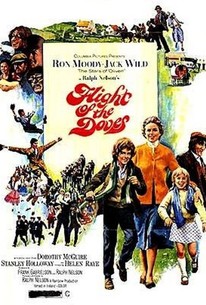
In 1970 he starred in a film version of Pufnstuff but the banal script and poor songs stifled the efforts of Wild and his co-stars Billy Hayes, Martha Raye and Mama Cass. Poor songs also blighted Wild’s next film, an otherwise charming family movie made in Ireland, Ralph Nelson’s Flight of the Doves (1971), which reunited the actor with Ron Moody. Wild and Helen Raye were a pair of orphans who run away from their cruel stepfather but encounter further danger from a wicked uncle (Moody) who is a master of disguise. Wild later confessed, “I was never really sober. I just topped myself up every day.”
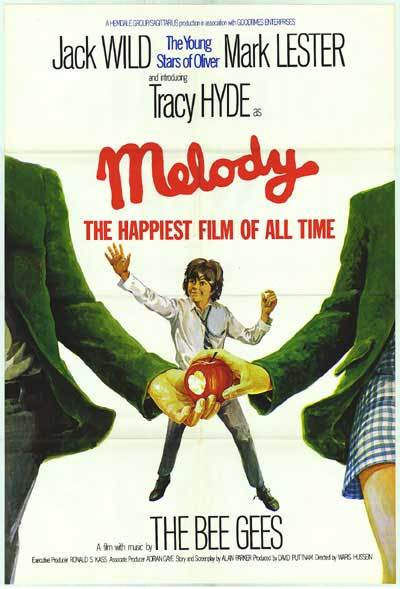
He was teamed with Mark Lester again in Melody (1971). Lester played an 11-year old boy who wants to marry a 12-year old girl (Tracy Hyde), with Wild playing their older friend who tries to dissuade them from telling their parents. It was an appealing, but minor, film (an early work of the producer David Puttnam and writer Alan Parker) distinguished by a fine score by the Bee Gees.
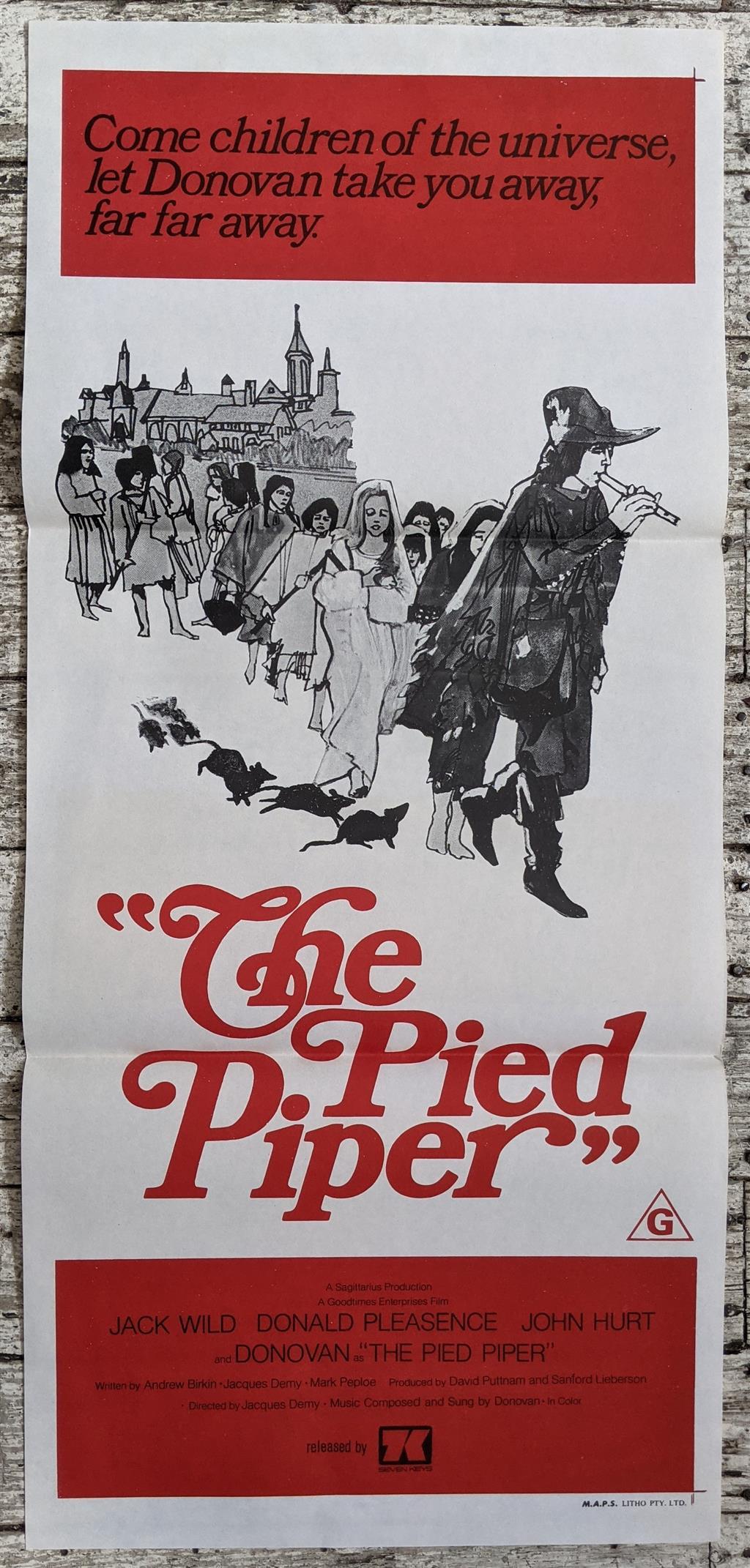
Oliver! and H.R. Pufnstuff had given Wild a huge fan following, and he was a favourite of teen magazines, but his drinking quickly affected his looks, and he played a supporting role in Jacques Demy’s The Pied Piper (1982), a dark version of the disturbing children’s tale. The last film in which he received top billing was David Hemmings’s touching drama The Fourteen (1983), in which he was the oldest of 14 children who are suddenly orphaned and try to resist inevitable separation.
Relative obscurity followed, but though work became scarce he refused to give up acting. “There is no buzz,” he said, “like performing for a live audience.” He continued to work sporadically, particularly in America, where regular repeats of H.R. Pufnstuff kept his name known.
In the UK he was a popular draw in provincial pantomime. He played Buttons in Cinderella several times until age prompted a switch to an Ugly Sister. He particularly regretted that, having played a famous fictional cockney, he had never appeared in EastEnders. “I’d definitely be up for it,” he said,
just the same as I would if Coronation Street was offered. Either way, it would be like going back to my roots.
His heavy drinking, which he admitted contributed to the breakdown of his marriage to his Welsh wife Gaynor, lasted until 1988, despite attempts to dry out at clinics. “You have to reach your own personal bottom line,” he said,
and the time wasn’t right for me at clinics. I joined Alcoholics Anonymous, and don’t consider I have a drink problem any more. I might have a low-alcohol lager but that’s all.
A “born again” Christian and a diabetic, Wild had been sober for the past 16 years, and made a minor comeback in the film Robin Hood: Prince of Thieves (1991) with Kevin Costner. Wild played one of Robin’s merry men, Much, the Miller’s son. He also appeared as a porn merchant in Channel 4’s series based on the movie Lock, Stock and Two Smoking Barrels, had the small role of a pedlar in Basil (1998), and portrayed the Cowardly Lion in a London production of The Wizard of Oz.
Diagnosed with mouth cancer in 2001, he had his tongue and voicebox removed in 2004, and had become an active campaigner for cancer charities. “My life style had made me a walking timebomb,” he said in an interview last year. Even when unable to speak, he took to the stage in Cinderella, as a mute but touching Baron Hardup.
Supported by his actress girlfriend of 10 years, Claire Harding, whom he met when they were appearing in Jack and the Beanstalk in Worthing and married last September, he continued to give interviews and make appearances. In 2005 he had a part, with Ron Moody, in Danny Patrick’s film Moussaka & Chips, and featured with other members of the Oliver! cast in two television retrospectives, After They Were Famous, on New Year’s Day, and Celebrate “Oliver!”, on Boxing Day. In September the Daily Mail brought him and Mark Lester together on the launch of Roman Polanski’s Oliver Twist. “Jack was like my big brother,” recalled Lester, who said that Wild, six years his senior, was “a very good footballer”:
We just got on really well, although I wasn’t allowed to play football because my face got too red and it did not go down too well with the lighting guys.
In a 1996 interview, Jack Wild had remarked with cheerful resignation, “I guess I’ll go to my grave as the Dodger, but at least I’ve made my mark on show-business history.”
Tom Vallance
The above “Independent” obituary can also be accessed online here.
The career of Jack Wild (1952–2006) is one of the most vivid and ultimately tragic illustrations of the “child star” phenomenon in British history. With his raspy voice, jagged grin, and perpetual energy, Wild became the face of a specific brand of Cockney resilience. He was the “Artful Dodger” for an entire generation, a performer who possessed a natural, unstudied charisma that initially charmed the world but struggled to find a foothold in the adult industry.
Career Overview: The “Dodger” Phenomenon
Jack Wild’s trajectory was a meteoric rise followed by a decades-long battle with the consequences of early superstardom.
The Breakthrough (1968): At age 15, Wild was cast as the Artful Dodger in Carol Reed’s film adaptation of Oliver!. His performance earned him an Academy Award nomination for Best Supporting Actor, making him one of the youngest nominees in history.
The Teen Idol Era (1969–1972): He moved to the U.S. to star in the psychedelic children’s series “H.R. Pufnstuf,” produced by Sid and Marty Krofft. This turned him into a massive teen idol, complete with a recording career and “Tiger Beat” magazine covers.
The Transition Years (1970s): He starred in the cult classic Melody (1971), which showcased a more mature, cynical side of his persona. However, by the mid-70s, the “Peter Pan” quality that made him famous began to work against him as he aged.
The Later Years: After a long struggle with alcoholism and mouth cancer, Wild saw a small career resurgence in the early 90s, most notably in Robin Hood: Prince of Thieves (1991), before his death at age 53.
Detailed Critical Analysis: The “Naturalist” Urchin
1. The Subversion of the “Cute” Child Star
In the 1960s, child actors were often polished and stage-schooled. Wild brought a gritty, street-level energyto the screen.
Analysis: In Oliver!, Wild’s Dodger wasn’t just a guide for the protagonist; he was a survivor. Critics praised his physicality—the way he wore his oversized top hat and moved with a swagger that suggested a man’s confidence in a boy’s body. He didn’t play for sympathy; he played for authority. He made the criminal life of a pickpocket look like a grand, logical adventure, which gave the film its necessary “spark.”
2. The “Pufnstuf” Psychedelia
As Jimmy in H.R. Pufnstuf, Wild had to act against elaborate puppets and surreal sets.
Critical Insight: This role required a very specific type of earnest reactive acting. Wild managed to ground the absurdity of Living Island with his relatable “everyman” quality. Critics noted that even in the midst of the 1960s psychedelic aesthetic, Wild remained a “London Boy” at heart, providing a human anchor for a show that could have otherwise felt entirely untethered from reality.
3. The “Melody” Pivot: A Glimpse of the Adult Actor
In Melody (1971), Wild played Ornshaw, the cynical best friend to Mark Lester’s protagonist.
Technical Analysis: This is arguably Wild’s most sophisticated performance. He moved away from the “Dodger” charm into something brooding and class-conscious. He captured the frustration of a working-class boy who realizes the world is rigged against him. Critics have often lamented that had Wild stayed on this “realist” path, he might have become one of the great character actors of the British New Wave.
4. The “Peter Pan” Trap
One of the most frequent critical observations of Wild’s career was his inability to age out of his “boyishness.”
Critical View: Wild’s face remained youthful even as his life experience deepened. This created a “cognitive dissonance” for casting directors in the late 70s. He was too old for child roles but lacked the traditional leading-man stature for adult drama. His struggle with alcoholism further complicated this, as it eroded the physical “sparkle” that was his primary professional currency.
Key Credits & Cultural Milestones
Year
Title
Role
Note
1968
Oliver!
The Artful Dodger
Academy Award and Golden Globe Nominee.
1969
H.R. Pufnstuf
Jimmy
Solidified him as a global teen icon.
1971
Melody
Ornshaw
A critical favorite in Japan and the UK.
1973
The 14
Reg
A gritty, social-realist drama about orphaned siblings.
1991
Robin Hood: Prince of Thieves
Much the Miller’s Son
A successful return to big-budget cinema.
He brought a sense of anarchy, wit, and genuine street-smart intelligence to every role he touched. While his later life became a cautionary tale of the pressures of early fame, his work in the late 60s remains a high-water mark for naturalistic youth performance. He didn’t just play a character; he embodied a specific, defiant spirit of London that continues to resonate.