Brittish Actors

Collection of Classic Brittish Actors

John Savident
John Savident
John Savident
 

John Savident was born in 1938 in Guernsey, Channel Islands.   He is best known for his role as Fred Elliott in “Coronation Street”.   His films include”Battle of Britain” in 1969,  “A Clockwork Orange” in 1971 and “Mountains of the Moon” in 1990.

Article in “MailOnline”:

Coronation Street star John Savident notched up roles in cinema classics and Hollywood blockbusters before finally finding fame for his larger-than-life character in Britain’s longest-running soap.

Although a familiar face for his string of minor roles on screen, it was butcher Fred Elliott who made him a household name after 30 years in acting.

He was born in Guernsey, to a father who was a local fisherman and a Swiss mother. They moved when Savident – whose real surname is Joseph – was just three years old, settling in Ashton-under-Lyne, near Manchester.

Before finding his feet on the stage, the star pounded the beat as a policeman in Manchester for six years, training alongside John Stalker who went on to become Deputy Chief Constable of Greater Manchester. 

During those days he suffered a stabbing injury when he tried to break up a vicious gang fight, taking an injury to the arm. “I thought I’d had it,” he recalled. 

He pursued his acting ambitions through amateur productions but a chance remark in a pub led to him quitting the force to treat the boards full-time.

Discussing his desire to turn professional in a pub while appearing in South Pacific, a producer overheard him and offered him a part as Robin Hood in a London panto. He went on to star in numerous stage productions, embracing the West End and Royal National Theatre. 

Early film roles included parts in Battle Of Britain, Stanley Kubrick’s controversial A Clockwork Orange – banned for years at the director’s insistence – and later Gandhi.

His skills also brought him to the attention of Hollywood producers, with roles in the Bruce Willis film, Hudson Hawk, and Loch Ness.   Savident’s vaguely menacing demeanour made him perfect for TV villains, such as the blackmailer Raffles in the BBC dramatisation Middlemarch.   He was also lined up to play disgraced publisher Robert Maxwell in a stage production but legal problems scuppered the show.   Away from the Street the actor’s real voice is rather more refined than the broad Lancashire accent he adopts for the part. “I made Fred speak like the loud Lancashire people you used to meet in pubs – you could hear them from the other side,” he once recalled.   I’ve got that booming voice anyway. I’m forever getting told at home, ‘stop booming John’.”   In the Street the butcher’s love life has been an ongoing saga. He has long had his eye on Audrey Roberts and recently proposed, but was turned down.   Elliott also wooed Rita, and the pair have remained good friends. He married Maureen in 1997 but she eventually ran off and left him.

In real life, Savident is married to theatrical director Rona with two grow-up children.

The above “MailOnline” article can also be accessed online here.

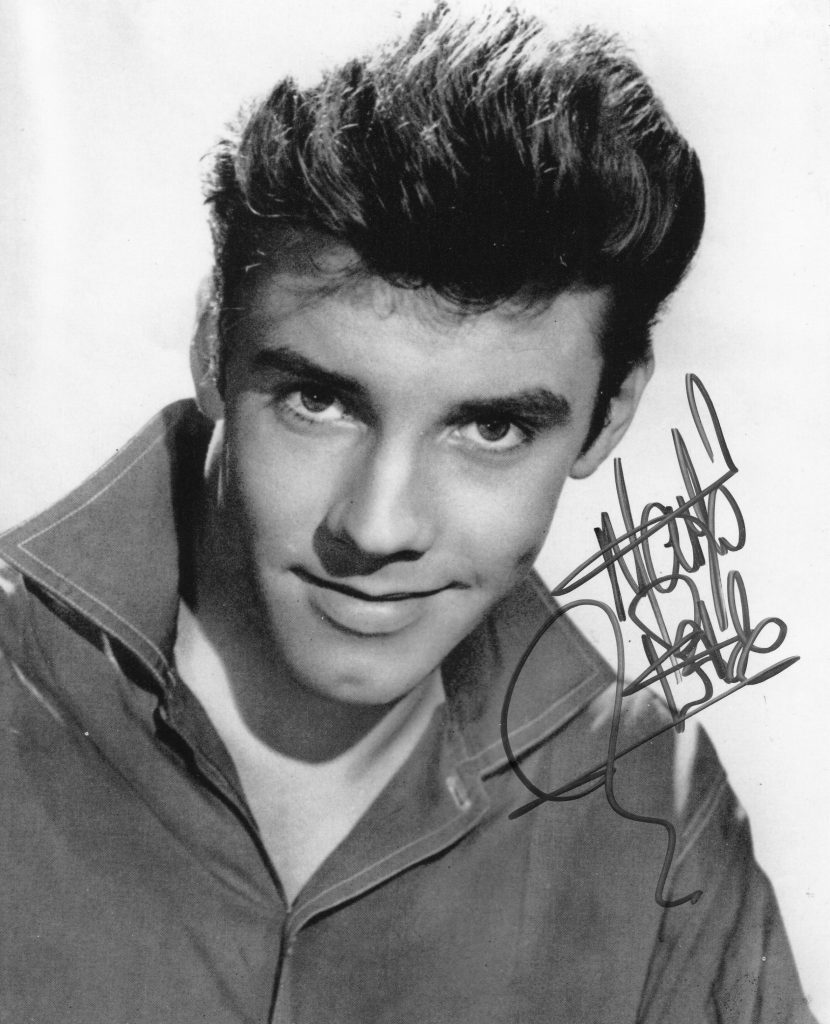
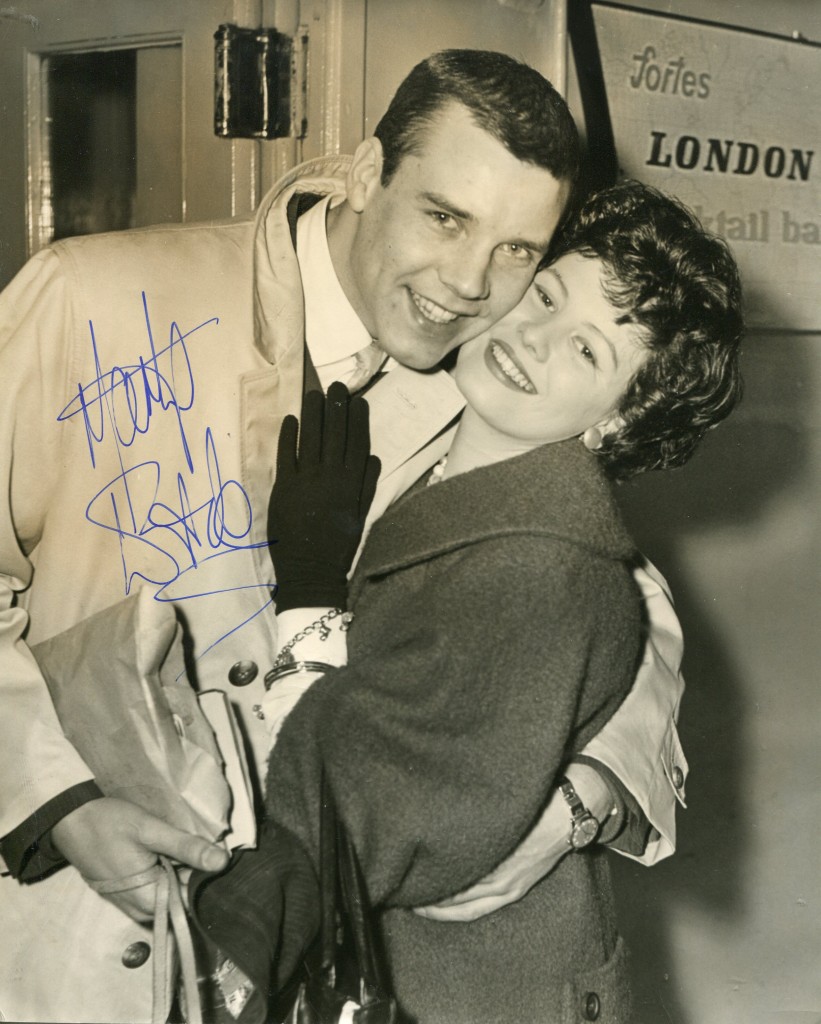
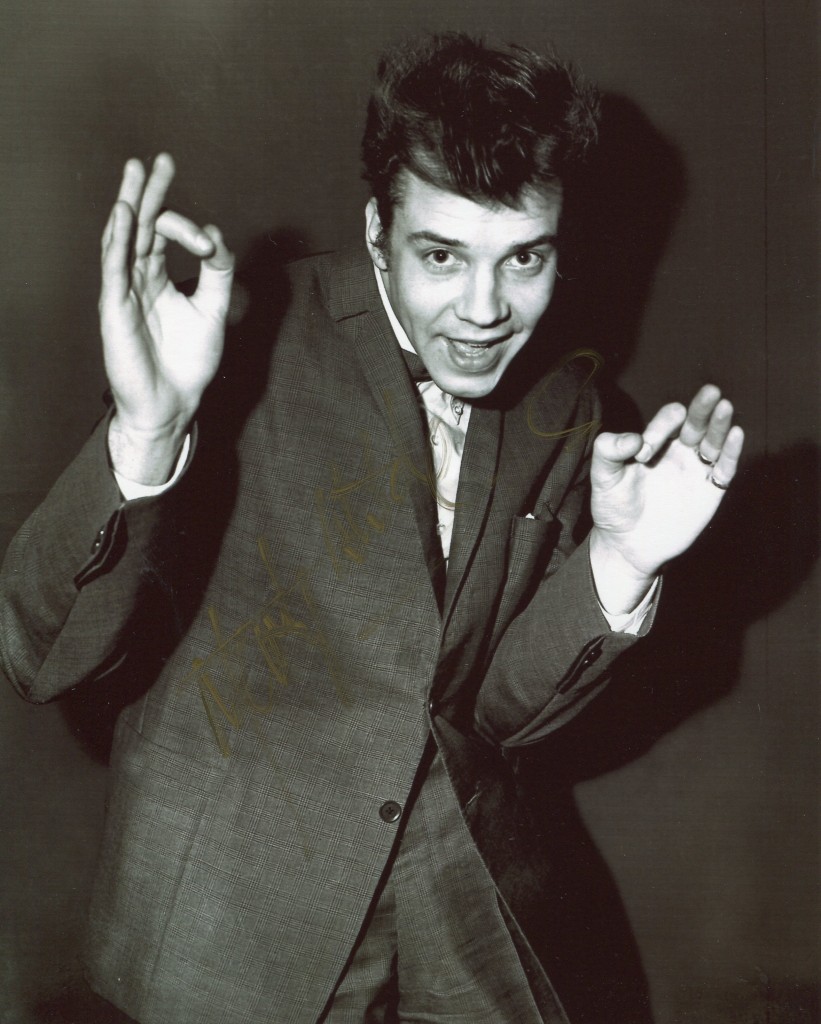
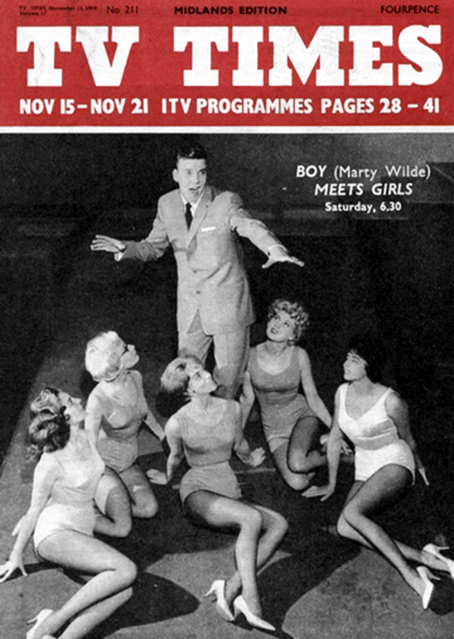
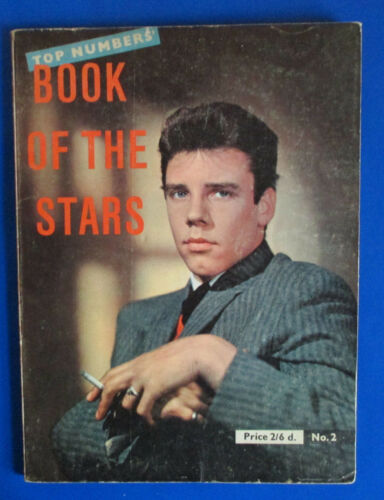
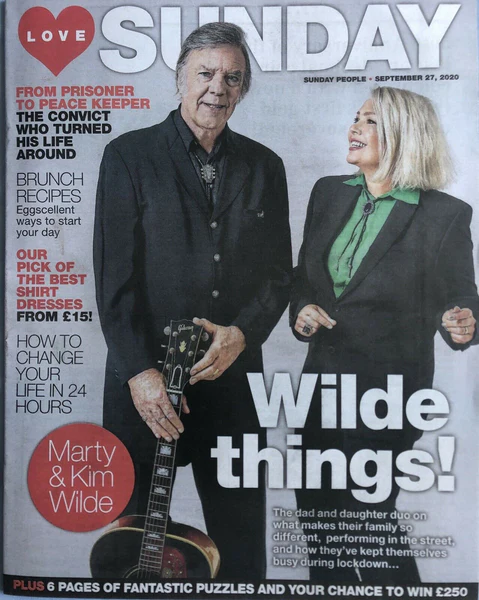
Marty Wilde
Marty Wilde
Marty Wilde
Marty Wilde
Marty Wilde

Marty Wilde info from his Website

Marty Wilde was born Reginald Leonard Smith in a nursing home in Blackheath on April the 15th 1939, he was the only son of Reginald and Jessica Smith.

Marty lived in Greenwich until he and his mother moved to different parts of the country to follow Reg senior who was a Sandhurst trained Sergeant and was posted to Devon – and then on to Capel Curig North Wales to help train new army recruits for the war effort, and Marty attributes his time spent in these beautiful areas to the great love he has for the countryside.

When the war finished, Marty and family moved back again to Greenwich, and Marty began school at Halstow Road Primary School. He was there for several years before he went on to Charlton Central Secondary Modern School, finally leaving at the age of 15, and in his own words “totally unqualified” where he became a messenger boy in the city of London for a firm of brokers in Rood Lane, Eastcheap, and for a couple of years got to know Eastcheap pretty well.

Whilst running from office to office in the day time with the latest market prices of pepper and rubber, he would day dream about his future and window gaze in all the expensive tailor shops windows just hoping something exciting might happen for him and that one day he might be able to afford them – since he desperately wanted to become a singing star. He was fortunate enough to have learned to play the ukulele at a young age and this was later to prove fortuitous as the uke has the same tuning as a guitar, so, making it easy for him to move on and play the teenagers favourite instrument of the time. Marty formed a group with some of his local friends called Reg Smith and the Hound dogs, and he and the group would eventually play with some success at local gigs in the South of England, until eventually, bit by bit, word got around about this new band. As news about the new band began to filter to London, Marty was approached by Joe Brunnely, a music publisher.

Joe offered Marty two weeks work as a solo artist in the West End of London. One week would be at the Blue Angel night Club, and the second week being at the Condor club which was in Soho. The Condor Club attracted lots of the personalities and stars of the day, such as Sterling Moss, and it was also rumoured – Princess Margaret. Whilst earning £1 a night plus a bowl of spaghetti, Marty was noticed by Larry Parnes, who, as Tommy Steele’s manager, was the most powerful manager in the UK, but when Larry went back stage to speak to Marty, he was told Marty had gone home rather swiftly, as he had to catch the last bus home to Greenwich. Marty had no idea that he had been spotted by the countries number one manager. However, Larry, being the business man he always was managed to obtain Marty’s address from the owners of the club, and the following day he headed down to Greenwich with a contract in his pocket and approached his parents to sign Marty up. Marty was under age to sign for himself.

The contract was signed and the career of Marty Wilde had begun….

Sheila Manahan
Sheila Manahan
Sheila Manahan
Sheila Manahan
Sheila Manahan
Sheila Manahan
Sheila Manahan

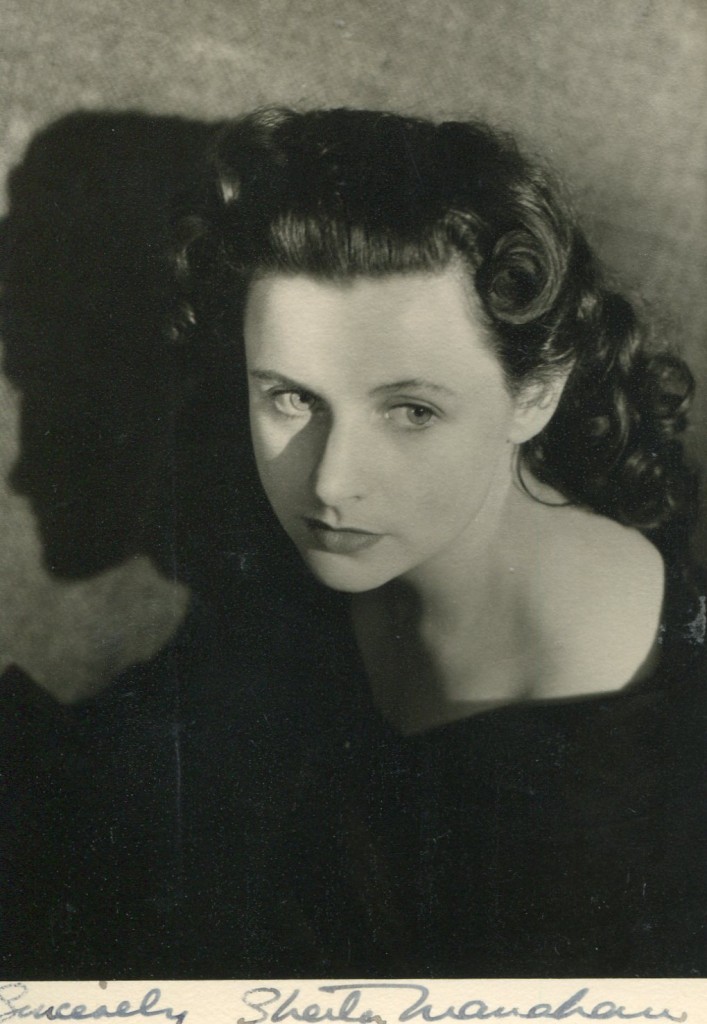
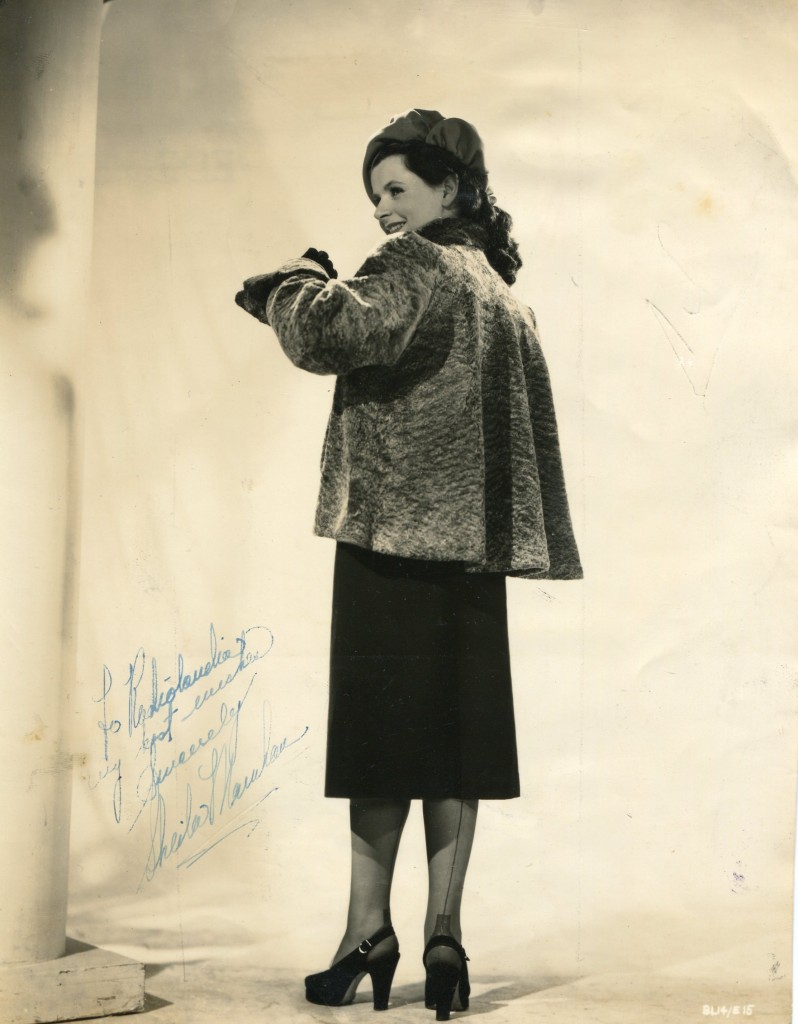
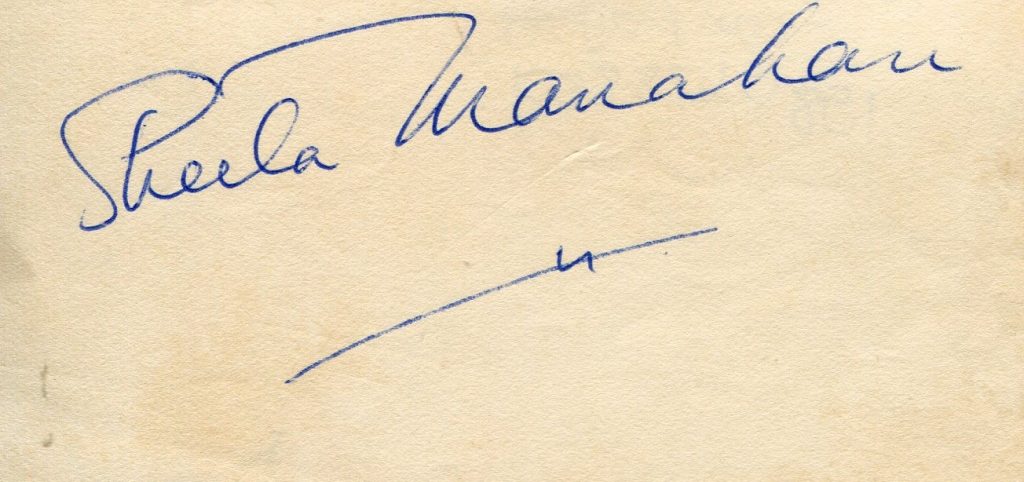
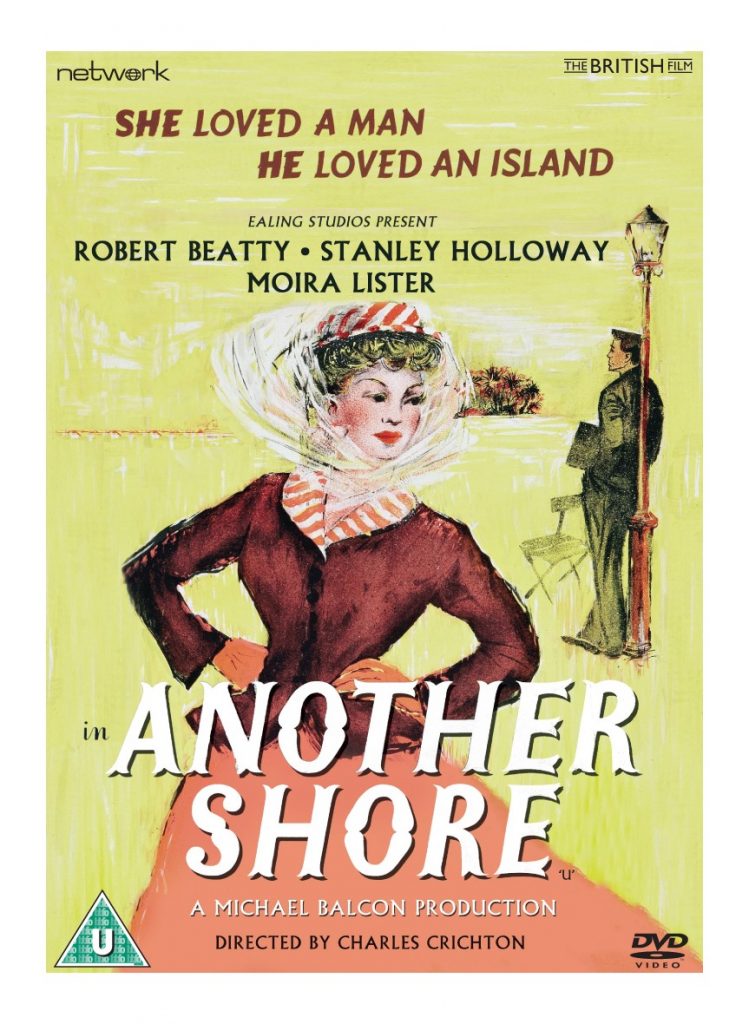
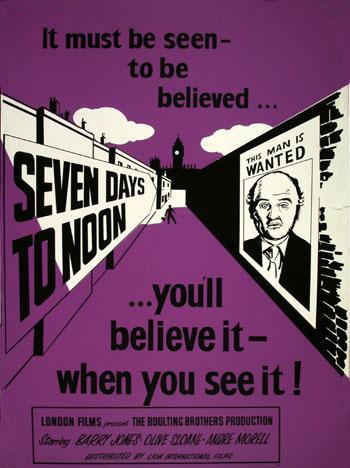
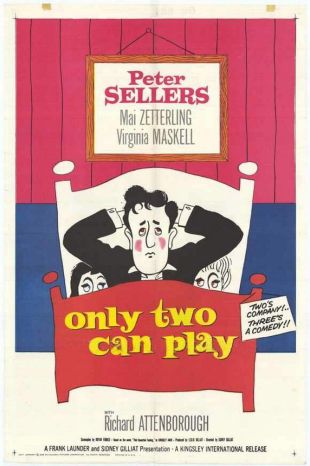
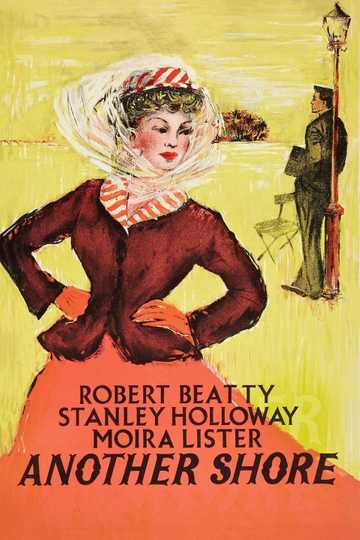
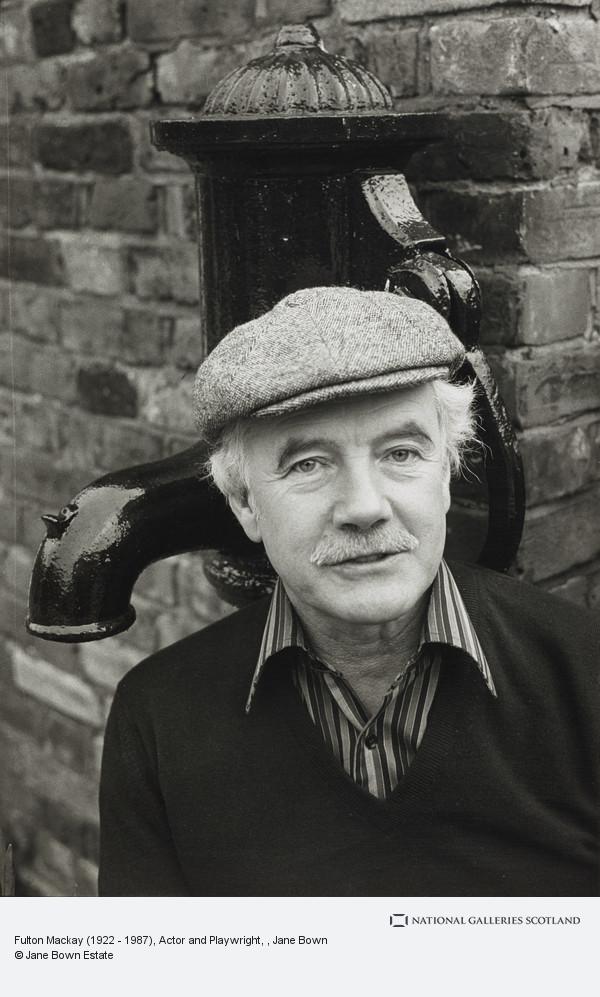
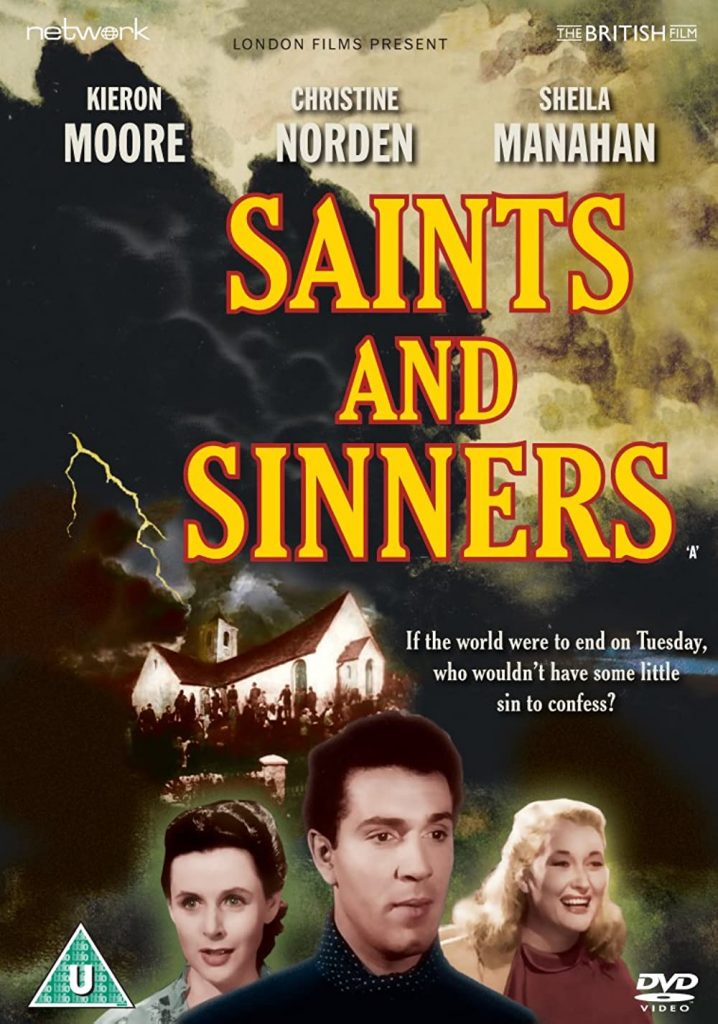
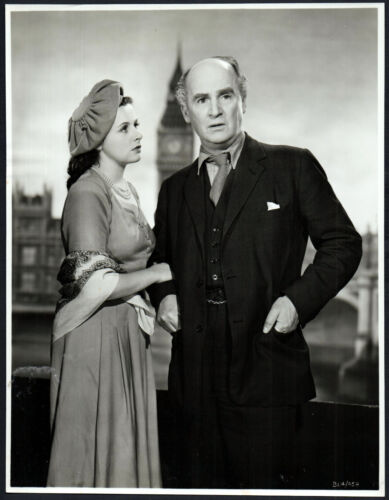
Sheila Manahan was born in Dublin in 1924.   Her film debut was in the Irish filmed “Another Shore”.   She went on to have a career in British films.   Her movies included the excellent “Seven Days to Noon” in 1950, “Footsteps in the Fog”, “The Story of Esther Costello” with Joan Crawford and “Only Two Can Play” with Peter Sellers.   She was long married to the wonderful Scottish actor Fultan McCoy.   Sheila Manahan died in 1988.

Sonia Holm
Sonia Holm
Sonia Holm

Sonia Holm was born in Sutton, Surrey in 1920.   Her film debut was in the Goggie Withers film “The Loves of Joanna Godden” in 1947.   Her other films include “When the Bough Breaks” with Patricia Roc, “Miranda” with Glynis Johns and “Broken Journey” with Phyllis Calvert.   She died in 1974.

IMDB entry:

Sonia Holm was born on February 24, 1922 in Sutton, Surrey, England as Dorothy Mary Sonia Freeborn. She was an actress, known for Radio Cab Murder (1954), 13 East Street(1952) and Miranda (1948). She was married to Patrick Holt. She died on July 2, 1974 in Oxford, England.

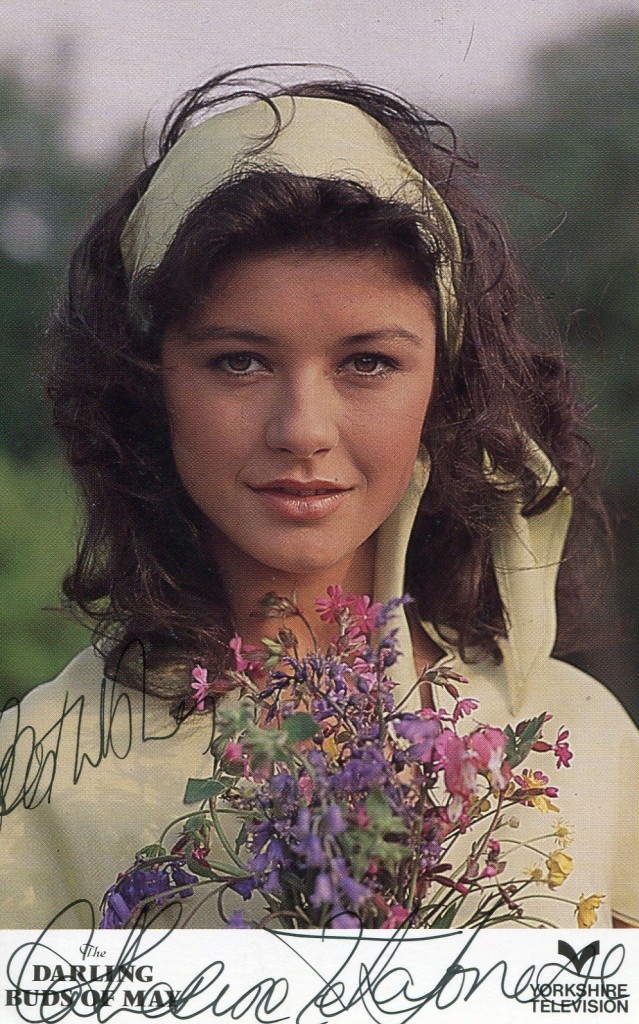
Catherine Zeta Jones

Catherine Zeta Jones was born in Swansea, Wales in 1969.   She came to national prominence in the UK in the popular television series “The Darling Buds of May”.   In 1993 she was featured in the film “Splinning Heirs” and then in the mid 1990’s she went to Hollywood where she achieved starring roles in such big budget featues as “The Mask of Zorrro”, “Entrapment” and “The Haunting”.   She won as Oscar for her role as Velma Kelly in “Chicago” opposite Richard Gere.   In 2010 she won a Tony on Broadway for her role in “A Little Night Music” opposite Angela Lansbury.   She is married to the actor Michael Douglas.

TCM Overview:

Welsh-born actress Catherine Zeta-Jones captivated both U.S. audiences and one of film’s most prominent leading men, establishing her as Hollywood royalty seemingly overnight. Following more than a decade’s worth of work on the stages of Britain, Zeta-Jones broke out in a big way opposite Antonio Banderas in the swashbuckling adventure, “The Mask of Zorro” (1998). After a pair of unremarkable mainstream efforts, she earned critical acclaim for her turn in Steven Soderbergh’s drama “Traffic” (2000), co-starring her future husband, Hollywood icon Michael Douglas. Zeta-Jones later drew upon her extensive musical theater background for her Oscar-winning performance in Rob Marshall’s adaptation of “Chicago” (2002). Critical and commercial disappointments such as the Coen Brothers’ dark-comedy “Intolerable Cruelty” (2003) were balanced by bright spots like a supporting turn in Soderbergh’s heist sequel, “Ocean’s Twelve” (2004), but Zeta-Jones increasingly chose to devote her time to her and Douglas’ growing family. A Tony Award for her Broadway performance in “A Little Night Music,” Douglas’ battle with throat cancer, and her own hospitalization for a bipolar disorder were just a few of the high and low points that marked a tumultuous period for Zeta-Jones between 2009 and 2011. Eventually, she returned to screens in several feature films, the musical, “Rock of Ages” (2012), among them. Almost preternaturally beautiful and talented, Zeta-Jones remained one of film’s more impressive leading ladies.

Catherine Zeta-Jones was born Catherine Jones on Sept. 25, 1969 – or so the story went (rumors would persist that she was as much as 10 years older than her age, but she always denied the claims. Her mother Patricia was an Irish seamstress and her Welsh father Dai ran a confectionary company. Dai’s mother’s name, “Zeta,” would prove a helpful addition to her name when the aspiring actress began a career in a world full of Catherine Joneses. But that career would not begin for about five long years after Zeta-Jones was born in the Welsh seaside town of Swansea. She started taking dance classes at the age of four, and by the age of 10, was performing regularly with the local church-sponsored theater group and already harboring dreams of a career singing and dancing onstage. Unfortunately, she contracted a viral infection that not only kept her offstage and out of school for a period, it impaired her breathing and required a tracheotomy – traces of which would remain visible in the form of a tiny scar on her neck. Following her recovery, Zeta-Jones was enrolled in a private school to help her catch up on her missed studies, a move enabled in no small part by her parents netting a sizeable winning in a local lottery. The Jones family moved to a nicer neighborhood, but their newly-minted prep schooler was still an incurable performer. When she was not in local productions she was belting out Broadway numbers from atop the kitchen table for friends and family. Zeta-Jones’ father doubled as a supportive coach, taking her to auditions in London where the teen landed roles in productions of “Bugsy Malone” and “Annie.”

When Zeta-Jones was 14, a traveling musical theater production helmed by former Monkee Mickey Dolenz came to Swansea, casting local talent to participate in the chorus. Not only was Zeta-Jones chosen to perform, but producers cast her in a touring production of “The Pajama Game,” at which point she quit school, moved to London, and got her Actor’s Guild card. Camped out in the spare room of a former acting tutor, the promising newcomer lucked into the lead in a revival of “42nd Street” after her fill-in performance blew away producers and audiences. She logged an impressive schedule of eight shows per week for two years, and by the time she was 19, Zeta-Jones was ready for a change of pace. In 1989, she left London for a year of exploring Paris. While there, director Philip de Broca gave Zeta-Jones and her unbelievable exotic looks a screen debut in the feature “Sheherazade: 1001 Nights” (1990). In 1991, Zeta-Jones returned to England and was offered a co-starring role as the eldest daughter in a boisterous farm family on the British TV series “The Darling Buds of May” (Yorkshire TV, 1991-93). The show was a hit, and its three-year run turned Zeta-Jones into a bona fide television star in the U.K. She began to land offers in America, appearing in the TV film “Christopher Columbus: The Discovery” (1992) and in an episode of “Young Indiana Jones Chronicles” (ABC/USA Network, 1992-96). The newcomer turned out memorable performances in the Eric Idle comedy flop “Splitting Heirs” (1993) and the “Hallmark Hall of Fame adaptation of “The Return of the Native” (CBS, 1994) before making a return to the stage in Kurt Weill’s “Street Scenes” with the British National Opera in 1994.

With her extensive performing background and certifiable star status in the U.K., Zeta-Jones could take any path she wanted from stage to screen. She chose to move to Los Angeles and take a crack at American film stardom. “Blue Juice” (1995) and “The Phantom” (1996) failed to garner much notice but a supporting role in the CBS miniseries, “Titanic” (1996), caught the eye of filmmaker Steven Spielberg, who shared news of his find with director Martin Campbell. Campbell, blown away but her timeless beauty and its similarities to 1940s screen goddess Hedy Lamarr – once called “the most beautiful woman in the world” during her 1930s and ’40s heyday – cast Zeta-Jones in “The Mask of Zorro” (1998). The film was an instant hit and star-making role for Zeta-Jones, whose swordplay, horseback riding and flamenco dancing was imbued with a sexual charge that audiences found irresistible. American entertainment magazines were abuzz over this latest overseas import with her onscreen Castilian lisp and off-screen Hollywood glamour that earned comparisons to legendary radiant beauties like Lamarr and Gardner. Though she did not know it yet, this hard working, ambitious, exceedingly talented woman was about to become the epitome of the phrase “the woman who has it all.”

Trumpeted as the next big thing, Zeta-Jones dazzled opposite Sean Connery in the romantic thriller “Entrapment” in 1999, for which she did many of her own stunts. But her onscreen May-December match-up with the aging Connery mimicked a real-life romance with actor-producer Michael Douglas, the dashing Hollywood heavyweight 25 years her senior. After seeing Zeta-Jones onscreen in “Zorro,” Douglas reportedly turned to a friend and said, “I don’t know who she is, but I’m gonna marry that woman.” Taking off like gangbusters, the two became parents and subsequently married in 2000, culminating in a ceremony that reportedly cost a cool million dollars at New York’s Plaza Hotel. Unfortunately the ceremony was overshadowed by high-profile lawsuits concerning photo rights for the affair. Prior to the nuptial circus, Zeta-Jones’ talents were criminally underused in the 1999 remake of “The Haunting,” but she had a memorable cameo as the free-wheeling former girlfriend of John Cusack’s central character in “High Fidelity” (2000). But it was with director Stephen Soderbergh’s film “Traffic” (2000) that Zeta-Jones was first able to change public perception by gaining universal acclaim for her portrayal of a drug dealer’s wife who transforms from innocent bystander to business partner, a role she played while pregnant with her first child with Douglas. The stunning performance caused an outcry when Zeta-Jones was overlooked come Oscar time.

In 2001, Zeta-Jones was featured in “America’s Sweethearts,” a romantic comedy about a high-profile Hollywood couple, but that was soon forgotten when she displayed heretofore unseen (on the big screen) singing and dancing chops as the murderess Velma Kelly in the film version of the Broadway musical “Chicago” (2002). Her captivating performance earned Zeta-Jones an Academy Award as Best Supporting Actress, as well as a Golden Globe nomination for Best Actress in a Comedy/Musical. That same year, Zeta-Jones – named as one of People magazine’s “Most Beautiful People” – signed on as the global spokeswoman for Elizabeth Arden cosmetics. After an awards season that dovetailed with her second pregnancy, the actress returned to the screen in the dark Coen Brothers comedy “Intolerable Cruelty” (2003), which fell flat with audiences and critics, despite starring an equally attractive George Clooney. At that time, the beaming mother of two had also signed on as a spokesmodel for T-Mobile cellular phones.

Teaming for the first time with Tom Hanks and director Steven Spielberg, Zeta-Jones next appeared in “The Terminal” (2004) which, although she made a solid attempt to portray a romantically-challenged woman, she was simply too beautiful and sharp to be believed as a loser in love. She reteamed with Clooney and his heisting cohorts for the lackluster sequel “Ocean’s Twelve” (2004), this time providing a love interest for Pitt. Zeta-Jones film appearances eased up over the next few years as she raised her two children and split time between the family’s estate in Bermuda and other homes in New York City, Spain, and Wales. In 2005, Zeta-Jones reprised her role as Elena in “The Legend of Zorro” (2005), the character now estranged from her masked husband (Antonio Banderas) and trying to balance the thirst for adventure with the desire to be a responsible parent. Off-screen, Zeta-Jones continued to successfully strike that balance, starting her own production company Milkwood Productions, based out of her hometown of Swansea. Following her starring role as a chef in the predictable but moderately popular romantic comedy “No Reservations” (2007) Zeta-Jones was slated to enjoy her first producer credit with Milkwood’s debut, “Coming Out” (2008), a comedy in which Alan Cumming plays the gay coach of a Welsh Rugby team.

Following a two-year absence from the screen, Zeta-Jones returned in the May-December romantic comedy, “The Rebound” (2009) in which she played a recently divorced mother who entrances a much younger man (Justin Bartha). Unfortunately, the U.S. distributor declared bankruptcy just prior to release, relegating it to the direct-to-DVD market. On a much better note that year came Zeta-Jones’ Broadway debut in the 2009 revival of Stephen Sondheim and Hugh Wheeler’s “A Little Night Music,” a performance that won her the Tony for Best Actress in a Musical. The following year, however, proved to be one of the most difficult of the actress’ charmed life. In August 2010, Michael Douglas publically revealed that he had been diagnosed with a dangerously advanced stage of throat cancer. Over the course of the next year, Douglas battled the disease aggressively – at one point losing as much as 32 pounds as a side-effect – and by early 2011 he announced that the tumor had been eliminated, much to the obvious relief of Zeta-Jones, who had foregone career opportunities in order to remain by her husband’s side during the ordeal.

Zeta-Jones returned to theaters once more with a slew of projects. First up was a turn opposite Bruce Willis and Vince Vaughn in director Stephen Frears’ Las Vegas gambling comedy “Lay the Favorite” (2012), based on journalist Beth Raymer’s memoir of the same name. Next came the highly-anticipated adaptation of the smash Broadway musical, “Rock of Ages” (2012), starring Tom Cruise, Alec Baldwin, Russell Brand and Zeta-Jones as the story’s antagonist, a conservative activist looking to shut down a popular 1980s L.A. rock music venue.


 
Leueen MacGrath
Leueen McGrath
Leueen McGrath

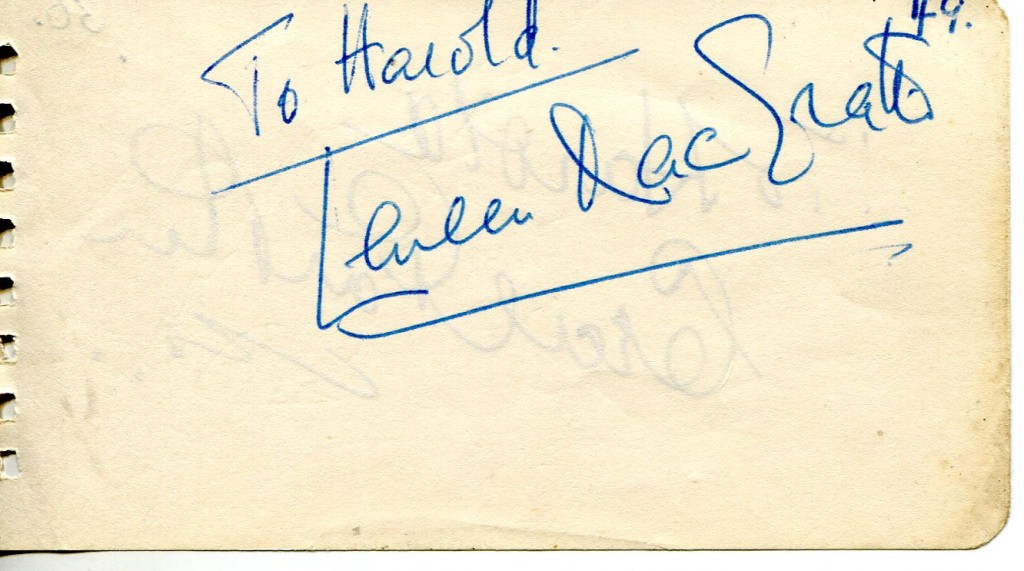
Leueen MacGrath was born in 1914 in London.   She made her film debut in 1936 in Britain in “Whom the Gods Love”.   In 1948 she was on Broadway in “Edward, My Son” and recreated her role in the film version with Spencer Tracy and Deborah Kerr in 1949.   She was married for a time to the playwright George S. Kaufman.   She died in 1992.

Leueen MacGrath
Leueen MacGrath
William Roache

William Roache was born in 1932 in Ilkestone. Derbyshire.   He is of course famous as Ken Barlow the only original member of the cast of “Coronation Street” still in the hughly popular series.   He was featured in the Norman Wisdom film “The Bulldog Breed” in 1960.   His son is the actor Linus Roache.

William Roache
William Roache
William Roache
Edward MacLiam
Edward MacLiam
Edward MacLiam


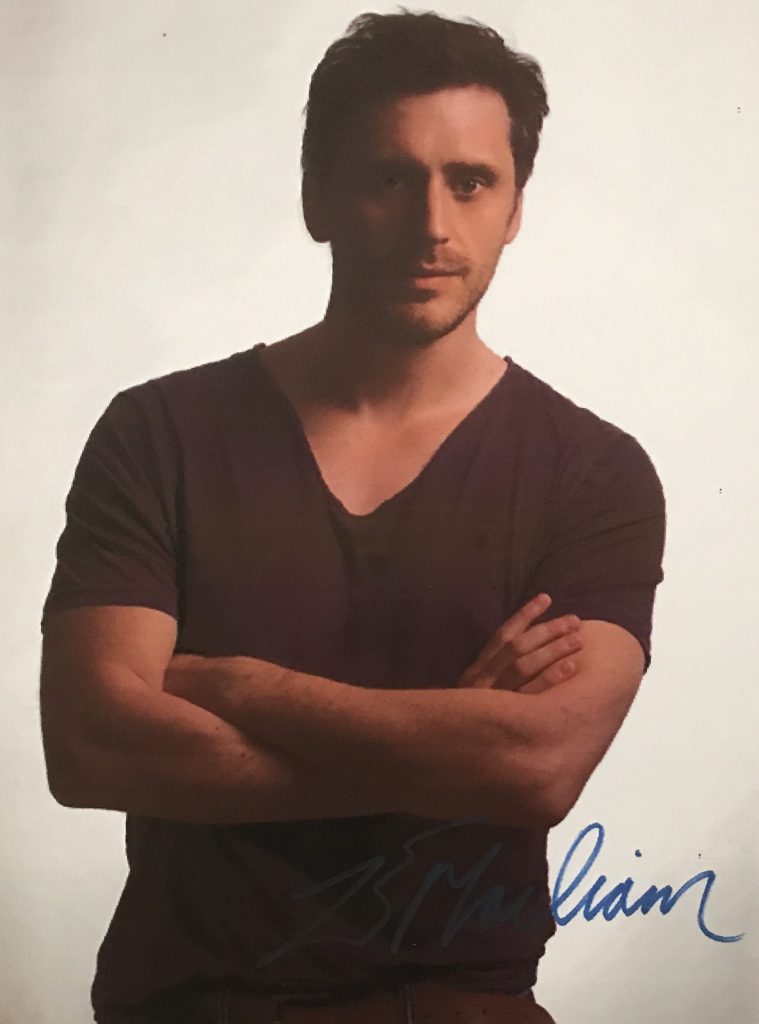
Edward MacLiam was born in Mallow, Co Cork in 1976.   He trained at RADA in London and graduated in 2001.   His film debut was in “Conspiracy of Silence” in 2003.   Has featured in such drama series as “Wakingth Dead” and “Coronation Street”.   Recently starred in “Holby City” and “Paula” and “Cucumber”.     His agency page here.

Edward MacLiam
Edward MacLiam

Edward MacLiam (born in County Cork, Republic of Ireland, 1976) is a highly accomplished, classically trained actor whose career has flourished across theatre, film, and especially television in Ireland and the United Kingdom. Though not yet a household name internationally, he commands quiet critical respect for the precision, intensity, and emotional intelligence of his work. MacLiam exemplifies the modern Irish actor’s dual fluency in stage tradition and screen naturalism: he can move from the moral weight of Brian Friel’s rural dramas to the calm realism of contemporary television acting without friction.

Early Life and Training

MacLiam graduated from the Royal Academy of Dramatic Art (RADA) in London—a training that oriented him toward a meticulous, language‑based technique and a commitment to ensemble craft rather than star persona. At RADA he was singled out for his disciplined approach to verse and emotional control, qualities that would shape his later screen presence.

He began in Irish repertory theatre (including work with the Abbey Theatre) where he honed a style grounded in listening and psychological economy rather than gestural display. His early stage work established him within a generation of Irish actors—such as Andrew Scott, Aidan Turner, and Tom Vaughan‑Lawlor—who could merge national character with international expressiveness.

Stage Work: Foundation in Classical and Modern Drama

Even as his screen career developed, MacLiam has retained theatre as his artistic core. On stage he has played roles in King LearHamletPhiladelphia, Here I Come!, and Translations. Critics in Dublin and London frequently emphasize his control of rhythm and thought: his performances reveal “a mind visible behind every word.”

Whereas some actors emphasize raw emotion, MacLiam’s power derives from internal structure— from the musician’s sense of timing and attention to linguistic contour. His Gar O’Donnell in Friel’s Philadelphia, Here I Come! (Gate Theatre revival) was praised for its delicate irony: emotion expressed through restraint rather than sentimentality.

In interviews, MacLiam often cites the Irish dramatic tradition’s moral exactness—its insistence on truth of feeling—as formative. This ethos explains the consistency of his later screen portrayals: he approaches film and television as moral observation, not self‑projection.

Television Career: Discipline and Versatility

Holby City (BBC, 2009–2012; 2017 guest arc)

MacLiam’s longest-running television role, Dr. Greg Douglas, established him in British mainstream drama. Introduced as a charismatic orthopaedic consultant, Greg embodied paradox—cool competence masking emotional isolation.

Underneath the procedural framework, MacLiam infused the role with quiet melancholy and moral conflict. Critics and fans praised his ability to convey ethical strain without dialogue: a flicker of doubt in silence, a shift in posture when compassion conflicts with protocol.

Unlike many actors in medical drama who rely on manufactured intensity, MacLiam’s technique favors stillness; it compels attention through authenticity. Reviewers noted how his performance elevated the series’ realism, showing how empathy operates inside professionalism.

Irish and British Television Drama

MacLiam has appeared in a wide variety of quality dramas:

  • Peaky Blinders (BBC) – as a government official whose composure sharpens the show’s tension; his minimalism contrasts the exuberant stylization around him.
  • Doctors (BBC) – as troubled teacher Conor Parker; a small yet layered performance demonstrating his sympathy for ordinary people under pressure.
  • *Death in Paradise (2016) and Waking the Dead (2011) – deploying authority and ambiguity in equal measure.
  • Irish projects such as The Clinic (RTÉ) and Glenroe connected him with domestic audiences and displayed his adaptability to regional idioms of speech and attitude.

Because of these roles, MacLiam earned a reputation as what the Irish Independent called “an actor who makes workaday realism luminous.”

Film Work: Subtle Depth in Supporting Roles

Though often seen on television, MacLiam has built important film credits revealing a consistent ethical gravity.

Run & Jump (2013, dir. Steph Green)

This Irish‑German independent film brought his most acclaimed screen work. As Conor Casey, a husband and father rendered childlike after a stroke, MacLiam delivered a performance of extraordinary physical and emotional delicacy. Opposite Max Irons and Will Forte, he captured the tragedy of cognitive impairment without sentimentality.

Critics at the Tribeca Film Festival highlighted his “subdued precision”—every pause and hesitant smile balanced empathy and fear. The Hollywood Reporter described his performance as “moving for its transparency; he neither acts disability nor denies dignity.”

The role earned him an Irish Film and Television Award (IFTA) nomination for Best Actor—a rare international recognition for an introspective, small‑budget performance. The film confirmed his capacity to structure a character from silences and physical rhythm rather than exposition.

Out of Innocence (2016)* and Here Before (2021)*

These projects continued his preference for morally complex storytelling. In Out of Innocence he plays a detective navigating bureaucratic injustice; in Stacey Gregg’s Here Before, opposite Andrea Riseborough, his quiet realism anchors the film’s psychological ambiguity.

In each he functions not as ideological symbol but as the ordinary conscience: his realism contextualizes the extraordinary around him.

Acting Style and Technical Characteristics


Element Critical Observation
Vocal Work A supple baritone capable of precision in accent and emotional shift. His Irish lilt can modulate to RP or regional British speech without mannerism—the voice always sounds lived, not “performed.”
Physical Intelligence Uses gesture sparingly; meaning arises from posture and energy rather than movement. In Run & Jump his hesitant gait becomes literal narrative.
Psychological Truthfulness Prefers suggestion to declaration. Inner feeling remains palpable under self‑discipline; the camera catches thought forming.
Empathy and Restraint Projects compassion without sentiment—his characters often mediate between extremes, conscience amid conflict.
Collaborative Ethos Colleagues describe him as ensemble‑focused, attentive to listening; hence why his scenes deepen others’ performances.

Critically, MacLiam’s hallmark is precision matched with quiet vulnerability. He acts as though truth must be discovered moment to moment rather than declared—a late‑Stanislavskian realism adapted to contemporary naturalistic screen grammar.

Thematic Through‑Lines

  1. Moral Awareness: His characters frequently struggle with duty versus feeling—doctors, teachers, civil servants, husbands—all professions where empathy and responsibility collide.
  2. The Ordinary Hero: He embodies decency as drama; his artistry converts modesty into magnetism.
  3. Language and Listening: Whether in Friel’s lyrical dialogue or modern procedural brevity, his attentive listening shapes the emotional tempo of scenes.
  4. Identity and Resilience: His Irishness informs his characters’ integrity and introspection, offering cultural groundedness within multicultural ensembles.

Critical Reception and Significance

Although MacLiam has avoided celebrity publicity, critics consistently regard him as one of contemporary Ireland’s finest screen actors.

  • The Irish Times called his Run & Jump work “an acting lesson in empathy.”
  • UK reviewers note his “understated moral gravity,” comparing him to actors like Mark Ruffalo or Gabriel Byrne for quiet conviction.
  • Directors comment on his preparedness and generosity; his background in theatre situates him among the “craftsmen” of British‑Irish acting, aligned with Ciarán Hinds or Brendan Coyle.

Representative Performances


Year Title Medium Role Significance
2009–2012 Holby City TV Dr. Greg Douglas Established public profile; layered professional integrity
2013 Run & Jump Film Conor Casey Career‑defining subtlety; IFTA nomination
2016 Out of Innocence Film Insp. John Munroe Ethical conflict within procedural realism
2017 Peaky Blinders TV Official/Supporting Presence amid stylized modern classic
2021 Here Before Film Chris Domestic realism anchoring psychological thriller

Summary Evaluation

Edward MacLiam’s work demonstrates how restraint can carry immense dramatic weight. He is a moral realist whose performances illuminate the dignity of ordinary perception.

Across stage and screen, he mines nuance rather than gesture, emotion as quiet recognition rather than spectacle. His artistry reflects both his Irish dramatic inheritance—truth of language, empathy for the everyman—and his RADA discipline of form and measure.

In a media culture saturated with overstated performance, MacLiam’s career is a study in subtle excellence: a reminder that acting’s highest craft may lie not in domination of attention but in authenticity so complete that the actor seems simply, and profoundly, to be.

Brian Friel’s Philadelphia, Here I Come! (Gate Theatre)
  • Irish reviewers described MacLiam’s portrayal of Gar O’Donnell as emotionally exact without sentimentality.  The Irish Times (archival print, 2001) noted that his performance “caught the ache between inner voice and outward stillness with aching truth; you could see each thought forming across his face before words arrived.”
  • Critics contrasted his effortless intimacy with the broader strokes of earlier portrayals: rather than overtly tragic, he worked by restraint, suggesting a young man conscious of performance—“a Gar who knows he’s acting for us.”

Chekhov’s The Cherry Orchard (Abbey Theatre revival)

  • His Lopakhin garnered admiration for “the dignity behind frustration.” The Sunday Business Post described him as “delivering economic triumph tinged with moral defeat… a portrait of a modern entrepreneur’s loneliness.” His linguistic precision was repeatedly cited—each consonant filled with thought, not rhetoric.

Mid‑Career Work in the UK (2008–2015)

Shakespeare—Hamlet and King Lear (various regional tours)
MacLiam’s Edgar in Lear drew particular notice with Manchester Evening News critic Kevin Bourke calling him “a revelation of lucid verse‑speaking—gentle, alert, quietly heartbreaking.”
As Horatio in Hamlet, he was praised for intellectual steadiness: The Stage (2010) wrote, “MacLiam’s presence frames the tragedy with moral calm—his listening becomes the play’s conscience.”

Modern Irish Drama—Translations by Brian Friel (Lyric Theatre, Belfast, 2013)
He played Owen, the intermediary between colonizer and colonized. Critics highlighted his emotional subtlety:  “He keeps both warmth and calculation alive in the same breath,”observed Belfast Telegraph. Audiences responded strongly to the layered humanity—neither traitor nor apologist but “a man translating himself out of existence.”


Recent Stage Work (2016 – Present)

Sean O’Casey’s The Plough and the Stars (Abbey Theatre centenary tour 2016)
MacLiam’s Jack Clitheroe was interpreted as introspective rather than fiery. The Irish Examiner argued that “he rejects bombast for quiet idealism; his heartbreak registers in silences.” This measured realism earned audience empathy over the play’s historical abstraction.

Contemporary Works—Development pieces at the Everyman and Cork Arts Theatre
Una McKevitt’s docu‑drama installations (2020–2022) featured him in improvised frameworks. Regional critics in The Southern Star and Arts Review commended his “remarkable blend of empathy and discipline,” citing his instinctive rhythm in unscripted dialogue.


Overall Critical Pattern

Across two decades of theatre writing, several consistent evaluative phrases recur:


Critical Trait Summary of Reporter Consensus
Verbal Precision Reviewers repeatedly credit him with mastery of pace and accent; “he makes language transparent.”
Psychological Restraint Performances praised for underplaying emotion while revealing deep interior struggle—“still waters of conscience.”
Ensemble Ethic Critics emphasize how he “listens vividly”; his generosity on stage allows others to shine.
Moral Gravitas Frequently seen as moral fulcrum in ensemble drama; can turn ordinary decency into compelling focus.
Modern Naturalism MacLiam embodies a contemporary Irish aesthetic: lucid truthfulness replacing theatrical display.

Critical Reception 

In academic discussions of Irish performance (see Gordon, Theatre Ireland vol. 68), MacLiam is cited as “a carrier of Friel’s moral linguistic tradition into 21st‑century realism.” Audiences and reviewers alike register his performances not as displays of temperament but as acts of listening, moral understanding, and humanity made visible.


Summary Evaluation

Edward MacLiam’s theatre career, viewed chronologically, traces a deepening of purpose rather than a chase for celebrity:

  • Early years – Textual intelligence, emotional economy.
  • Middle period – Integration of classical rigor and modern vulnerability.
  • Recent work – Quiet authority, ethical resonance.

He remains a quintessential modern Irish stage actor—technically refined, emotionally transparent, and consistently truthful. Where others seek theatrical effect, MacLiam achieves the rarer accomplishment of making reality itself dramatic

Kenneth Williams
Kenneth Williams
Kenneth Williams

Kenneth Williams was born in 1926 in Islington, London.   He is a cult favourite from his starring roles in 26 of the Carry On films.   Prior to this he had in “Beyond Our Ken” with Kenneth Horne from 1955 until 1964.   In the earlier Carry On films he was somewhat sombre but became more outrageous as the series proceeded.   After the series was finished he became very popular on the talk show TV circuit e.g. Parkinson.   He made his film debut in 1952 in “Trent’s Last Case” with Margaret Lockwood.   A subsequent film was “The Seekers” with Jack Hawkins and Glynis Johns.   He had three notable stage sucesses, “Saint Joan” with Siobhan McKenna in 1954, “Share My Lettuce” with Maggie Smith and “Captain’s Brassbound Conversion” in 1971 with Ingrid Bergman.   Keneth Williams died in 1986 at the age of 62.

IMDB entry:

The acting bug bit Kenneth Williams when, as a student, his English teacher suggested he try out for a school play. He found that he enjoyed it tremendously, but when he raised the possibility at home of becoming an actor, his father forbade it. Williams was eventually sent to art school in London in 1941. In 1944 he was drafted into the army, and although posted to the Royal Engineers, he managed to land a job in the Combined Services Entertainment unit, where he got a chance to act in shows that were put on to entertain the troops, and even designed the posters that advertised the shows.

After his discharge from the army he began to work as a professional actor, and traveled the country in repertory companies. It was in a production of “Saint Joan”, where he played the Dauphin, that a radio producer saw him and hired him to do voice characterizations on a popular radio comedy show, “Hancock’s Half Hour”. His penchant for wild, off-the-wall characters led to his being hired by the producers of the “Carry On” comedy series, where he performed in 26 entries in the long-running series. When the series ended, Williams returned to radio work, and also made the rounds of the TV talk shows in addition to writing several books, including his autobiography. Later in his life Williams developed a serious ulcer, and was given medication to combat the pain. On April 15th 1988, he was found dead in his bed; it was determined that in addition to his regular pain pills, he had apparently taken some sleeping pills the night before, and the combination of those and his regular medication proved fatal.

– IMDb Mini Biography By: frankfob2@yahoo.com

The above IMDB entry can be accessed online here.

Kenneth Williams
Kenneth Williams