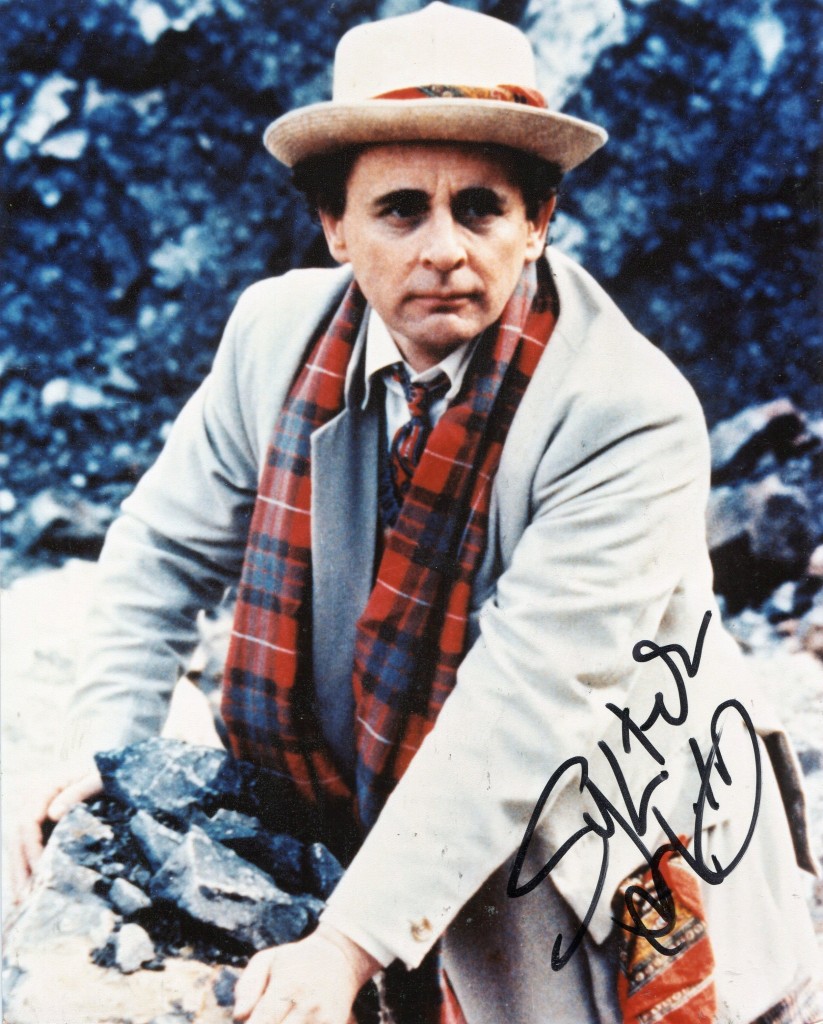
Sylvester McCoy was born in 1943 in Scotland. He was brought up in Ireland as his mother was Irish. He played the title character “Dr Who” from 1987 until 1989. He is currently filming “The Hobbit”.


Sylvester McCoy was born in 1943 in Scotland. He was brought up in Ireland as his mother was Irish. He played the title character “Dr Who” from 1987 until 1989. He is currently filming “The Hobbit”.

Billy Connolly
Billy Connolly was born in 1942 in Glasgow. In the late sixties be began a career as a folk singer and sang with the group The Humblebums. He then developed a reputation as a splendid stand up comedian and from there branched into film. Among his films are “Water” in 1985, “Indecent Proposal” and “Mrs Brown” opposite Judi Dench. He is married to actress Pamela Stephenson.
IMDB entry:
Billy Connolly was born and raised in Glasgow, Scotland. He left school to work in the shipyards becoming a welder and joined the Territorial Army (in the parachute regiment) at around the same time. He developed an interest in folk music, eventually becoming an accomplished banjo player and a member of the band Humblebums with Gerry Rafferty(later of Baker Street fame). The jokes he told between songs eventually took over his act and he became a full-time comedian. Already a big star in Scotland, he became a household name in the UK after appearing on Parkinson (1971) in the early seventies. Billy has released many recordings and videos of his concert performances over the years. He has expanded his repertoire to include acting, appearing in a number of television dramas and films, most recently in the USA. In the 90s he made two documentary series for the BBC, about Scotland and Australia respectively, and in 1997 he starred in the award winning film Mrs Brown (1997). He is one of the UK’s top comedian.
– IMDb Mini Biography By: Anony
The above IMDB entry can also be accessed online here.

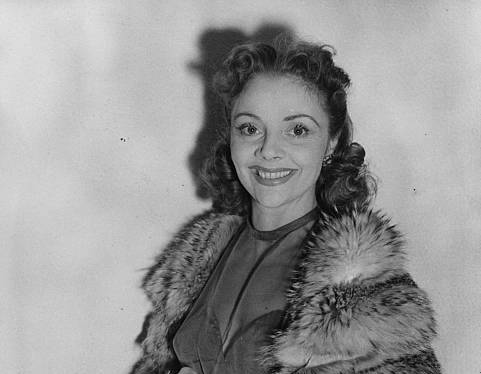
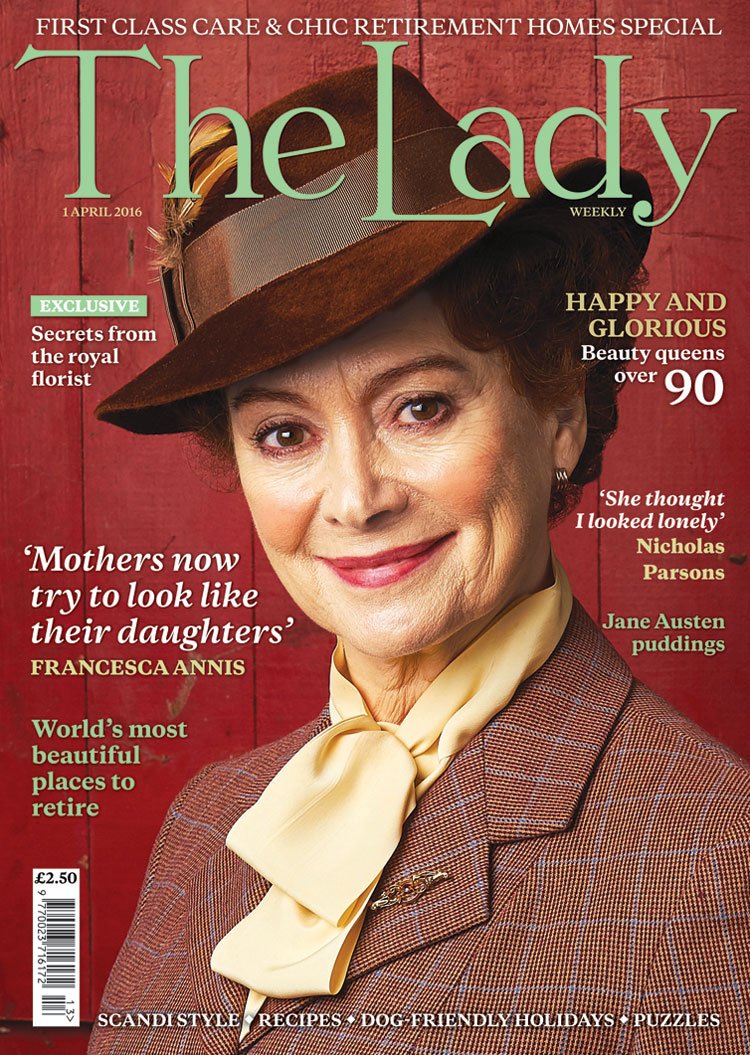
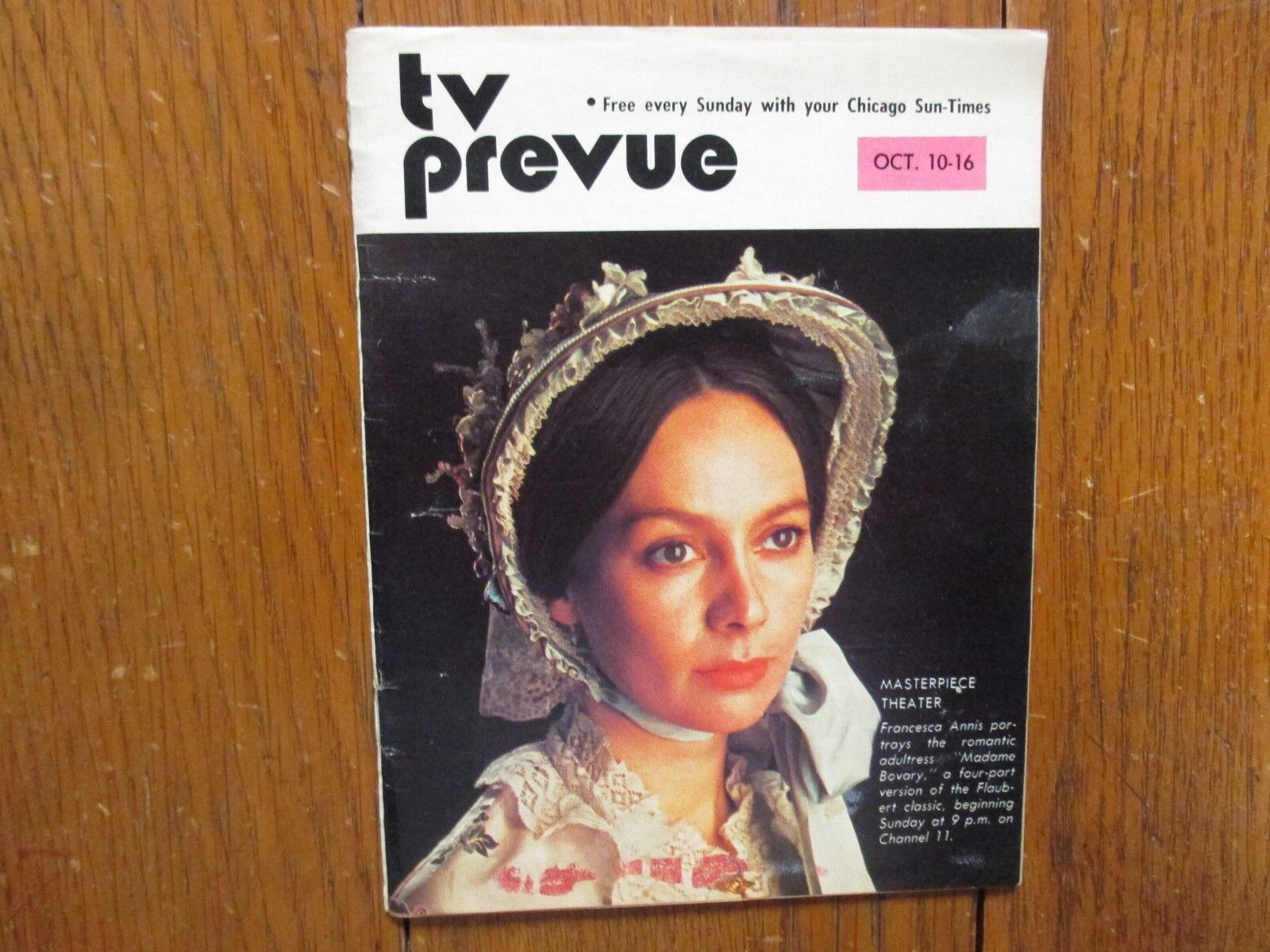
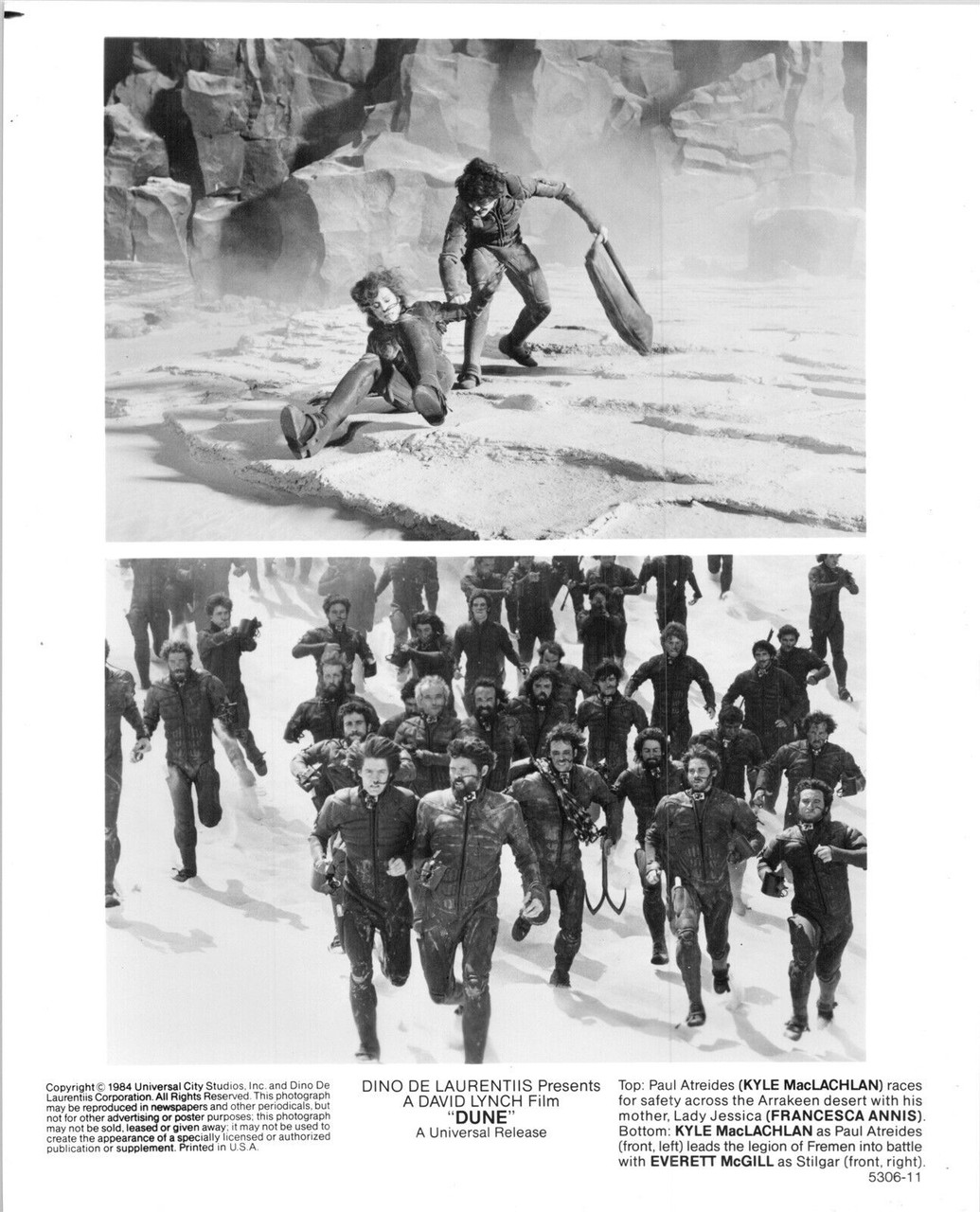
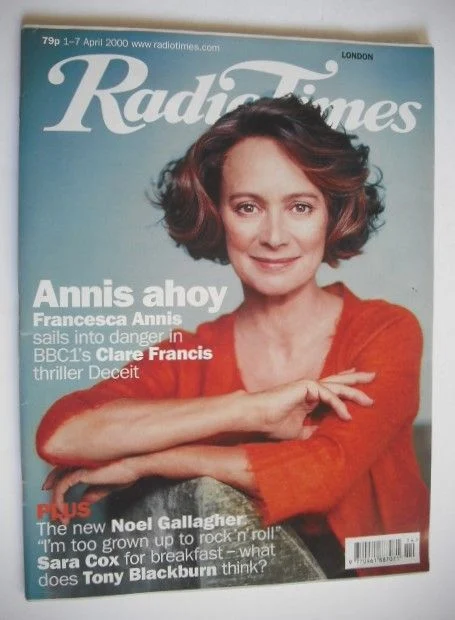
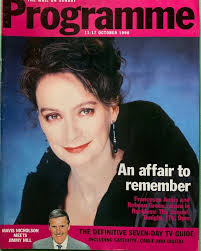
Francesca Annis was born in Kensington, London in 1945. She made her film debut as a teenager in “The Cat Gang” in 1959. Other films include “Cleopatra”, “Murder Most Foul” with Margaret Rutherford, “The Eyes of Annie Jones” and “Penny Gold”. She has had a steller career on television with choice roles in “Madame Bovary”, “Lillie” and “Parnell and the Englishwoman”. Currently starring on ITV’s Wolrd War Two drama “Homefires”.
TCM Overview:
Attractive and seemingly ageless, Francesca Annis was an aspiring dancer when she began her film acting career in the late 1950s in teen roles, receiving her first major exposure as a handmaiden of Elizabeth Taylor in “Cleopatra” (1963). She was fashionably radical during London’s swinging 60s, befriending such scenesters as guitar legend Jimi Hendrix before portraying Ophelia to Nicol Williamson’s “Hamlet” on Broadway in 1969. As Lady Macbeth, Annis appeared nude in the sleepwalking scene in Roman Polanski’s extra-gruesome “Macbeth” (1971), but when Hugh Hefner (one of the film’s backers) asked her to pose for PLAYBOY, she replied, “I’m an actress, not a pinup.” While a member of the Royal Shakespeare Company from 1975-1978, she also starred as “Madame Bovary” (1976) and portrayed Lillie Langtry in “Lillie” (1978), with both acclaimed British productions broadcast later as segments of “Masterpiece Theatre” (PBS).
Perhaps Annis’ strongest film performance to date was as the Karen Silkwood-like main character attempting to expose a radioactive leak in Michael Apted’s “Stronger Than the Sun” (1979). Fans of PBS’ “Mystery!” may remember her as Agatha Christie’s Prudence ‘Tuppance’ Beresford in the “Partners in Crime” series (Part I 1984, Part II 1986) and “The Secret Adversary” (1987), the world premiere movie that preceded the series in England. Annis made headlines in 1995 both onstage as Gertrude to Ralph Fiennes’ “Hamlet” and offstage when their romance signaled the end of Fiennes’ marriage to Alex Kingston. She then starred in the British serial “Reckless” (1997), shown on “Masterpiece Theatre” in 1998, playing the art-imitating-life role of an older woman falling for a younger man.
The above TCM overview can also be accessed online here.

Calvin Lockhart was born in Nasseau in the Bahamas in 1934. He made his debut on Broadway in “The Cool World” at the age of 26. The play closed after just a few performances and he moved to Europe. He made many films in Britain including “A Dandy in Aspic” and “Leo the Last”. In 1970 he wnet back to the U.S. and made “Halls of Anger”. He died in 2007.
“Guardian” obituary from 2007 by Ronald Bergan.
According to Lockhart’s widow, New York interior designer Jennifer Miles-Lockhart, her husband felt that he did not get enough dramatic roles with “meaning, content, which would make a statement. Calvin felt that he wanted to be somewhere where skin colour didn’t matter, where he could do his craft freely, on a high level.” Nevertheless, whatever the quality of the blaxploitation movies, they were directed by black directors and starred black actors, playing characters not seen from a white perspective. Lockhart appeared in one of the first black – as distinct from noir – thrillers, Cotton Comes to Harlem (1970), directed by Ossie Davis. He was the swindler-cum-preacher Reverend Deke O’Malley, who has conned $87,000 from the “good folks” for his phony Back to Africa movement.
Lockhart played suave gangsters called Silky Slim and Biggie Smalls respectively in Sidney Poitier’s Uptown Saturday Night (1974) and Let’s Do It Again (1975). At least, Melinda (1972), directed by Hugh Robertson, the first African-American editor to be nominated for an Oscar, gave Lockhart the chance to play a super-hero, an egotistic disc jockey who has to take on the mobsters who had murdered his girlfriend. In the same year, Lockhart was invited to join the Royal Shakespeare Company at Stratford-upon-Avon, where he appeared in several plays, notably Buzz Goodbody’s production of Titus Andronicus in which, as Aaron the Moor, he asks “is black so base a hue?” and launches into a defence of his colour.
Lockhart had already spent almost five years in England (1965-1970), where he had appeared in TV dramas, such as the Wednesday Play and five British films in 1968: A Dandy in Aspic, The Mercenaries, Only When I Larf, Nobody Runs Forever and Joanna. In the last, directed by Mike Sarne, which also featured Donald Sutherland as a dying English aristocrat, Lockhart, as a nightclub owner was one of the first actors to dent a cinematic taboo with a black-white love scene with the heroine, Genevieve Waite.
Sarne then cast him as the effete Irving Amadeus in the disastrous Myra Breckinridge (1970), and he played a pimp in John Boorman’s Leo the Last (1970), before returning to the US to star in Halls of Anger, (also 1970). The setting of this was an all-black blackboard jungle which, because of the national integration plan, has to accept 60 white students who suffer the kind of racism that usually affects black people. However, Lockhart, cast as a teacher, solves all the school’s problems by his liberal approach. Despite the theme he disliked making the film and walked off the set more than once.
Lockhart, born Bert Cooper, the youngest of eight children, had left the Bahamas aged 19 to study engineering at New York, but became involved in a YMCA theatre group, and studied with the legendary drama coach Uta Hagen. He made his Broadway debut, taking over from Billy Dee Williams, in Shelagh Delaney’s A Taste of Honey, in the role of the sailor who gets the white girl (Joan Plowright) pregnant. He returned to the stage only rarely between Broadway and his stint with the RSC.
During his second stay in England, Lockhart was given one of his best film roles in The Beast Must Die (1974) as the millionaire owner of a country estate where he has gathered a number of people, one of whom he hopes to reveal as a werewolf. It was enjoyable, camp nonsense, but it did feature a rich, successful black man, whose colour is never mentioned, a rare phenomenon in films of the early 1970s. Another potentially interesting part was in The Baron (1977), where Lockhart played a struggling African-American film-maker who turns to the underworld to raise money. However, the film descended into many of the cliches of blaxploitation gangster movies.
A couple of years later, Lockhart suffered a heart attack brought on by the news that his son from a former marriage (he was married four times) had lost the use of his legs from jumping under a train. But he returned to work, albeit in a minor capacity. He was in seven episodes as Jonathan Lake in TV’s Dynasty (1985-86), was the head of a Jamaican voodoo-gang in Predator 2 (1990), and had small roles in David Lynch’s Wild at Heart (1990) and Twin Peaks (1992).
In 1979, Calvin met Jennifer Miles in New York, and they had a son in 1981. They married in 2006: she survives him, as do his other two sons and a daughter.
· Calvin Lockhart (Bert Cooper), actor, born September 18 1934; died March 29 2007
he above “Guardian” obituary can also be accessed online here.
Gary Brumburgh’s entry:
Bahamian-born Calvin Lockhart first caught moviegoers’ attention in the supercharged urban films Cotton Comes to Harlem (1970) and Halls of Anger (1970) before becoming a fairly steady fixture in the “blaxploitation” movies of the early-to-mid 1970s.
Born Bert Cooper to a large family in Nassau on October 18, 1934, he was raised there before moving to New York in his late teens with initial designs on becoming a civil engineer (Cooper Union School of Engineering). Dropping out after a year to pursue an acting career, Calvin worked as a carpenter and construction worker, among other odd jobs. He first studied with legendary coach Uta Hagen and then hit the New York theater boards. The story goes that he was discovered by playwright Ketti Frings while working as a taxi driver. She was so impressed with his arrogance that she cast him in her play “The Cool World” in 1960. From there Calvin drummed up interest via a bit of controversy on Broadway when he played a sailor in love with a white girl in the racially-themed “A Taste of Honey” starring Angela Lansbury.
Serious film and TV roles for black actors were scarce at that time, so Calvin moved to Europe. In Italy he owned a restaurant and formed his own theater company, serving as both actor and director. He also lived in Germany before settling in England. He starting building up film credits with minor work in such British movies as A Dandy in Aspic (1968) and Only When I Larf (1968). He made news in another racially-motivated project entitled Joanna (1968), which centered around a “mod”, interracial romance with ‘Genevieve Waite’.
Returning to the US with a stronger resume, he made a distinct early impression as a slick preacher bent on fraud in the hip cop flick Cotton Comes to Harlem (1970) and as an English teacher in the inner-city potboiler Halls of Anger (1970). He also involved himself in such black action features as Melinda (1972), Honeybaby, Honeybaby (1974) and The Baron (1977). Similar in charismatic style and intelligence to Sidney Poitier, the famed actor-director was impressed enough to cast Calvin in his broad comedy vehicles Uptown Saturday Night (1974) and Let’s Do It Again (1975). Calvin could also play fey upon request, camping it up briefly in Myra Breckinridge (1970). During this rich period he also became an artist-in-residence with the Royal Shakespeare Company at Stratford (the first black actor so honored) and appeared prestigiously in such productions as “Titus Andronicus” (1972).
Calvin’s career grew lackluster, however, by the end of the decade, resorting to trivial guest parts in such TV shows as Good Times (1974) and Get Christie Love! (1974). He landed a recurring role on the nighttime soap Dynasty (1981) in the early ’80s.
In 1974, Calvin married a woman also from the West Indies and had three children. After his career subsided, he decided to return to his homeland in the mid ’90s and resettled in Nassau with his fourth wife, Jennifer Miles. There he involved himself with the Freeport Players Guild as a director. He also returned to films after a 15-year absence, completingRain (2008), a movie shot in the Bahamas, shortly before he suffered a major stroke. Calvin died of complications on March 29, 2007, and his family is in the process of establishing a scholarship fund in his name for Bahamian student pursuing an acting or filmmaking career.
– IMDb Mini Biography By: Gary Brumburgh / gr-home@pacbell.net


Nigel Pivaro is now a journalist as well as an actor. He was born in 1959 in Manchester. He is a graduate of RADA. In 1983 he won the part of Terry Duckworth in “Coronation Street”. He stayed with the series for four years but has returned many times since, the last being in 2008 when he turned up at the funeral of his mother Vera. Other TV credits includes “Hetty Wainthorp Investigates” and “Expert Witness”.
Article by Chris Hill in EDP:
As Coronation Street’s bad boy Terry Duckworth, he enjoyed a long screen career which would be the envy of many aspiring actors.
But these days Nigel Pivaro’s role in life is very different to the one which made him famous – after he followed his passion for politics and current affairs to become a journalist.
So the soap star-turned-reporter was clearly in his element as he spent a day in the EDP’s Norwich newsroom during a break from rehearsals for the Lowestoft pantomime which will bring him back to the stage for the first time in six years.
Nigel will revel in his traditional “baddy” character when he plays the evil Abanazer in the Marina Theatre’s production of Aladdin, which starts on Tuesday.Nigel Pivaro reading the EDP during his day at Prospect House. Picture: Simon Finlay
It is a rare return to the stage after he switched careers to become a journalist in 2006, cutting his teeth on the Manchester Evening News before becoming a freelancer for national newspapers including the Daily Star, Daily Mirror and Daily Express.
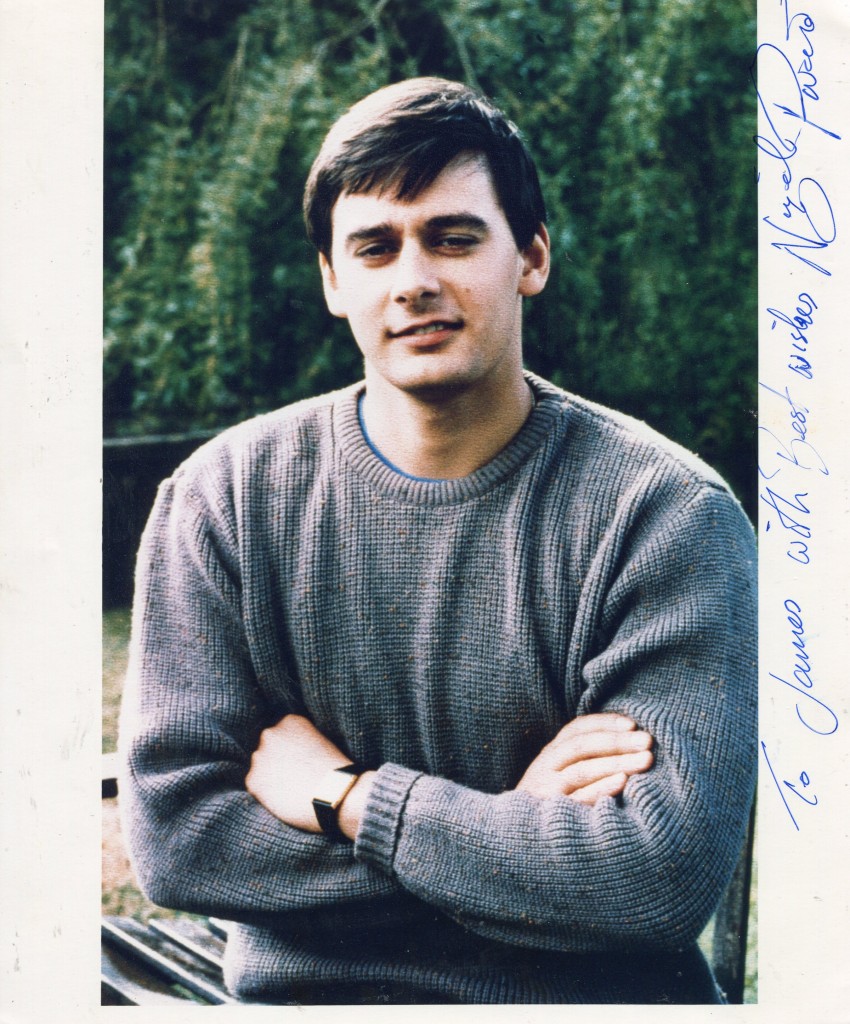
The 53-year-old has recently returned from a seven-month stint in the Middle East, reporting on the Syrian uprising and the horrors inflicted on the country’s people by the dictatorship of President Assad.
And although he only had a few days before his seasonal return to the theatre, Nigel didn’t want to miss the opportunity of visiting the country’s biggest-selling regional morning paper – taking part in the editorial conference and even accepting an assignment to report on a story for the EDP.
He said: “I am delighted to be able to spend a day with such a great paper.
“I have been doing this for six years and I love it. I have always had my ear to the ground, and I just love meeting people. As an actor, you have to communicate with people, so there are those inherent skills. You must be interested in people to be an actor and, as a journalist, you also have to be interested in the human condition.”
Nigel said he now got more satisfaction from seeing his by-line in newsprint than from seeing his name on the credits for a TV show.
“I do, because it is you and your work,” he said. “It is not Nigel Pivaro and a cast of 20 or 30 other people. It is Nigel Pivaro who found that story, went to talk to those people and then got it published. It is your own thing.”
Before achieving his journalism accreditation, Nigel completed a degree in contemporary military and international history, followed by a Masters in international relations, specialising in terrorism.
As well as his newspaper work, he has also presented documentary films, including “Regeneration Game” in 2007 which challenged a government housing renewal programme in his home town of Salford.

“The Middle East is my real passion,” he said. “But I had to learn how to be a journalist first, building up my contacts, and then go out.
“I am sure people along the way will think: ‘But he’s an actor, isn’t he?’ But I have always fought through that.
“It can be a hurdle, but it can help as well. Acting can be complementary to reporting. I’ve had doors slammed in my face, the same as a lot of people, but with me I sometimes get: ‘Look who it is’, and you will be there chatting about something else until you start talking about what you were there for, whether it is a fire or a death.”
Earlier this year, Nigel was tempted back to Weatherfield to reprise his Coronation Street role as the troublesome son of Jack Duckworth, played by the late Bill Tarmey, who Nigel described as a “great mate” and “like a father figure”.
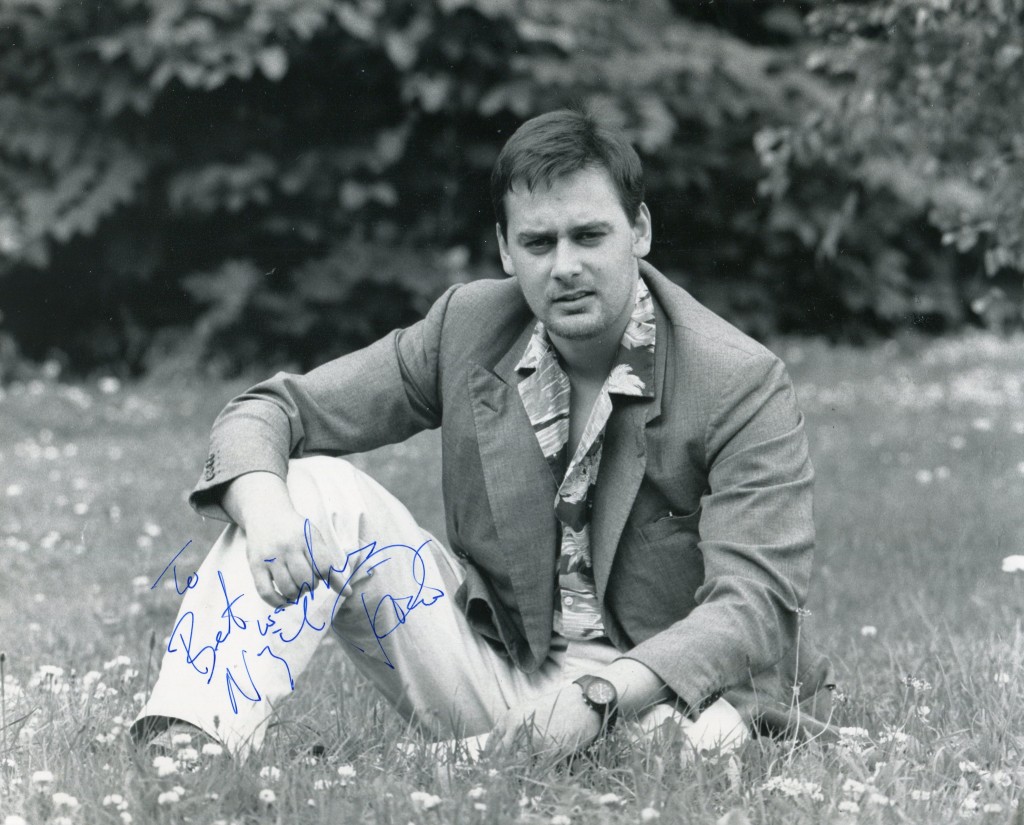
After that 21-episode run, a booking at Lowestoft’s Marina Theatre soon followed – but the actor is very clear where his heart lies.
“I am a journalist,” he said. “That is my day job, but this is a bit of light relief to go back to what I used to do for a while. A change is as good as a rest. I always play the villain, of course. One day I will play the ‘goodie’. I had a go at it once 10 years ago, but it didn’t feel right.
“I am looking forward to it. The Marina Theatre has pulled off this fantastic battle for survival. It is a lovely theatre in a lovely town, and the people are absolutely wonderful.”
The above article can also be accessed online here.
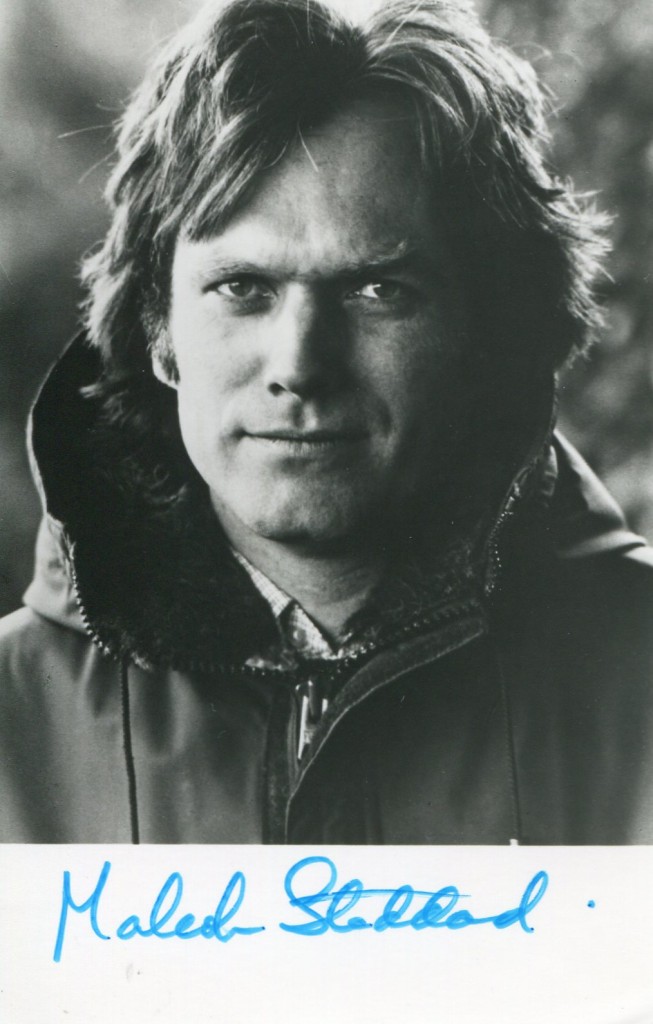
Michael Stoddard was born in 1948 in Epsom. His credits include “Juliet Bravo” and “Boon”.

Bonar Colleano was born in New York in 1924. He came from a family that worked in the circus. Although he made Hollywood films such as “Eight Iron Men” in 1952, the bulk of his carer was in Britain.

His UK movies included “The Way to the Stars” in 1945, “A Matter of Life and Death”, “Good Time Girl” opposite Jean Kent, “Dancehall”, “A Tale of Five Cities” and “Fire Down Below”.

He starred opposite Vivien Leigh in the London stage production of “A Streetcar Named Desire”. He died in a car accident in Birkenhead in 1958 aged 34.
IMDB entry:
Bonar Colleano was born in New York City. His name was Bonar Sullivan, but he took on his family’s stage name when he joined the Colleano family acrobatic circus act at 5, then at 12 moved to England. Bonar’s mother, part of the Colleano family act in her role as a comely contortionist met his father in Australia, her home country.

One of Bonar’s ancestors, a boxer, had emigrated to Australia from Ireland. His descendents developed their famous family circus act. Bonar was named after his Uncle Bonar, who is well-known among circus historians for his expertise walking the wire.
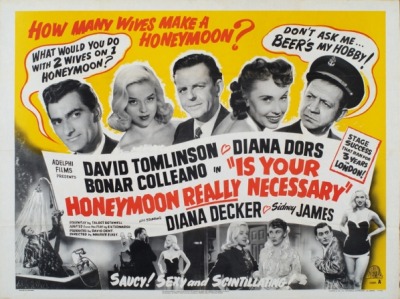
Bonar Colleano appeared in many British films, recognized widely as the wisecracking Yank.
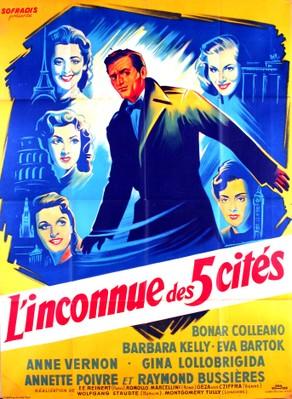
He had sexy, dark-haired good looks, which British females of the 1950s found irresistible, yet he spoke his lines with a puckish, Bob Hope kind of delivery.


In the post-war era, he was a symbol of the many Yank GIs who had courted and married British women during World War II, fathering thousands.

He married British Rank starlet, Susan Shaw, and had a son with her, actor Mark Colleano, who appeared opposite Rock Hudson in “Hornet’s Nest” as a 14-year-old Italian boy. Bonar died in a road accident, coming back to London from a theatre engagement out of town. The 1958 tragedy made front page news in the English papers.
– IMDb Mini Biography By: Anonymous
The above IMDB entrycan also be accessed online here.
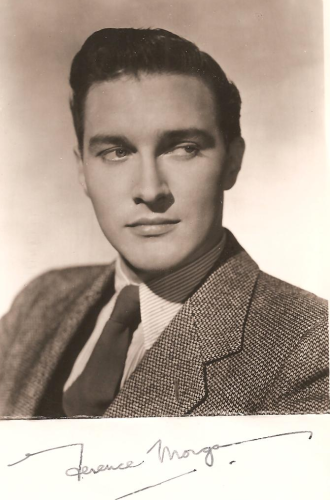
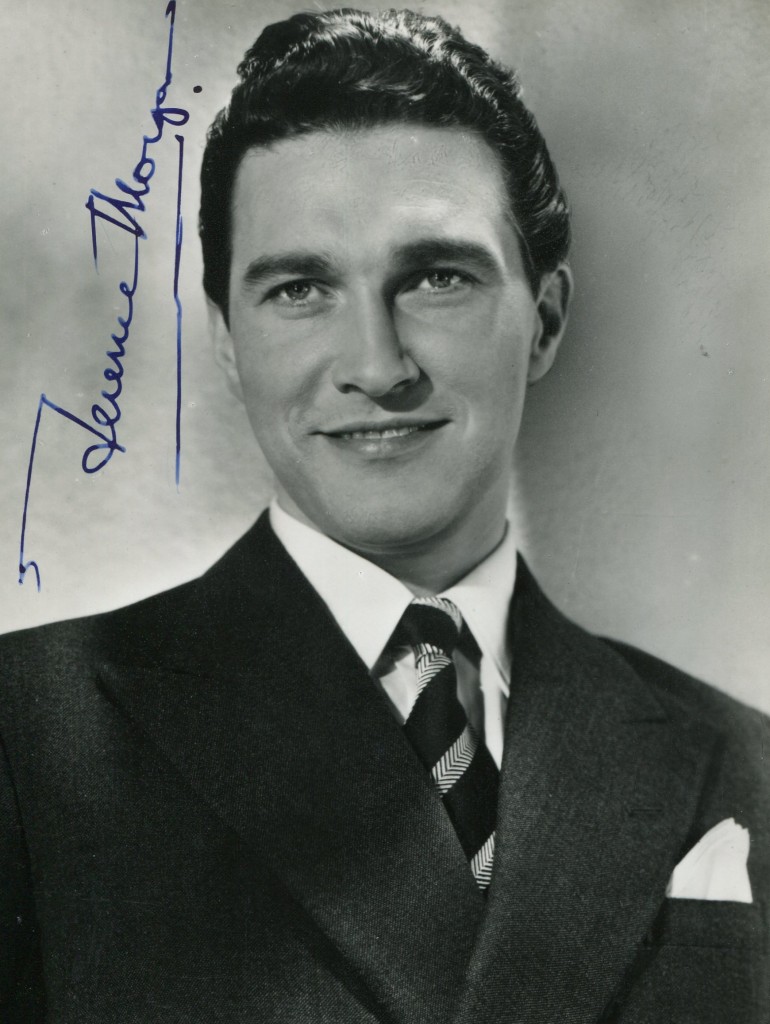
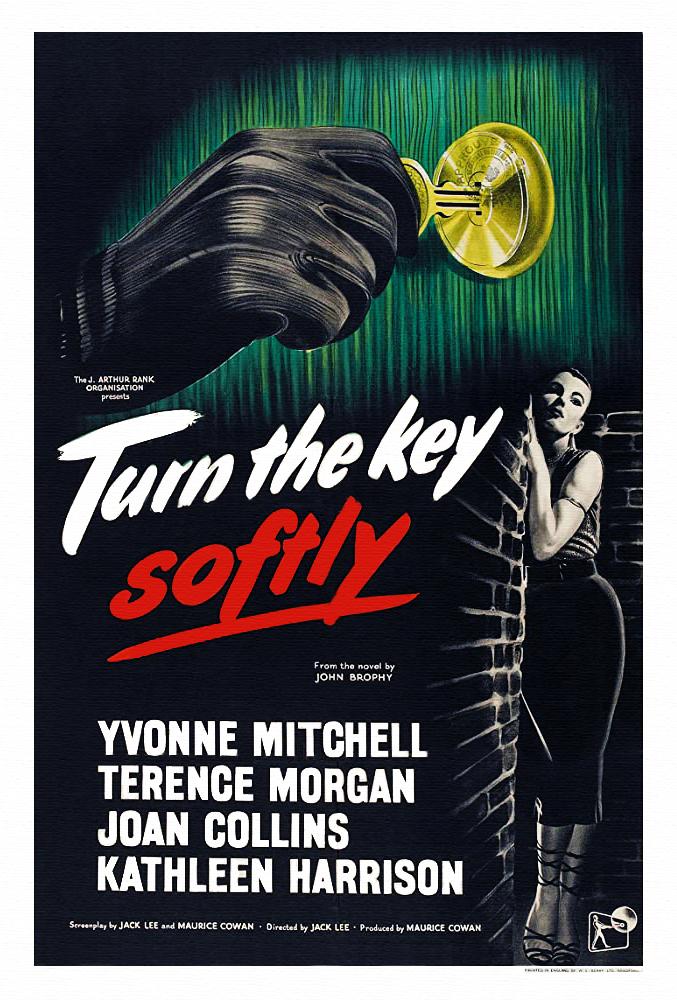
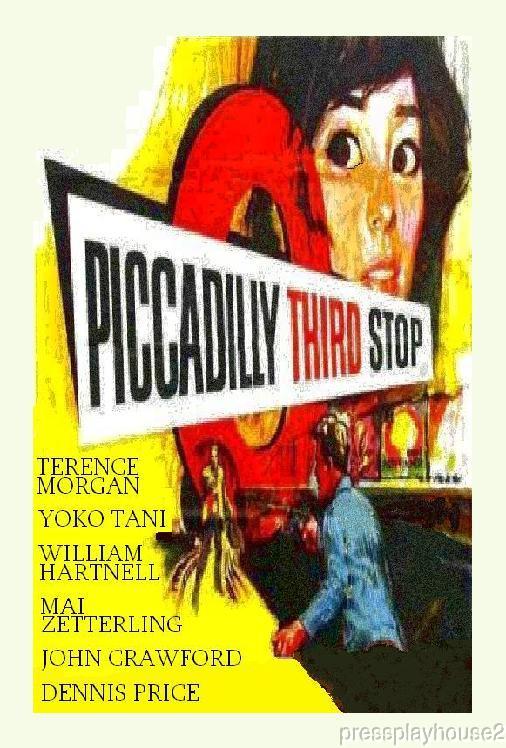
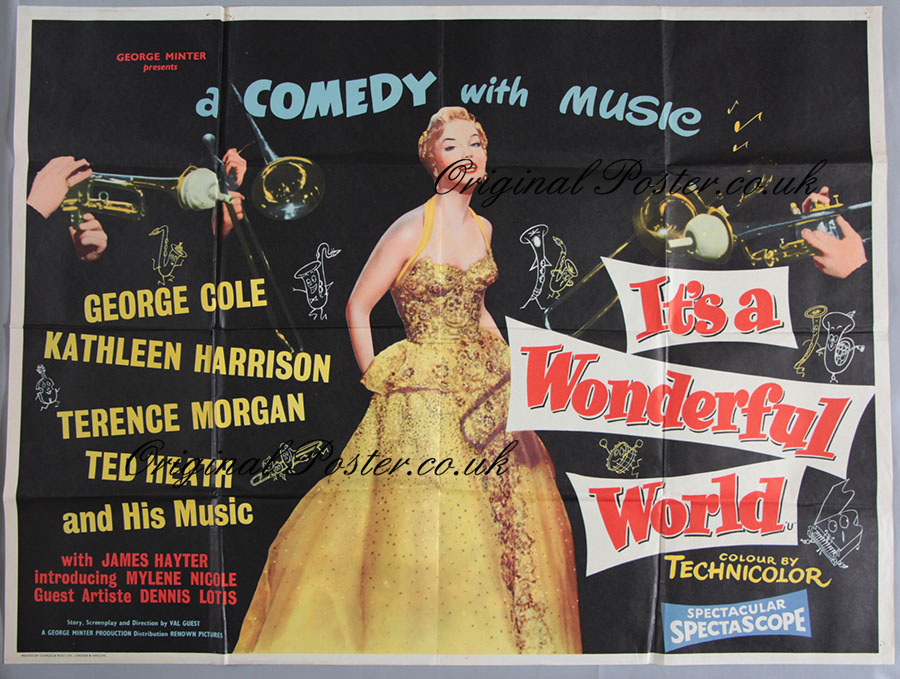
Terence Morgan had a very prolific career in British films of the 1950’s. He was born in 1921 in Lewisham, London. After graduating from RADA, he joined the Old Vic theatre company. His first major film role was in “Captain Horatio Hornblower” which starred Gregory Peck and Virginia Mayo in 1951. He went on to star in “Turn the Key Softly”, “Street Corner”, “Mandy”, “Always A Bride” and in 1960, “Piccadilly Third Stop” with Yoko Tani in 1960. He starred in the very popular UK television series “Sir Francis Drake”. He died in 2005.
Ronald Bergan’s obituary in “The Guardian”:
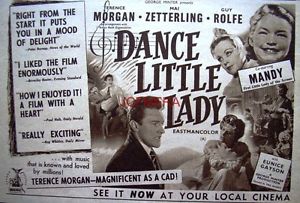
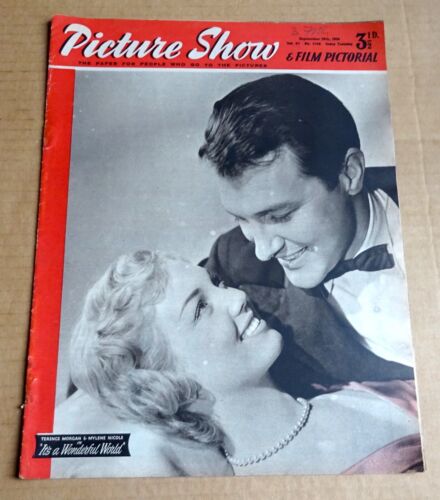
The roguish charm of the actor Terence Morgan, who has died of heart failure aged 83, added spice to mostly monochrome melodramas during the not-so-glorious days of British movies in the austere 1950s. Tall, dark and handsome, he starred in films such as Turn The Key Softly, Tread Softly Stranger and Dance, Little Lady and was in the mould of Dirk Bogarde and Laurence Harvey, without reaching their level of fame.
Born in Lewisham, Morgan worked as a clerk at Lloyd’s of London before winning a scholarship to the Royal Academy of Dramatic Art. He served two years in the army and having been invalided out, seemed destined to play romantic leads.
His debut film confirmed this. His Laertes in Laurence Olivier’s Hamlet (1948) was everything a Laertes should be: daring, dashing and tempestuous. And, at 27, he was young enough to make a convincing student, 14 years younger than Olivier’s over-age Hamlet. He wields his sword with aplomb before dying beautifully in Peter Cushing’s arms. Morgan cut such a fine figure that he was probably the first actor in the part to receive fan letters from teenage girls.

A couple of years later, he was an excellent Orsino in a live BBC production of Twelfth Night. However, before he could become an established Shakespearean actor, Morgan plunged into film acting, mostly playing cads.
He got a whiff of Hollywood in his third feature while lending support to Gregory Peck and Virginia Mayo in Raoul Walsh’s Captain Horatio Hornblower RN (1951), made in England. On a specially constructed 40-gun frigate, Morgan, as Second-Lieutenant Gerard, was content to carry out Peck’s orders and look out on the phoney studio backdrop of the sea.
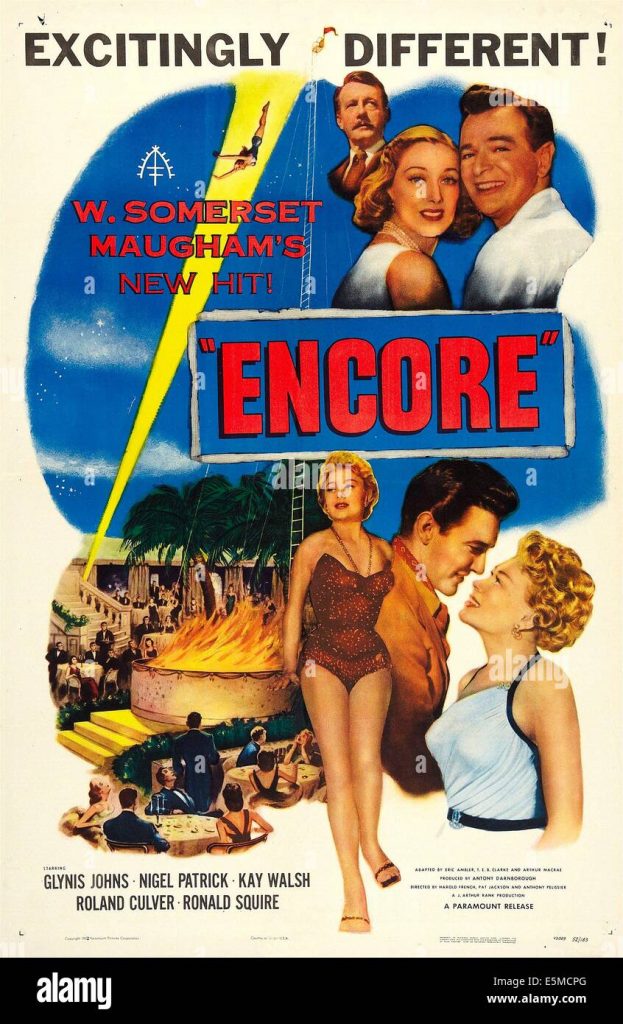
But Hollywood was not to beckon. In the following eight years, Morgan went on to make 20 British films, most of them for the Rank Organisation. In Gigolo And Gigolette, one of the three Somerset Maugham stories in Encore (1953), he is a mercenary heel risking the life of his wife (Glynis Johns), who has lost her nerve in a high-diving act at a resort hotel.
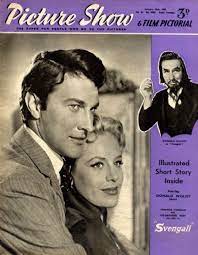
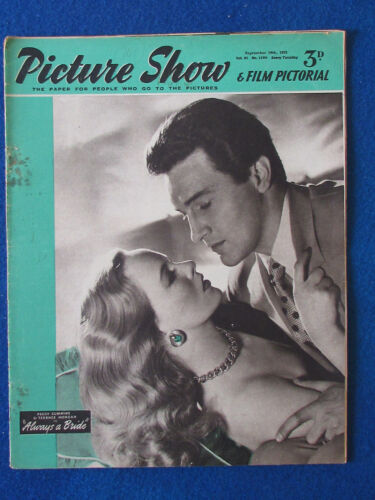
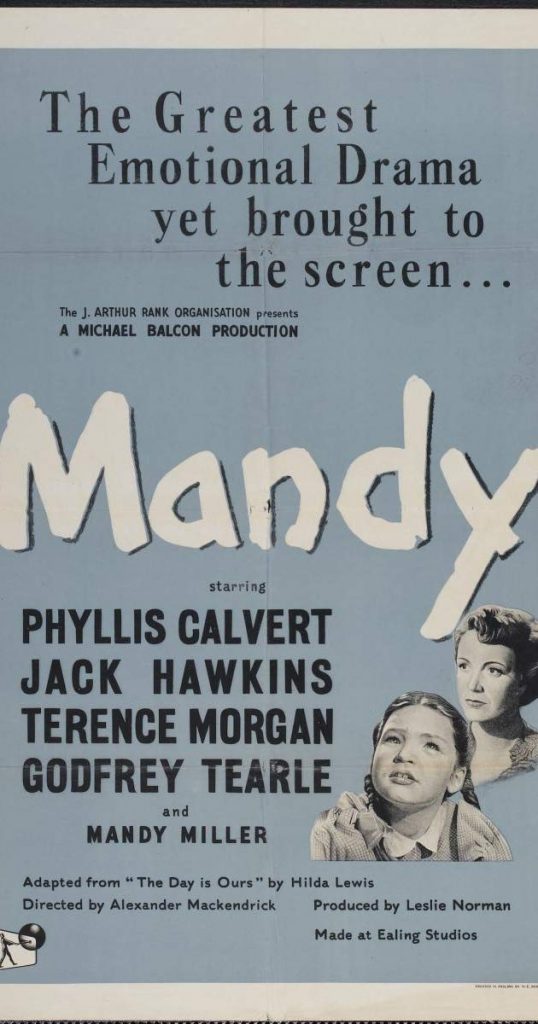
He was the heavy again in Mandy (1953) as the father of a deaf girl (Mandy Miller) who battles with his wife (Phyllis Calvert) over her wish to send their daughter to a special school. Morgan was little Mandy’s father once more in Dance, Little Lady (1955), unscrupulously exploiting her balletic talents. Morgan, now having perfected his line in nasty pieces of work, was at it again in Turn The Key Softly (1953) as Yvonne Mitchell’s boyfriend, who gets her a prison sentence for helping him in a burglary.
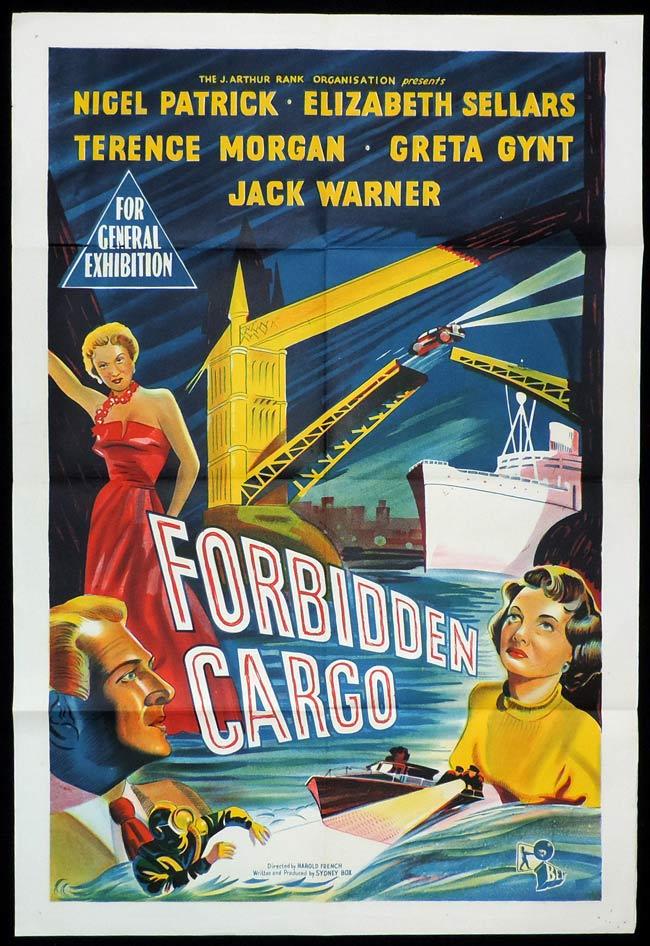
In contrast, he played the cleancut hero “little” Billy Bagot in Svengali (1954) attempting to rescue the singer Trilby (Hildegard Kneff) from the clutches of a sinister musician/mesmerist (Donald Wolfit). He was back to behaving badly in Forbidden Cargo (1954) as a smooth smuggler, and in Tread Softly Stranger (1958), he is an embezzler and murderer, who robs a steel mill in order to keep his girlfriend Diana Dors in fancy clothes.
On the rare occasions that he was asked to play comedy, Morgan showed a light touch, as in the two films in which he co-starred with Peggy Cummins: Always A Bride (1954), in which he was a treasury investigator who falls in love with the daughter of a swindler, and joins the father in his nefarious schemes; and The March Hare (1955), a pleasant Technicolored horse-racing romp filmed in Ireland, where Morgan is a wastrel aristocrat, training a horse for the Derby.
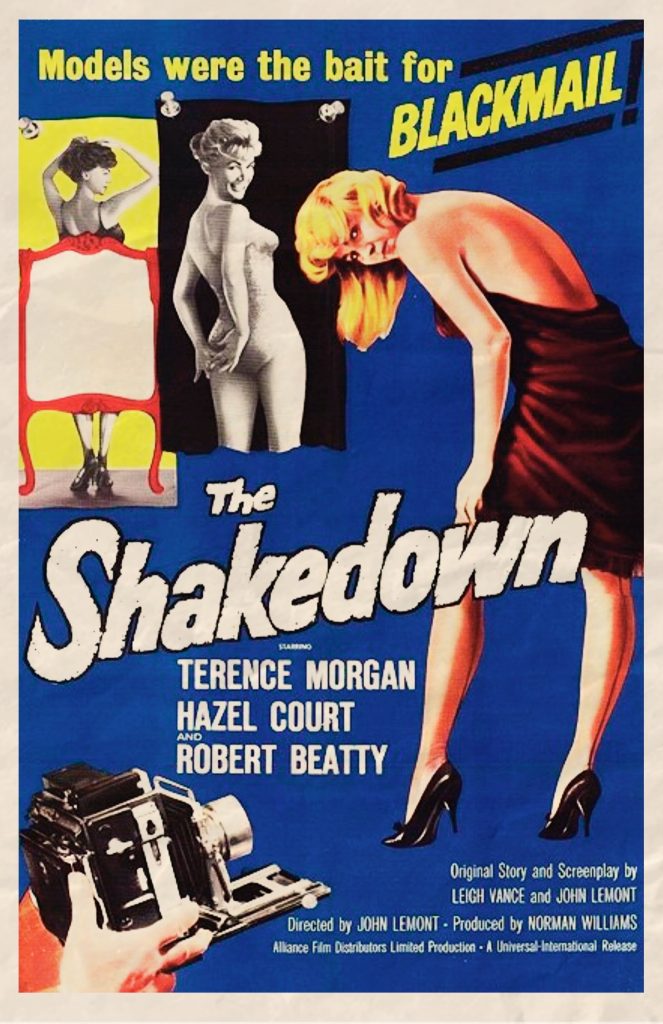
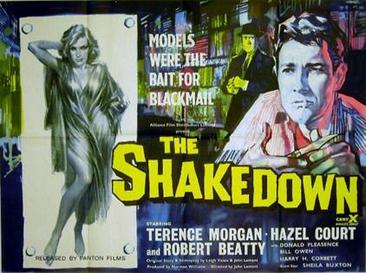
Morgan’s prolific period in films ended with two dark thrillers: The Shakedown (1959), in which he plays a blackmailer and pornographer, and Piccadilly Third Stop (1960), in which Morgan, with the unlikely name of Dominic Colpoys-Owen, is a petty thief planning a big haul.
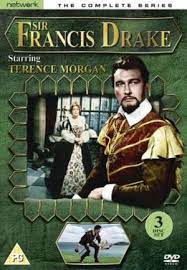
With film parts drying up, Morgan landed the plum title role in a swashbuckling ATV television series, The Adventures Of Sir Francis Drake, which ran every week from November 1961 to May 1962. The show, with a heroic, bearded Morgan and a beautiful Jean Kent as Queen Elizabeth I, also assured him an American following when it was shown in the US at prime time.
But American offers did not come, and Morgan remained in England where parts were few and far between. In the pallid Hammer horror movie, The Curse Of The Mummy’s Tomb (1964), he is Be, the resurrected evil younger son of Rameses VIII, now living in Victorian London as Adam Beauchamp. When he gets his hand severed, he cries, “Life without end is the only pain I cannot bear”.
In The Penthouse (1967), a shabby little shocker, Morgan, as an estate agent, is the victim of thugs who force him to watch as they abuse his girlfriend (Suzy Kendall). In Morgan’s final feature film, The Lifetaker (1975), the tables are turned when he portrays a wealthy businessman and former mercenary, who plots a ritualistic revenge on his wife and her lover. It almost made one long for the British cinema of the 1950s, when Terence Morgan was so visible.
After retiring from acting, Morgan, who is survived by his wife and daughter, ran a small hotel in Hove for many years, before becoming a property developer.
· Terence Ivan Grant Morgan, actor; born December 8 1921; died August 25 2005 The above “Guardian” obituary can also be accessed online here.


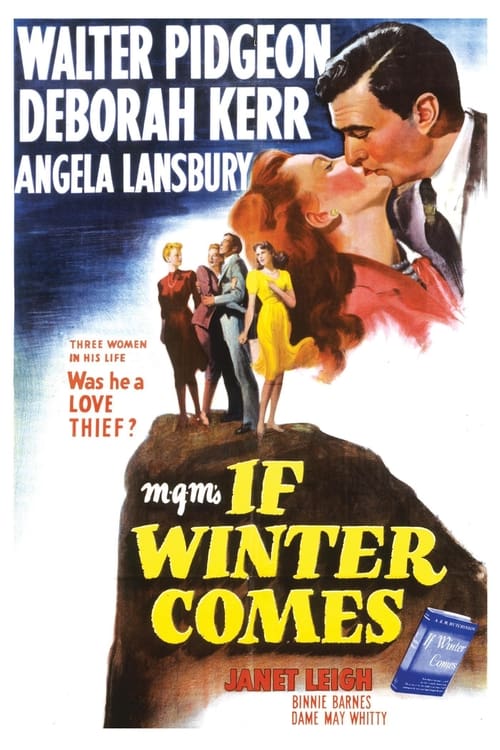
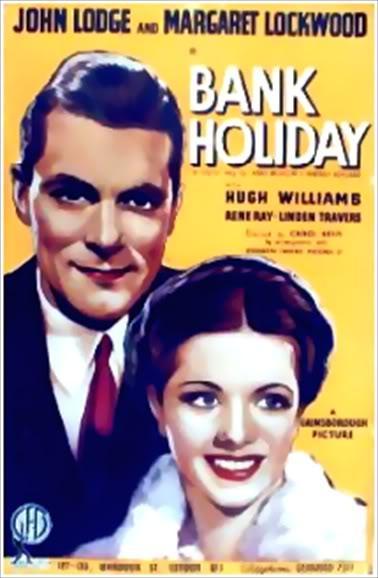
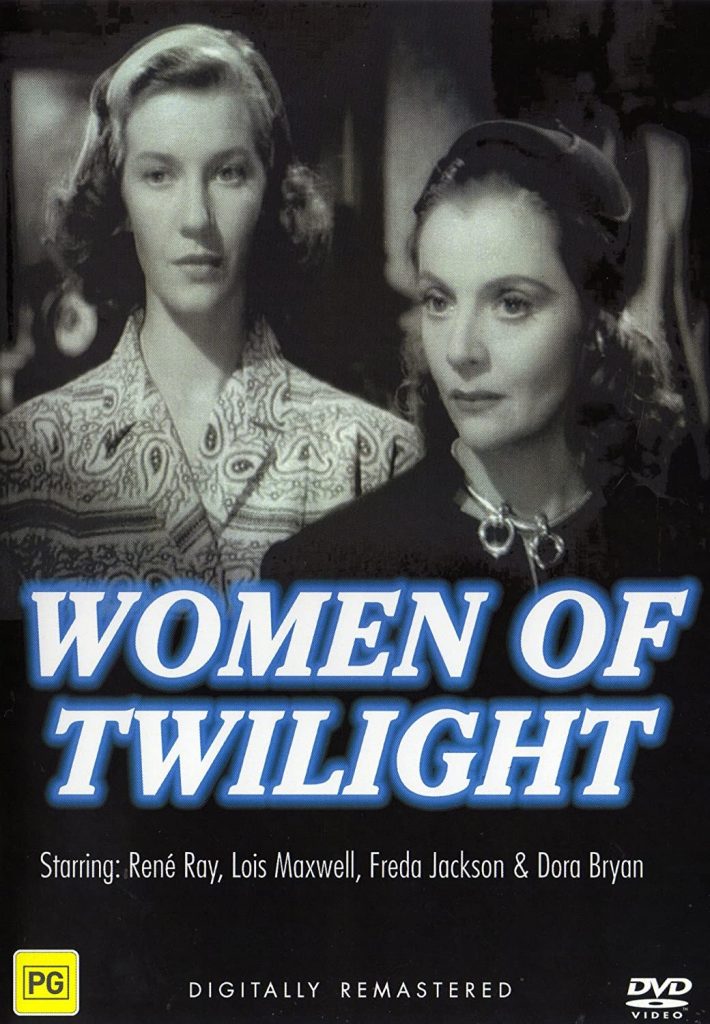
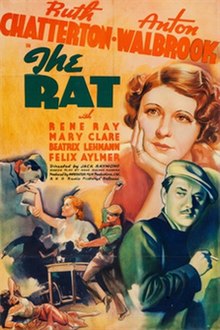
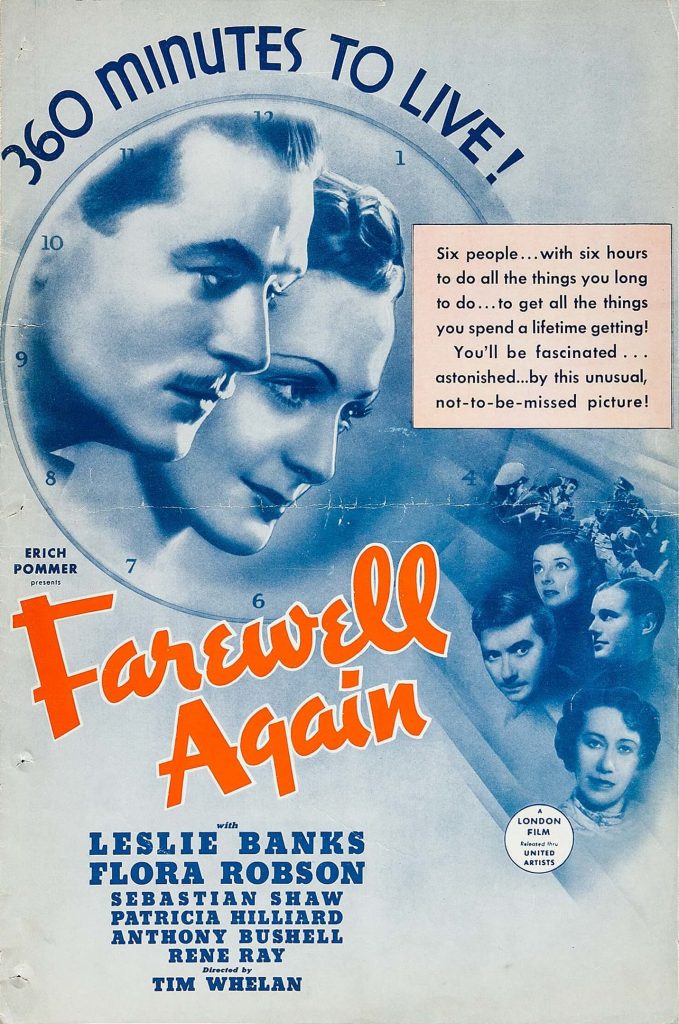
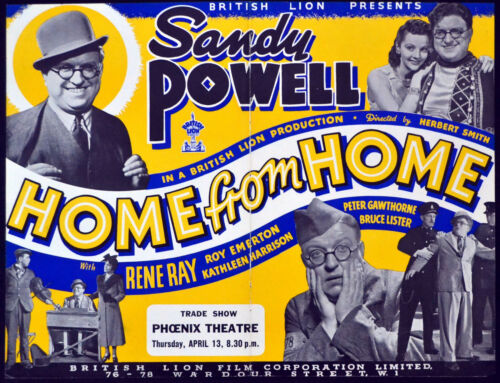
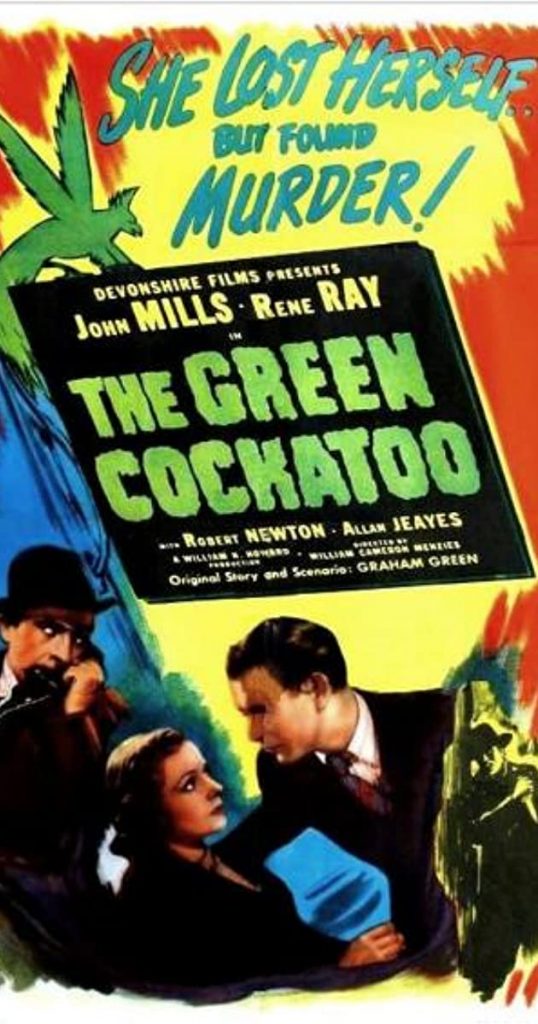
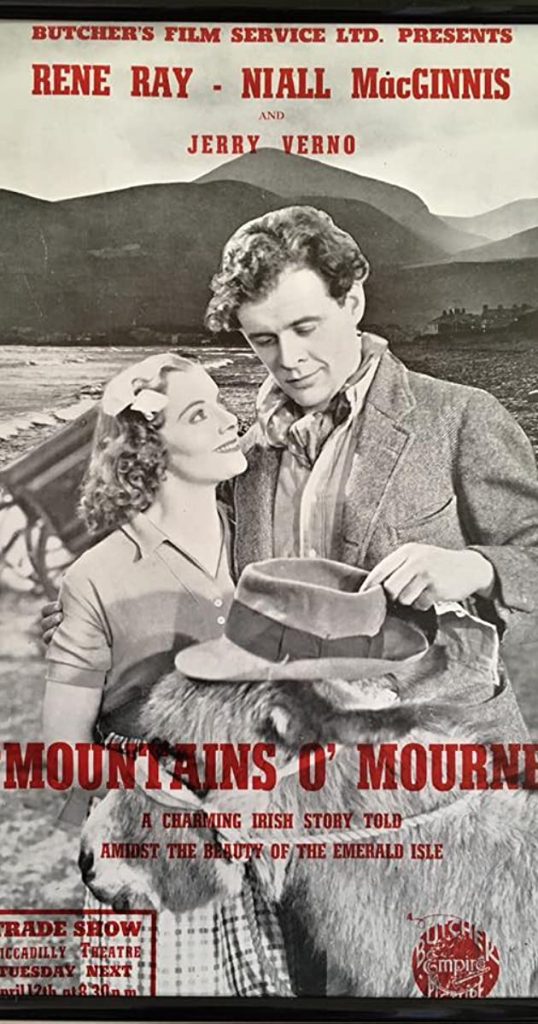
Rene Ray was born in 1911 in London. Her first film was in 1930 and her films included “The Passing of the Third Floor Back” in 1935, “Bank Holiday” and “Mountains O Mourne”. She went to Hollywood in 1947 to make “If Winter Comes” with Walter Pidgeon, Deborah Kerr and Angela Lansbury.Her last film was “The Vicous Circle” in 1957. She died in 1993 in Jersey.
IMDB entry:
British singer and supporting or second lead actress of stage and screen, born Irene Creese in London, England. Her father was the noted automotive and aviation engineer Alfred Edward Creese (1872-1943), inventor of the first operational monoplane and associate of Albert Einstein. In addition to her work as an actress, René authored novels (including the fantasy “Wraxton Marne”), original stories and screenplays. Most notable among these was The Cosmic Monster (1958) (a novelisation of her later television series), which cast her among the small number of female science fiction writers active at the time.
On stage from her late teens, René made her acting debut at the Savoy Theatre as a barmaid in “Wonder Bar” (1930). A frail, wistful-looking lass with expressive eyes, she tended to appear on screen in victimised, careworn or downtrodden roles. She gave possibly her best performances in The Passing of the Third Floor Back (1935) and Man of Affairs (1936). She also acted in several minor musicals, including Born Lucky (1933) andStreet Song (1935), capitalising on her good singing voice. René even had a crack at Hollywood, auditioning for the part of the second Mrs. de Winter in Alfred Hitchcock‘s classic Rebecca (1940) (of course, losing out to Joan Fontaine).
On Broadway, she received strong critical notices for her acting in J.B. Priestley‘s “An Inspector Calls”, directed by Cedric Hardwicke. She spent most of her wartime career on stage at London’s West End. René eventually gave up acting by the mid-1950’s to concentrate on the new challenges of her writing career. In 1975, she married the 2nd Earl of Midleton, which effectively bestowed upon her the title of countess. He died in 1979.
– IMDb Mini Biography By: I.S.Mowis
The above IMDB entry can also be accessed online here.