Contemporary Actors

Collection of Contemporary Actors

David Straithairn
David Straithairn
David Straithairn

David Straithairn. TCM Overview.

David Straithairn is a very gifted actor with a very profilic career to his credit.   He was born in San Francesco in 1949.   David Straithairn parents are of Scottish and Native Hawaiian descent.   He began his acting career as a clown in a travelling circus.  

His first film role was in 1980 in John Carpenter in “Return of the Secaucus 7”.   Other film roles of note include “At Close Range”,”Limbo” “Memphis Belle”, “City of Hope”, “Passion Fish”, “Good Night and Good Luck” and “Steel Toes”.    Straithairn has built up a steady body of work over the past thirty years.

Straithairn is especially effective in lead roles in movies directed by John Sayles and was remarkable in Limbo which was set in Alaska.   He stars in the lead role in the television series “Alpha”.   He was nominated for an Academy Award for portraying journalist Ed Murrow in “Good Night & Good Luck” 

He is also recognized for his role as CIA Director Noah Vosen in the 2007 film The Bourne Ultimatium”a role he recreated in 2012’s “The Bourne Legacy” He also played a major role in 2012 as Secretary of State William Henry Seward’ in Steven Spielberg’s “Lincoln”with Daniel Day-Lewis, Sally Field and Tommy Lee Jones.   David Straithairn interview on “Lincoln” can be viewed here.

TCM Overview:

In spite of his prolific body of work, actor David Strathairn remained somewhat apart from Hollywood, thanks to his long-standing collaboration with friend and former college friend John Sayles, who directed the actor in several of the filmmaker’s independent movies.

Following his debut in Sayles’ “The Return of the Secaucus Seven” (1980), Strathairn branched out to more mainstream fare with a supporting role in “Silkwood” (1983) and delivered one of his finer performances in “Eight Men Out” (1988), in which he played the morally flawed pitcher Eddie Cicotte from the famed Black Sox.

After another acclaimed Sayles performance â¿¿ this time as the off-kilter street wretch, Asteroid, in “City of Hope” (1991) â¿¿ Strathairn began to stretch his wings with supporting roles in major studio productions:

He was Tom Cruise’s jailbird brother in “The Firm” (1993), Meryl Streep’s workaholic husband in “The River Wild” (1994) and the upscale purveyor of prostitution, Pierce Pratchett, in “L.A. Confidential” (1997).

He also delivered strong turns on the small screen, as he did portraying the emotionally distant father of a son with AIDS in “In the Gloaming” (HBO, 1997) and Helen Keller’s father in the remake of “The Miracle Worker” (ABC, 2000). But it was his performance as the iconic news anchor Edward R. Murrow, who openly challenged Senator Joseph McCarthy during the height of the Red Scare, in George Clooney’s excellent period drama “Good Night, and Good Luck” (2005), as well as his portrayal of ruthless CIA officer Noah Vosen in “The Bourne Ultimatum” (2007), that propelled his career to a new level.

The TCM Overview above can also be accessed online here.

.

David Strathairn (born January 26 1949, San Francisco, California) is an American actor whose career embodies the rare union of moral intelligence and technical precision. Over four decades he has built a body of film, television, and stage work marked by emotional understatement, ethical gravity, and unassuming versatility. Though seldom a marquee star, Strathairn is widely regarded by critics and fellow actors as a quintessential actor’s actor: meticulous, truthful, and quietly transformative.

Early Life and Training

Strathairn studied at Williams College, Massachusetts, majoring in theatre before enrolling at the Ringling Brothers and Barnum & Bailey Clown College, a factual curiosity that presaged the physical discipline beneath his controlled performances. In the mid‑1970s he joined the emerging American Repertory Theater (then the Lambda Company), where he met John Sayles, commencing one of the most fruitful director‑actor collaborations in American independent cinema.

That grounding in both stagecraft and ensemble ethos developed Strathairn’s core qualities: disciplined movement, precise vocal control, and a deep commitment to ensemble storytelling over self‑display.

1980s: Emergence through John Sayles and Independent Cinema

Return of the Secaucus 7 (1980)

Sayles’s seminal independent film introduced Strathairn as a naturalistic screen presence. As Chip, he embodied the disillusioned idealism of post‑’60s America with quiet humor and self‑awareness. Critics noted his intuitive sense of listening, an ability that would define his acting style.

The Brother from Another Planet (1984), Matewan (1987)

Sayles continued to use Strathairn as a moral observer: a man who measures the world rather than dominates it.

  • In Brother from Another Planet he proved adept at comic timing and narrative subtlety.
  • In Matewan, as pro‑union mayor Doc Saturday, he humanized political conviction, grounding the film’s stylized parable in lived empathy.

Strathairn’s collaboration with Sayles paralleled what Mifune had with Kurosawa or De Niro with Scorsese—except that his work was anti‑heroic: portraits of conscience over charisma.

1990s: Expansion and Quiet Authority

Eight Men Out (1988) → City of Hope (1991)

In these Sayles films, Strathairn solidified his role as chronicler of integrity under pressure. His Shoeless Joe Jackson was gentle, taciturn, and morally wounded.

A League of Their Own (1992)

As the endearingly exasperated recruiting scout opposite Geena Davis and Tom Hanks, he showed comic agility without sacrificing dignity.

Sneakers (1992)

Mainstream audiences discovered him as Whistler, the blind technical genius of the ensemble. His underplayed wit turned a supporting role into emotional glue—a pattern recurring in his career: he anchors chaos by being real.

L.A. Confidential (1997)

As journalist Sid Hudgens, Strathairn embodied 1950s sleaze with chilling polish. That he could move from Saylesian idealists to decadent fixers testified to his range. Critics praised his ability to suggest corruption through calm: a whisper selling scandal more effectively than a shout.

By decade’s end, Strathairn had become Hollywood’s pre‑eminent “moral presence”—the actor directors cast when they wanted subtext rather than exposition.

2000s: Recognition and Mastery

Good Night, and Good Luck (2005)

George Clooney’s black‑and‑white docudrama about Edward R. Murrow brought Strathairn wide acclaim and an Academy Award nomination for Best Actor. His portrayal distilled Murrow’s gravitas into minimalist gesture: the cigarette, the stillness, the unwavering gaze of moral scrutiny.

“He speaks softly, but the authority is seismic,” wrote Manohla Dargis in The New York Times.

Strathairn’s performance defined ethical anxiety for a post‑9/11 culture, his restraint evoking a lost journalistic ideal. Each pause carried thought; each breath, conscience.

The Bourne Ultimatum (2007) and Fracture (2007)

He transitioned seamlessly into establishment antagonists—the bureaucrat with a conscience that flickers but never goes out. Even in thrillers, Strathairn avoided villainy caricature, offering psychological and institutional nuance.

Stage Work – The TempestThe Caucasian Chalk Circle

Concurrently, he maintained a strong theatrical presence, particularly with Shakespeare & Company and regional rep. Critics applauded his capacity to internalize verse—delivering classic text with modern emotional clarity.

2010s–2020s: The Veteran in Reflection

Lincoln (2012)

As Secretary of State William H. Seward under Spielberg’s direction, Strathairn matched Daniel Day‑Lewis’s intensity through composure. His Seward radiates practical wisdom, the pragmatic conscience beside moral greatness.

Darkest Hour (2017), Nomadland (2020)*

He appeared sparingly but memorably, each moment suffused with understatement.

  • In Nomadland, as Dave, opposite Frances McDormand, he offered weary gentleness that reframed the film’s theme of solitude versus belonging. His relaxed naturalism grounded Chloé Zhao’s quasi‑documentary tone in lived emotion.

A League of Their Own Prime series & The Expanse

In television work he has played moral mentors and weary functionaries, always anchoring fantasy or melodrama in human cadence.

Remember This (2022)

His filmed adaptation of the one‑man play about Jan Karski, the Polish resistance courier who tried to alert the Allies to the Holocaust, represents perhaps the culmination of his stage and screen synthesis. Portraying dozens of voices, Strathairn transforms historical testimony into moral presence. Critics nominated the film on festival circuits as one of the decade’s most profound ethical performances.

The Guardian hailed it as “a masterclass in moral engagement… acting as witness rather than exhibition.”

Acting Style and Critical Traits


Element Description
Voice and Diction A low‑key baritone with sotto voce authority; Strathairn shapes sentences as if weighing truth itself. His pauses invite the audience into the thought process.
Physical Economy Minimal gesture; meaning concentrated in eyes and breath. On film, he knows how stillness magnifies presence.
Moral Intelligence Central to his persona—characters wrestling with failure, responsibility, and ethical boundaries.
Versatility Moves between independent social realism and prestige blockbusters without self‑betrayal. His identity adapts quietly to context.
Empathy Without Sentiment Even his antagonists retain human frailty; his empathy is intellectual rather than saccharine.

Scholars often contrast him with method‑driven intensity (De Niro, Penn) or theatrical flamboyance (Hopkins): Strathairn practices transparent acting, wherein artifice disappears and event feels observed, not performed.

Thematic Consistency

Across decades, Strathairn’s work circles core motifs:

  1. Conscience vs. System – Murrow, Seward, bureaucrats who test institutional morality.
  2. Witnessing and Listening – He often channels the audience’s viewpoint, the one who sees and judges with empathy.
  3. Intellectual Aloneness – Characters defined by thoughtfulness amid noise (NomadlandGood Night, and Good Luck).
  4. Measured Masculinity – Rejects swagger for grace, representing a model of ethical adulthood.

Critical Standing and Influence

  • Critics routinely rank him among the most undervalued American actors. The Los Angeles Times labeled him “the conscience in the corner of the frame.”
  • Directors—from Sayles to Clooney to Zhao—choose him for projects invested in political or emotional truth.
  • Peers view him as a model of disciplined humility; he rarely dominates publicity yet elevates every ensemble he joins.

His influence surfaces in actors who emulate subtle realism—Mark Ruffalo, Paul Dano, and Scoot McNairy all cite his work for its moral quietude.

Representative Performances


Year Work Role Critical Significance
1980 Return of the Secaucus 7 Chip Blueprint for American indie acting
1987 Matewan Mayor Doc Saturday Integrity amid social struggle
1997 L.A. Confidential Sid Hudgens Sleaze rendered with restraint
2005 Good Night, and Good Luck Edward R. Murrow Definitive portrait of moral courage
2012 Lincoln William Seward Patrician intellect balancing idealism
2020 Nomadland Dave Understated tenderness, human counterpoint
2022 Remember This Jan Karski Moral witness distilled to one body and voice

Conclusion

David Strathairn’s career exemplifies integrity as art form.
Across independent films, historical epics, and chamber dramas, he consistently enacts decency under duress—men thinking before speaking, feeling before acting. His technique—rooted in stillness and empathy—has redefined cinematic realism for the quiet conscience.

If American cinema has its grand heroes of passion, Strathairn is its poet of restraint: the listener who makes moral contemplation dramatic, reminding audiences that truth, whispered carefully, can echo louder than any shout


Brian Cox

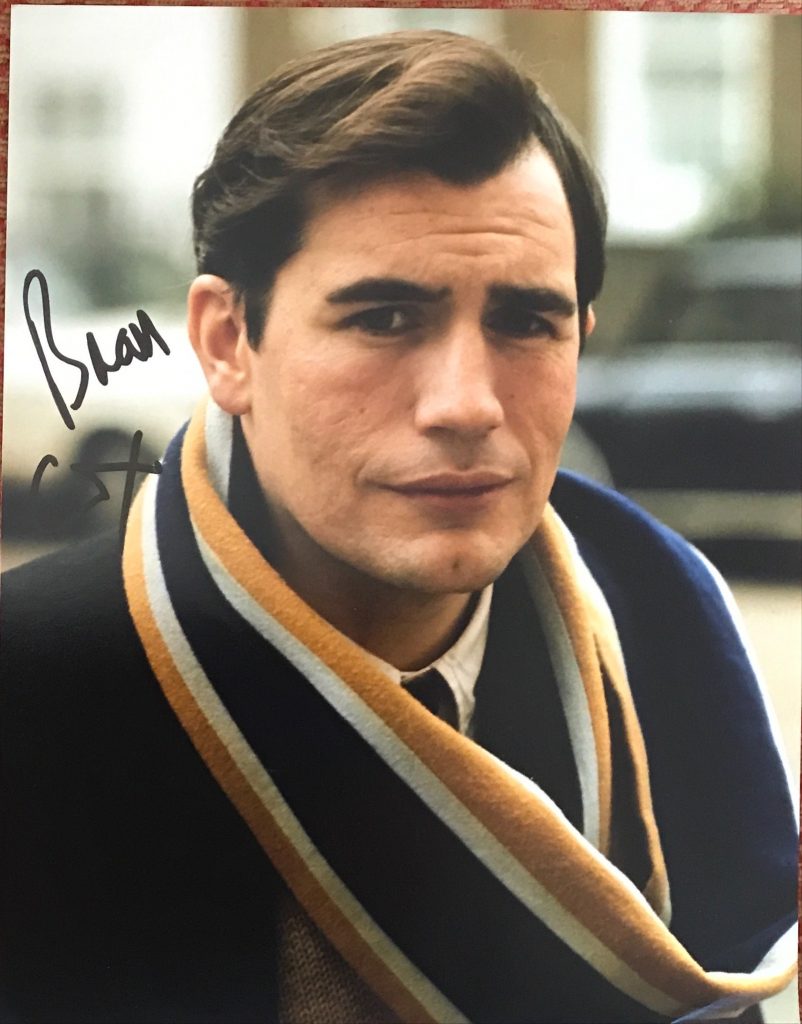
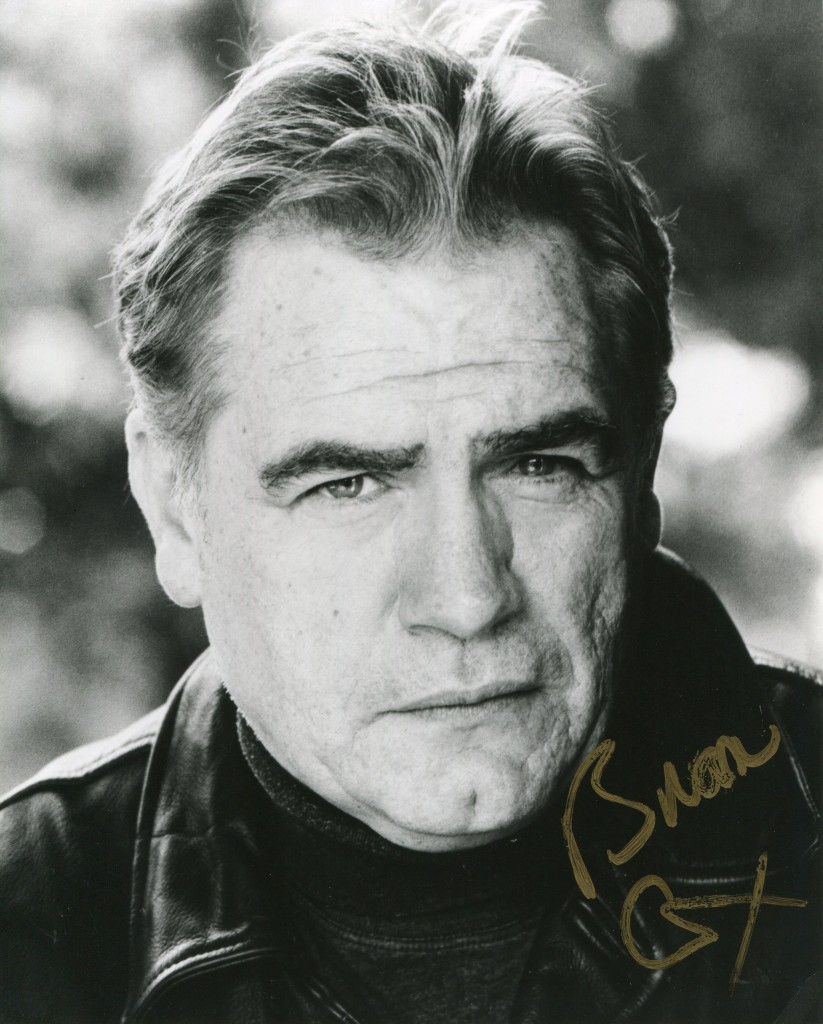
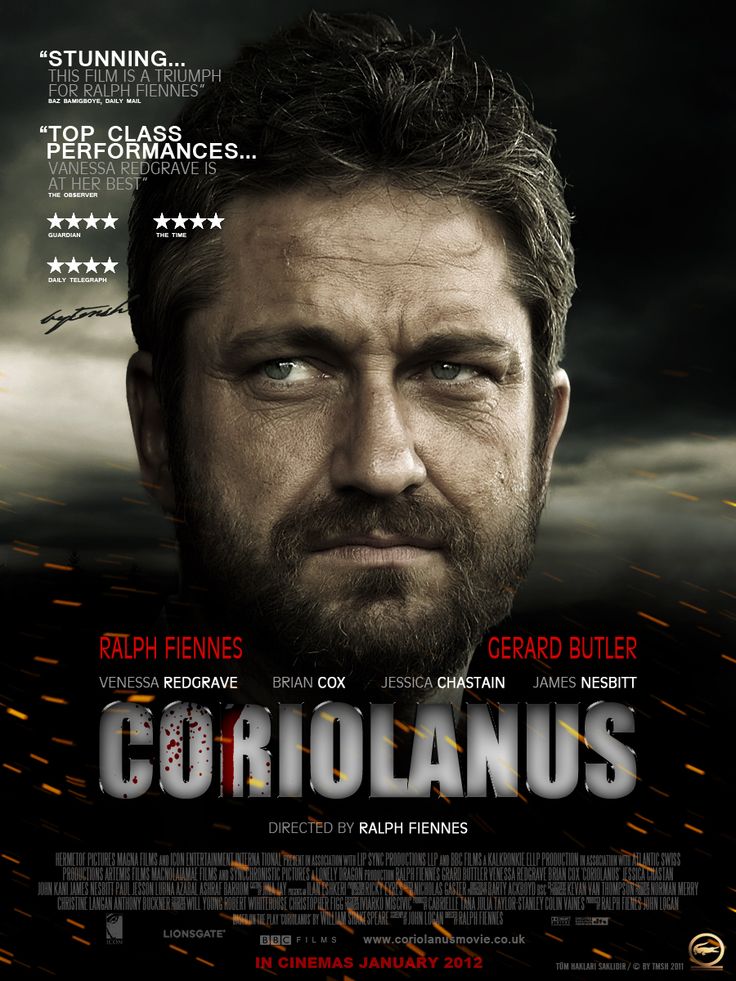
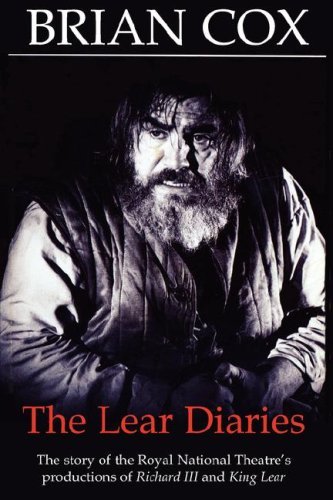
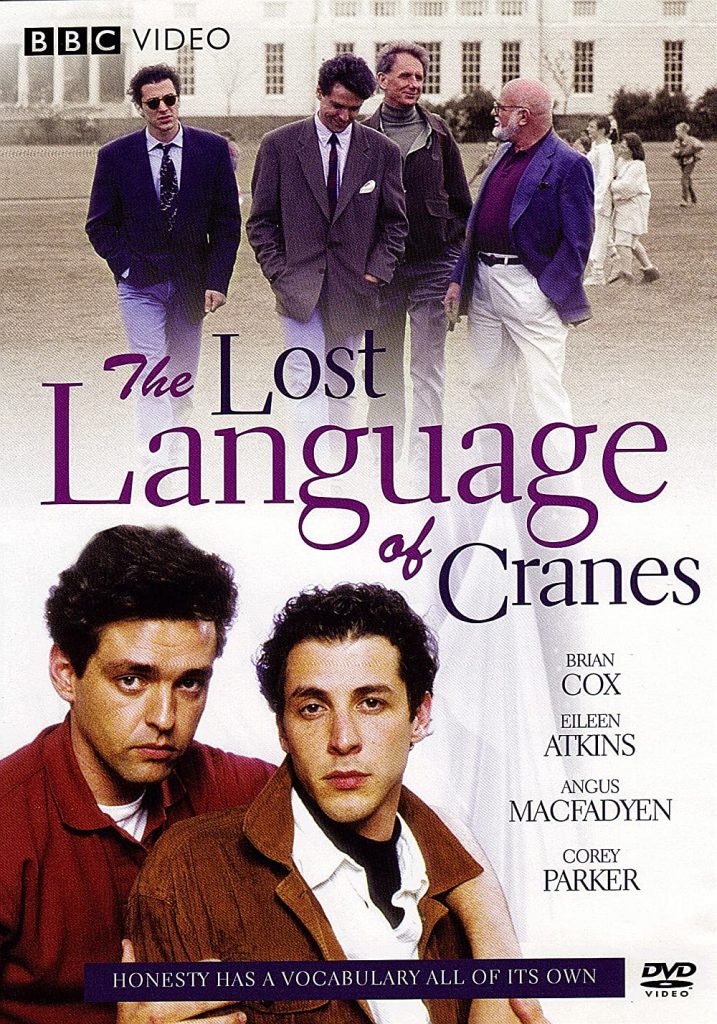
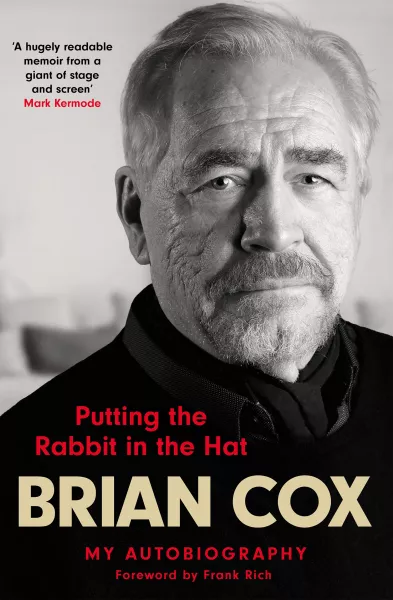
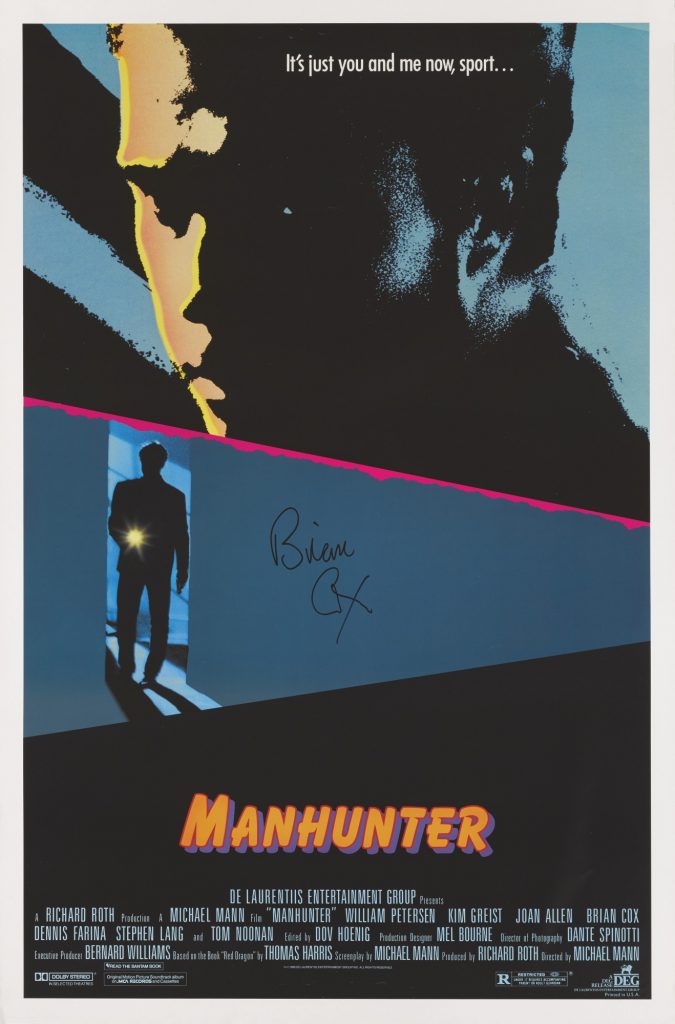
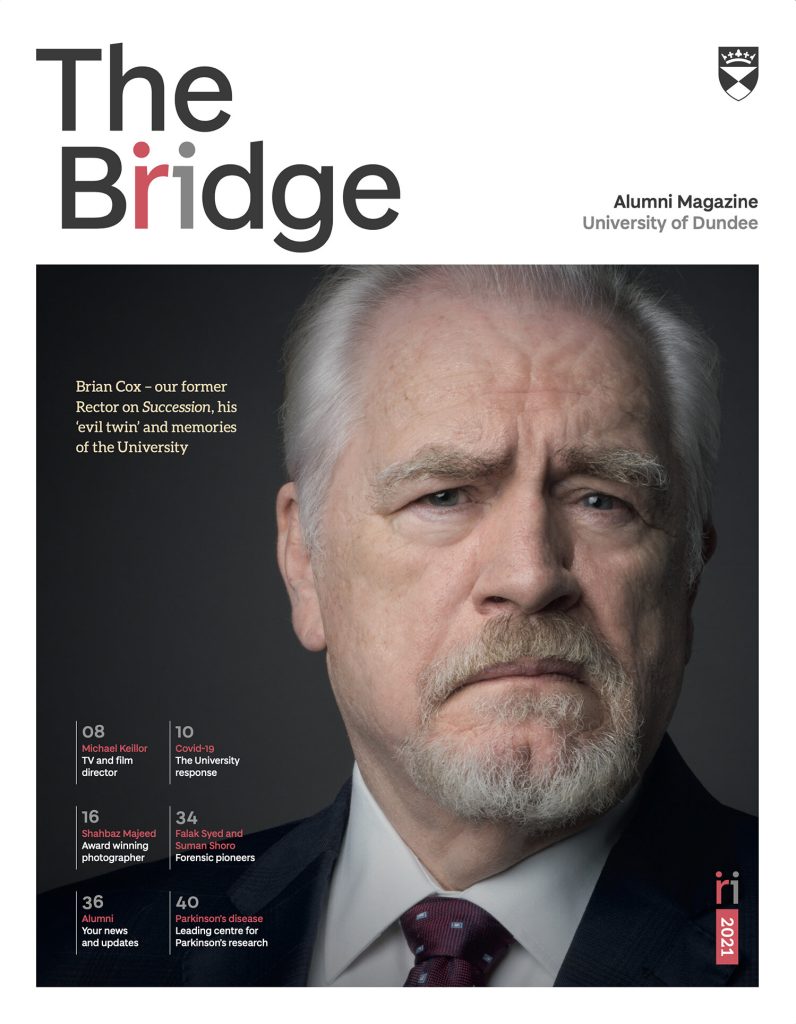
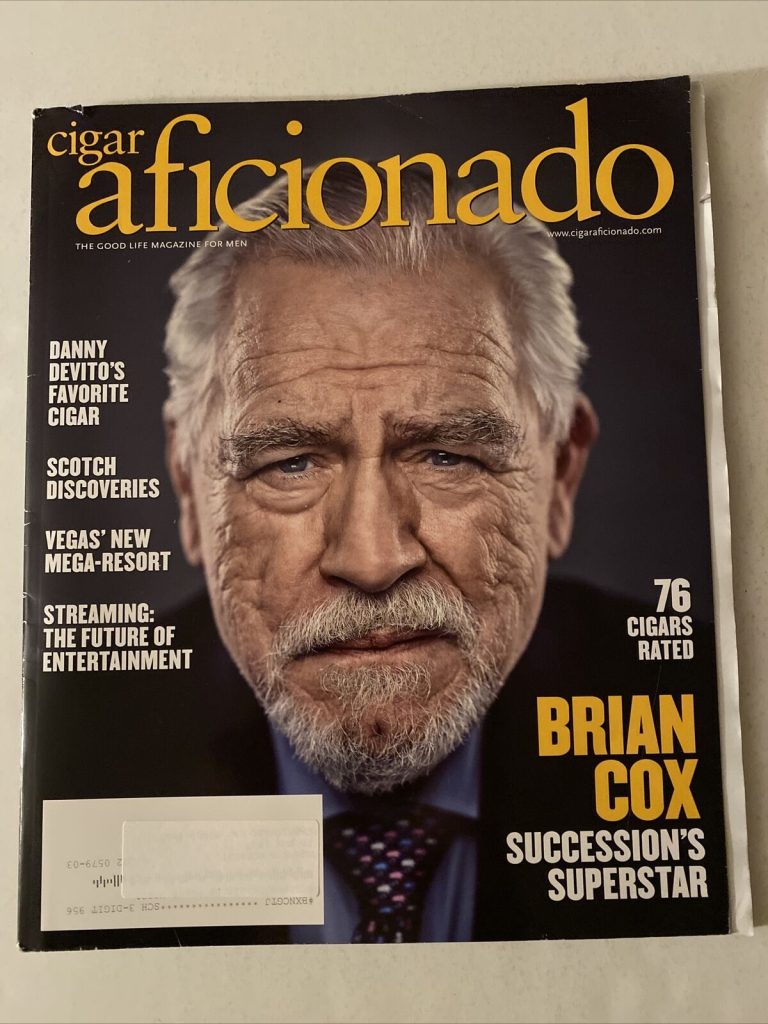
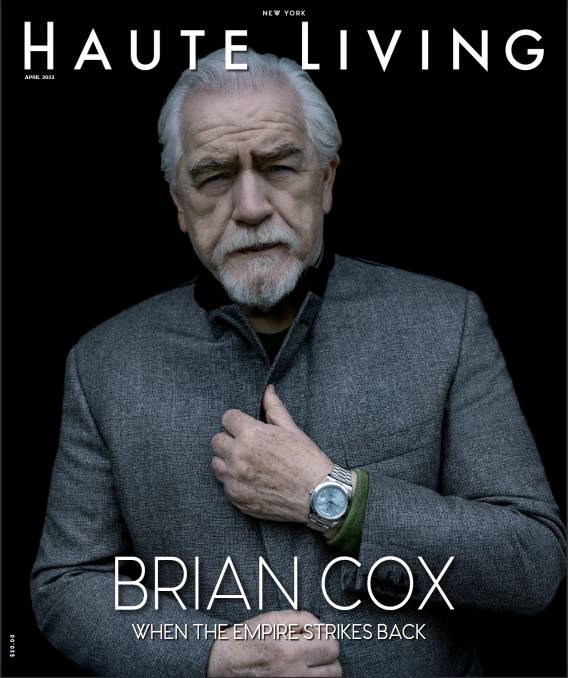

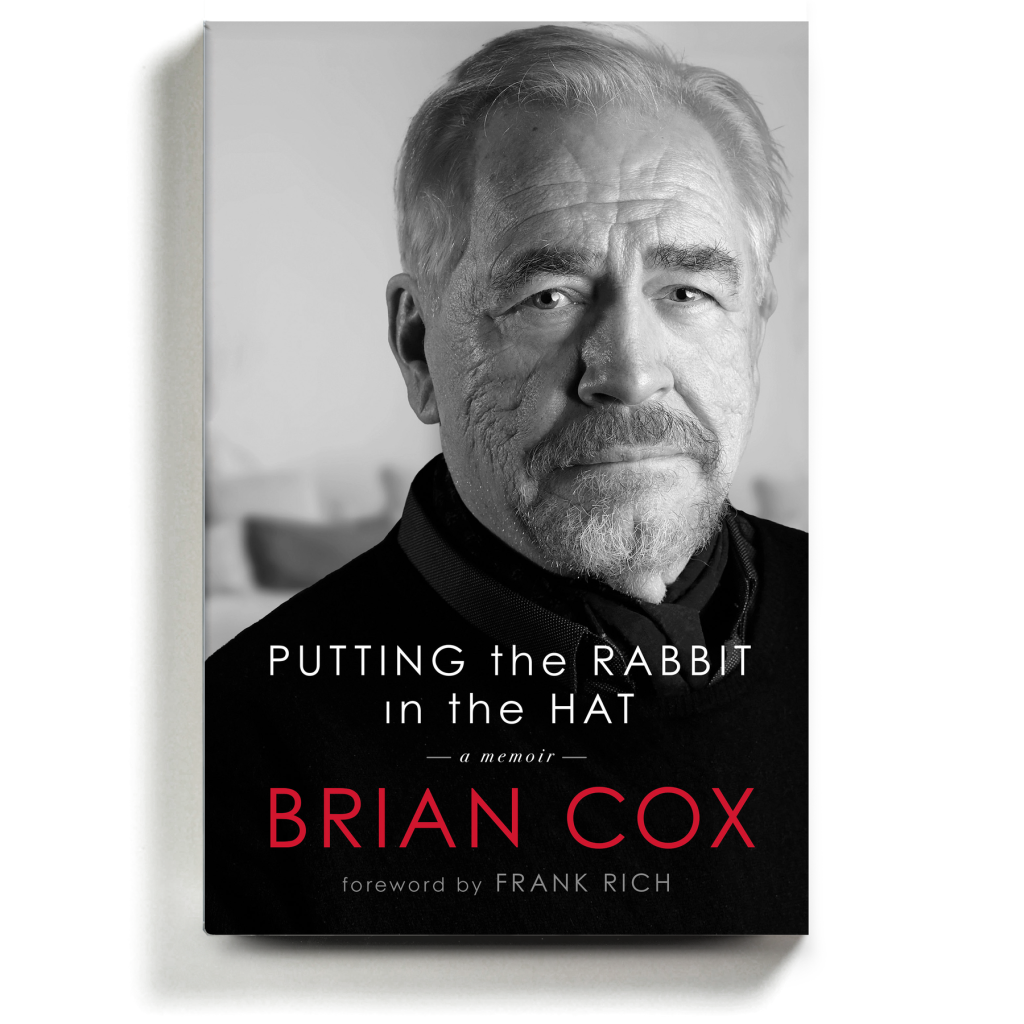
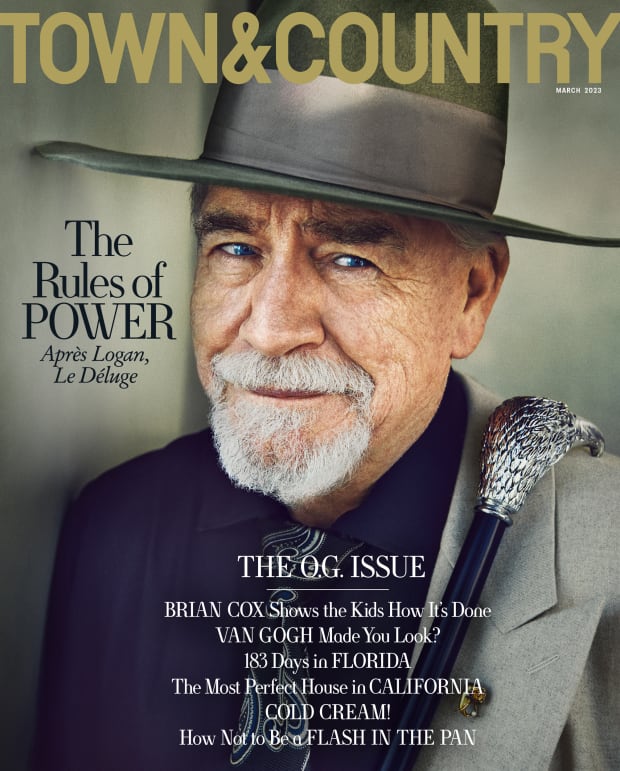
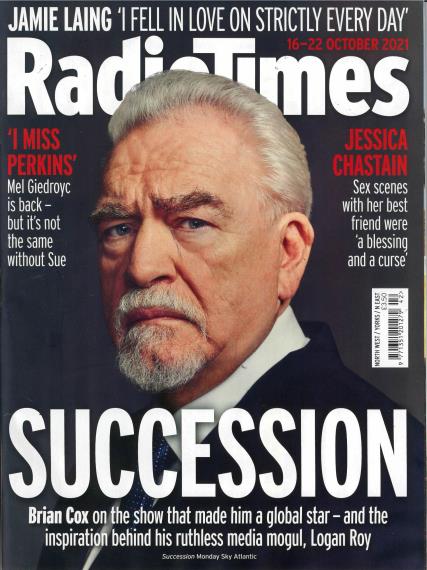
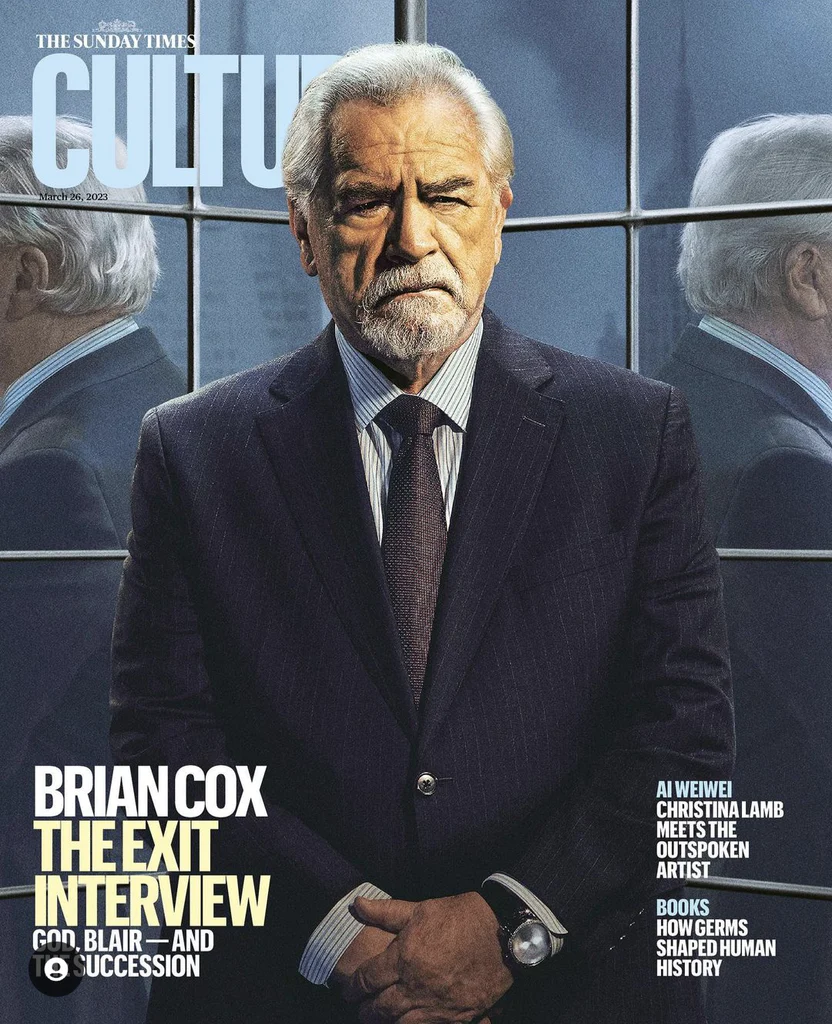
Brian Cox was born in Dundee, Scotland in 1946.   His parents were Irish immigrants.   He made his London stage debut in “As You Like It” in 1967 .   His first film appearance was in 1971 in “Nicholas and Alexandra” as Trostky.   He spent several seasons acting with the Royal Shakespeare Company and the National Theatre.   In 1986 he went to the U.S.A. to play Hanibel Lecter in “Manhunter”.   He has made several fim appearances including “Rob Roy”,”Braveheart”, “The Bourne Supremacy” and “Red Eye”.   His many TV parts including acting in “ER”.   Interview with Brian Cox in “The Guardian” can be found here.

Russell Brand

Russell Brand

Russell Brand

Russell Brand was born in Grays, Essex in 1975.   He began his show business career as a comedian and while he still does stand-up comedy, he is venturing more into film.   His made “Forgetting Sarah Marshall”,    He also starred alongside Adam Sandler in “Bedtime Stories”.   His website can be found here.

Patrick Stewart

Patrick Stewart was born in 1940 in Yorkshire.   He was a noted classical actor on the British stage when in 1987 he gained huge international exposure with his success as Captain Jean-Luc Picard in the “Star Trek” series.   After he left the series. he has alternated between movies and the stage with great success.   “MailOnline” article on Patrick Stewart here.

TCM Overview:

A Shakespearean performer who exuded an authoritative presence, actor Patrick Stewart spent many years in repertory theater before becoming a star player with the Royal Shakespeare Company. But Stewart’s most recognized success was his commanding, often patriarchal turn as Captain Jean-Luc Picard on the sequel series, “Star Trek: The Next Generation” (syndicated, 1987-1994). Prior to this breakout role, he spent years performing in the Bard’s productions, most notably in “Macbeth,” “Hamlet” and an acclaimed Broadway version of “A Midsummer Night’s Dream” (1971). Once he made his way to the screen, Stewart ably performed minor roles in “Fall of Eagles” (BBC, 1974) and “I, Claudius” (BBC2, 1976) while eventually making his way to feature films with “Excalibur” (1981) and “Dune” (1985). After his seven-year sojourn on “The Next Generation,” Stewart was fortunate enough to avoid being tied to Picard for life, as seemed to happen with members of the original series. Though he reprised the role for three big screen versions of “Star Trek,” he continued performing on stage while lending his stentorian voice to television commercials and animated features like “The Prince of Egypt” (1998) and “Chicken Little” (2005). In between, Stewart portrayed the wheelchair-bound leader of the mutants, Professor Xavier, for the popular comic-book adaptation “X-Men” (2000), which generated lucrative sequels in 2002, 2006 and beyond, while affording Stewart yet another successful franchise without being typecast for life.
The above TCM Overview can also be accessed online here.

Saoirse Ronan
Saoirse Ronan
Saoirse Ronan

Saoirse Ronan is an Irish actress who was born in 1994.      She is best known for her roles in “Atonement” and “Lovely Bones”.   She lives in Co. Carlow.   “Independent” article on Saoirse Ronan can be accessed here.

Chris Sarandon
Chris Sarandon

Chris Sarandon. IMDB

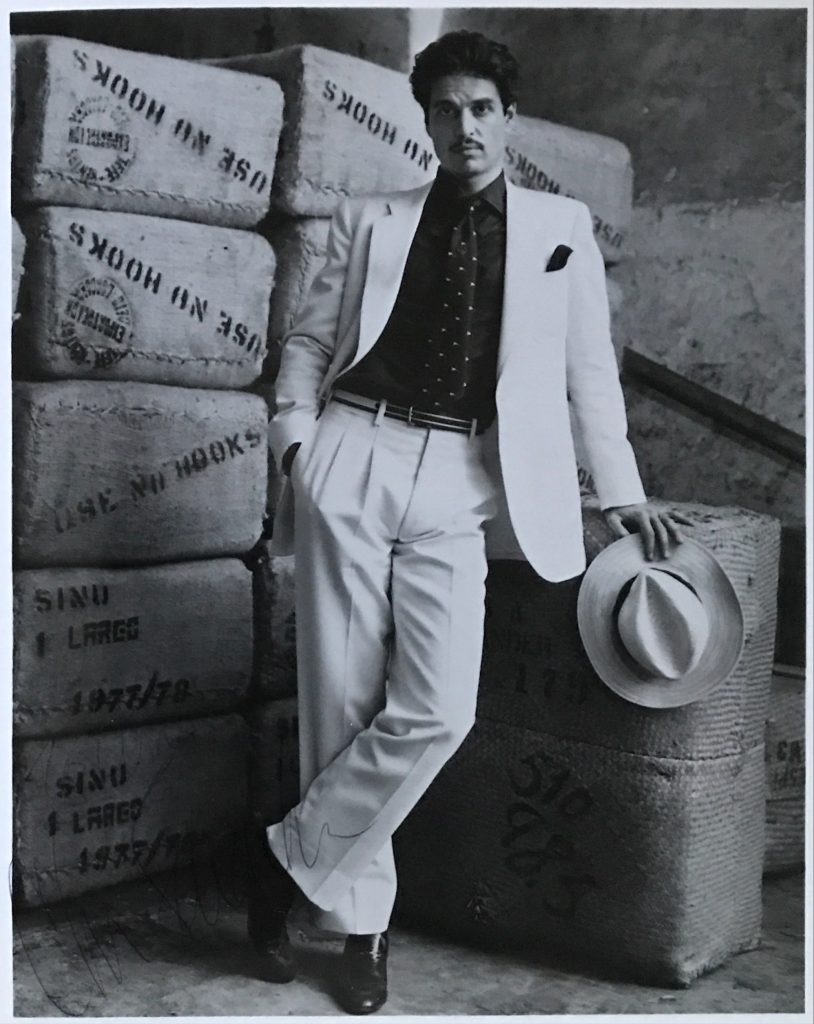
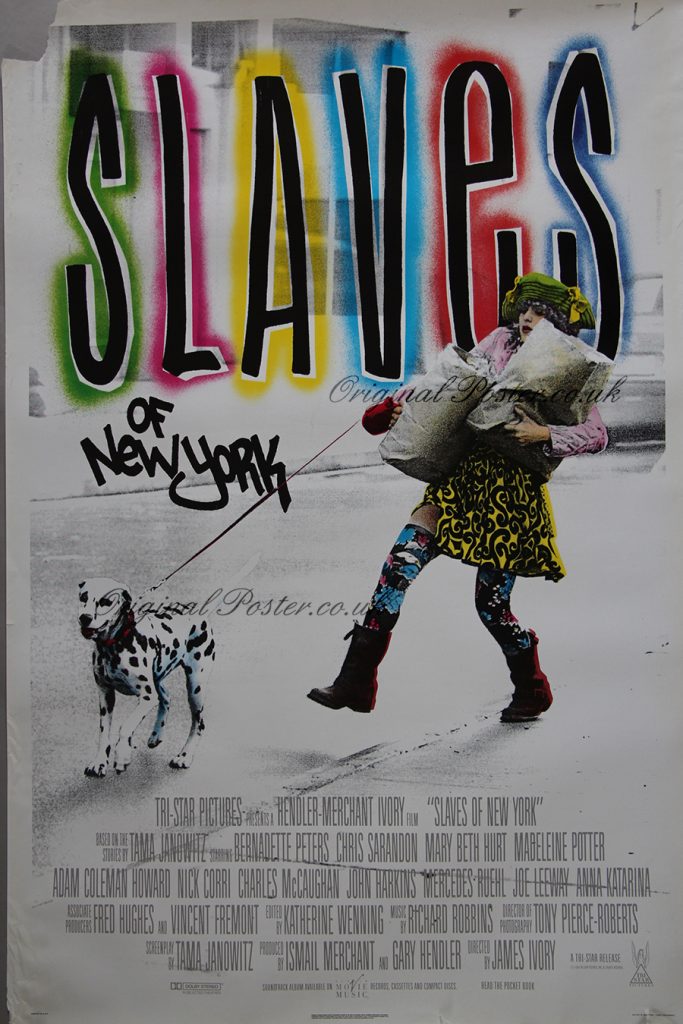
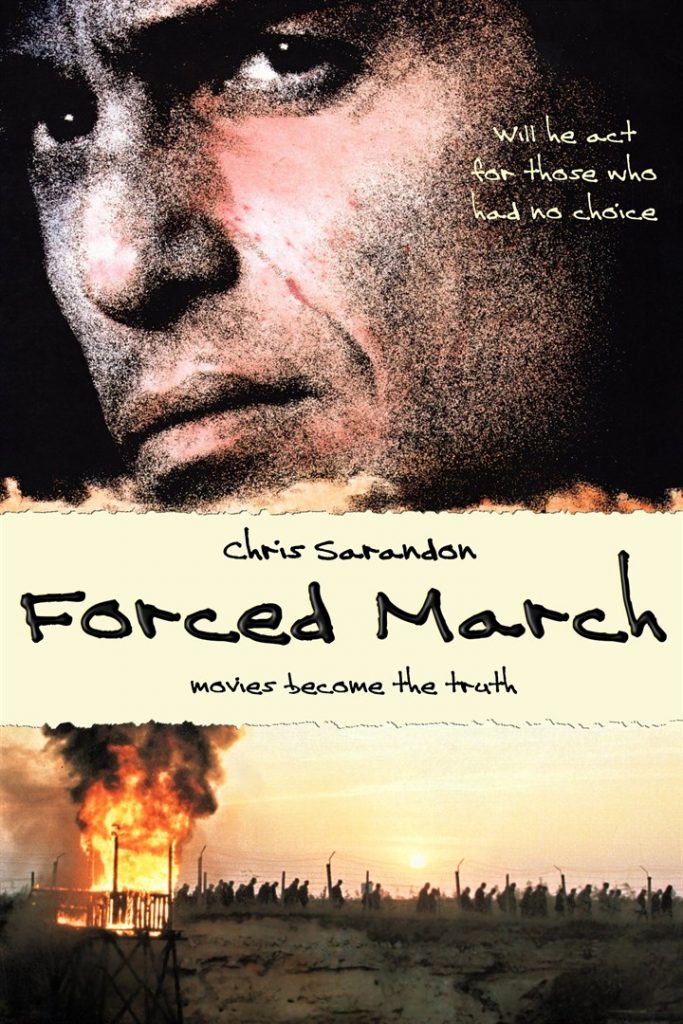
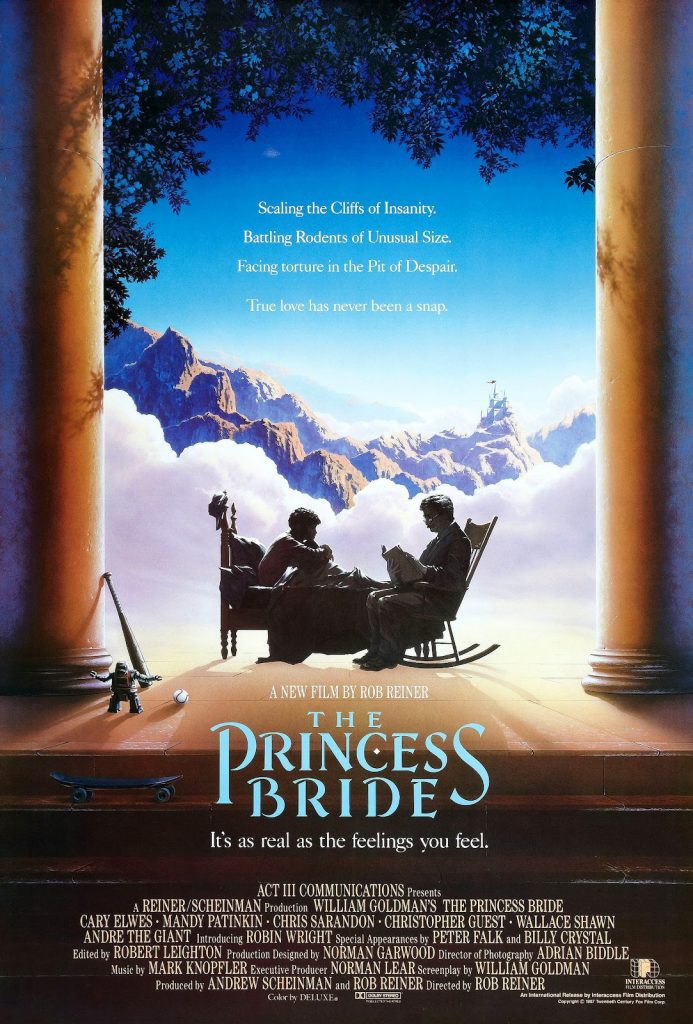
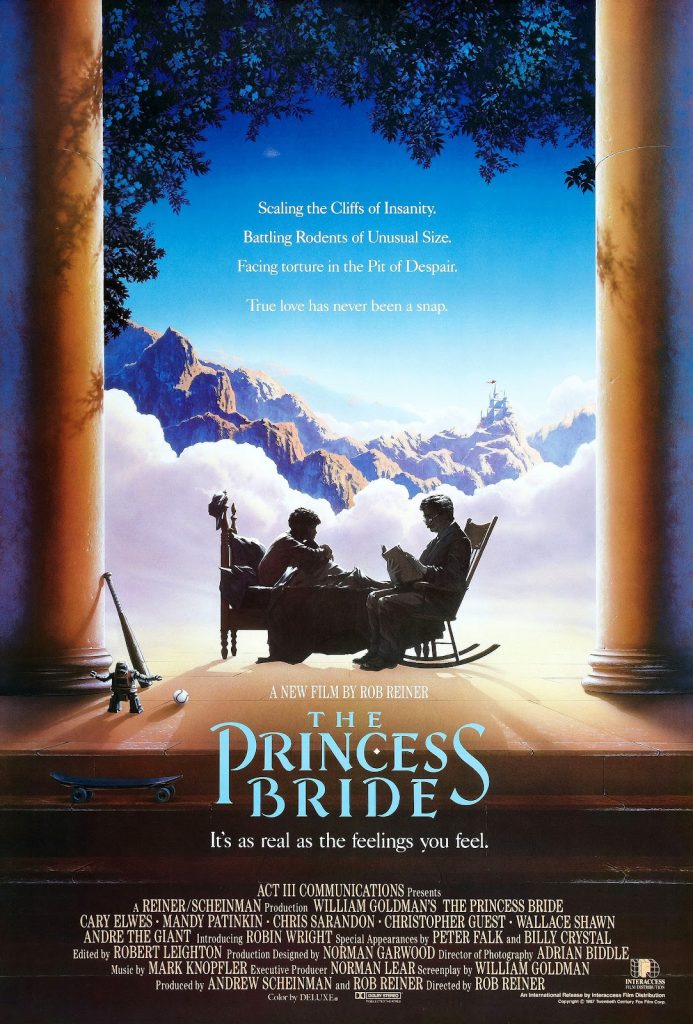
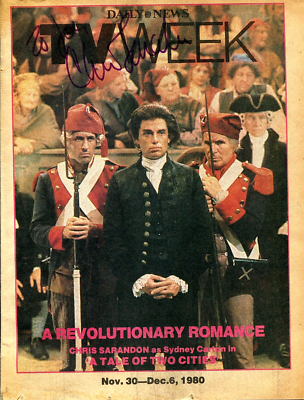
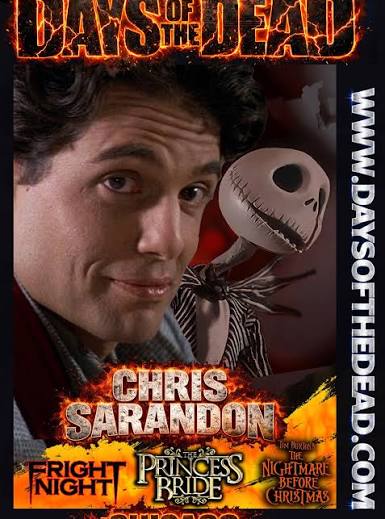
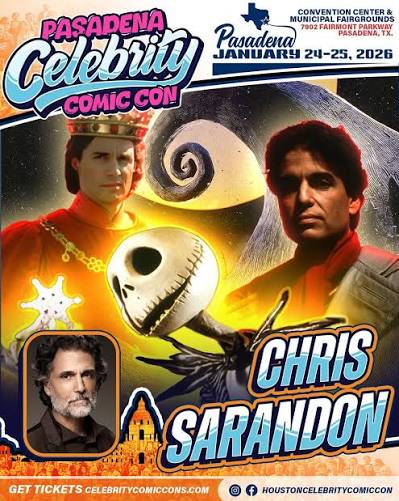
Chris Sarandon is a stylish American actor who has some very interesting cult films among his credits.   He was born in 1942 in West Virginia.   He began appearing on stage and on daytime television in 1965.   He was nominated for an Academy Award for his performance in “Dog Day Afternoon” in 1975.   He went on to star in “Fright Night” and “The Princess Bride” where he was Prince Humperdiinck.   More recently he had a major role in the long-running “ER” and was on the Broadway stage in 2006 in “The Light in the Piazza”.    Interview on “Moviefone” with Chris Sarandon can be accessed here.

Gary Brumburgh’s entry:

The handsome, versatile, worldly-looking Chris Sarandon has played everything from vampires to Jesus Christ in magnetic performances that have not only been controversial but hard to miss.

The son of a Greek immigrant and restaurateur, he was born and raised in Beckley, West Virginia, where, as a teen, he appeared on the musical stage and played drums and sang back-up with a local band called The Teen Tones.

Graduating from Woodrow Wilson High School in 1960, his band was so good they found themselves touring and backing up such music legends as Bobby DarinGene Vincent and Danny and the Juniors. Chris attended West Virginia University majoring in speech, and appeared in such musical productions as “The Music Man” as Harold Hill.

He went on to attend the Catholic University of America in Washington, DC, where he received his master’s degree in theater and met first wife Susan Sarandon. Touring with improv companies and in regional theater productions, he made his professional debut in “The Rose Tattoo” in 1965 and later joined the Long Wharf Theatre Company for a season. Moving to New York in 1968, the dark and handsome charmer immediately nabbed the role of Dr. Tom Halverson on Guiding Light (1952), a part that would last two years. Throughout the 1970s he would be rewarded with rich theater acting roles. On Broadway he appeared in “The Rothchilds” and replaced Raul Julia in “Two Gentlemen from Verona” while appearing elsewhere in various Shakespeare and Shaw festivals both here and in Canada. He made an auspicious film debut in the huge, career-risking part of Al Pacino‘s tormented, gender-confused lover in Dog Day Afternoon (1975), earning an Oscar nomination for Best Supporting Actor for his superior work.
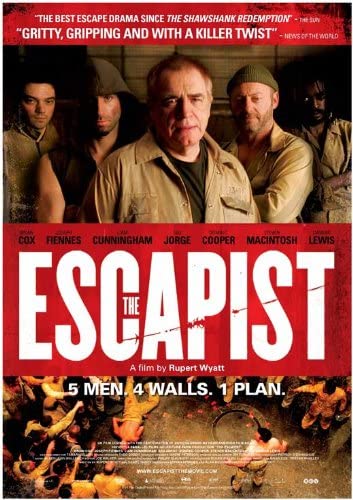
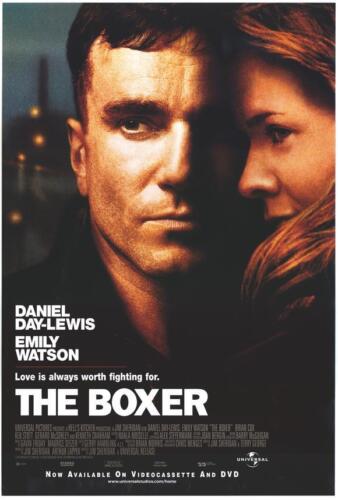
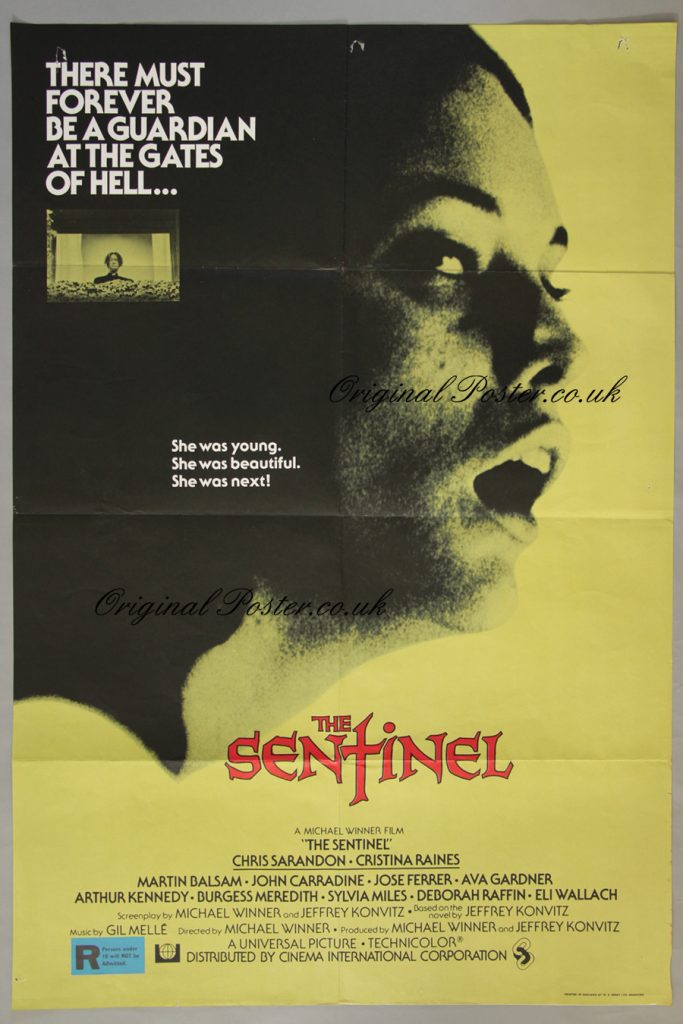
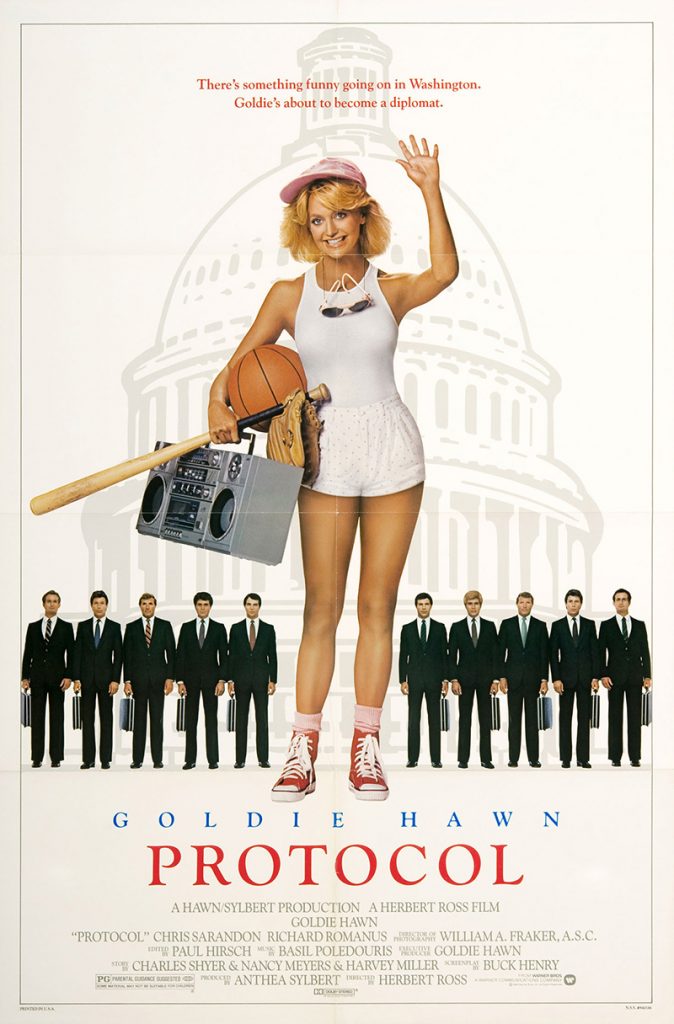
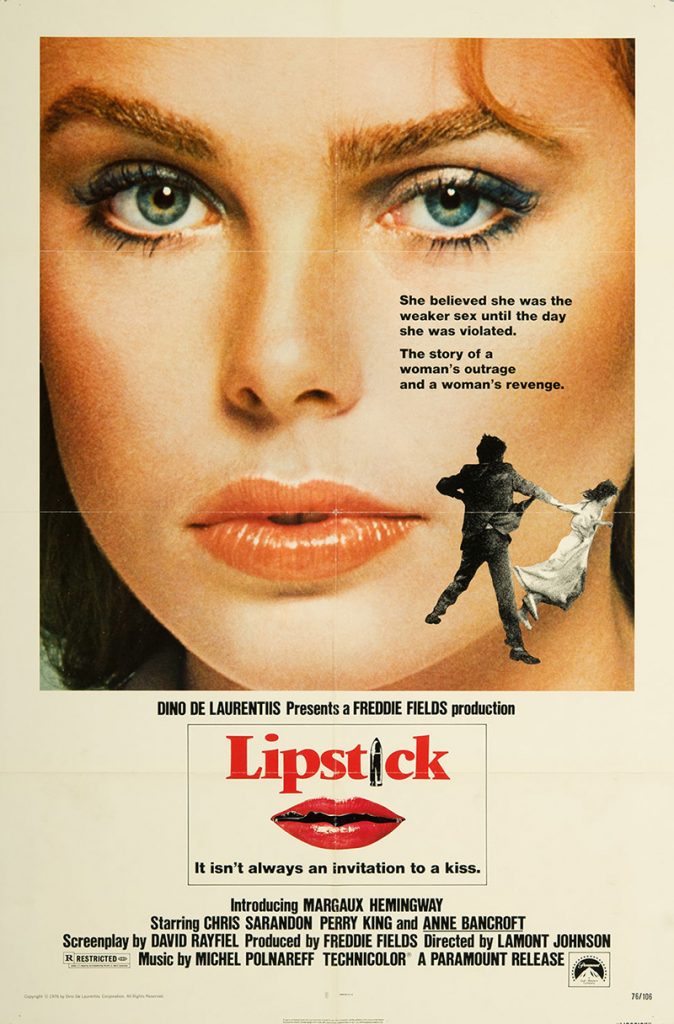
He took other sordid turns too, this time in co-leads, opposite the late Margaux Hemingway in the poorly done exploitative thrillerLipstick (1976) and as a demon in the shocker The Sentinel (1977). To avoid being typed as creepy characters, Chris extended himself brilliantly in the years to come, portraying the title role in The Day Christ Died (1980), a critically heralded TV-movie. He received high marks also for his Sydney Carton in A Tale of Two Cities (1980) and co-starred withGoldie Hawn in the more mainstream Protocol (1984). In the 1980s Chris would endear himself to a younger generation of filmgoers as the undeniably sexy, hypnotic vampire-next-door in the teen horror classic Fright Night (1985), the cruel, evil-plotting prince inRob Reiner‘s The Princess Bride (1987) and as the investigating cop in Child’s Play(1988), the first in the “Chucky” series about a murdering doll. In recent years Chris has continued steadily on stage, film and TV but at a lesser pace and in less flashy, high-profiled roles.

Divorced from Susan Sarandon in 1979, he was married and divorced from model Lisa Ann Cooper during the 1980s. In 1991 he co-starred on Broadway in the short-lived musical “Nick and Nora” with Joanna Gleason, the daughter of Monty Hall(Let’s Make a Deal (1963)). They married in 1994 and reunited on stage in “Thorn & Bloom” in 1998. They have also appeared together in a number of films, includingAmerican Perfekt (1997), Edie & Pen (1996) and Let the Devil Wear Black (1999).

– IMDb Mini Biography By: Gary Brumburgh / gr-home@pacbell.ne


Chris Sarandon (born 1942) is a quintessential “actor’s actor,” a performer whose career is defined by an uncanny ability to oscillate between heartbreaking vulnerability and flamboyant villainy. While many know him as a 1980s cult icon, a critical analysis reveals a classically trained New Yorker whose work helped break ground for LGBTQ+ representation and redefined the “suave” monster in horror.


I. Career Overview: The Character Actor’s Path

Act 1: The New York Stage and Breakthrough (1970–1975)

Sarandon cut his teeth on Broadway in musicals like The Rothschilds and Two Gentlemen of Verona. His film debut remains one of the most auspicious in cinema history: playing Leon Shermer, the trans partner of Al Pacino’s character in Dog Day Afternoon (1975). The role earned him an Academy Award nomination for Best Supporting Actor and signaled the arrival of a performer who favored psychological complexity over leading-man tropes.


Act 2: The Cult Icon (1985–1993)

The mid-80s to early-90s saw Sarandon cement his status in the “Cult Movie Hall of Fame” with a trio of legendary roles. He transitioned from the seductive vampire Jerry Dandrige in Fright Night (1985) to the cowardly, narcissistic Prince Humperdinck in The Princess Bride (1987). He capped this era by providing the speaking voice for the “Pumpkin King,” Jack Skellington, in The Nightmare Before Christmas (1993).


Act 3: The Versatile Elder Statesman (1994–Present)

Sarandon has maintained a prolific presence across television (ERThe Good Wife) and returned to his first love, the stage, appearing in Broadway productions like The Light in the Piazza and Cyrano de Bergerac. He continues to be a fixture in the voice-acting world, reprising Jack Skellington across numerous Disney projects.


II. Critical Analysis: The Sarandon Duality

1. Breaking the “Trans” Caricature: Dog Day Afternoon

Sarandon’s performance as Leon was radical for 1975. At a time when trans characters were typically played as punchlines or predators, Sarandon brought a hollowed-out, tragic dignity to the role.


  • The Phone Call: The centerpiece of his performance is a long-distance telephone conversation with Pacino. Critics often cite this as a masterclass in passive intensity—Sarandon conveys Leon’s exhaustion, love, and fear through subtle vocal tremors rather than histrionics.


  • Analysis: He avoided the “drag” aesthetic, playing Leon as a fragile human being caught in a media circus. This empathetic approach is now viewed as a pivotal moment in the history of mainstream queer representation.

2. The “Suave Predator”: Fright Night

In Fright Night, Sarandon reinvented the vampire for the 1980s.


  • The Technique: He played Jerry Dandrige with a “snarky, sardonic sense of humor” and an underlying animalistic hunger. He famously incorporated the eating of fruit into the role, a choice meant to emphasize his “ancient” nature (like a fruit bat) and his casual, predatory comfort in his new suburban surroundings.


  • Critical View: Analysts point out that Sarandon brought a pansexual magnetism to the character. His seduction of the neighbor, Amy, was played with a genuine, sorrowful longing that suggested the character was a lonely aristocrat whose time had passed, adding layers of pathos to a traditional “monster” role.


3. The “Civilized” Narcissist: The Princess Bride

As Prince Humperdinck, Sarandon mastered the art of the “polite villain.”

  • The “Swamped” Delivery: His most analyzed moment is the casual listing of his daily tasks: “I’ve got my country’s 500th anniversary to plan, my wedding to arrange, my wife to murder, and Guilder to frame for it.I’m swamped.”


  • Analysis: Sarandon played Humperdinck not as a cackling madman, but as a bored bureaucrat. His villainy is terrifying because it is so indifferent. By playing the character with a “silver spoon” entitlement, he provided the perfect, cold antithesis to Cary Elwes’s warm, swashbuckling hero.


III. Major Credits and Comparative Roles

Work Medium Role Significance
Dog Day Afternoon (1975) Film Leon Shermer Oscar Nominee; milestone in LGBTQ+ cinema.
Fright Night (1985) Film Jerry Dandrige Redefined the “Sexy Vampire” for a new generation.
The Princess Bride (1987) Film Prince Humperdinck A definitive study in comedic, narcissistic villainy.
Child’s Play (1988) Film Detective Mike Norris Proved his capability as a grounded “hero” protagonist.
The Nightmare Before Christmas (1993) Voice Jack Skellington Created one of the most iconic animated voices in history.

Final Reflection


Chris Sarandon’s legacy is one of intellectual variety. He is an actor who never settled for being just a “look,” instead choosing to use his “tall, dark, and handsome” features to explore the darker, stranger corners of the human (and inhuman) condition. He remains one of the few actors who can make you feel deep sympathy for a bank robber’s lover and profound joy at the defeat of a narcissistic prince in the same breath

Chris Sarandon’s return to the Broadway stage in the 21st century—most notably in the Lincoln Center Theater production of the Tony-winning musical The Light in the Piazza (2005)—was a significant “homecoming.” For critics, it was a reminder that beneath his cinematic cult status lay a formidable, classically trained stage technician with a rich, resonant baritone.

Here is a critical analysis of the reviews regarding his performance as Signor Naccarelli.


I. The Light in the Piazza (2005): The Master of Subtext

When Sarandon took over the role of the Florentine patriarch, he was tasked with playing a character who must balance “Old World” charm with a calculating, protective fatherhood.

1. The “Seductive Authority”

Critics from The New York Times and Variety noted that Sarandon brought a “debonair, silver-fox gravity” to the role.

  • The Performance: Unlike his more flamboyant film villains, his Signor Naccarelli was a study in restraint. He utilized a “courtly grace” that made his character’s eventual pragmatic negotiation regarding the young lovers feel sophisticated rather than cold.

  • The “Sarandon” Smirk: Reviewers pointed out that he used his “trademark dark-eyed intensity” to suggest a man who knew exactly what was happening at all times, even when he remained silent.

2. Vocal Command: “Aiutami”

While Danny Elfman provided the singing for Jack Skellington, The Light in the Piazza allowed Broadway audiences to hear Sarandon’s actual singing voice.

  • Critical Reception: His delivery of the song “Aiutami” was praised for its operatic texture. Critics noted that his voice had a “woody, aged-in-oak” quality that suited a mid-century Italian aristocrat. He was credited with providing a “masculine anchor” to a show that was otherwise dominated by soprano-heavy, ethereal arrangements.


II. Cyrano de Bergerac (2007): The “Polished” Rival

In the 2007 revival starring Kevin Kline and Jennifer Garner, Sarandon played Comte de Guiche, the powerful and haughty antagonist.

1. The “Civilized” Villainy

Critics found Sarandon to be the perfect foil for Kevin Kline’s Cyrano.

  • The Contrast: While Kline was all “fire and nose,” Sarandon was “ice and lace.” * Analysis: Reviewers highlighted his ability to play “aristocratic disdain” without sliding into caricature. One critic noted that Sarandon made De Guiche feel like a “real political threat” rather than just a stage villain. He brought a “weary, worldly cynicism” to the role that made his character’s eventual redemption in the final act feel surprisingly earned

Richard Cox
Richard Cox
Richard Cox
Richard Cox

Richard Cox. (Wikipedia)

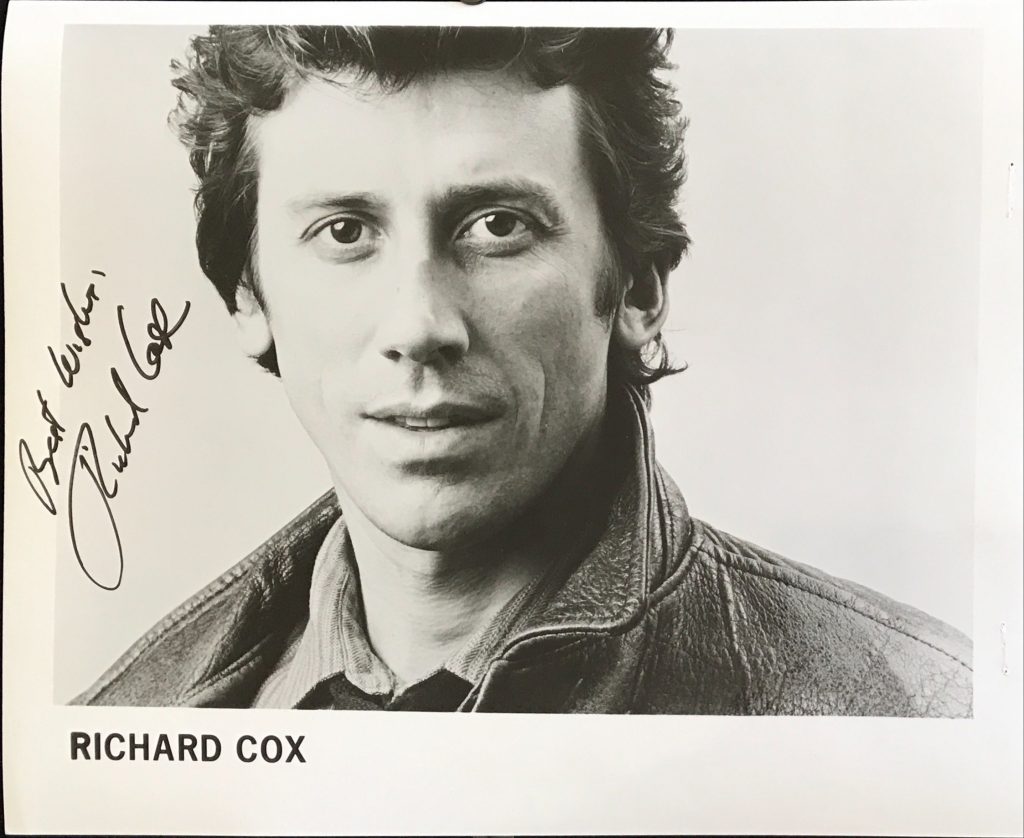
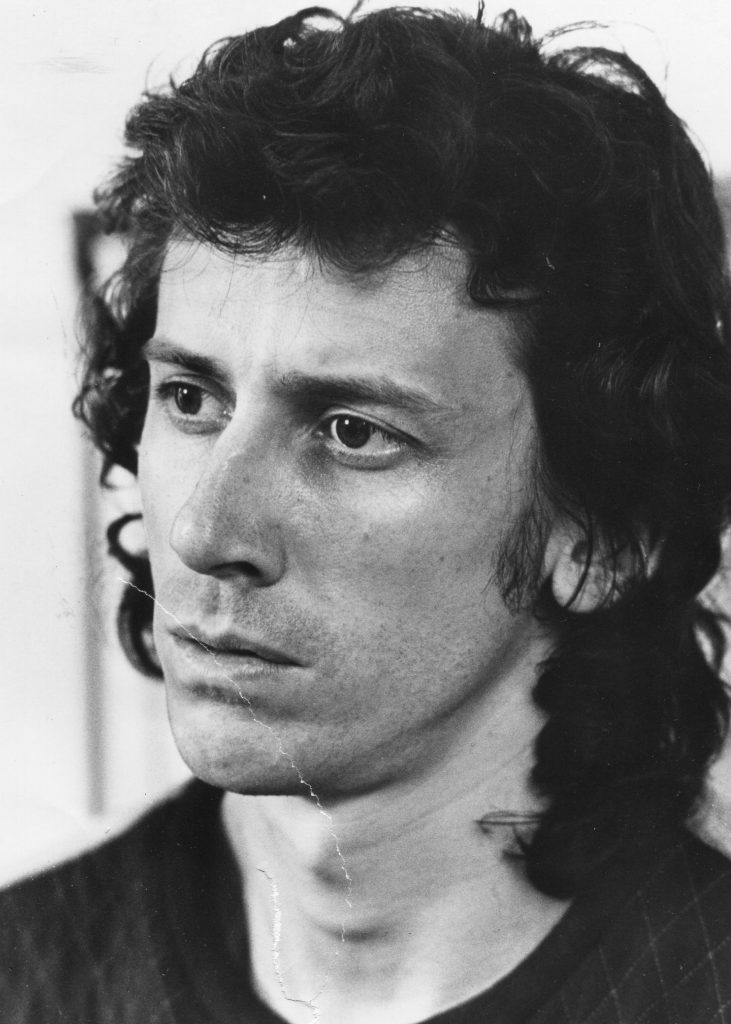
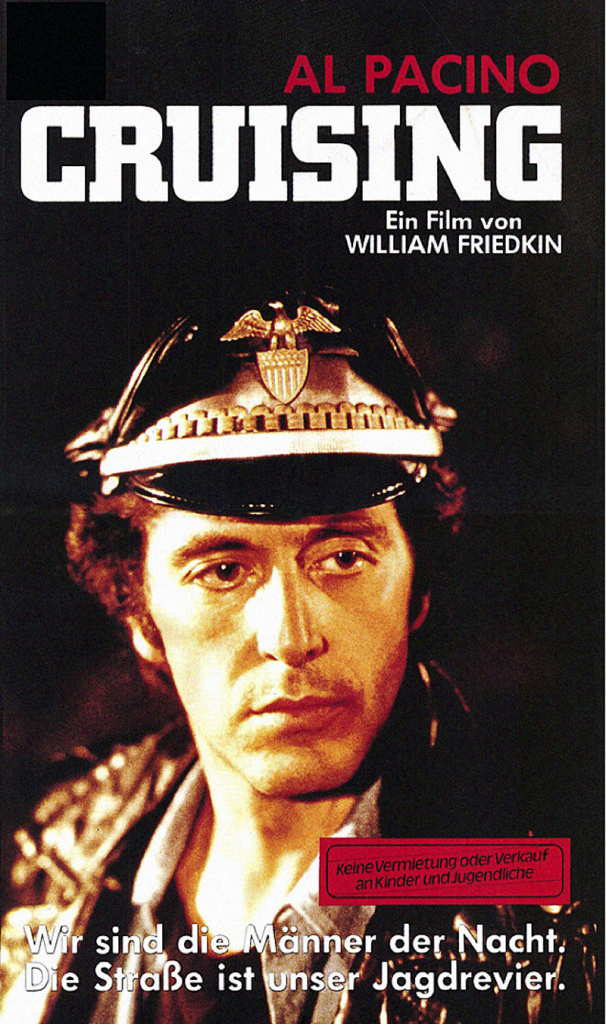
Richard Cox is an American actor. He is known for his roles as Stuart Richards in the film Cruising and Max Frazier on Ghostwriter. He was nominated for Broadway’s 1979 Tony Award as Best Actor (Featured Role – Musical) for Platinum.

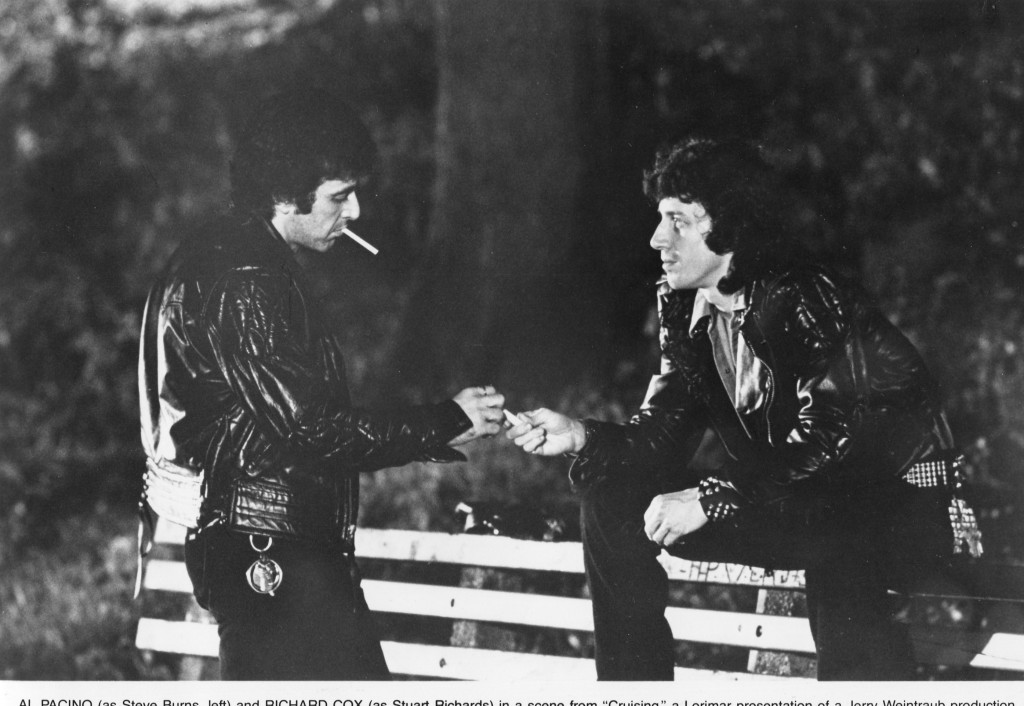
Al Pacino & Richard Cox

Cox performed on Broadway with Ingrid Bergman in Captain Brassbound’s Conversion before going to Hollywood in 1975 with the national company of Grease.

Cruising

He appeared with Al Pacino in Cruising (1980) and Looking for Richard (1996). Other film credits include Seizure (1974), Between the Lines (1977), Sanford and Son (1975), King of the Mountain(1981), Hellhole (1985), The Vindicator (1986), Zombie High (1987) and Radio Free Albemuth (2010).


Ben Barnes

Ben Barnes is probably best known for his performances in “Stardust” as Young Dunston and Caspian in “The Chronicles of Narnia”.   He is due to be in the play “Birdsong” on the West End stage in September 2010.   A website fpr Ben Barnes can be accessed here.

Ben Barnes (Wikipedia)

Ben Barnes is a British actor and singer. He is best known for his roles as Prince Caspian in The Chronicles of Narnia film series, Logan Delos in Westworld, and Billy Russo in The Punisher.

He has also played Tom Ward in the fantasy film Seventh Son, Dorian Gray in Dorian Gray, supporting roles in The Words, and The Big Wedding, and portrayed Samuel Adams in the 2015 miniseries Sons of Liberty.

Barnes was born in London, to Tricia, a relationship therapist, and Thomas Barnes, a professor of psychiatry.

Barnes was educated at two independent schools for boys: Homefield Preparatory Schoolin Sutton and King’s College School in Wimbledon, south-west London (where his classmates included the film actor Khalid Abdalla and comedian Tom Basden),[5] followed by Kingston University in Kingston-upon-Thames, where he studied drama and English literature, and from which he graduated with BA Honours in 2004.

Barnes began his career in musical theatre. As a teenager, he spent a few years as part of the National Youth Music Theatre, whose alumni also include actors Jude Law and Jamie Bell.[8] At fifteen, Barnes landed his first professional job as a drummer in the West End musical adaptation of Bugsy Malone. He was briefly a singer in the pop boy band Hyrise, which was in the running to represent the United Kingdom in the Eurovision Song Contest in 2004 with the song “Leading Me On”; however, they lost out to James Fox and “Hold Onto Our Love“. Barnes began working in television in 2006, including a guest appearance on the UK series Doctors. That same year, he joined the ensemble cast of a West End production of The History Boys, in which he starred as the sexually provocative Dakin, a role originally played by Dominic Cooper on stage and in the film The History Boys.

Barnes made his feature film debut as Young Dunstan in 2007’s Stardust, directed by Matthew Vaughnand based on the Neil Gaiman novel of the same name. Barnes then starred as a Russian hoodlum named Cobakka in Suzie Halewood’s Bigga Than Ben, which was released in 2008 in the United Kingdom and other European countries.[11]

In February 2007, it was announced that Barnes would play the role of Caspian in the film adaptation of The Chronicles of Narnia: Prince Caspian, directed by Andrew Adamson. Adamson said “Caspian is a coming of age and, to some degree, a loss of innocence story, with Caspian starting out quite naïve, then craving revenge and finally letting go of the vengeance.” While many readers interpret Caspian as a child, a passage in the novel mentions his age to be near that of Peter’s, so an older actor was sought to match William Moseley. Barnes had read the novel as a child, and was cast in two-and-a-half weeks after meeting with the filmmakers. He spent two months in New Zealand horse riding and stunt training to prepare for shooting.  Barnes says his Mediterranean accent in the movie was inspired in part by Mandy Patinkin‘s performance as Inigo Montoya in The Princess Bride. Adamson did not expect to cast a British actor as Caspian, and said Barnes fitted well into the surrogate family of Adamson and the four actors playing the Pevensies.[16]

In the spring of 2008, Barnes finished filming the role of John Whittaker for Noël Coward‘s romantic comedy, Easy Virtue opposite Jessica Biel. Written and directed by Australian Stephan Elliott,[17] the film premiered at the Toronto International Film Festival on 8 September 2008.[18] The film has screened at the Rio, Rome, Abu Dhabi, London and Adelaide Film Festivals.[19][20] It also screened at the Tribeca Film Festival prior to its U.S. release on 22 May 2009.[21] Easy Virtue is a social comedy in which a glamorous American widow, Larita, impetuously marries a young Englishman, John Whittaker, when they return to England to meet his parents, his mother takes an immediate and strong dislike to the new daughter-in-law.[22] The score contains many Coward and jazz-age songs, some of which are sung by Barnes. In the United States, the film enjoyed some commercial success. Sony Pictures Classics paid an estimated $US1 million to acquire the film’s distribution rights in the United States, Latin America and South Africa.[23]

Barnes next starred in the title role in a film adaptation of Oscar Wilde‘s Dorian Gray, directed by Oliver Parker for Ealing Studios.[24] The film was released on 9 September 2009 in the United Kingdom and had its world premiere that month at the Toronto International Film Festival.

In May 2009, Barnes was nominated for MTV Movie Awards‘ Best Breakthrough Male for his performance in Prince Caspian, which went to Robert Pattinson from Twilight.[25] In June 2009, Barnes filmed the psychological thriller Locked In, directed by Suri Krishnamma, on location in Boston. In the movie (which was originally titled Valediction), Barnes plays an American father named Josh whose daughter seems to be in a coma after being in a car accident.[26]

Barnes appeared as King Caspian in The Chronicles of Narnia: The Voyage of the Dawn Treader (2010), the third installment in the series. Directed by Michael Apted, the movie was filmed from July to November 2009 in Brisbane, Australia. It premiered on 30 November 2010 at a Royal Film Performance in London.[27] and released in December 2010.[28][29] It was released in traditional 2DRealD 3D, and Digital 3D, and a limited release in 4D.[30] The film was the 12th highest-grossing film of 2010 worldwide.[31]

In January 2010, Barnes began filming Killing Bono,[32] a comedy based on the Neil McCormick memoir Killing Bono: I Was Bono’s Doppelgänger, in which McCormick recounts his youth in Ireland as an aspiring rock star who is overshadowed by his friend Bono, the lead singer of U2. Barnes played McCormick in Killing Bono, which is directed by Nick Hamm. Filming started at the beginning of January in the city of Lisburn.  Killing Bono was released on 1 April 2011, in the United Kingdom and Ireland. The European premiere was at the Savoy Cinema in Dublin.  Sony Music Entertainment released the movie’s soundtrack worldwide.

Barnes returned to the West End stage in London with a starring role as World War I soldier Stephen Wraysford in Birdsong, a drama based on the Sebastian Faulks novel of the same title. The play, directed by Trevor Nunn and adapted for the West End stage by writer Rachel Wagstaff opened on 28 September 2010, running through 15 January 2011.  He was then cast alongside Bradley Cooperand Zoe Saldana in The Words (2012).

In 2013 Barnes had one film released, The Big Wedding, a remake of the original 2006 French film Mon frère se marie (My brother is getting married). The movie starred an ensemble cast that included Robert De NiroDiane KeatonKatherine HeiglTopher GraceAmanda SeyfriedSusan Sarandon and Robin Williams. The movie released on 26 April 2013.

In December 2012, Barnes began filming the modern day crime drama By the Gun with co-stars Harvey Keitel and Leighton MeesterBy the Gun had its world premiere at the 2014 Zurich Film Festival,  theatrical premiere in Boston on 2 December 2014, and a limited theatrical release on 5 December 2014. It was released on DVD on 20 January 2015.

Barnes played Tom Ward in the film Seventh Son (2014). Directed by Sergei Bodrov and co-starring Jeff BridgesAlicia Vikanderand Julianne Moore, it is based on the novel The Spook’s Apprentice (titled The Last Apprentice: Revenge of the Witch in the US) by Joseph Delaney.[49] The presentation was at Comic-Con International 2011. The film was released in France on 17 December 2014, and in Canada and the United States on 6 February 2015.

In 2015, Barnes starred as Sam Adams in the History Channel‘s three-part fictional mini-series Sons of Liberty.  Barnes also starred with Katherine Heigl in the romantic drama Jackie & Ryan. On 20 July 2015 it was announced that Barnes would replace Eion Bailey as Logan Delos in HBO‘s science fiction thriller Westworld, the first season of which aired in the fall of 2016.

In September 2016, Barnes was cast as Billy Russo in the Marvel Netflix series The Punisher.[54]

Jason Statham

Jason Stakam

Jason Stakam

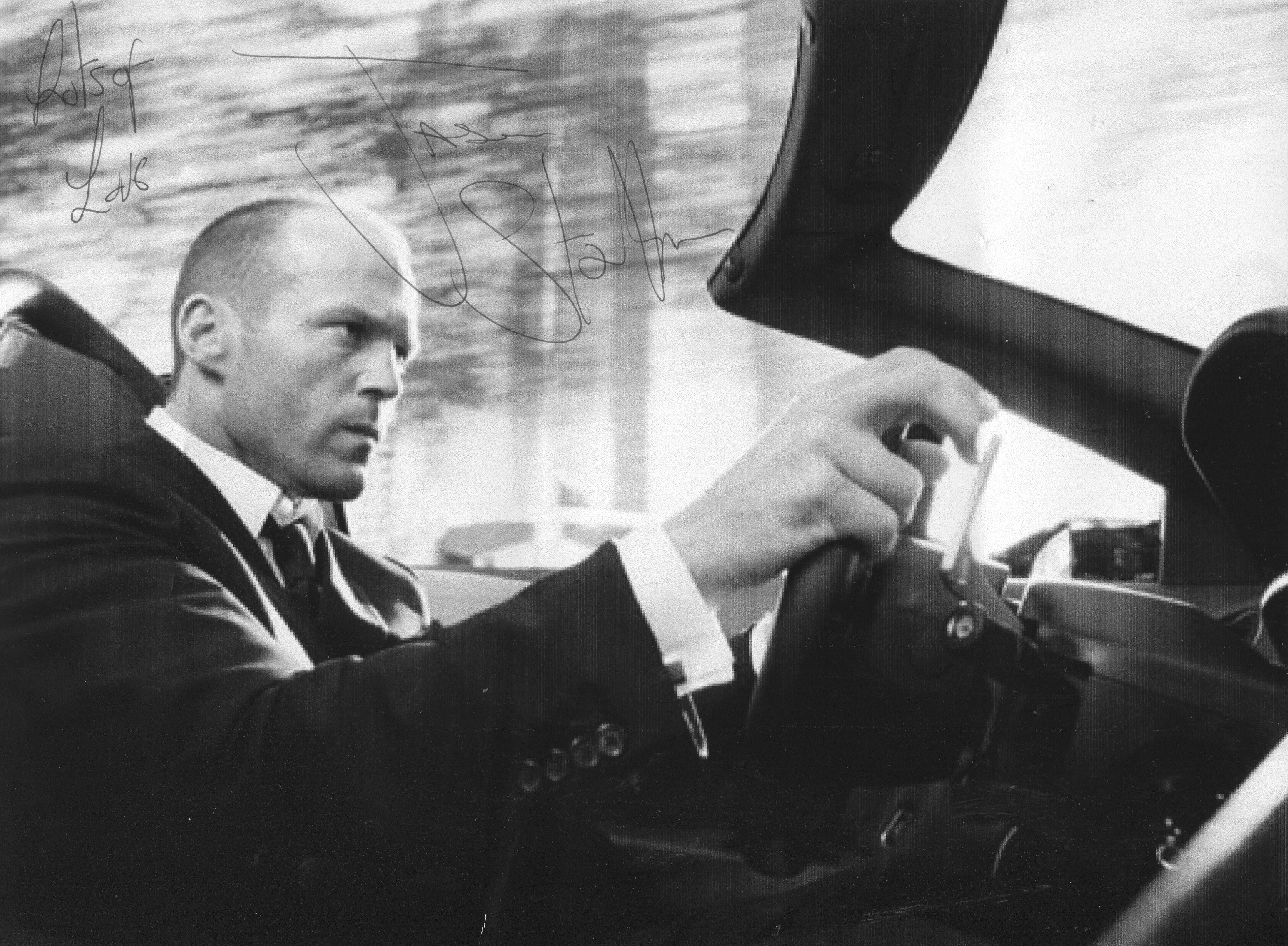
Jason Statham is an English actor who is also a martial arts expert.  He was born in 1967 in Shirebrook.    He is best known for his roles in Guy Ritchie films like “Snatch”.   He is currently starring with old pros Sylvester Stallone. Bruce Willis, Arnold Schwarzenegger and Dolph Lundgren in “The Expendables”   Interview with Statham in “The Guardian” can be accessed here.

He was born on 26 July 1967 in Shirebrook, Derbyshire,[5][6] the son of Eileen (née Yates), a dancer, and Barry Statham, a street seller.[7] His father also worked odd jobs as a house painter, coal miner, and singer in the Canary Islands.[8] He moved to Great Yarmouth, Norfolk, where he initially chose not to follow his father’s career working the local market stalls, instead practising martial arts. He grew up with football player Vinnie Jones, alongside whom he would later act. Jones introduced him to football, and Statham went on to play for the local grammar school (1978–1983), which he had attended since the age of 11, a passion that he shared with diving.[9] He practiced daily in perfecting his diving techniques, and was a member of Britain’s National Swimming Squad for twelve years.[10][11] Statham competed for England at the 1990 Commonwealth Games in the 10 meter, 3 meter, and 1 meter competitions.[12] He said in a 2003 IGN interview that his time with the national squad was “a great experience” and one that “teaches you discipline, focus, and certainly keeps you out of trouble”.[13]

Statham’s life in the media began when he was spotted by the agency Sports Promotions specialising in sports modelling while he was training at London’s Crystal Palace National Sports Centre. He was also signed by Tommy Hilfiger, Griffin, and Levis for various modeling contracts during their 1996 spring/summer collections.[14] In 1997, he became a model for the clothing brand French Connection. A spokesperson for the high street clothing chain said: “we chose Jason because we wanted our model to look like a normal guy. His look is just right for now: very masculine and not too male-modelly.”[6] However, he was still forced to follow in his father’s footsteps as a street seller to make ends meet, selling “fake perfume and jewellery on street corners” according to Statham.[15][8] He made small appearances in a few music videos, including “Comin’ On” by The Shamen in 1993, “Run to the Sun” by Erasure in 1994,[16] and “Dream a Little Dream of Me” by The Beautiful South in 1995.[17][18]